
Wat Phra Yai Koh Samui
The Temple's Unique Architecture
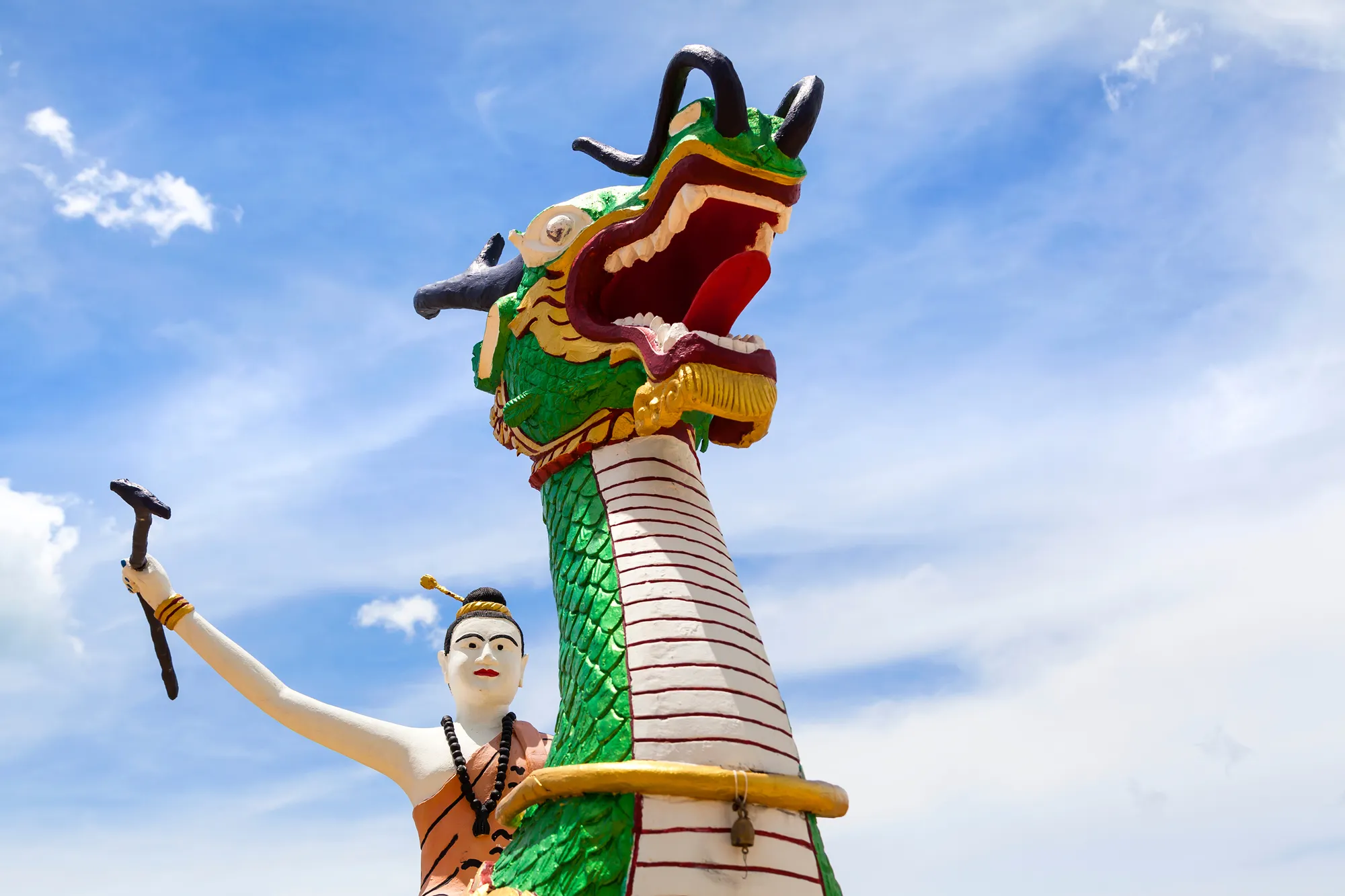
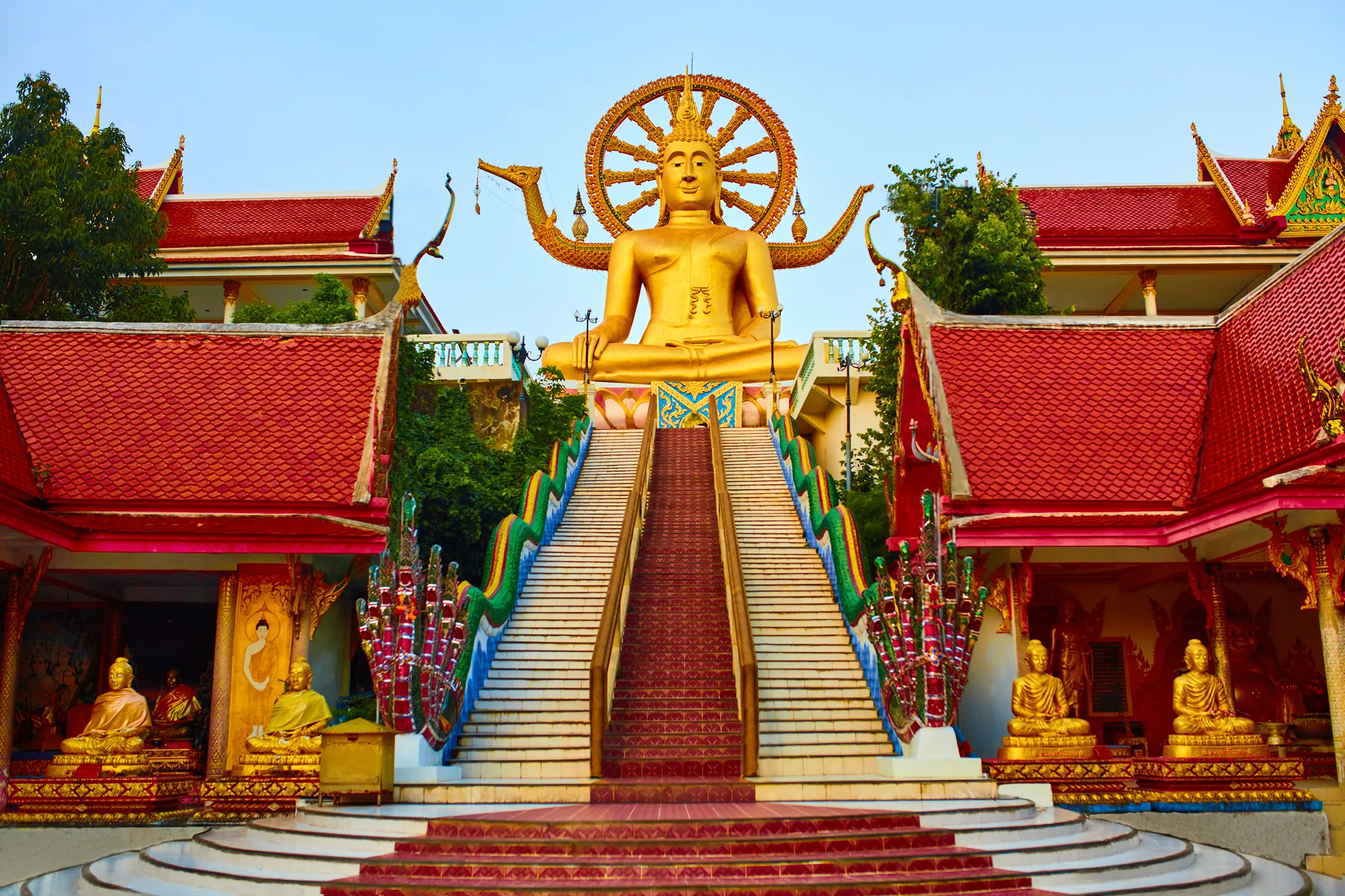
Stepping into the grounds of Wat Phra Yai, visitors are immediately struck by its imposing yet graceful design, showcasing a harmony of symbolism, tradition, and exquisite craftsmanship. At the forefront of this architectural marvel is the long staircase, adorned with stunning Nāga statues. These mythical serpent-like creatures, vibrant with green, gold, and red accents, serve not only as decorative elements but also as powerful spiritual symbols rooted in Buddhist and Hindu mythology. Often believed to be guardians of temples, the Nāga serpents are thought to protect sacred spaces from negative energies and guide worshippers upwards along their spiritual path. Each scale of the Nāga glimmers in sunlight, creating a mesmerizing effect that adds to the divine atmosphere. Ascending this staircase feels almost like a pilgrimage, with every step bringing you closer to the enlightened presence of the golden Buddha above.
The temple’s architecture is a vivid reflection of Thailand’s rich cultural tapestry, blending animistic beliefs, Brahmin customs, and traditional Buddhist design elements. This fusion is deeply significant, as it mirrors the spiritual diversity that has shaped Thai culture over centuries. Animism, for instance, is evident in the prominence given to offerings and reverence for natural spirits in the temple’s design. Small shrines containing sacred objects, floral garlands, and incense can be spotted throughout the temple grounds, creating a connection between the physical world and spiritual entities.
The influence of Brahminism is most noticeable in the grand, ornamental details. Elaborate carvings, decorative gold leaf plating, and vibrant depictions of celestial beings exude a sense of reverence and cosmic grandeur. Meanwhile, the distinctly Buddhist elements, such as the lotus motifs, prayer wheels, and stupas, tie everything back to the philosophies of mindfulness, compassion, and enlightenment central to Buddhist practice. Together, these styles don’t compete but rather complement each other, presenting an intricate architectural narrative that is as spiritual as it is visually stunning.
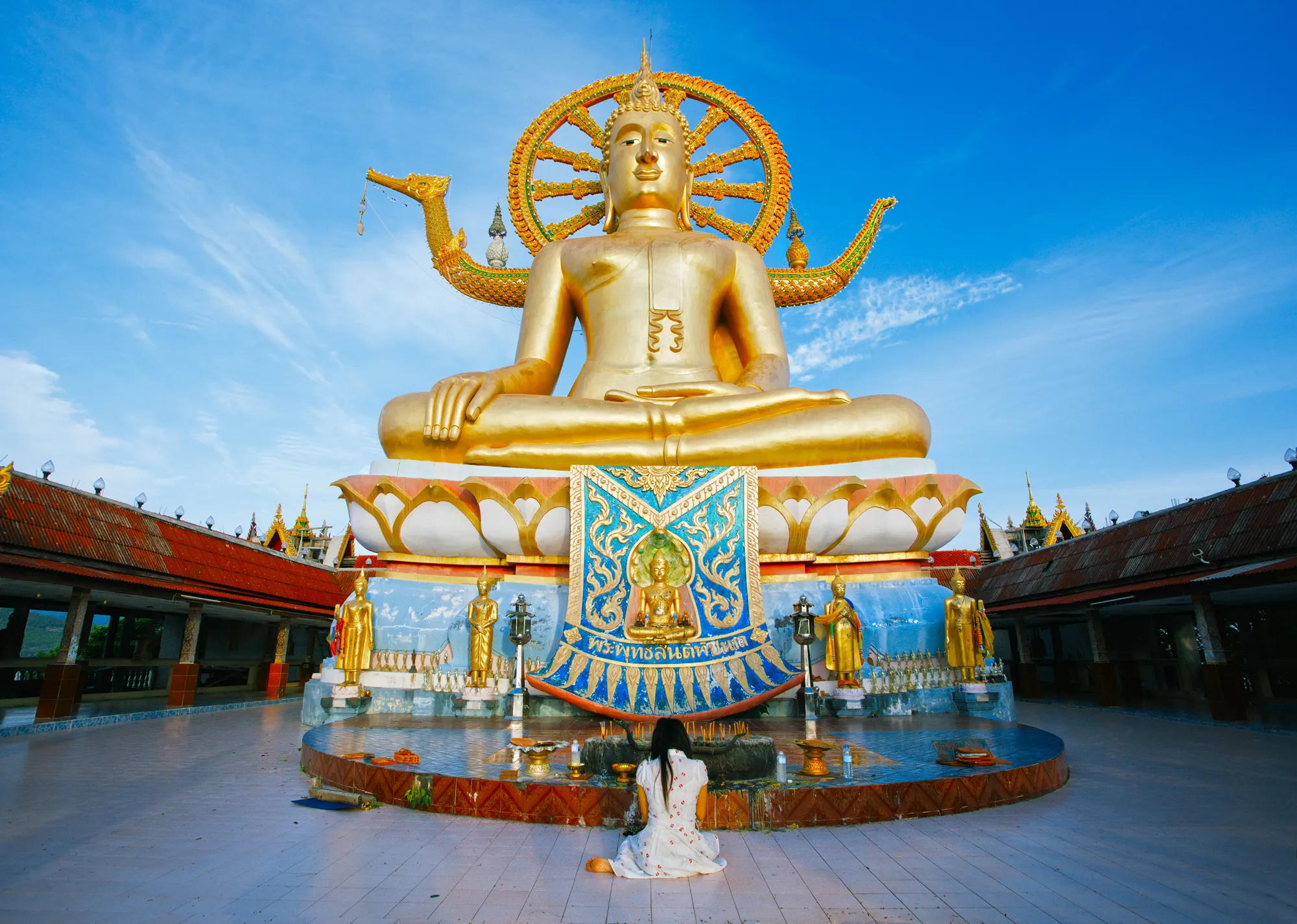
The temple’s interior and grounds offer a feast for the eyes of anyone who loves art and architecture. Ornate carvings and gilded details line the walls, portraying stories of Buddha’s life, significant events in Buddhist teachings, and symbols of peace and wisdom. These carvings, often crafted by master artisans, are full of meticulous detail, inviting visitors to pause and reflect on the narratives they depict. The shrines, scattered across the complex, provide dedicated spaces for worship and meditation. Their layered roofs, flared eaves, and elegantly curved corners give them a traditional Thai architectural character, while their vivid colors elevate their sacred presence.
At the rear of the temple, visitors will find an array of bronze and brass bells, each crowned with intricate designs. The tranquil sound of these bells, when rung, resonates through the temple grounds, creating an almost ethereal echo that complements the serenity of the environment. According to local belief, ringing the bells is a symbolic act that spreads positive energy, dispels negativity, and sends prayers into the universe. Many visitors describe the experience as profoundly calming, as the melodic tones blend harmoniously with the sound of the nearby ocean and the faint susurration of the wind passing through coconut palms.
Beyond the architectural details, what makes Wat Phra Yai truly unique is the spiritual atmosphere created by its design. Every element of the temple feels purposeful, with aesthetic beauty and symbolism combining to evoke a sense of awe and peace in equal measure. The careful placement of shrines, the protective presence of the Nāga, the seamless blending of religious influences, and the grand scale of the Buddha statue all work together to make Wat Phra Yai not just a physical structure but a space that feels sacred, alive, and profoundly moving.

Wat Phra Yai Koh Samui
Experiencing the Big Buddha Temple
A Marketplace of Treasures
Before or after your time at the Big Buddha Temple itself, take a moment to explore the bustling marketplace nestled at the base of Wat Phra Yai. This colorful and vibrant area is alive with the sights, sounds, and aromas of Thai culture, offering a delightful shopping and dining experience for visitors. The market is filled with stalls selling handcrafted souvenirs, from intricately carved wooden figurines to colorful silk scarves and traditional Thai textiles that make for perfect mementos or gifts.
Spiritual seekers or those curious about Buddhist culture will find a fascinating array of religious amulets and charms. These small, often intricately decorated talismans are said to bring good luck, health, or protection to their owner. Vendors are usually happy to explain the specific meanings and blessings of each amulet, adding a personal touch to your purchase.
The culinary delights at the market are an experience not to be missed. Follow the tempting aroma of sizzling street food to discover a variety of freshly cooked treats. The famous Thai pancakes, or "roti," are a must-try. Thin and lightly crispy, these pancakes are often laced with sugar, condensed milk, or banana, creating a sweet and satisfying snack. Other delights include freshly grilled skewers, spicy papaya salad, and tropical fruits like mango and pineapple served with a sprinkle of chili salt for a uniquely Thai twist.
Browsing the market is not just about shopping or eating; it’s a chance to connect with the local culture. Engage in cheerful bartering with stall owners, observe the joyful chatter of families sharing meals, and soak in the energetic yet welcoming atmosphere that defines Thai marketplaces.
What to Wear and How to Behave
Since Wat Phra Yai is not only a tourist attraction but also an active place of worship, paying respect to local customs is vital to ensure a meaningful and harmonious visit. One of the most important aspects of this is adhering to the dress code. Visitors should dress modestly, covering their shoulders and knees as a sign of respect. Lightweight cotton clothing is ideal for staying cool in Thailand’s tropical climate while still adhering to these guidelines. If you arrive unprepared, don’t panic; sarong rentals are conveniently available at the entrance of the temple to ensure that you meet the requirements without added stress.
Upon entering the temple grounds, you’ll notice that shoes are not allowed in sacred areas. Removing your footwear symbolizes humility and cleanliness, both physically and spiritually. Many visitors find this subtle tradition enhances their sense of connection with the sacred space. You’ll find designated areas to leave your shoes before stepping onto the cool marble floors of the temple.
Beyond dress and footwear, it’s also important to be mindful of your behavior. Quiet voices are appreciated, as the temple is a peaceful environment where worshippers come to pray and reflect. When photographing or admiring the Buddha statues, never point your feet toward them, as feet are considered the lowest and least sacred part of the body in Thai culture. Instead, sit with your feet tucked behind you when in the presence of a statue, showing proper reverence. Additionally, avoid touching any sacred items or statues unless explicitly told it’s acceptable.
These cultural practices may seem simple, but they carry deep meaning and are rooted in centuries of tradition. By observing these customs, you not only show respect to the local community but also enrich your own experience, allowing you to truly immerse yourself in the spiritual and cultural essence of this extraordinary site.
Enhancing Your Visit
The combination of authentic market-life vibrancy and the serene, meditative energy of the temple area makes the Big Buddha Temple a multi-sensory experience. You can savor local flavors, connect with cultural traditions, and step into a world of spirituality and symbolism all in one visit. Whether you’re marveling at the golden Buddha, savoring a freshly cooked roti, or gently ringing a temple bell, cherished memories await at every step.

Wat Phra Yai Koh Samui
Panoramic Views that Take Your Breath Away
When you ascend to the Big Buddha Temple’s elevated perch, you are rewarded with some of the most breathtaking panoramic views that Koh Samui has to offer. From this vantage point, the Gulf of Thailand unfolds before you like a shimmering silk tapestry, its blue-green waters dancing in the sunlight. The horizon kissed by distant isles seems to blur the line between sky and sea, creating a tranquil expanse that feels infinite. The serenity of the landscape is complemented by the temple’s peaceful atmosphere, adding another layer of magic to the experience.
Directly below lies the charming Big Buddha Beach, also known locally as Bang Rak Beach. This idyllic shoreline stretches like a band of soft, golden sand framed by gently swaying palm trees and serene turquoise waves. Boats, both traditional long-tails and modern vessels, gently bob along the water's surface, bringing a touch of coastal life to the picturesque scene. Bang Rak is a microcosm of Koh Samui’s charm, combining natural beauty with a taste of authentic island culture as locals go about their daily lives against a backdrop of breezy coconut groves and quaint beachside huts.
A Photographer’s Paradise
The Big Buddha Temple is a veritable location of dreams for photographers, with each moment of the day offering its own unique palette of hues. Early risers will marvel at the tranquil sunrise views, as the first light of day bathes the surroundings in hues of soft pink, orange, and lavender. Watching the golden Buddha slowly illuminated by the dawn is a truly ethereal experience, symbolic of the enlightenment it represents. Mornings are also quieter, with fewer visitors, allowing for uninterrupted opportunities to capture the beauty of the temple and its surroundings.
For those arriving later in the day, the sunset views are equally mesmerizing. The fiery warm tones of the setting sun reflect off the gleaming surface of the Gulf of Thailand and highlight the Buddha statue’s golden exterior, making it appear to glow from within. The sky shifts dramatically during this time, cycling through brilliant oranges, reds, and violets before settling into the indigo softness of twilight. Photographers can experiment with wide-angle shots to capture the entire skyline or zoom in for detailed compositions featuring the Buddha against its heavenly backdrop.
To truly make the most of the views, visit on a clear day, when the weather lends vivid clarity to the sights. On such days, the distant silhouette of neighboring islands like Koh Phangan and the Ang Thong National Marine Park becomes visible, adding depth and intrigue to your photographs. Gentle breezes from the sea also make this spot a comfortable oasis even during warmer weather, encouraging you to linger longer in its tranquil surroundings.
Tips for Visitors and Photographers
- Timing Is Everything
For photographers chasing the perfect light, aim to visit around 6 AM for the sunrise or between 5 PM and 6 PM for the golden hues of sunset. Mid-morning and late afternoon are great times to enjoy clear skies and vibrant colors.
- Gear Up If possible, bring a camera with a polarizing filter to enhance the vivid blues and greens of the sea and sky. A wide-angle lens is ideal for capturing the sweeping vistas, while a zoom lens allows for tighter shots of interesting details, like the Buddha statue framed by the horizon.
- Take a Moment to Pause While the views are perfect for photographs, don’t forget to put your camera down and simply soak in the beauty surrounding you. The subtle sounds of the waves, the cool breeze against your skin, and the sense of peace as you gaze out over Koh Samui make for an unforgettable sensory experience.
- Stay Hydrated On sunny days, the heat can sneak up on you. Bring a bottle of water to stay refreshed, especially if you’re spending an extended time exploring both the temple and the surrounding viewpoints.
- Sun Protection Whether you’re visiting at sunrise or sunset, don’t forget your sunscreen, sunglasses, or a hat to protect yourself against Thailand’s radiant sun.
Beyond the Views
Whether you’re an avid photographer, a romantic traveler dreaming of sunsets, or a peace-seeker drawn to the temple’s spirituality, the views from Wat Phra Yai offer something for everyone. They capture the essence of Koh Samui’s natural allure and serve as a reminder of the island’s harmonious blend of culture and beauty. Every moment spent here, whether gazing at the vastness of the ocean or marveling at the temple’s golden guardian, leaves an indelible mark on your memory.

Wat Phra Yai Koh Samui
Practical Information for Visitors
Best Times to Visit
The temple is open daily, but to fully appreciate the tranquillity and avoid the midday heat, plan your visit for early morning or late afternoon. Early mornings allow you to witness locals making fruit and incense offerings while enjoying the cool breeze.
Getting There
Wat Phra Yai is easily accessible by road. Located on Thai highway 4171, it’s just 3 km north of Samui International Airport. Visitors can also reach the temple via a short ride from popular towns like Chaweng (7.5 km away) and Bophut (3 km away).
Entrance Details
Good news for budget travellers! Entry to the temple is free, but donations are welcomed. Every contribution goes toward maintaining this cultural landmark.
Top Tourist Attractions Near the Big Buddha Temple in Koh Samui
If you've ticked the Big Buddha Temple off your list, you're in luck! The surrounding area in Koh Samui brims with exciting attractions, cultural gems, and relaxing retreats. Here’s a comprehensive guide to nearby must-visit spots to make the most of your adventure.
1. Wat Plai Laem
Just a 5-minute drive away, this stunning temple complex offers visitors a unique blend of Thai and Chinese influences. At its heart is a striking statue of Guanyin, the Goddess of Mercy, with 18 arms symbolizing her ability to reach out and help all beings. Opposite her sits a giant laughing Buddha statue, radiating positivity and generosity.
Visitor Tips:
- The best time to visit is early morning when crowds are lighter, and you'll spot locals offering food to monks.
- Enjoy feeding the catfish in the temple's lake (fish food is available for a small donation), which adds a unique, relaxing touch to the visit.
Nearby Dining: Check out local eateries nearby for authentic Thai food, or head to the beachfront for fresh seafood.
2. Chaweng Beach
Roughly 15 minutes from the Big Buddha Temple, this bustling beach is a paradise for sun worshippers. With white sands, turquoise waters, and an array of water sports, it’s a lively destination for relaxation and adventure alike.
Things to Do:
- For an active day, try jet skiing or paddleboarding.
- Visit the street markets and shops just a stone’s throw away from the beach to pick up unique souvenirs.
Best Time to Visit: Late afternoon is ideal if you want to enjoy the sunset and witness Chaweng’s vibrant nightlife spark to life.
Where to Eat: The beachside restaurants serve mouthwatering Thai curries, fresh coconut drinks, and BBQ seafood.
Wat Phra Yai Koh Samui
3. Fisherman’s Village in Bophut
Located only 3 km from the temple, this traditional fishing village is a blend of old-world charm and chic boutique vibes. Famous for its wooden houses, trendy cafes, and quirky shops, it’s a haven for foodies and culture lovers alike.
Special Highlights:
- Visit the Friday Night Market, a must-see for street food enthusiasts and bargain hunters.
- Try local specialties such as freshly grilled squid or mango sticky rice while shopping for handcrafted goods and unique gifts.
Best Time to Visit: Friday evenings are electric with market festivities, but the charm of the village endures throughout the week.
Stay Recommendation: Stay at resorts like Anantara Bophut or quaint beachfront lodgings for a rustic yet luxurious experience.
4. Big Buddha Beach (Bang Rak)
Just down the hill from the temple, Big Buddha Beach offers a tranquil atmosphere paired with soft, golden sands. It’s an ideal spot to relax after exploring cultural landmarks.
What to Do:
- Unwind on the beach and take in scenic views of Koh Phangan across the water.
- Charter a longtail boat from here to explore surrounding islands or take part in snorkeling excursions.
Visitor Tips: Morning and early evening visits are best when the beach exudes serenity, and the temperatures are cooler.
Dining Options: Beachside cafes like Ocean 11 serve excellent meals with unmatched ocean views.
5. Secret Buddha Garden
Nestled atop the hills in central Koh Samui, about a 30-minute drive from the temple, this lush garden offers ultimate seclusion. Created by a local durian farmer, Nim Thongsuk, the site features remarkable hand-sculpted statues that tell traditional Buddhist stories. It’s both a peaceful retreat and an artistic delight!
Unique Features:
- You’ll find Buddha statues peppered across the landscape, alongside mythical figures and captivating waterfalls.
- The panoramic views of the island from this elevated spot are unforgettable.
Travel Tip: Rent a car suitable for steep terrain or join a guided tour, as the uphill drive can be challenging.
6. Hin Ta and Hin Yai Rocks (Grandfather and Grandmother Rocks)
About 20 minutes southward, these naturally shaped rock formations are famous for their striking resemblance to male and female anatomy. Legends say they represent a tragic love story immortalized in stone.
Why Visit:
- The site is perfect for quirky photographs and comes with breathtaking ocean views.
- The surrounding stalls sell refreshing coconut ice cream and local handicrafts.
Best Time to Visit: Come during the late afternoon when the rocks catch the warm hues of the setting sun.
7. Choeng Mon Beach
Just a short 7-minute drive from the temple, this quiet gem delivers stunning turquoise waters and a peaceful vibe. It’s ideal if you’re looking for calm surroundings and fewer crowds.
What Makes It Special:
- Perfect for families with shallow, calm waters.
- Kayaks and paddleboards are available for rent, allowing you to explore at your own pace.
Nearby Dining: Stop by eateries lining the beach for fresh seafood and Thai dishes in a serene environment.

Wat Phra Yai Koh Samui
Bonus Recommendation - Ang Thong National Marine Park
If you have a whole day to spare, join a tour to Ang Thong, an archipelago of 42 pristine islands located about an hour by speedboat from Koh Samui. This marine park showcases towering limestone cliffs, hidden lagoons, and lush greenery.
Don’t Miss:
- Snorkeling among vibrant marine life.
- Climbing to the Emerald Lagoon viewpoint for stunning panoramic scenes.
Seasonal Highlight: The park is best visited during the dry season (January to April) for clear skies and calm waters.
Final Thought
The areas around Koh Samui’s Big Buddha Temple are packed with cultural wonders, scenic beaches, and hidden gems just waiting to enrich your holiday experience. Whether you're eager to explore Thai heritage, relax on idyllic sands, or taste authentic local cuisine, you'll find something magical nearby.
Why You Shouldn't Miss Wat Phra Yai
Wat Phra Yai isn’t just another temple; it’s a cultural jewel and spiritual sanctuary offering a meaningful glimpse into Thai traditions. Beyond its majestic Buddha statue and captivating views, it’s the serene atmosphere of this landmark that truly stands out.
Whether you’re a history enthusiast, a photography buff, or simply a traveller in search of inner peace, a visit to the Big Buddha Temple offers an experience as enlightening as it is unforgettable.
When in Koh Samui, follow the golden glow of the Big Buddha and immerse yourself in the magic of Wat Phra Yai.














Michael Carter
Vestibulum ante ipsum primis in faucibus orci luctus et ultrices posuere cubilia curae; Donec vel erat in nulla efficitur tempor non ut nisl. Integer venenatis eros ut dui viverra fermentum.
Sophie Wilson
Nam ut turpis hendrerit, varius nunc vel, elementum dui. Morbi vulputate dolor sit amet scelerisque egestas. Vestibulum eleifend nunc ut bibendum fermentum.
Alex Morgan
Cras non velit nec purus tempor rhoncus. Sed non mauris vitae erat consequat auctor eu in elit. Class aptent taciti sociosqu ad litora torquent per conubia nostra.