Chiang Mai's Hidden Dragon: Thailand's Most Authentic Chinatown
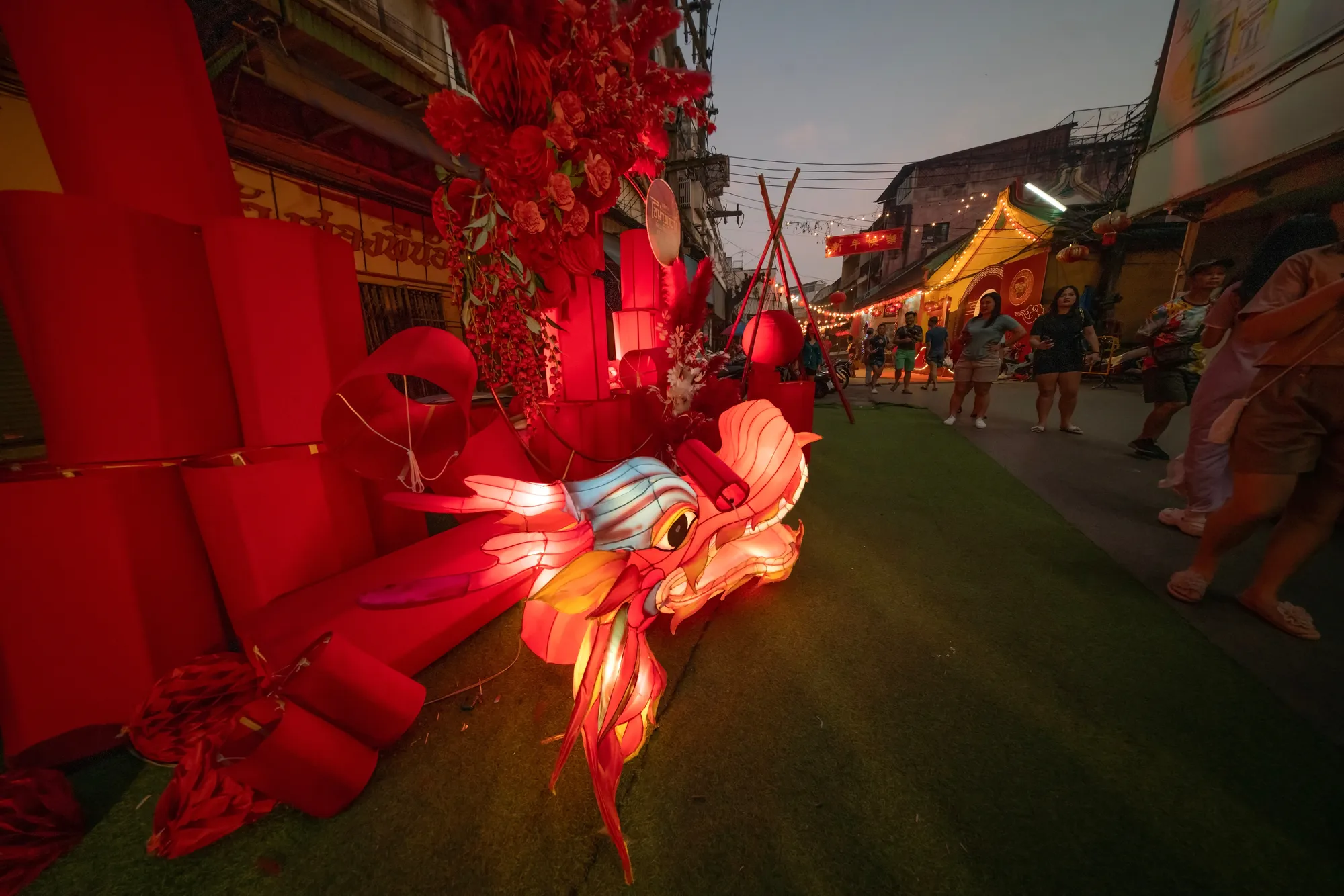
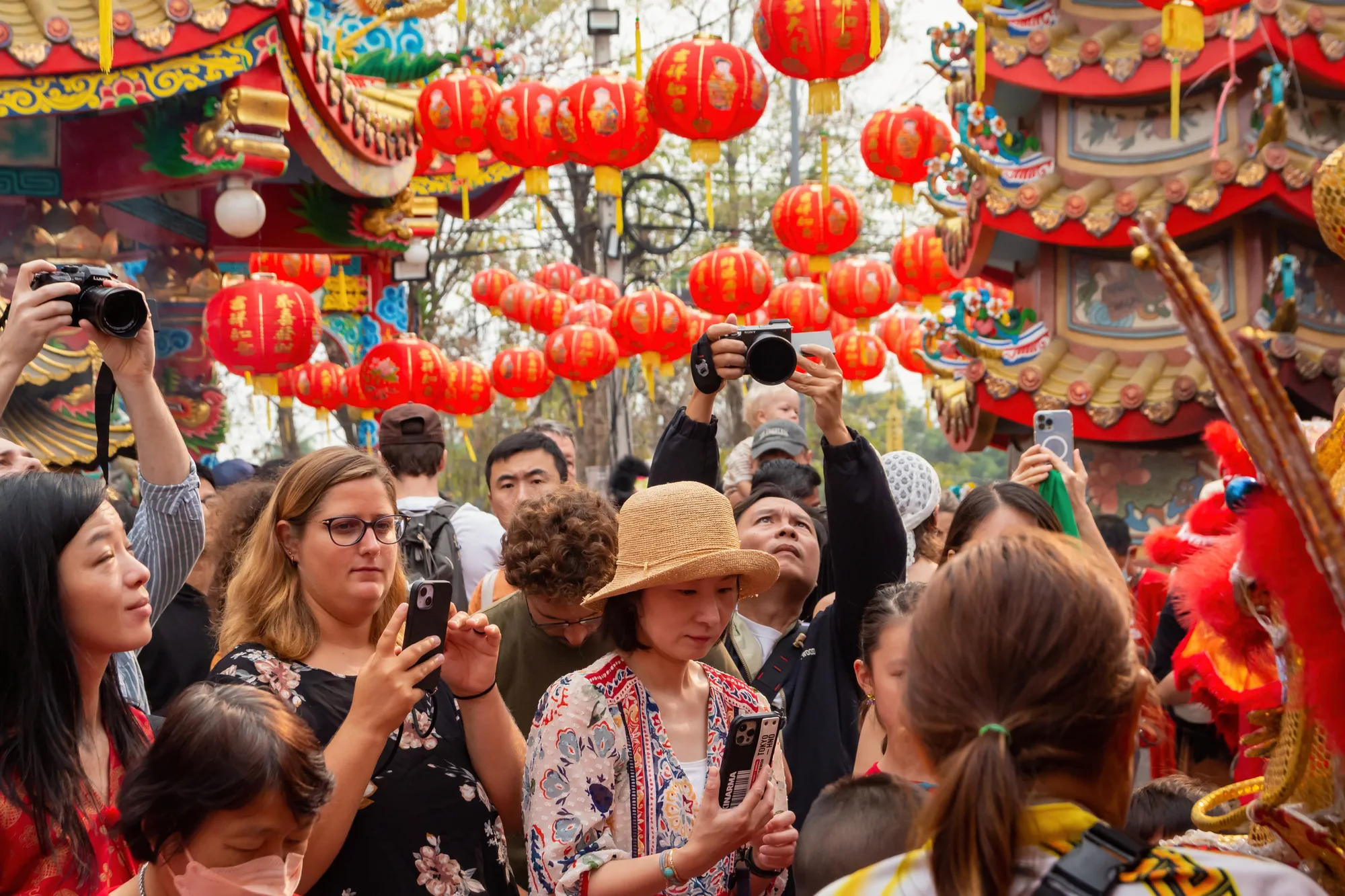
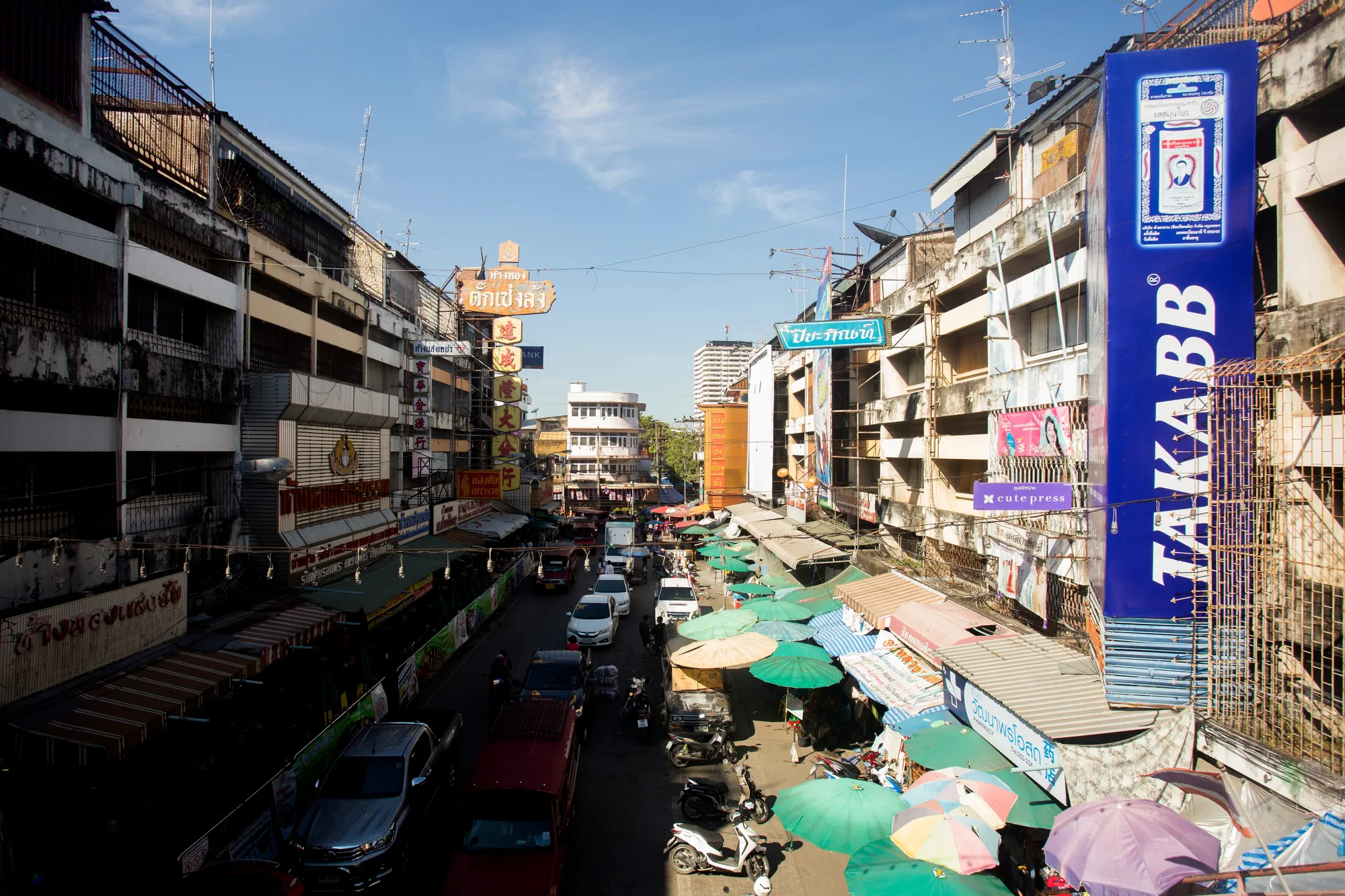
Step onto Chang Moi Road, and you're instantly swept into another world. Rows of red lanterns sway gently in the breeze, casting a warm glow over a street humming with life. The air is a heady mix of fragrant Thai spices and the earthy aroma of Chinese herbs, a sensory welcome to Chiang Mai's Chinatown. While Bangkok's famous Yaowarat Road draws massive crowds, the Chinese quarter in Chiang Mai offers something different—an authentic, lived-in experience where over 160 years of heritage isn't just a spectacle; it's woven into the fabric of everyday Thai life.
This isn't a purpose-built tourist attraction. This is Thailand's oldest trading quarter, a place where the stories of Chinese merchants who arrived in the 1860s still echo through the bustling markets, hidden temples, and traditional shophouses. It’s a corner of Chiang Mai that has retained its soul, a place where history breathes alongside modernity.
Forget the typical tourist trails for a moment. This guide will lead you through the dragon's lair, revealing the secrets that most visitors miss. Prepare to uncover hidden shrines, browse century-old herbal shops, savour the best street food, and discover shopping treasures far beyond the usual souvenirs. Your adventure into the heart of Chiang Mai's living history starts now.
Chinatown Chiang Mai At a Glance
Tucked along the banks of the Ping River, just steps from Chiang Mai's Old City, Kad Luang (better known as Warorot Market) is where Thai and Chinese cultures have mingled for well over a century. It's colourful, chaotic in the best way, and refreshingly free of tourist markups. Here's your quick snapshot before you dive in.
📍 Where it is: Along the Ping River, a short hop east of Chiang Mai's Old City. Easy to reach and hard to forget.
🕒 Best time to visit: Early morning for the freshest food and buzzing local trade, or early evening when the market glows and the day's heat eases off.
🍜 Must-try street food: Sizzling stir-fries, fragrant curries, sticky Thai sweets, and Chinese-style snacks made by vendors who've perfected their craft over generations. No fussy tourist menus — just genuine flavour.
🧵 Vibrant textile markets: Narrow alleys stacked with silks, cottons, and handwoven fabrics in every shade imaginable. Perfect for souvenirs or a standout statement piece.
🏛️ Historic architecture: Look up to spot century-old wooden shophouses and ornate Chinese-style facades that tell the story of the merchants who built this district.
✨ Glittering gold shops: Follow the shimmer to Chiang Mai's oldest gold traders, where Chinese business traditions still shape every deal. Worth a peek even if you're not buying.
🙏 Temples and shrines: Quiet Chinese shrines and Buddhist temples sit tucked between the market stalls, offering a peaceful pause amid the bustle.
🌏 Cultural significance: Nowhere else in the city captures the Thai-Chinese fusion quite like this — a living blend of food, faith, festivals, and family trade.
💰 Local prices: Because Kad Luang serves locals as much as visitors, you'll pay real market value, not inflated tourist rates.
🛺 Getting there: Grab a tuk-tuk or hop on a songthaew from the Old City. Most drivers know Kad Luang well, and the ride is quick and cheap.
In short: part food adventure, part cultural treasure hunt, Kad Luang is the beating heart of old Chiang Mai — and one of its most rewarding places to wander.
The Story Behind the Red Gates: A Rich Heritage
The story of Chiang Mai's Chinatown begins in the 1860s. Following the Treaty of Peking, which opened China's borders, a wave of merchants travelled to Siam (now Thailand). Many first settled in Bangkok, but as competition grew, they ventured north to the flourishing city of Chiang Mai. Arriving by the banks of the mighty Ping River, these enterprising families from Yunnan province saw an opportunity.
With sharp business acumen, they quickly established a powerful commercial hub. These merchants dominated the region's retail trade, money lending, and the vital river commerce that connected Chiang Mai to the wider world. Their influence grew so strong that by the late 19th century, some had even entered the lucrative business of tax collection. This riverside district, once a quiet part of the city, was transformed into the commercial heart of Northern Thailand.
Today, that legacy is etched into the architecture. As you wander the streets, you'll see traditional double-storey shophouses, their ground floors still buzzing with trade, standing proudly next to trendy cafes and modern storefronts. This fascinating blend of old and new is what gives Chiang Mai's Chinatown its unique character—a living museum where the past is not just remembered, but is an active part of the present.
Navigating the Dragon's Lair: Your Essential Map
Chiang Mai's Chinatown is a compact and wonderfully walkable district, making it perfect for a half-day exploration. Its boundaries are clearly marked, stretching from the iconic red archway on Chang Moi Road down to the muddy banks of the Ping River. This is the heart of the action, a maze of streets and alleys just waiting to be explored.
Key Streets and Their Specialities:
Chang Moi Road: This is the main artery. Lined with gold shops, traditional businesses, and market entrances, it's always bustling with activity.
Chiang Moi Road: Running parallel, this street offers a fascinating contrast where modern life meets ancient traditions, with trendy cafes nestled beside historic shophouses.
Praisanee Road: This road runs alongside the Ping River and is home to the city's vibrant flower market.
Where to go in Thailand
Writer
May 16, 2026• 3 Comments
Getting Around:
The best way to experience Chinatown is on foot. The narrow alleyways and crowded sidewalks are not built for cars, and parking is almost non-existent. The overhanging roofs of the shophouses create a pleasant shade, making a leisurely stroll comfortable even in the midday sun. Alternatively, renting a bicycle offers a great way to cover a bit more ground while still being able to stop and explore at your own pace. Local red trucks (songthaews) or tuk-tuks can drop you at the entrance archway for a fixed fare.
Best Times to Visit:
Early Morning: The markets are at their most vibrant, as locals do their daily shopping.
Evening: The street food scene comes alive, offering a delicious and affordable dinner.
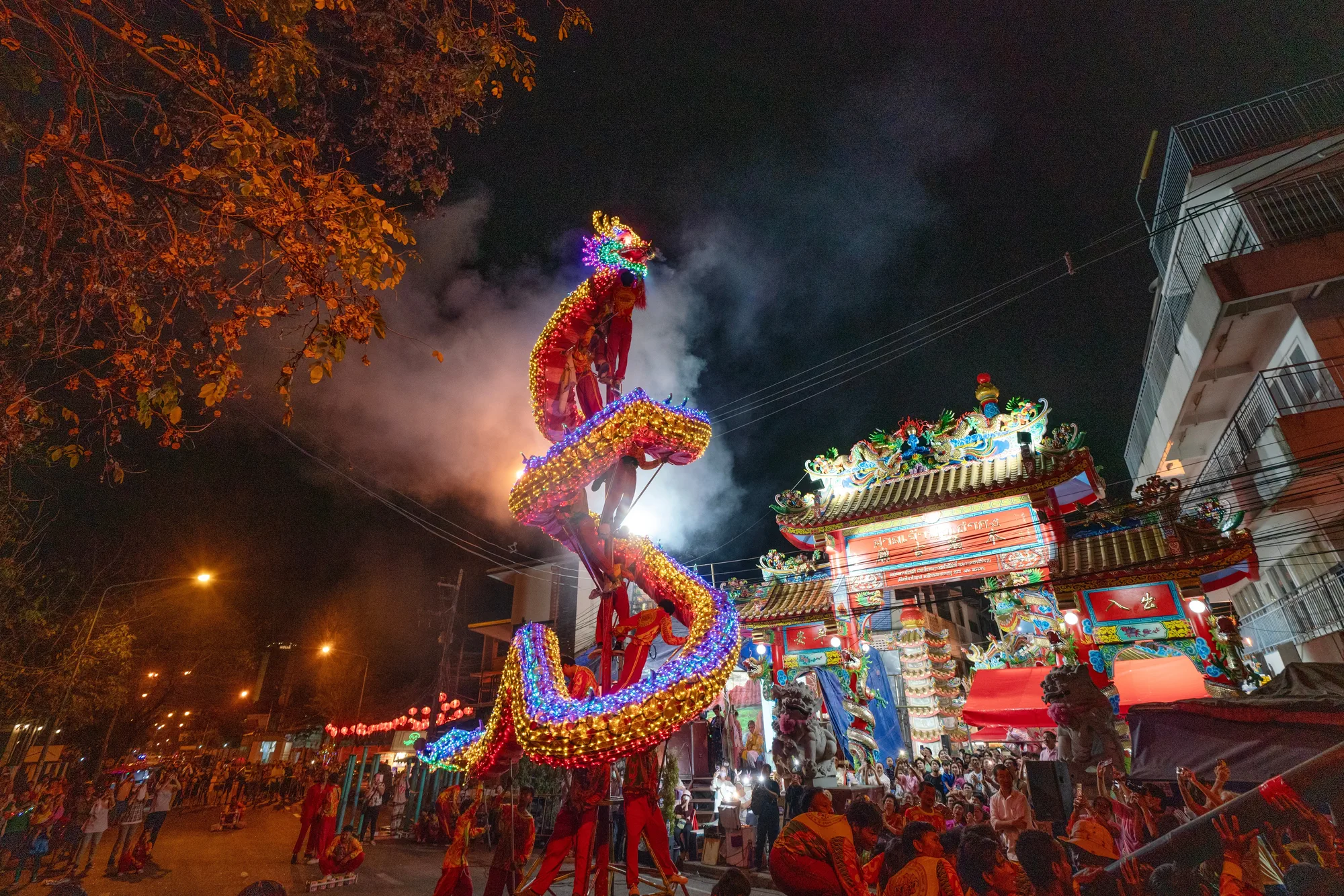
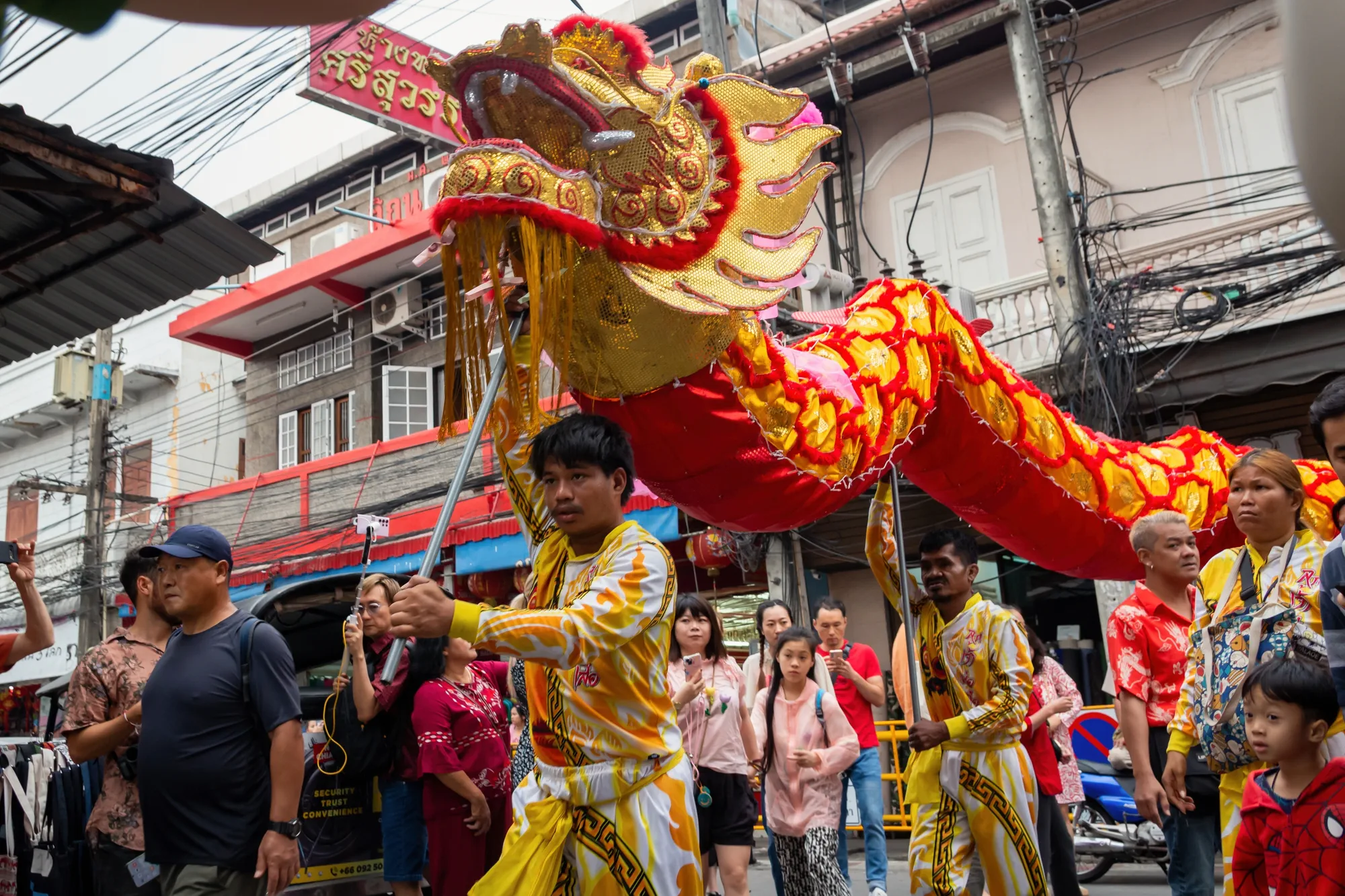
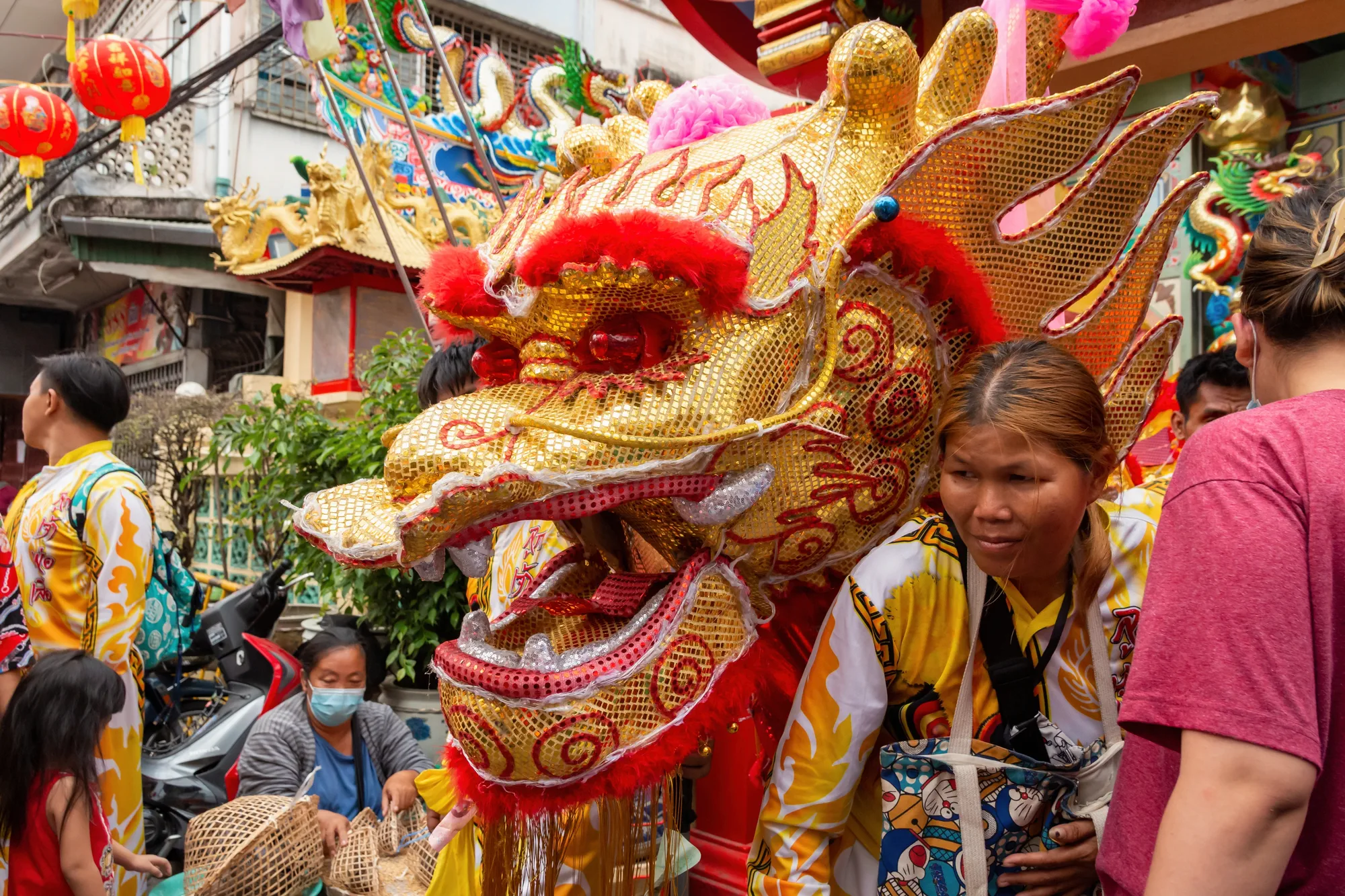
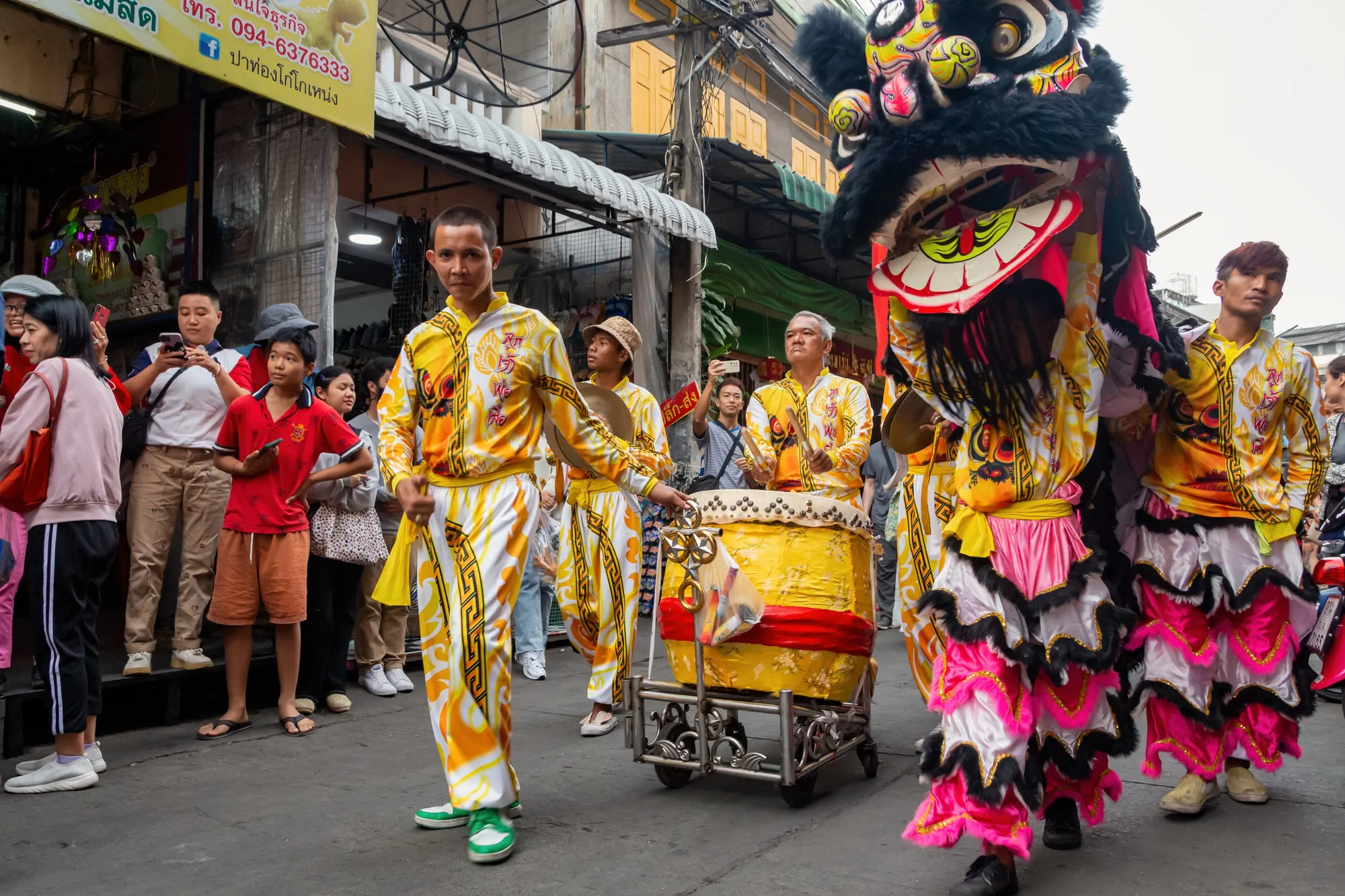
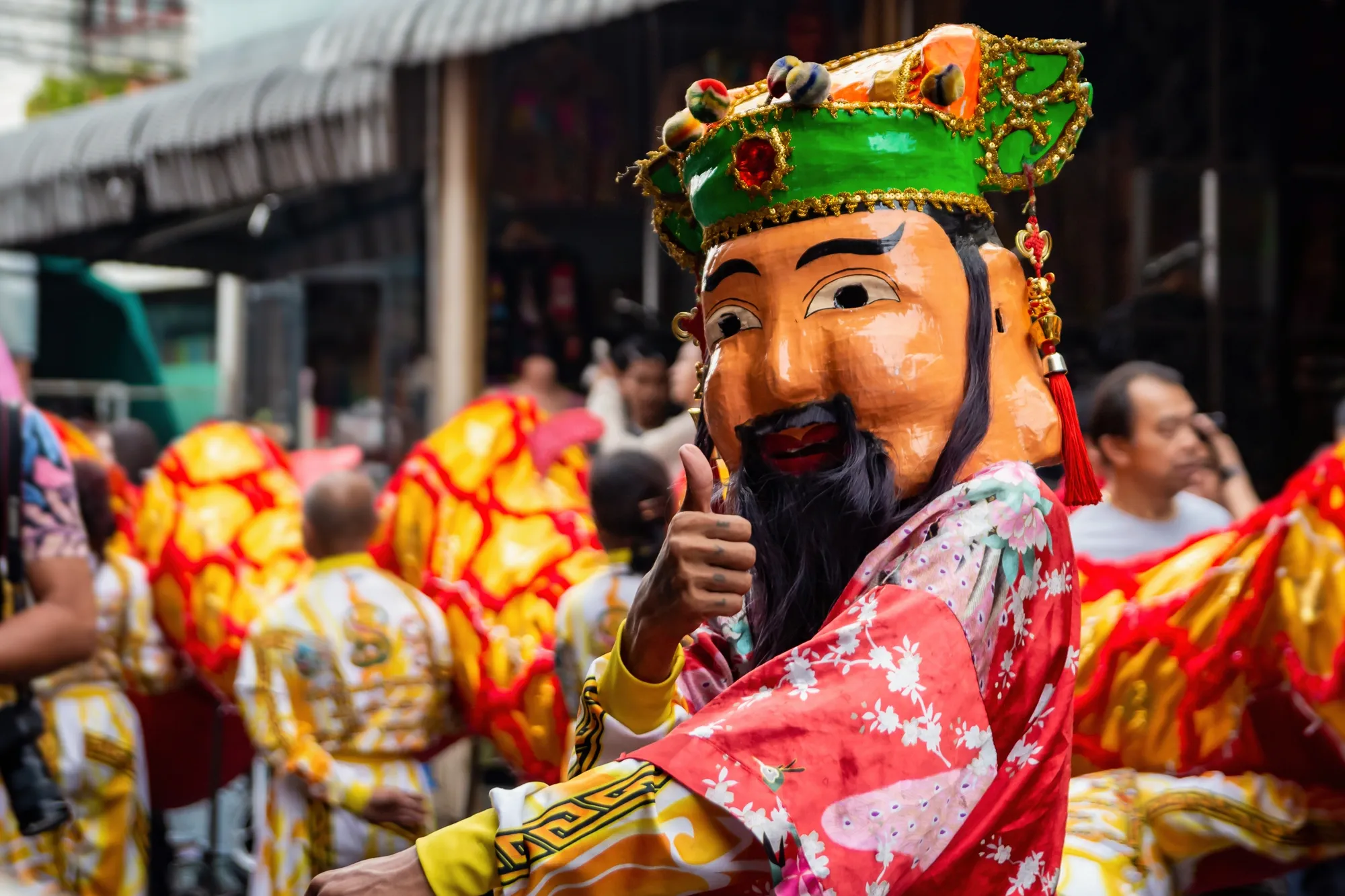
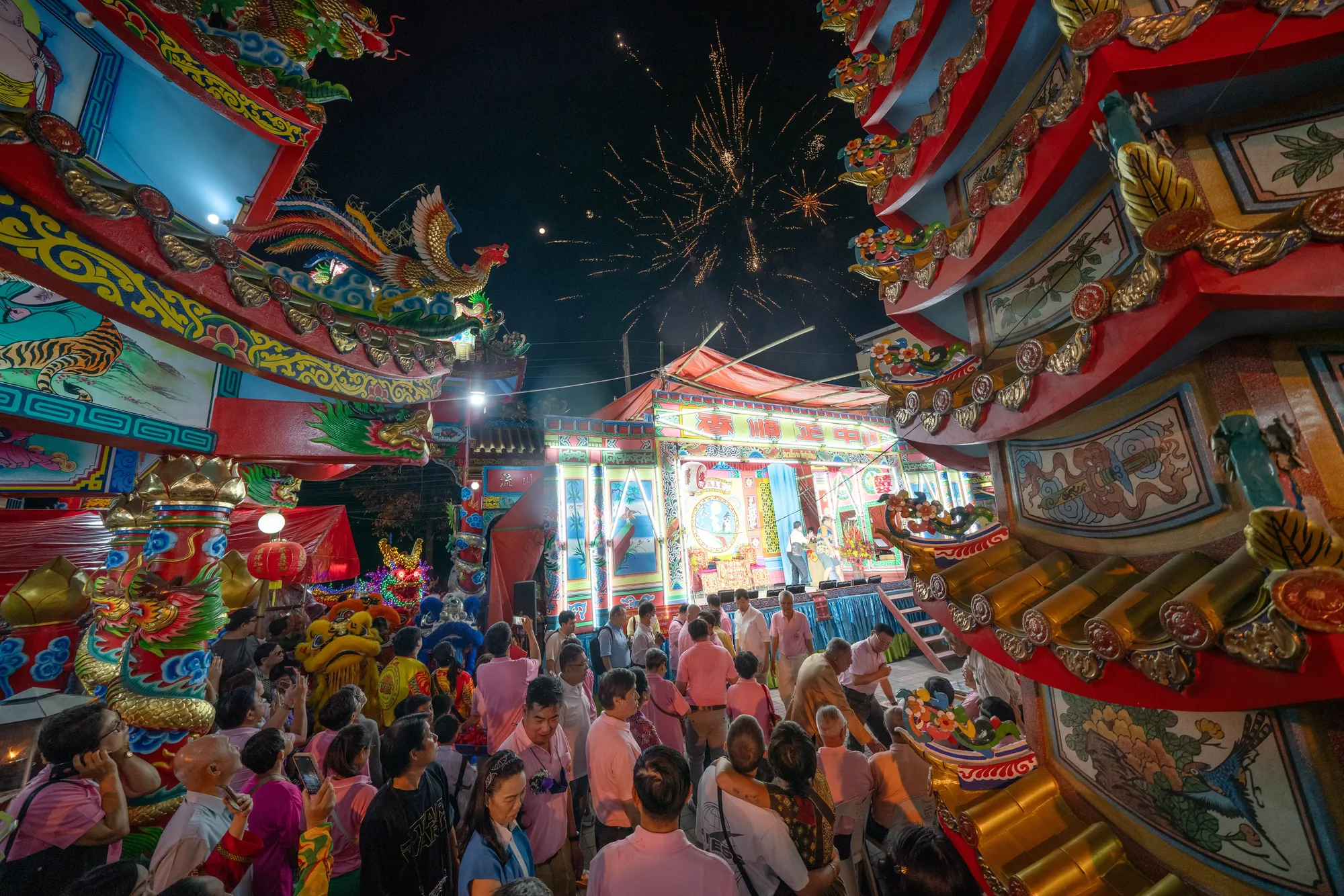
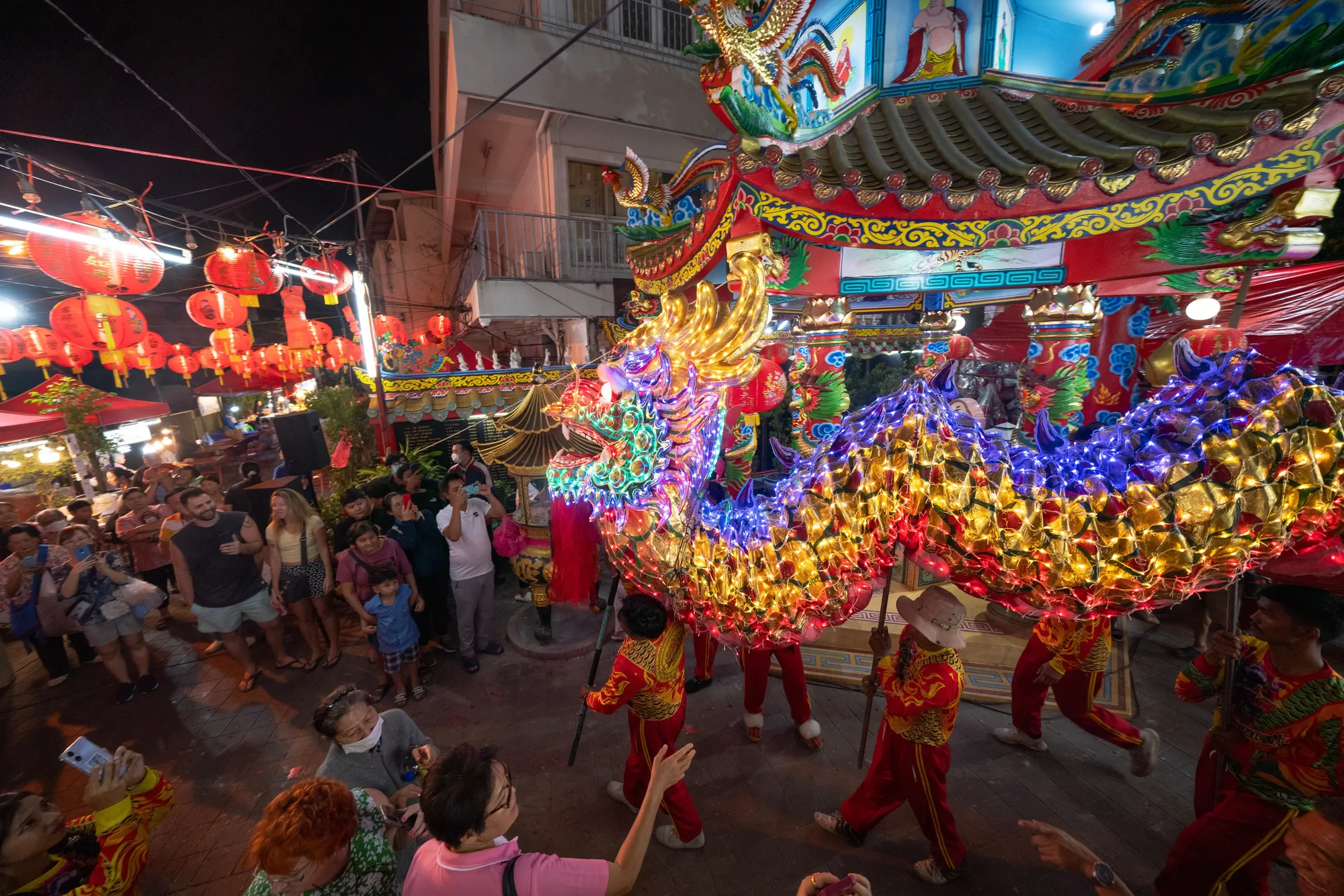
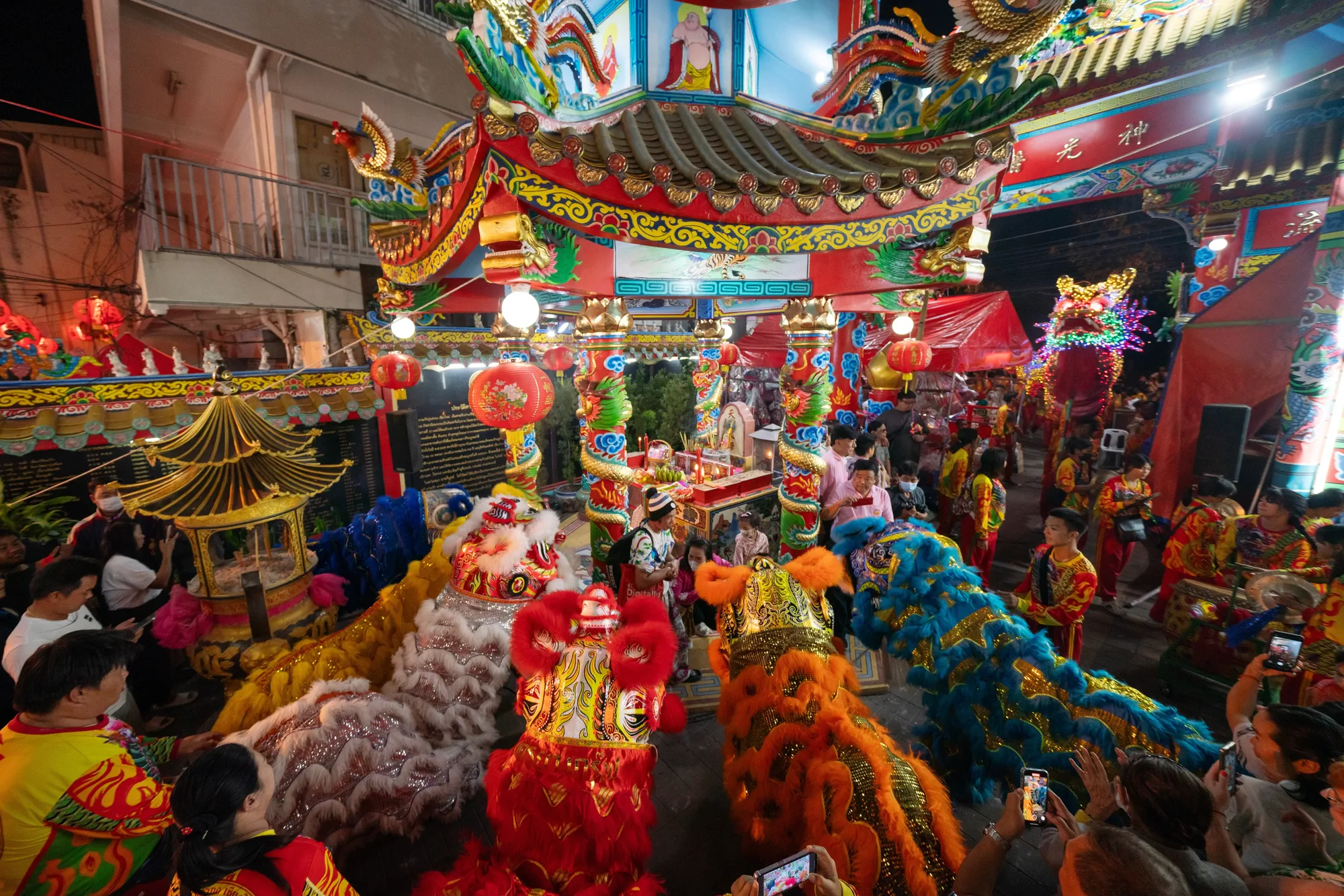
Chinese New Year: The entire district explodes in a riot of colour, sound, and celebration. If your visit coincides with this festival, you're in for an unforgettable experience.
Temple Treasures and Sacred Spaces
Tucked away from the main thoroughfares are intimate spiritual sanctuaries that offer a peaceful respite from the market buzz. Unlike the grand, sprawling Buddhist wats that dominate Chiang Mai's skyline, the Chinese temples here are smaller, more personal spaces, rich with unique architectural details and cultural significance.
Guan Yu Shrine (Chan Gao Guan Ou)
Hidden behind a hand-painted red door on a small side road, this modest temple is one of the most revered places for the local Chinese community. Inside, you'll find an intimate shrine dedicated to Guan Yu, a legendary general from ancient China who is worshipped as a god of war, loyalty, and righteousness. The shrine houses two small, precious Chinese Buddha statues. It’s a quiet, contemplative space that feels a world away from the energy of the streets outside.
Pung Thao Kong Shrine
Located at the end of the flower market near the river, the Pung Thao Kong Shrine is a visual delight. Its entrance is guarded by four giant Naga serpents intricately wrapped around the main pillars, their colourful scales shimmering in the light. The temple's architecture is a classic example of traditional Chinese design, adorned with mythological creatures and ornate carvings. It serves as a spiritual anchor for the community and a beautiful testament to their enduring faith.
Visiting Etiquette: When visiting these sacred spaces, remember to be respectful. Dress conservatively with your shoulders and knees covered, remove your shoes before entering any temple building, and speak softly. Photography is often permitted, but be mindful of worshippers and avoid using flash.
Market Magic: Where Locals Shop and Tourists Discover
The markets are the beating heart of Chiang Mai's Chinatown, a chaotic and captivating world of sights, sounds, and smells. This is where the community comes together, and where you can find everything from exotic foods to traditional crafts.
Warorot Market (Kad Luang)
Known to locals as Kad Luang, or "Big Market," Warorot is the largest and most important market in Chiang Mai. Spread across two large buildings and spilling into the surrounding streets, it's a treasure trove of goods. Here, you can find an incredible variety of items: fresh produce, dried fruits, local snacks, clothing, household goods, and an impressive selection of Thai-Chinese wares. It's a favourite spot for locals, which means you'll find authentic products at affordable prices.
Muang Mai Market
Just a short walk from Warorot, Muang Mai Market is where you’ll find the freshest fruits, vegetables, spices, and herbs in the city. It’s a feast for the senses, with stalls overflowing with exotic produce. This is also a fantastic place to sample local delicacies like mango sticky rice or brave a taste of fried insects. For those seeking souvenirs, you can find beautiful handicrafts, including traditional Thai silk and intricate woodcarvings.
Warorot Road Cut Flower Market
Running along the Ping River on Praisanee Road, the flower market is a rainbow of vibrant blooms. Open 24/7, it’s a breathtaking sight at any time of day. You'll see roses, orchids, lilies, and chrysanthemums grown in the mountains north of the city. The air is heavy with the sweet fragrance of jasmine, used to create the beautiful garlands (phuang malai) sold as offerings for temples and shrines.
Culinary Adventures: From Dumplings to Durian
The food in Chinatown is a delicious fusion of Thai and Chinese flavours, with a dash of Vietnamese influence. The best way to experience it is by diving into the street food scene.
Must-Try Dishes:
Roasted Meats: Look for stalls selling succulent roasted duck and crispy pork belly, often served over rice.
Homok: A flavourful fish curry steamed in a banana leaf, blending fragrant herbs and spices.
Goi Cuon: Fresh Vietnamese spring rolls, a light and healthy option packed with herbs, shrimp, and rice noodles.
Noodle Soups & Dumplings: Comforting and delicious, these staples are available at countless stalls.
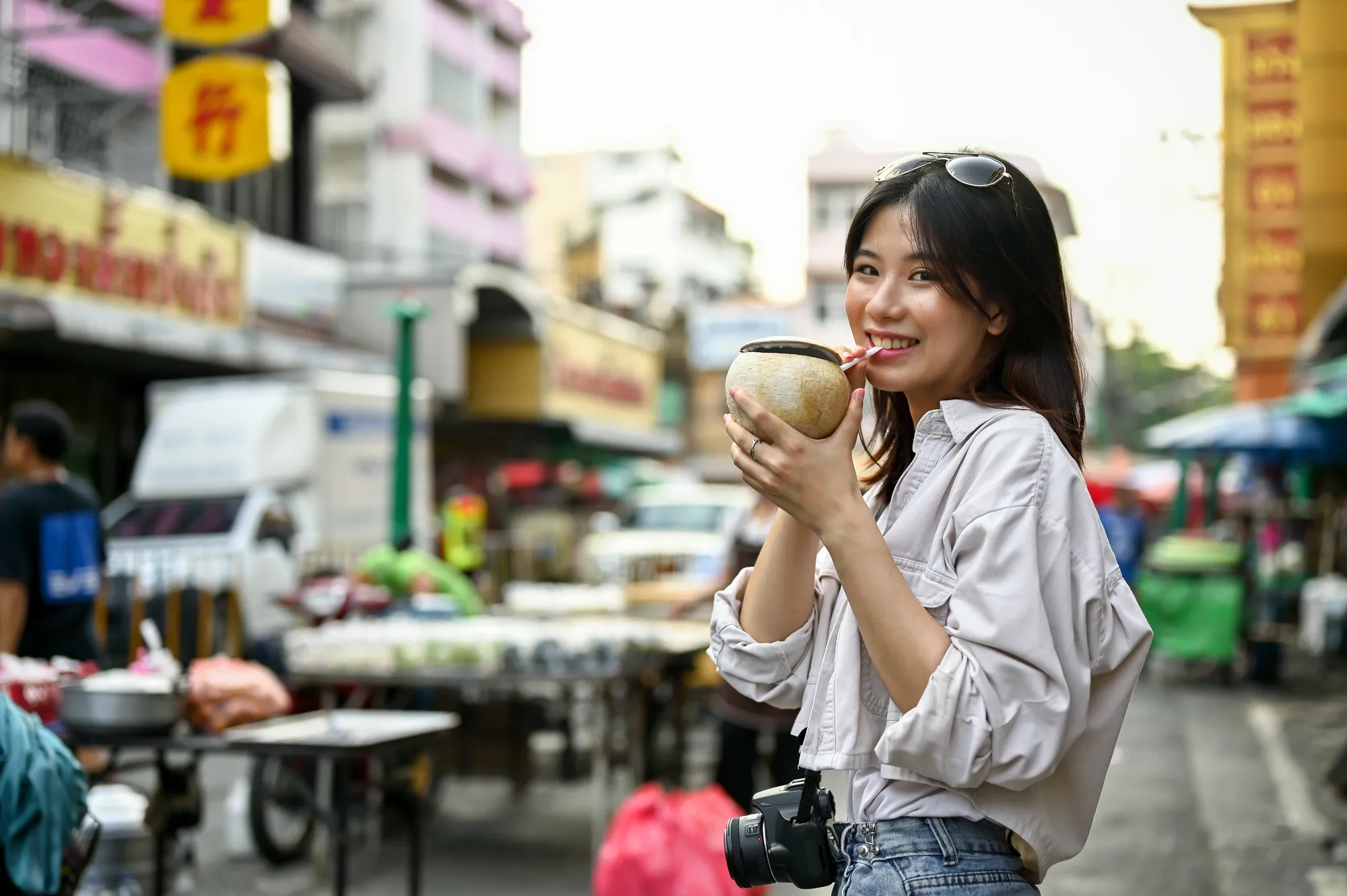
For the more adventurous eater, this is your chance to try regional delicacies like fried insects. If that's not for you, stick to the amazing variety of fresh fruit juices and coconut water available on every corner. To order like a local, simply point at what you want. Most vendors are friendly and used to serving tourists. For food safety, choose stalls that are busy and where you can see the food being cooked fresh in front of you.
Shopping Secrets: Beyond Tourist Trinkets
While the markets are filled with souvenirs, Chinatown is also the place to find authentic, high-quality products if you know where to look.
Thai Silk and Fabrics: Warorot Market and the surrounding shops offer a vast selection of beautiful textiles at negotiable prices. Look for Lanna-style fabrics, unique to Northern Thailand.
Gold Shops: You’ll notice at least ten gold shops clustered on Chang Moi Road. Gold is culturally significant in the Chinese Thai community, representing wealth and good fortune.
Chinese Herbal Medicine Shops: Step into a bygone era at one of the traditional Chinese medicine shops, some of which have been run by the same family for nearly a century. These fascinating apothecaries are filled with drawers of herbs, roots, and other traditional remedies. Some even have a resident herbalist you can consult.
Handicrafts and Carvings: Muang Mai Market is a good place to find genuine wood carvings and other artisanal crafts at prices often better than those in the main tourist night markets.
To find quality items, take your time, compare prices, and don't be afraid to politely bargain, especially in the markets.
Where to Stay in Chinatown
Staying near Chinatown puts you right in the middle of the action, with easy access to markets, food, and the Ping River. The area offers a range of accommodation to suit every budget.
Luxury: For a touch of elegance, Ping Nakara Boutique Hotel & Spa offers stunning colonial-style architecture and five-star service just across the river.
Mid-Range: Family-run guesthouses like Baan Huenphen provide a warm, local experience and incredible hospitality.
Budget: Hostels such as Hug Hostel are a great choice for backpackers, offering a friendly atmosphere and clean, modern facilities.
Booking your stay through platforms like Booking.com or TripAdvisor can help you find the perfect spot. It's wise to book in advance, especially during the peak season from November to February.
Your Chinatown Adventure Awaits
Chiang Mai's Chinatown is more than just a place; it's an experience. It offers a rare glimpse into a community where history is not just preserved but lived every single day. This half-day adventure provides a genuine cultural immersion that takes you away from the well-trodden tourist paths and into the authentic heart of the city.
So, put on your most comfortable walking shoes, make sure you have some cash for the markets, and prepare to be captivated by the sights, sounds, and flavours of this incredible neighbourhood. Your unforgettable journey into Chiang Mai's hidden dragon is just waiting to begin.
FAQs About Chiang Mai Chinatown
How much time do I need to explore Chinatown?
A half-day (around 3-4 hours) is perfect for exploring the main markets, visiting a temple or two, and enjoying some street food.
What are the opening hours for Warorot Market?
Warorot Market is generally open from early morning (around 6 AM) until the evening (around 6 PM). However, many street food stalls in the area stay open later. The flower market is open 24 hours.
Is it easy to get to Chinatown?
Yes, it’s located just east of the Old City moat. You can easily walk there or take a songthaew (red truck) or tuk-tuk. Just tell the driver "Kad Luang."
Do I need cash?
Yes, cash is essential, especially for market stalls and street food vendors. While some larger shops may accept cards, cash is king in Chinatown.
I like this honest video, Rosie mentions the prices, but forgets to mention, when buying clothes and trinkets from the market, you can haggle for a discount
Gallery
Reader Feedback (6)
Jon Gibbons
Etiam pretium, magna eget feugiat finibus, tellus massa pellentesque nisi, non malesuada nulla nunc vel ligula. Sed finibus enim eu nulla tempus, vitae tincidunt dolor semper. Praesent fringilla, metus at convallis sagittis.
Michael Carter
Vestibulum ante ipsum primis in faucibus orci luctus et ultrices posuere cubilia curae; Donec vel erat in nulla efficitur tempor non ut nisl. Integer venenatis eros ut dui viverra fermentum.
Sophie Wilson
Nam ut turpis hendrerit, varius nunc vel, elementum dui. Morbi vulputate dolor sit amet scelerisque egestas. Vestibulum eleifend nunc ut bibendum fermentum.
Contact
Necessitatibus eius consequatur ex aliquid fuga eum quidem sint consectetur velit




























Reader Feedback (6)
Jon Gibbons
Etiam pretium, magna eget feugiat finibus, tellus massa pellentesque nisi, non malesuada nulla nunc vel ligula. Sed finibus enim eu nulla tempus, vitae tincidunt dolor semper. Praesent fringilla, metus at convallis sagittis.
Michael Carter
Vestibulum ante ipsum primis in faucibus orci luctus et ultrices posuere cubilia curae; Donec vel erat in nulla efficitur tempor non ut nisl. Integer venenatis eros ut dui viverra fermentum.
Sophie Wilson
Nam ut turpis hendrerit, varius nunc vel, elementum dui. Morbi vulputate dolor sit amet scelerisque egestas. Vestibulum eleifend nunc ut bibendum fermentum.