Sun, Seafood and Serenity: Your Rawai Beach Travel Guide
Rawai Beach is a peaceful, culturally rich waterfront in southern Phuket, best known for its fresh seafood market, island-hopping departures, and spectacular sunsets. While not ideal for swimming, it sits minutes from Nai Harn Beach and offers an authentic, unhurried alternative to Phuket's busier tourist zones.
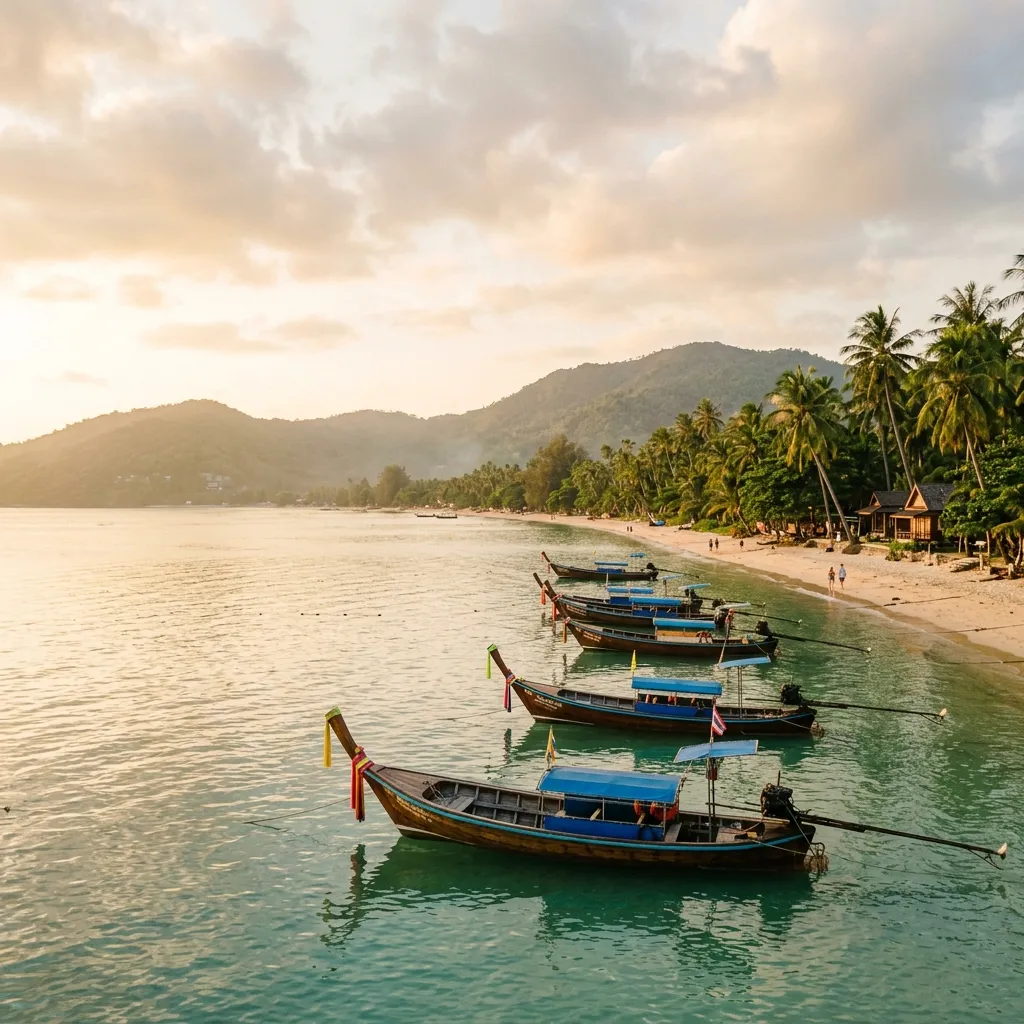
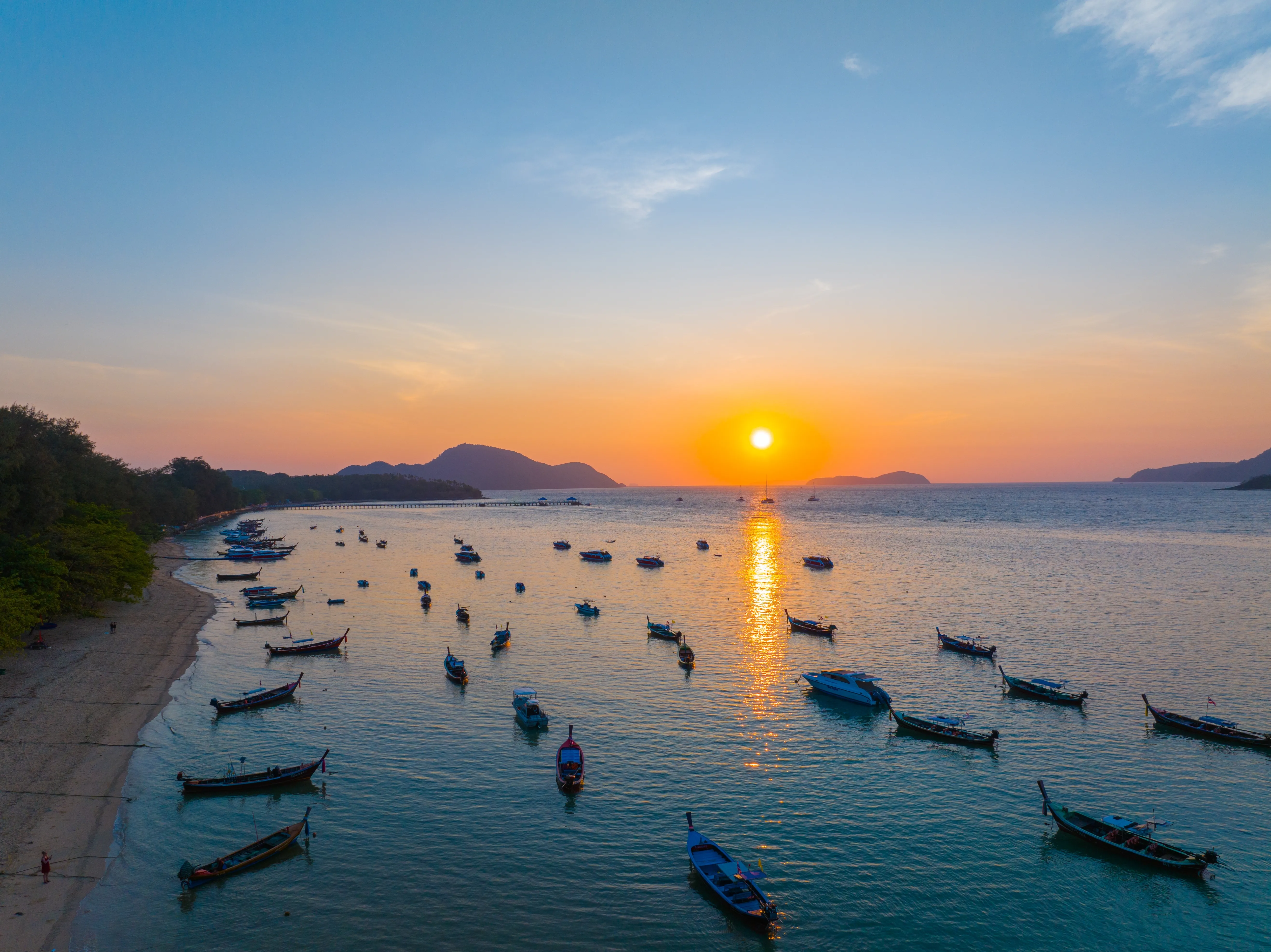
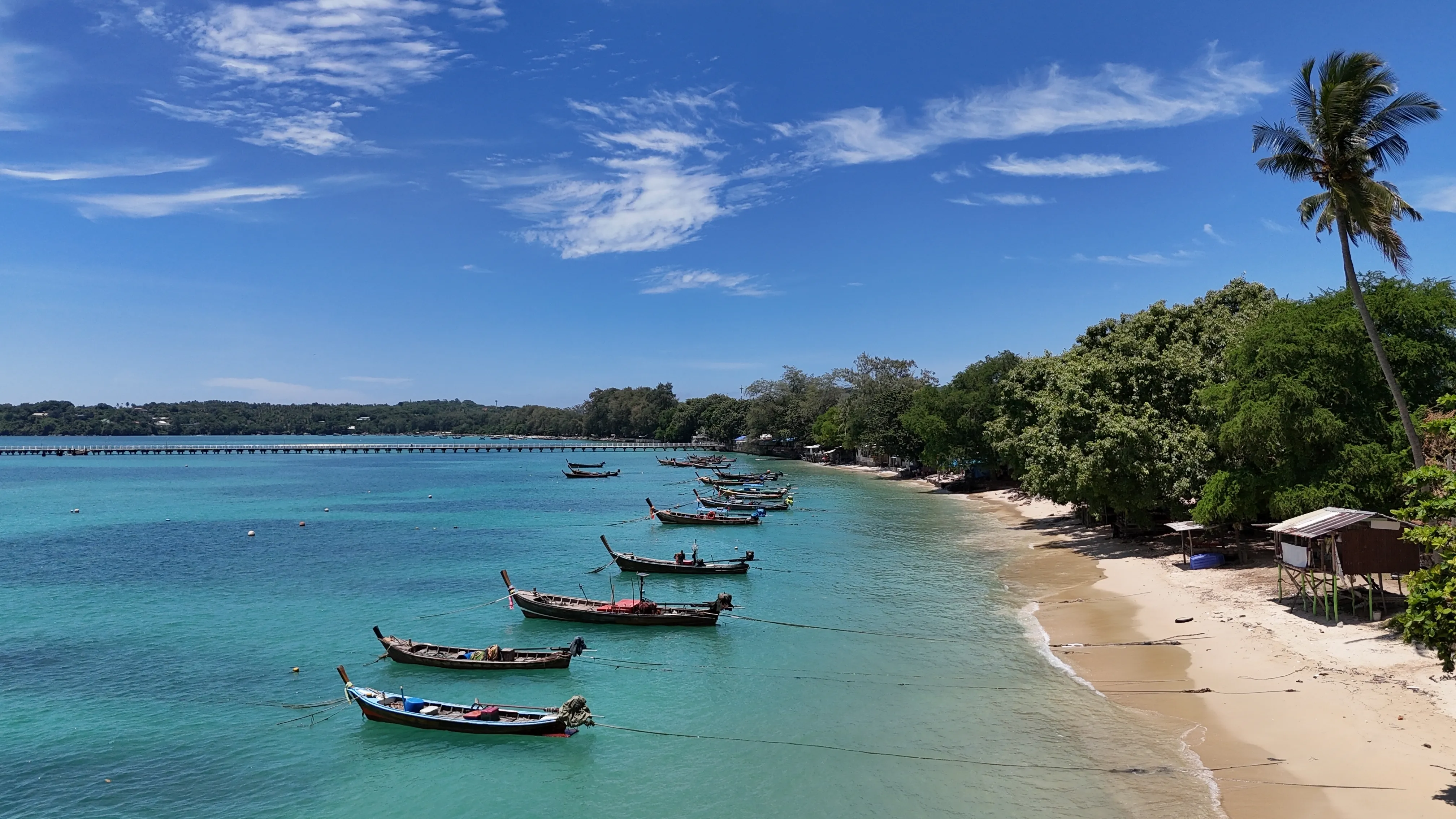
While most visitors head straight for Patong's neon-lit streets or Karon's crowded shoreline, a different kind of Phuket exists just 30 minutes south. Here, longtail boats bob gently in a shallow bay, smoke rises from roadside seafood grills, and the pace of life feels distinctly, refreshingly human. This is Rawai — and it quietly steals the hearts of everyone who finds it.
Rawai Beach isn't a place you come to sunbathe (more on that shortly). It's a working waterfront with genuine soul: a community shaped by sea gypsies, salt air, and generations of fishermen who still bring in their catch each morning. It draws expats, long-stay travellers, couples, and curious adventurers who want a real slice of Thai life — not a postcard version of it.
What it offers instead is extraordinary. A legendary seafood market where you hand-pick live lobsters and tiger prawns straight from the vendor. A pier that serves as the southern gateway to Phi Phi, Phang Nga Bay, and the Khai Islands. Clifftop sunset viewpoints that rank among Thailand's finest. And a dining and wellness scene that punches well above its weight.
This guide covers everything you need to plan your Rawai Beach travel — from the area's fascinating history and top activities, to where to swim, sleep, eat, and how to make the most of every day you spend here.
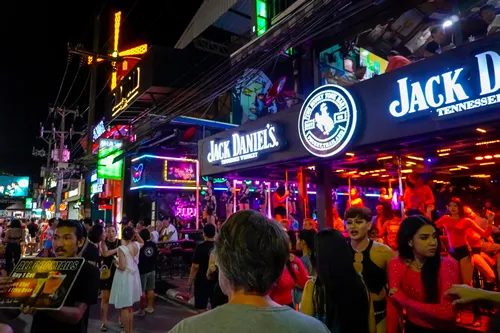
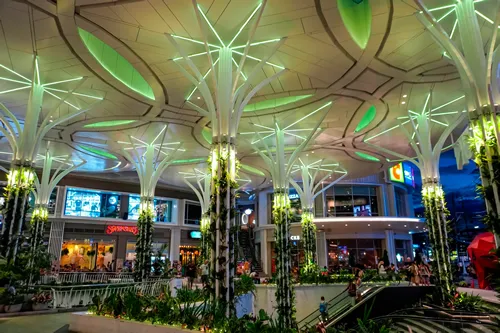
Bangla Road
Bangla Road: Where the night comes alive with endless thrills and unforgettable memories!
Tucked into the southern tip of Phuket, roughly 30 minutes from Patong, Rawai is a working waterfront neighbourhood best suited to couples, solo travellers, and long-stay visitors who value authentic atmosphere over nightlife. The beach itself isn't suitable for swimming — the water is shallow and tidal — but Nai Harn Beach is just 2 km away and ranks among the finest in southern Phuket. Rawai's real draws are its legendary fresh seafood market, its pier offering daily departures to Phi Phi, Phang Nga Bay, and the Khai Islands, and the clifftop sunsets at Promthep Cape that are genuinely hard to beat anywhere in Thailand. A strong dining scene, ethical wildlife experiences, Muay Thai training camps, and wellness retreats round out the offer. The best time to visit is during the dry season, from November to April, though Rawai remains an enjoyable and well-equipped base throughout the year.
How Did Rawai Beach Become Phuket's Best-Kept Secret?
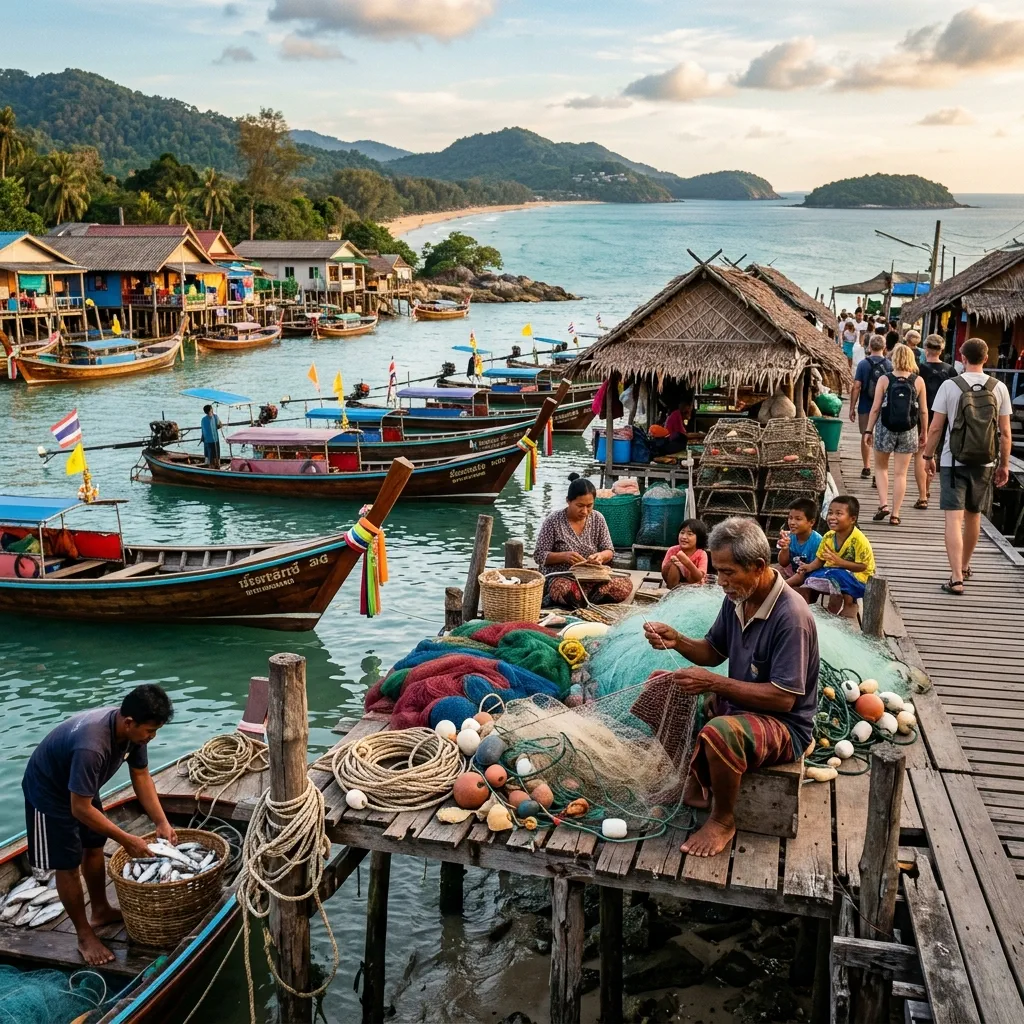
Rawai is one of Phuket's oldest inhabited areas, shaped not by the island's famous tin-mining era but entirely by the sea. Long before the first tourist ever set foot on its shores, the Urak Lawoi people — known in Thai as Chao Ley, or "Sea Gypsies" — called Rawai home.
Semi-nomadic and deeply spiritual, the Urak Lawoi lived by the rhythms of the ocean, moving between fishing grounds across the Andaman Sea. Their animist traditions survive to this day, most visibly in the Loy Ruea ceremony — a twice-yearly ritual in which small wooden boats, laden with symbolic offerings, are set adrift to carry away misfortune and illness. A Sea Gypsy village still exists near Rawai Pier; visiting with respect and genuine curiosity is warmly welcomed.
A handful of milestones shaped Rawai into the place it is today:
1959: King Rama IX visits the Sea Gypsy village, granting surnames to many residents in a landmark moment for the community's recognition within Thai society.
1967: The Sarasin Bridge connects Phuket to the Thai mainland, opening trade and tourism routes to the island's quieter southern tip.
Mid-1990s: Rawai remains a remote, unhurried corner — a few seafood restaurants, straw mats on the beach, almost no traffic.
Post-2015: The "choose your seafood, have it cooked across the road" concept explodes in popularity, transforming the market into one of Phuket's most talked-about culinary experiences.
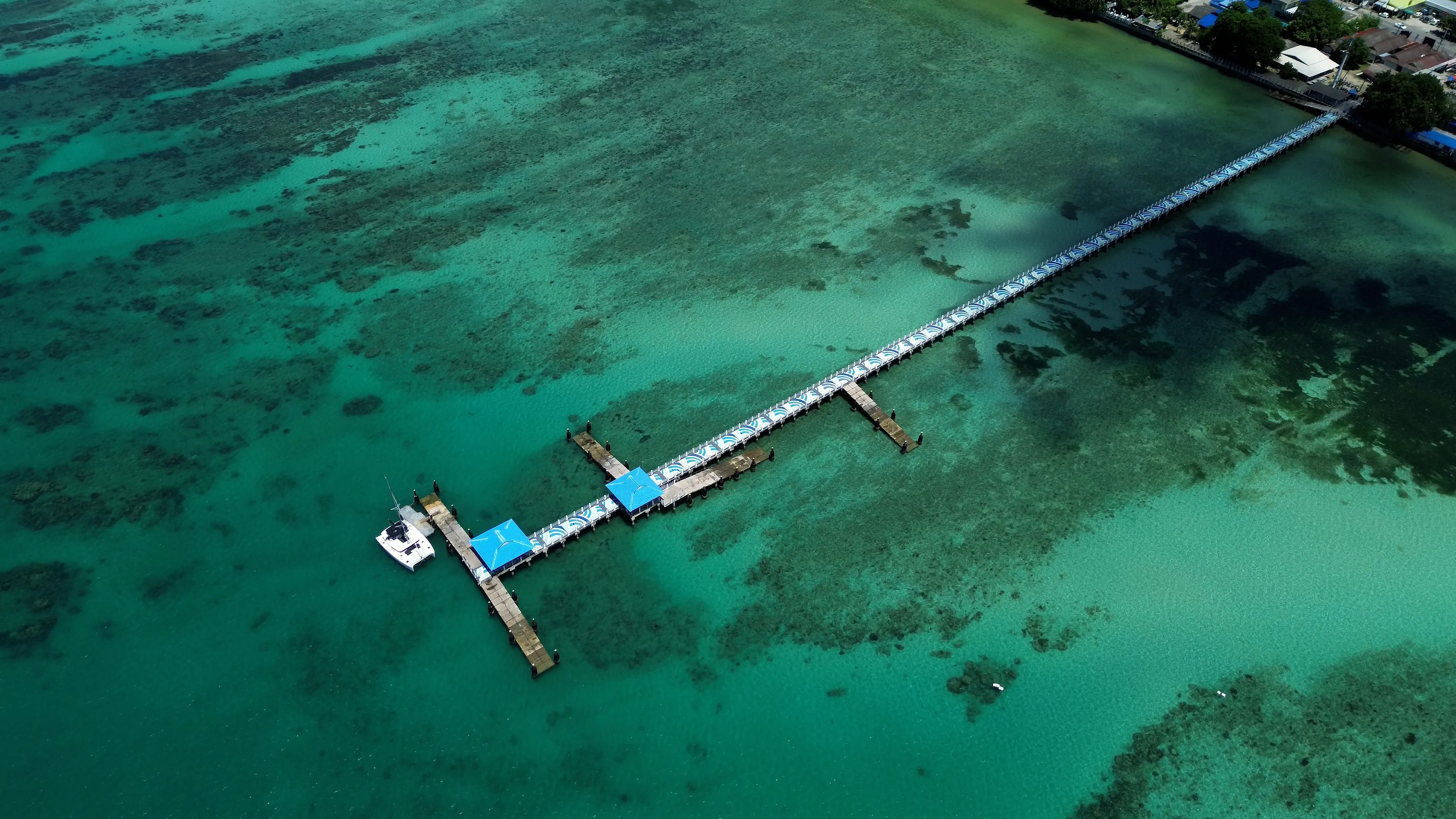
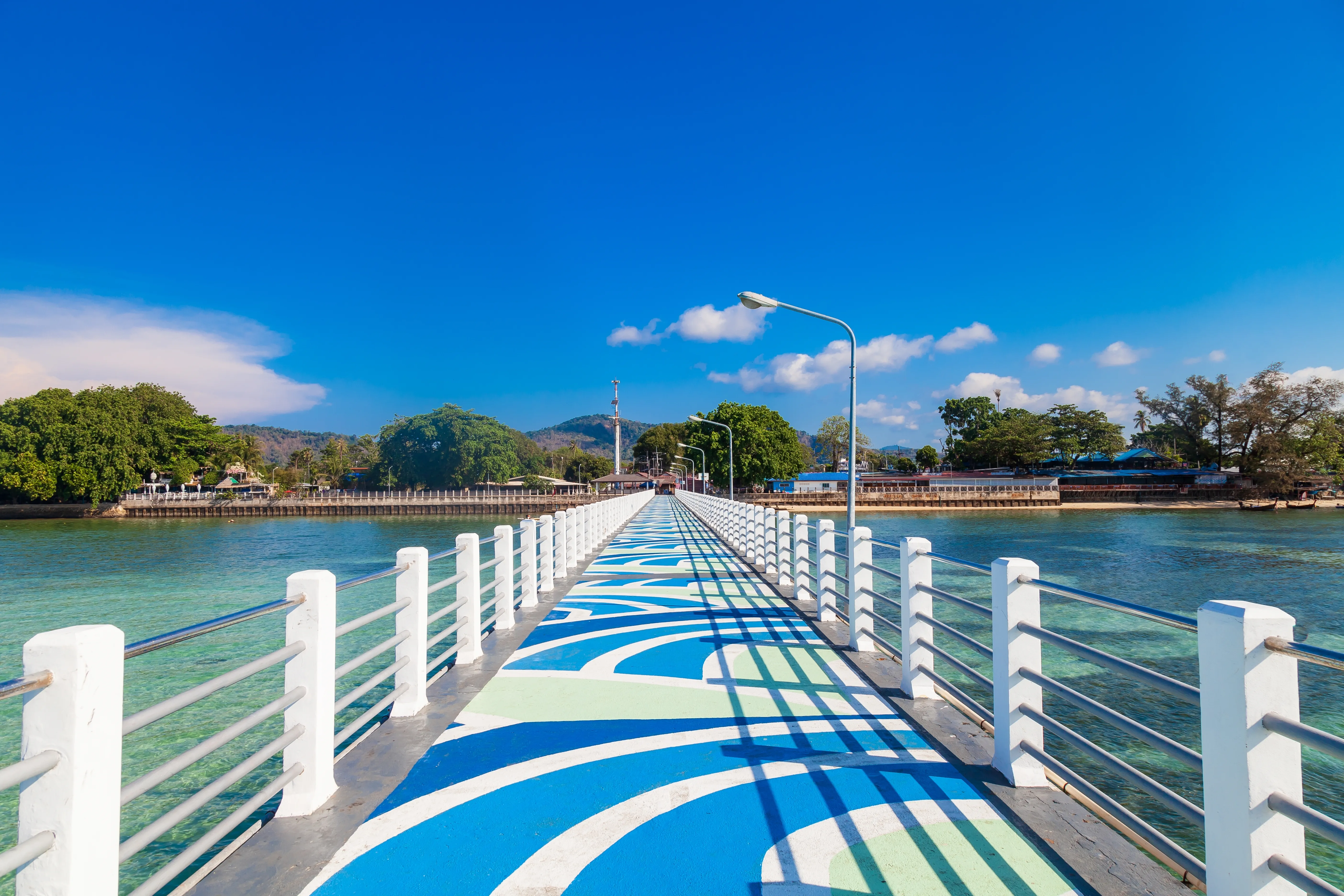
2016: A reconstructed Rawai Pier becomes the main launchpad for island boat tours heading south and east.
2020s: A steady real estate boom cements Rawai's reputation as Phuket's premier destination for long-stay travellers and expats.
The result is a neighbourhood that feels lived-in and layered — part fishing village, part international community, entirely its own thing.
What Are the Best Things to Do in Rawai, Phuket?
Is the Rawai Seafood Market Worth Visiting?
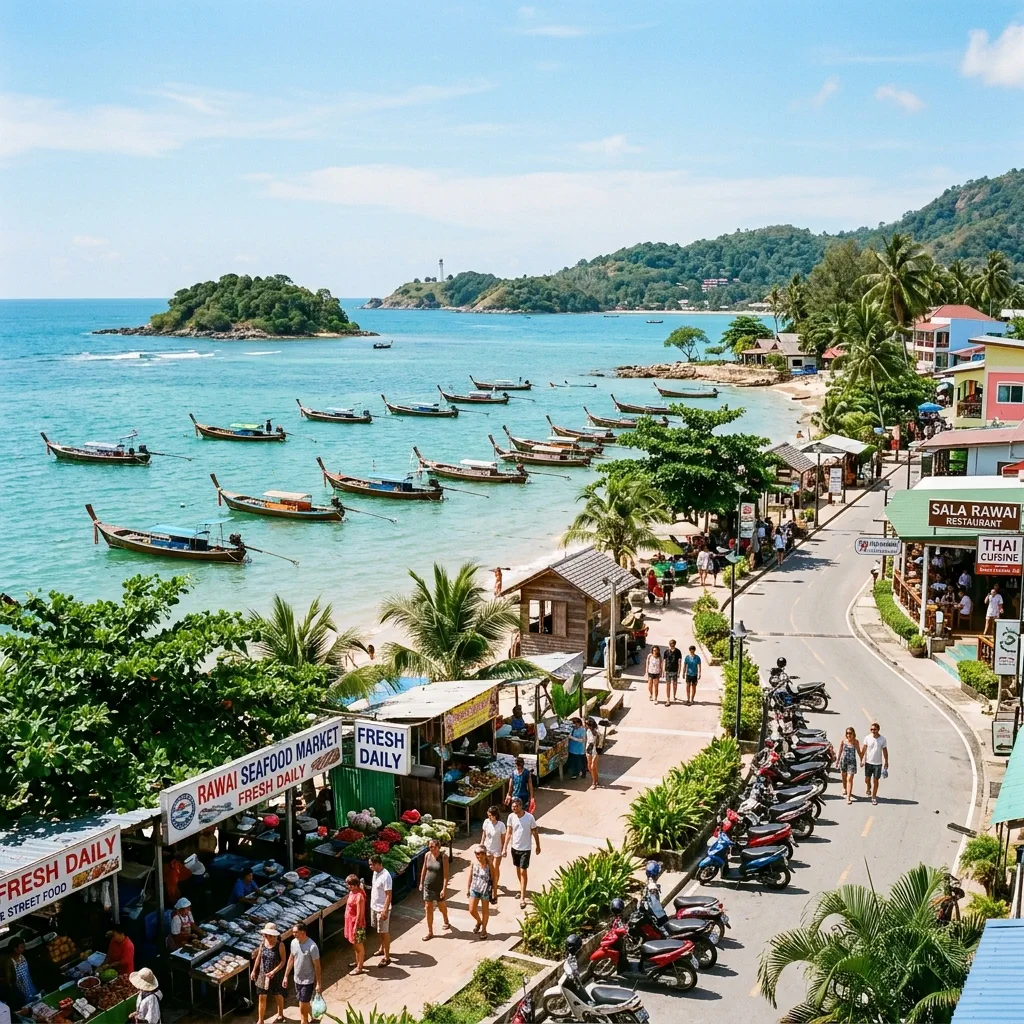
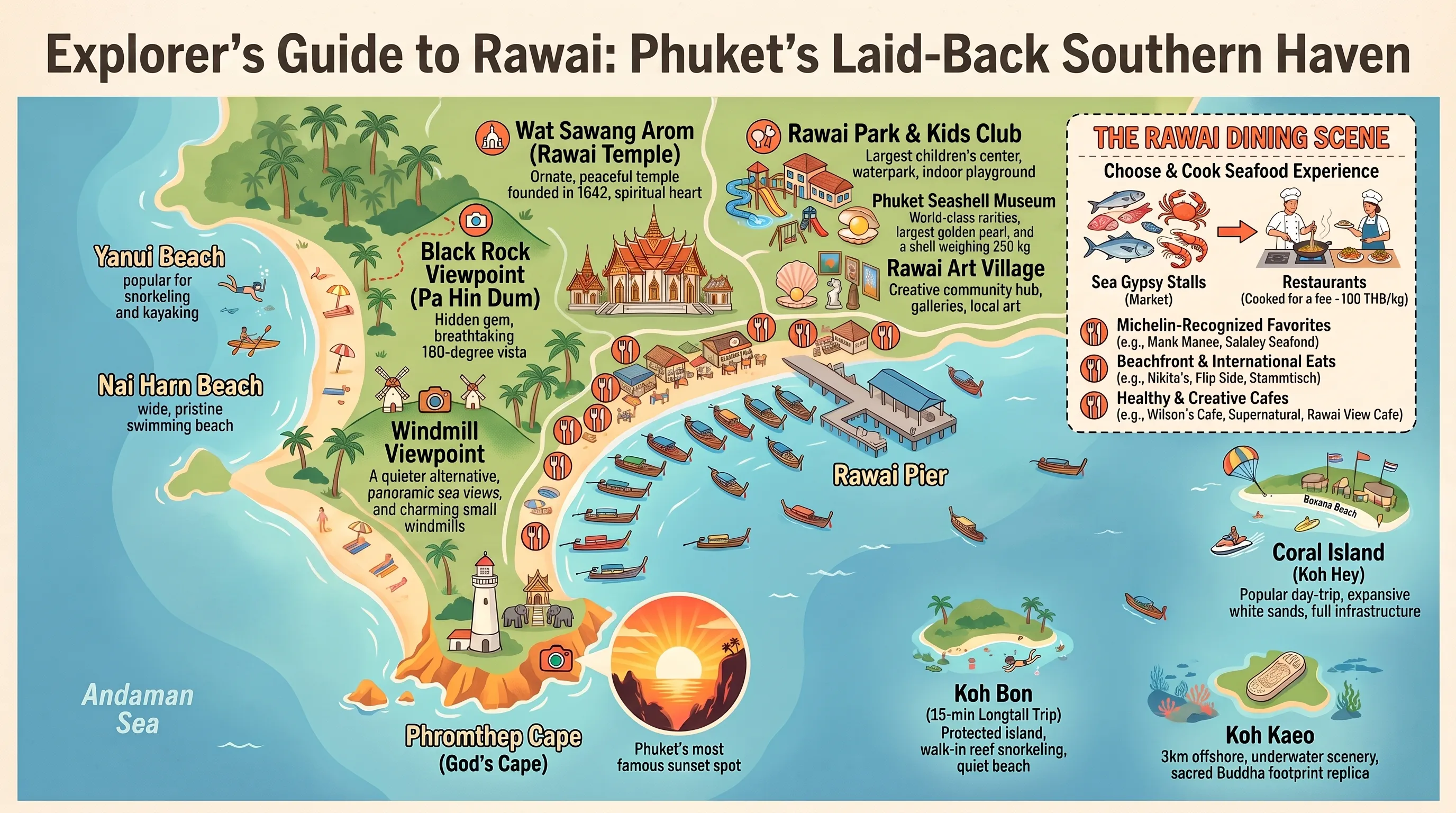
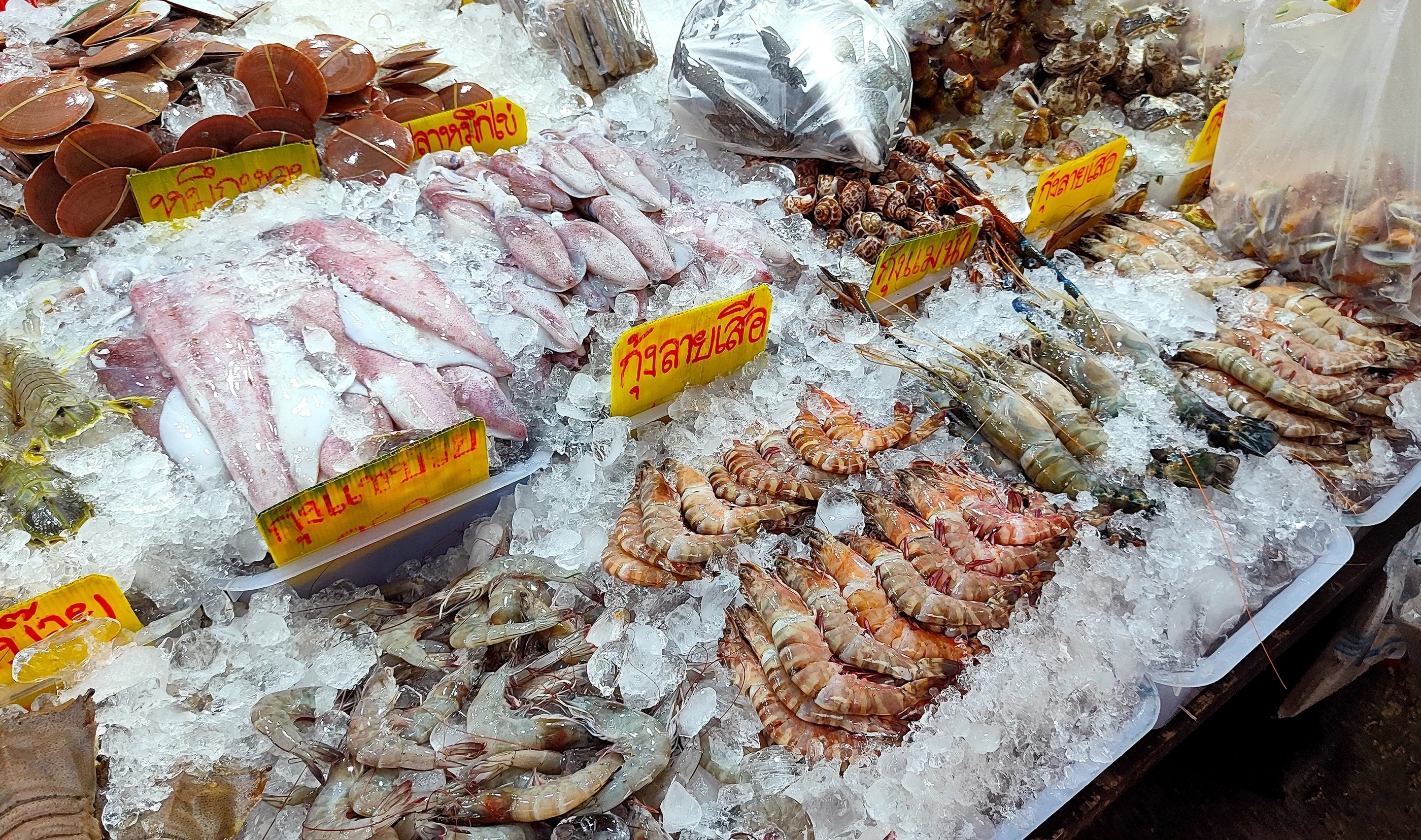
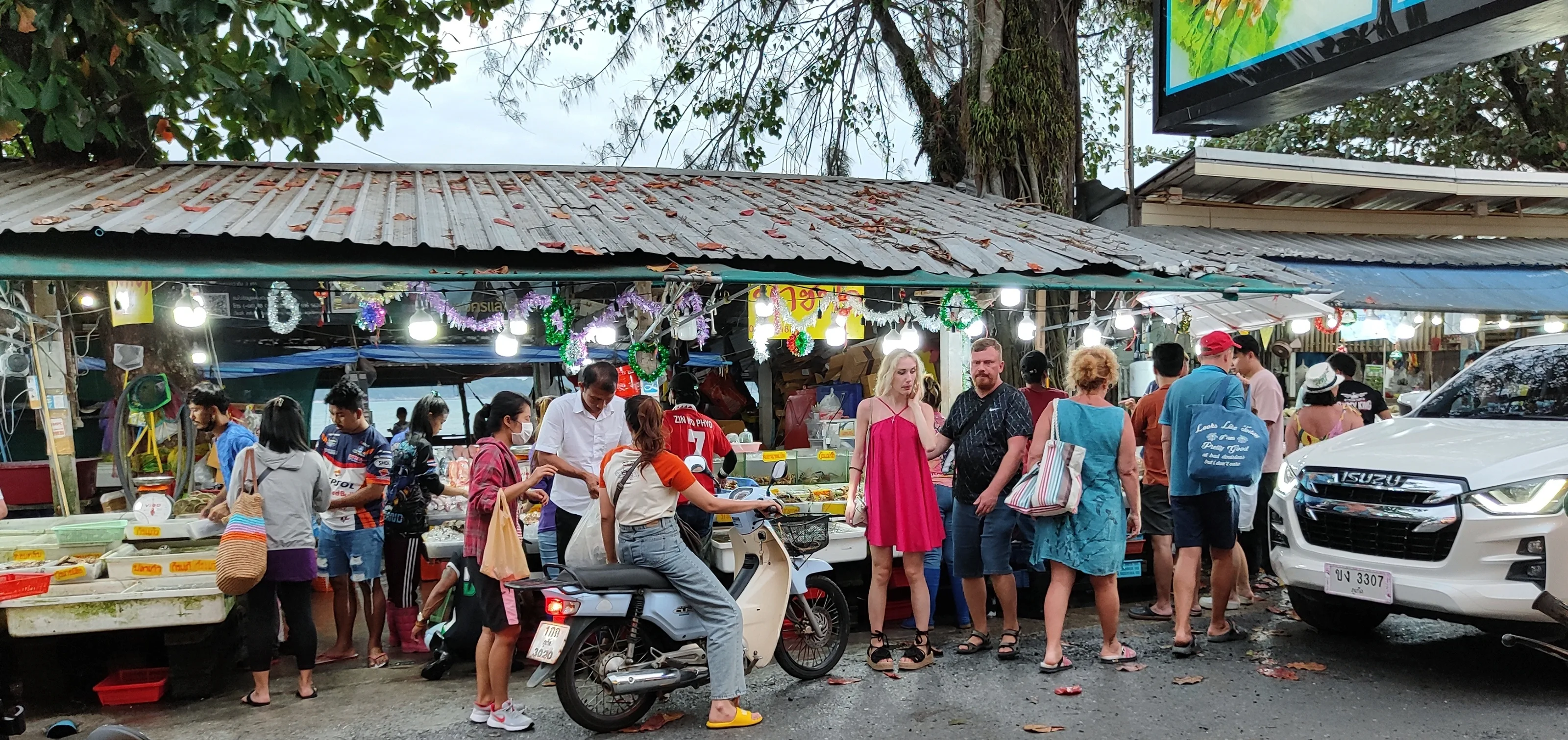
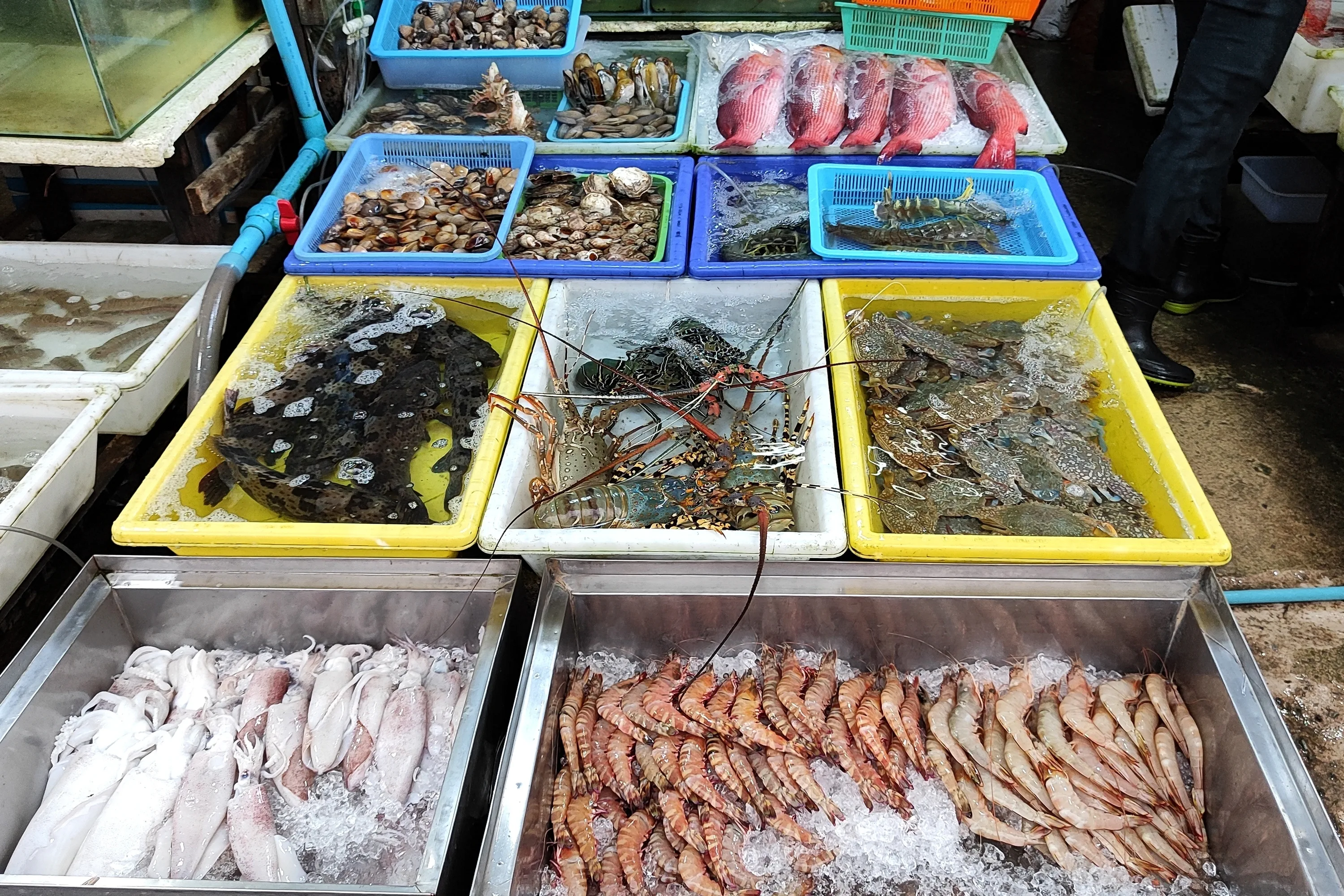
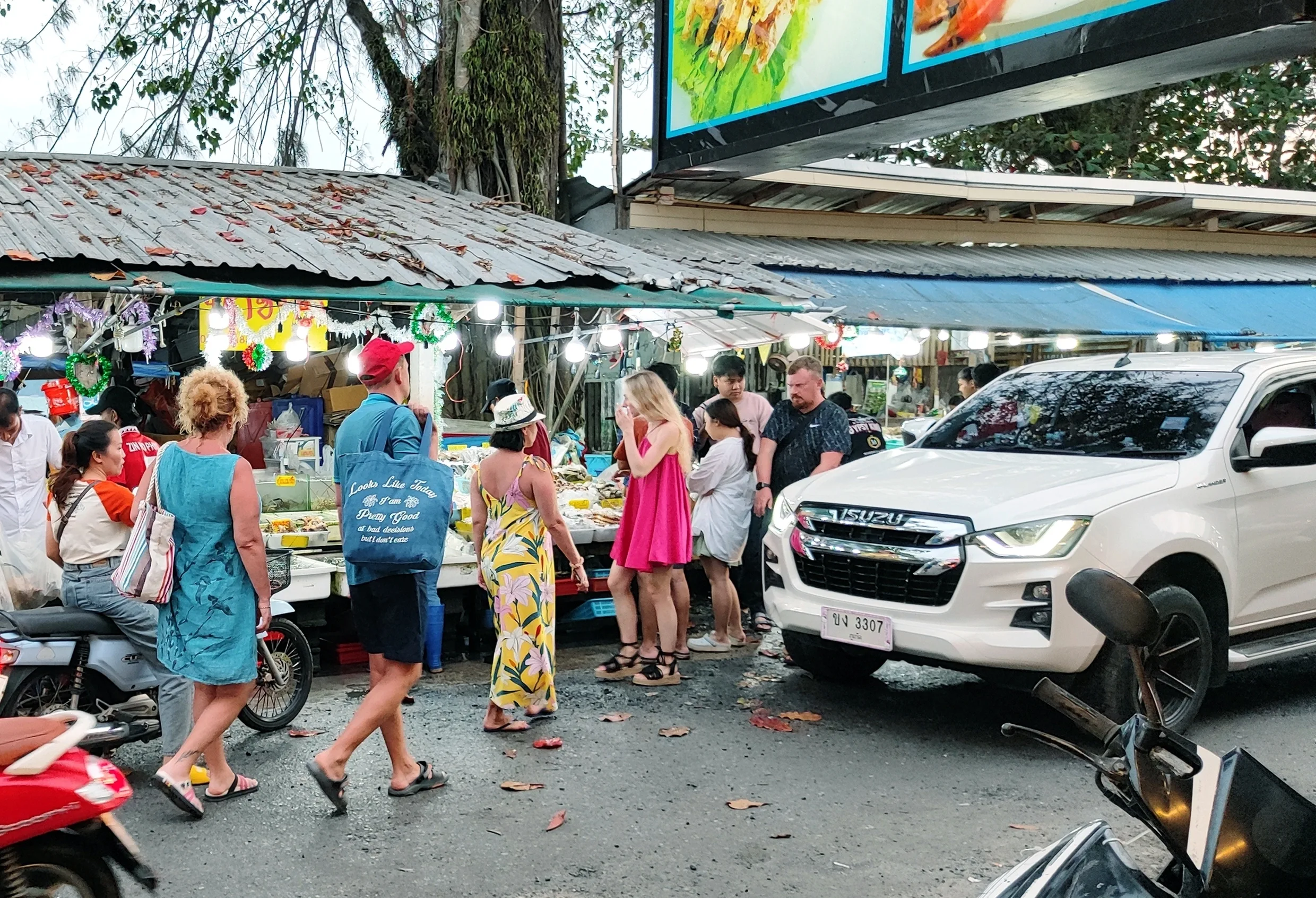
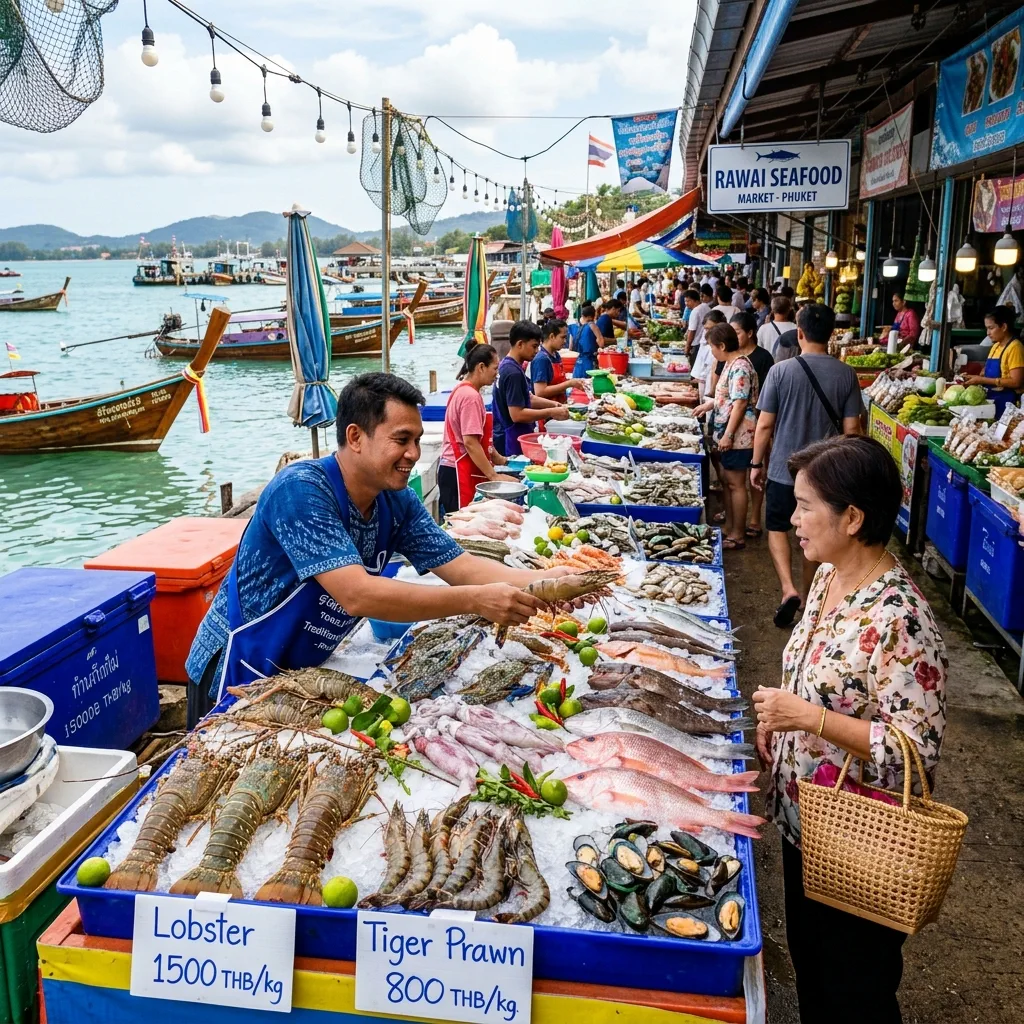
Without question. The Rawai Seafood Market is one of the most distinctive dining experiences in all of Thailand, and it operates on a refreshingly simple premise: choose your seafood fresh from a vendor along the pier, then carry it across the road to a nearby restaurant to be cooked however you like — typically for around 100 THB per kilogram.
The selection is extraordinary. Live lobsters, tiger prawns, blue crabs, squid, clams, whole snapper, barracuda, and scallops are all laid out in the open air alongside the waterfront. Vendors are vocal, colourful, and generally happy to negotiate — a polite "Lot dai mai kha/krap?" ("Can you give me a discount?") goes a long way.
A few practical tips to get the most out of your visit:
Always choose live seafood — it's the freshest and the safest bet.
Bring cash. Card payments are rarely accepted at market stalls.
Timing matters. The market opens around 10:30 AM and runs until 9:00 PM. Early morning visits (between 7–11 AM) during peak season offer the widest variety, but around 7 PM strikes the sweet balance of atmosphere and choice without the midday heat.
Peak season (November–April) brings the greatest variety. Off-peak months (May–October) are quieter and often surface rarer finds — slipper lobsters, cuttlefish, and spanner crabs among them.
Khun Pha is a popular cooking option nearby, consistently well-regarded by visitors and locals alike.
Jon Gibbons
Writer
May 16, 2026• 3 Comments
Where Can You Go Island-Hopping from Rawai?
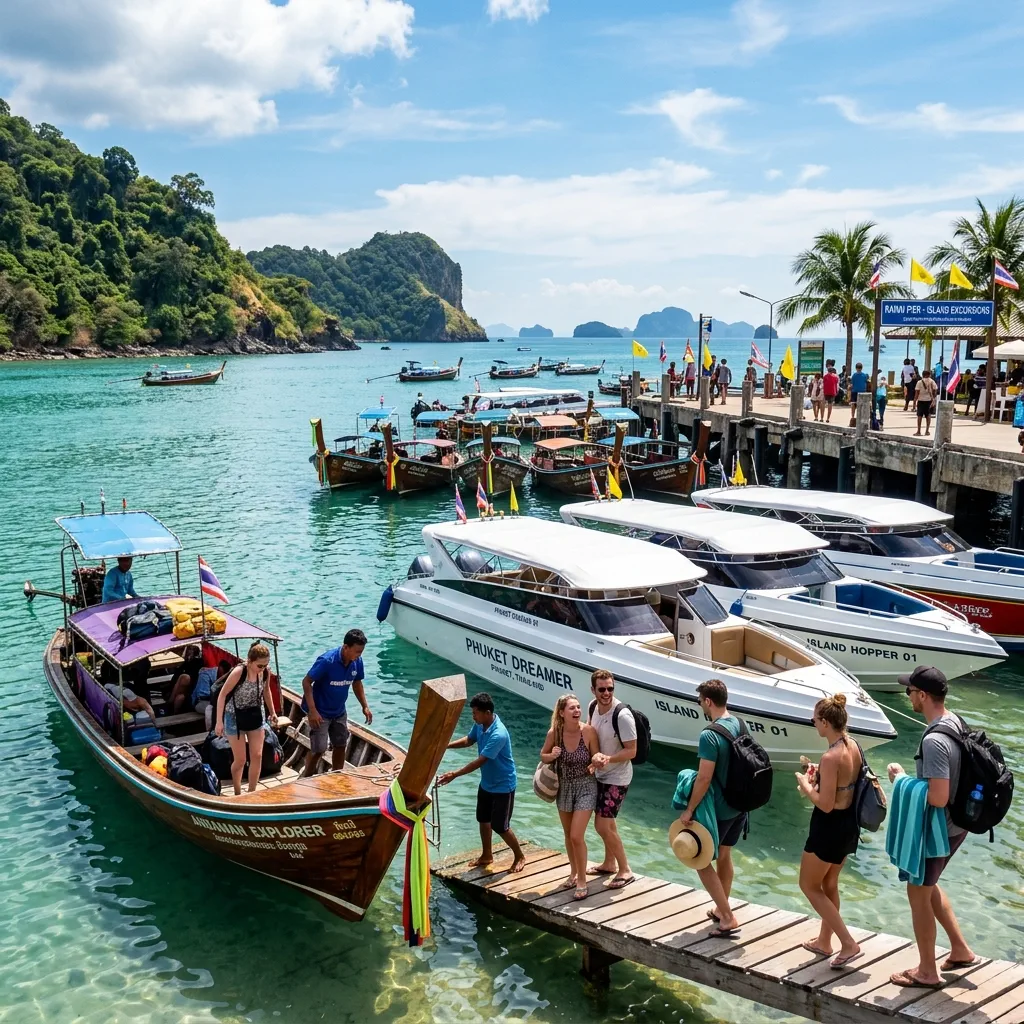
Rawai Pier is the southern gateway to some of Phuket's most spectacular island destinations. Longtail boats and speedboats depart daily, with a range of tours and private charters available. The main options include:
Coral Island (Koh He): A popular half-day trip well-suited to snorkelling, beach time, and relaxation — also available as part of a sunset catamaran tour.
Phi Phi Islands & Maya Bay: Full-day speedboat tours that visit the turquoise lagoons of Maya Bay, the dramatic Pileh Lagoon, and Monkey Beach, with a beachfront buffet lunch on Phi Phi Don.
The 3 Khai Islands: A snorkeller's paradise — Khai Nai for beaches, Khai Nui for deeper reef diving, and Khai Nok for calm, shallow snorkelling ideal for families.
Phang Nga Bay (7 Wonders Tour): An 8-hour expedition taking in Yao Yai Island, Panak Island's mangrove caves, Hong Island sea canoeing, the famous floating village of Koh Panyee, and the iconic James Bond Island.
Book tours in advance during peak season (November–April) — the most popular routes fill up quickly.
Rawai Beach, Phuket
Where Are the Best Sunset Viewpoints Near Rawai?
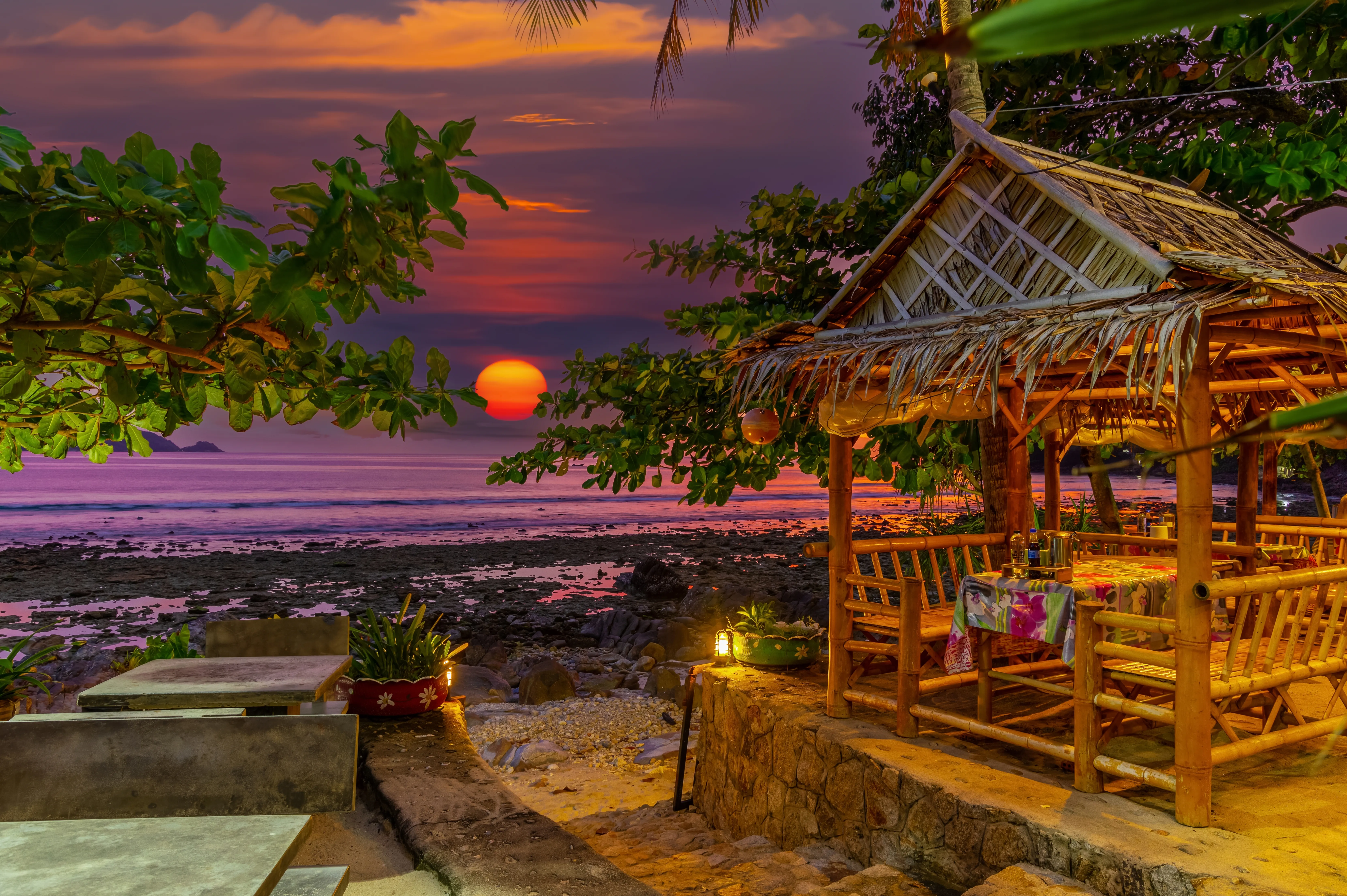
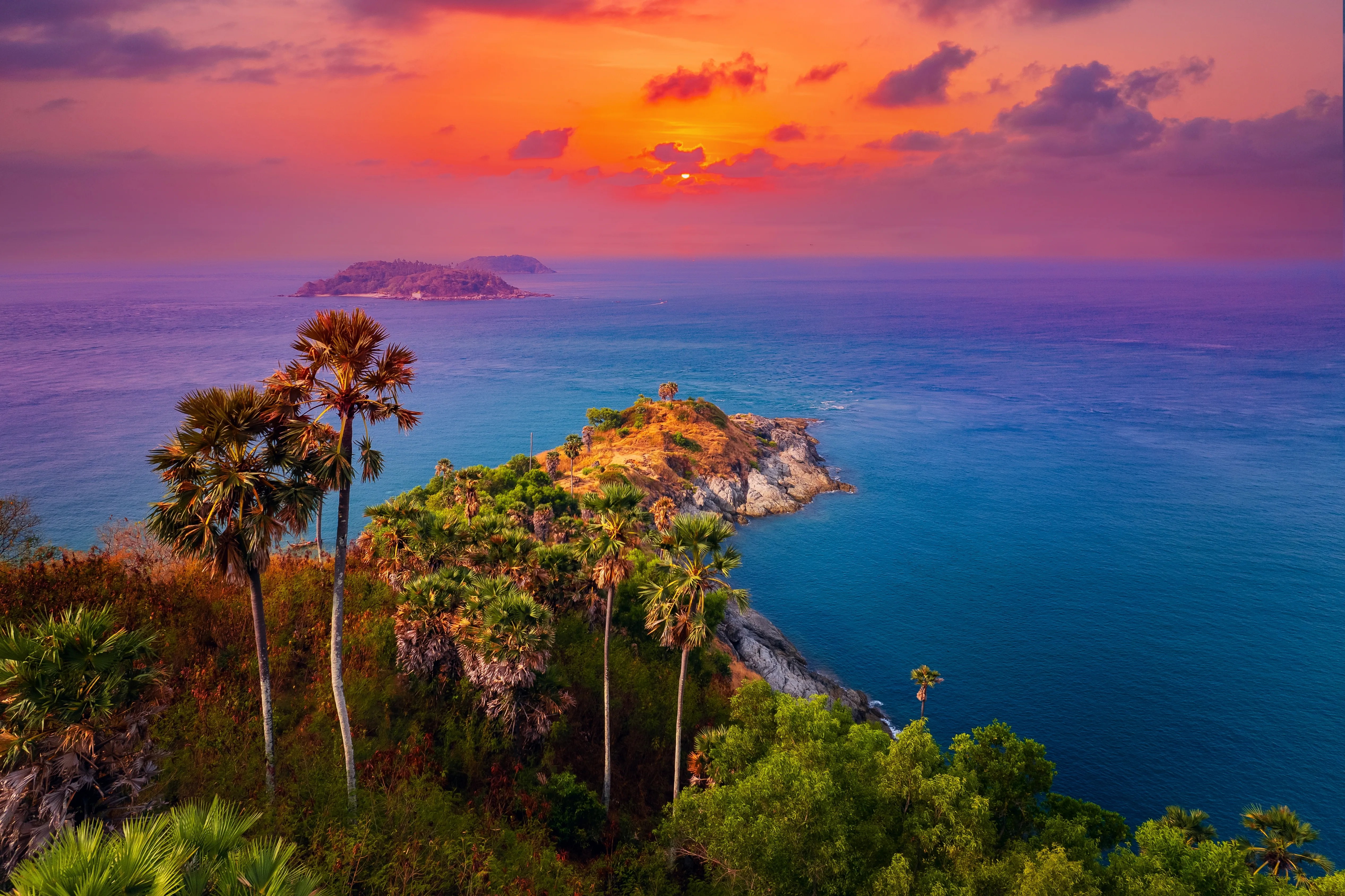
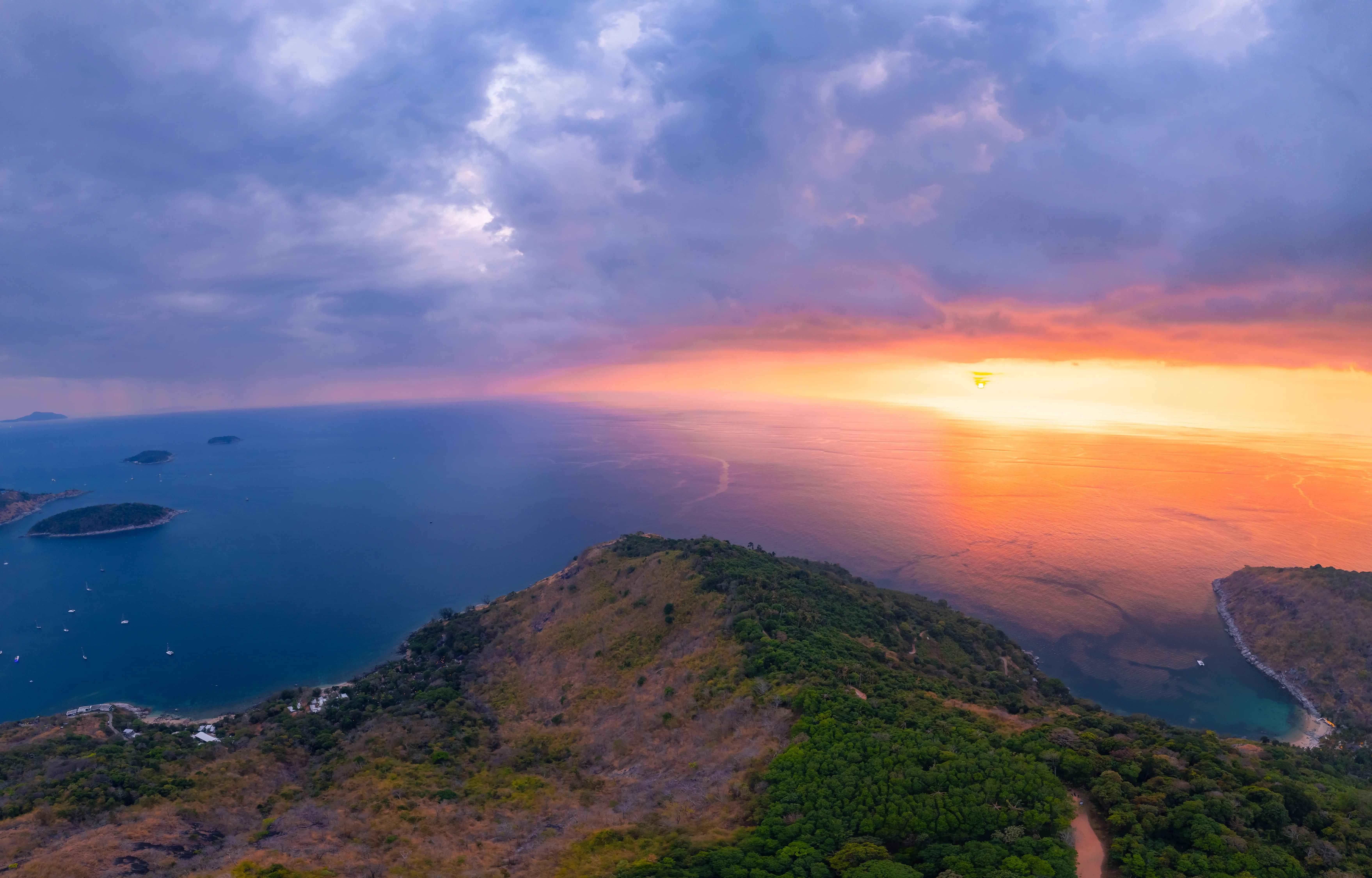
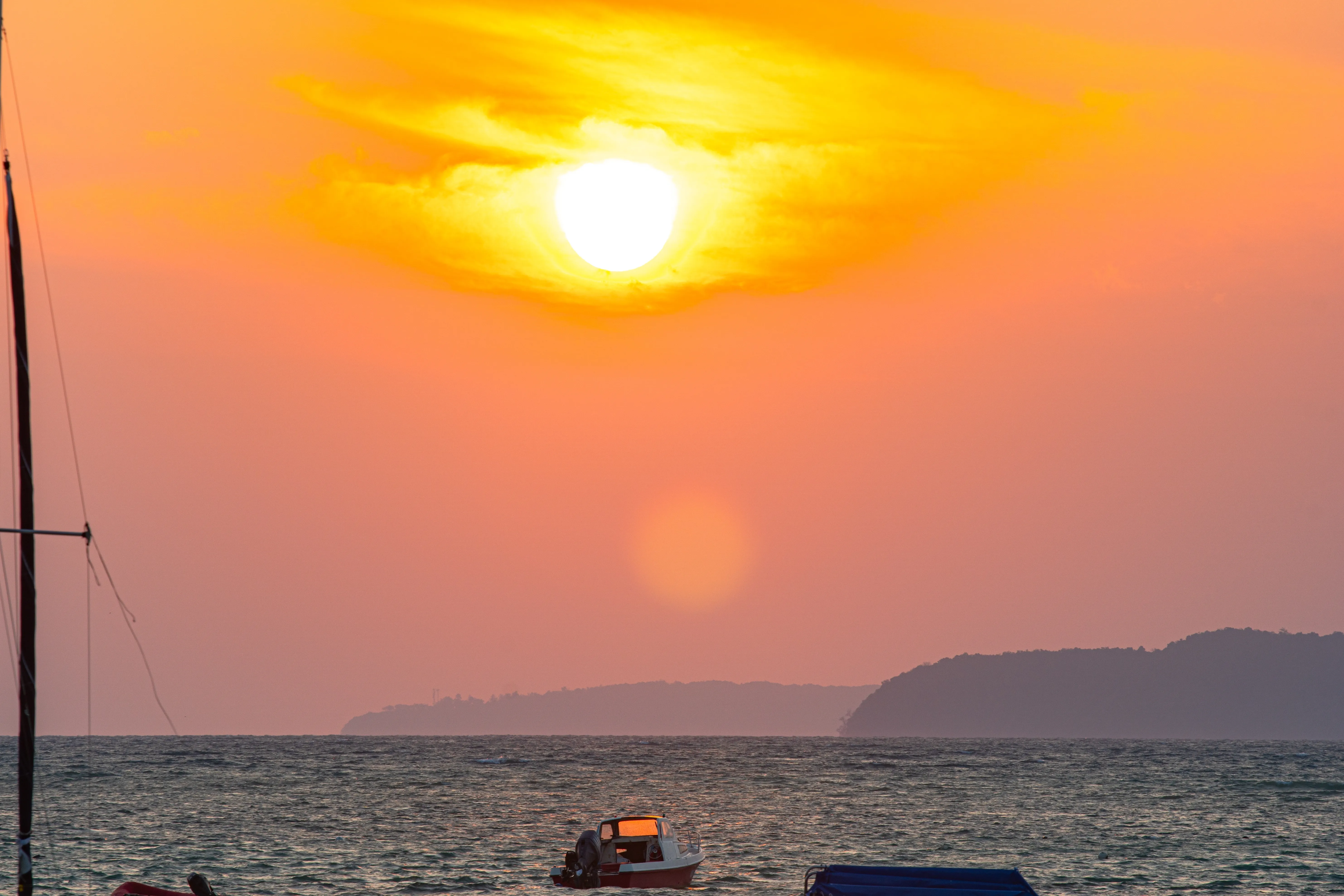
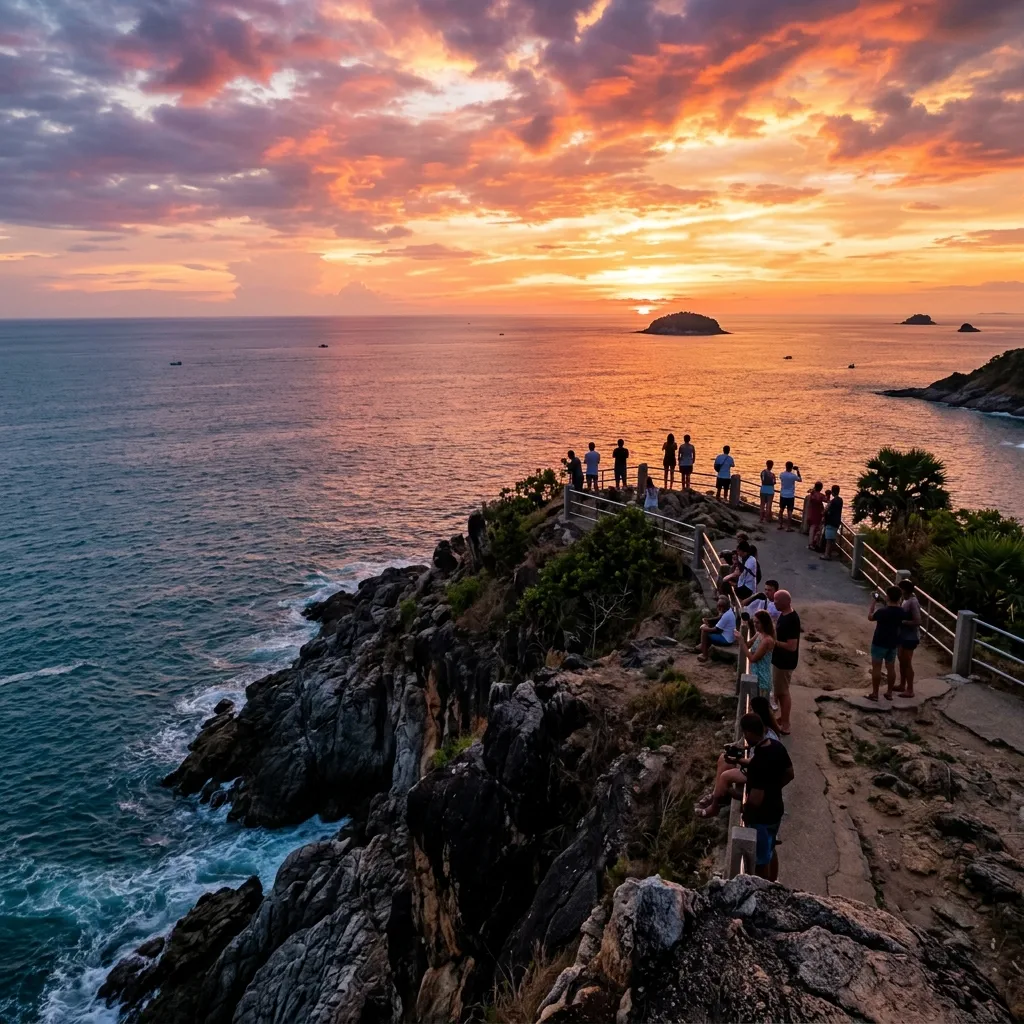
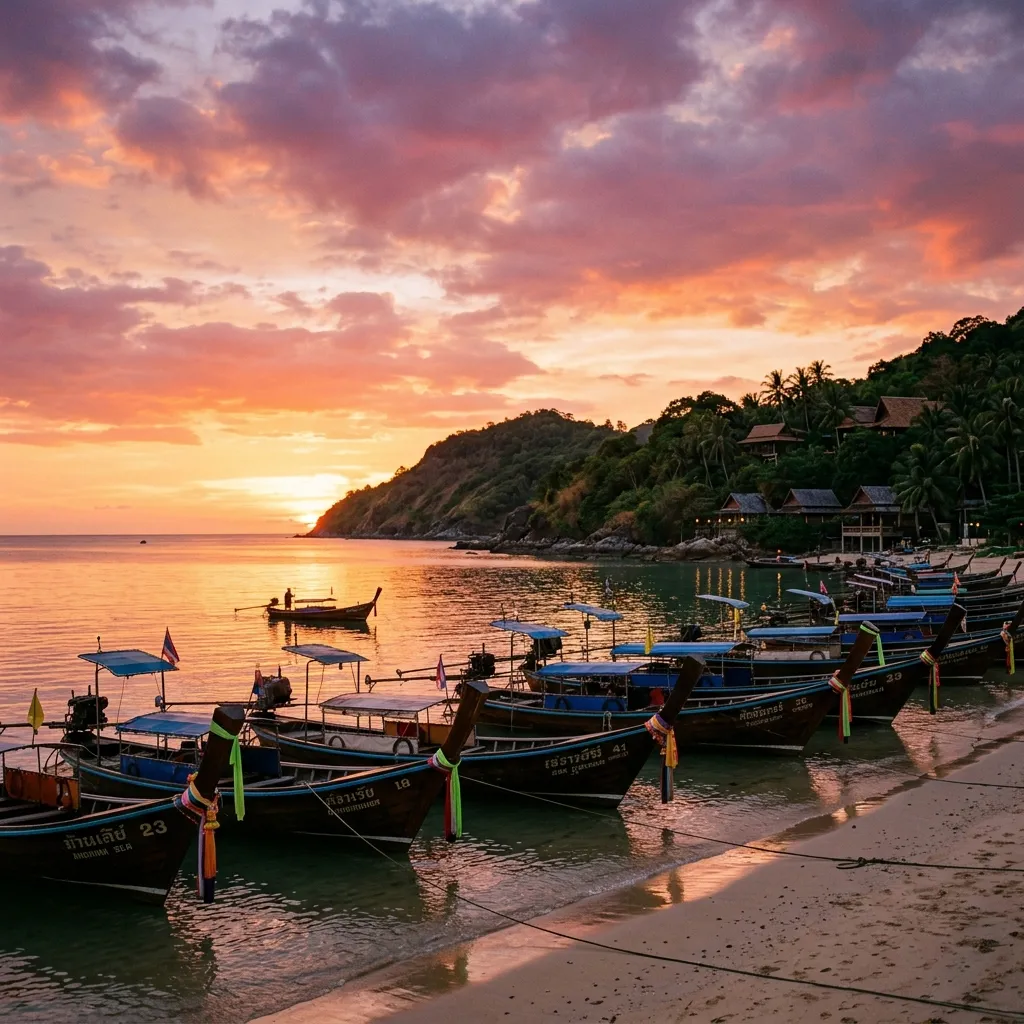
Promthep Cape is the answer you'll find on every list — and rightfully so. This dramatic rocky headland at the southernmost tip of Phuket is one of Thailand's most photographed sunset locations, offering 180-degree views across the Andaman Sea as the sky turns amber and rose. Near the viewing platform stands a shrine to Admiral Chumphon, revered as the father of the Royal Thai Navy, where local fishermen still come to offer prayers before heading to sea. Arrive at least 30 to 45 minutes before sunset to secure a good vantage point — it gets busy.
Windmill Viewpoint, a short drive from Promthep Cape, sweeps across Ya Nui Beach and the surrounding coastline from a different angle. It draws fewer crowds, making it an excellent alternative for those who prefer their sunsets with a little more breathing room.
What Other Activities Does Rawai Offer?
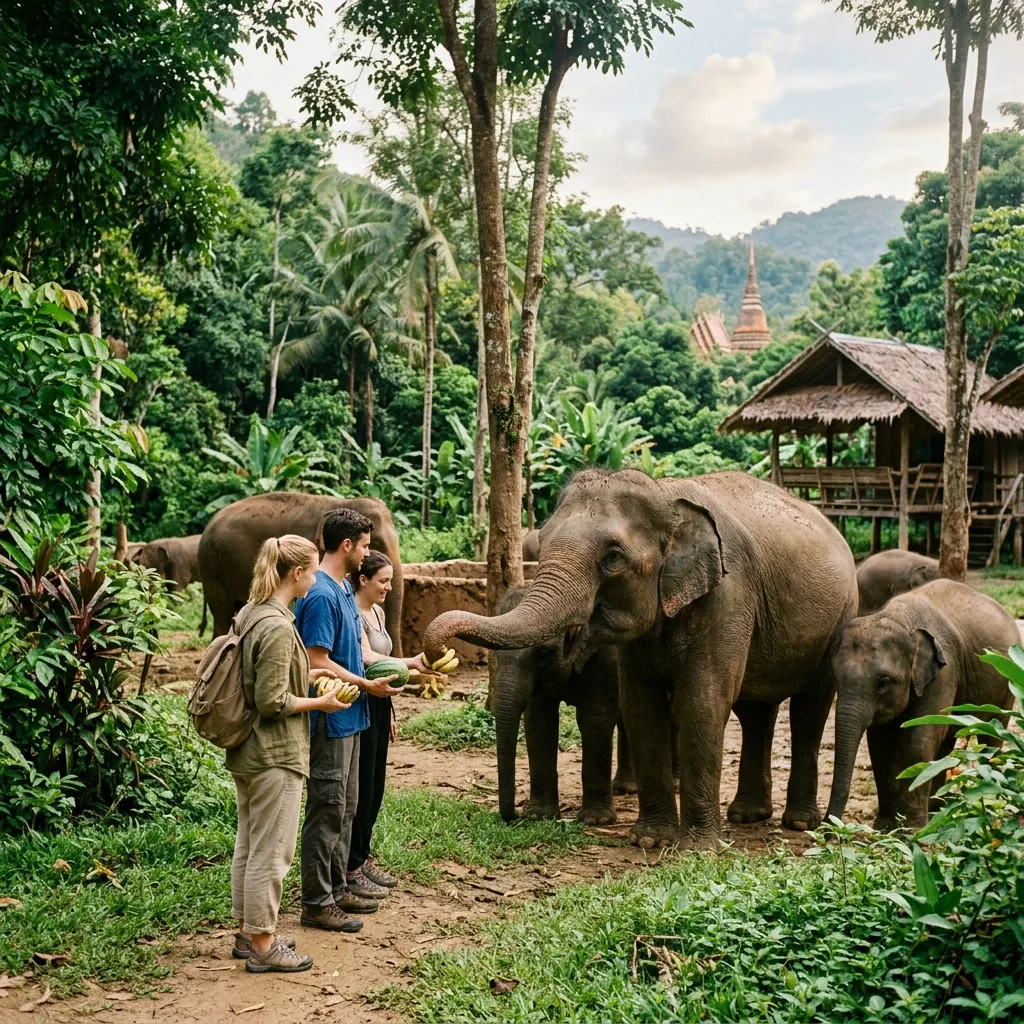
Bukit Elephant Park: An ethical elephant sanctuary operating a strict no-riding, no-bathing policy. The signature Sanctuary Walk and Feed Tour (approximately 3–3.5 hours; 2,700 THB for adults, 1,500 THB for children) involves feeding bananas and preparing herbal rice balls for the elephants — a genuine, cruelty-free wildlife encounter.
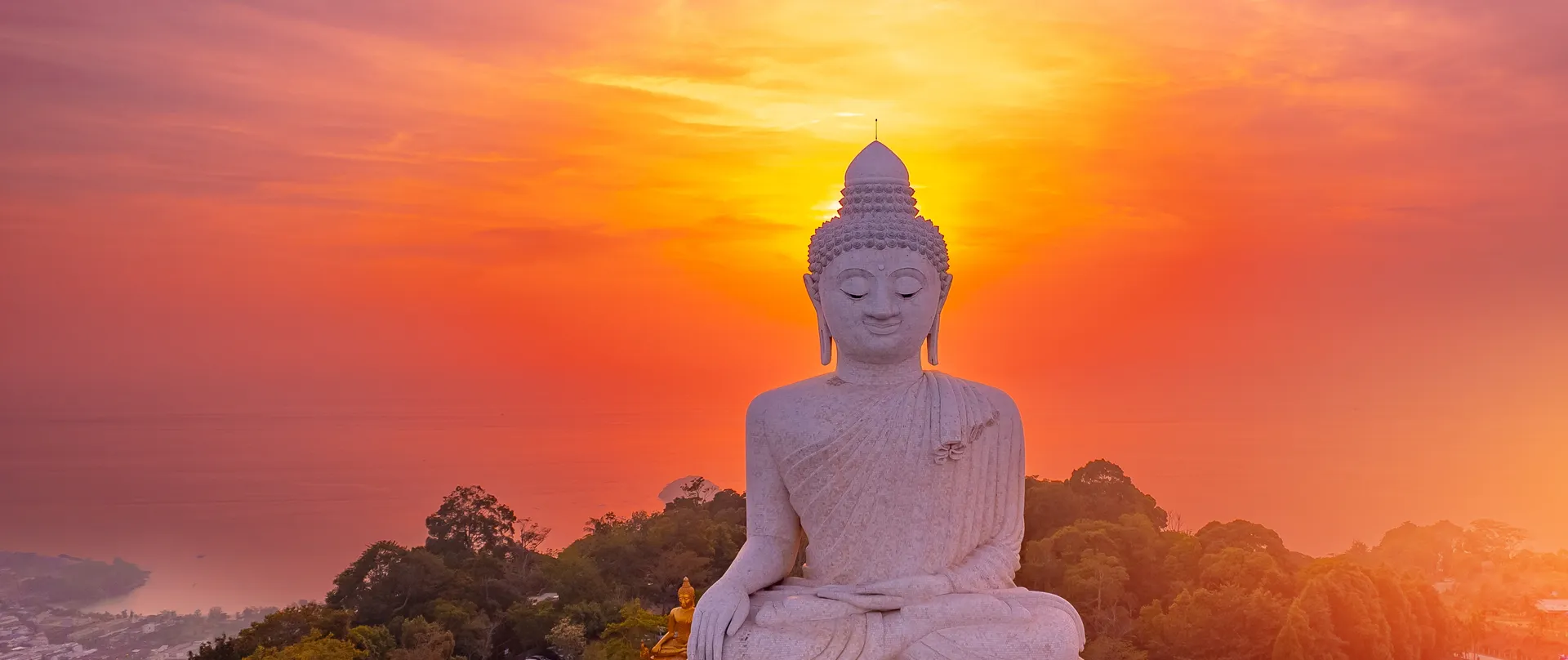
ATV & Quad Bike Tours: Jungle tracks through rubber tree forests and natural mountain terrain, with some routes offering views of the iconic Big Buddha. Good fun for thrill-seekers and families with older children.
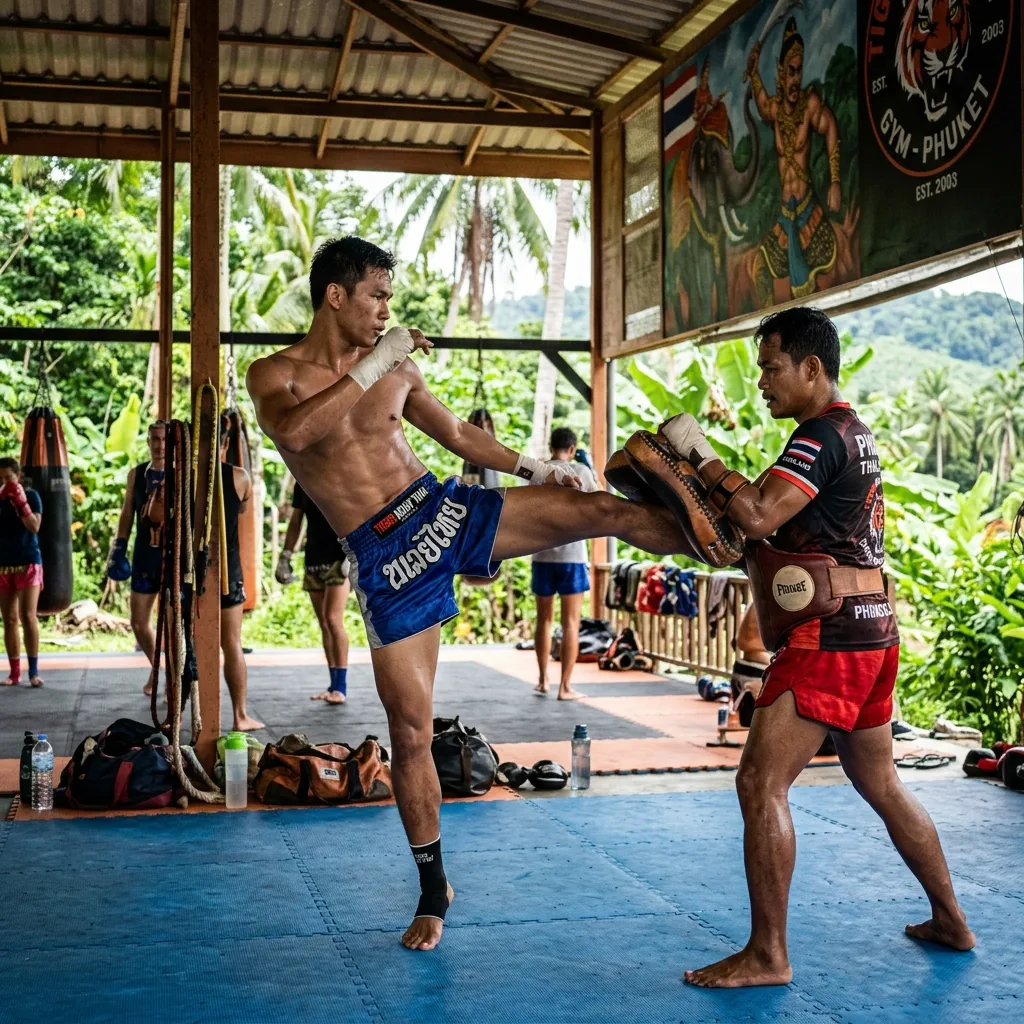
Muay Thai & Fitness: Rawai and neighbouring Chalong have emerged as a globally recognised hub for Muay Thai training camps. AKA Thailand is one of the most notable centres, drawing serious athletes and curious beginners alike from around the world.
Rawai Beach, Phuket
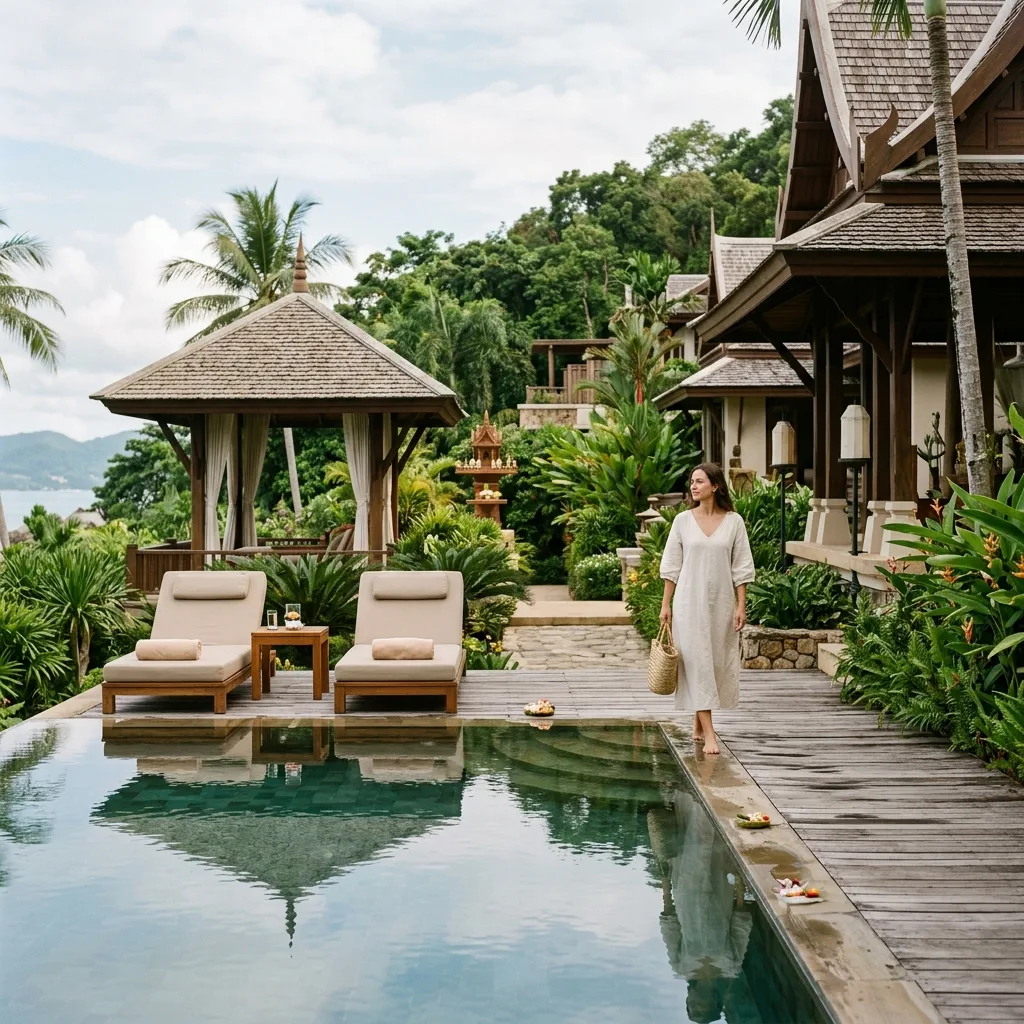
Wellness & Spa: LeSpa by Stay Wellbeing & Lifestyle Resort (56/80 Soi Suksan 2, Vised Road) is a premium all-in-one wellness destination offering spa treatments, a 24/7 fitness centre, detox programmes, and organic therapies — perfect for travellers looking to balance adventure with genuine restoration.
Is Rawai Beach Good for Swimming? And Where Should You Swim Nearby?
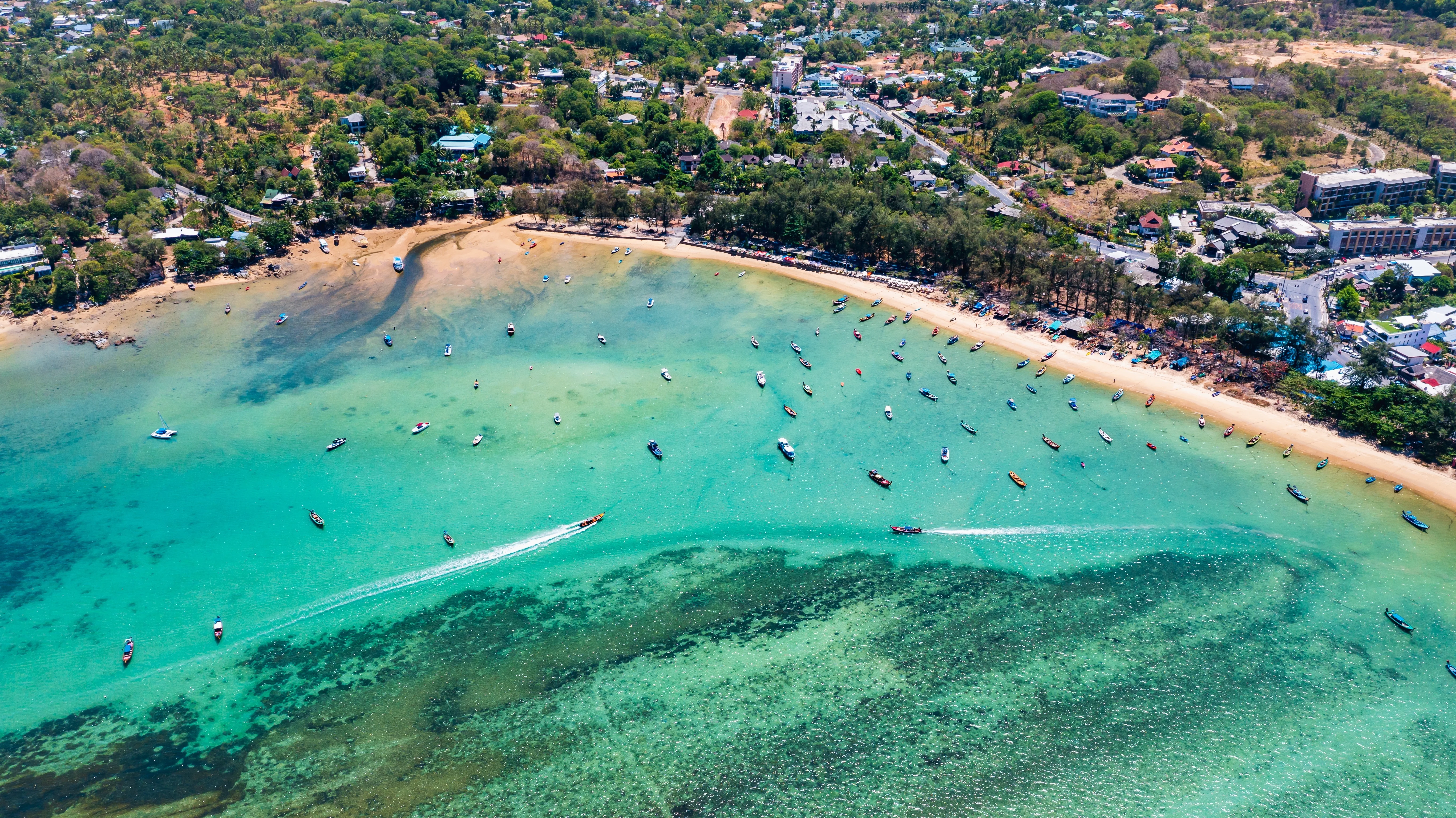
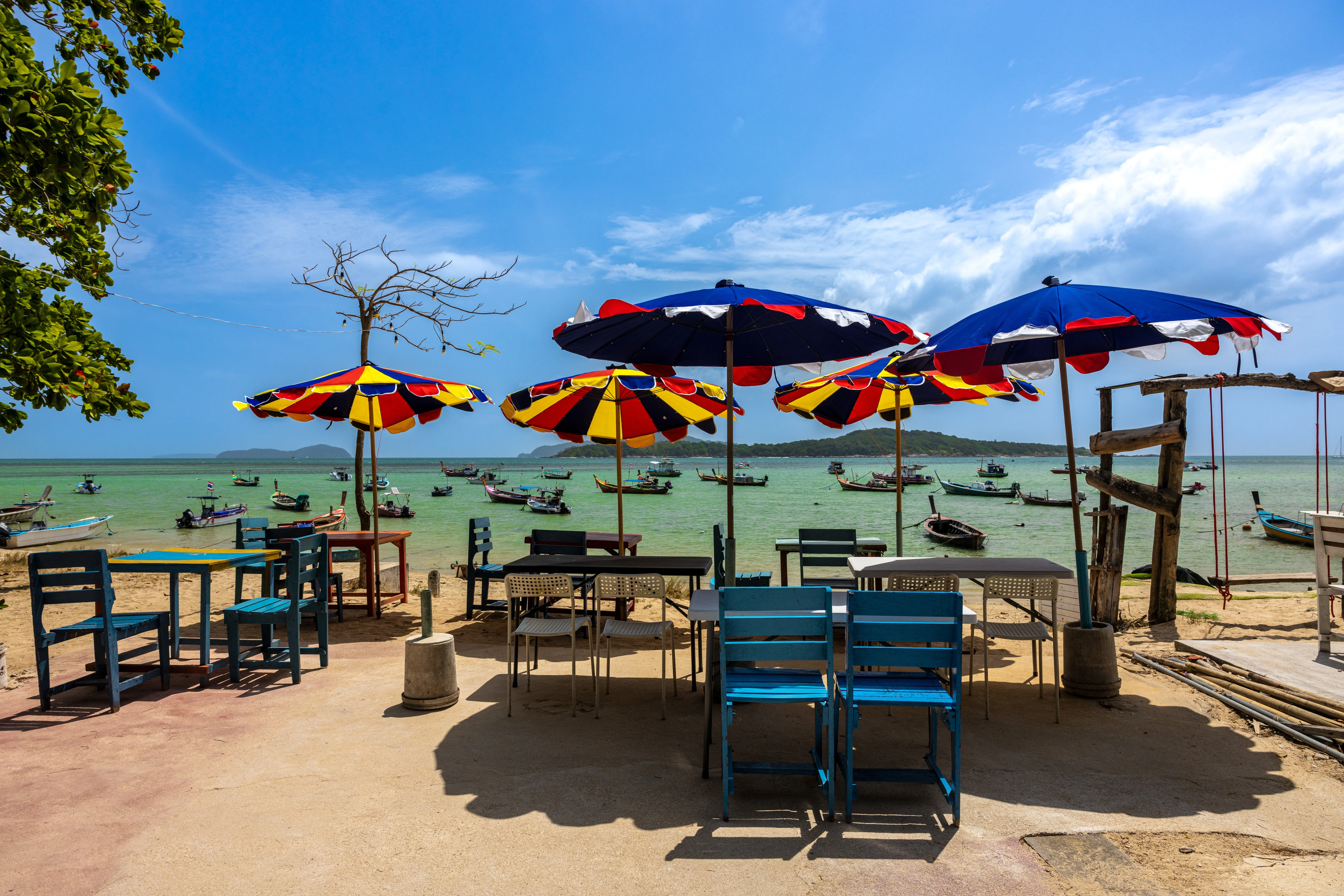
Rawai Beach itself is not suitable for swimming. The waters are very shallow, the sandy bottom is muddy and tidal, and longtail boat traffic fills the bay. Be upfront about this with travel companions before arriving — first-time visitors occasionally feel surprised.
That said, Rawai more than compensates with easy access to two outstanding beaches just minutes away:
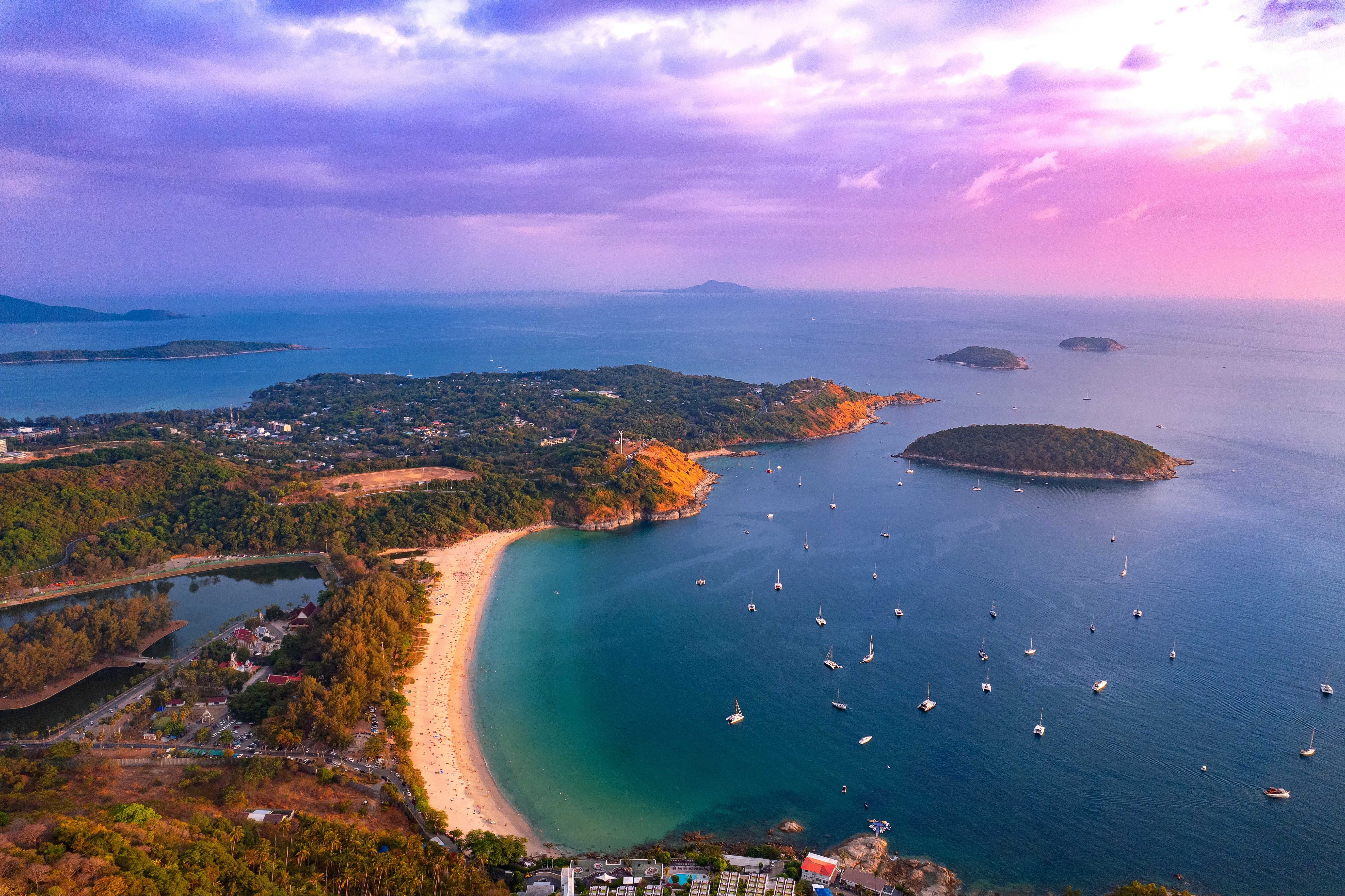
Nai Harn Beach (2 km from Rawai): Widely regarded as the finest beach in southern Phuket. A wide, sheltered bay with calm, clear, swimmable water and a beautiful sweep of sand. Home to The Nai Harn hotel — formerly the legendary Royal Phuket Yacht Club, which has drawn international guests since 1986. Busy in peak season, but rarely as overwhelming as Patong or Karon.
Ya Nui Beach: A small, scenic cove nestled between Promthep Cape and Nai Harn, popular with snorkellers and divers. Note that conditions can be rough during the May–October monsoon season — check local advice before swimming and exercise appropriate caution.
Rawai Beach, Phuket
Where Should You Stay in Rawai, Phuket?
Rawai offers a broader range of accommodation than most visitors expect — from affordable guesthouses to private hillside villas — and almost always at better value than comparable options in more tourist-heavy areas of the island.
Budget & Mid-Range: A good number of guesthouses and smaller hotels line Viset Road. Love Rawai Hotel is well-rated and conveniently positioned for exploring the area on foot.
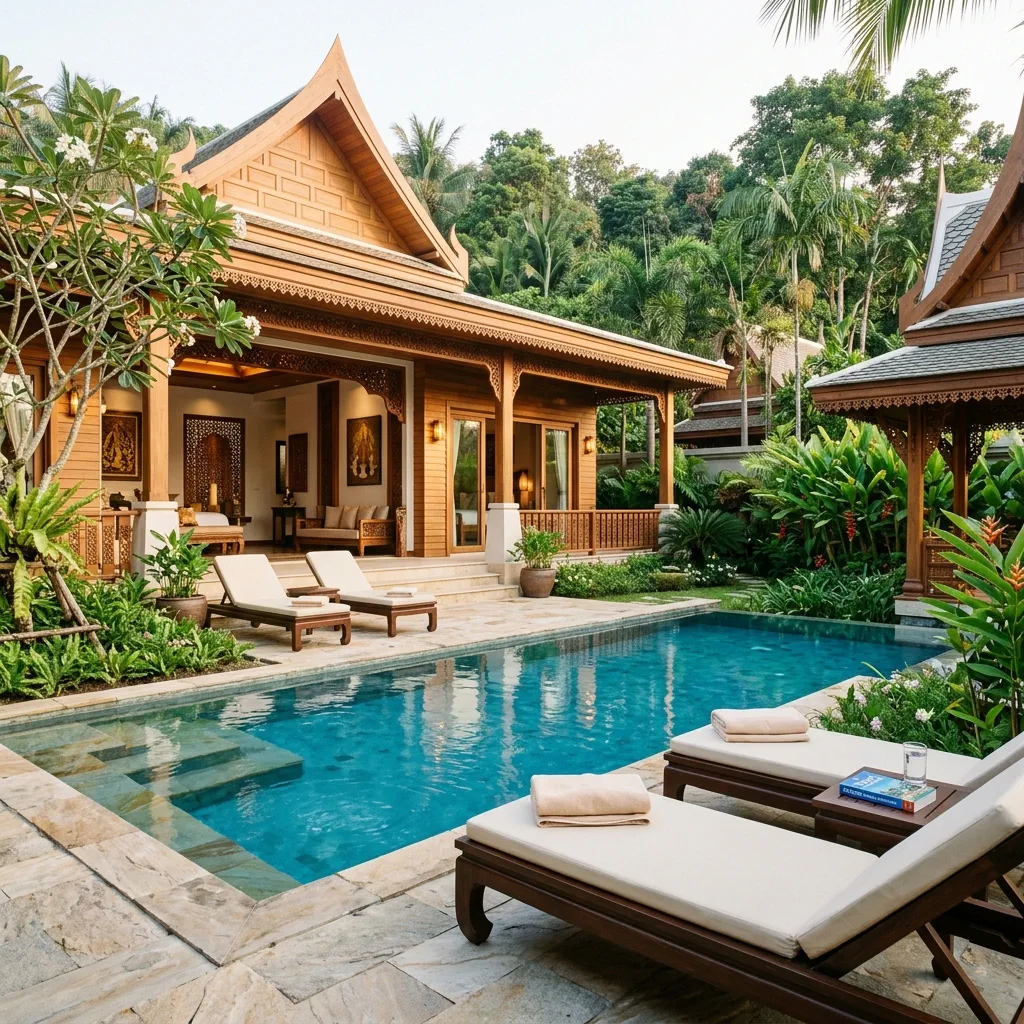
Boutique & Mid-Luxury: Villa-style properties such as Lady Naya Villas offer private pools and lush garden settings — particularly popular with couples seeking privacy and seclusion.
Luxury & Wellness: Stay Wellbeing & Lifestyle Resort stands apart for travellers who want a premium, wellness-led experience, with full-service spa facilities, fitness offerings, and on-site dining all under one roof.
Rawai's quieter atmosphere and strong amenity base make it a consistent favourite with long-stay travellers and expats — a meaningful endorsement of just how liveable and enjoyable the area genuinely is.
Rawai Beach, Phuket
Where to Eat in Rawai: From Fresh Seafood to Belgian Fondues
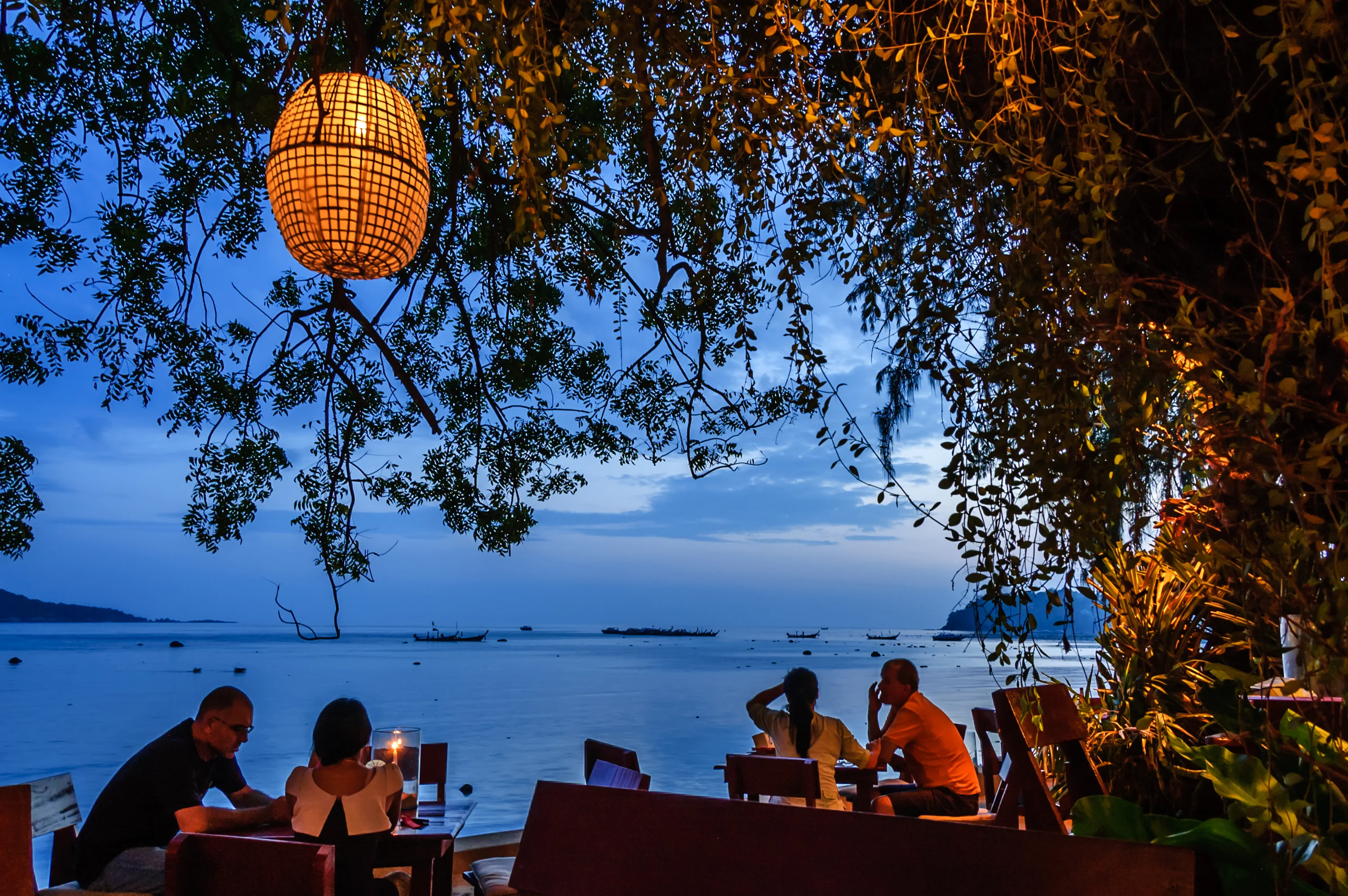
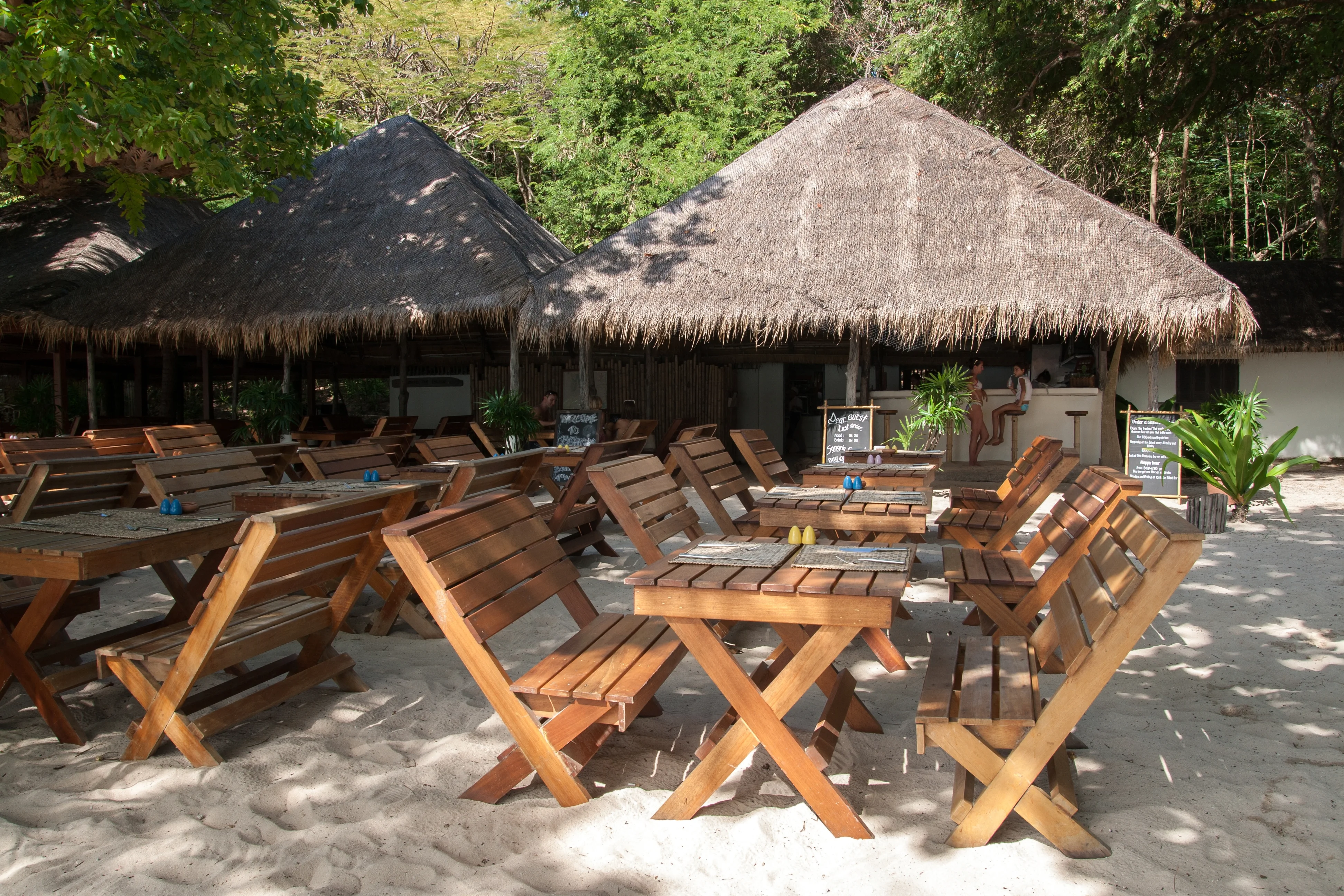
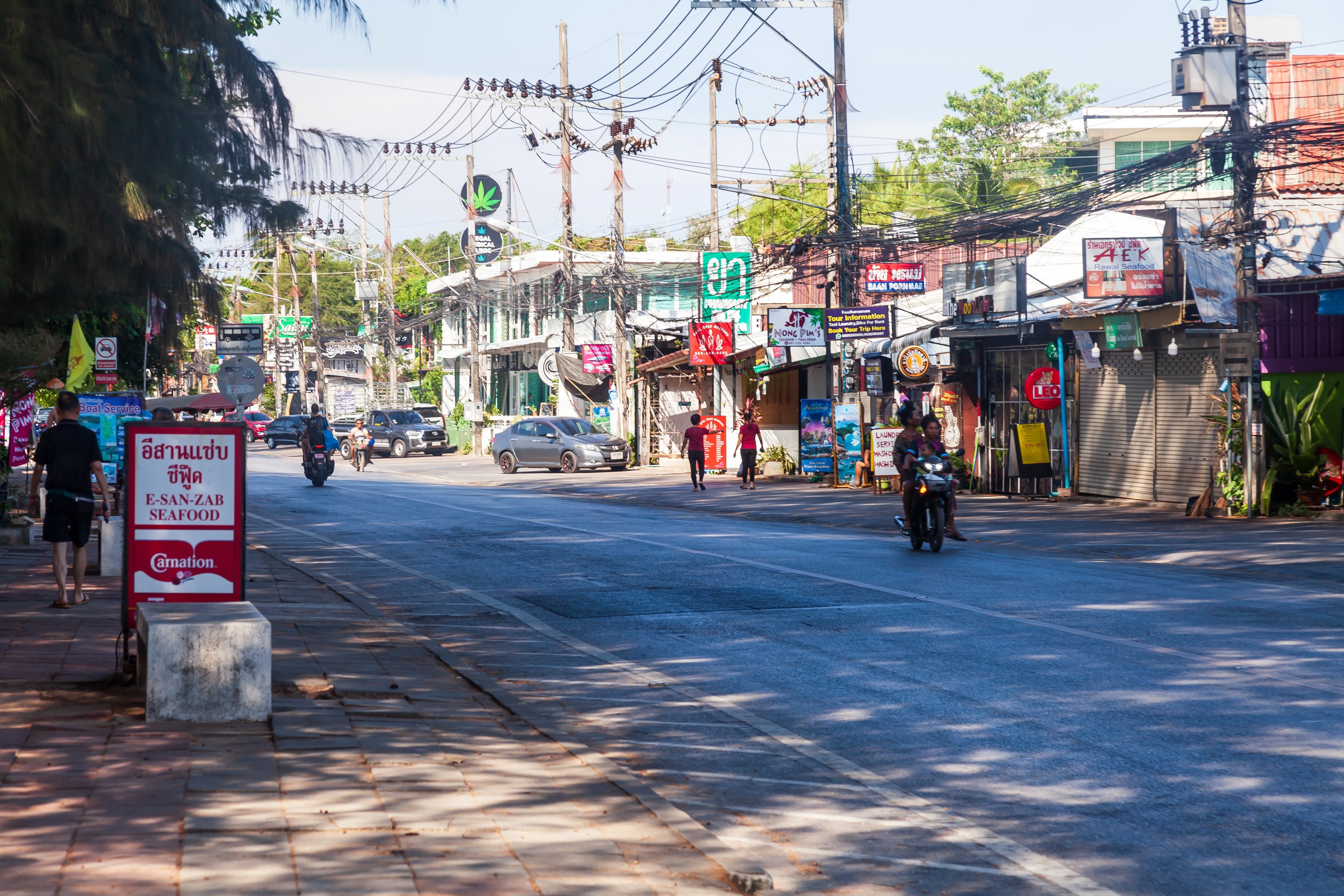
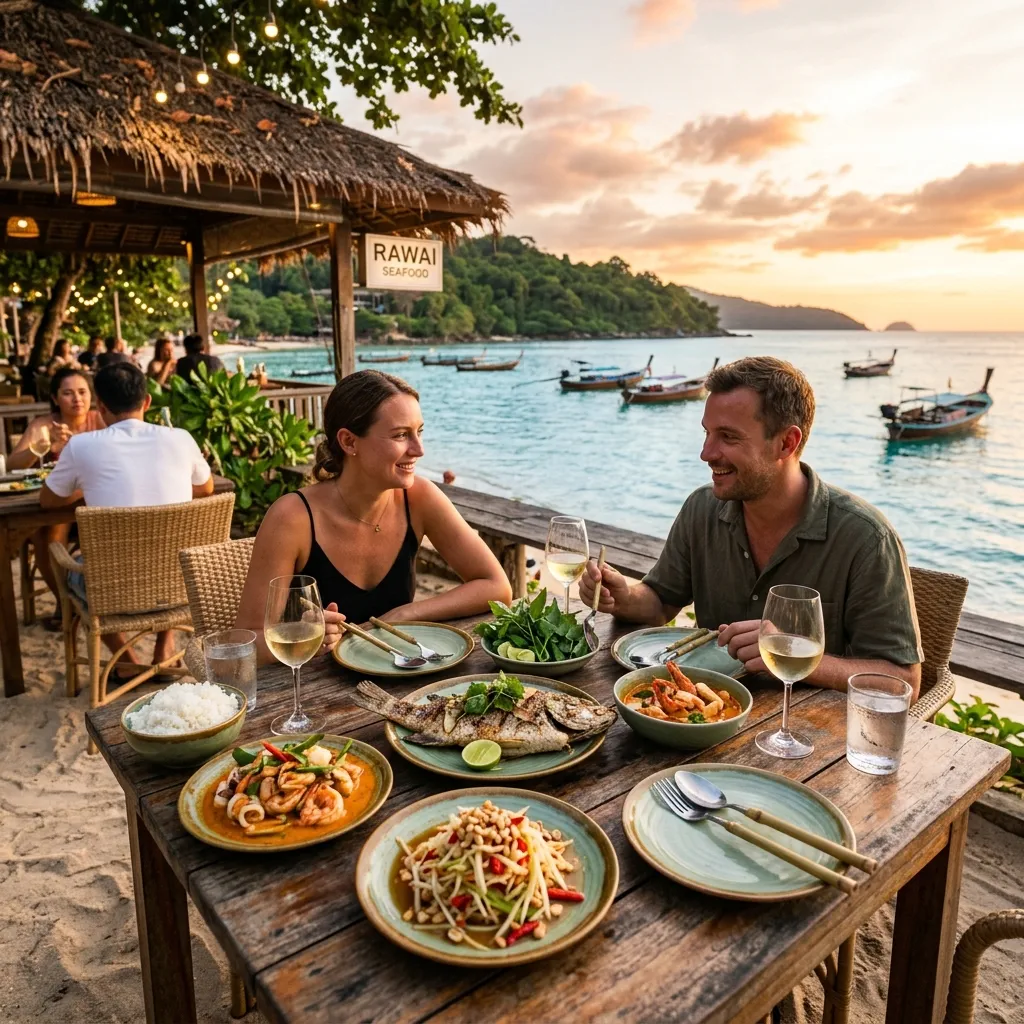
Rawai's dining scene pleasantly surprises most first-time visitors. The mix of fresh seafood, international cuisine, and authentic local Thai food is broad and high-quality — and prices are notably lower than in Patong or Karon. Waterfront restaurants line Viset Road, many offering views of longtail boats drifting across the bay as you eat.
The seafood market experience (outlined above) is unmissable. For a classic Thai meal at local prices, the restaurants near the pier serve excellent som tam, grilled whole fish, and crab curry.
For something different — and particularly well-suited to groups with varied tastes — Shakers Phuket Restaurant and Pub (98/18 Vises Road) is one of the area's most beloved long-standing venues. Established in February 2003, Shakers has spent over two decades building a loyal local and international following through the sheer breadth of its menu and the warmth of its atmosphere.
The driving force behind it is Olivier, the Belgian owner — a hotel school graduate and award-winning bartender who won Belgium's prestigious Golden Shaker award in 1993. His European background is evident throughout: the menu spans breakfast, sandwiches, burgers, pasta, pizza, steaks, pies, Belgian specialities, a full Thai menu, and no fewer than seven different fondues. Portions are generous, prices are reasonable, and no one goes home hungry.
The bar is equally impressive: over 100 cocktails, a strong selection of Belgian and local beers, ciders, whiskies, and spirits. Shakers is open Monday to Sunday from 12:00 PM to 11:30 PM, with delivery available from 11:30 AM.
It's an especially good option for non-seafood eaters, groups with mixed preferences, or anyone who simply wants a reliably great meal in an unpretentious setting.
How Do You Get to Rawai, and When Is the Best Time to Visit?
Getting there: Rawai sits roughly 30 minutes south of Patong, 20 minutes from Kata and Karon, 15 minutes from Chalong, and 30 minutes from Phuket Town — well-connected despite its peaceful feel.
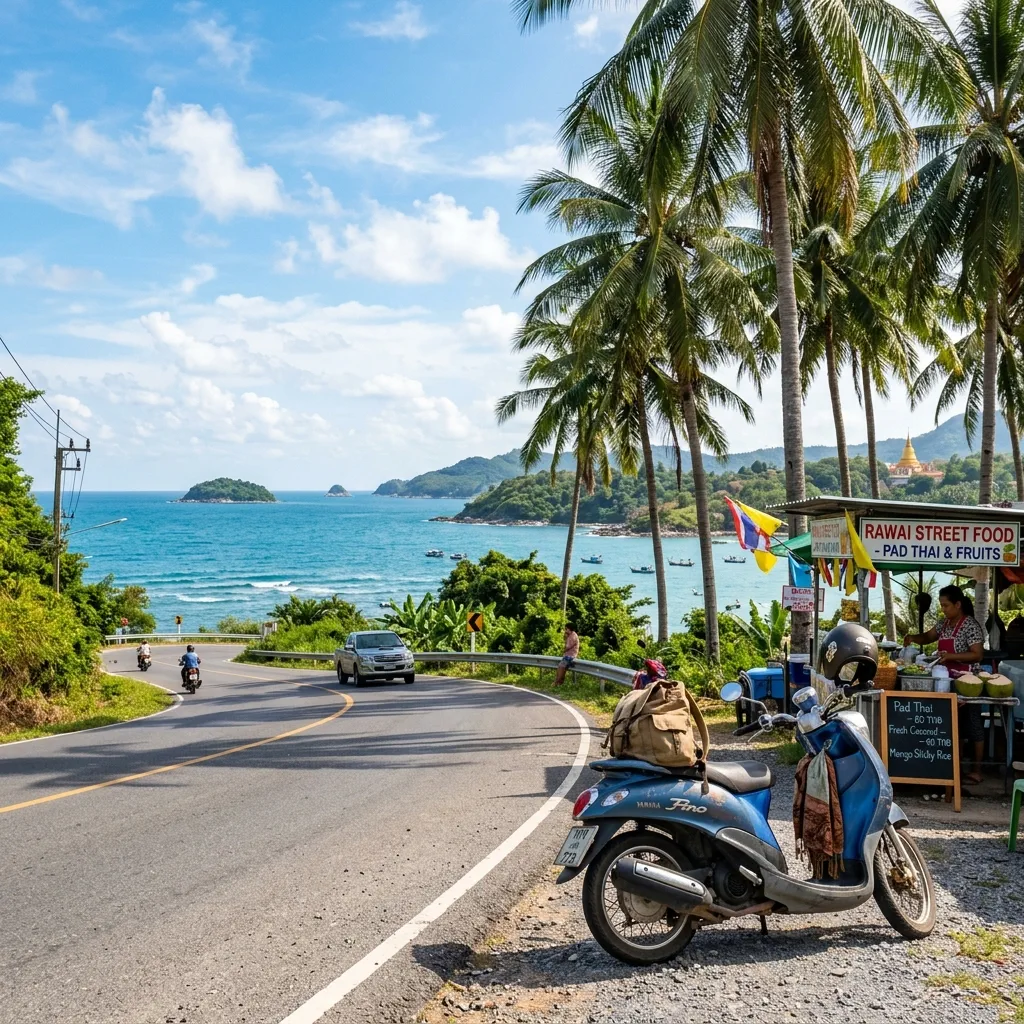
Getting around: A scooter is the most practical and enjoyable way to explore Rawai and the surrounding south of the island. The Skoot app makes rentals straightforward. Car hire and private drivers are solid alternatives for families or those less comfortable on two wheels. Taxis exist but can be expensive — always agree on a fare before you set off.
Best time to visit: November to April (Phuket's dry season) delivers sunny skies, calm seas, and ideal conditions for island hopping and beach days. May to October is monsoon season — boat tours to nearby islands may be limited, but Rawai itself remains a perfectly enjoyable base. The seafood market, restaurants, inland activities, and wellness facilities operate year-round.
Cash: ATMs are available in the area, but carrying cash for the seafood market and local vendors is strongly recommended.
Best suited for: Couples, solo travellers, long-stay visitors, and families who prioritise quality of life over nightlife. Rawai is not the right choice for those seeking Phuket's party scene — but for anyone seeking a genuine Phuket quiet escape that still delivers on food, views, island access, and amenities, it's exceptionally hard to beat.
Rawai Beach, Phuket
Is Rawai Worth Adding to Your Phuket Itinerary?
Absolutely — and ideally for more than a single night. One evening gives you a taste; two or three nights lets you settle into Rawai's rhythm, work through the seafood market properly, catch a sunset at Promthep Cape, and still squeeze in a day trip to the islands.
What Rawai offers is rare: authentic character, superb food, genuinely spectacular sunsets, and a pace of life that the bigger tourist beaches simply cannot replicate. It rewards the traveller who chooses experience over convenience — and it tends to exceed expectations every single time.
Ready to plan your trip? Explore our recommended Rawai accommodation options and start building your itinerary today.
Rawai Beach, Phuket
Frequently Asked Questions About Rawai Beach, Phuket
Is Rawai Beach good for swimming?
No — Rawai Beach is not suitable for swimming. The water is very shallow, the seabed is muddy, and longtail boat traffic fills the bay. The closest swimming beaches are Nai Harn Beach (2 km away) and Ya Nui Beach, both reachable within a 5-minute drive.
What is the Rawai Seafood Market, and how does it work?
The Rawai Seafood Market is a fresh seafood market along the waterfront near Rawai Pier. Visitors select live or fresh seafood from vendors — lobster, tiger prawns, crab, fish, and more — then take it across the road to a nearby restaurant to be cooked for approximately 100 THB per kilogram. The market is open roughly 10:30 AM to 9:00 PM daily.
How far is Rawai Beach from Patong?
Rawai Beach is approximately 30 minutes south of Patong by road. It is around 20 minutes from Kata and Karon beaches, 15 minutes from Chalong, and 30 minutes from Phuket Town.
When is the best time to visit Rawai Beach?
The best time to visit Rawai Beach is during Phuket's dry season, from November to April. This period offers sunny weather, calm seas, and optimal conditions for island-hopping tours. Rawai remains a comfortable and enjoyable base during the May–October monsoon season, though some boat trips may be cancelled due to rough seas.
What islands can you visit from Rawai Pier?
Rawai Pier serves as a departure point for Coral Island (Koh He), the Phi Phi Islands and Maya Bay, the three Khai Islands (Khai Nai, Khai Nui, Khai Nok), and Phang Nga Bay — including James Bond Island and the floating village of Koh Panyee. Day tours and private charters are available.
Is Rawai a good base for a Phuket holiday?
Yes — Rawai is particularly well-suited to couples, solo travellers, long-stay visitors, and those who prioritise authentic atmosphere over nightlife. It offers good-value accommodation, an excellent dining scene, close proximity to swimming beaches, and easy access to island tours and viewpoints, all without the noise and crowds of Patong or Karon.
Gallery
Reader Feedback (6)
Jon Gibbons
Etiam pretium, magna eget feugiat finibus, tellus massa pellentesque nisi, non malesuada nulla nunc vel ligula. Sed finibus enim eu nulla tempus, vitae tincidunt dolor semper. Praesent fringilla, metus at convallis sagittis.
Michael Carter
Vestibulum ante ipsum primis in faucibus orci luctus et ultrices posuere cubilia curae; Donec vel erat in nulla efficitur tempor non ut nisl. Integer venenatis eros ut dui viverra fermentum.
Sophie Wilson
Nam ut turpis hendrerit, varius nunc vel, elementum dui. Morbi vulputate dolor sit amet scelerisque egestas. Vestibulum eleifend nunc ut bibendum fermentum.
Contact
Necessitatibus eius consequatur ex aliquid fuga eum quidem sint consectetur velit






























Reader Feedback (6)
Jon Gibbons
Etiam pretium, magna eget feugiat finibus, tellus massa pellentesque nisi, non malesuada nulla nunc vel ligula. Sed finibus enim eu nulla tempus, vitae tincidunt dolor semper. Praesent fringilla, metus at convallis sagittis.
Michael Carter
Vestibulum ante ipsum primis in faucibus orci luctus et ultrices posuere cubilia curae; Donec vel erat in nulla efficitur tempor non ut nisl. Integer venenatis eros ut dui viverra fermentum.
Sophie Wilson
Nam ut turpis hendrerit, varius nunc vel, elementum dui. Morbi vulputate dolor sit amet scelerisque egestas. Vestibulum eleifend nunc ut bibendum fermentum.