Conquer the Clouds: Essential Big Buddha Visitor Tips
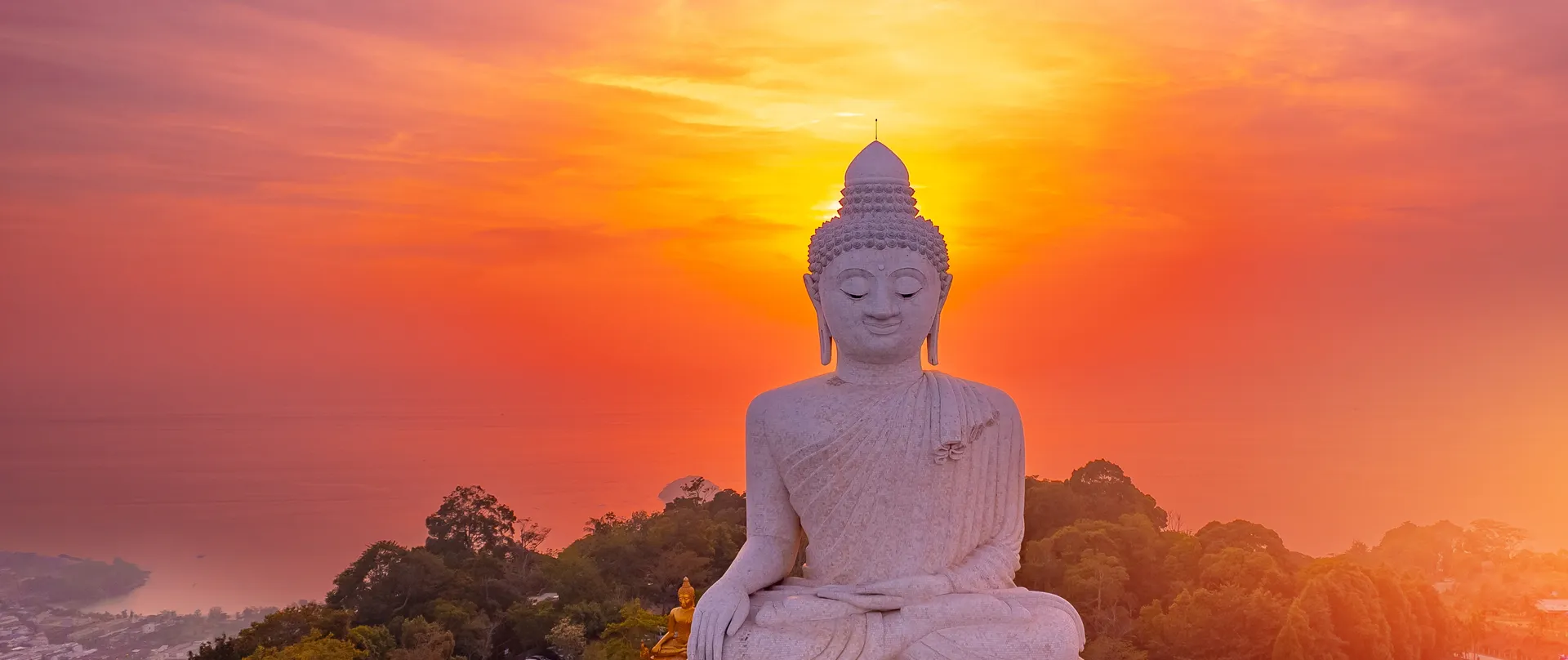
Stand nearly 400 metres above sea level on the peak of Nakkerd Hill, and a profound sense of tranquillity will wash over you. The gleaming white Burmese marble of the majestic statue glows warmly in the late afternoon sun, contrasting beautifully against the vibrant blue of the Andaman Sea. Gentle breezes carry the spiritual chiming of temple bells across the mountain, creating an atmosphere that instantly captivates the soul.
This iconic landmark remains an absolute must-have addition to any comprehensive Phuket travel guide. The site offers spectacular 360-degree views of Chalong Bay and the surrounding coastline. It also provides an unrivalled opportunity to immerse yourself in authentic Thai culture and spirituality. The recent and exciting reopening of the site in March 2026 makes right now the perfect time to plan your visit and experience its revitalised splendour.
Within this comprehensive guide, you will discover the fascinating history behind the monument, the most rewarding ways to reach the summit, and deep cultural insights. We have carefully curated our top Big Buddha visitor tips to ensure a seamless, unforgettable holiday experience that connects you deeply with this magical destination.
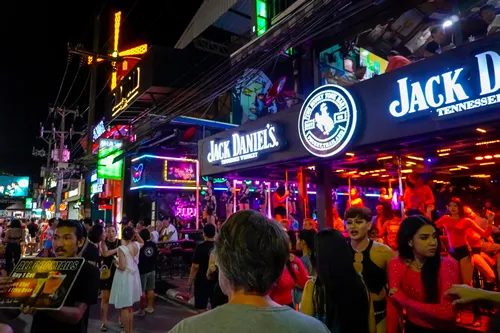
Bangla Road
Bangla Road: Where the night comes alive with endless thrills and unforgettable memories!
A Monument to Peace: The History and Grandeur of the Big Buddha
Before you step foot on the mountain, understanding the sheer scale of Phra Phutta Ming Mongkol Eknakiri adds immense value to your visit. The monument stands a majestic 45 metres tall and spans 25.45 metres wide across its base. These staggering dimensions officially make it the third-tallest statue in Thailand.
The creation of this marvel relied entirely on an incredible community effort. Construction began in 2004, driven by a vision to create a lasting symbol of peace and hope for the region. The project cost approximately 30 million baht, funded completely by generous donations from local residents and international visitors. This collective generosity earned the monument a prestigious status. In 2008, the Supreme Patriarch of Thailand officially bestowed it with the title of the "Buddhist Treasure of Phuket".
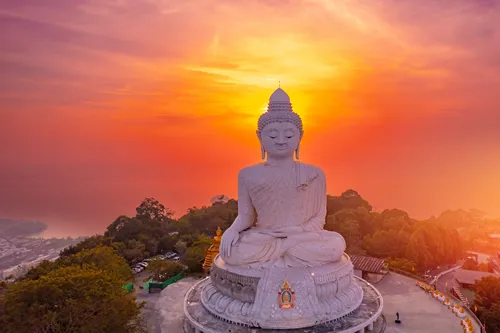
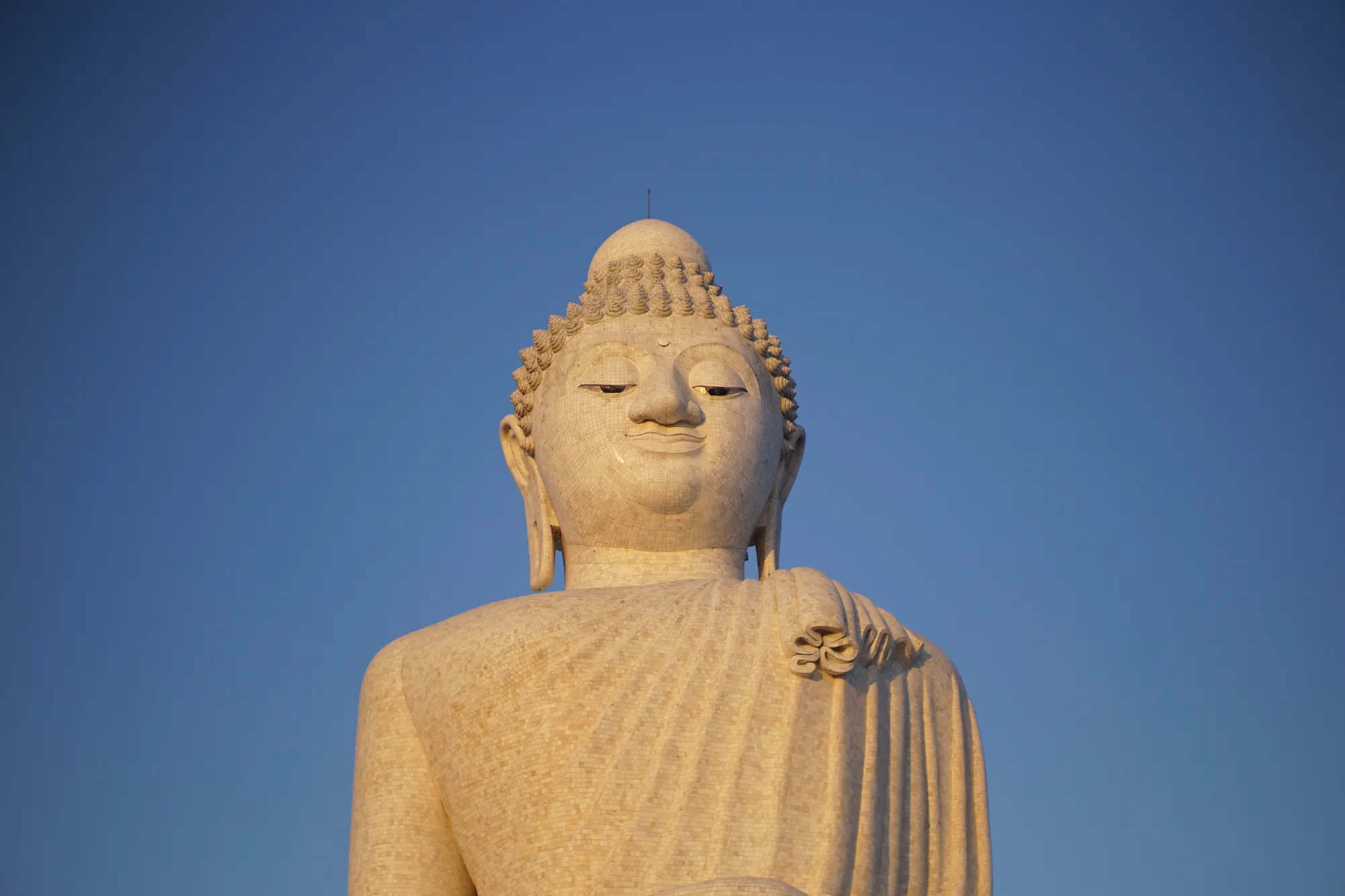
One of our most essential Big Buddha visitor tips is to take a moment to closely examine the statue's surface. The structure is meticulously clad in 135 tonnes of shimmering white Burmese jade marble. This specific material catches the tropical sunlight, giving the statue a breathtaking, ethereal appearance that can be spotted from miles away.
Navigating to Nakkerd Hill: Your Journey to the Summit
Your approach to the summit can be just as exciting as the destination itself. Travellers have multiple options to reach the peak, catering to both thrill-seekers and those looking for a relaxing ride.
The Scenic Drive
Taking the official road is the most popular route for those compiling a relaxed Phuket travel guide itinerary. The journey begins just north of the Chalong Roundabout. From popular tourist hubs like Patong, Kata, or Phuket Old Town, the drive takes an easy 15 to 35 minutes. You will wind your way up the mountain through lush greenery, catching spectacular glimpses of the ocean along the way. Upon arrival, you will find highly convenient, free parking facilities, making the trip entirely stress-free.
For those engaging in general Phuket sightseeing, hiring a local tuk-tuk or taxi is a brilliant option. Be sure to negotiate a return fare with your driver, as finding a vacant taxi at the summit for your descent can sometimes be tricky.
The Adventurous Hiking Trail
Thrill-seekers looking for a physical challenge should tackle the hiking trail starting from the southern end of Karon Beach. This 2-kilometre trek guides you straight through dense, vibrant jungle. You will conquer a 300-metre elevation gain, surrounded by the sounds of exotic wildlife and rustling palm leaves.
The Karon foothills trail is moderately difficult. Ropes are tied securely along the steepest sections to help you navigate the muddy inclines. If you choose this path, wear sturdy, closed-toe walking shoes and pack a large reusable water bottle. Completing this hike is an incredibly rewarding accomplishment and offers a unique, ground-level perspective of the island's natural beauty.
Jon Gibbons
Writer
May 16, 2026• 3 Comments
Beyond the Statue: Exploring the Big Buddha Complex
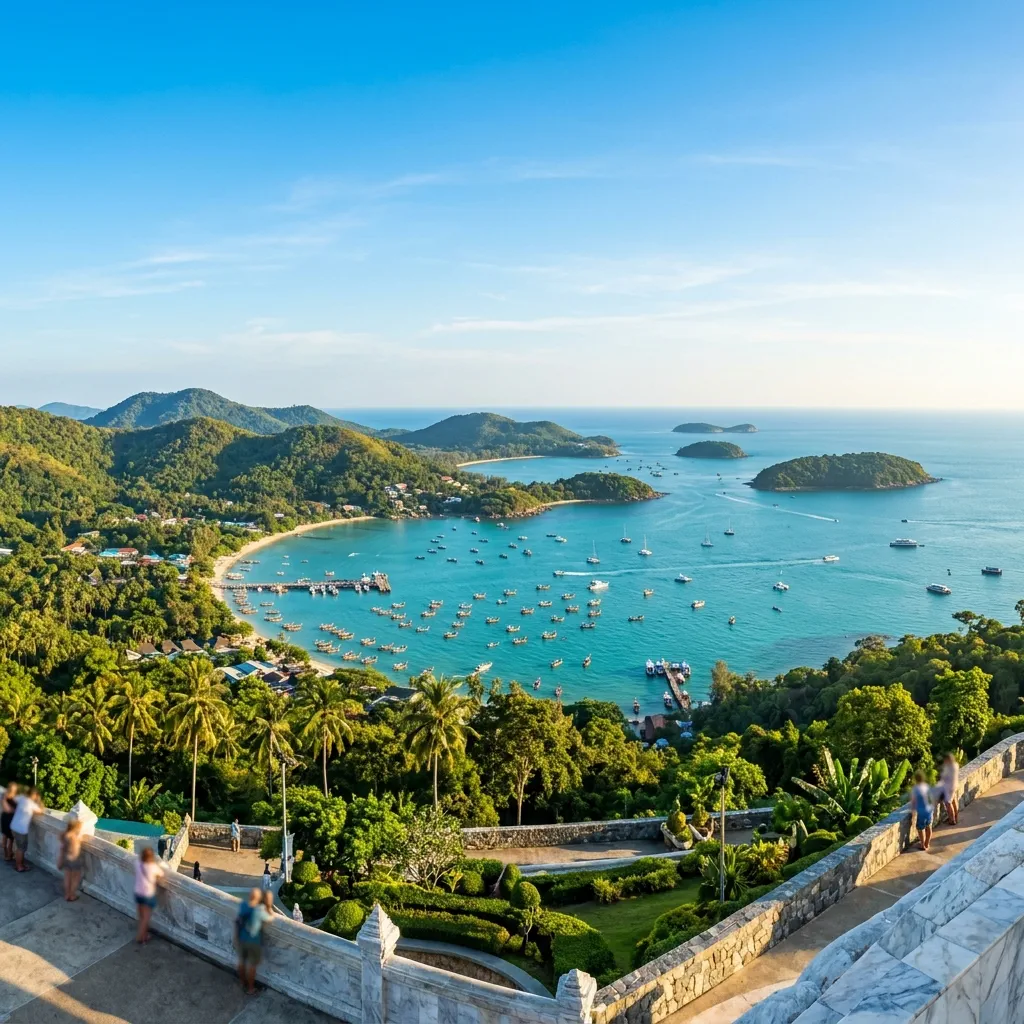
Reaching the summit reveals an expansive complex that goes far beyond the primary monument. The main platform serves as the ultimate Nakkerd Hill viewpoint. From this elevated terrace, you can soak in panoramic views of Chalong Bay, Kata Beach, and the sparkling islands scattered across Phang Nga Bay.
As you explore the grounds, you will encounter a smaller, intricate brass Buddha statue. This striking golden figure holds deep national significance, as it is officially dedicated to the King of Thailand.
The surrounding temple grounds feature a serene prayer hall, quiet meditation spaces, and several smaller shrines. You will also notice donation areas where visitors can purchase small marble tiles. Writing a personal message or a wish for your family on these tiles before they are added to the ongoing construction is a beautiful way to leave your own permanent mark on the site.
Collaborative tooling drives productivity in distributed teams
Cultural Etiquette: Respectful Visiting for a Meaningful Experience
Because this is an active religious site, understanding and following Thai cultural etiquette is paramount. Showing respect ensures a meaningful experience for both you and the local worshippers.
Dress Code and Temple Behaviour
Strict dress codes apply across the entire complex. Both men and women must ensure their shoulders and knees are fully covered. If you arrive in beachwear or singlets, the staff generously provide free sarongs at the entrance for a small donation.
When moving around the temple grounds, keep your voice low and speak quietly. You must never touch the Buddha statues. If you sit down on the ground near a shrine, always tuck your legs underneath or beside you. Pointing the soles of your feet towards a Buddha image is considered highly offensive in Thai culture.
Timing and Wildlife Safety
When building your ultimate Phuket travel guide, timing your visit perfectly is crucial. Arrive early at 06:30 to experience a tranquil, crowd-free sunrise. Alternatively, visit late in the afternoon around 16:30. This timing helps you avoid the intense midday heat and allows you to witness the white marble bathed in stunning golden-hour light.
You will likely encounter groups of local macaques roaming the hillside. A critical Big Buddha visitor tip is to keep a safe distance from these wild monkeys. Avoid direct eye contact, keep your belongings zipped up, hide any food, and never attempt to feed them.
Collaborative tooling drives productivity in distributed teams
Sacred Moments: Embracing the Spiritual Atmosphere
Beneath the towering monument lies a world of authentic cultural experiences. Step into the main prayer hall to witness the quiet devotion of local Thais. Visitors are welcome to participate in a serene meditation session, absorbing the profound peacefulness of the space.
Many visitors partake in the beautiful tradition of receiving a blessing from a resident monk. You can also join in the ritual of tossing small coins into a line of 37 ceremonial bowls. The rhythmic clinking of dropping coins echoes throughout the hall, a practice deeply believed to bring good luck, prosperity, and health.
The Seven Buddhas of the Week
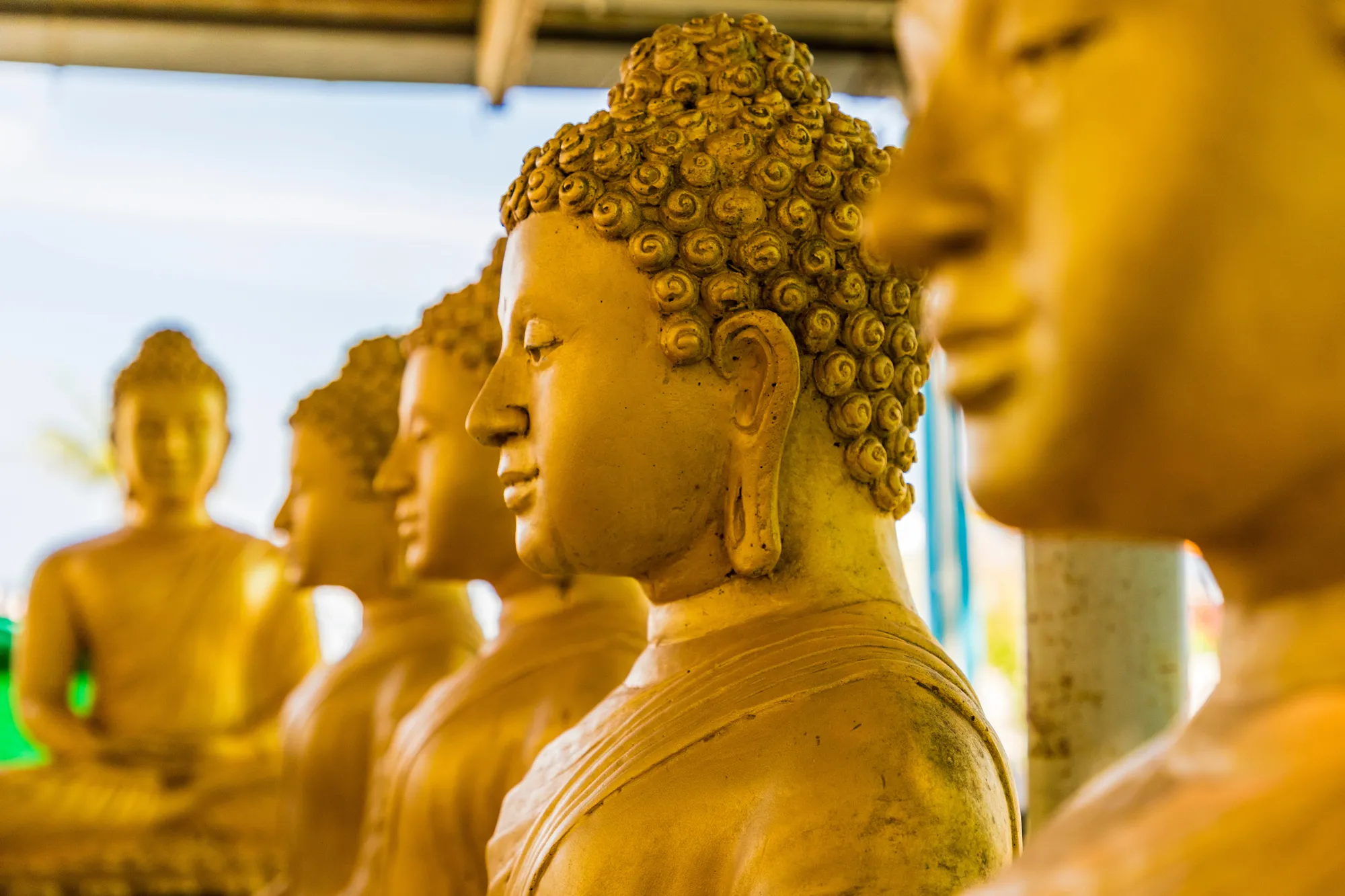
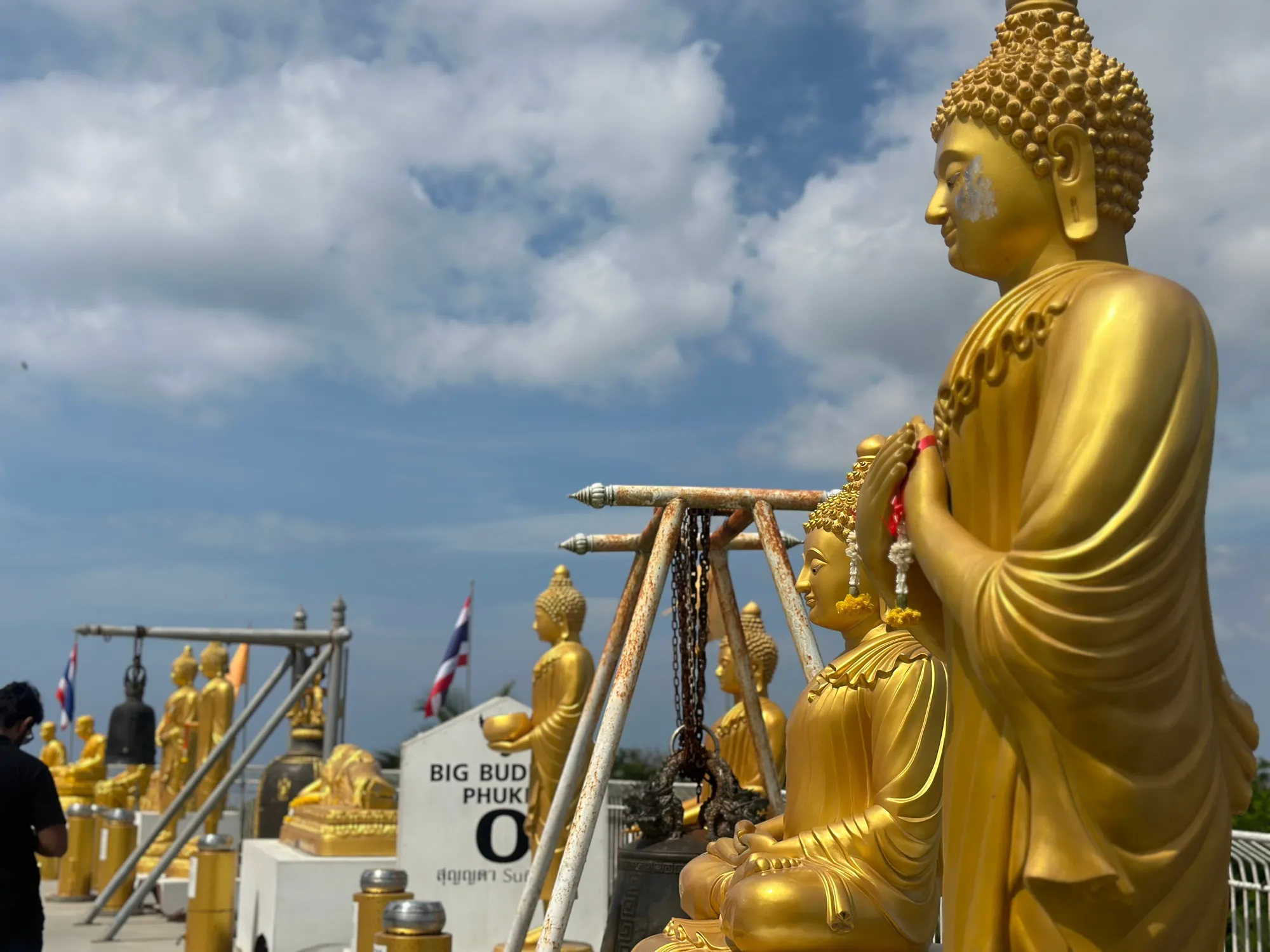
A fascinating highlight of the complex is the "Seven Buddhas of the Week" display. Thai astrology places great importance on the day of the week you were born, and each day is represented by a specific Buddha posture carrying unique meaning.
Finding your birth day's statue is a highly recommended Big Buddha visitor tip. Here is a quick guide to help you identify yours:
Sunday (Gratitude): The Buddha stands with arms crossed at the waist, representing the seven days he stood expressing gratitude to the Bodhi tree.
Monday (Peace and Protection): The Buddha stands with his right hand raised, pacifying relatives and stopping conflict.
Tuesday (Nirvana): The famous Reclining Buddha rests on his right side, symbolising deep tranquillity and detachment.
Wednesday (Generosity/Solitude): Wednesday is split in two. Morning births feature the Buddha holding an alms bowl. Evening births feature him sitting in a forest retreat, representing inner peace.
Thursday (Meditation): The Buddha sits in the classic full lotus position, signifying enlightenment and inner stillness.
Friday (Reflection): The Buddha stands with arms crossed over his chest, contemplating how to teach the complex truths of the world.
Saturday (Protection): The Buddha sits in meditation, sheltered under the protective hood of the seven-headed Naga serpent.
Take a moment to leave a small coin or flower at your specific statue. While entry to the entire site is completely free, these small cash donations help maintain the magnificent Wat Kitthi Sankaram temple complex for future generations.
Collaborative tooling drives productivity in distributed teams
Post-Climb Rewards: Panoramic Views and Local Delights
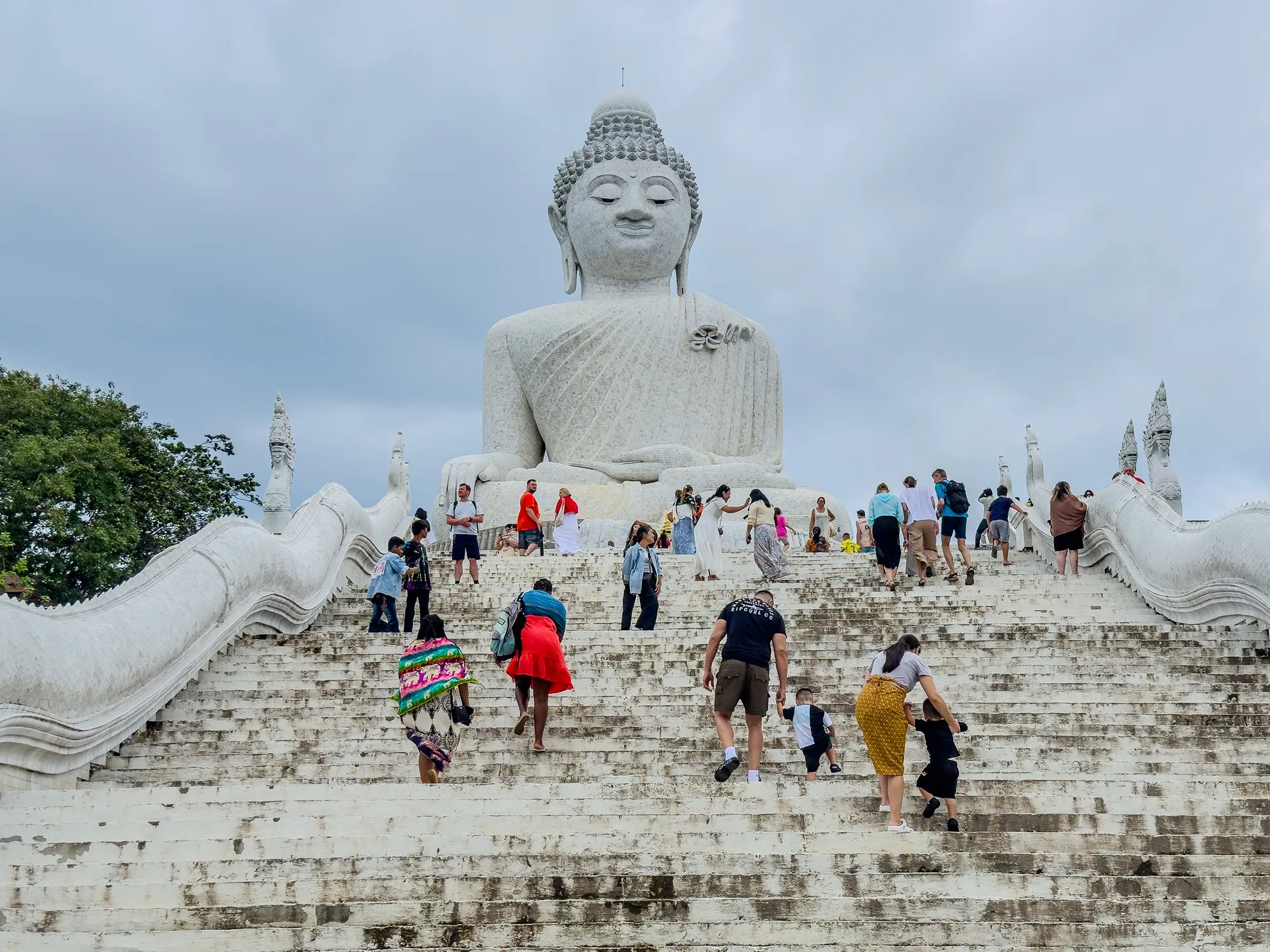
After you conquer the final 94 steps to the base of the grand statue, reward yourself by soaking in the spectacular vistas. The sheer height offers an unmatched perspective of the island's southern coastline.
The site is well-equipped with convenient amenities, including free, clean toilets and small vendor stalls. Here, you can purchase local souvenirs, light snacks, and refreshing cold drinks to cool down after your exploration.
To complete your afternoon, we highly recommend adding a relaxing stop to your Phuket travel guide itinerary. Head slightly back down the hill to the Nak-Kerd Seaview Cafe. This charming hillside spot was one of the first restaurants established along this route. Grab a cold beverage, secure a table on the wooden deck, and watch the sun slowly set over Karon Beach and the sparkling Andaman Sea.
Big Buddha Phuket: What You May See at This Hilltop Landmark
Perched high on the Nakkerd Hills, the Big Buddha is one of Phuket’s most striking sights. You can spot it from miles away, shining white above the island’s green slopes. Yet the real experience begins when you make your way up the winding road and stand beneath it. This is far more than a photo stop. It is a place where grand views, quiet reflection and Thai culture come together in one memorable visit.
In this overview, you’ll discover what you may see at the Big Buddha in Phuket, from the vast marble statue itself to sweeping views over Chalong Bay, smaller shrines, bells, prayer areas and the peaceful hillside setting that gives the whole site its special feel.
The Big Buddha itself
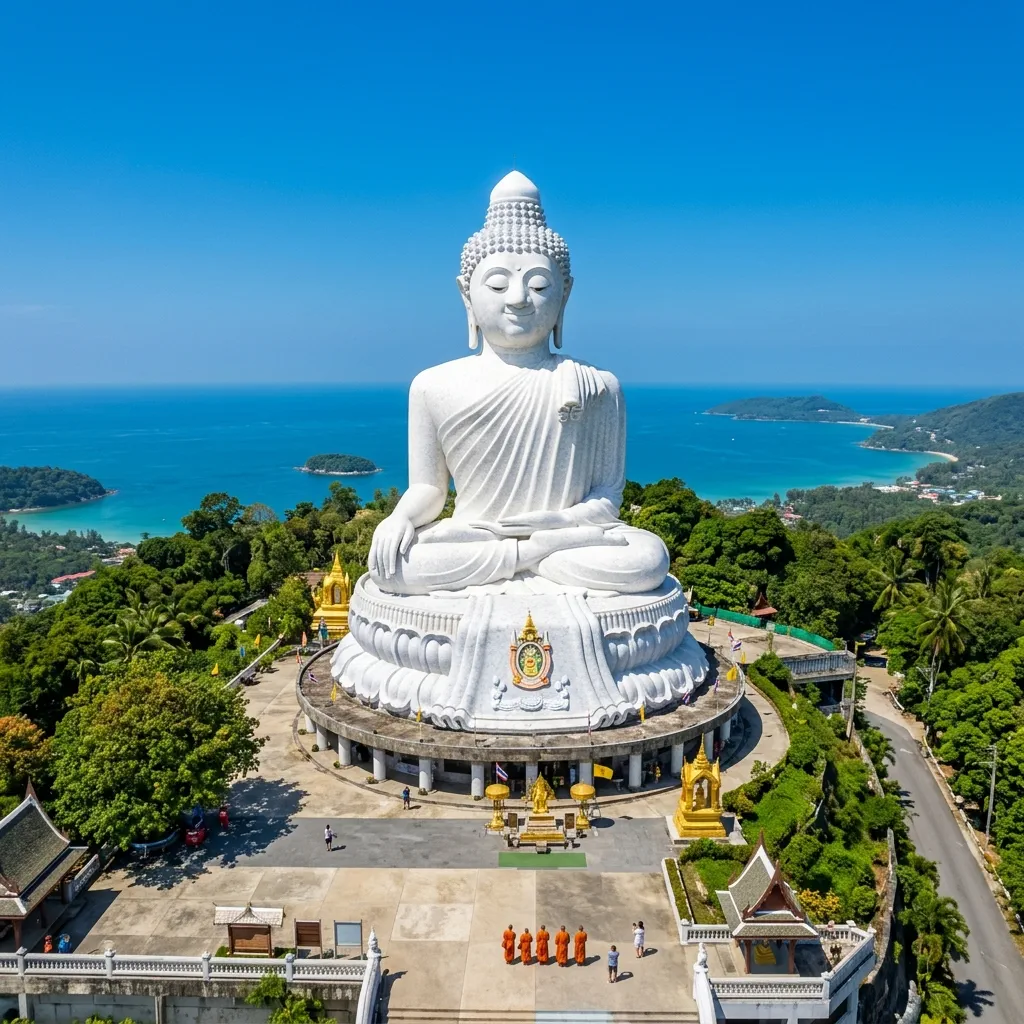
The main attraction is, of course, the statue. Officially known as Phra Phutta Mingmongkol Eknakiri, Phuket’s Big Buddha rises to around 45 metres tall and sits prominently on the summit of the hill. Covered in gleaming white Burmese marble tiles, it catches the sunlight beautifully. On a clear day, it can look almost luminous against the blue sky.
As you get closer, the sheer scale becomes more impressive. From a distance, it seems calm and elegant. Up close, it feels immense. The smooth lines of the seated Buddha, the serene expression and the crisp white surface all give the monument a sense of dignity and stillness. It is a powerful sight, yet never harsh or overwhelming.
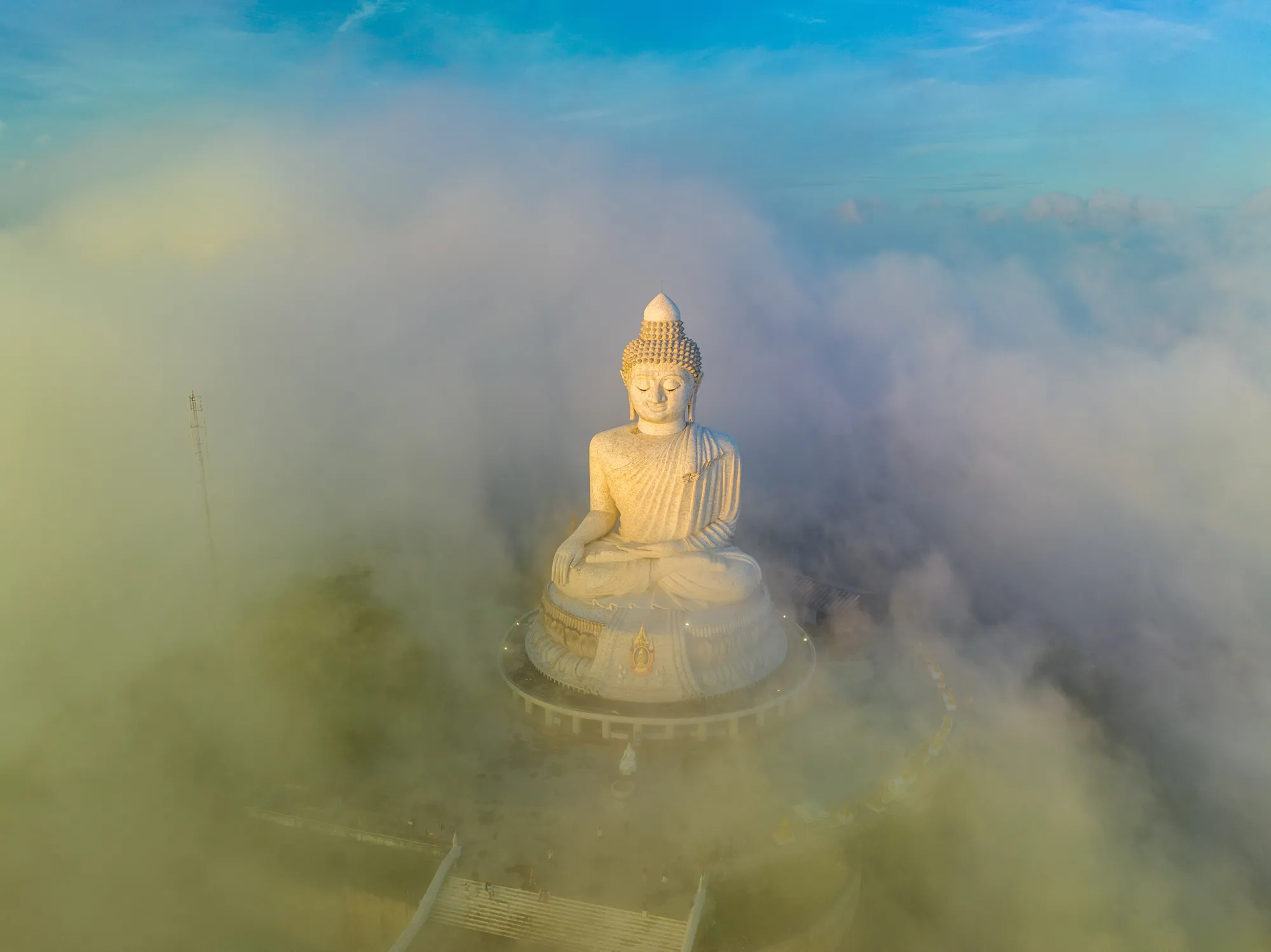
Visitors often notice how the statue changes with the weather and light. In bright sun, it appears brilliant and clean. In softer afternoon light, it can seem gentler and more contemplative. Even on misty or cloudy days, the monument has a striking presence, rising above the landscape like a quiet guardian watching over southern Phuket.
Panoramic views across Phuket
One of the great rewards of visiting the Big Buddha is the view. Because the site stands high above the island, it offers some of the widest and most impressive panoramas in the area. From the viewing terraces, you may see rolling green hills, clusters of buildings, stretches of coastline and the sea shimmering in the distance.
Chalong Bay from above
Chalong Bay is one of the highlights. From this vantage point, the bay opens up below in a broad sweep of blue water. Boats often dot the surface, adding small points of movement to the calm scene. Looking out across the bay from so high up gives you a fresh sense of Phuket’s shape and scale.
The view feels especially expansive in the morning, when the air can be clearer and the light softer. Later in the day, the changing sun casts richer tones over the hills and water, creating a different but equally beautiful scene.
Views beyond the bay
Depending on the weather, you may also see other parts of southern Phuket and beyond. The island’s ridges and roads unfold below you, with pockets of tropical greenery breaking up the built-up areas. On a good day, the horizon seems to stretch on for miles.
This elevated position is part of what makes the site so memorable. You are not simply looking at a monument. You are seeing Phuket from above, with the island laid out in a way that helps you appreciate both its natural beauty and its busy coastal life.
A peaceful atmosphere
Although the Big Buddha is one of Phuket’s best-known attractions, the site often feels surprisingly calm. The higher you climb, the more the pace of the island seems to slow. By the time you reach the summit, the air can feel cooler, the breeze steadier and the mood much quieter than at the beaches or markets below.
This peaceful atmosphere is one of the most important parts of the visit. People speak more softly here. Many stop to sit, take in the view or simply enjoy a few quiet moments. The sounds of prayer bells, moving flags and light wind can add to the gentle, reflective mood.
There is a spiritual quality to the site that goes beyond the statue’s size. Even if you visit mainly for the scenery, you are likely to notice the sense of respect that surrounds the hilltop complex. It encourages you to pause rather than rush.
Smaller statues, shrines and sacred details
The main white Buddha may be the centrepiece, but there is more to see around the site. Visitors often come across smaller statues, altars and shrines that add depth and meaning to the experience. These details help turn the visit into something richer than simply viewing one landmark.
Some areas include images of the Buddha in different poses, each with its own symbolism. There may also be incense pots, offerings, flowers and spaces where locals and tourists make quiet acts of devotion. These smaller elements reveal that this is not only a viewpoint, but also a living religious site.
Bells and symbols of devotion
You may notice rows of bells or decorative gongs around the complex. In many Buddhist settings, bells can symbolise mindfulness, merit or prayer. Their gentle sound in the breeze adds to the calm atmosphere and creates a sensory memory that many visitors remember long after they leave.
There are also places where people leave messages, make donations or take part in simple traditions connected to the site. These moments offer a closer look at how faith, community and tourism meet on the hill.
The cultural significance of the site
The Big Buddha is not just a scenic attraction. It also holds real cultural and religious importance. The statue was built as a symbol of faith and peace, and it has become one of Phuket’s most meaningful landmarks. Its official name and elevated location reflect its role as a place of reverence, not merely spectacle.
For many Thai visitors, the site is connected to Buddhist practice and respect for sacred places. For international visitors, it provides a chance to understand a little more about the spiritual side of Thailand, beyond the beaches and nightlife that often dominate travel brochures.
The site’s design, its statues, donation areas and prayer spaces all point to this deeper purpose. If you visit with care and attention, you are likely to come away with a better sense of how religion and daily life remain closely linked in Thailand.
The approach up the hill
Part of what you may see at the Big Buddha includes the journey itself. The road winds up through the hills, with occasional glimpses of the landscape opening up as you climb. The ascent builds anticipation. You know you are heading somewhere special, and the higher you go, the wider the views become.
Along the way, you may spot hillside greenery, roadside stalls or stopping points where the statue comes into view from different angles. These early glimpses create a sense of scale before you even arrive.
By the time you reach the top, the reveal feels earned. The statue appears in full, the sky opens up and the island stretches out below. It is a dramatic arrival, but also a peaceful one.
Monkeys, breeze and the natural setting
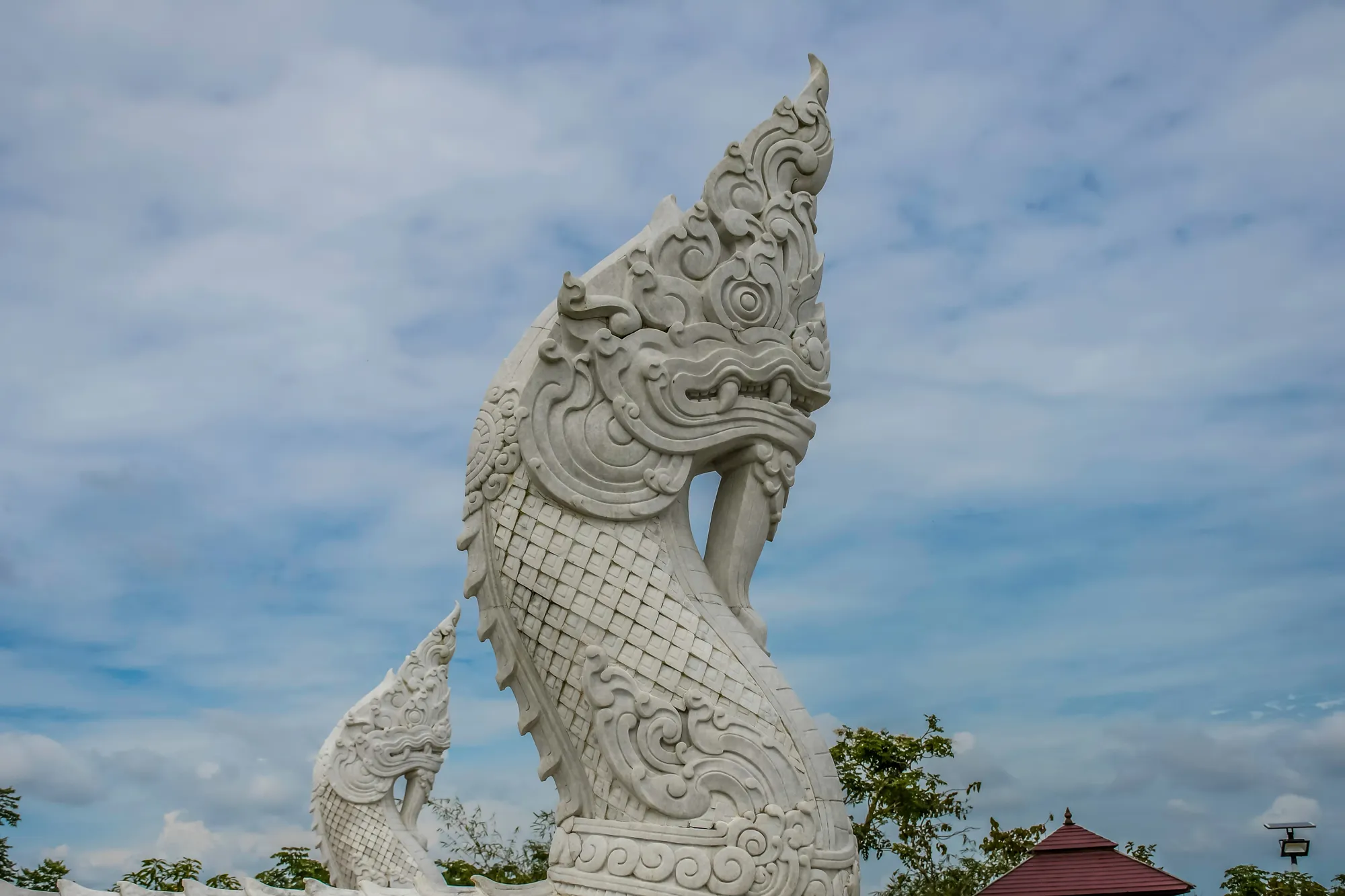
The Big Buddha stands in a natural hillside setting, and that can shape what you see around you. Trees, rocky slopes and open sky frame the monument and soften the man-made structures. The contrast between the polished marble statue and the rugged hill gives the site much of its visual appeal.
Visitors sometimes encounter monkeys in the area, especially on the approach roads. While they can be interesting to see, they should be treated with care and from a safe distance. The natural setting is part of the hilltop’s charm, but it is best enjoyed respectfully.
The breeze is another memorable part of the experience. Because of the elevation, the air often moves steadily across the terraces. On a warm Phuket day, that welcome wind can make the visit feel even more refreshing.
A place for photographs and reflection
The Big Buddha is highly photogenic, and you may see visitors taking pictures from every angle. The white marble against the sky, the wide terraces and the far-reaching coastal views all make excellent subjects. Whether you are interested in landscape photography, architecture or travel portraits, there is plenty to capture.
Still, the site offers more than visual drama. Many people leave talking less about their photos and more about the feeling of the place. The statue’s calm expression, the open views and the quiet mood combine to create an experience that stays with you.
That balance is what makes the Big Buddha stand out. It is both a major sightseeing stop and a place that invites reflection.
What makes the visit memorable
What visitors may see at the Big Buddha in Phuket is not limited to a single statue or viewpoint. It is the whole setting that leaves an impression: the brilliant white monument, the sweeping views over Chalong Bay, the smaller sacred spaces, the breeze on the hilltop and the calm atmosphere that settles over the site.
Some come for the landmark itself. Others come for the scenery. Many leave remembering both, along with a stronger sense of Phuket’s cultural side. The Big Buddha offers scale without noise, beauty without fuss and a rare chance to see one of Thailand’s busiest islands from a quieter, more thoughtful perspective.
Final thoughts
If you are planning a visit to the Big Buddha, expect more than a quick look at a famous statue. You may see one of Phuket’s finest viewpoints, a peaceful religious site and a landmark that captures both the island’s beauty and its spiritual heritage.
Give yourself time to walk slowly, look beyond the obvious and take in the details. The best part of the visit is often not just what you see, but how the place makes you feel.
Start Your Phuket Adventure Today
Phuket's Big Buddha is a spectacular feat of engineering, a beacon of spiritual devotion, and a breathtaking natural viewpoint all rolled into one. Incorporating this towering marvel into your holiday plans guarantees a deeply enriching experience. By following these Big Buddha visitor tips, you will navigate the site with confidence, show respect for local traditions, and create memories that will last a lifetime.
Do not wait to make your dream Thai holiday a reality. Step out of your comfort zone, embrace the vibrant local culture, and book your trip to Phuket with absolute confidence. Be sure to explore the rest of our comprehensive Phuket travel guide for more seamless booking options, expert safety advice, and curated itineraries tailored to every unique travel style.
Nearby attractions to The Big Buddha
Here are the most convenient and worthwhile attractions to combine with The Big Buddha in the Chalong area.
1. Wat Chalong
Why visit: Phuket’s most famous Buddhist temple, known for its detailed architecture, peaceful grounds, and cultural importance. Best for: Culture, photography, gentle sightseeing Estimated visit time: 45 minutes to 1 hour Address: 70 Moo 6, Chaofa Road (West), Chalong, Phuket 83000 Phone: +66 76 381 226 Website:https://wheretogointhailand.com/WatChalong.html
Wat Chalong is one of the easiest add-ons because it sits close to the main road network and pairs naturally with a Chalong itinerary. The temple complex is colourful, calm, and easy to explore at your own pace.
Wat Chalong - Chalong
2. Big Buddha Phuket
Why visit: One of Phuket’s most recognisable landmarks, with sweeping island views and a striking hilltop setting. Best for: Scenic views, landmark sightseeing, photos Estimated visit time: 1 to 1.5 hours Address: Karon Subdistrict, Mueang Phuket District, Phuket 83100 Phone: +66 87 382 1877 Website:https://wheretogointhailand.com/BigBuddhaPhuket.html
The Big Buddha sits above Chalong and is often combined with Wat Chalong on the same day. The road up can be winding, but the views over the island make the climb worthwhile.
The Big Buddha - Chalong
3. Phuket Bird Park
Why visit: A relaxed wildlife stop where you can see colourful tropical birds, enjoy landscaped paths, and break up the day with something family-friendly. Best for: Families, bird lovers, short attraction visits Estimated visit time: 1.5 to 2.5 hours Address: 6/2 Moo 3, Chaofa Road, Chalong, Phuket 83000 Phone: +66 76 367 119 Opening times: Daily, 9:00am – 5:00pm (please check locally for holiday variations) Entry fees: Adults: approx. 500 THB; Children: approx. 300 THB (under 12, prices may vary; it’s wise to confirm before visiting) Website:https://wheretogointhailand.com/PhuketBirdPark.html
This is the centrepiece of the itinerary and works best earlier in the day, before the afternoon heat builds.
Phuket Bird Park - Chalong
4. Chalong Bay Rum Distillery
Why visit: A small but popular stop for travellers interested in local craft spirits and something a little different from temples and viewpoints. Best for: Adults, couples, food and drink experiences Estimated visit time: 45 minutes to 1.5 hours Address: 14/2 Moo 2, Palai Beach, Chalong, Phuket 83130 Phone: +66 76 604 256 Website:https://wheretogointhailand.com/chalongbayrum.html
If you want to give the day a more grown-up twist, this is a smart optional stop in the late afternoon.
Chalong Bay Rum Distillery
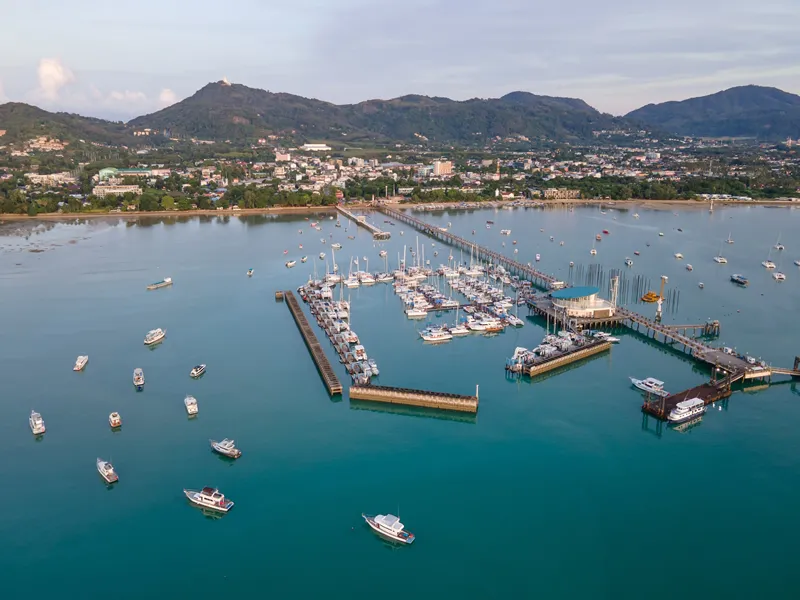
5. Chalong Pier
Why visit: A pleasant place for a short wander, sea views, and a look at the boating side of Phuket. Best for: Casual strolls, photos, sunset atmosphere Estimated visit time: 20 to 40 minutes Address: Wiset Road, Chalong, Phuket 83130 Phone: N/A Website:https://wheretogointhailand.com/Chalong.html
This is not a major attraction in the same sense as Wat Chalong or Big Buddha, but it is a useful easy stop if you want a breezy finish to the day.
Chalong Bay and Pier
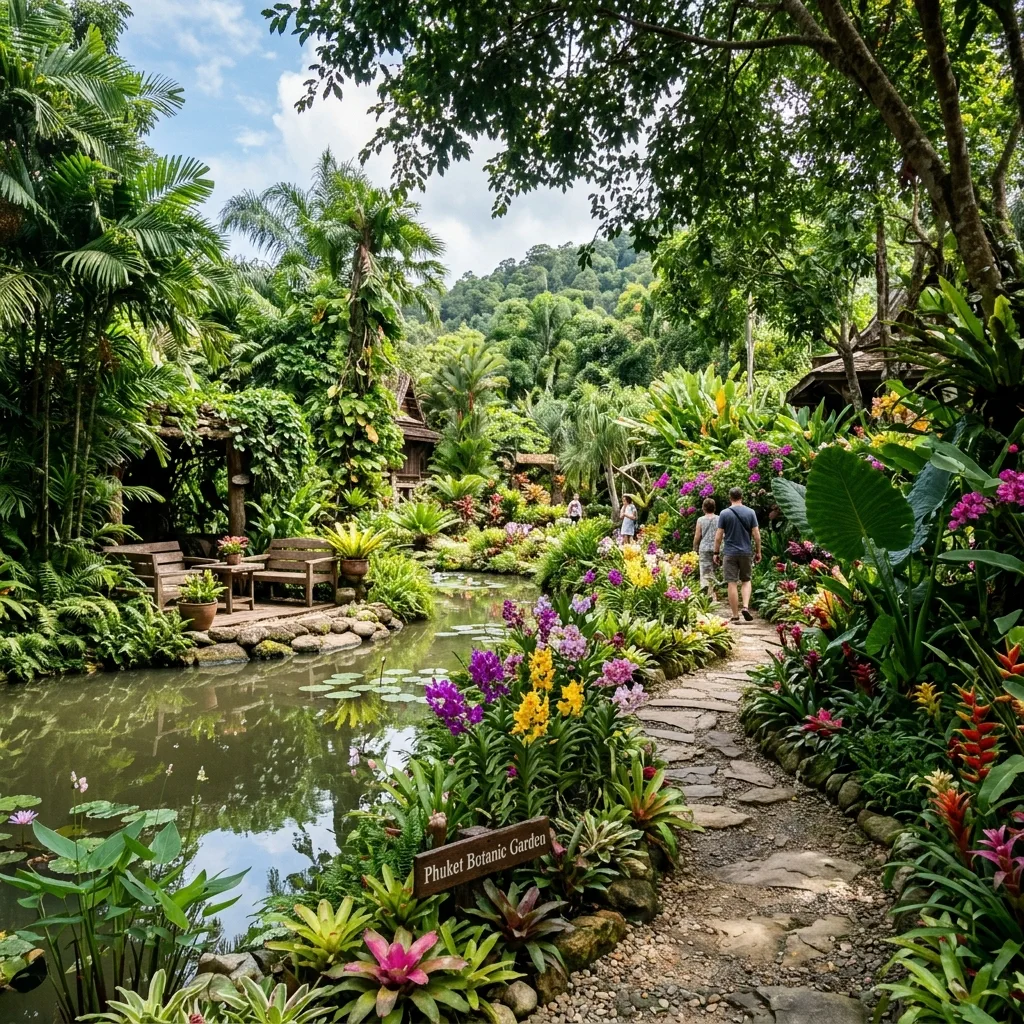
6. Phuket Botanic Garden
Why visit: A green and easy-going attraction with tropical planting, themed garden areas, and shaded paths. Best for: Plant lovers, families, slower-paced sightseeing Estimated visit time: 1 to 1.5 hours Address: 98/89 Moo 4, Chaofa Road, Chalong, Phuket 83130 Phone: +66 76 367 111 Website:https://wheretogointhailand.com/PhuketBotanicGarden.html
This is a strong alternative if you want another garden-based stop near the bird park.
Phuket Botanic Garden - Chalong
7. Weekend Villa Market or local cafés in Chalong
Why visit: Good for a casual lunch break, snacks, air-conditioning, and a reset between sightseeing stops. Best for: Food, practical rest stop, families Estimated visit time: 30 minutes to 1 hour Address: Various locations in Chalong Phone: Varies Website:https://wheretogointhailand.com/WeekendMarketNakaMarket.html
Sometimes the best addition to a day trip is not another major attraction but a well-timed pause for lunch and shade.
Naka Market - Chalong
Frequently Asked Questions
How much time should I allocate for my visit?
Most visitors spend between 1.5 to 2 hours exploring the complex. This allows ample time to climb the stairs, take photographs, explore the prayer hall, and enjoy the panoramic viewpoints without feeling rushed.
Are there any entrance fees?
No, entry to the monument and the surrounding temple complex is completely free. However, the site relies on visitor generosity, so leaving a small donation in the designated boxes is highly appreciated and supports ongoing maintenance.
Is the site accessible for families with young children?
Yes, the site is very family-friendly. However, parents should keep a close eye on young children around the steep staircases and ensure they do not approach the wild monkeys. If you are travelling with toddlers, taking a taxi to the summit is a much safer option than attempting the jungle hike from Karon.
Is it safe to approach the wild monkeys at the Big Buddha?
No, you should never approach, touch, or attempt to feed the wild macaques that roam the Nakkerd Hill approach roads and complex.
While spotting these energetic animals is a fascinating part of the natural setting, they must be treated with caution from a safe distance. To ensure a stress-free visit, avoid direct eye contact, keep your bags securely zipped, and hide all food and drink out of sight.
Is there a dress code for visiting the Big Buddha?
Yes, strict dress codes apply across the entire complex, requiring all visitors to ensure their shoulders and knees are fully covered.
Because this is an active religious site, beachwear and singlets are strictly prohibited. If you arrive underdressed, the staff generously provide free sarongs at the entrance for a small donation. To maintain the peaceful atmosphere, you must also speak quietly and never point the soles of your feet towards any Buddha images.
How do I get to the Big Buddha from Patong, Kata, or Karon?
The easiest and most comfortable way to reach the Big Buddha is by hiring a taxi or private car, with journeys taking between 20 to 60 minutes depending on your starting location.
Because the site sits at the end of a steep, winding access road, a private vehicle is highly recommended:
From Kata: 20 to 30 minutes (approx. 400–800 THB one way)
From Karon: 25 to 35 minutes (approx. 500–900 THB one way)
From Patong: 45 to 60 minutes (approx. 700–1,200 THB one way)
Always negotiate a return fare that includes waiting time, as finding a vacant taxi at the summit for your descent can be difficult.
What is the best time of day to visit the Big Buddha?
The best time to visit the Big Buddha is early in the morning at 06:30 or late in the afternoon around 16:30.
Timing your visit for these hours helps you avoid the intense midday tropical heat and the largest tourist crowds. An afternoon visit is particularly rewarding, offering the spectacular sight of the white marble bathed in golden-hour light as you watch the sun set over the Andaman Sea.
What is the Big Buddha in Phuket and what is it made of?
The Big Buddha, officially named Phra Phutta Mingmongkol Eknakiri, is a majestic 45-metre-tall monument situated on the summit of Nakkerd Hill. It is meticulously clad in 135 tonnes of shimmering white Burmese jade marble.
Standing nearly 400 metres above sea level, this breathtaking structure was funded entirely by community donations and bestowed the title of "Buddhist Treasure of Phuket" in 2008. The site is currently undergoing revitalisation and will officially reopen in March 2026.
Gallery
Reader Feedback (6)
Jon Gibbons
Etiam pretium, magna eget feugiat finibus, tellus massa pellentesque nisi, non malesuada nulla nunc vel ligula. Sed finibus enim eu nulla tempus, vitae tincidunt dolor semper. Praesent fringilla, metus at convallis sagittis.
Michael Carter
Vestibulum ante ipsum primis in faucibus orci luctus et ultrices posuere cubilia curae; Donec vel erat in nulla efficitur tempor non ut nisl. Integer venenatis eros ut dui viverra fermentum.
Sophie Wilson
Nam ut turpis hendrerit, varius nunc vel, elementum dui. Morbi vulputate dolor sit amet scelerisque egestas. Vestibulum eleifend nunc ut bibendum fermentum.
Contact
Necessitatibus eius consequatur ex aliquid fuga eum quidem sint consectetur velit




































Reader Feedback (6)
Jon Gibbons
Etiam pretium, magna eget feugiat finibus, tellus massa pellentesque nisi, non malesuada nulla nunc vel ligula. Sed finibus enim eu nulla tempus, vitae tincidunt dolor semper. Praesent fringilla, metus at convallis sagittis.
Michael Carter
Vestibulum ante ipsum primis in faucibus orci luctus et ultrices posuere cubilia curae; Donec vel erat in nulla efficitur tempor non ut nisl. Integer venenatis eros ut dui viverra fermentum.
Sophie Wilson
Nam ut turpis hendrerit, varius nunc vel, elementum dui. Morbi vulputate dolor sit amet scelerisque egestas. Vestibulum eleifend nunc ut bibendum fermentum.