Discover Phang Nga Bay by Sea Canoe: An Expert Ecotourism and Geomorphological Analysis
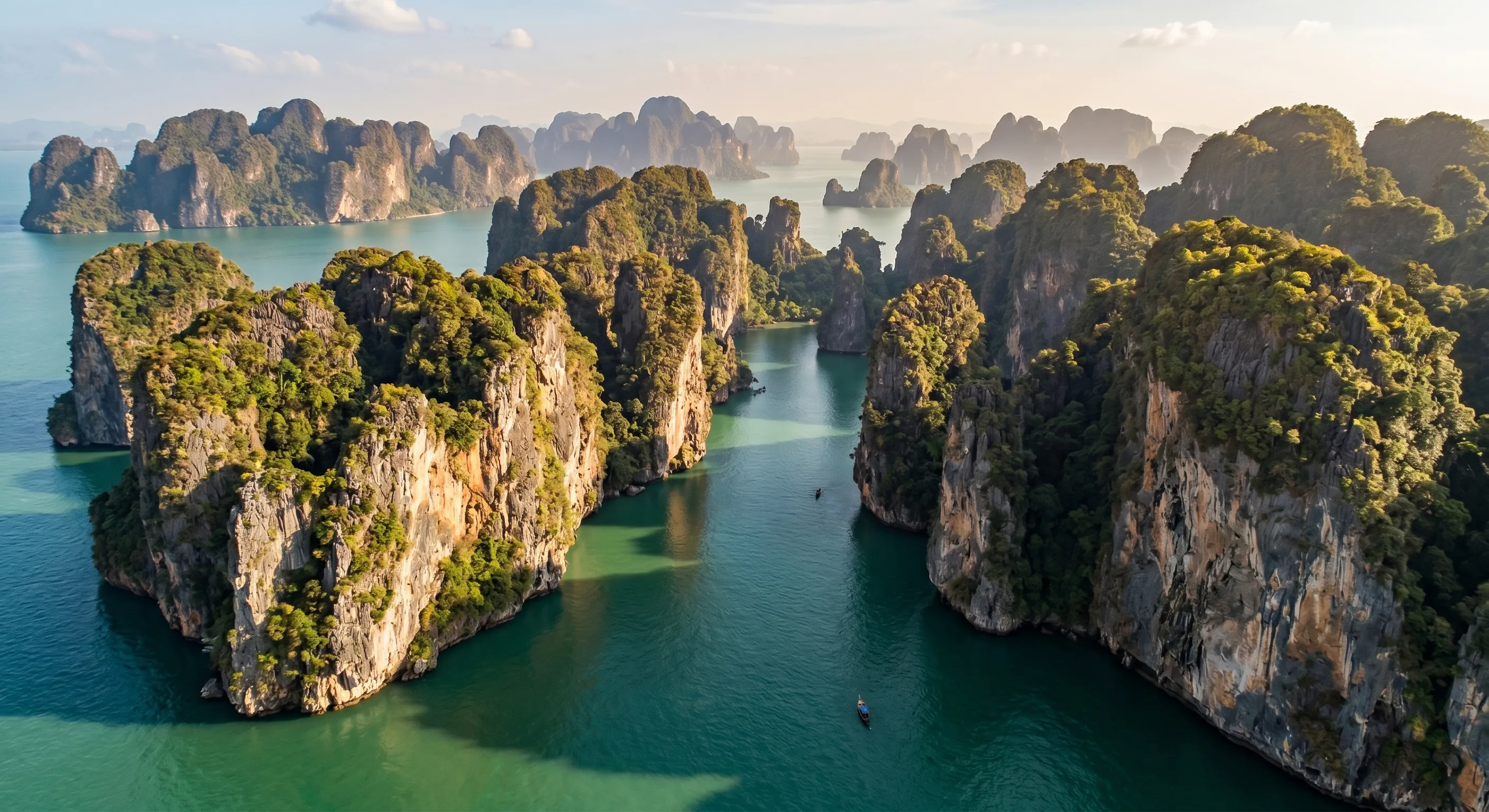
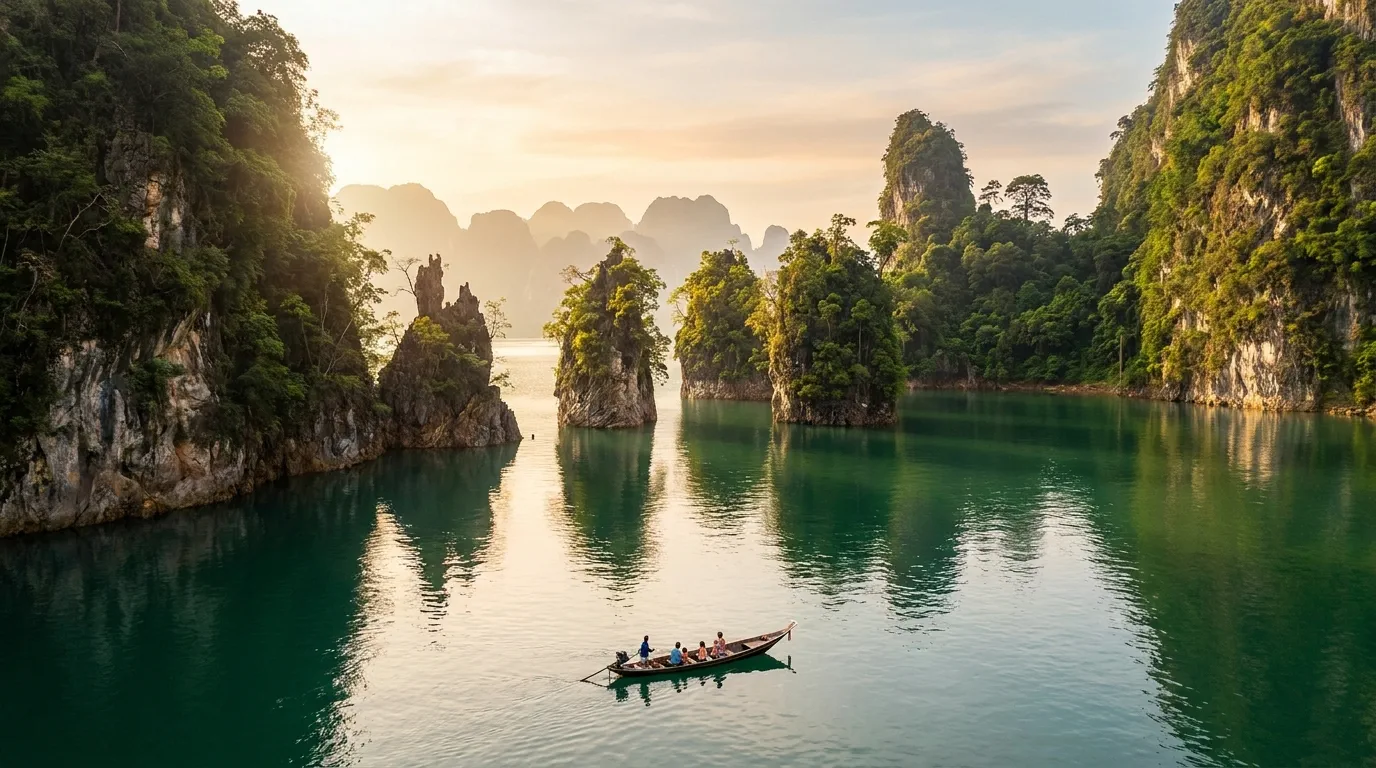
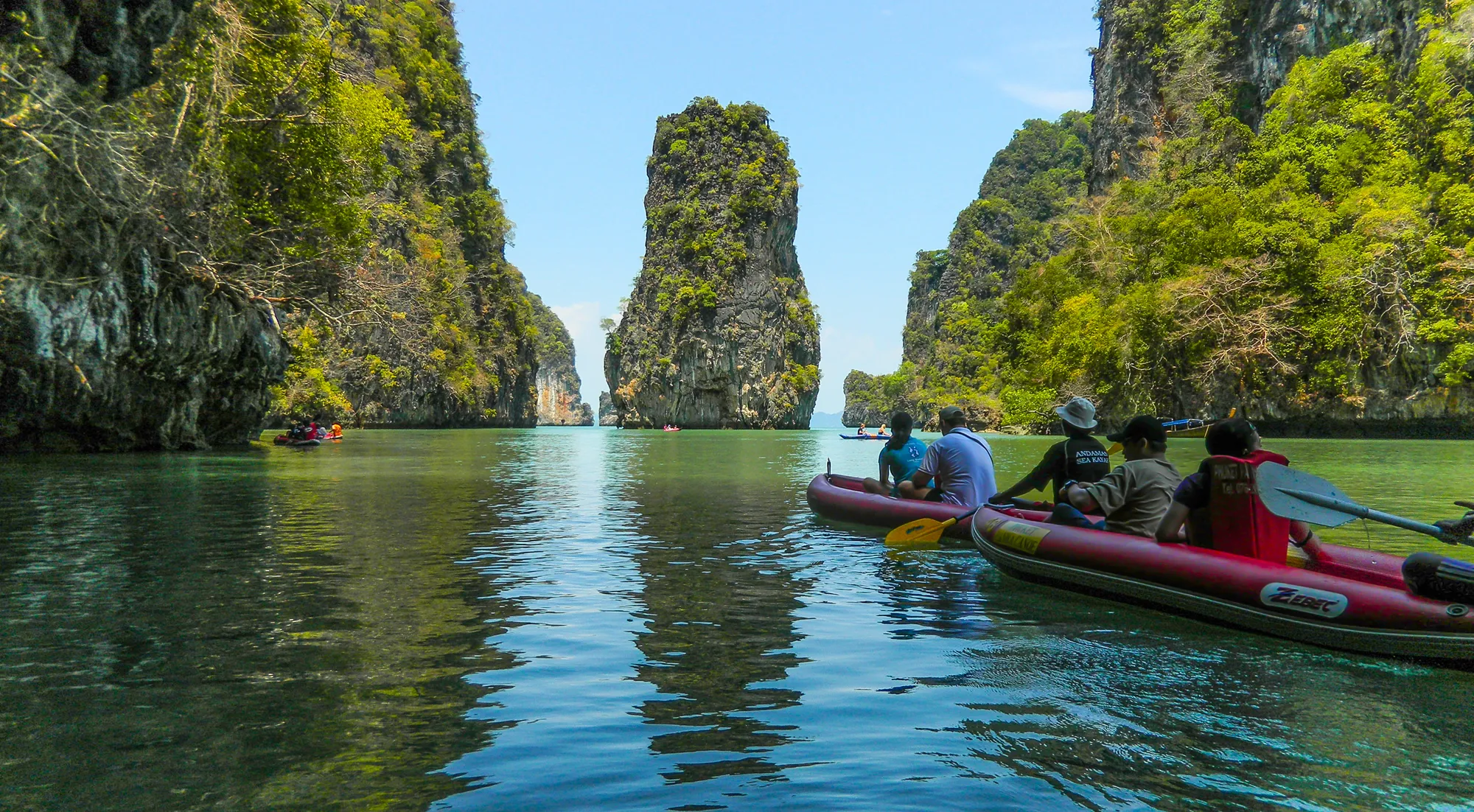
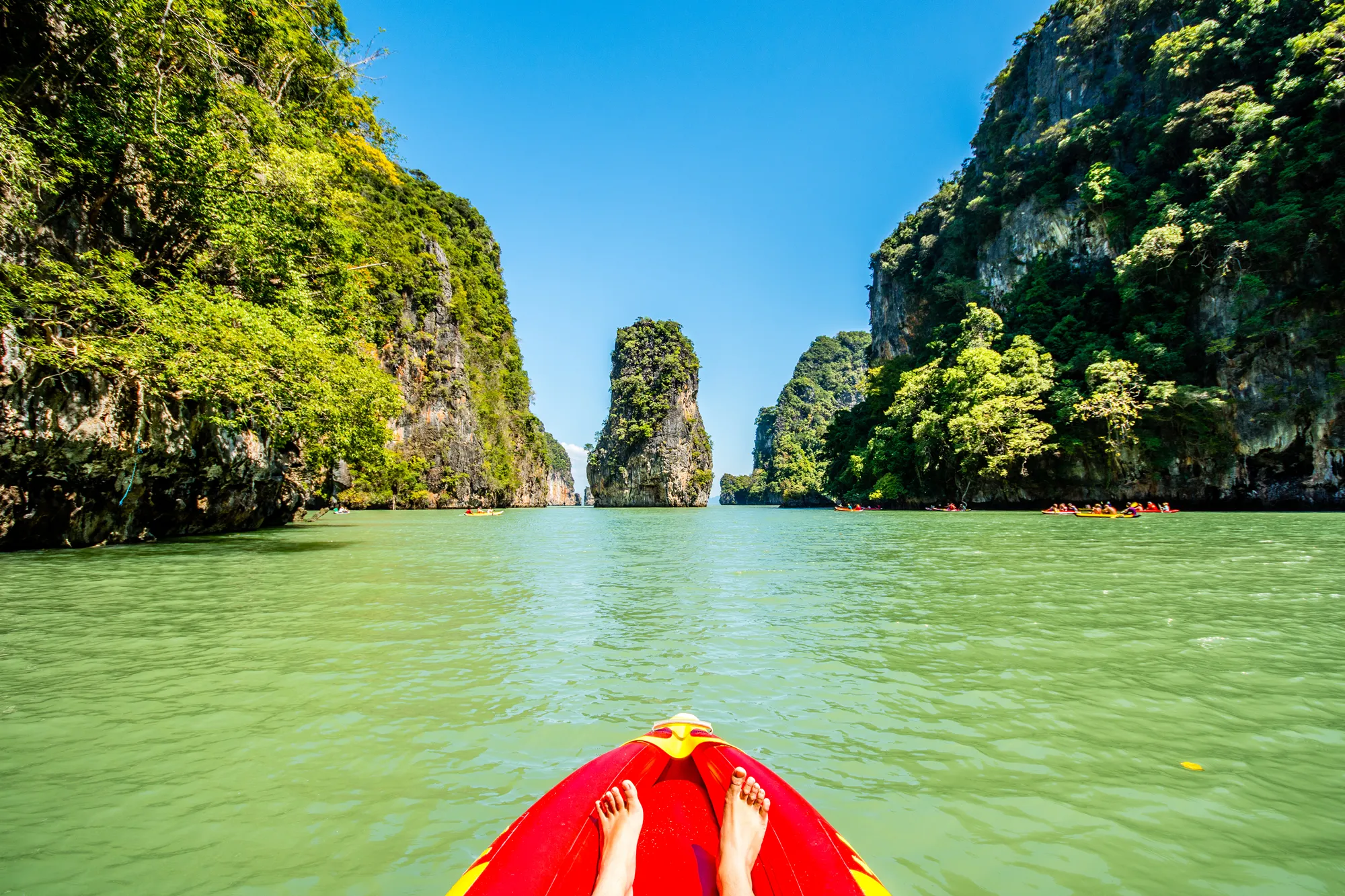
Phang Nga Bay, a shallow marine ecoregion covering approximately 400 square kilometers (154 square miles) in southern Thailand, represents one of the world's most spectacular and geomorphologically complex tropical karst landscapes. Situated in the Andaman Sea between the Malay Peninsula and Phuket Island, this unique bay is defined by 42 vertical limestone islets, vast mangrove networks, intertidal mudflats, and complex cave systems. While historically serving as a critical resource for local artisanal fishing communities, the bay has undergone a profound structural shift toward high-value ecotourism. Within this economic and ecological landscape, non-motorized sea canoeing has emerged as the premier methodology for scientific observation and low-impact recreation, permitting access to highly restricted interior geological chambers known as hongs.
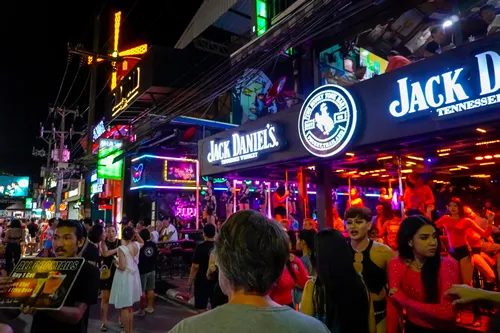
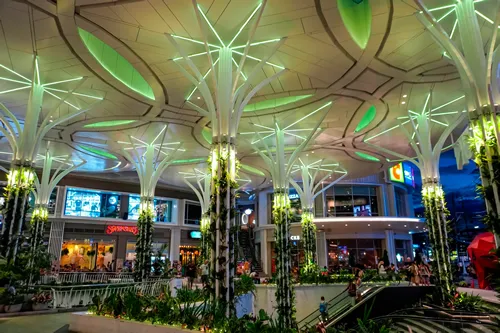
Bangla Road
Bangla Road: Where the night comes alive with endless thrills and unforgettable memories!
Geomorphological Foundation and Speleogenesis of Phang Nga Bay
The tall limestone cliffs of Phang Nga Bay, which rise out of green water like ancient skyscrapers, were formed over hundreds of millions of years. Around 280 to 250 million years ago, this area was covered by a warm, shallow tropical sea called the Tethys Sea. At that time, it was part of the edge of the supercontinent Pangaea, and the climate had high carbon dioxide levels.
The limestone began forming in this sea as marine animals used calcium carbonate from the water to build shells and skeletons. Over about 30 million years, the remains of corals, brachiopods, crinoids, bryozoans, and tiny foraminifera piled up on the seafloor. Slowly, these remains built up into thick layers of limestone more than 1,000 meters deep.
Later, these loose sediments hardened into rock through a process called diagenesis, which involves squeezing out water and cementing the material together. Unlike many sedimentary rocks, reef limestone is often not clearly layered because it forms from continuous coral reef growth. Although pure limestone is white, the cliffs of Phang Nga Bay show many colors because of different minerals mixed into the rock. For example, limonite and siderite create yellow-brown tones, hematite causes red stains, glauconite and chlorite add green shades, and bitumen makes some areas gray or black.
Much later, between 100 and 50 million years ago, the Indian subcontinent collided with Eurasia. This tectonic collision pushed the limestone layers upward out of the sea. As the rocks were lifted, they bent, tilted, and cracked, creating faults and fractures that later shaped how erosion carved the dramatic landscape seen today.
Ecological Syncretism: Flora, Fauna, and Estuarine Dynamics
Phang Nga Bay hosts a highly complex, interconnected web of ecosystems, protected in large part by the Ao Phang Nga National Park, which was designated as a Ramsar site of international ecological significance in 2002. This shallow ecoregion serves as a vital ecological buffer zone, characterized by expansive mangrove forests, intertidal mudflats, and coral reefs.
The Mangrove Estuary Dynamics
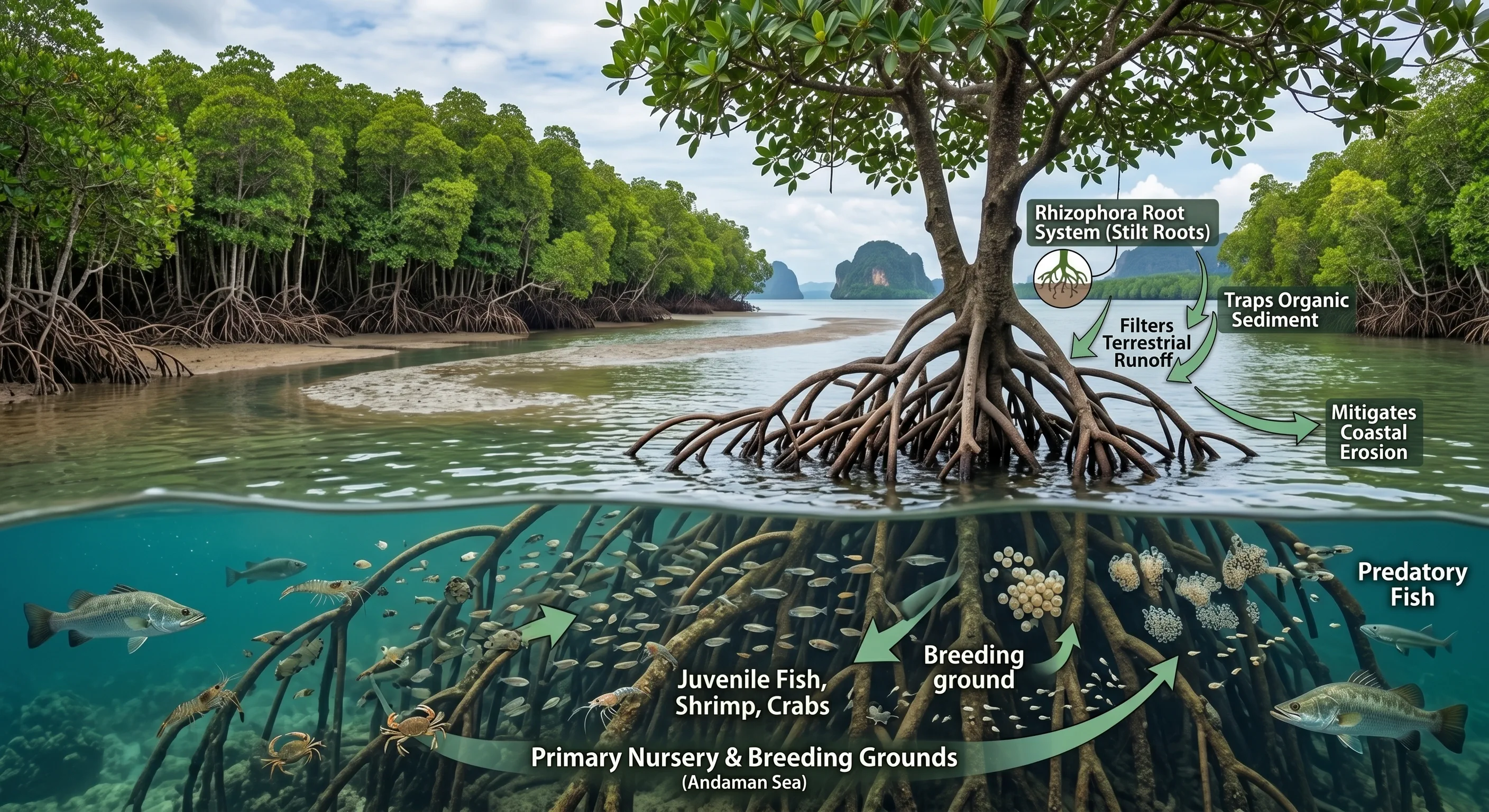
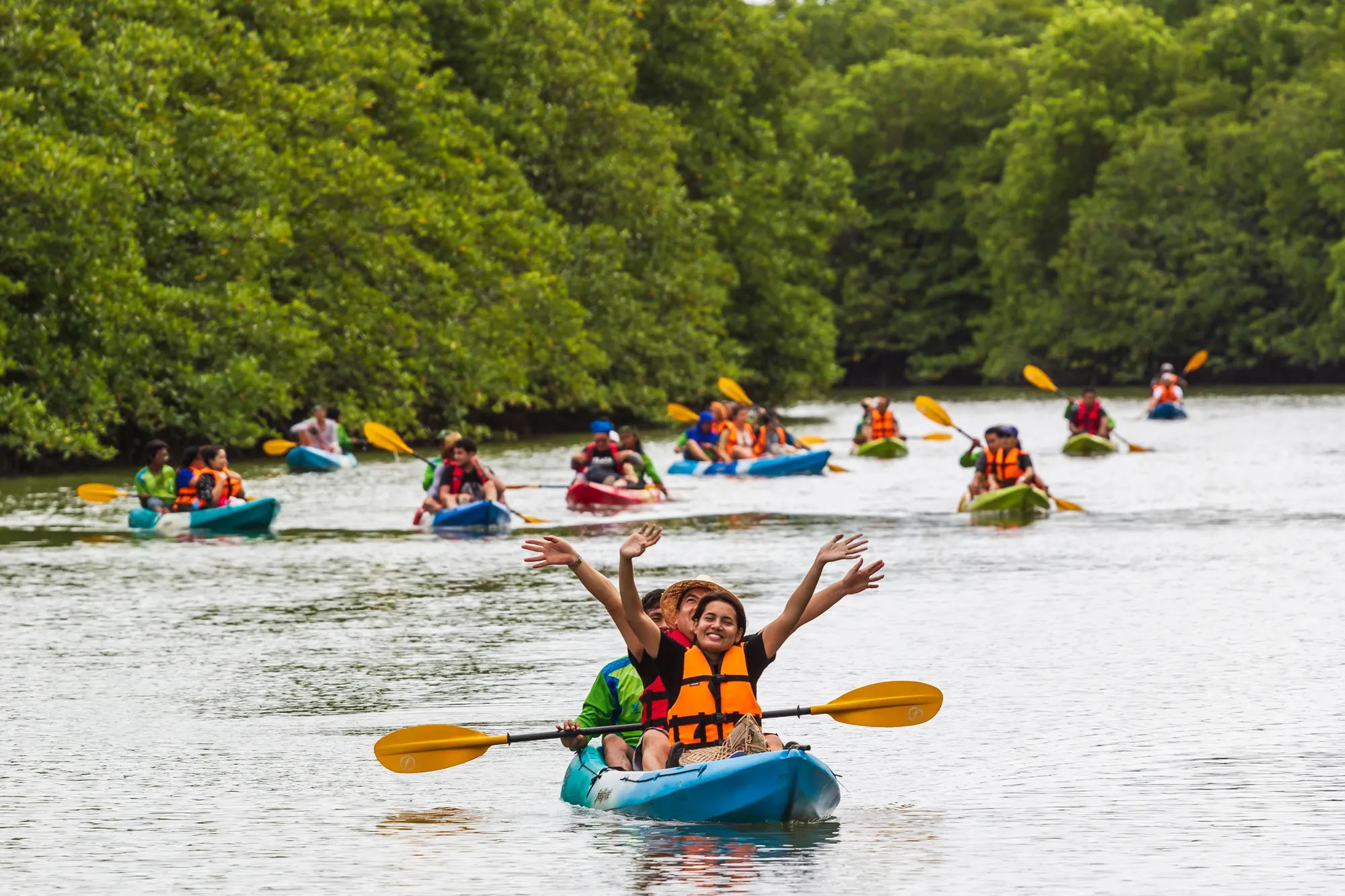
The mangrove forests, which fringe the shoreline and river tributaries, serve as the primary nurseries and breeding grounds for a vast portion of the Andaman Sea's marine life. The dense, interlocking root systems of species like Rhizophora trap organic sediment, filter terrestrial runoff, and mitigate coastal erosion. This environment provides shelter for juvenile fish, shrimp, and crabs, which in turn attract larger predators.
At lower tides, the exposed mudflats reveal highly adapted species such as mudskippers—specialized fish that possess modified gills and vascularized skin, allowing them to extract oxygen from both water and air. These unique creatures crawl over mudflats and climb the exposed stilt roots of mangrove trees to forage for organic matter.
Jon Gibbons
Writer
May 16, 2026• 3 Comments
The Genesis of Sea Canoeing: John Gray and Ecotourism Philosophy
The modern concept of exploring Phang Nga Bay's interior spaces via low-impact sea kayaking was pioneered by John "Caveman" Gray, a Californian environmentalist also known locally as "Ling Yai" (Thai for Big Monkey). Gray, who had been running wilderness expeditions in Hawaii and the Americas since 1983, arrived in Thailand in 1989.[14, 15] Due to a financial betrayal by a business partner in Honolulu, Gray was left stranded in Phuket with only $28 (700 Thai Baht) and a small fleet of damaged inflatable kayaks.
Undeterred, Gray hand-scrubbed the old glue off the damaged hulls using steel wool and acetone on a concrete slab at the Phuket Cashew Nut Factory. Once he had repaired four seaworthy kayaks, he began selling short tours off the beach at Le Méridien. His breakthrough came when a former corporate client from Hawaii spotted him and booked a private excursion. Gray guided them into a newly discovered cavern in Phang Nga Bay—the "Bat Cave"—revealing a hidden, pristine world that would launch the entire "SeaCanoe" industry in Thailand.
Discover Phang Nga Bay by Sea Canoe
The Geomorphological Gatekeeping of "Hongs"
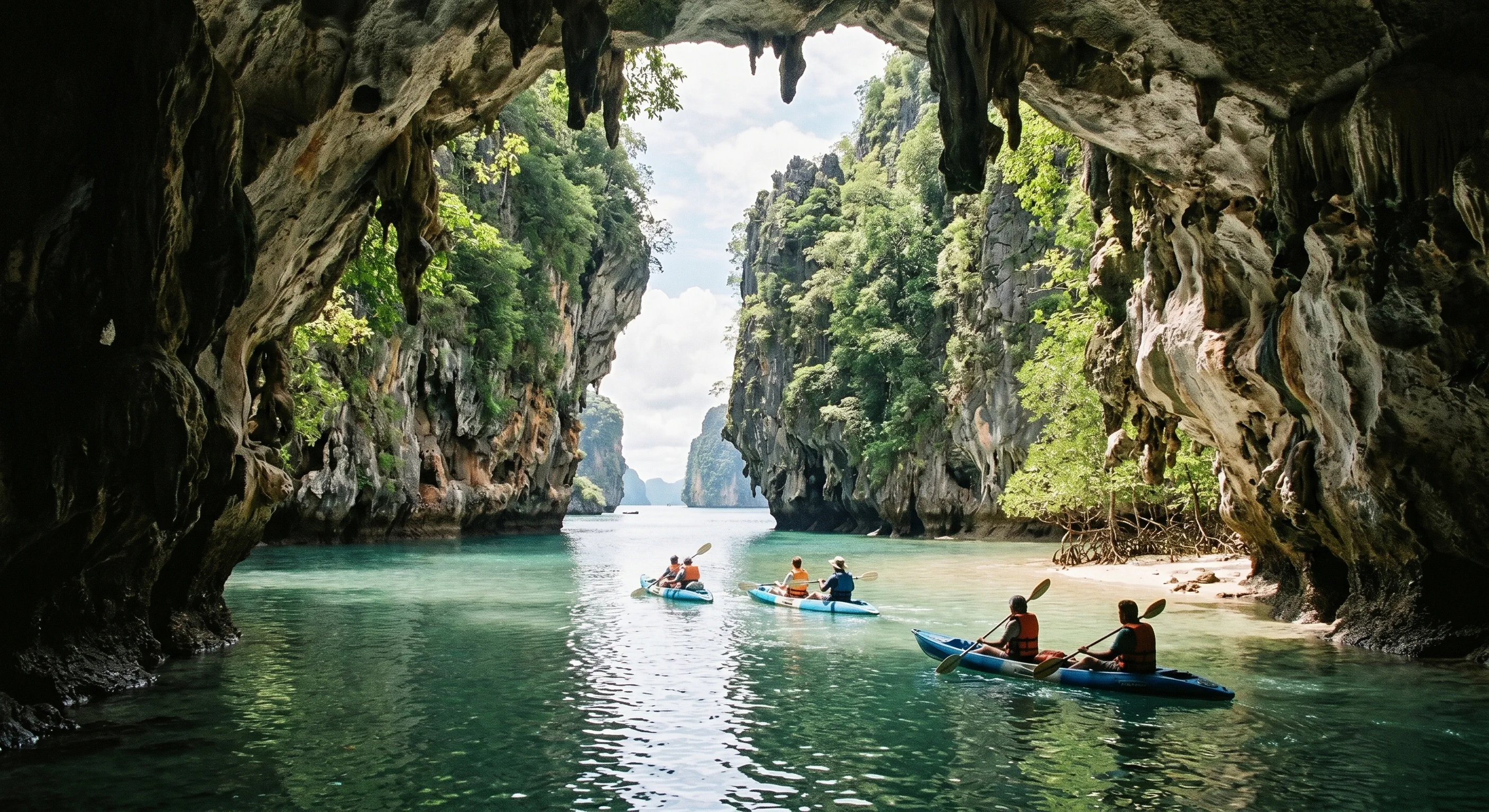
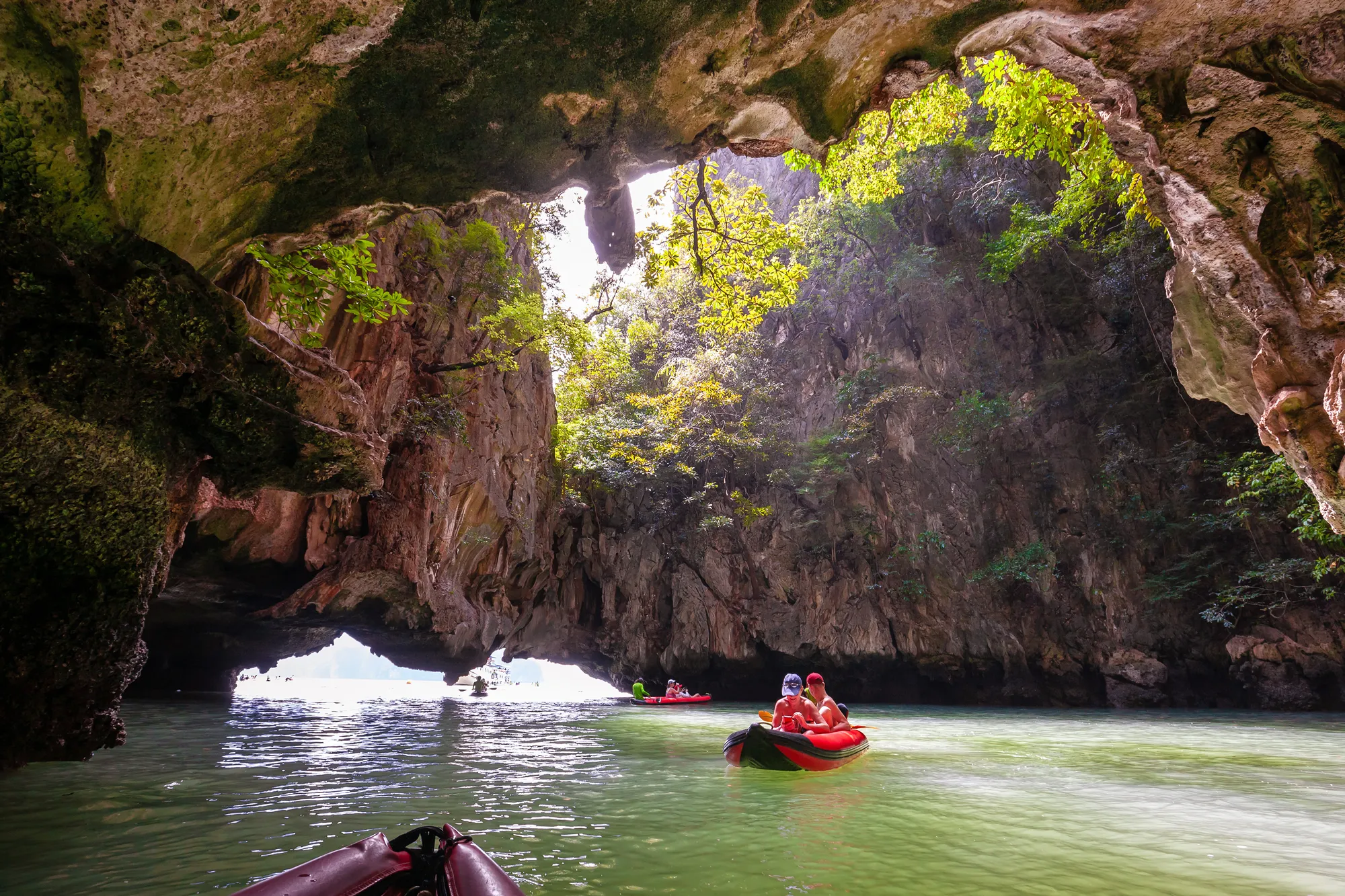
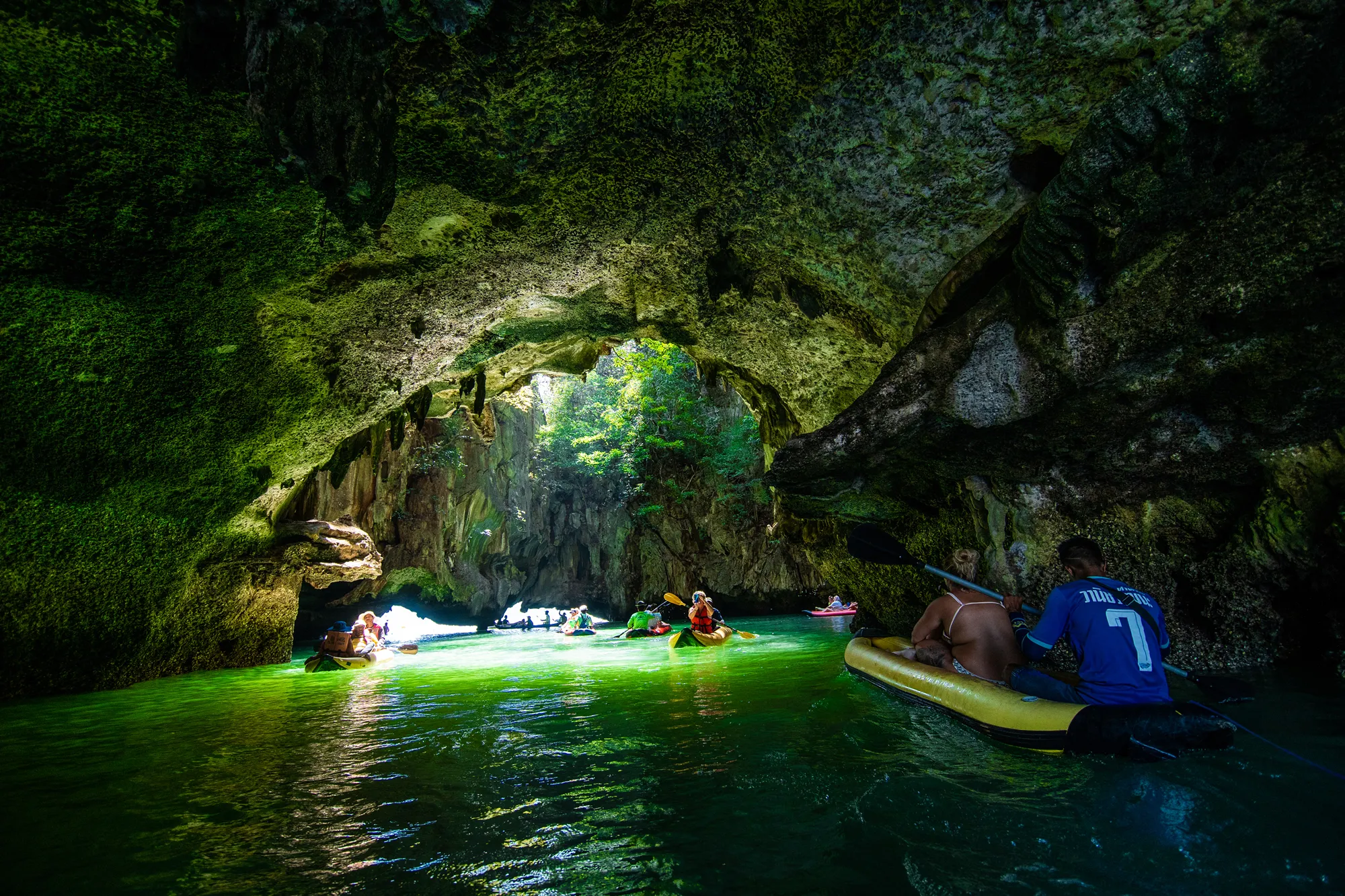
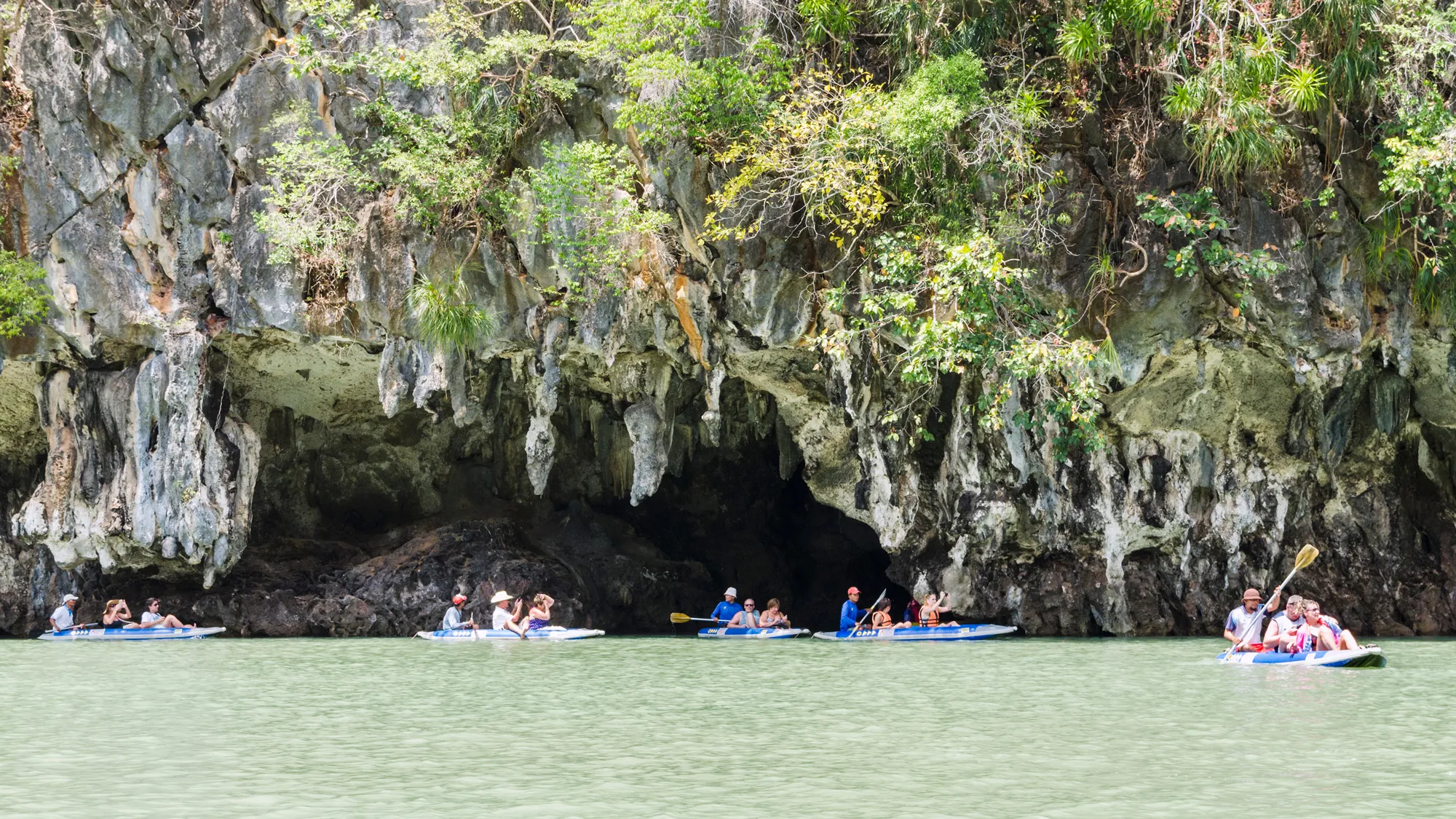
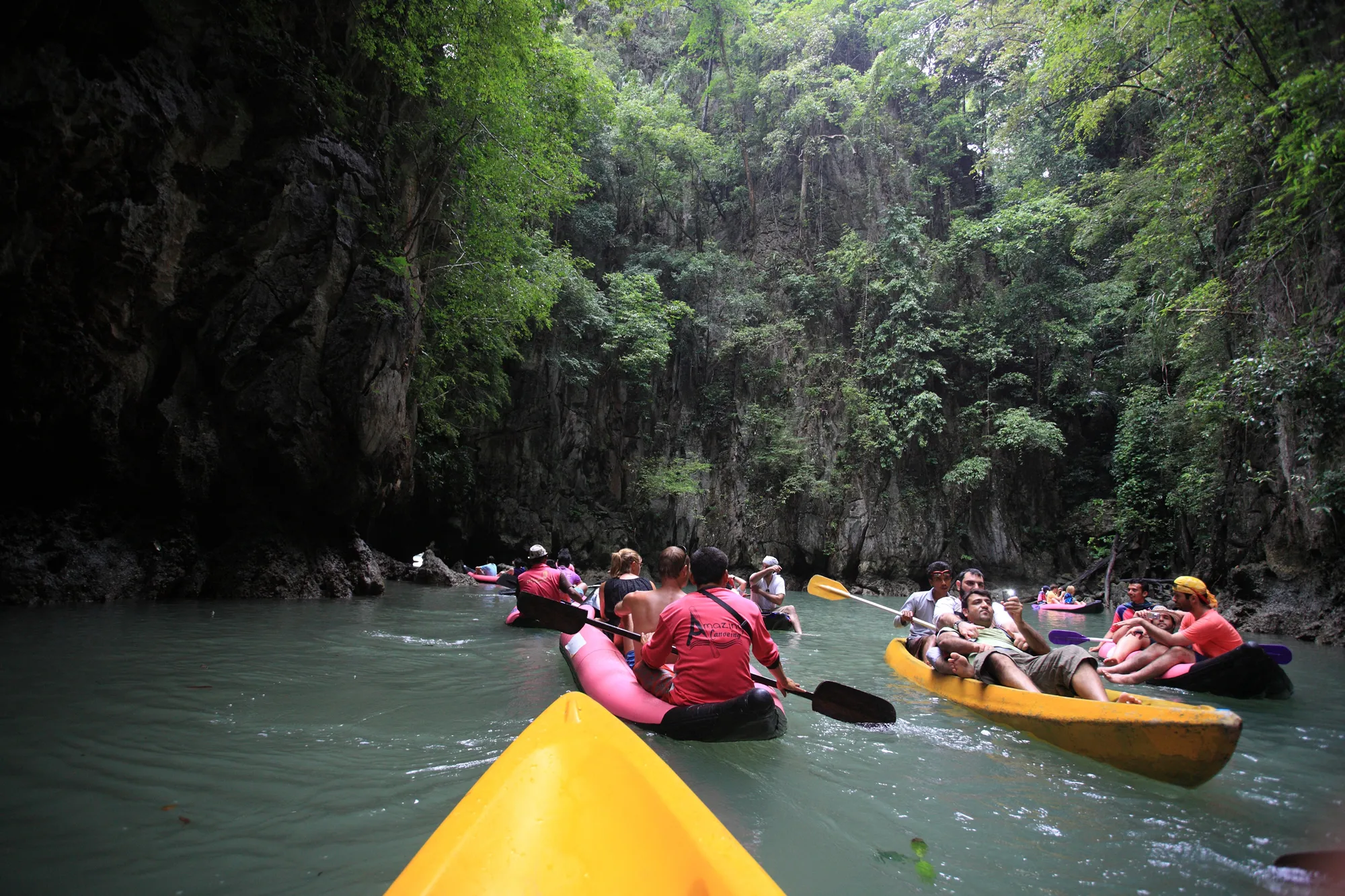
The primary focus of Gray’s exploratory model was the "hong" (Thai for room)—completely enclosed interior lagoons located inside the vertical karst towers. These hongs are geological features formed when the roofs of massive prehistoric cave systems collapsed, leaving circular vertical shafts open to the sky but entirely surrounded by sheer, sheer limestone cliffs.
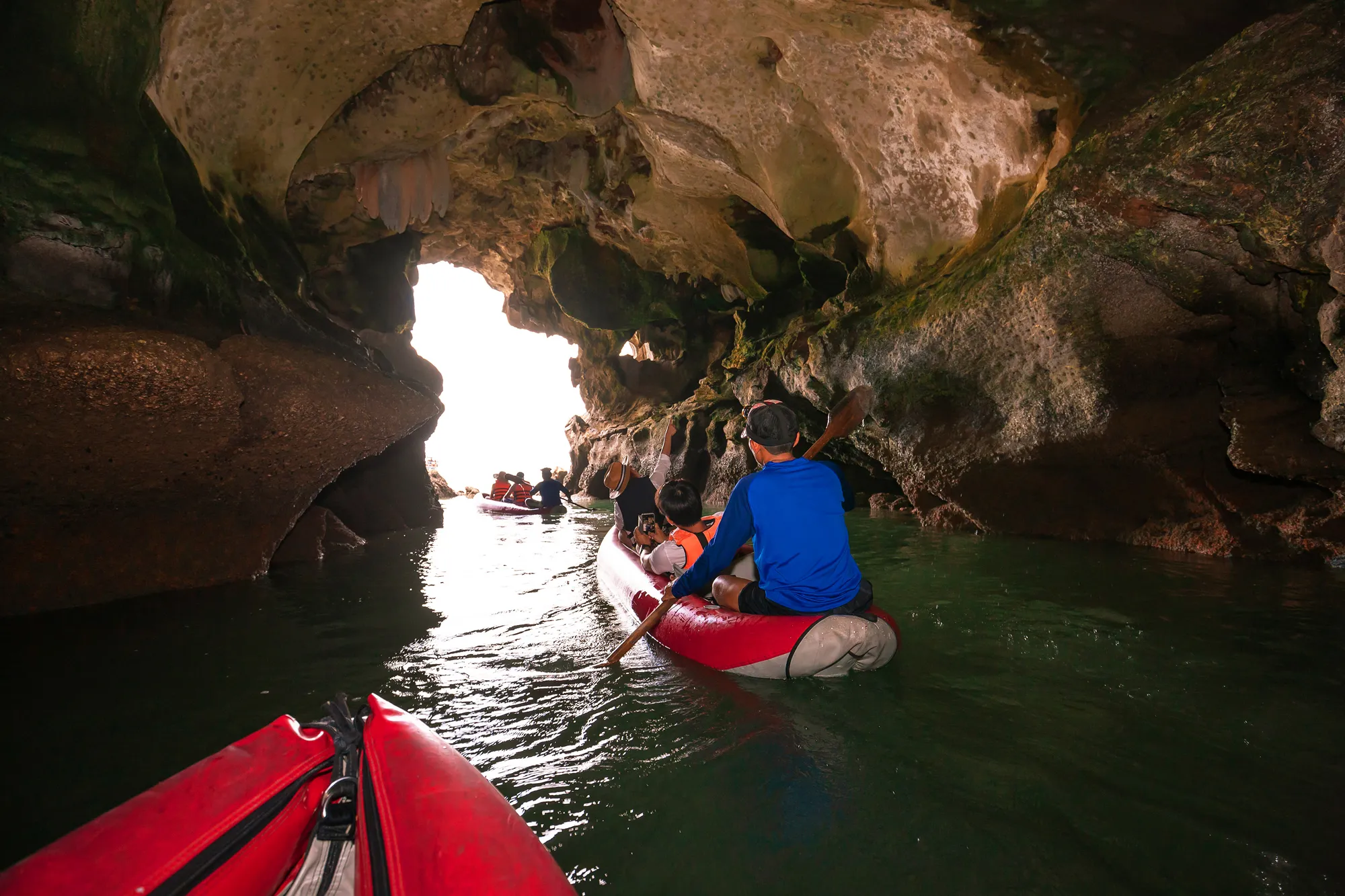
These hidden sanctuaries are completely invisible from the open sea and can only be accessed through narrow, low-ceilinged tidal tunnels (tidal napes) that pierce the outer rock walls.[3, 16] This unique geomorphology acts as a strict natural gatekeeper:
At High Tide: The sea completely fills the entrance tunnels, sealing the cave roof against the water and making entry physically impossible.
At Low Tide: The water drains completely from the shallow hongs, leaving them as impassable, delicate mudflats.
At Mid-Tide (The Tidal Window): A brief window opens where the water is deep enough to float a canoe, but the cave ceiling is high enough to allow passage.
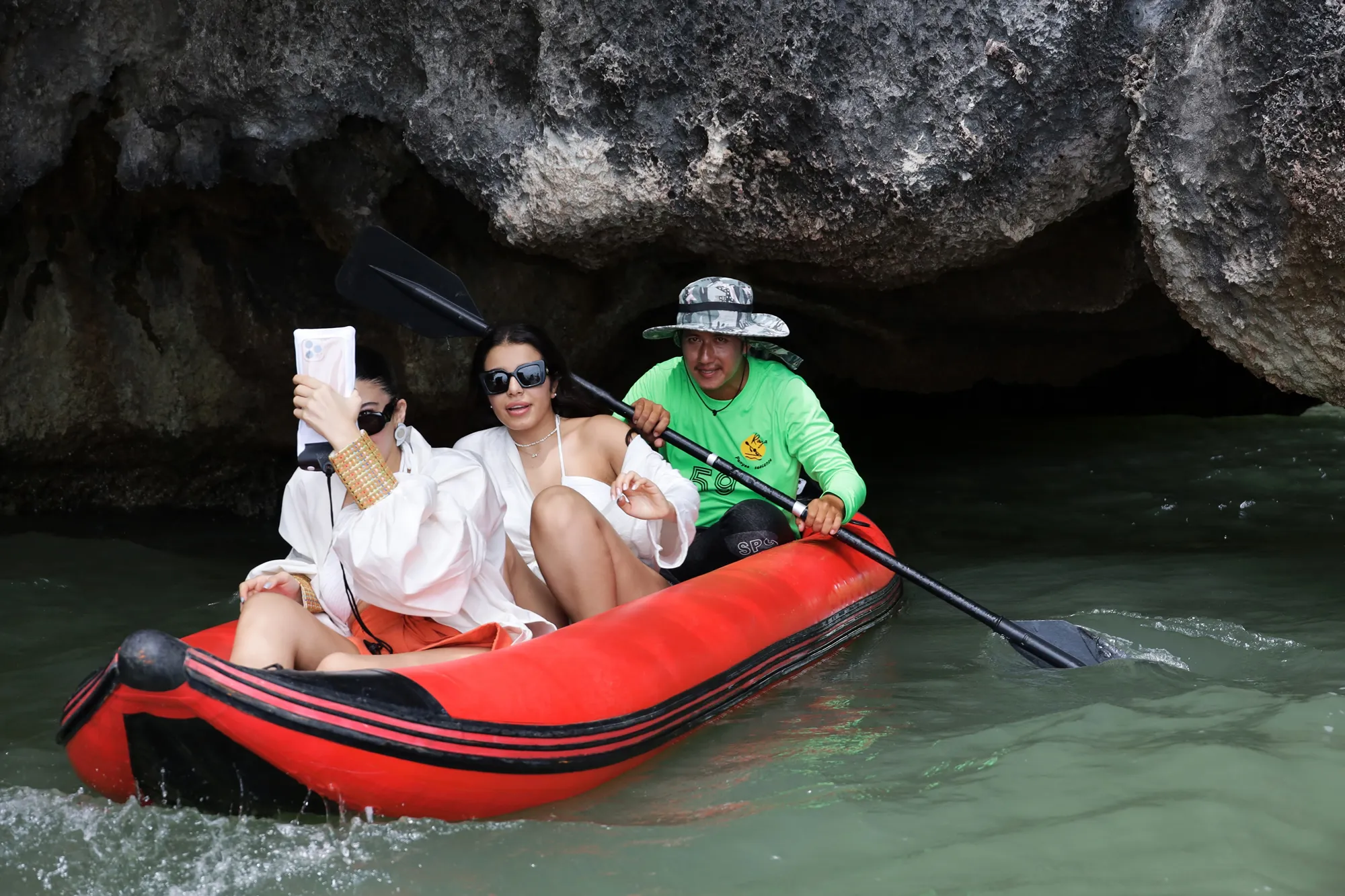
Navigating these tunnels requires expert calculation of the daily tide cycles. Because the clearances are often less than a meter, paddlers must lie completely flat on their backs inside the canoe, with their faces inches from the jagged stalactites of the low cave roof, while the guide skillfully maneuvers the vessel through the darkness.
The Philosophy of "Natural History by Sea Kayak"
Gray established his operation under the core motto: "We Don't Do Anything Normal," focusing on environmental education and local empowerment. He pioneered a cooperative business model, hiring local Thai fishermen and villagers, training them in safety and marine biology, and paying them professional wages. This strategy transformed local guides into dedicated conservationists who viewed the preservation of their natural heritage as a direct, long-term economic asset.
To protect these pristine microclimates, Gray designed a highly structured tour itinerary that avoided the chaotic, noisy daytime hours dominated by motorized speedboats and mass tourism. This model culminated in the famous "Hong by Starlight" excursion, which begins at midday and extends well into the night.
The spiritual and ecological highlight of this evening journey occurs after sunset. Guests hand-craft a traditional Thai "Kratong"—a floating basket decorated with natural flowers, incense, and a small candle. Under the cover of total darkness, the guides paddle guests back into the silent caves and hongs.
In the absolute stillness of the night, the guides gently agitate the water, triggering a spectacular display of bioluminescent marine dinoflagellates (plankton) that sparkle like underwater stars. Guests then light their candles and float their flower offerings in a peaceful ceremony, creating a deeply moving, spiritual harmony between human culture and the natural world.
Discover Phang Nga Bay by Sea Canoe
Cinematic Landscape: Spatial Mythologies from Scaramanga to the Mesozoic
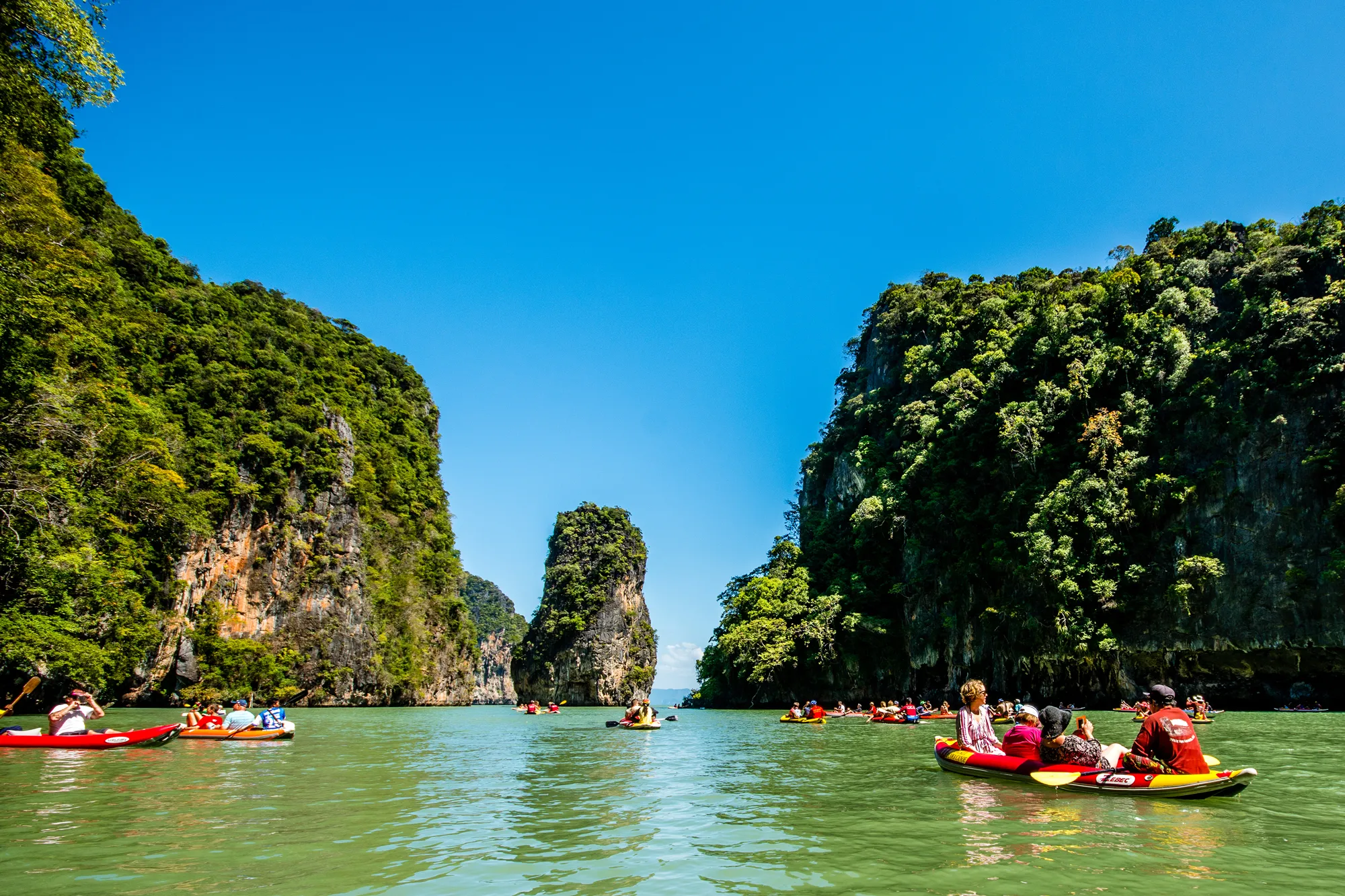
Phang Nga Bay’s dramatic geomorphology has long captured the global cinematic imagination, serving as a real-world backdrop that evokes an exotic, ancient, or prehistoric atmosphere. This cinematic legacy began in 1974 when the bay was featured in the James Bond film The Man with the Golden Gun. Koh Tapu—the solitary, needle-like limestone tower rising from the bay's shallow waters—became the secret hideout of the villain Francisco Scaramanga. Instantly recognizable, the islet was popularized worldwide as "James Bond Island". While this exposure transformed the province into an international tourism hotspot, it also sparked a long-term conservation struggle to protect the delicate rock formations from the erosive impacts of boat traffic and overcrowded shore visits.
The Prehistoric Illusion of Jurassic World: Rebirth
This cinematic tradition was renewed in 2024 when Hollywood production teams selected Phang Nga Bay as a primary filming location for Jurassic World: Rebirth (released in 2025/2026). The bay's sheer, jungle-clad cliffs and hidden, primeval-looking lagoons provided the perfect physical setting to represent the fictional "Ile Saint-Hubert".
To execute the complex marine shoot, the production partnered with local specialist operators, including Simba Sea Trips, to manage the demanding on-water logistics. The film utilized several key locations within the bay and its surrounding areas, each chosen for its unique geomorphology:
Koh Kudu Yai: Featuring a deeply recessed, secret lagoon surrounded by vertical limestone walls, this site served as the perfect hideaway for a tense, surprise dinosaur encounter.
Koh Phanak: Renowned for its dark, echoing caverns and complex horizontal cave networks, this location was used for high-suspense exploration sequences where characters traverse subterranean voids.
Hong Island: The island’s circular cliff walls and enclosed central lagoon provided sweeping, dramatic backdrops used in sweeping aerial shots, evoking an untamed, Mesozoic landscape.
Krabi's Mangrove Tributaries: Located along the eastern edges of the bay, these tight, tidal channels served as the backdrop for dense swamp and river-raft chase sequences.
Koh Kradan (Sunset Beach): Located south of Krabi in Trang Province, this pristine beach was used for the dramatic beaching and shipwreck scenes of the protagonists' vessel, the Essex
Discover Phang Nga Bay by Sea Canoe
Comparative Logistics, Pricing, and Exploration Itineraries
To systematically understand the diverse methodologies of exploring Phang Nga Bay, travelers must evaluate the structured operational pathways available. The two primary modes of sea canoeing tours—single-day specialized ecotours and multi-day wilderness expeditions—cater to distinct exploratory objectives.
Comparative Analysis of Exploration Itineraries
Operational Phase
Single-Day "Hong by Starlight" Schedule
Multi-Day "Wilderness Expedition" Schedule
Phase 1 (Morning)
10:20 – 11:15: Hotel pick-up and transfer to Ao Po Pier. <br>11:30 – 12:00: Boarding the twin-engine escort vessel; serving of a light Thai lunch and safety briefing.
Day 1 (08:30): Direct longtail escort departure to deep bay. <br>09:30 – 12:00: Guided circumnavigation and paddling of Koh Kudu Yai and Koh Roi.
Phase 2 (Midday)
13:00: Scenic cruising and photography at James Bond Island. <br>14:00 – 15:30: Specialized cave exploration at Koh Phanak using custom SOTAR kayaks.
Day 1 (12:30): Secluded beach landing and fresh picnic lunch. <br>13:30 – 16:30: Exploring high-tide hongs and observing wildlife.
Phase 3 (Late Afternoon)
16:00: Paddling of Koh Hong, exploring the Scoopy Doo rock formation. <br>16:45: Swimming, self-paddling, and Kratong crafting.
Day 2 (Full Day): Exploration of Koh Khlui; navigating deep-water channels, observing massive cliffs, and shoreline hikes.
Phase 4 (Sunset)
17:30: Freshly prepared Thai seafood-vegan buffet dinner served on the escort boat under natural sunset lighting.
Day 2 (18:00): Arrival at locally owned beach bungalows; traditional southern Thai dinner.
Phase 5 (Night Operations)
18:30: Dark cave re-entry; floating of hand-crafted flower Kratongs; observation of marine bioluminescent plankton.
Day 3 (09:00 – 14:00): Deep mangrove forest exploration; navigating narrow channels to observe mudskippers and bird species.
Phase 6 (Conclusion)
20:00: Return transit to Ao Po Pier. <br>21:00 – 21:30: Hotel drop-off.
Day 3 (15:00): Return to mainland pier via longtail escort; transfer to accommodation.
Operational Cost Structures
Navigating the financial logistics of Phang Nga Bay exploration requires an understanding of standard fees, national park tariffs, and package options. The following table delineates the cost matrix for exploratory operations:
Tour Class / Service Component
Starting Price (THB)
Key Structural Inclusions
Target Demographic & Operational Mode
Standard Day Boat Tour
1,500 – 3,500
Roundtrip hotel transfers, standard buffet lunch, shared support vessel.
Budget-conscious travelers seeking generalized sightseeing of main landmarks.
Canoeing Rental / Add-on
500 – 1,000
Hourly rental of sit-on-top canoe, basic paddle, safety life jacket.
Independent travelers wishing to self-paddle near public beaches.
Hong by Starlight (John Gray)
3,950
Luxury van transfers, 1:1 professional guide-to-guest paddling ratio, custom SOTAR kayaks, organic lunch & dinner.
Eco-tourists seeking premium, educational cave and bioluminescence encounters.
Phuket Private Island Adventure
29,000
Fully private day charter of a luxury longtail/speedboat, custom itinerary, private guide.
Small families or private groups desiring complete schedule flexibility and crowd avoidance.
Expedition Express (2D1N)
45,900
Two days of fully guided kayaking, island-hopping, local bungalow accommodations, all meals.
Active travelers seeking a deeper connection with remote island geology.
Mini-Expedition (3D2N)
59,900
Three days of comprehensive exploration, mangrove and karst mapping, premium logistical support.
Hardcore nature enthusiasts and photographers seeking total immersion.
Private Vessel Charter
62,750
Full-day private use of a large twin-engine escort boat, custom catering, dedicated kayak team.
Corporate groups or VIP travelers requiring exclusive, high-comfort marine operations.
National Park Entry Fee
300 (Adult) / 200 (Child)
Mandated government tariff supporting conservation and park maintenance (paid in cash).
Discover Phang Nga Bay by Sea Canoe
When comparing tour options in Phang Nga Bay, your choice really depends on how active you want to be and what time of day you prefer to explore:
The Evening Eco-Tour (John Gray's Sea Canoe): This company pioneered sea canoeing in the bay. Their famous "Hong by Starlight" tour leaves in the afternoon to avoid the daytime crowds. A local guide paddles for you, and the trip ends after dark with a seafood buffet and a peaceful ceremony floating a flower basket among bioluminescent plankton.
The Early Bird VIP (Two Sea Tour): If you are an early riser, this tour picks you up before dawn to beat the rush. They limit their group sizes and assign a dedicated paddler and guide to every couple, meaning you can just sit back, relax, and take photos.
The Active Adventurer (Paddle Asia): On most bay tours, a guide does the paddling. Paddle Asia is specifically designed for people who want to self-paddle proper sit-inside touring kayaks. They focus heavily on deep nature exploration away from the standard tourist routes.
The Private & Cinematic Route (Simba Sea Trips): If you want speed and a fully customisable itinerary, they offer premium private speedboat charters. They are so highly regarded for their maritime expertise that Hollywood recently hired them to run the boats for the filming of Jurassic World: Rebirth
Frequently Asked Questions
What are "hongs"?
Hongs (Thai for "rooms") are hidden, open-air lagoons entirely enclosed by towering limestone cliffs. They are invisible from the open ocean and can only be accessed by canoes navigating through narrow cave tunnels during a specific mid-tide window
Do I need kayaking experience?
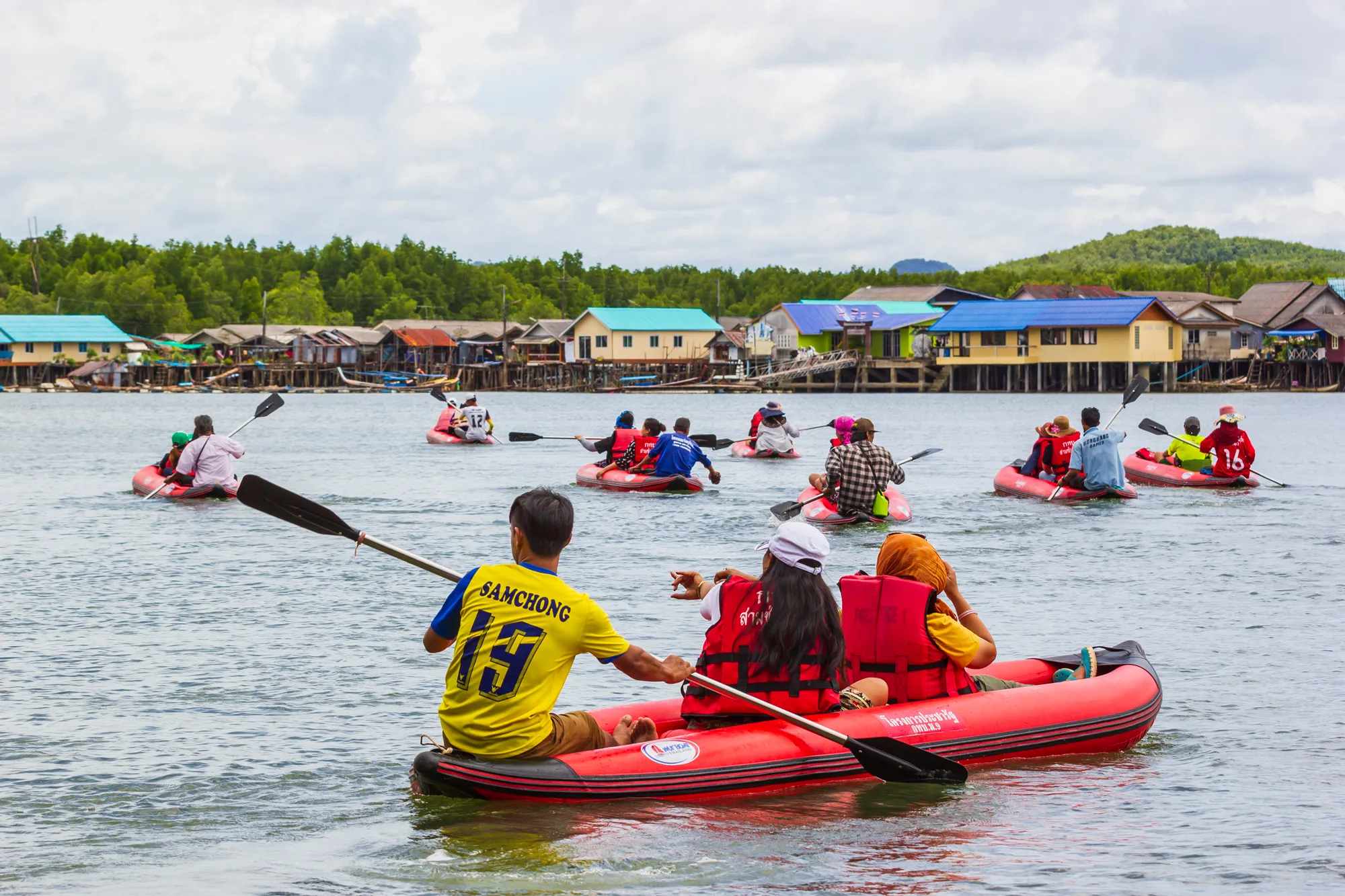
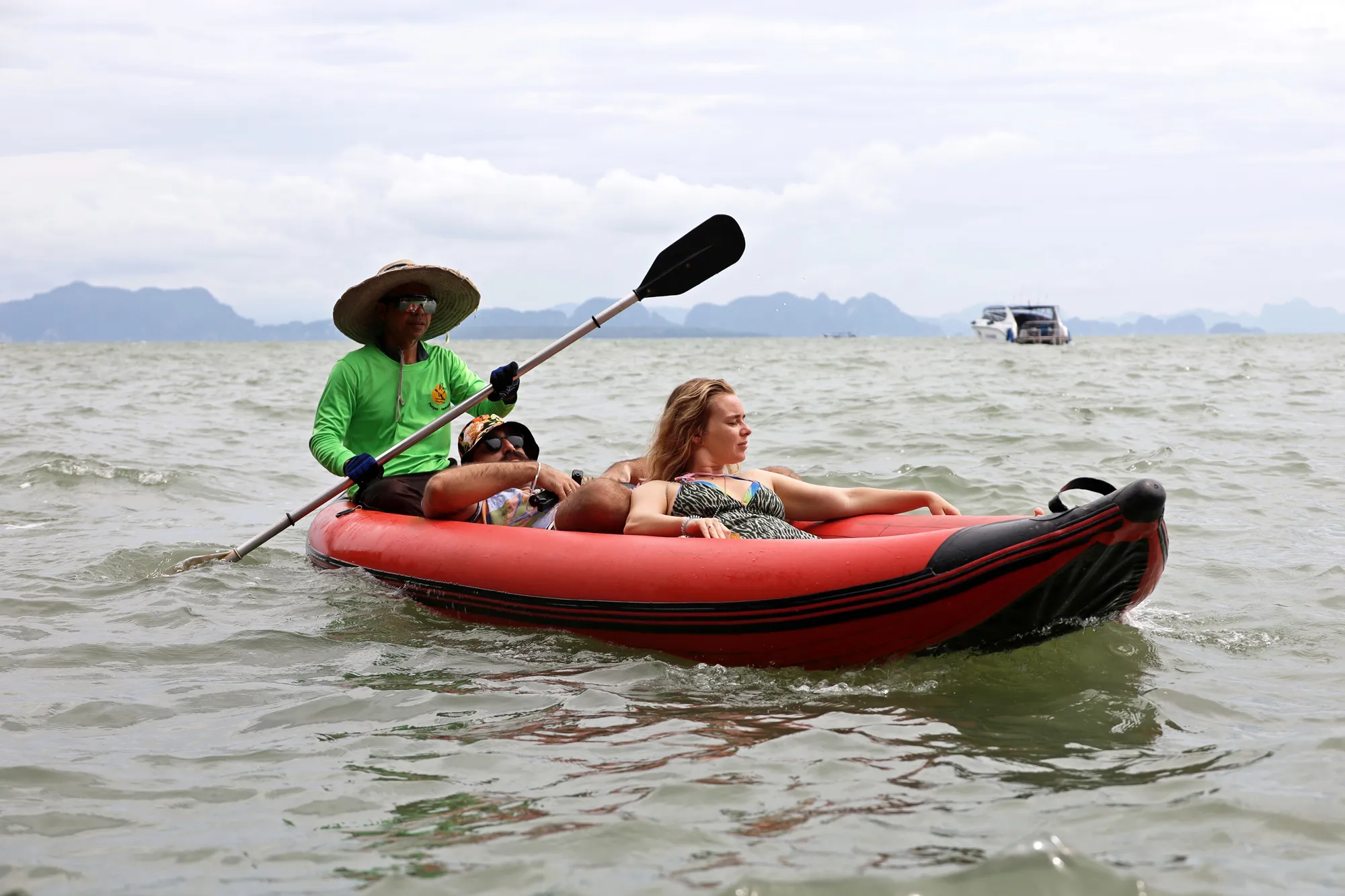
Not at all. The bay's calm waters are ideal for beginners, and on many tours, a professional local guide does all the paddling for you while you sit back and take in the scenery
What wildlife might I see?
The bay is a rich, biodiverse ecosystem. Paddlers frequently spot long-tailed macaques, monitor lizards, mudskippers, kingfishers, and sea eagles
When is the best time to go?
The dry season from November to April offers the best conditions with clear skies and calm waters. Early morning or late afternoon trips are highly recommended to avoid the busiest tourist hours
What is the "Hong by Starlight" tour?
Pioneered by environmentalist John Gray, this famous excursion starts in the afternoon and extends into the night. After dark, guests re-enter the caves to observe bioluminescent plankton and float a traditional, hand-crafted Thai flower basket (Kratong)
Gallery
Reader Feedback (6)
Jon Gibbons
Etiam pretium, magna eget feugiat finibus, tellus massa pellentesque nisi, non malesuada nulla nunc vel ligula. Sed finibus enim eu nulla tempus, vitae tincidunt dolor semper. Praesent fringilla, metus at convallis sagittis.
Michael Carter
Vestibulum ante ipsum primis in faucibus orci luctus et ultrices posuere cubilia curae; Donec vel erat in nulla efficitur tempor non ut nisl. Integer venenatis eros ut dui viverra fermentum.
Sophie Wilson
Nam ut turpis hendrerit, varius nunc vel, elementum dui. Morbi vulputate dolor sit amet scelerisque egestas. Vestibulum eleifend nunc ut bibendum fermentum.
Contact
Necessitatibus eius consequatur ex aliquid fuga eum quidem sint consectetur velit




























Reader Feedback (6)
Jon Gibbons
Etiam pretium, magna eget feugiat finibus, tellus massa pellentesque nisi, non malesuada nulla nunc vel ligula. Sed finibus enim eu nulla tempus, vitae tincidunt dolor semper. Praesent fringilla, metus at convallis sagittis.
Michael Carter
Vestibulum ante ipsum primis in faucibus orci luctus et ultrices posuere cubilia curae; Donec vel erat in nulla efficitur tempor non ut nisl. Integer venenatis eros ut dui viverra fermentum.
Sophie Wilson
Nam ut turpis hendrerit, varius nunc vel, elementum dui. Morbi vulputate dolor sit amet scelerisque egestas. Vestibulum eleifend nunc ut bibendum fermentum.