Step Back in Time: The Magic of Phuket's Thai Hua Museum
The Thai Hua Museum offers a captivating look into Phuket history, specifically the island's Hokkien Chinese heritage and tin-mining era. Located at 28 Krabi Road in Phuket Old Town, the museum features 14 immersive exhibitions. The museum opens daily from 09:00 to 17:00 (closed Wednesdays), with an entrance fee of 200 THB for foreign adults.
Stroll through the vibrant, spice-scented streets of Phuket's Old Town, surrounded by beautifully preserved pastel-coloured buildings. Here, the Thai Hua Museum stands as the ultimate treasure trove for uncovering the island's rich heritage, making the site a must-visit for travellers craving authentic cultural immersion. This remarkable institution bridges the gap between Phuket's modern beach-resort reputation and its fascinating past as a bustling tin-mining hub.
Understanding Phuket history completely changes how you experience the island. Instead of just seeing beautiful beaches, you begin to appreciate the generations of migrants, merchants, and miners who built this tropical paradise.
In this guide, you will discover the Thai Hua Museum's fascinating origins as a Hokkien Chinese school. We will explore the building's breathtaking Sino-Portuguese architecture, walk through its captivating exhibitions, and provide practical tips for seamless travel planning. Your adventure awaits!
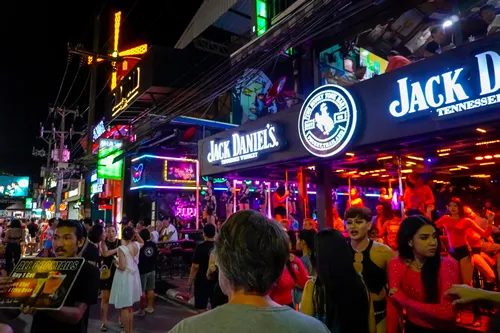
Bangla Road
Bangla Road: Where the night comes alive with endless thrills and unforgettable memories!
How did the Thai Hua Museum begin its cultural journey?
The Thai Hua Museum possesses profound historical roots that date back to its establishment in 1934 [Thailand Travel Guide, 2026]. The building originally served as the first Hokkien Chinese language school in Phuket. The island's booming tin mining industry brought immense wealth to the region, and affluent Chinese migrants funded the school to pass down their language, morals, and ethics to the next generation.
The building itself stands as a massive testament to the island's economic and cultural evolution. When the original school relocated in 1995, the local Federation of Thai-Chinese People painstakingly restored the property. By 2010, the local community reopened the space as the Thai Hua Museum, dedicating the site to preserving Phuket's cultural heritage.
What makes the Sino-Portuguese architecture so unique?
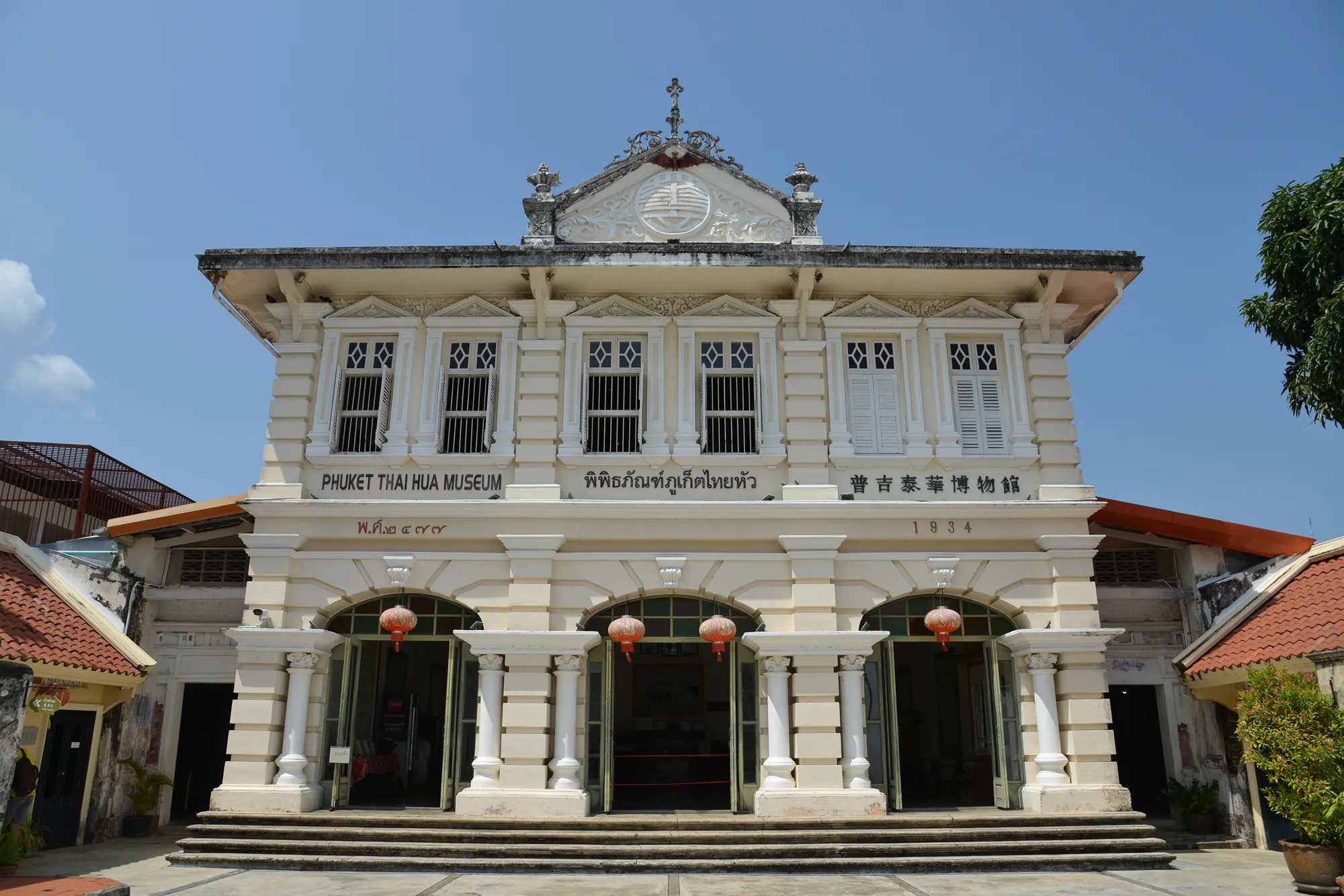
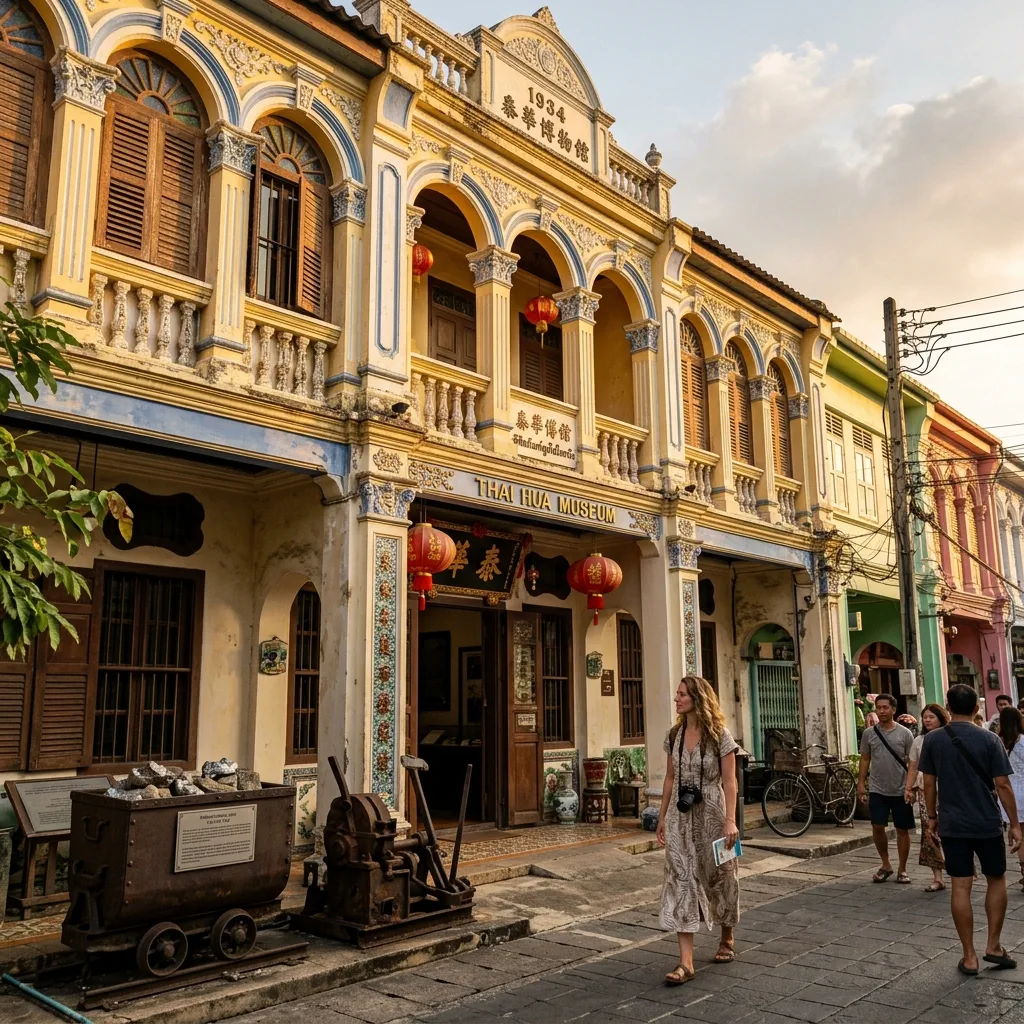
The Thai Hua Museum is a masterpiece of Sino-Portuguese architecture. This distinctive architectural style perfectly fuses European neoclassical proportions with intricate Chinese ornamentation. As you approach the grand entrance, you will notice an iconic "red bat" sculpture perched elegantly on the roof's gable. In Chinese culture, the red bat symbolises that knowledge brings great luck and prosperity.
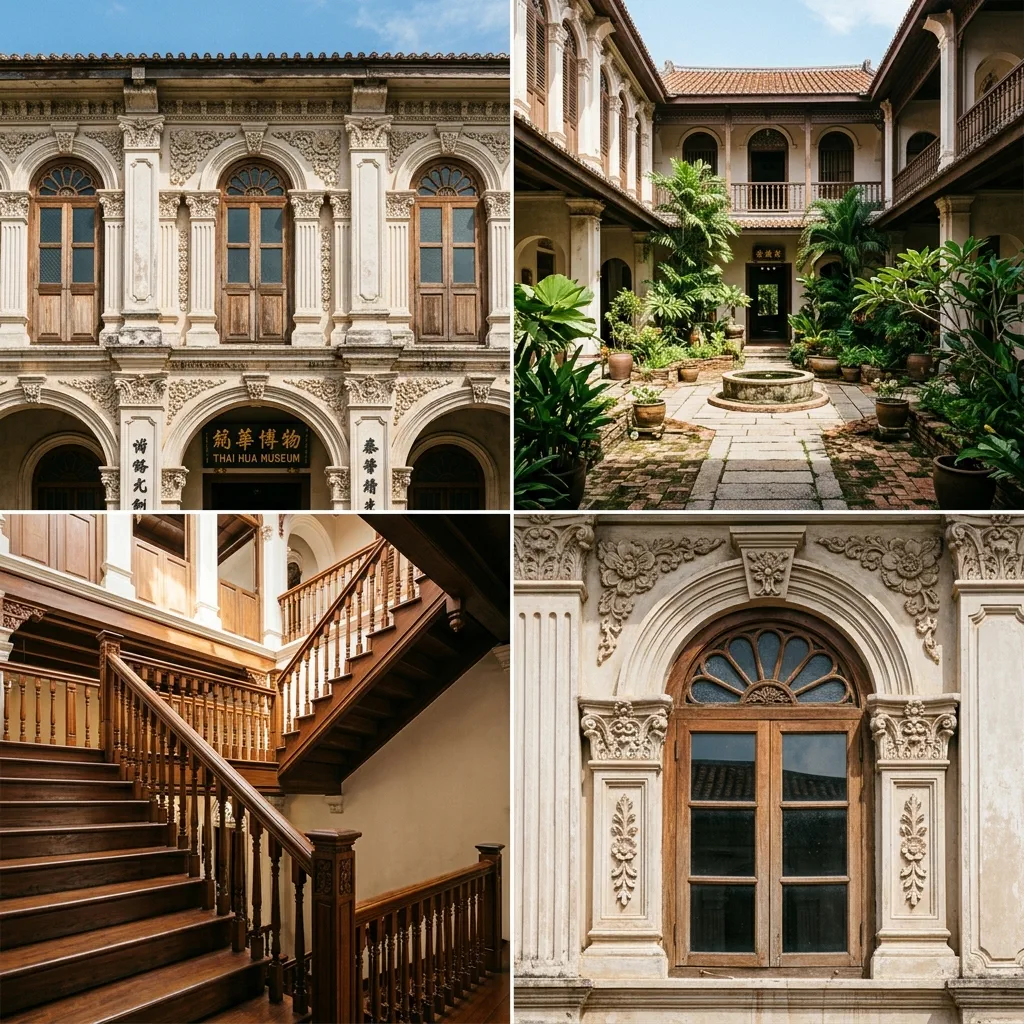
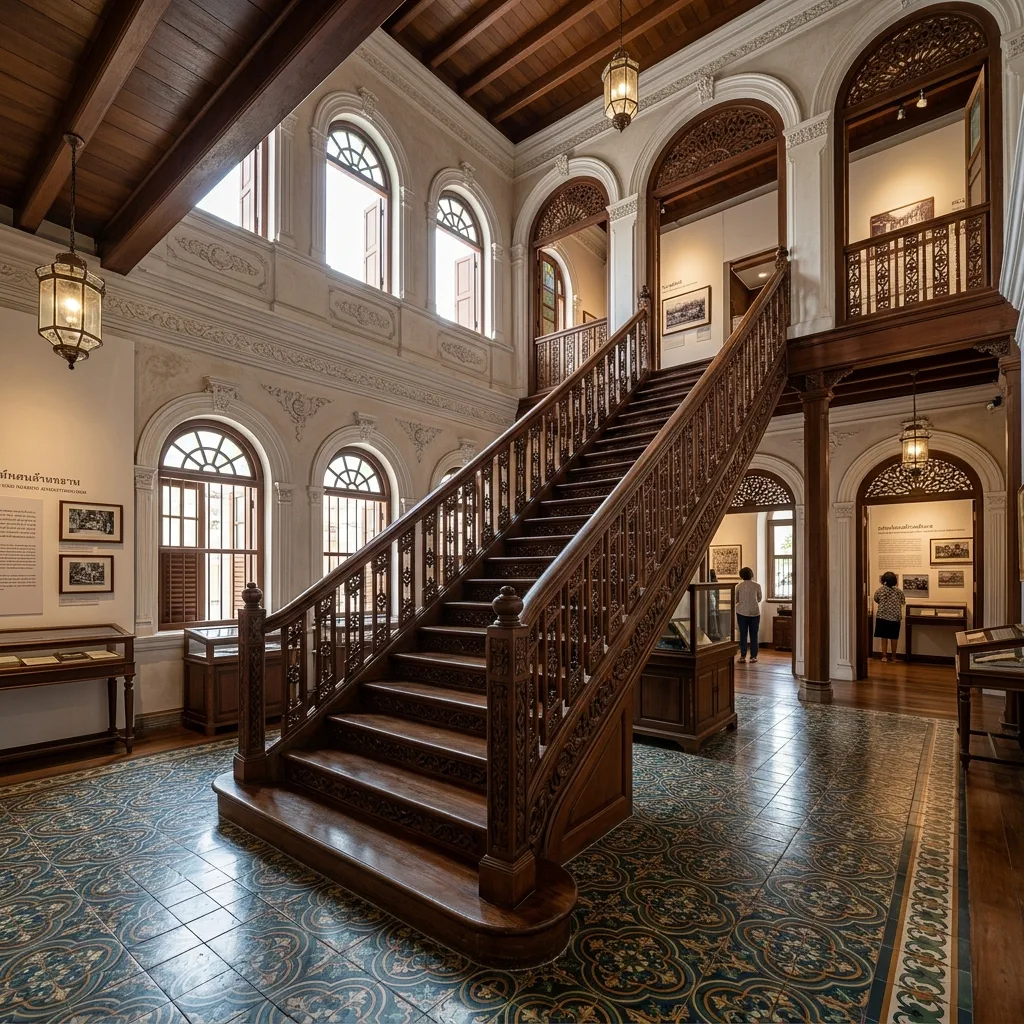
Beyond the main doors, a charming inner courtyard floods the space with natural light. Sweeping teak staircases and ornate pediments provide endless photo opportunities for travellers. The museum's design beautifully reflects the success and artistic flair of the early Chinese settlers.
Must-See Guide
Thai Hua Museum packs a remarkable amount of history, culture, and beauty into a single visit — here's what to seek out to make the most of your time inside.
The Sino-Portuguese Façade
Start outside. The museum's exterior is one of the finest examples of Sino-Portuguese architecture in Phuket Old Town, where European colonial forms meet Chinese decorative tradition. Look for the ornate painted arches, symmetrical shuttered windows, and carved relief details along the roofline. It's as photogenic as it is historically significant — worth taking your time before you even step through the door.
The Former School Building Heritage
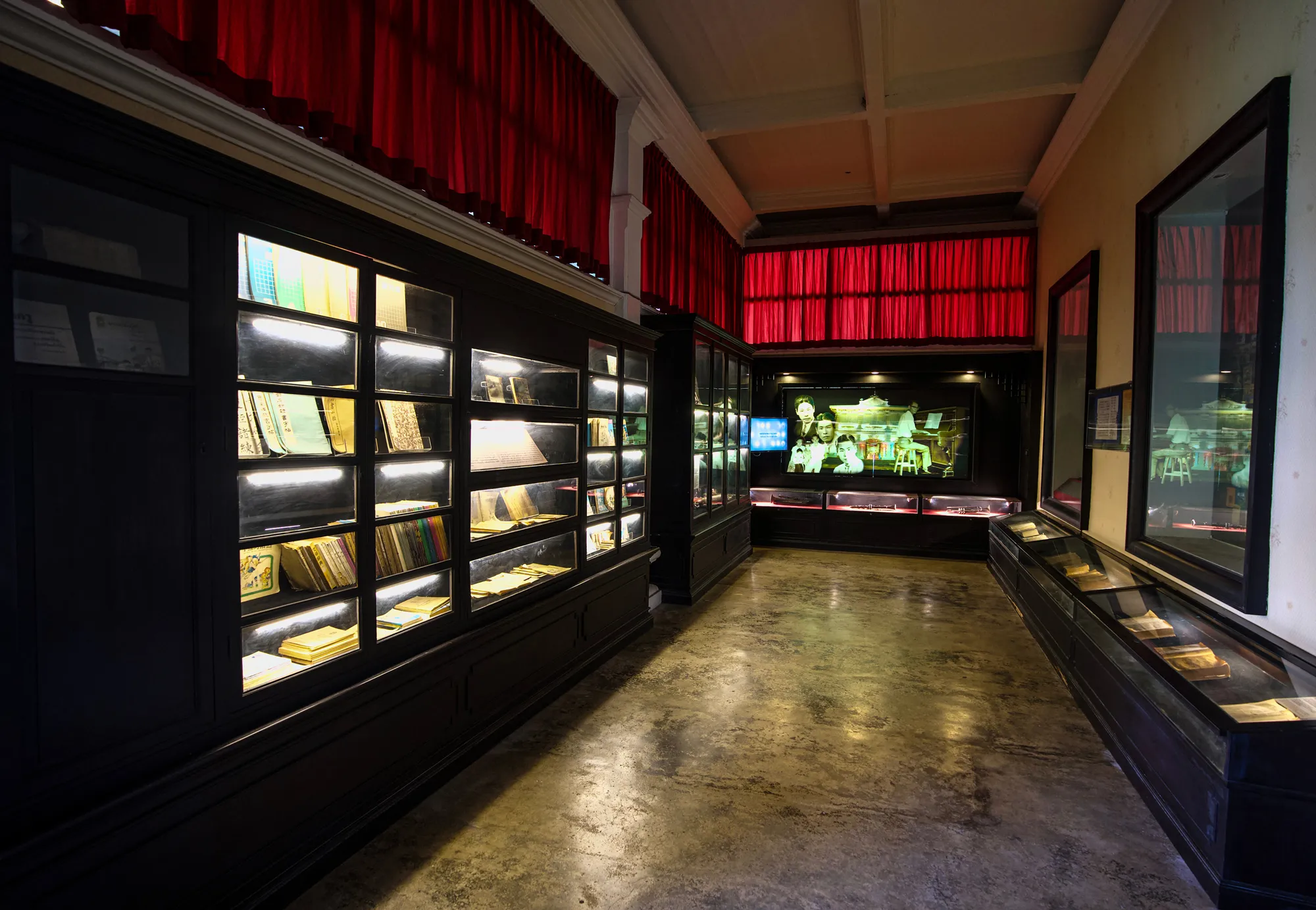
The building itself is part of the story. Thai Hua Museum was originally founded in 1934 as a Hokkien Chinese school, and that layered identity — school, community hub, restored museum — runs through every room. Pay attention to how the spatial layout reflects its educational origins, with open halls and a sense of communal purpose that still feels present today.
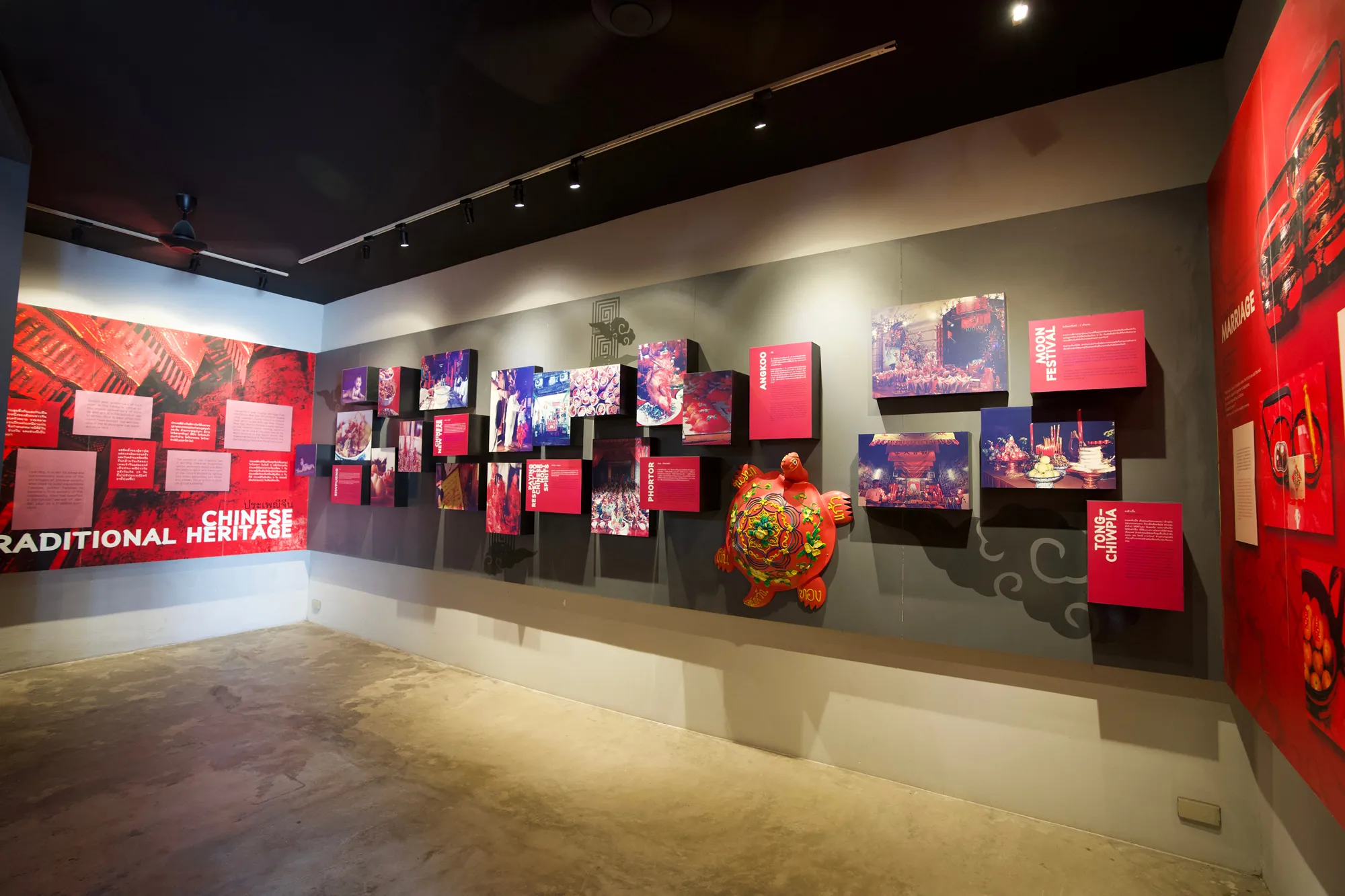
Exhibitions on Hokkien Chinese Migration
This is the museum's cultural heart. The migration exhibitions trace the journey of Hokkien Chinese settlers who arrived in Phuket during the 19th and early 20th centuries, driven largely by the tin-mining boom. The storytelling is accessible and thoughtfully presented — you'll leave with a genuine understanding of how these communities shaped the island's identity, cuisine, and architecture.
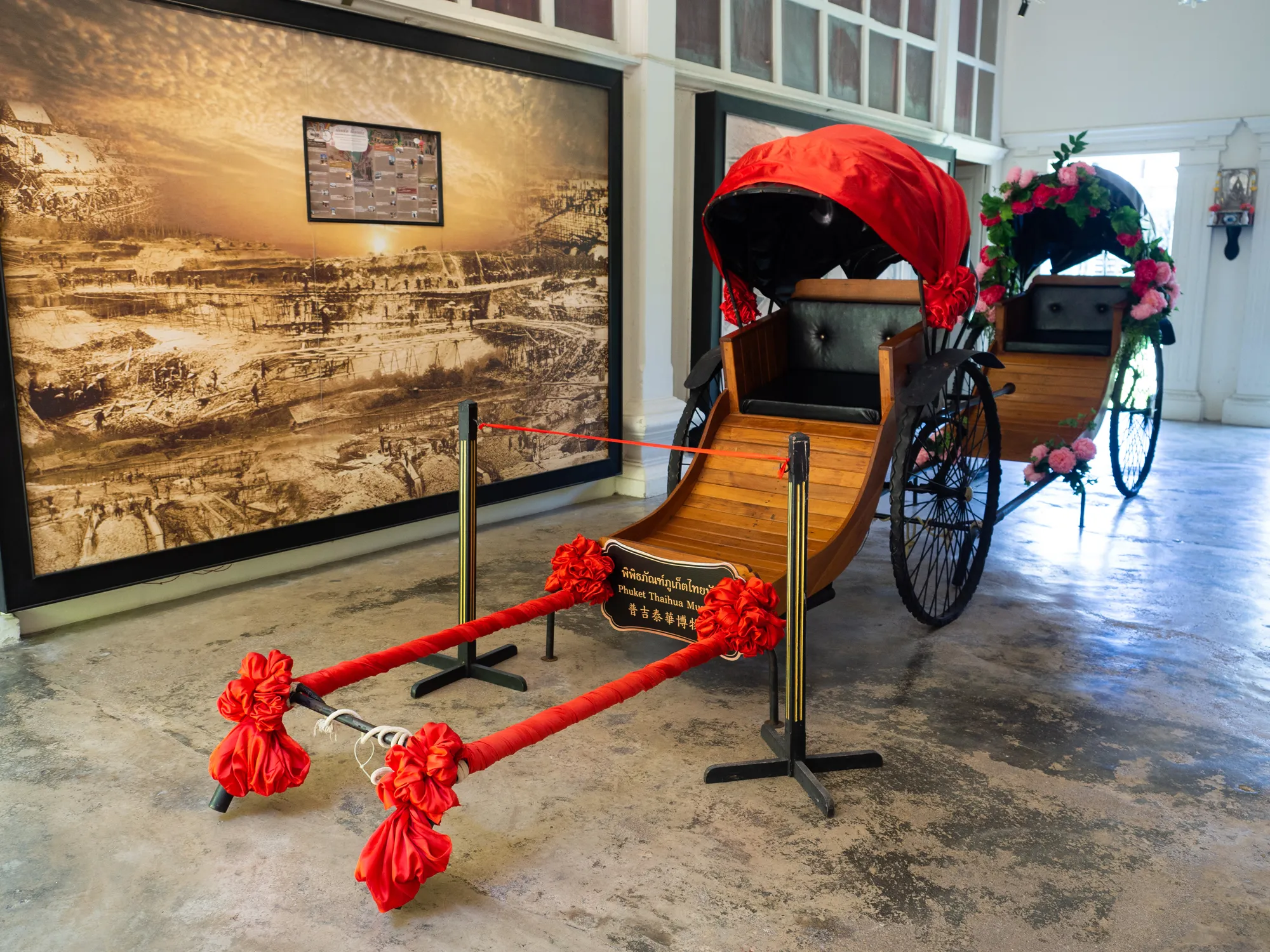
Tin-Mining History
Phuket's wealth was built on tin, and the museum gives this chapter the space it deserves. Displays cover the tools, techniques, and social structures of the tin-mining era, bringing to life an industry that transformed this corner of Thailand. It's one of those exhibits that reframes everything you see outside the museum walls.
Baba-Peranakan Culture
Don't overlook the sections dedicated to Baba-Peranakan heritage — the unique culture that emerged from the blending of Chinese and Malay traditions across the Straits of Malacca. Expect richly detailed displays on traditional dress, ceremonial practices, and the distinctive aesthetic that still influences Phuket Old Town today.
Photogenic Interiors: Staircases, Courtyards, and Tiled Floors
Beyond the exhibitions, the building's interior details are worth slowing down for. Teak staircases, sun-drenched courtyards, decorative floor tiles, and ornamental woodwork create a series of naturally beautiful moments throughout the space. These aren't just backdrops — they're part of the museum's living heritage.
Practical tip: Arrive in the morning when the light filters through the courtyard at its best, and allow at least 90 minutes to explore without rushing.
Jon Gibbons
Writer
May 30, 2026• 3 Comments
Which enchanting exhibitions should you explore at the Thai Hua Museum?
The Thai Hua Museum features 14 distinct galleries that chronicle the brave journey of the Hokkien Chinese from Fujian Province across the South China Sea.
How did migration and the tin mining boom shape Phuket?
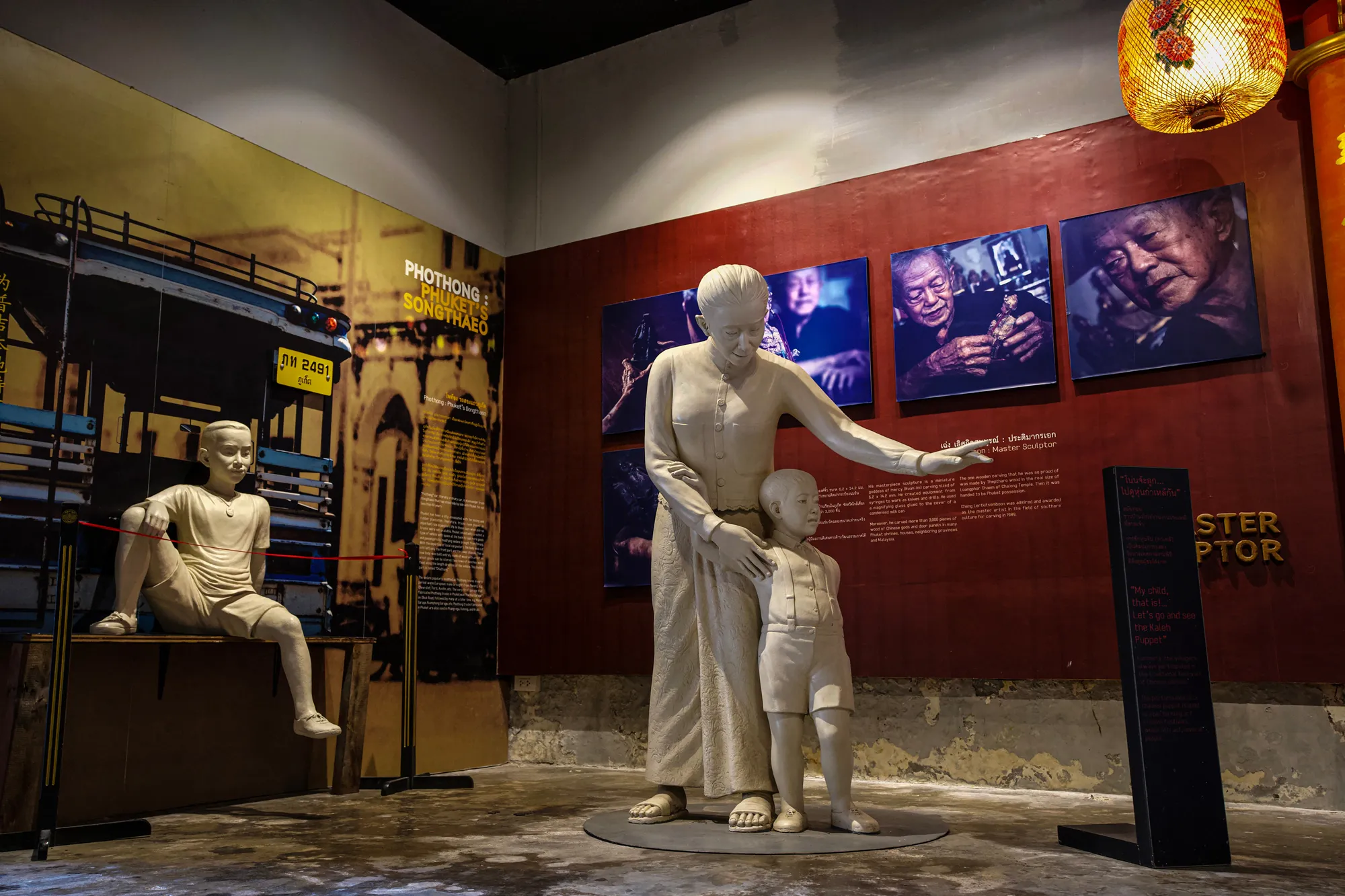
The "Tin Mining Era" exhibition showcases how alluvial tin attracted thousands of optimistic miners to the island. This massive influx of workers and wealth ultimately shaped Phuket history, transforming a quiet jungle island into a global economic powerhouse. The museum displays authentic mining tools and photographs, giving visitors a real sense of the grueling but highly profitable work that defined the 19th century.
What is the vibrant Baba-Peranakan culture?
The museum offers visually rich displays of Baba-Peranakan life. This unique creole culture was born from the intermarriage of Chinese migrants and local Thai or Malay women. You can explore exhibits dedicated to traditional attire, including intricate bridal dresses and the evolution of hybrid fashions. The stunning garments highlight a beautiful blend of Chinese silks, Malay embroidery, and Thai silhouettes.
Why is Phuket cuisine a UNESCO City of Gastronomy favourite?
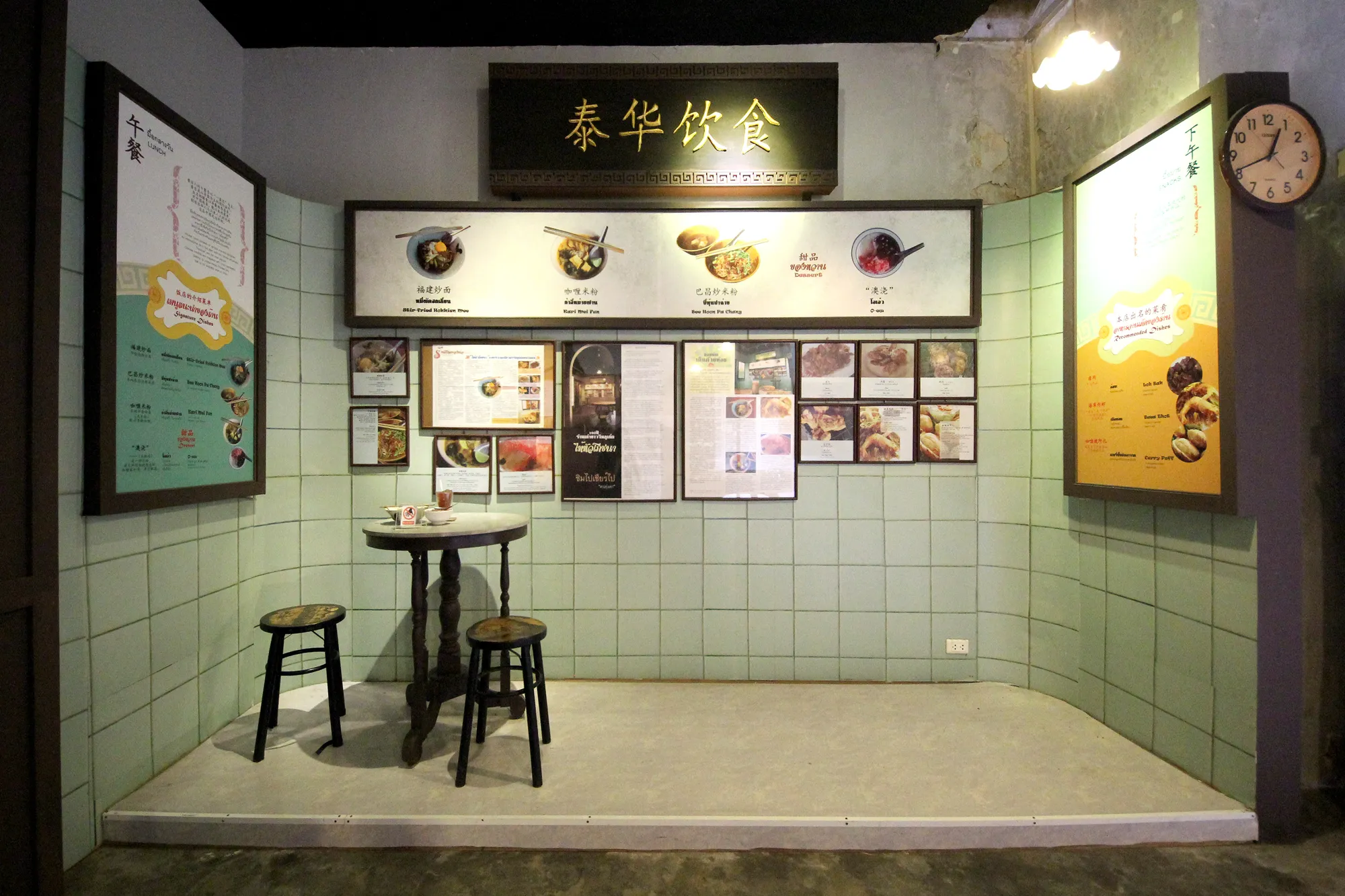
Food lovers will adore the culinary exhibits at the Thai Hua Museum. The displays detail how heavy Hokkien seasonings merged with fragrant Thai aromatics to create iconic, mouth-watering dishes like Mee Hokkien (Hokkien noodles). The Thai Hua Museum perfectly contextualises why the United Nations Educational, Scientific and Cultural Organization (UNESCO) celebrates Phuket as a City of Gastronomy. Choose a culinary walking tour immediately after your museum visit if you want to taste these historical recipes firsthand.
Thai Hua Museum | Phuket
How does the museum celebrate local Thai festivals?
The Thai Hua Museum provides fascinating insights into the island's ceremonial calendar, particularly the world-famous Phuket Vegetarian Festival. The "Precious Heritage" exhibition traces this dramatic, nine-day Taoist purification rite back to a travelling Chinese opera troupe that visited the island in 1825 [Thailand Travel Guide, 2026]. According to local legend, the troupe fell ill with a deadly fever and cured themselves by adopting a strict vegetarian diet and praying to the Nine Emperor Gods.
Learning about this rich history greatly enriches the modern traveller's festival experience. When you understand the deep spiritual roots of the fire-walking and body-piercing ceremonies, the festival transforms from a shocking spectacle into a deeply moving display of faith.
Thai Hua Museum | Phuket
What essential visitor information do you need for the Thai Hua Museum?
Planning your visit to the Thai Hua Museum is incredibly simple, ensuring a stress-free cultural adventure. The museum is located at 28 Krabi Road, right in the heart of Mueang Phuket (Phuket Old Town).
The Thai Hua Museum opens daily from 09:00 to 17:00, but please note that the facility is closed on Wednesdays and select public holidays [BestPriceTravel, 2026]. The entrance fee is 200 THB for foreign adults and 120 THB for children. If you wish to take photographs inside the galleries, you must purchase an additional photography pass for 200 THB [Phuket 101, 2026].
To ensure a safe and comfortable experience, the museum strictly follows modern sanitation regulations. You will find regular hand-washing stations and temperature checks at the entrance. The spacious galleries allow for easy social distancing. If you are travelling with a large group, we highly recommend contacting the museum in advance via their official website to arrange an enriching guided experience. Choose a private guide if historical context and detailed storytelling matter more to your group than browsing at your own pace.
Thai Hua Museum | Phuket
Your next steps for a deeply meaningful travel adventure
The Thai Hua Museum offers a magnificent journey, taking visitors from the perilous voyages of early migrants to the colourful, multi-cultural destination we adore today. Understanding this vibrant heritage transforms a standard holiday into a deeply meaningful travel adventure.
Now that you know the secrets of Phuket's past, it is time to experience the culture in person. Book a guided walking tour of Phuket Old Town, add the Thai Hua Museum to your digital itinerary, and step out onto nearby Thalang Road to sample the incredible street food you just learned about. Your ultimate Thai adventure starts right here!
Thai Hua Museum | Phuket
Where is the Thai Hua Museum, and How to Get There From Most Tourist Areas?
The Thai Hua Museum is situated in the heart of Phuket Old Town at 28 Krabi Road, a charming area known for its colourful Sino-Portuguese architecture. For those staying in popular beach destinations like Patong, Karon, or Kata, the museum is approximately a 30-40 minute drive by taxi or private car, depending on traffic. Tuk-Tuks are a convenient and authentic way to travel, and many drivers are happy to negotiate a reasonable fare for a round trip. Alternatively, some tour operators offer guided visits to Phuket Old Town, often including a stop at the museum. For visitors staying within Phuket Old Town itself, the museum is just a short and pleasant walk away.
Thai Hua Museum | Phuket
Attractions nearby which can be coupled together
Pair your Thai Hua Museum visit with a leisurely wander through Phuket Old Town, where every lane seems to reveal another splash of colour, carved wooden shutter, or tempting food stall. Just a short walk away, Thalang Road is perfect for soaking up the area’s famous Sino-Portuguese charm, browsing boutiques, and sampling local snacks, while Soi Romanee offers one of the prettiest photo stops in town with its pastel façades and old-world character. For a spiritual and cultural contrast, stop by Jui Tui Shrine, one of Phuket’s most important Chinese temples, especially if you are curious about the island’s festival traditions after exploring the museum exhibits. If you would like to keep the heritage theme going, the nearby Chinpracha House adds another layer to the story with its beautifully preserved interiors and glimpse into affluent Peranakan life. Round off the outing at the Sunday Walking Street Market if you are visiting at the weekend, where historic surroundings, sizzling street food, and lively performances create a brilliant finale to a culture-rich day in Phuket Old Town.
Thai Hua Museum | Phuket
Frequently Asked Questions about the Thai Hua Museum
How much does it cost to enter the Thai Hua Museum?
The admission fee is 200 THB for foreign adults and 120 THB for children. Taking photos inside the museum requires an additional 200 THB photography pass.
What are the opening hours for the Thai Hua Museum?
The Thai Hua Museum is open from 09:00 to 17:00 every day of the week, except for Wednesdays and major public holidays when the building is closed.
How long does a visit to the Thai Hua Museum take?
Most visitors spend between 60 to 90 minutes exploring the 14 exhibitions. Choose a longer timeframe if you plan to read all the historical plaques or if you book a guided tour.
Is the Thai Hua Museum suitable for young children?
Yes. The museum offers visually engaging displays, spacious courtyards, and colourful exhibits about local food and festivals that can capture the attention of younger travellers.
What is the best way to get to the Thai Hua Museum?
The Thai Hua Museum is located at 28 Krabi Road in Phuket Old Town. It is easily accessible on foot if you are staying in the Old Town area, or via a short taxi or Tuk-Tuk ride from the main Phuket beach resorts.
Gallery
Reader Feedback (6)
Jon Gibbons
Etiam pretium, magna eget feugiat finibus, tellus massa pellentesque nisi, non malesuada nulla nunc vel ligula. Sed finibus enim eu nulla tempus, vitae tincidunt dolor semper. Praesent fringilla, metus at convallis sagittis.
Michael Carter
Vestibulum ante ipsum primis in faucibus orci luctus et ultrices posuere cubilia curae; Donec vel erat in nulla efficitur tempor non ut nisl. Integer venenatis eros ut dui viverra fermentum.
Sophie Wilson
Nam ut turpis hendrerit, varius nunc vel, elementum dui. Morbi vulputate dolor sit amet scelerisque egestas. Vestibulum eleifend nunc ut bibendum fermentum.
Contact
Necessitatibus eius consequatur ex aliquid fuga eum quidem sint consectetur velit




































Reader Feedback (6)
Jon Gibbons
Etiam pretium, magna eget feugiat finibus, tellus massa pellentesque nisi, non malesuada nulla nunc vel ligula. Sed finibus enim eu nulla tempus, vitae tincidunt dolor semper. Praesent fringilla, metus at convallis sagittis.
Michael Carter
Vestibulum ante ipsum primis in faucibus orci luctus et ultrices posuere cubilia curae; Donec vel erat in nulla efficitur tempor non ut nisl. Integer venenatis eros ut dui viverra fermentum.
Sophie Wilson
Nam ut turpis hendrerit, varius nunc vel, elementum dui. Morbi vulputate dolor sit amet scelerisque egestas. Vestibulum eleifend nunc ut bibendum fermentum.