Scuba Diving at Shark Point, Phuket: Your Guide to Thailand's Most Vibrant Reef
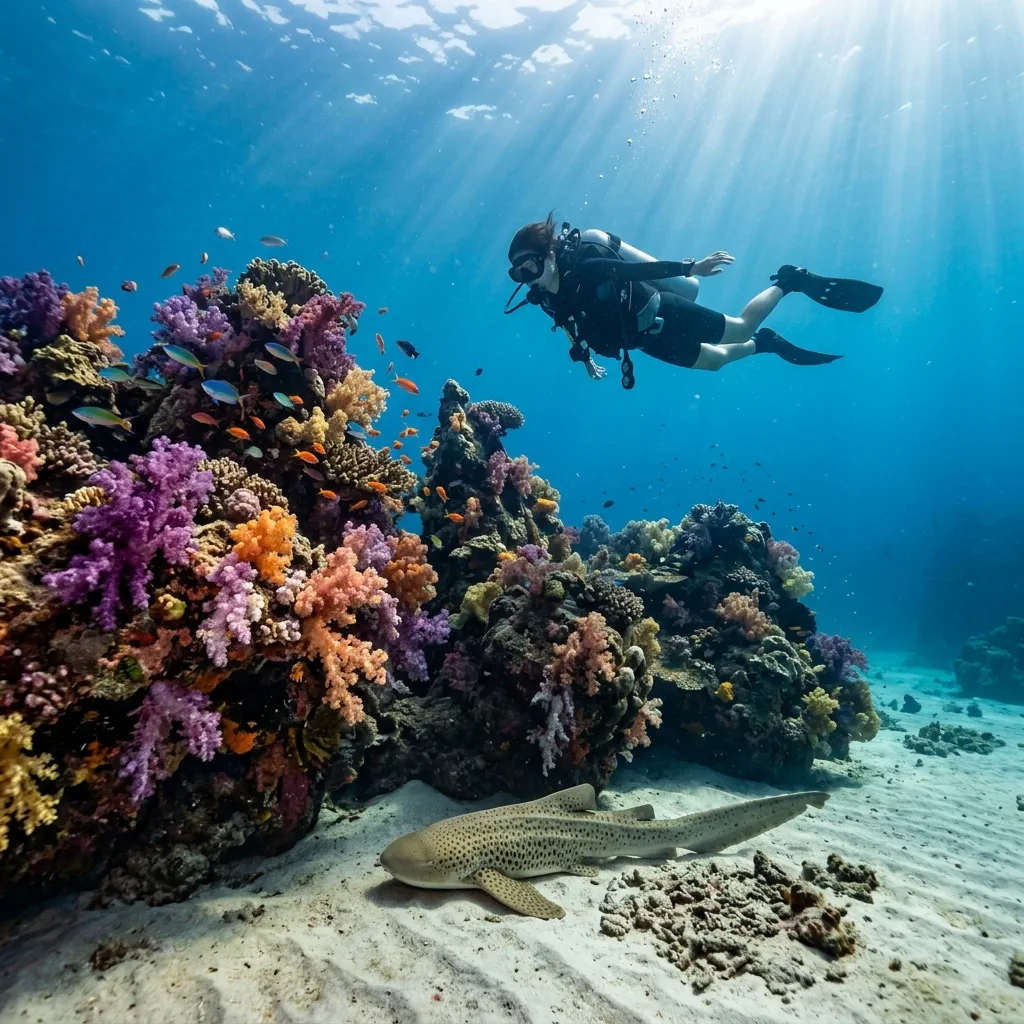
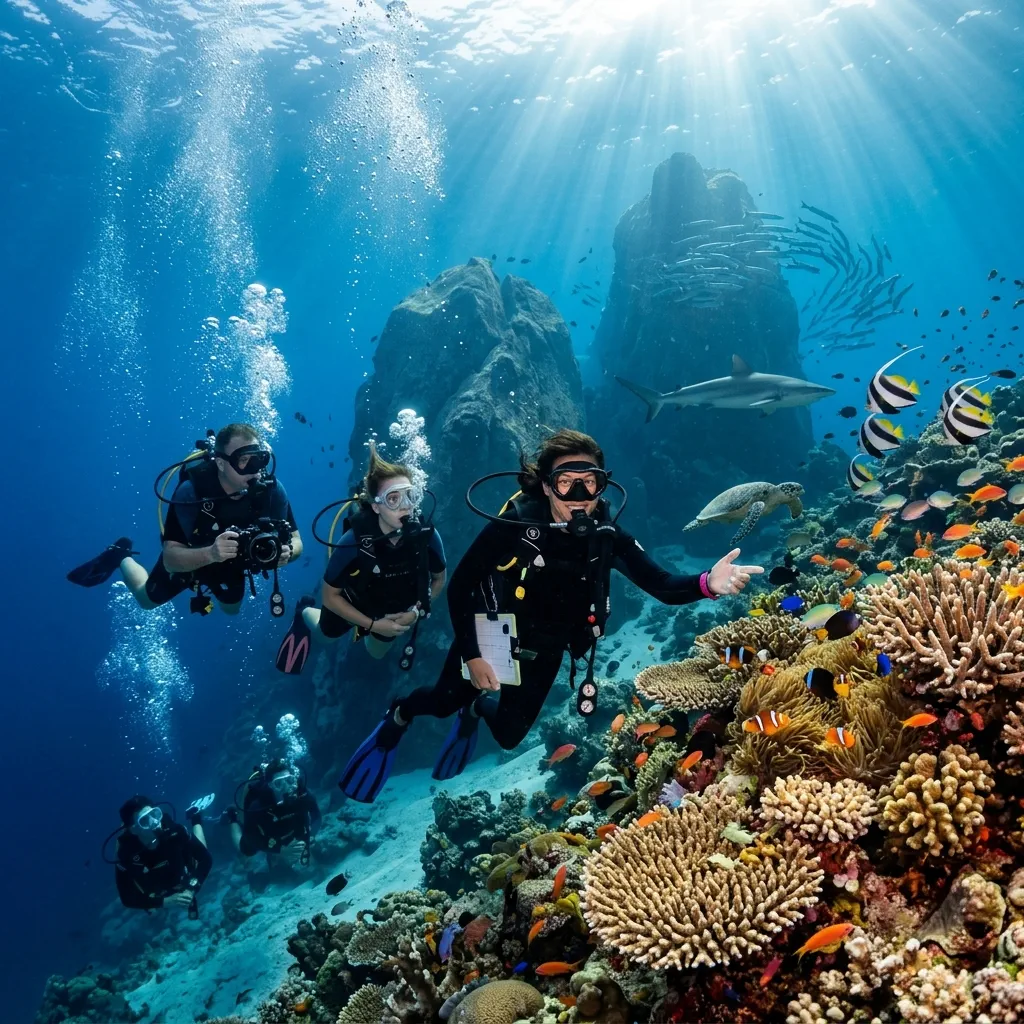
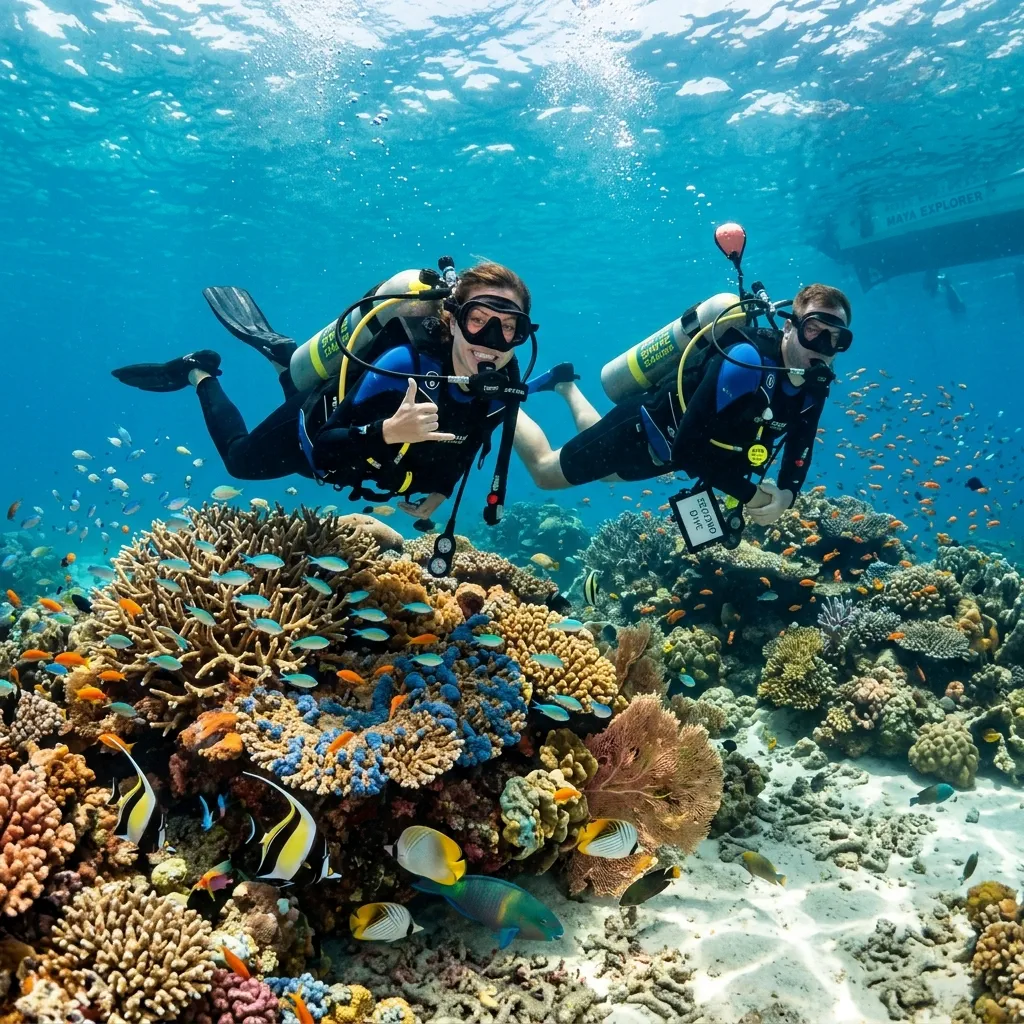
Picture yourself drifting over a sun-dappled reef, surrounded by soft corals in every shade of purple and orange, while a leopard shark rests calmly on the sandy seabed below. This isn't a daydream. It's an ordinary day at Shark Point, one of Phuket's most beloved dive sites.
If you're planning a diving trip to southern Thailand, Shark Point deserves a spot at the very top of your list. In this guide, we'll explore what makes this site so special, the marine life you'll meet, the conditions to expect, and how to plan a smooth, memorable dive trip. Whether you're a newly certified diver or a seasoned explorer chasing your next great reef, you'll find everything you need to dive in with confidence.
Bangla Road
Bangla Road: Where the night comes alive with endless thrills and unforgettable memories!
Shark Point, known locally as Hin Musang, is a protected marine sanctuary in the Andaman Sea. It's a series of limestone pinnacles, some breaking the surface, others hidden beneath the waves.
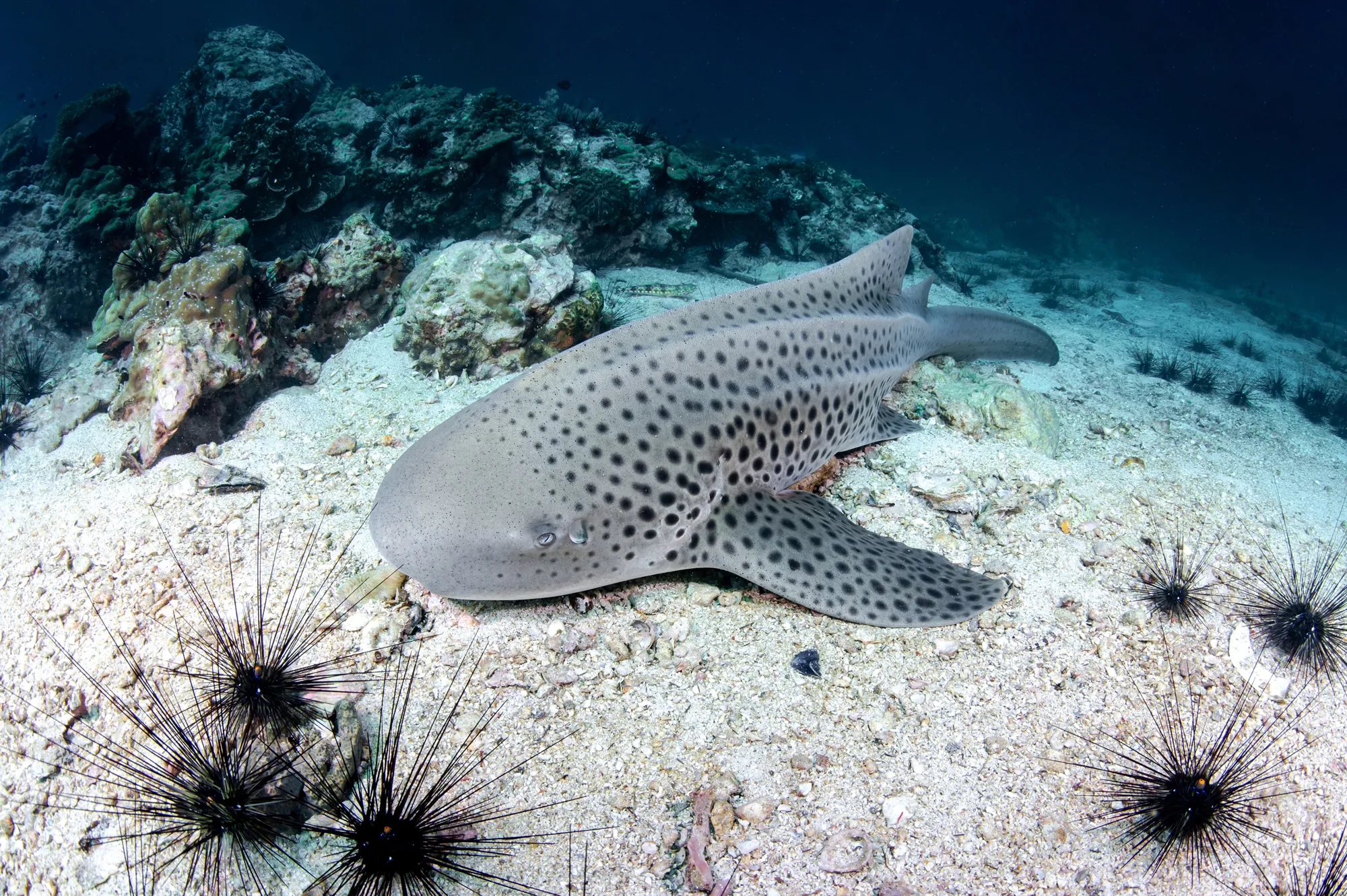
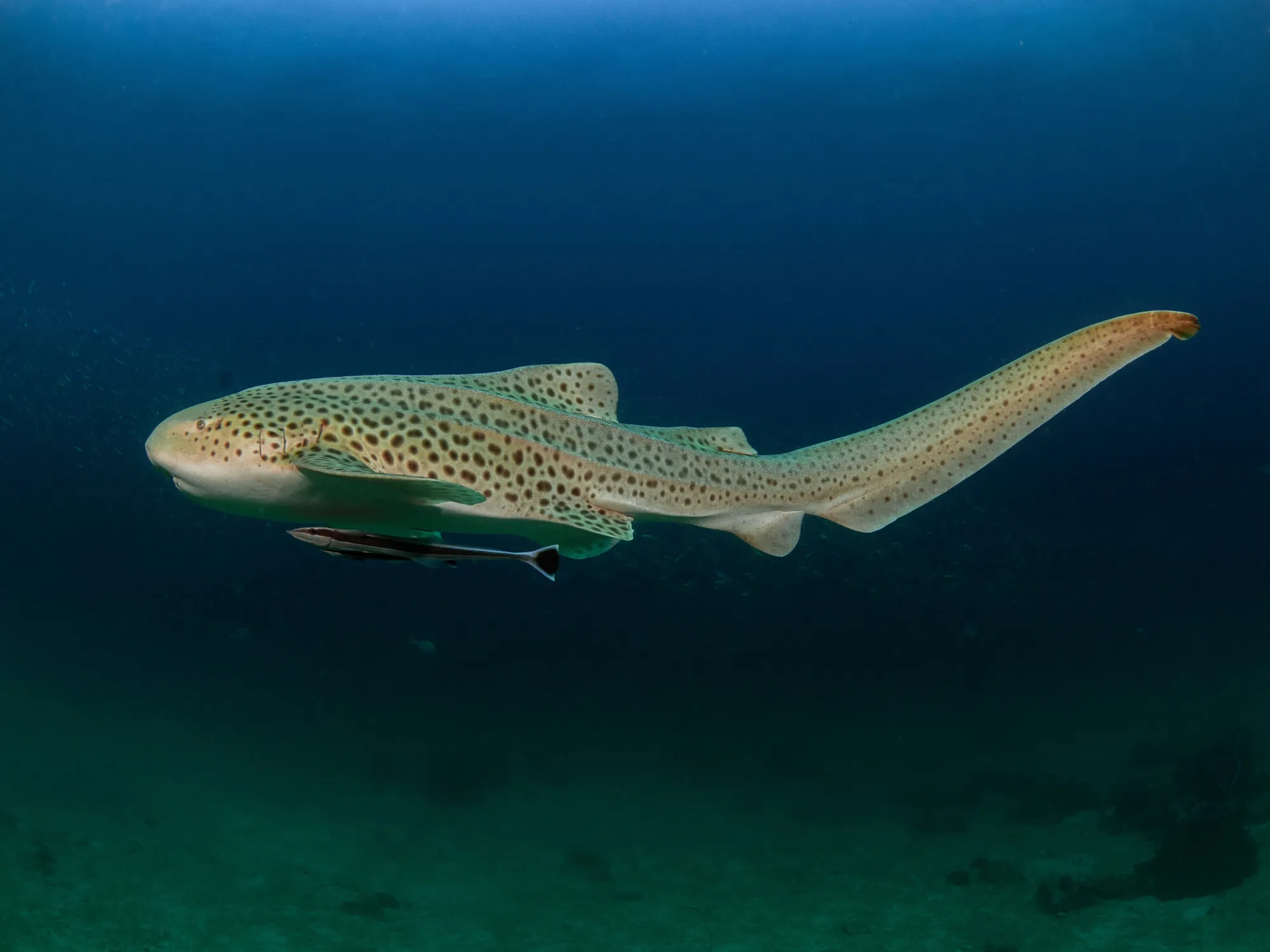
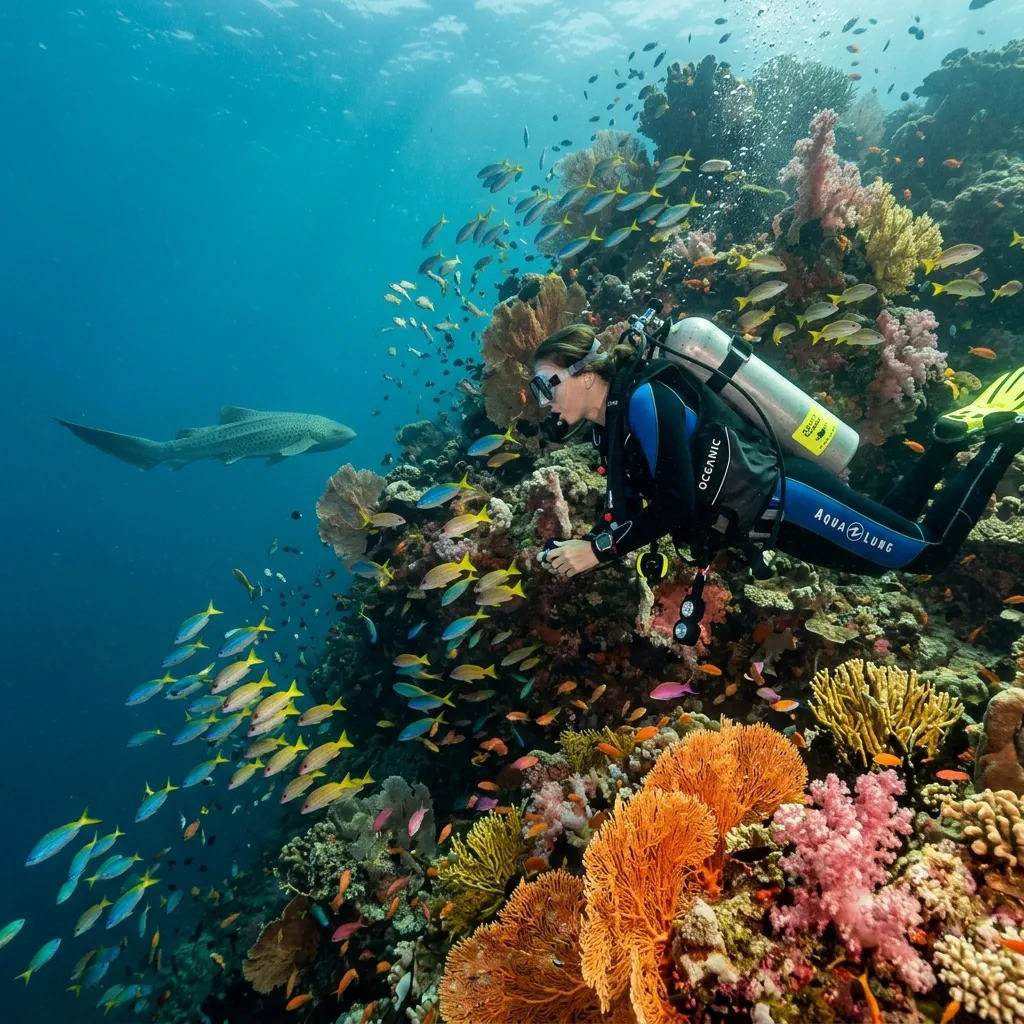
The site earns its name from the leopard sharks that frequently rest on the sand around the rocks. Don't worry, these gentle creatures pose no threat to divers. They're shy, slow-moving, and a joy to watch.
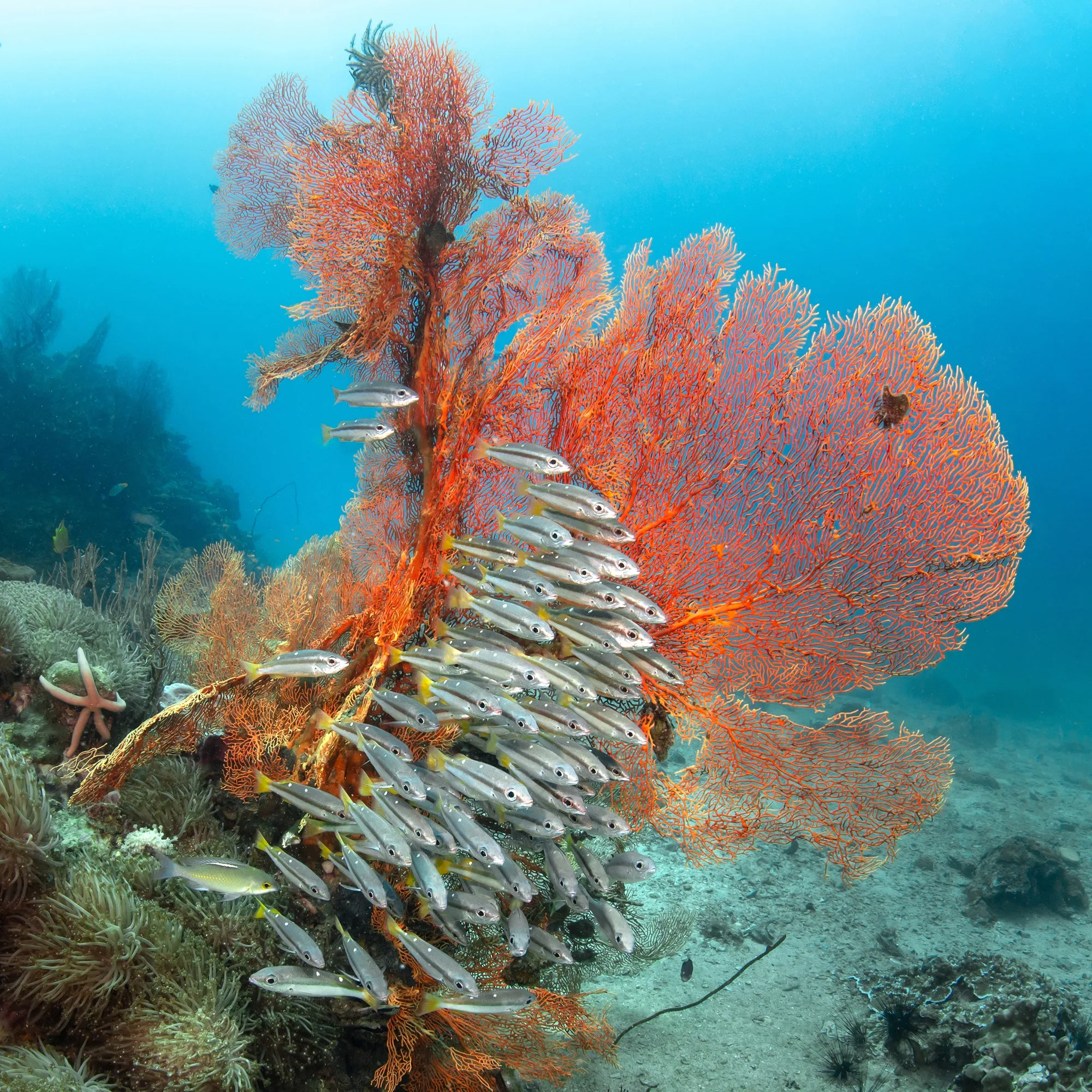
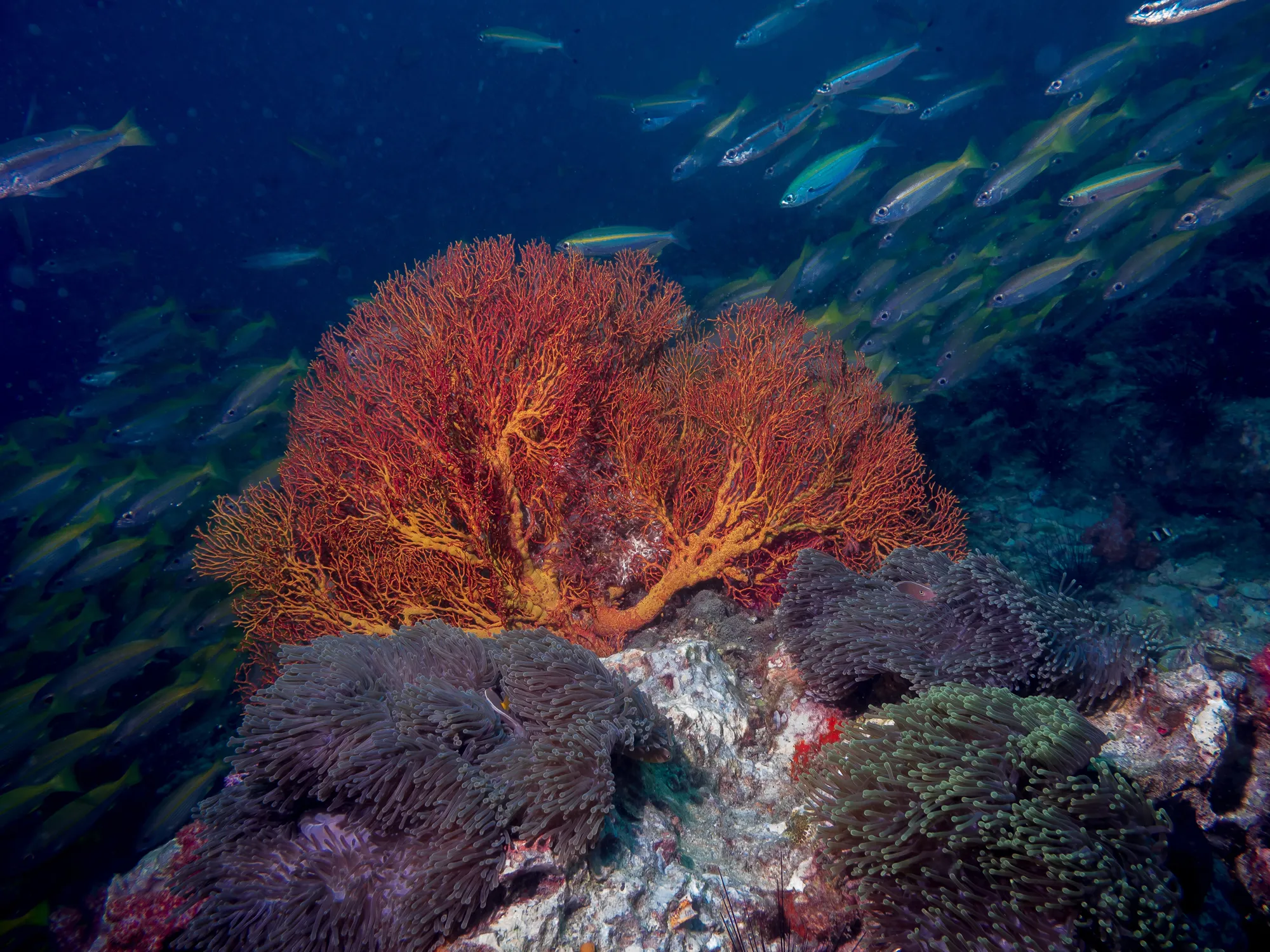
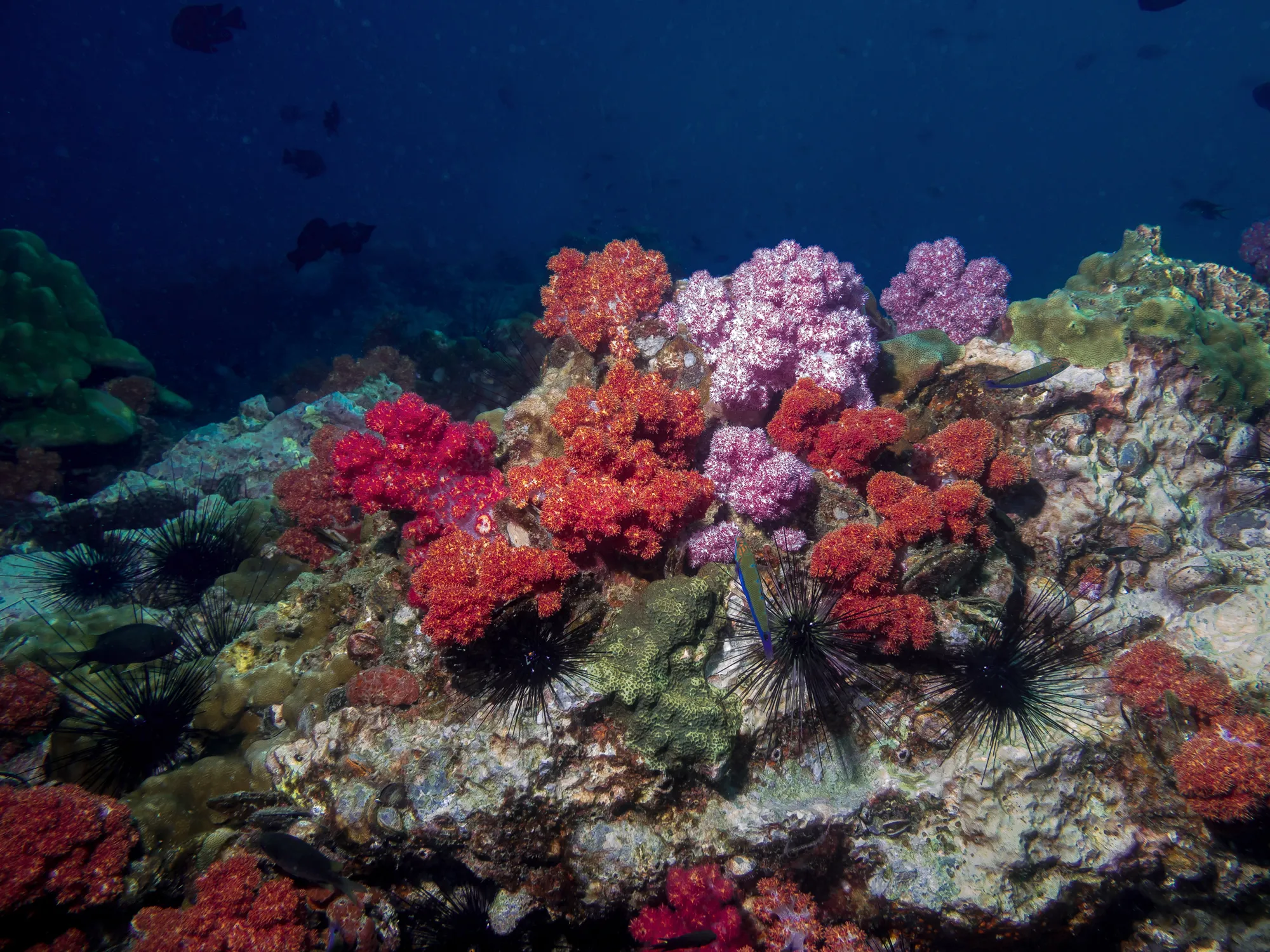
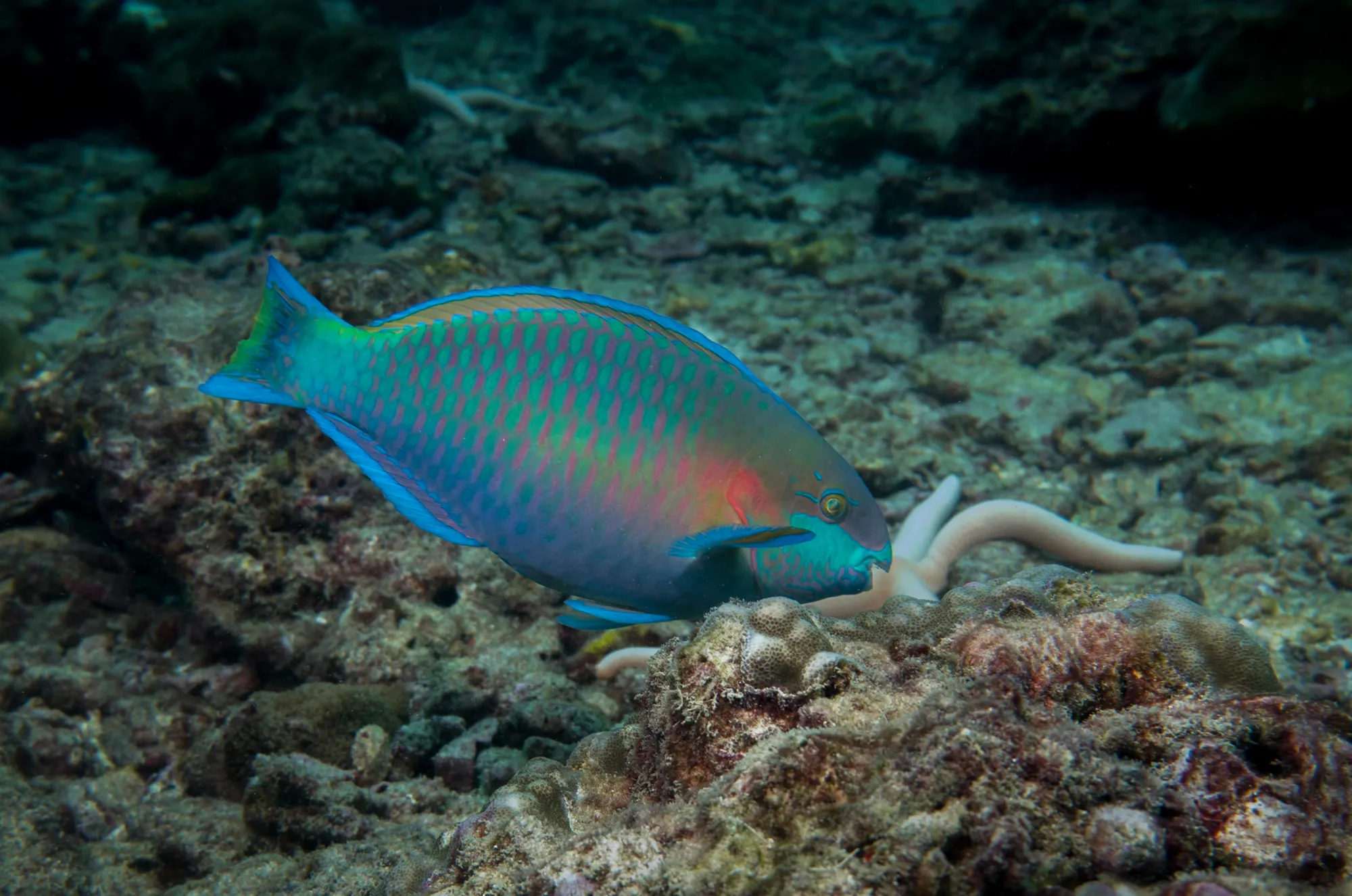
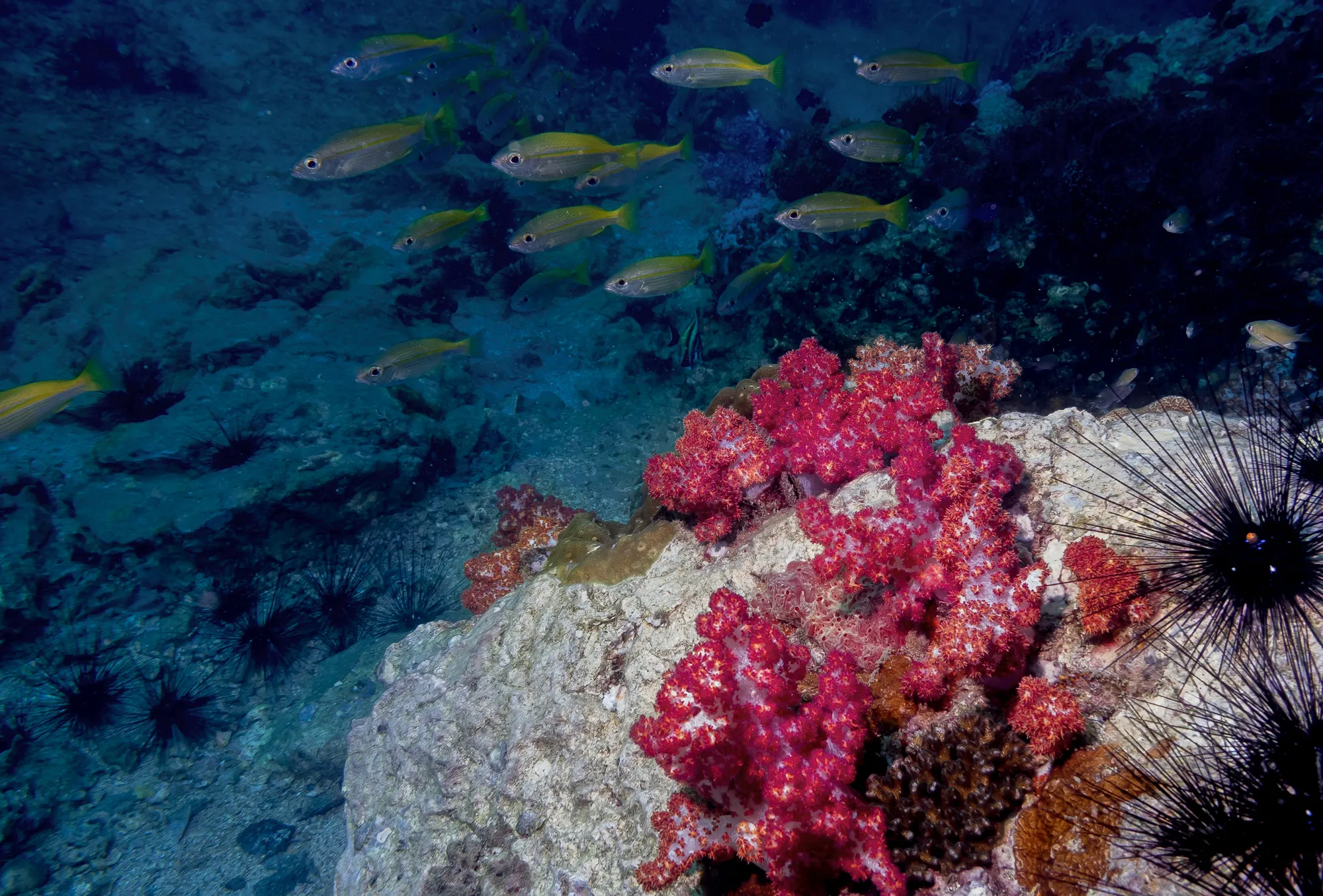
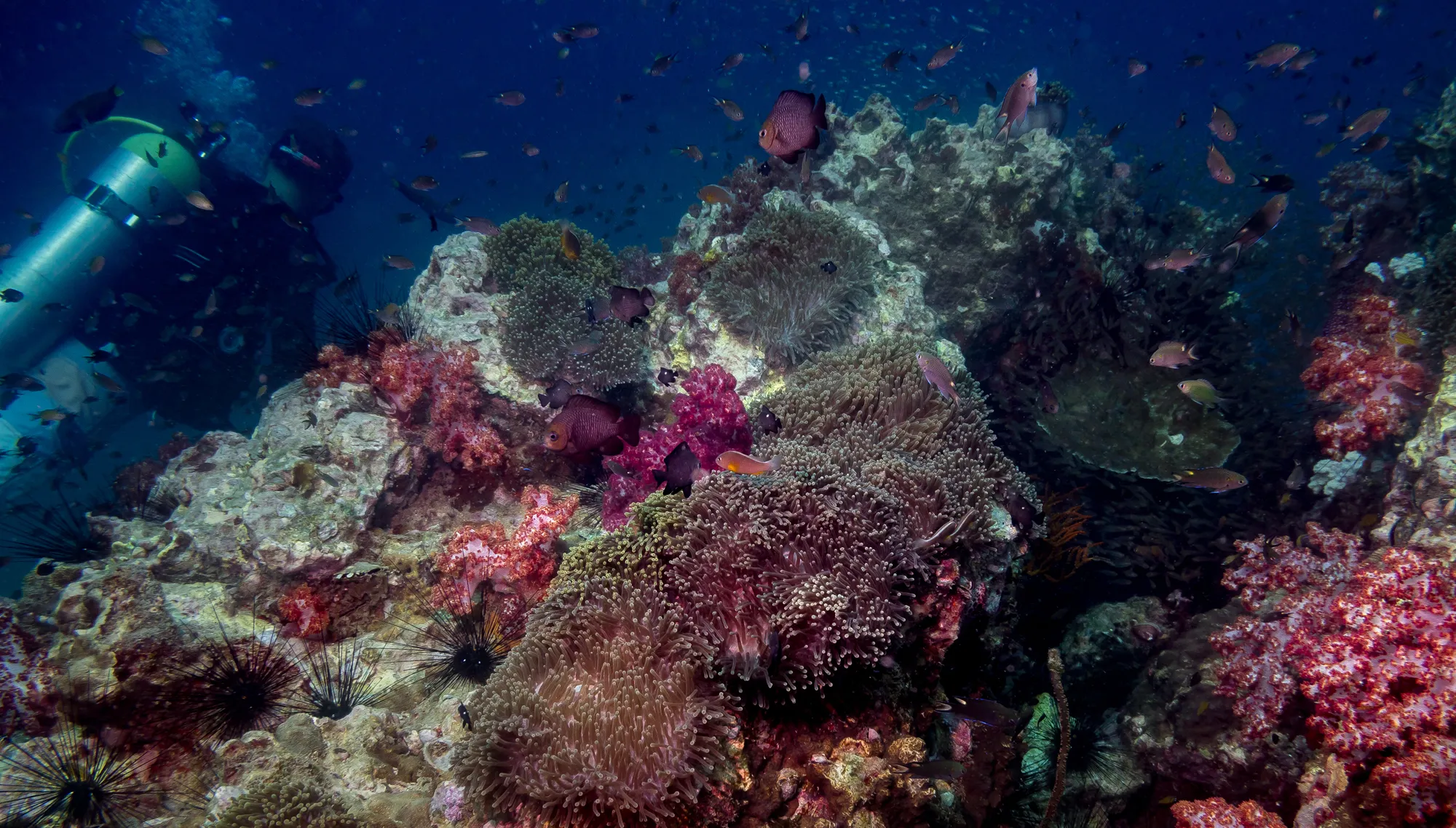
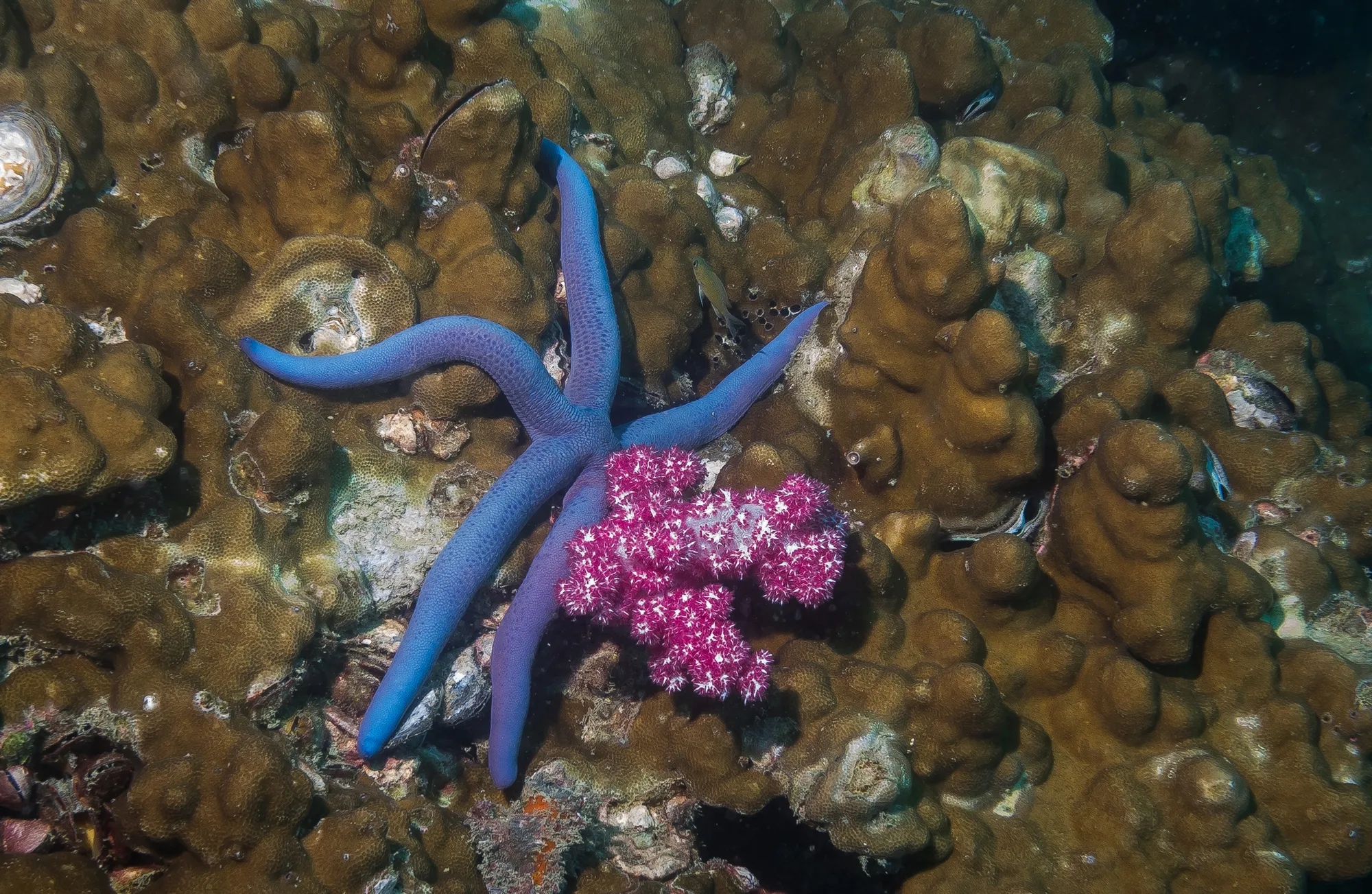
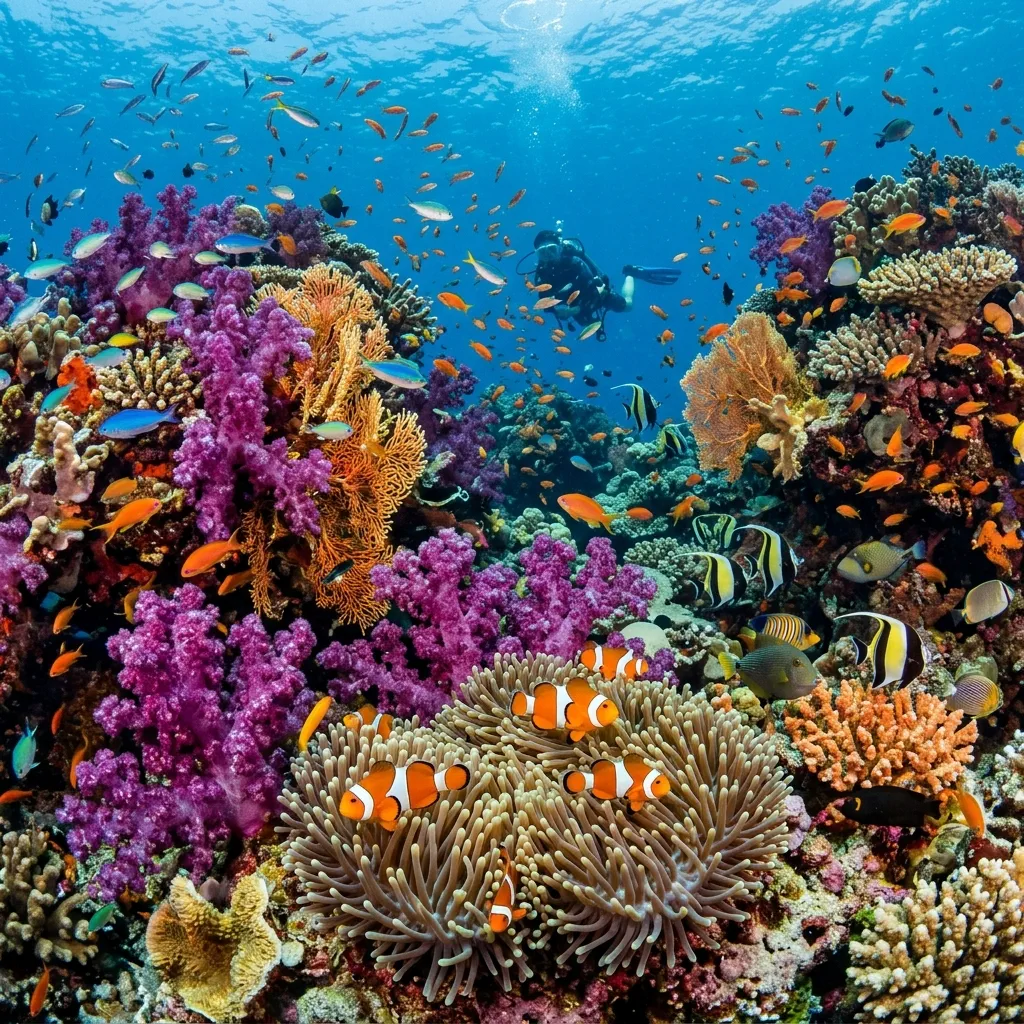
Despite the dramatic name, Shark Point is famous for one thing above all: colour. The pinnacles are blanketed in vivid soft corals, sea fans, and anemones, creating a living tapestry that photographers adore.
Key takeaway: Shark Point is a protected reef of limestone pinnacles, named for its resident leopard sharks and treasured for its dazzling coral life.
Where Is Shark Point Located?
Scuba Diving Phuket Diving with Sharks at Shark Point Phuket
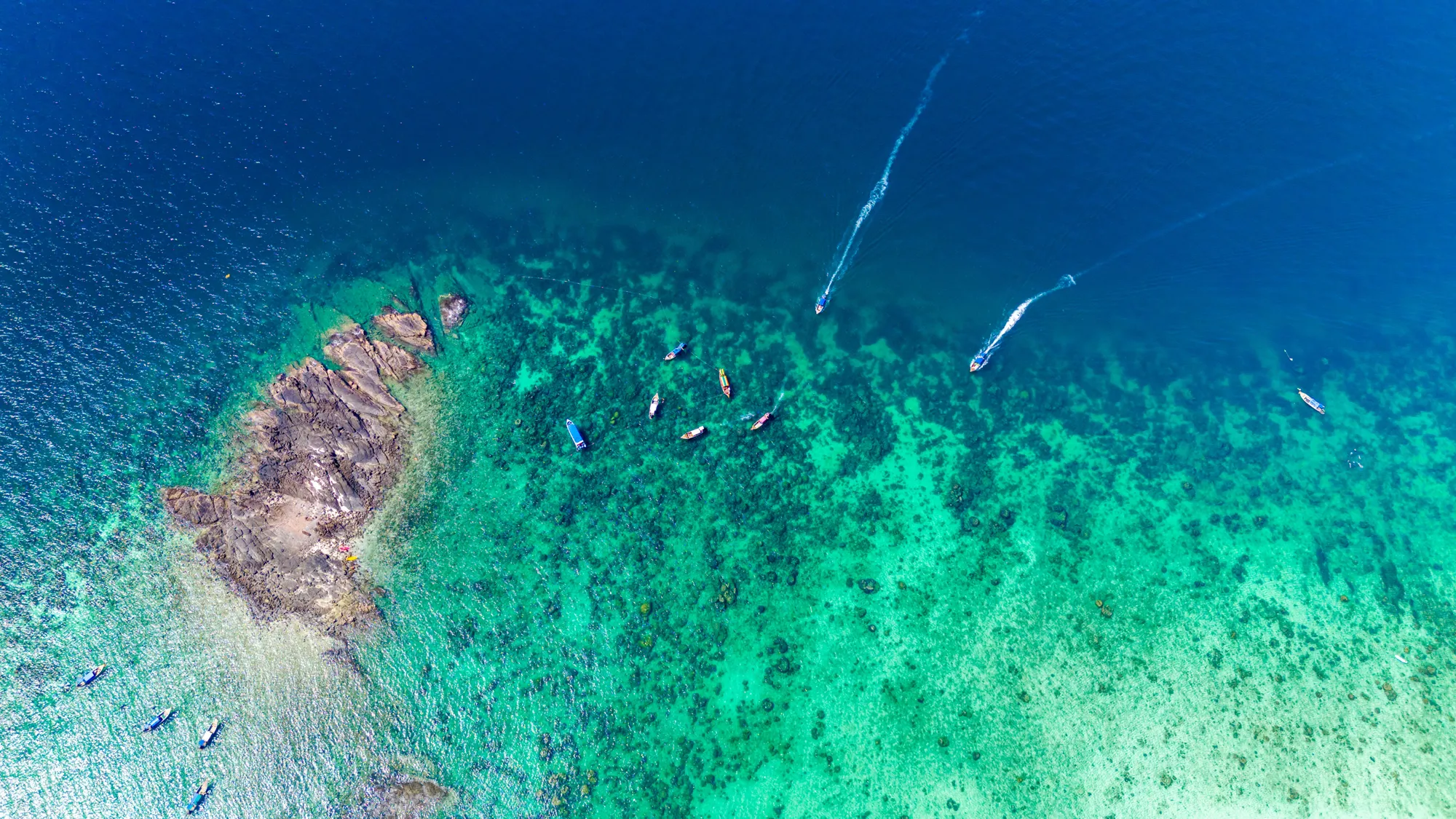
Shark Point sits roughly 20 kilometres east of Phuket, between the island and the mainland near Phi Phi. It lies within Hat Nopparat Thara–Mu Ko Phi Phi National Park, which means the area is carefully managed and protected.
Most dive trips depart from Phuket's east coast, with the boat journey taking around 60 to 90 minutes depending on the vessel and sea conditions.
Often paired with nearby sites
Shark Point rarely travels alone on a dive itinerary. Operators usually combine it with two neighbouring favourites:
Anemone Reef (Hin Jom): A submerged pinnacle carpeted with swaying anemones.
King Cruiser Wreck: A sunken passenger ferry now teeming with marine life.
Phi Phi Leh: Dramatic limestone cliffs drop into clear water, offering superb wall diving and vibrant reef scenes.
Koh Dok Mai: A striking vertical wall dive rich in sea fans, nudibranchs, and soft corals clinging to the rock face.
Bida Nok and Bida Nai: Twin islands near Phi Phi with colourful shallow reefs, caves, and a strong chance of turtle sightings.
This trio makes for a brilliant full-day diving adventure.
Jon Gibbons
Writer
May 16, 2026• 3 Comments
What Makes Shark Point So Special?
Some dive sites impress with a single highlight. Shark Point overwhelms you with several.
The first thing you'll notice is the explosion of colour. Purple soft corals drape across the rocks, while bright orange and yellow sea fans reach into the current. It feels less like an ocean floor and more like an underwater garden in full bloom.
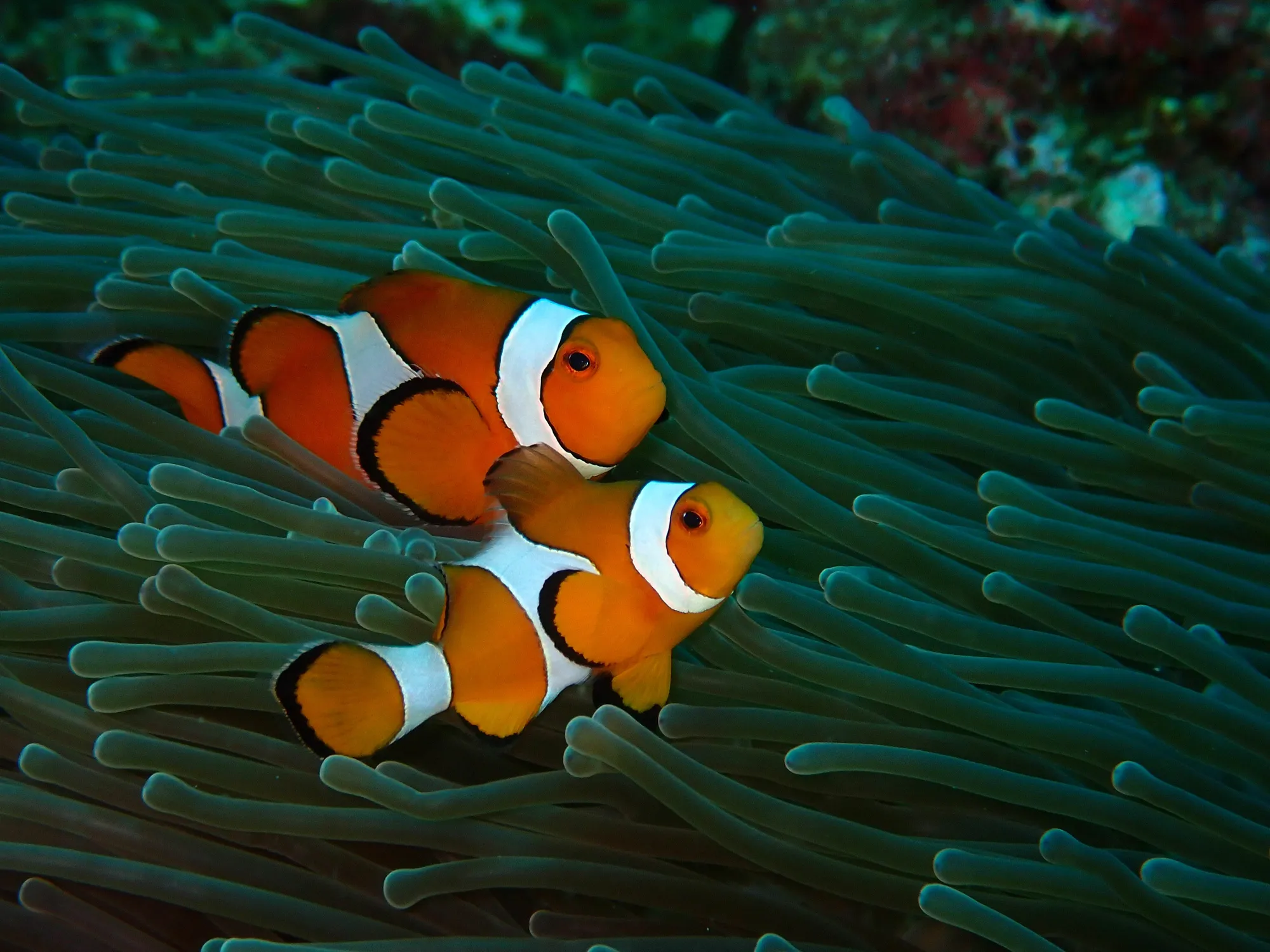
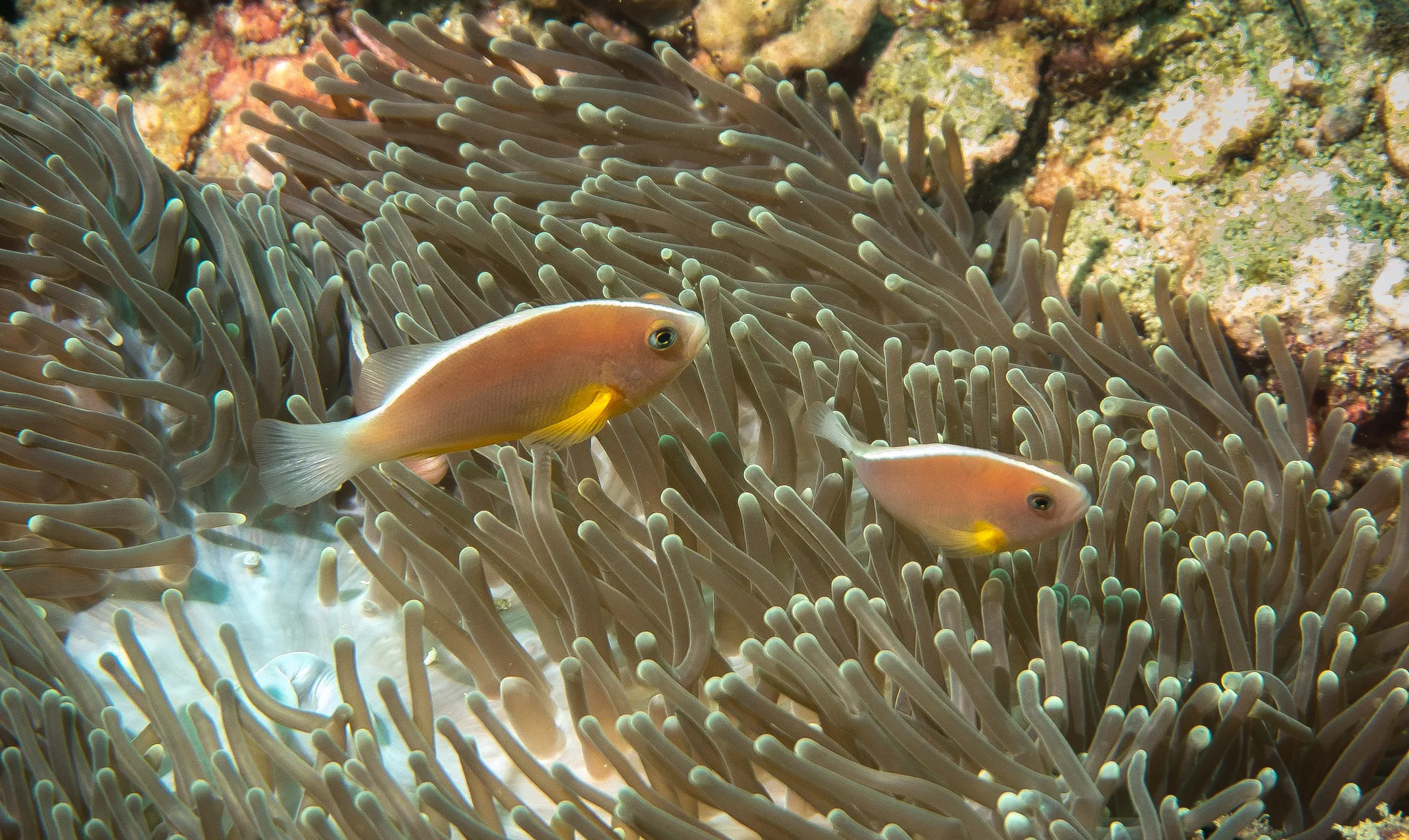
Then there's the sheer density of life. Schools of snapper shimmer past, while clownfish dart in and out of their anemone homes. Every crevice hides a surprise.
Finally, the chance of a leopard shark encounter keeps divers coming back. Spotting one resting peacefully on the sand is a quiet, unforgettable thrill.
Diving at Shark Point in Phuket
Marine Life You Might Encounter
Shark Point is a biodiversity hotspot. Keep your eyes moving, because there's always something to see.
Here's what divers commonly spot:
Leopard sharks, resting near the sandy base of the pinnacles
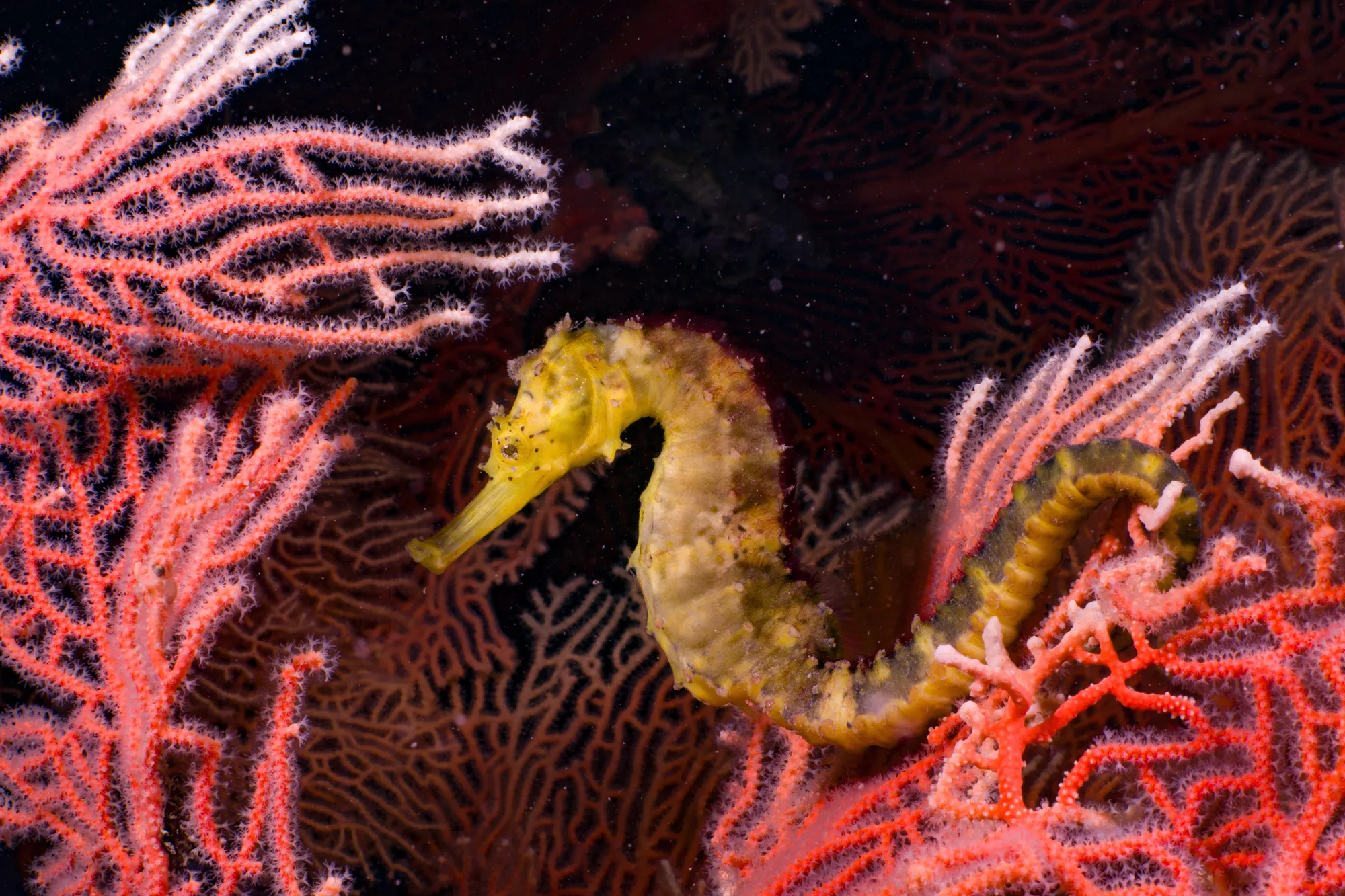
Seahorses clinging to soft corals, if you look closely
Moray eels peeking from rocky crevices
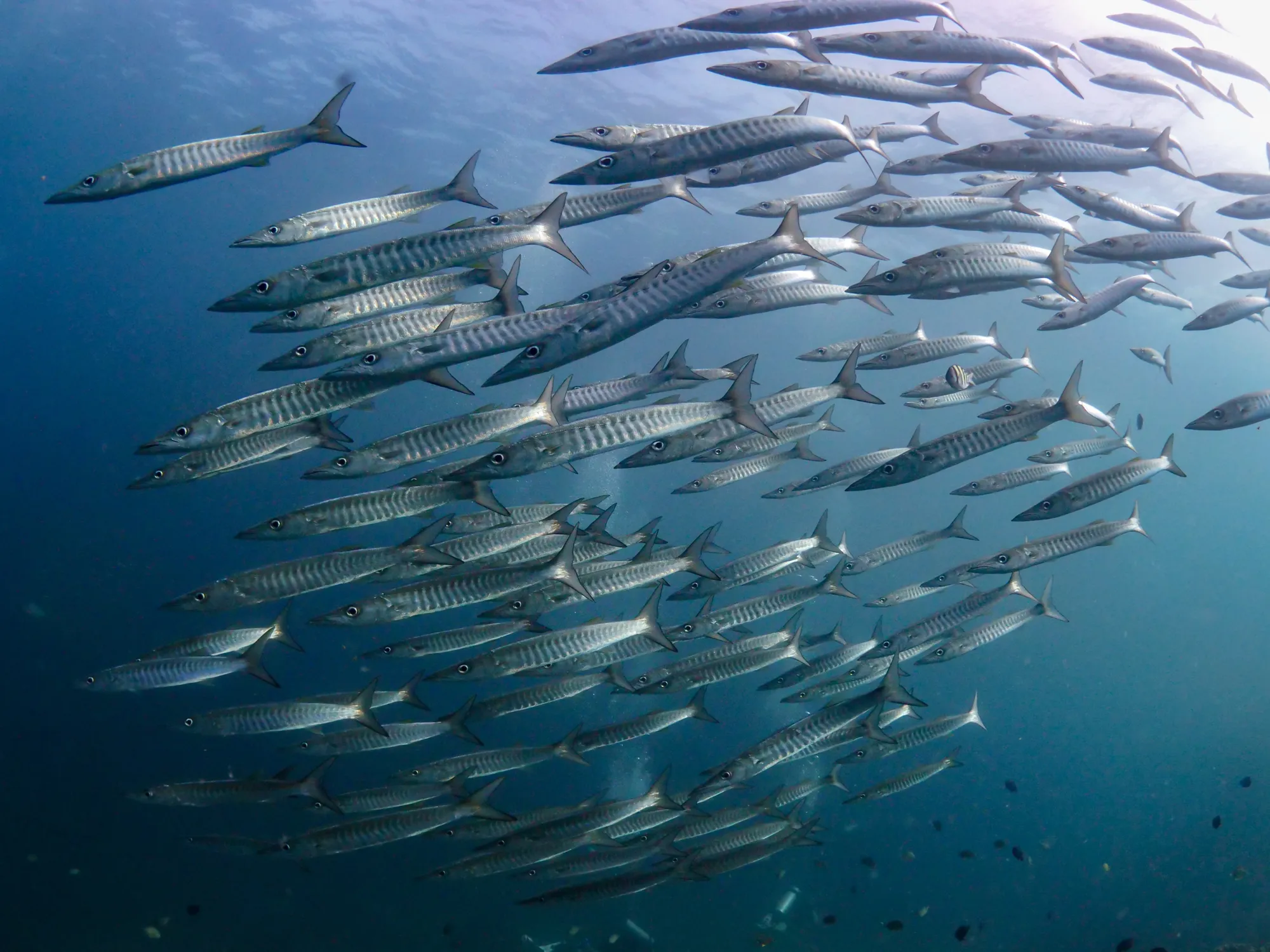
Schooling barracuda and snapper swirling in the blue
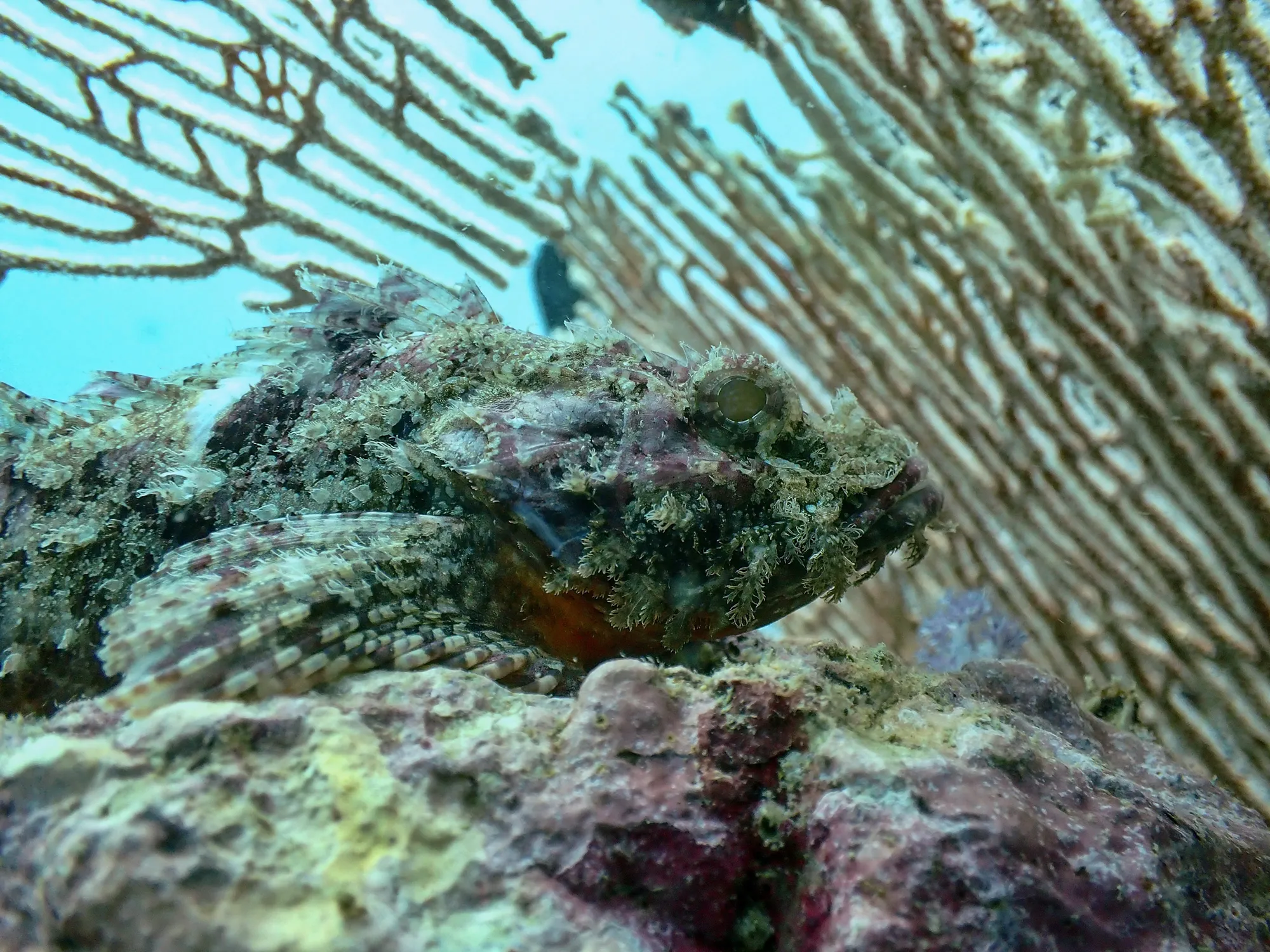
Lionfish and scorpionfish, beautifully camouflaged against the reef
Ghost pipefish and frogfish, prized finds for macro lovers
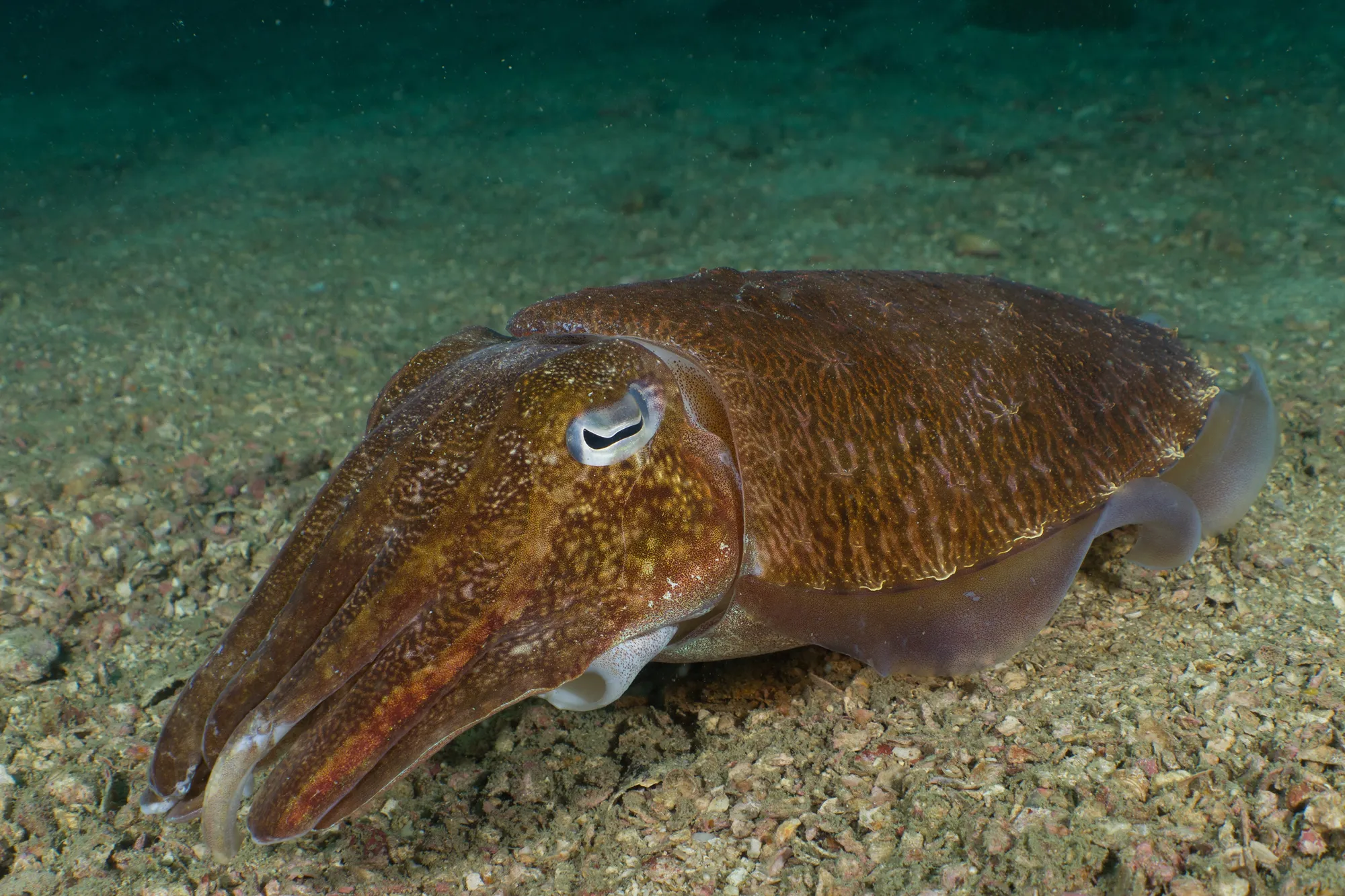
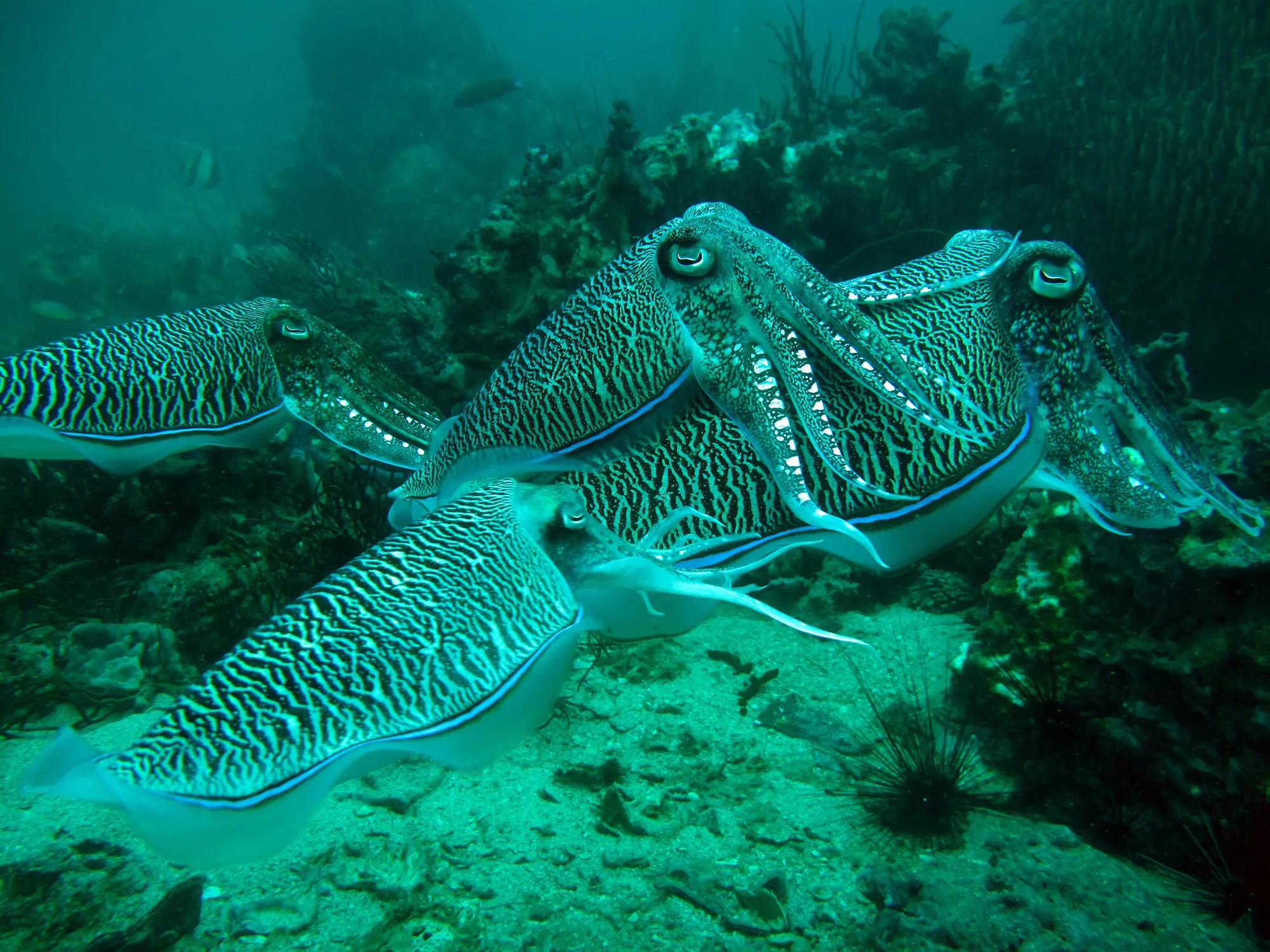
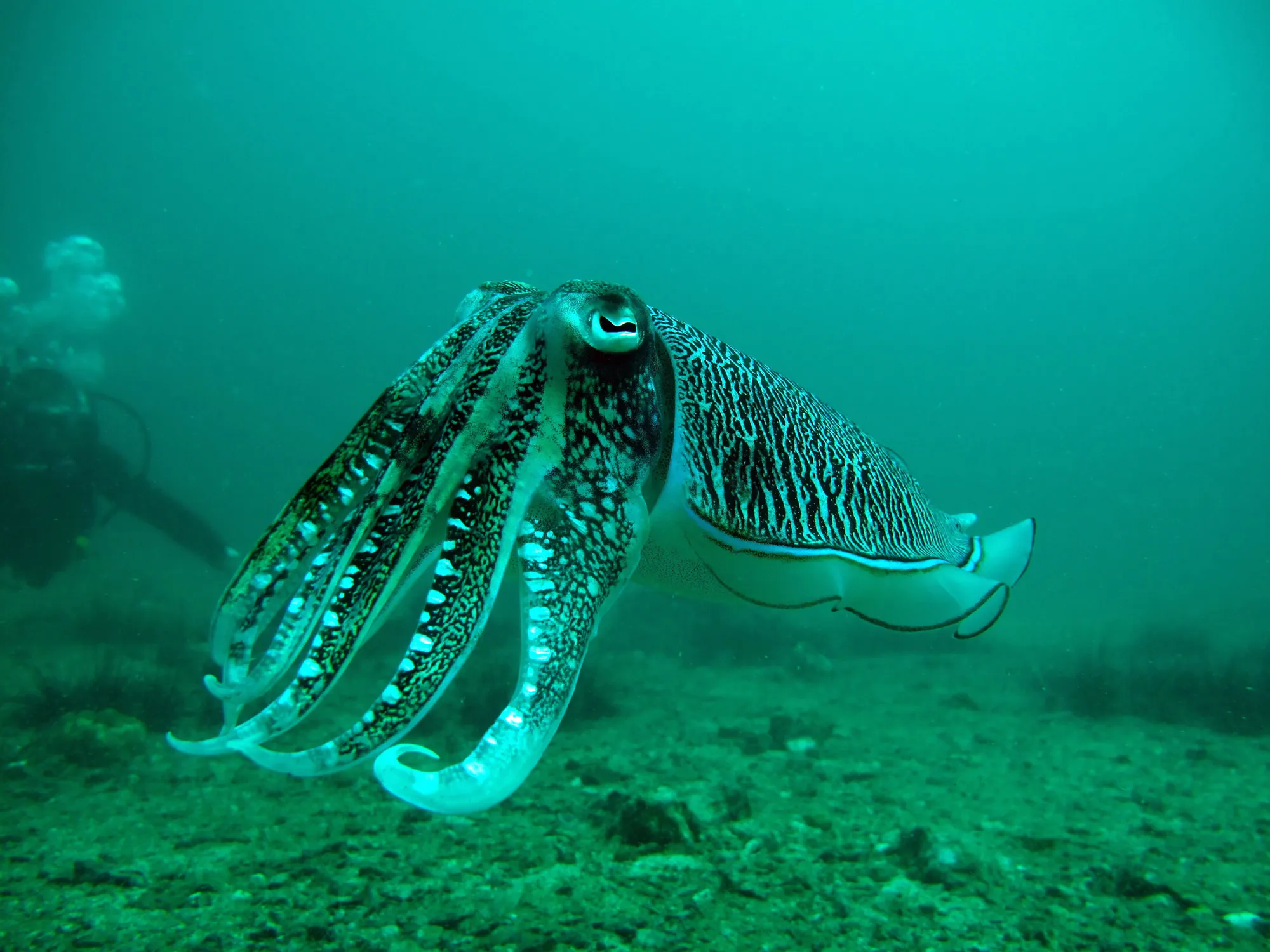
Cuttlefish and octopus, masters of disguise
Look for the small stuff as well as the big. Some of the most exciting sightings here are tiny critters tucked into the coral.
Key takeaway: From resting sharks to camouflaged frogfish, Shark Point rewards patient, observant divers with extraordinary variety.
Diving at Shark Point in Phuket
Diving Conditions at Shark Point
Knowing what to expect helps you plan the perfect dive day.
Depth and visibility
The pinnacles range from around 5 metres at the top to 25 metres or more at the base. This makes Shark Point suitable for a wide range of certifications.
Visibility typically sits between 10 and 30 metres, and it shifts with the season and tides.
Currents
Currents here can vary from gentle to moderate, occasionally stronger near the deeper pinnacles. They bring nutrient-rich water that feeds the reef, but they can also catch newer divers off guard.
Try this: Listen carefully to your dive guide's briefing and stay close to the group when the water picks up pace.
Best time to dive
The prime diving season runs from November to April, when seas are calm and visibility peaks. The monsoon months can bring rougher conditions, and some operators pause trips entirely.
Diving at Shark Point in Phuket
Who Is Shark Point Best Suited For?
Good news: this site welcomes a broad spread of divers.
Beginners: The shallow tops of the pinnacles offer calm, colourful diving on gentle days.
Intermediate divers: The mid-range depths and varied terrain provide plenty to explore.
Advanced divers: Deeper sections and occasional currents add an enjoyable challenge.
Photographers: With vibrant corals and abundant critters, this is a dream backdrop.
If you're newly certified, ask yourself whether you're comfortable with mild currents. If not, simply book a trip on a calmer day and dive with an experienced guide.
Practical Tips for Planning Your Dive Trip
A little preparation goes a long way toward a stress-free day on the water.
Choose a reputable dive operator
Pick a centre with strong reviews, well-maintained gear, and small group sizes. A good guide transforms an average dive into a brilliant one.
Book during the dry season
For the calmest seas and clearest water, aim for November to April. Early in the season often brings the best visibility.
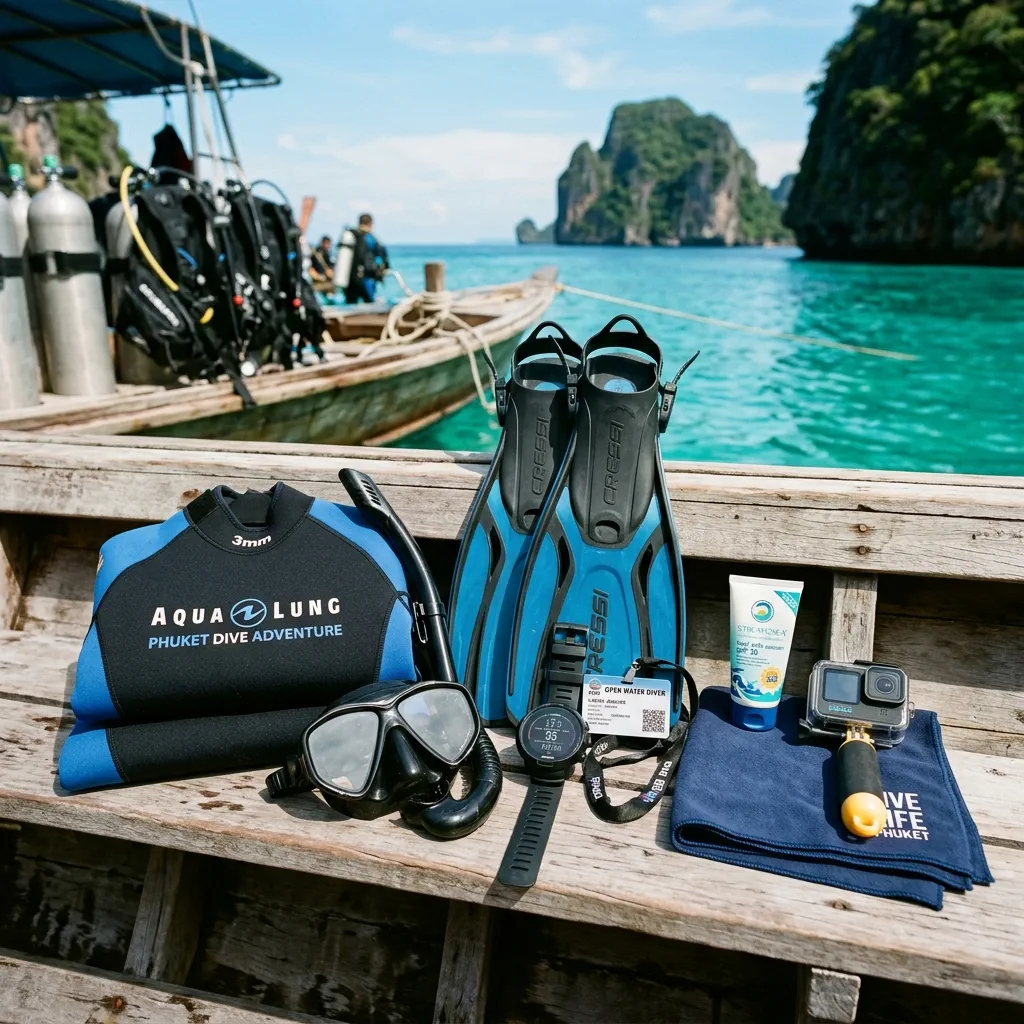
Pack the essentials
Reef-safe sunscreen
A logbook and certification card
A light wetsuit (3mm is usually plenty)
A camera or action cam, if you have one
Seasickness tablets for the boat ride, just in case
Avoid common mistakes
Many divers stumble on the same simple errors. Sidestep them:
Skipping the briefing. Conditions change, so always listen carefully.
Touching the coral. It's fragile, protected, and easily damaged.
Chasing the sharks. Stay calm and let them come to you.
Overestimating your comfort with currents. Be honest about your experience.
Key takeaway: Dive in the dry season, choose a trusted operator, respect the reef, and you'll set yourself up for an exceptional day.
Diving at Shark Point in Phuket
Ready to Explore Shark Point?
Shark Point packs everything a diver dreams of into one remarkable site: kaleidoscopic corals, curious critters, swirling schools of fish, and the gentle leopard sharks that give the place its name. It's accessible enough for newcomers yet rich enough to keep veterans returning year after year.
To make the most of it, start planning now. Book your trip for the November–April window, choose a well-reviewed dive operator, and make sure your certification and gear are ready to go. If you're newer to diving, schedule a couple of warm-up dives first so you can relax and soak in the spectacle.
Then all that's left is to descend, breathe slowly, and let one of Phuket's finest reefs work its magic. Once you've experienced Shark Point, you may already find yourself planning a return to the King Cruiser Wreck just next door.
What the day is like
Expect an early start and a full-day commitment, usually around 12 hours door to door. The day is structured around hotel pickup, transfer to the pier, a long but comfortable boat journey, three guided dives, meals onboard, and the return trip to Phuket.
A typical itinerary from your perspective
Early morning hotel pickup
Your day normally begins with a pickup from your hotel in popular Phuket areas such as Patong, Karon, Rawai, Chalong, Kata, or Nai Harn. You’ll usually travel by van to Chalong pier, which takes roughly 40 minutes, depending on where you’re staying and traffic.
From a tourist’s point of view, this part of the day is all about getting organized: bringing your towel, sunscreen, certification card, cash for extras, and anything you need to stay comfortable on the boat.
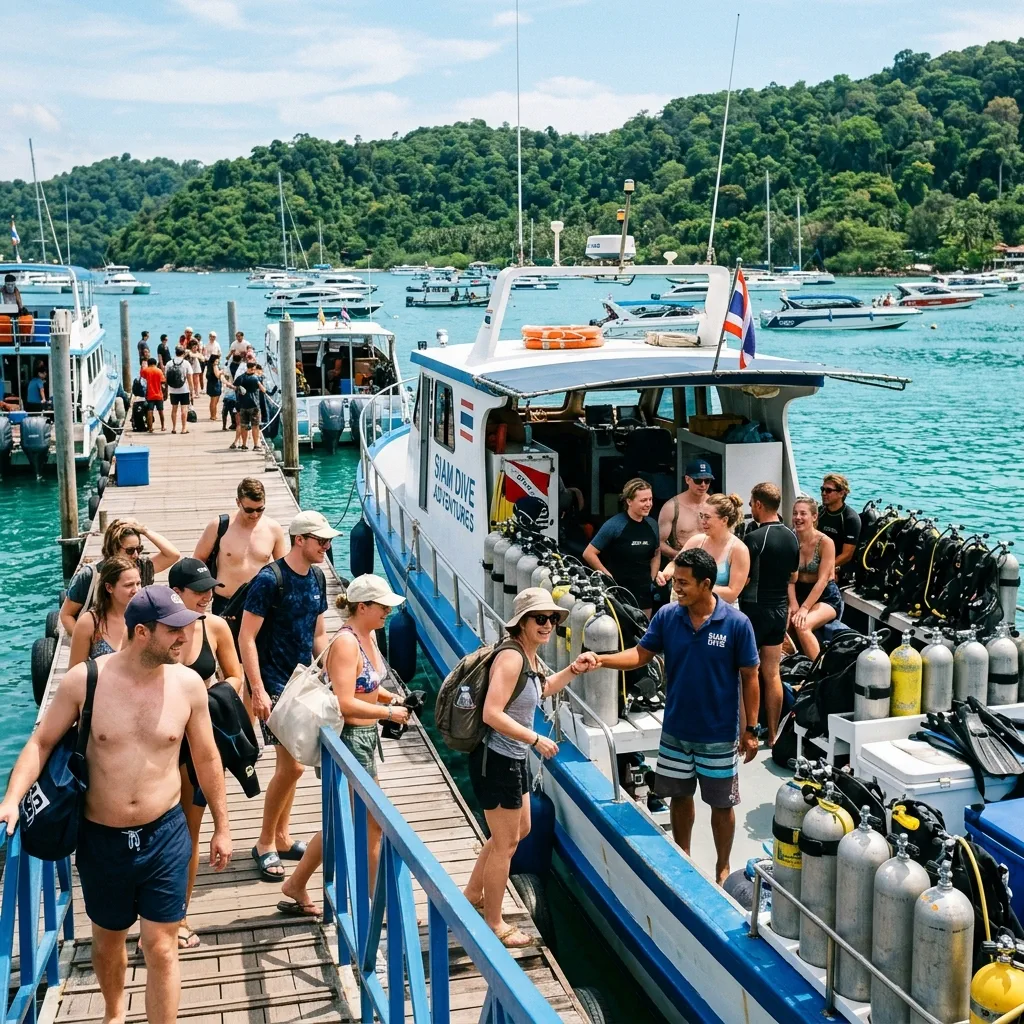
Arrival at the pier and boarding
Once you arrive at the pier, you’ll check in with the dive operator, meet the team, and get settled on the boat. This is usually when the crew helps with logistics, confirms your certification level, and explains the plan for the day.
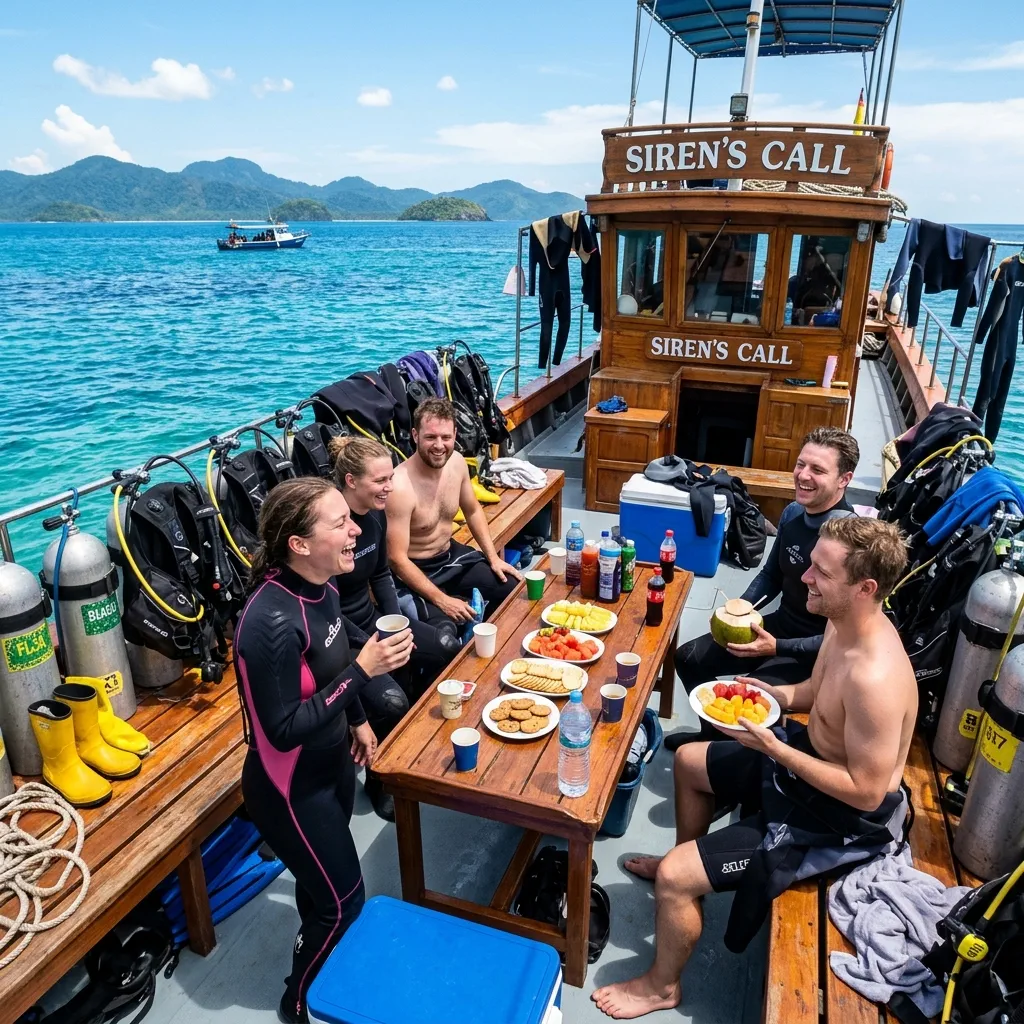
You can expect a more relaxed atmosphere once onboard. Many tours include breakfast, drinks, and a chance to set up gear or rent any equipment you didn’t bring.
Long boat ride out to the dive sites
After departure, there’s a fairly long journey to the dive area — the listing shows about 2.83 hours on the water before the first main stop.
From a traveler’s perspective, this stretch is part of the experience:
You’ll likely spend time on the sun deck or shaded seating area
The dive team may conduct briefings for the first site
You can eat, have coffee, chat with other divers, and enjoy the scenery
If you’re prone to seasickness, this is the point where medication really helps
Reviews on the listing suggest the boat is relatively comfortable and stable, with food and drinks available throughout the day.
First dive
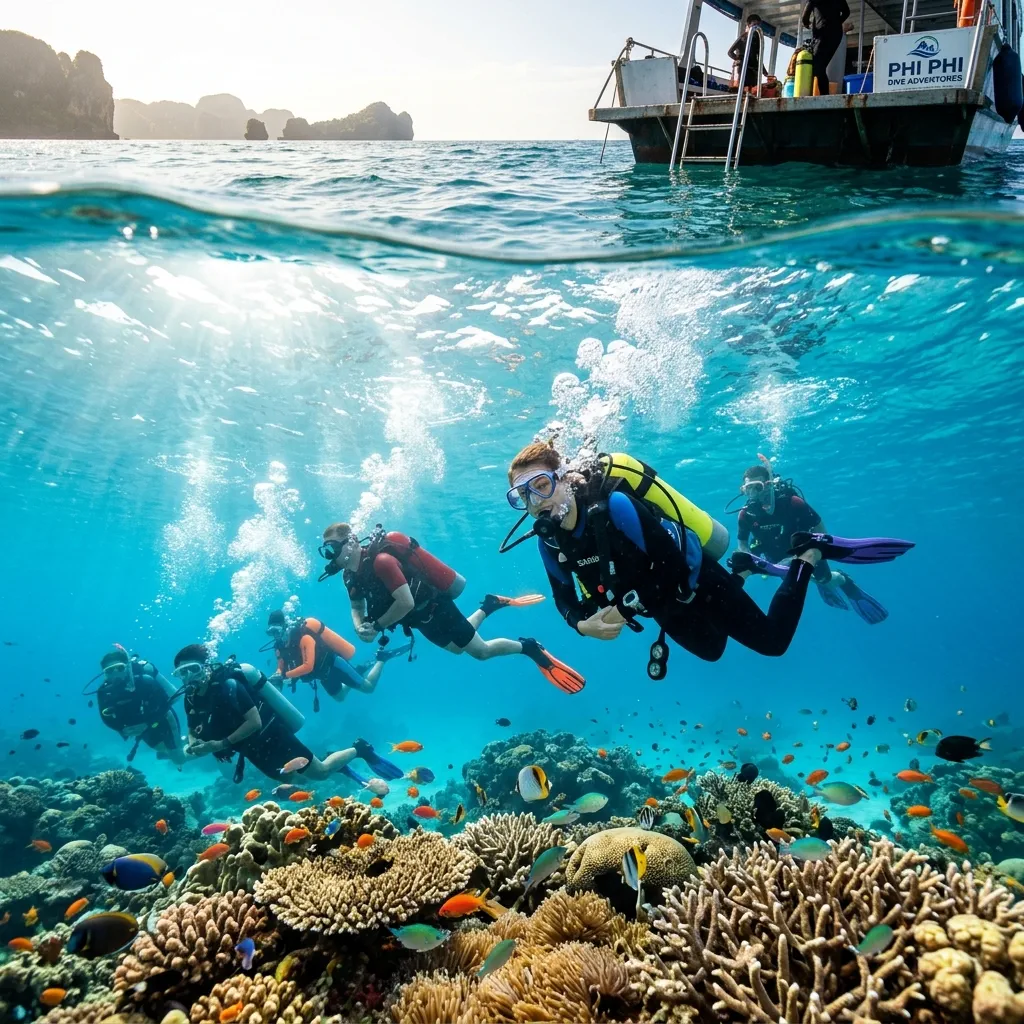
Your first dive is typically at a site around the Phi Phi area, with the listing indicating about 50 minutes underwater.
As a tourist, this is usually the most exciting part of the morning: gearing up, rolling into the water, and finally seeing the reefs and marine life you came for. Since this is a certified-diver trip, the pace assumes you already know the basics and are comfortable underwater.
After the dive, you’ll come back onboard, towel off, hydrate, and relax while the boat moves or resets for the next stop.
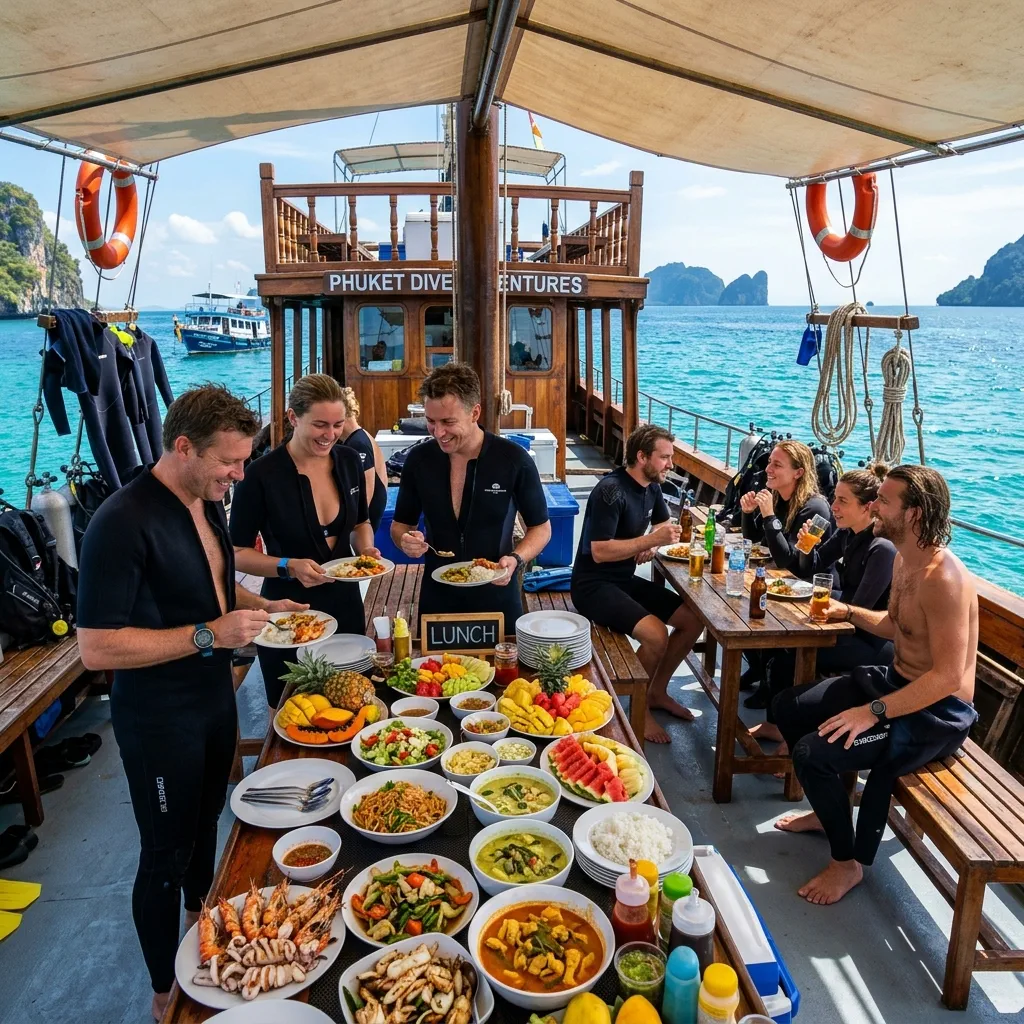
Lunch break onboard
After the first dive, there is usually a buffet-style lunch, with the listing allowing around 75 minutes for lunch.
This tends to be one of the most enjoyable parts of the day from a holiday perspective:
You get a proper break between dives
Food is already arranged, so there’s nothing to organize
You can sit back, enjoy the ocean views, and talk about what you just saw underwater
Many divers find this middle section of the day especially relaxing because the hard part — the early wake-up and first dive prep — is already behind them.
Second dive
The second dive is another roughly 50-minute dive, again around the Phi Phi area according to the itinerary.
By this point, you’re usually fully in the rhythm of the day. You know where your gear is, how the crew operates, and what to expect. Many travelers find the second dive to be the most enjoyable because they’re more relaxed and settled in.
Surface interval and snacks near Shark Point
Later in the day, the boat heads toward Shark Point, where the itinerary includes an 80-minute break with local snacks before the final dive.
From a tourist perspective, this is a nice pause:
You rest between dives
Snack and drink service helps recharge your energy
The crew will likely brief you on Shark Point conditions, currents, and what marine life to watch for
This is also when anticipation builds, since Shark Point is often one of the headline sites of the trip.
Third dive at Shark Point
The final dive is at Shark Point, listed at around 50 minutes.
This is usually the grand finale of the day. Tourists often expect vibrant reef scenery, abundant fish life, and the possibility of seeing standout marine life such as sharks, eels, nudibranchs, and other reef creatures, depending on conditions and luck. Reviews on the page specifically mention guides pointing out marine animals like nudibranchs, eels, and sharks.
By the end of this dive, most people are pleasantly tired and ready to warm up, eat again, and enjoy the ride back.
Return journey to Phuket
After the third dive, the boat heads back, with the listing showing about 100 minutes on the return water transfer, followed by the van ride back to your hotel.
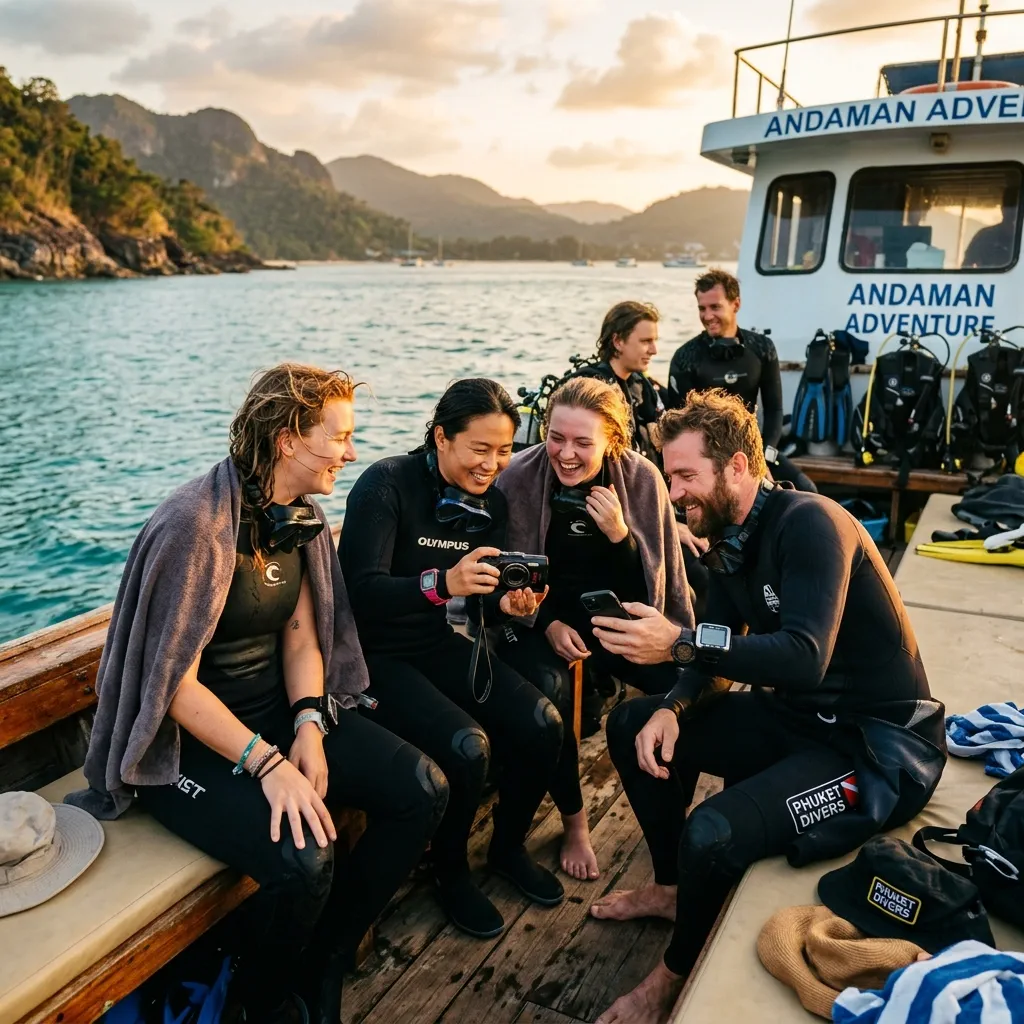
This last leg tends to feel quiet and easygoing. Most tourists spend it:
looking through underwater photos
chatting about favorite sightings
snacking or having another drink
resting on deck after a long day in the sun and sea
Diving at Shark Point in Phuket
What’s usually included
According to the tour page, the day generally includes:
hotel pickup and drop-off
3 scuba dives
instructor guidance
tanks, weights, and weight belts
breakfast
lunch
snacks
water, soft drinks, tea, and coffee
underwater photos
What you may need to pay extra for
Some costs are listed separately and payable on the day in cash:
scuba equipment rental
dive computer rental
national park fee
So from a tourist’s perspective, while much of the day is organized for you, it’s smart to bring enough cash for these extras.
Who this is best for
This day tour is best suited to travelers who:
are already certified divers
are comfortable with a long day at sea
want a structured experience where transport, meals, and dive planning are handled for them
enjoy full-day excursions rather than short half-day outings
It’s not aimed at beginners without certification, non-swimmers, or people with certain medical limitations.
Diving at Shark Point in Phuket
What to bring
The listing recommends bringing:
towel
biodegradable sunscreen
beachwear
cash
passport or copy
diving certification
motion sickness prevention
From a practical holiday perspective, I’d also say bring a dry change of clothes and expect to be out all day.
The overall experience in one sentence
From a tourist’s point of view, it’s a well-organized, full-day boat diving adventure where most of the logistics are handled for you, and your main job is to show up early, stay comfortable, and enjoy three dives around Phi Phi and Shark Point.
Frequently Asked Questions
Do I need a specific certification to dive Shark Point?
You'll need at least an Open Water certification to join most Shark Point dive trips. The site suits a wide range of experience levels — the shallow tops of the pinnacles sit at around 5 metres, making them perfectly manageable for newly qualified divers, while the deeper sections drop beyond 25 metres and offer more of a challenge for Advanced Open Water divers and above. If you're planning to explore the full depth range or dive on a day when currents are running, an Advanced certification gives you far more flexibility. That said, even beginners can have a brilliant time here on a calm day with an experienced guide — just be honest about your comfort level when you book, and let the dive operator match you to the right conditions.
When is the best time of year to dive Shark Point?
The prime season runs from November to April, when the Andaman Sea settles into its calmest state and visibility regularly reaches 20 to 30 metres. This dry season window gives you the best chance of clear water, gentle currents, and a full day on the boat without weather disruptions. The monsoon months from May to October can bring rougher seas and reduced visibility, and some operators suspend trips to Shark Point altogether during the worst of the swell — so if you're planning a dedicated diving holiday, the dry season is absolutely the time to go.
Divers at Shark Point are regularly treated to an impressive cast of marine life. Leopard sharks are the headline act — you'll often find them resting calmly on the sandy seabed around the limestone pinnacles. Beyond that, keep your eyes peeled for moray eels tucked into rocky crevices, seahorses clinging to soft corals, schools of barracuda and snapper swirling overhead, and well-camouflaged lionfish and scorpionfish blending into the reef. Macro enthusiasts often get particularly excited here, with ghost pipefish, frogfish, cuttlefish, and octopus all making regular appearances. The variety is genuinely remarkable — whether you're scanning the big blue or hovering close to the coral, there's always something worth stopping for.
Got some burning questions before you book? Here are the answers to what divers most commonly ask about Shark Point, from certification requirements to what to do if the sharks swim right past you.
What certification level is best for Shark Point?
Open Water is the minimum, and it's enough for the shallower sections of the reef, which sit at around 5 metres. However, an Advanced Open Water certification opens up the deeper pinnacles — beyond 25 metres — and gives you much more flexibility on days when currents pick up. If you plan to dive the full depth range or visit during periods of stronger water movement, the Advanced qualification makes the whole experience more relaxed and rewarding.
How deep is Shark Point, and how long are the dives?
The pinnacles rise to as shallow as 5 metres at the top and drop to 25 metres or more at the base, giving you a good spread of depth options in a single dive. Most dives here run for around 45 to 55 minutes depending on your air consumption and depth profile. Staying shallower naturally extends your bottom time, which is well worth considering given how much there is to see on the upper reef.
What marine life can I expect to see?
Shark Point consistently delivers. Leopard sharks are the star attraction, often spotted resting motionlessly on the sandy seabed. Beyond them, you'll commonly encounter moray eels in rocky crevices, schooling barracuda and snapper in the blue water above, seahorses clinging to soft corals, and cuttlefish drifting along the reef. Lionfish and scorpionfish blend masterfully into the coral, and patient macro divers are often rewarded with ghost pipefish, frogfish, and octopus. Every dive tends to throw up something different, which is a big part of why divers return repeatedly.
Are the sharks at Shark Point dangerous?
Not at all. The sharks found at Shark Point are leopard sharks, also known as zebra sharks. They are docile, slow-moving reef dwellers that pose no threat to divers. They spend most of their time resting on the seabed and are generally unbothered by people in the water — as long as you don't chase or crowd them. The golden rule is to stay calm, keep your distance, and let them come to you. That patient approach almost always leads to a far better encounter.
What are the currents like, and how should I handle them?
Currents at Shark Point range from gentle to moderate on most days, with the potential for stronger flows near the deeper sections of the pinnacles. They're not predictable from one dive to the next, which is why listening carefully to your dive guide's briefing before entering the water is essential. If conditions pick up mid-dive, the safest approach is to stay close to the reef, reduce your depth slightly, and follow your guide. Experienced dive leaders know this site well and will adjust the dive plan if needed.
How clear is the water at Shark Point?
Visibility varies with the season and tides but typically sits between 10 and 30 metres. At its best — usually between November and February — the water can be exceptionally clear, with sunlight illuminating the soft corals in vivid colour. During the tail end of the monsoon season, visibility can drop, and currents may carry some sediment. Booking during the dry season gives you the best odds of pristine conditions.
When is the best time to dive Shark Point?
November to April is the prime window. During these months the Andaman Sea is at its calmest, visibility is at its peak, and day trips run reliably. The early part of the dry season — November and December — often offers the sharpest visibility. May to October brings the southwest monsoon, which can mean rougher seas, reduced clarity, and disruptions to trip schedules. If Shark Point is a priority on your diving wish list, plan around the dry season.
How long does a typical day trip take?
Expect a full day commitment of around 12 hours from hotel pickup to drop-off. You'll typically be collected early morning, transferred by van to Chalong pier, then spend roughly three hours on the boat before reaching the first dive site. The day includes three dives, a full buffet lunch, snacks between dives, and a surface interval near Shark Point before the final dive. The return journey takes around 100 minutes on the water, followed by the van transfer back to your accommodation.
Do I need to bring my own equipment?
You don't have to, but you can. Most operators provide tanks, weights, and weight belts as standard. Full scuba equipment — wetsuit, BCD, regulator, mask, and fins — is usually available to rent for an additional fee payable in cash on the day. A dive computer can also be hired separately. If you have your own well-fitted gear, bringing it will enhance your comfort and save you money over multiple days of diving.
What should I bring on the day?
Pack light but smart. The essentials include your diving certification card, a passport or copy for park entry, a towel, beachwear, and biodegradable sunscreen — standard sunscreen is harmful to coral and not permitted in the national park. Bring enough cash for any equipment rental, the national park fee, and incidentals. A lightweight wetsuit or rash vest is useful even in warm tropical water, and if you're prone to seasickness, take your medication before boarding — the open water crossing can be choppy on windy days.
Is there a national park entry fee?
Yes. Shark Point sits within Hat Nopparat Thara–Mu Ko Phi Phi National Park, and a park entry fee applies. This is typically charged separately and paid in cash on the day — around 600 THB per person at the time of writing, though fees can change. Your dive operator will confirm the current amount when you book. Make sure you have enough cash with you, as it cannot be paid by card on the boat.
Can I bring an underwater camera?
Absolutely, and Shark Point is one of the best dive sites in Phuket for underwater photography. The combination of vivid soft corals, calm leopard sharks, and a wealth of macro subjects makes every dive worth documenting. A compact camera or action cam in a waterproof housing is ideal. Many tours also include underwater photos taken by the dive team as part of the package, so even if you don't bring your own, you won't go home empty-handed.
How long should I wait before flying after diving at Shark Point?
The general guidance from dive training agencies is a minimum of 12 hours after a single dive and at least 18 hours after multiple dives before flying. On a three-dive day trip, your last dive surfaces at around 3:30 pm, which means you should plan to fly no earlier than the following morning. This is not a rule to bend — flying too soon after diving significantly increases the risk of decompression sickness.
Is Shark Point suitable for solo travellers?
Shark Point is a very sociable dive site. Day trips typically run on shared boats with small to medium groups, and the onboard atmosphere tends to be friendly and welcoming. Solo travellers are paired with the dive guide or another buddy as a matter of course. It's a great environment to meet other diving enthusiasts, share sightings, and swap stories over lunch.
What happens if conditions change on the day?
Dive site selection is always subject to weather and sea conditions on the morning of departure. If Shark Point is inaccessible due to swell or strong currents, your operator will substitute it with another equally impressive site in the area — often one of the Phi Phi dive spots or nearby alternatives. Reputable operators are transparent about this and will always prioritise diver safety over sticking rigidly to an itinerary.
Gallery
Reader Feedback (6)
Jon Gibbons
Etiam pretium, magna eget feugiat finibus, tellus massa pellentesque nisi, non malesuada nulla nunc vel ligula. Sed finibus enim eu nulla tempus, vitae tincidunt dolor semper. Praesent fringilla, metus at convallis sagittis.
Michael Carter
Vestibulum ante ipsum primis in faucibus orci luctus et ultrices posuere cubilia curae; Donec vel erat in nulla efficitur tempor non ut nisl. Integer venenatis eros ut dui viverra fermentum.
Sophie Wilson
Nam ut turpis hendrerit, varius nunc vel, elementum dui. Morbi vulputate dolor sit amet scelerisque egestas. Vestibulum eleifend nunc ut bibendum fermentum.
Contact
Necessitatibus eius consequatur ex aliquid fuga eum quidem sint consectetur velit



































Reader Feedback (6)
Jon Gibbons
Etiam pretium, magna eget feugiat finibus, tellus massa pellentesque nisi, non malesuada nulla nunc vel ligula. Sed finibus enim eu nulla tempus, vitae tincidunt dolor semper. Praesent fringilla, metus at convallis sagittis.
Michael Carter
Vestibulum ante ipsum primis in faucibus orci luctus et ultrices posuere cubilia curae; Donec vel erat in nulla efficitur tempor non ut nisl. Integer venenatis eros ut dui viverra fermentum.
Sophie Wilson
Nam ut turpis hendrerit, varius nunc vel, elementum dui. Morbi vulputate dolor sit amet scelerisque egestas. Vestibulum eleifend nunc ut bibendum fermentum.