White Water Rafting in Phang Nga: Your Wild Day in Paradise
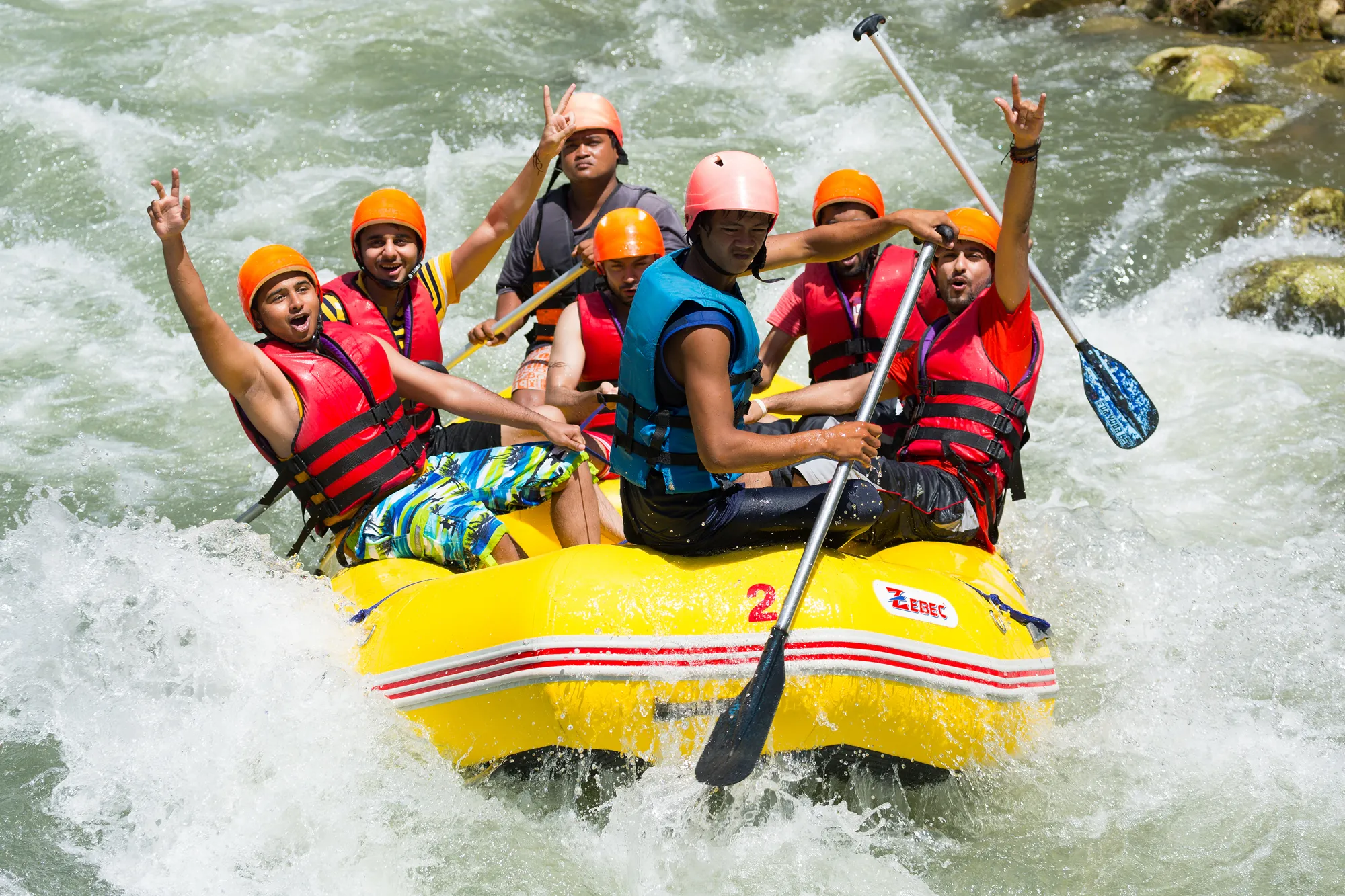
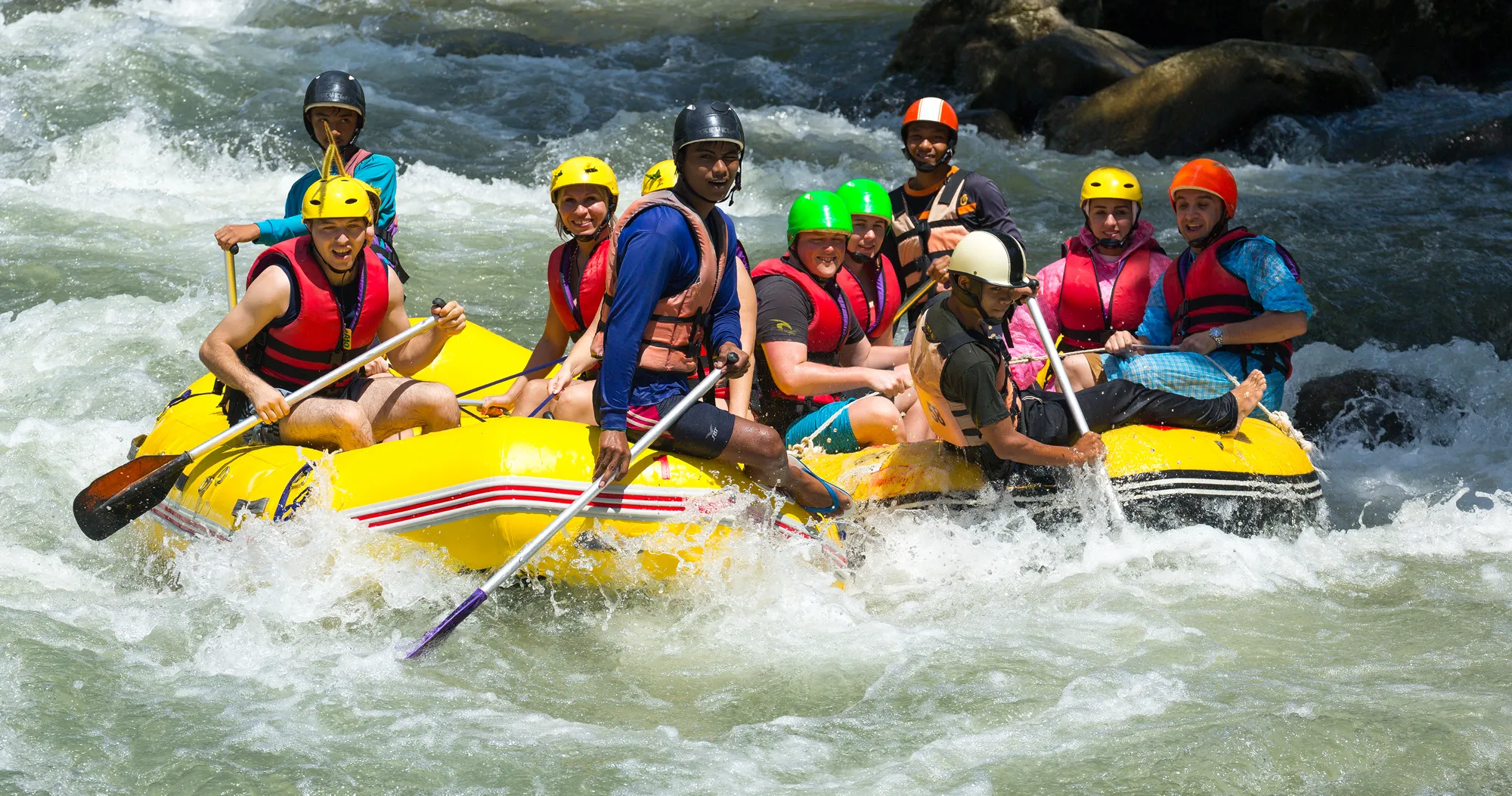
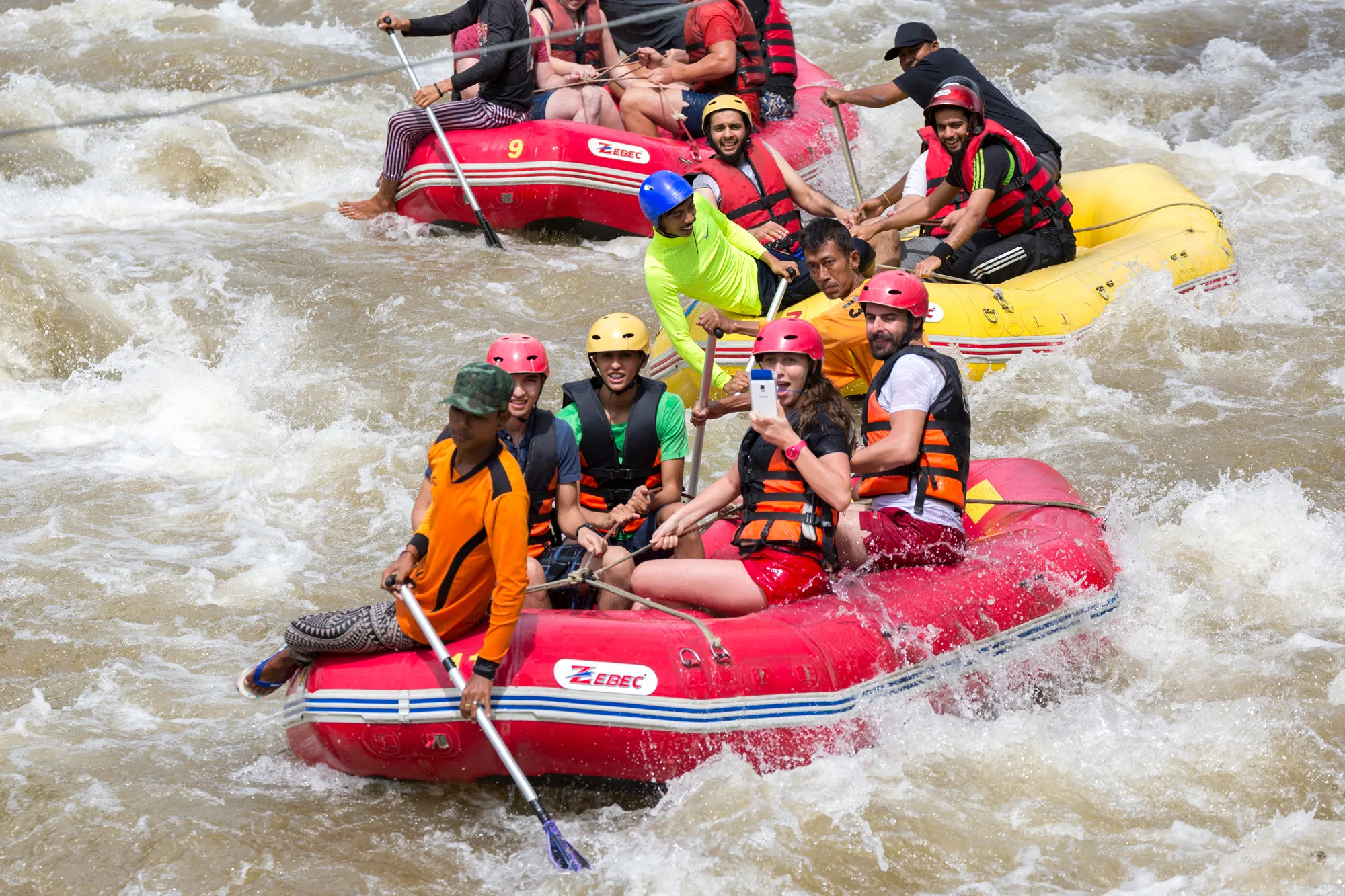
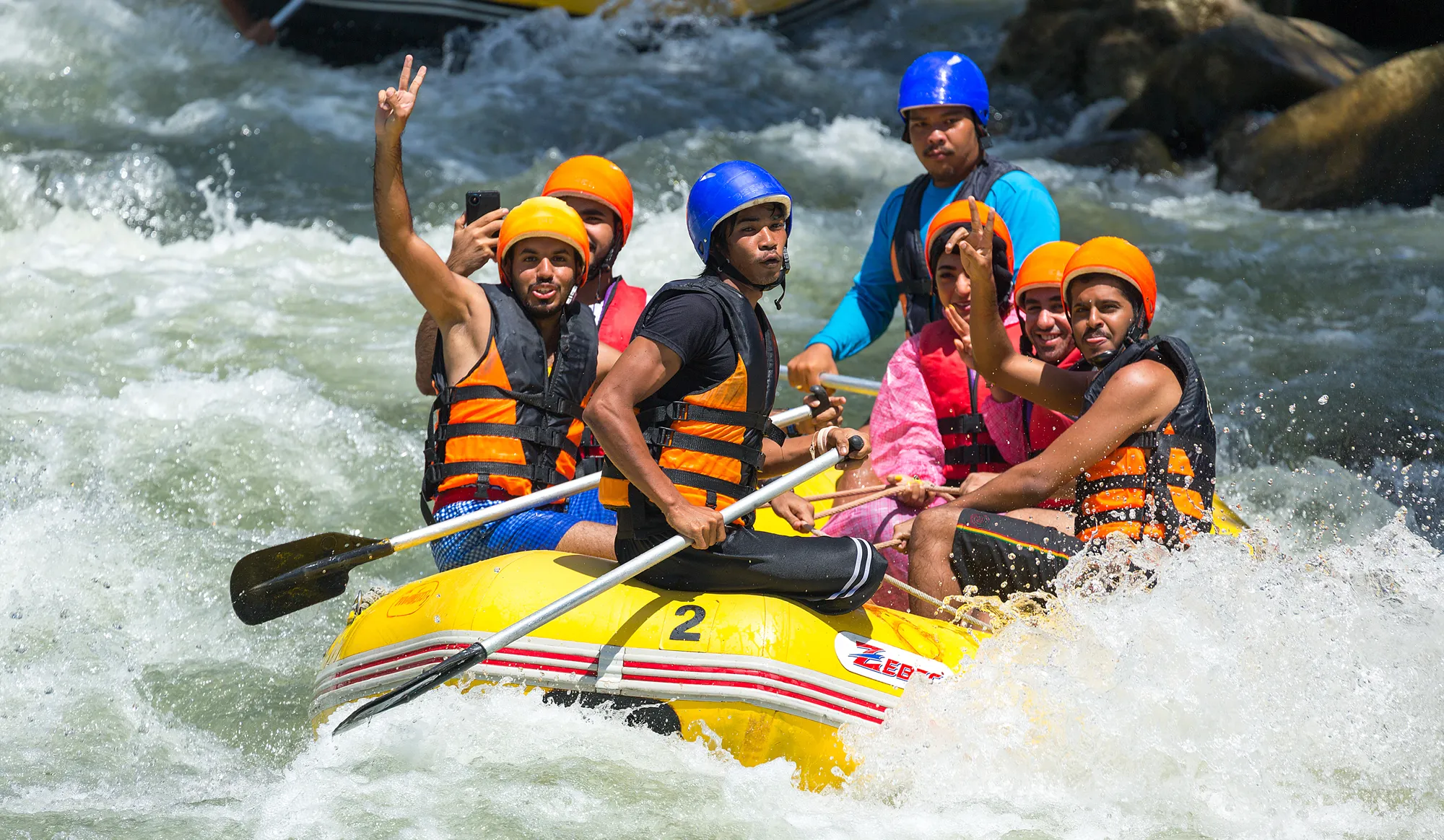
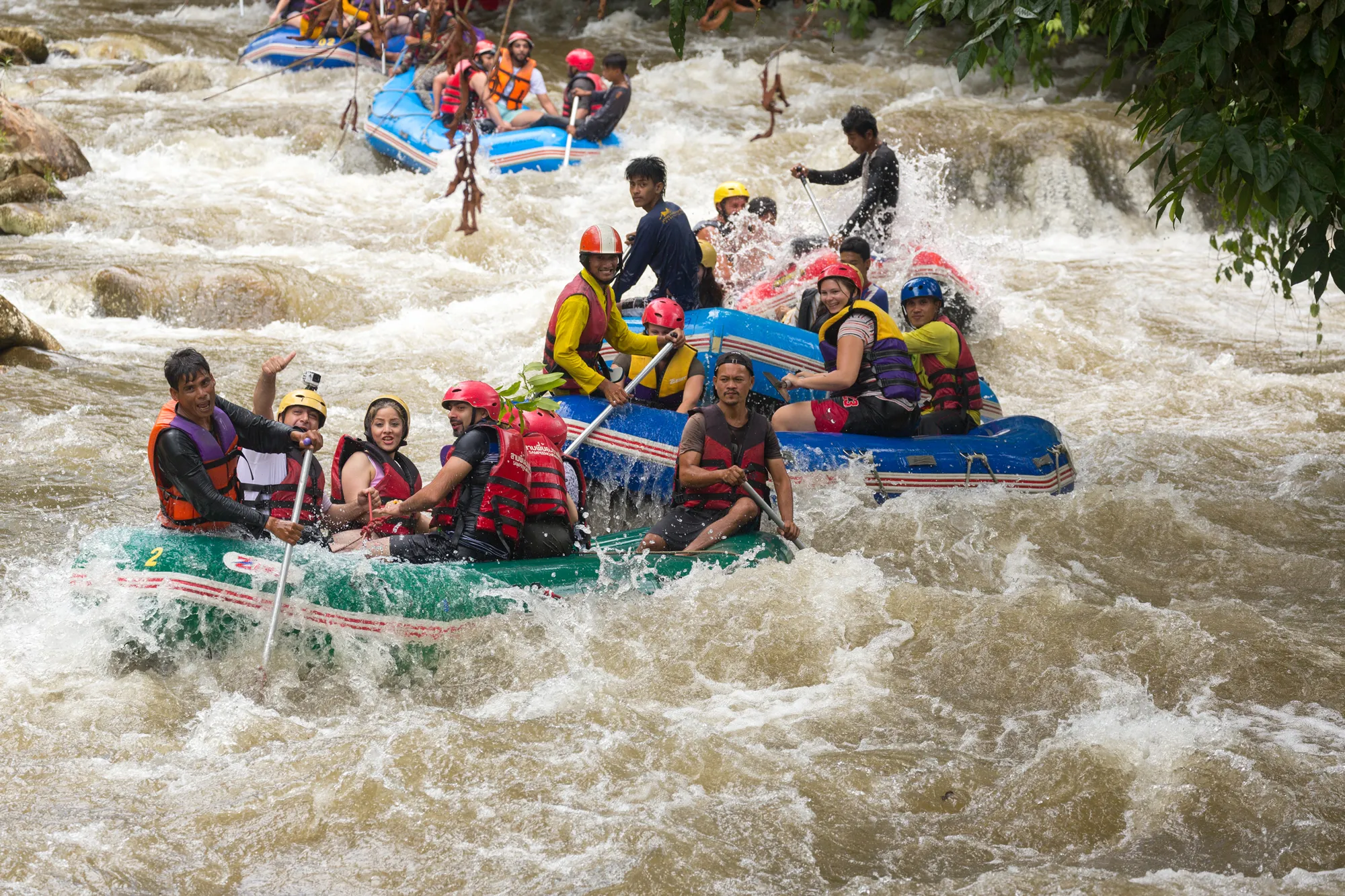
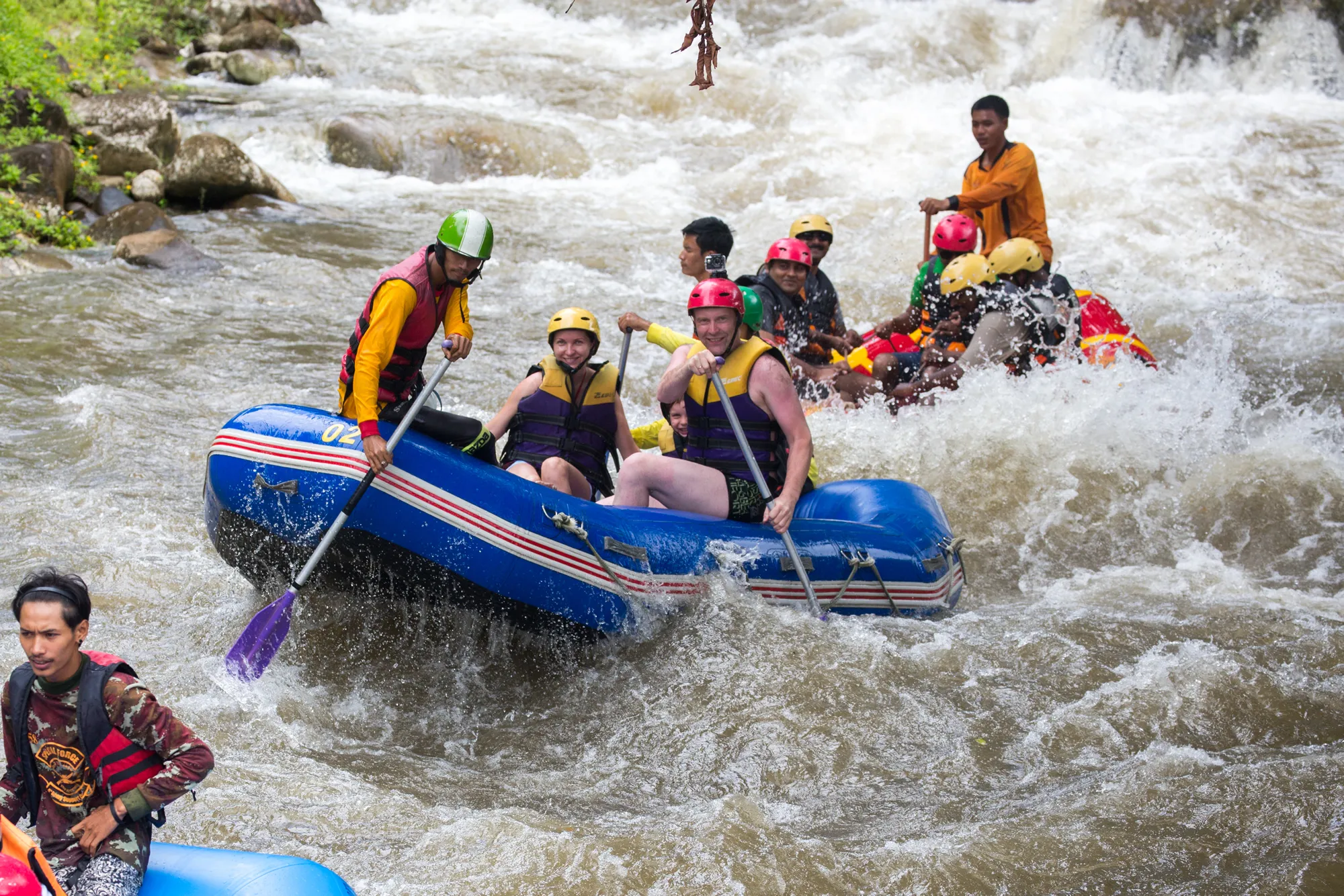
Imagine the rush of cool river water against your raft, towering limestone cliffs draped in emerald jungle, and the laughter of your crew as you bounce through a series of splashy rapids. A white water rafting tour near Phang Nga Bay isn't just an activity — it's the kind of day you'll talk about long after your tan fades.
Whether you're a first-timer or a seasoned thrill-seeker, this adventure blends natural beauty, gentle excitement, and stress-free convenience. Here's everything you need to know before you book.
Bangla Road
Bangla Road: Where the night comes alive with endless thrills and unforgettable memories!
There's a reason rafting tops the list for so many visitors to Phuket and Phang Nga. Here's what makes it special:
Stunning scenery. You'll glide past dense rainforest, dramatic rock formations, and hidden waterfalls that feel a world away from the busy beaches.
Adventure for all levels. The rapids are exciting without being extreme, making this perfect for families, couples, and groups of friends.
Hassle-free planning. Most tours include hotel pickup, all your gear, expert guides, and a tasty local lunch — so you simply show up and enjoy.
A genuine connection with nature. Far from the crowds, you'll hear birdsong, breathe fresh jungle air, and spot tropical plants along the riverbanks.
Bragging rights. Few holiday stories beat conquering a river surrounded by some of Thailand's most beautiful landscapes.
What to Expect Before and During
Before you go, you'll receive confirmation of your pickup time and meeting point. There's no special training required — just a willingness to get wet and have fun.
On arrival, the team handles everything. Your guides are experienced, English-speaking, and genuinely passionate about the river. The briefing covers all the basics, so even nervous beginners feel ready.
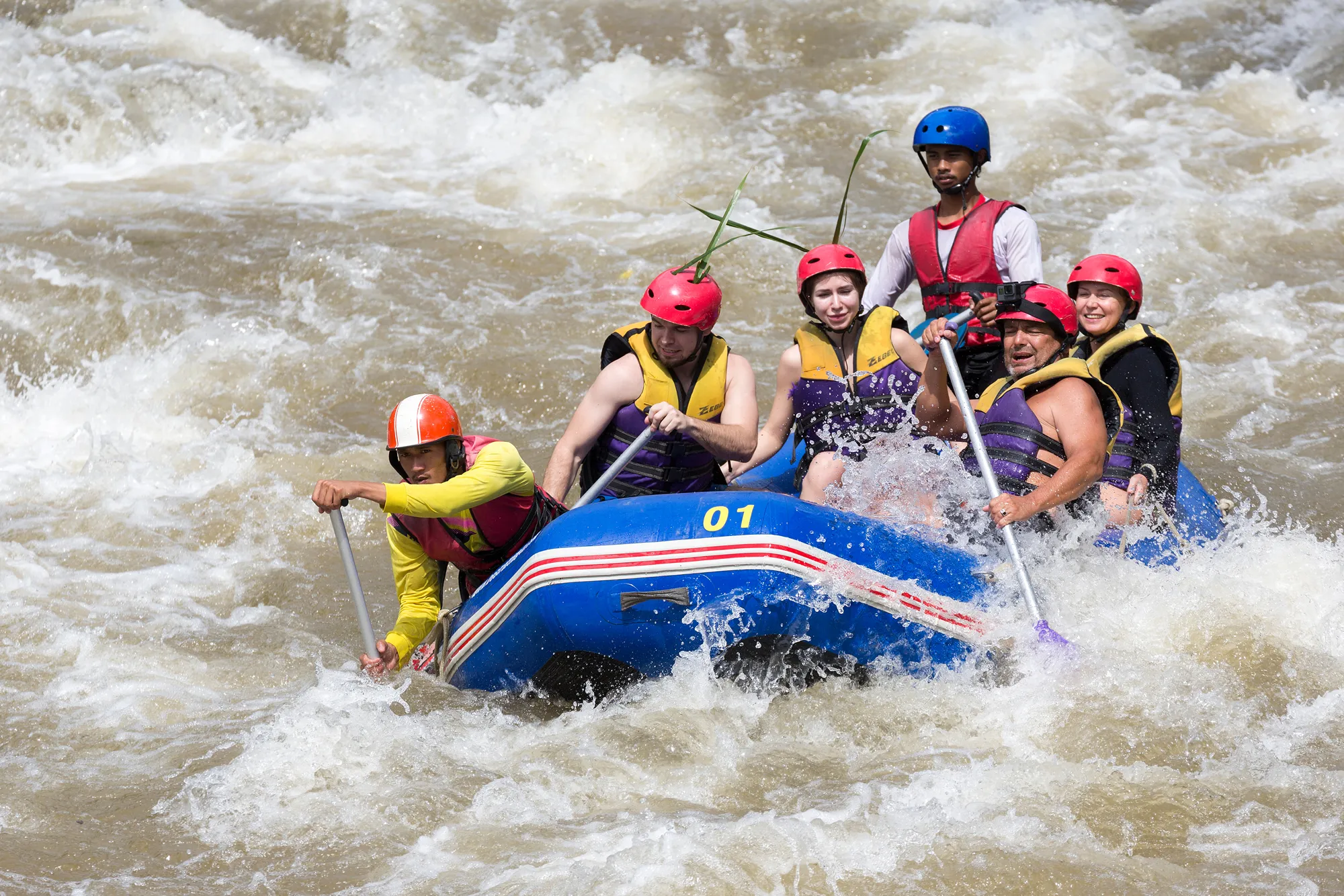
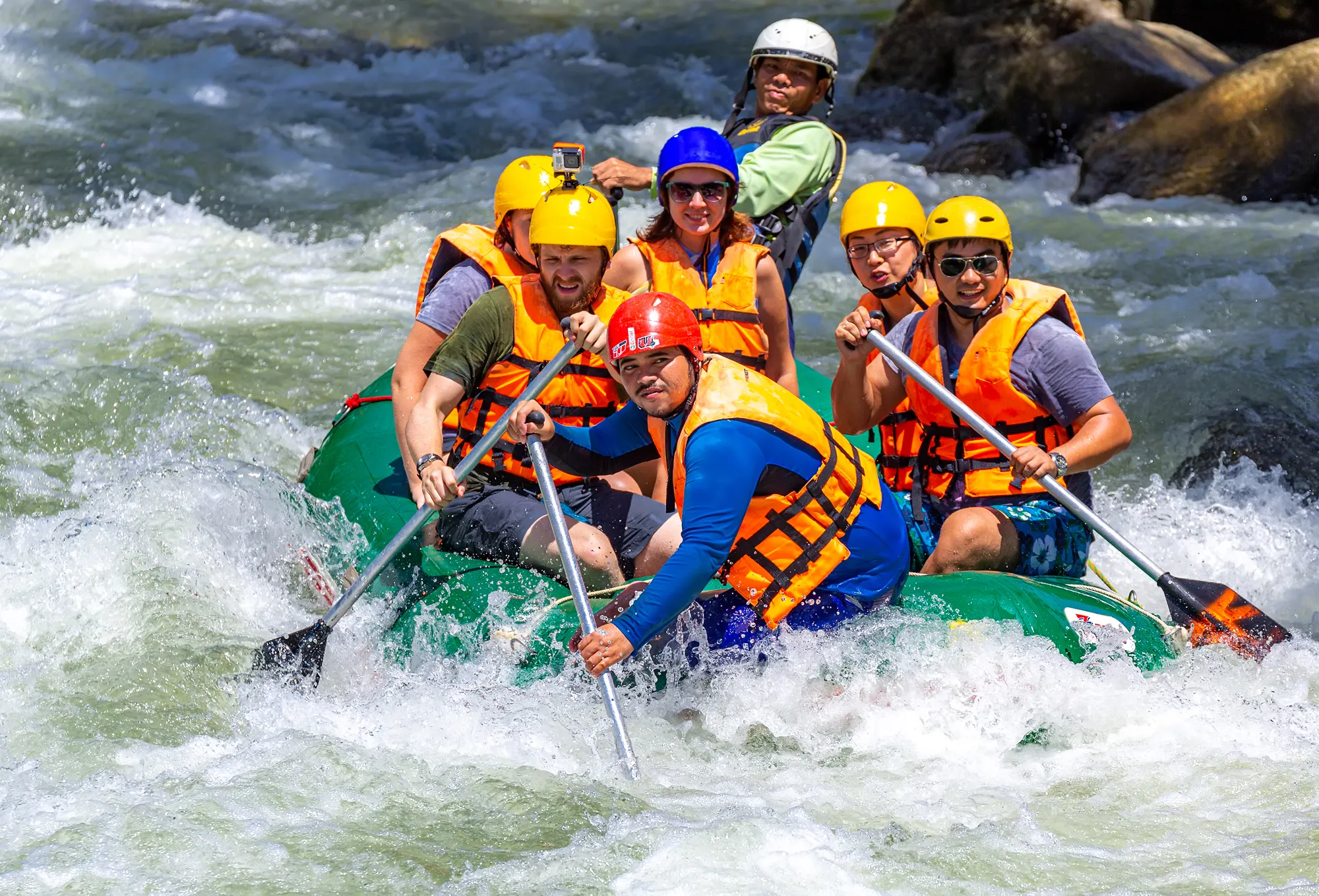
During the rafting, expect a mix of splashy, exciting rapids and peaceful floating sections. You'll paddle as a team, follow your guide's calls, and enjoy plenty of laughter along the way. The pace is manageable, and your guide stays with you the entire time.
Jon Gibbons
Writer
May 16, 2026• 3 Comments
A Sample Day on the River
Every operator runs things a little differently, but here's a typical full-day itinerary so you know exactly what to expect.
8:00 AM – Hotel Pickup
Your air-conditioned minivan collects you from your hotel. Sit back and enjoy the scenic drive north toward the lush mountains of Phang Nga province.
9:30 AM – Arrival & Welcome
Reach the adventure base camp, where the friendly team greets you with refreshments and a warm briefing.
9:45 AM – Safety Briefing & Gear Up
Your guides walk you through paddling techniques, safety signals, and what to do in the water. You'll receive a helmet and life jacket, fitted just right.
10:15 AM – Hit the Rapids
Time for the main event! Spend around 1.5 to 2 hours navigating gentle and lively rapids, with calm stretches in between to soak up the views and catch your breath.
12:30 PM – Riverside Lunch
Refuel with a delicious Thai buffet lunch at a shaded spot beside the water. Swap stories with your crew and relax.
1:30 PM – Optional Extras
Many tours offer add-ons like ATV rides, ziplining, or a refreshing dip beneath a waterfall. Choose your own adventure or simply unwind.
3:00 PM – Return Journey
Climb back into the van, happily tired, for the comfortable ride home.
4:30 PM – Hotel Drop-Off
Arrive back at your hotel with a camera full of memories and plenty to tell over dinner.
White Water Rafting in Phang Nga / Phuket
What to Wear & Bring
Pack light, but don't forget the essentials:
Quick-dry clothing such as a swimsuit, shorts, and a light t-shirt
Secure footwear like water shoes or sandals with straps (avoid loose flip-flops)
A change of dry clothes for the journey home
Sunscreen and insect repellent
A waterproof bag or case for valuables, or simply leave them locked in your hotel
A towel and a sense of adventure!
Leave expensive jewelry and unnecessary items behind. Many camps offer lockers or dry storage during the rafting.
Safety & Comfort
Your wellbeing comes first. Reputable tour operators provide:
High-quality helmets and life jackets for every guest
Trained, certified river guides who know the water intimately
Small group sizes for personal attention
Clear safety briefings before you set off
The rapids are designed to thrill, not frighten, which makes this ideal for newcomers. If you can't swim, don't worry — your life jacket keeps you buoyant, and your guide is always close by. Most tours welcome guests of varying ages and fitness levels, though it's worth checking minimum age requirements when you book.
Ready for Your Phang Nga Adventure?
A day of white water rafting near Phang Nga Bay is the perfect way to swap the beach towel for something unforgettable. Picture the splash of the rapids, the green peaks rising around you, and that satisfying feeling of doing something brave and brilliant.
Spaces fill up fast, especially in peak season — so secure your spot today and get ready to make a splash. Book your rafting tour now and turn your Phuket holiday into the adventure of a lifetime.
Understanding Mangrove Ecosystems
The "intertidal mangrove deposits" of Phang Nga Bay are much more than a collection of salt-tolerant trees; they are the high-functioning lungs and kidneys of the Andaman Sea. The complex, interlocking prop roots of these forests act as a natural sieve, trapping sediment to build new land while providing a labyrinthine nursery for juvenile marine life. Here, young fish, shrimp, and crabs find refuge from the open sea’s predators, allowing them to reach maturity in a sheltered, nutrient-rich environment.
As a specialist, I must emphasize that this biodiversity is skittish; the presence of motorized noise or chemical runoff can easily disrupt the foraging patterns of the specialized residents listed below.
Species Observed
Ecological Role/Behavior
Mud Skippers
Amphibious fish that extract oxygen from both air and water; they are often seen "walking" on mudflats or climbing roots to avoid rising tides.
Brown-winged Kingfishers
Precision hunters with vibrant plumage that serve as indicators of a healthy, undisturbed mangrove canopy.
Brahminy Kites
High-altitude scavengers and predators that utilize the bay’s thermal currents to monitor the water's surface for food.
White-bellied Sea Eagles
Formidable avian predators often found on the "back side" of islands, nesting in high-growth jungle cliffs.
Monitor Lizards
Large reptilian scavengers that maintain the balance of the ecosystem by managing organic waste and hunting small prey.
Monkeys (Macaques)
Highly intelligent foragers that extract protein from the mangroves by hunting crabs at low tide; they are particularly sensitive to human noise.
From the rhythmic life teeming within these roots, we look upward to the ancient geological giants that define the bay’s skyline.
Limestone Giants: The Geology of Karst and 'Hongs'
The dramatic topography of the bay is a tale of two ancient geological groups. While the towering cliffs belong to the Ratburi Group—a Permian limestone sequence dating back over 250 million years—the foundation often features the Kaeng Krachan Group. This older strata consists of "fossiliferous tuffaceous clastic rocks" and "pebbly mudstones," providing the structural stage for what we call karst topography.
This landscape was sculpted by slightly acidic rainwater dissolving the alkaline limestone over eons, creating hidden interior "rooms" known as Hongs. Within these strata, we find the dominant fossil Spinomartinia prolifica, a species of brachiopod that serves as a biological record of the bay’s ancient marine history.
The Three Phases of a Hong:
Chemical Dissolution: Acidic rainwater and tidal seawater penetrate fractures in the Permian limestone, hollowing out vast subterranean chambers.
Structural Weakening: As the interior cave expands, the integrity of the limestone ceiling is compromised by its own weight and further erosion.
Ceiling Collapse: The roof eventually falls inward, revealing a secluded, open-air lagoon—a "Hong"—surrounded by sheer vertical walls.
Because these hongs are physically fragile and often accessible only through narrow sea caves, the method of our arrival determines the survival of the site itself.
4. The Way of the Paddle: Why Kayaking is the Respectful Choice
As a conservationist, I advocate for hand-powered kayaking as the only truly respectful way to engage with this ecosystem. Motorized vessels—whether speedboats or traditional longtails—disturb the brackish water of the mangroves, which maintains a delicate chemical balance. Fuel leaks and the heavy wake of a motor can erode fragile banks and introduce toxins into the nursery.
Kayaking allows us to navigate "hidden passages" at specific tide levels without contributing to noise or exhaust pollution. The silence of the paddle is the scientific requirement for observing skittish wildlife and respecting the structural fragility of the hongs.
Low-Impact Advantages of Sea Kayaking:
[ ] Zero Chemical Emissions: Protects the sensitive brackish chemistry from fuel and oil contamination.
[ ] Preservation of Silence: Prevents the disruption of skittish monkeys and nesting raptors.
[ ] Low-Wake Displacement: Protects the delicate mangrove root systems and mudflat sediments from erosion.
[ ] Small-Group Access: Adheres to sustainability standards by avoiding the "human zoo" effect of mass tourism.
Understanding the "why" behind low-impact travel leads us naturally to the practical "how" of a safe expedition.
5. Preparing for the Water: Safety and Practicalities
Effective conservation begins with the safety of the observer. For beginners, the water is an unfamiliar terrain where poor technique can lead to environmental damage—such as accidentally crashing into delicate coral or mangrove roots. For this reason, a guided tour with a local expert is essential; they understand the tidal rhythms that determine when a cave is a passage and when it is a trap.
Beginner’s Gear Checklist
Mandatory Flotation: A life jacket is not optional; it ensures that even in an accidental capsize, you remain calm and avoid trampling the seabed.
Dermal Protection: Use water-resistant sunscreen and polarized sunglasses to protect against the intense tropical glare reflected off the emerald water.
Hydration Strategy: Bring fresh water in a reusable container to prevent heat exhaustion and eliminate single-use plastic waste.
Waterproof Storage: A dry bag ensures that your focus remains on the landscape rather than worrying about your electronics.
Professional Oversight: Engage a trained guide who can steer you away from over-touristed spots and provide the necessary safety briefings.
Properly equipped, you can move beyond the mechanics of the paddle to appreciate the bay’s place in global culture.
6. Cultural Landmarks: From James Bond to Jurassic World
The unique karst formations of Phang Nga Bay have made it a staple of cinematic history. Koh Tapu, the iconic "James Bond Island" featured in The Man with the Golden Gun (1974), remains a primary draw. More recently, the bay’s primeval atmosphere served as the backdrop for Jurassic World Rebirth. However, as an educator, I must provide a caveat: the film’s version of the bay is heavily graphically enhanced to appear more prehistoric.
While these landmarks are famous, the true value of the bay lies in the "untouched nature" found in its lesser-known lagoons, which inspired the floating mountains of modern sci-fi and even locations in the Star Wars universe.
Fun Fact: While cinema often "dials up" the landscape with digital effects, the real magic of the bay is found in the non-digitized silence of a hidden Hong at sunrise.
As we witness these icons, we must remember our role as guests in a landscape that existed long before the cameras arrived.
Frequently Asked Questions
What are Aquaria Phuket’s opening hours?
Aquaria Phuket is open daily from 10:30 to 19:00, with last admission at 18:00. It is a good idea to arrive well before the final entry time so you can enjoy the exhibits without rushing.
How much are tickets for Aquaria Phuket?
Current standard ticket prices are:
Adult: 1,251 THB
Child: 675 THB
Children under 90cm: Free
Prices can change, so it is worth checking before your visit.
Do I need to book Aquaria Phuket tickets in advance?
Yes, if you plan to buy online tickets, they must be purchased at least 3 hours in advance. Booking ahead is the easiest way to make your visit smoother and avoid queues.
How long should I spend at Aquaria Phuket?
Most visitors should allow around 1 hour and 45 minutes. This gives you enough time to explore the themed zones, take photos, and enjoy key shows or feeding sessions.
Where is Aquaria Phuket located?
Aquaria Phuket is located beneath Central Phuket Floresta in Phuket. Its central location makes it easy to combine with shopping, dining, or other nearby Phuket attractions.
Is Aquaria Phuket suitable for families?
Yes, Aquaria Phuket is very family-friendly. The attraction is easy to navigate, offers a mix of educational and entertaining exhibits, and includes crowd-pleasers such as otters, sharks, rays, and the Mermaid Show.
Do I need to book Aquaria Phuket tickets in advance?
Yes, if you plan to buy online tickets, they must be purchased at least 3 hours in advance. Booking ahead is the easiest way to make your visit smoother and avoid queues.
What is the Mermaid Show at Aquaria Phuket?
The Mermaid Show is one of the standout experiences at Aquaria Phuket. It features skilled underwater performers in custom silicone tails performing graceful routines inside the huge South China Sea tank. It is a magical highlight for both children and adults.
Is the Mermaid Show included with general admission?
The Mermaid Show is often one of the main visitor experiences, but availability can vary by schedule. It is best to check the day’s programme when you arrive or before your visit.
What is Dive with Sharks?
Dive with Sharks is a premium experience for thrill-seekers who want to come face-to-face with sharks in a controlled setting. It offers a rare chance to see these impressive animals up close in one of Aquaria Phuket’s most exciting encounters.
Do I need to book Dive with Sharks in advance?
It is strongly recommended. Spaces may be limited, and advance booking gives you the best chance of securing your preferred time.
What can I see at Aquaria Phuket?
Aquaria Phuket features a wide range of marine and freshwater life, along with reptiles and river animals. Popular highlights include:
Mystic Forest
Jewels of the Jungle
The River Caves
South China Sea
Small-clawed otters
Sharks and giant rays
What is the biggest highlight inside Aquaria Phuket?
For many visitors, the biggest highlight is the South China Sea zone. This enormous exhibit holds 3.5 million litres of seawater and is home to sharks, giant rays, and a huge variety of marine life.
Are there feeding shows at Aquaria Phuket?
Yes, Aquaria Phuket offers daily feeding programmes. These sessions are a great way to learn more about the animals, their diets, and how aquarists care for them.
Gallery
Reader Feedback (6)
Jon Gibbons
Etiam pretium, magna eget feugiat finibus, tellus massa pellentesque nisi, non malesuada nulla nunc vel ligula. Sed finibus enim eu nulla tempus, vitae tincidunt dolor semper. Praesent fringilla, metus at convallis sagittis.
Michael Carter
Vestibulum ante ipsum primis in faucibus orci luctus et ultrices posuere cubilia curae; Donec vel erat in nulla efficitur tempor non ut nisl. Integer venenatis eros ut dui viverra fermentum.
Sophie Wilson
Nam ut turpis hendrerit, varius nunc vel, elementum dui. Morbi vulputate dolor sit amet scelerisque egestas. Vestibulum eleifend nunc ut bibendum fermentum.
Contact
Necessitatibus eius consequatur ex aliquid fuga eum quidem sint consectetur velit
































Reader Feedback (6)
Jon Gibbons
Etiam pretium, magna eget feugiat finibus, tellus massa pellentesque nisi, non malesuada nulla nunc vel ligula. Sed finibus enim eu nulla tempus, vitae tincidunt dolor semper. Praesent fringilla, metus at convallis sagittis.
Michael Carter
Vestibulum ante ipsum primis in faucibus orci luctus et ultrices posuere cubilia curae; Donec vel erat in nulla efficitur tempor non ut nisl. Integer venenatis eros ut dui viverra fermentum.
Sophie Wilson
Nam ut turpis hendrerit, varius nunc vel, elementum dui. Morbi vulputate dolor sit amet scelerisque egestas. Vestibulum eleifend nunc ut bibendum fermentum.