The Mai Khao Marine Turtle Foundation at a glance:
- Founded: 2002
- Location: Mai Khao Beach, Phuket
- Focus: Sea turtle conservation
- Species monitored: leatherback, green, hawksbill, olive ridley
- Visiting hours: Tuesday–Saturday, 11am–3pm
- Entry: Free


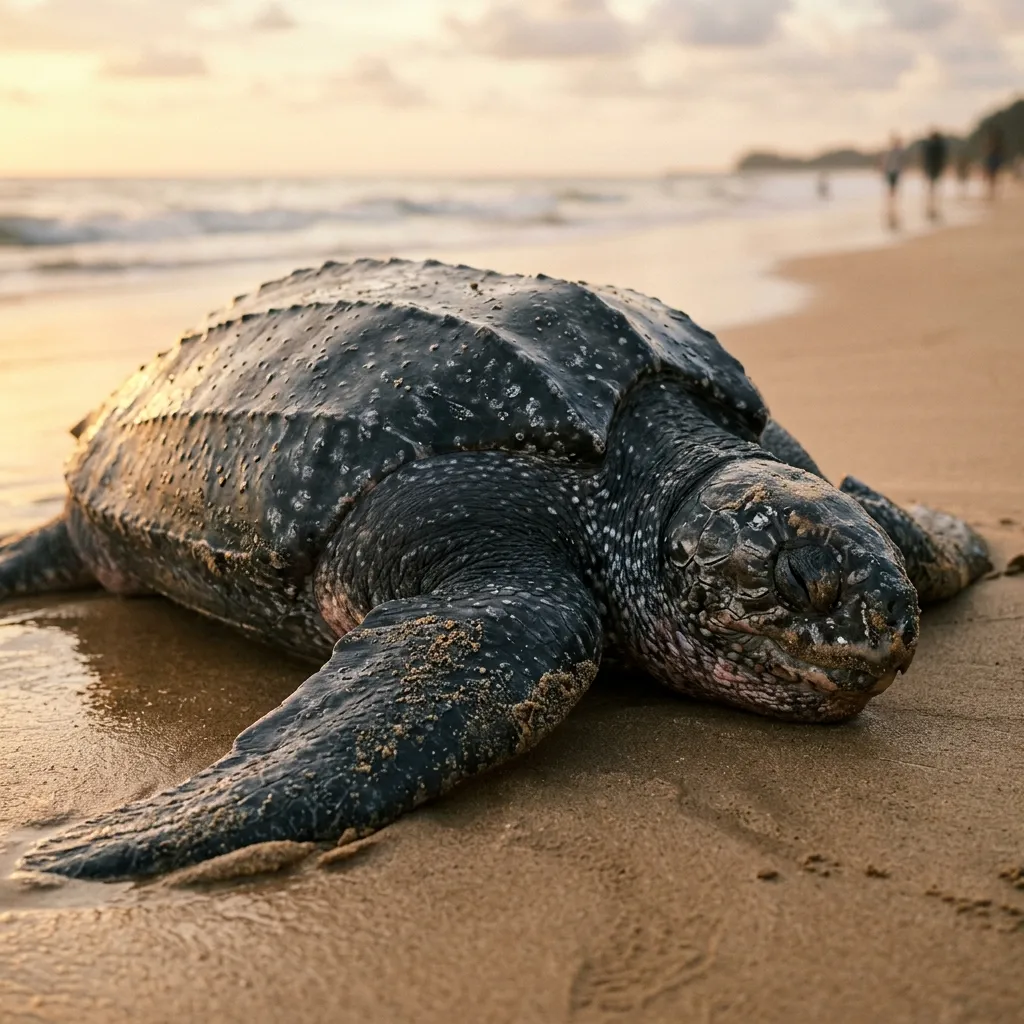
The Mai Khao Marine Turtle Foundation (MKMTF) is a Phuket-based NGO working to protect sea turtles nesting along the Sirinath National Marine Park coastline. Founded in 2002 with a US$45,000 seed donation, it runs egg rescue programmes, community education, annual release events, and collaborates with the IUCN, Royal Thai Navy, and Phuket Marine Biological Centre.
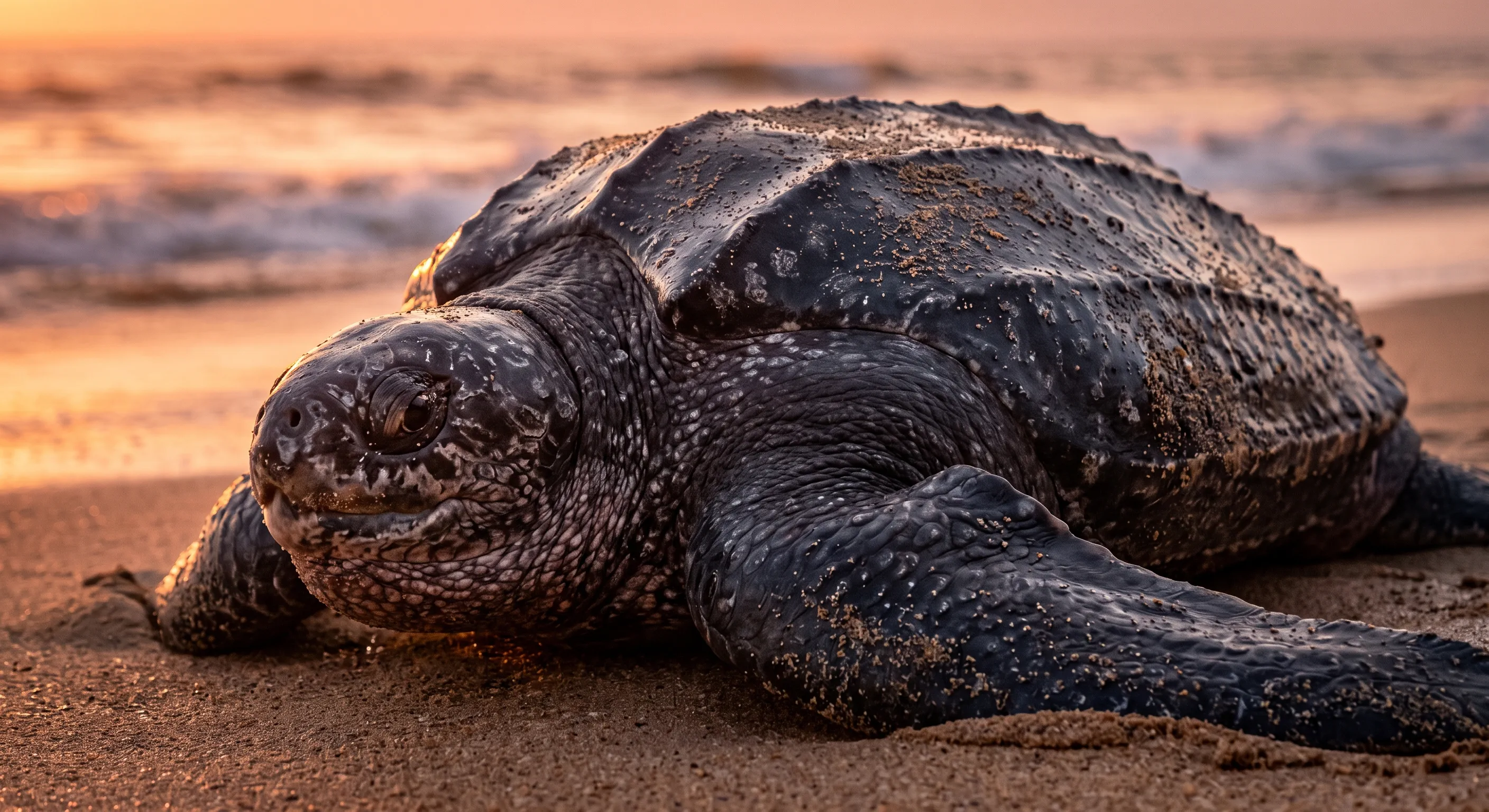
Just before dawn during Phuket's nesting season, something remarkable happens on Mai Khao Beach. From the darkness of the Andaman Sea, a leatherback turtle — an animal whose lineage stretches back over 100 million years — hauls herself ashore. She finds a quiet stretch of sand, digs a chamber with her rear flippers, and deposits her clutch of eggs before retreating into the surf. The whole process takes a couple of hours. To witness it is to feel the full weight of geological time compressed into a single, breathtaking moment.
But that moment is becoming vanishingly rare. Conservation scientist Petch Manopawitr has documented a drop of more than 99% in sea turtle nests along Thailand's coastlines over the past 60 years. Only one in a thousand hatchlings survives to maturity. The current nesting success rate for leatherbacks is less than 1%. These are not abstract statistics — they describe a species teetering on the edge of local extinction.
That is where the Mai Khao Marine Turtle Foundation comes in. Established in 2002 and operating within Sirinath National Marine Park in northern Phuket, the MKMTF is a grassroots NGO working to reverse a decades-long decline. Part conservation unit, part education centre, part community movement — the foundation is one of the most compelling reasons to look beyond Phuket's beaches and engage with the living world beneath and beside them.
This guide covers everything you need to know: why Mai Khao matters, how the foundation works, and how you can be part of the effort to protect one of Thailand's most precious natural treasures.
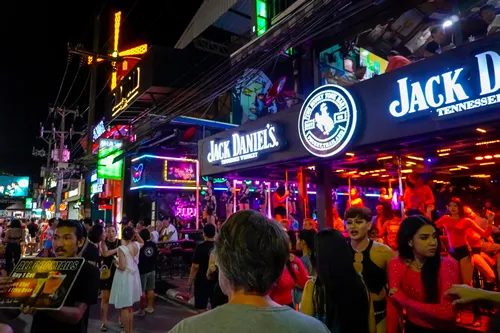
Bangla Road: Where the night comes alive with endless thrills and unforgettable memories!
Visit The Famous Bangla Road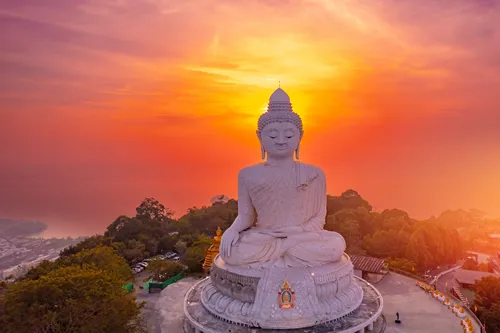
Reach new heights of serenity—stand in awe of Phuket's majestic Big Buddha and breathtaking vistas
Visit The Big Buddha
Fly into a world of colour and wonder at Phuket Bird Park – where nature comes alive.
Visit The Phuket Bird Park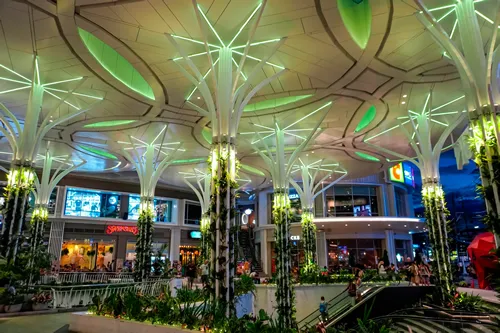
Discover Jungceylon – Phuket’s unforgettable haven for shopping, dining, and endless entertainment!
Visit Jungceylon Shopping Mall
Glide Through Paradise: Uncover Hidden Wonders of Phang Nga Bay by Sea Canoe!
Visit Phang Nga Bay by Sea Canoe
Dive into a World of Wonder at Phuket Aquarium – Where Marine Magic Comes to Life!
Visit Phuket Aquarium
Walk Beside Giants, Create Memories with Heart at Phuket Elephant Sanctuary.
Visit Phuket Elephant Sanctuary
Phuket FantaSea: Where Culture Dazzles, Adventure Thrills, and Every Moment Sparkles!
Visit Phuket FantaSea
Relax on Phi Phi Island: Where Turquoise Waters Meet Unforgettable Adventures
Visit Phi Phi Island
Step into Phuket's past, where history and culture come alive at Thai Hua Museum
Visit Phuket Thai Hua Museum
Promthep Cape: Where Sunsets Paint the Sky and Adventure Meets Serenity
Visit Promthep Cape
Reel in the Adventure – Sea Fishing in Phuket’s Paradise!
Go Sea Fishing in Phuket
Dive into Phuket’s underwater paradise – where every moment is a splash of wonder!
Visit Scuba Diving in Phuket
Make a memory of a lifetime with a day out Snorkeling at Coral Island in Phuket
Go Snorkeling in Coral Island, Phuket
Make a Splash, Chase the Thrills – Your Phuket Adventure Starts at Splash Jungle Water Park.
Visit Splash Jungle Water Park
Discover Serenity and Spirit at Wat Chalong – Where Phuket's Heritage Comes Alive!
Visit Wat Chalong
Dive into a whirlwind of flavors, finds, and fun at Phuket's Naka Weekend Market – where every corner tells a story
Visit Weekend Market Naka Market
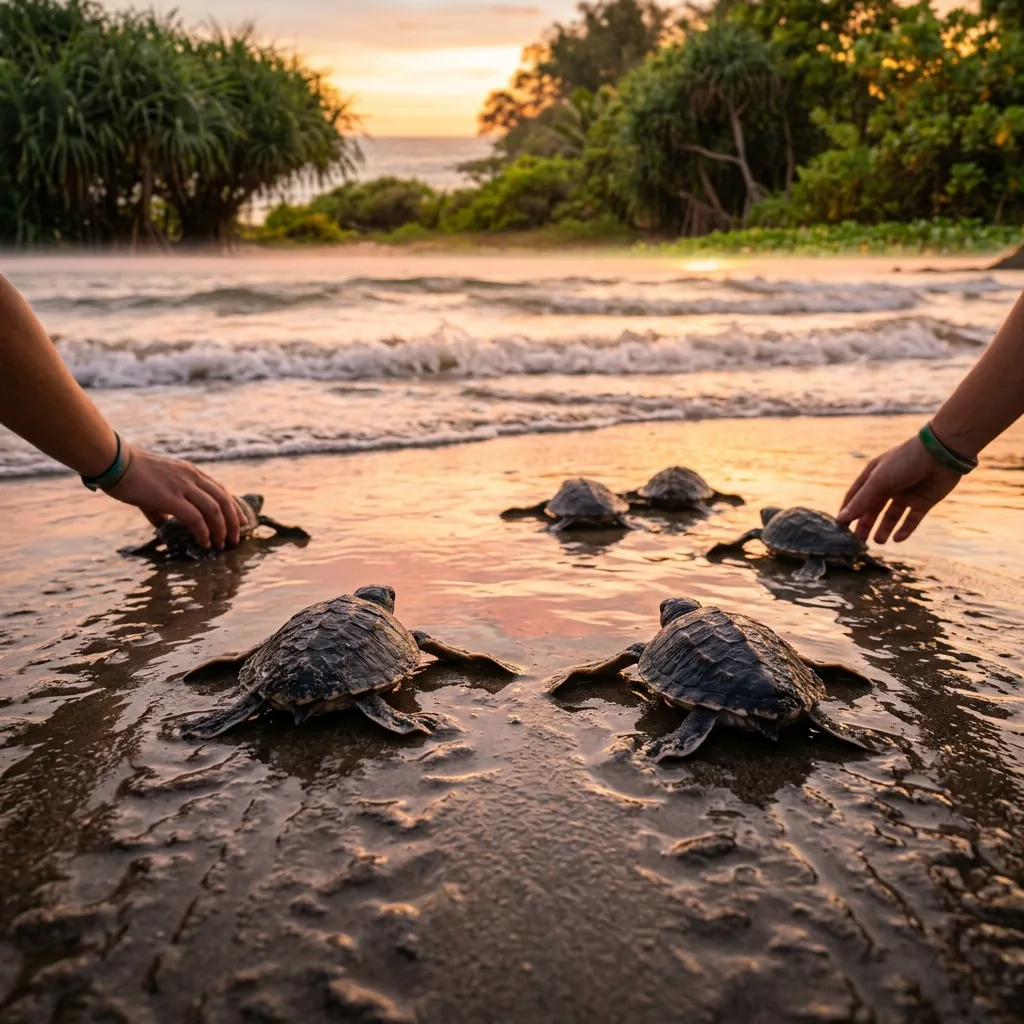




















The Ancient Mariner's Return: Celebrating the Leatherback Sea Turtles of Mai Khao Beach – Where to go in Thailand | Read More
Just before dawn on Mai Khao Beach, a leatherback turtle older than the dinosaurs hauls herself ashore to nest. Fewer than 1% of her hatchlings will ever make it. This is the story of the people fighting to change that.
In this video, we take you inside the Mai Khao Marine Turtle Foundation (MKMTF), a grassroots conservation project on Phuket's quietest coastline. Founded in 2002 and based within Sirinath National Marine Park, the foundation protects four endangered sea turtle species: leatherback, green, hawksbill, and olive ridley.
We show you exactly how their work unfolds, from the sand to the sea, and how you can be part of it during your own trip to Thailand.
In this video, you'll discover:
Planning to visit? You can see the turtles up close at the Shelter and Education Centre at JW Marriott Phuket. It's open Tuesday to Saturday, 11am to 3pm, with free entry. It's one of the most meaningful and family-friendly things you can add to a Phuket itinerary.
This is for anyone planning a trip to Phuket who wants more than beaches and sunsets. If you care about wildlife, conservation, and authentic Thai experiences, this one's for you.
If this video inspired you, please hit like, subscribe for more Thailand travel and wildlife guides, and drop a comment telling us: would you sponsor a turtle release on your next trip? 🐢
#ThailandWildlife #SeaTurtles #MaiKhao #PhuketConservation #TurtleConservation #VisitPhuket #ThailandTravel #Phuket #MarineConservation #SirinathNationalPark
Mai Khao Beach sits within the Sirinath National Marine Park, a protected coastal zone that forms one of the last stretches of relatively undeveloped shoreline in Phuket. It is among the very few places in Thailand where leatherback, green, and olive ridley turtles still come ashore to nest. The hawksbill turtle, the fourth species monitored by the MKMTF, completes the quartet — all four are listed as either vulnerable or endangered by the International Union for Conservation of Nature (IUCN).
The threats these animals face are numerous and compounding:

In response to this crisis, Thailand's Wildlife Preservation and Protection Act 2019 elevated leatherback turtles to "preserved" species status — a more critical designation than "protected" — an acknowledgment of just how urgent the situation had become.
The most striking glimpse of what recovery could look like came unexpectedly in 2020. When COVID-19 emptied Phuket's beaches of tourists, researchers discovered 11 leatherback nests along the coastline — the highest number in 20 years and the first recorded nests in the area for five consecutive years prior (according to Kongkiat Kittiwatanawong, Director of the Phuket Marine Biological Centre, in a report published in The Guardian). That natural experiment confirmed what conservationists had long suspected: given space and quiet, the turtles will return.
The MKMTF was founded in 2002 during the opening ceremonies of the JW Marriott Phuket Resort & Spa, when Minor Hotels (the parent company of Anantara) made a founding donation of US$45,000 to establish the organisation. The hotel's location directly on Mai Khao Beach gave it both a direct stake in the beach's ecological future and an immediate platform for engaging guests in conservation.
The partnership model proved powerful from the start. JW Marriott Phuket Resort & Spa, Marriott Vacation Club International, and Anantara Hotels and Resorts continue to provide annual funding for the foundation's conservation units. The Phuket Marine Biological Centre (PMBC) and the Royal Thai Navy serve as essential operational partners, providing hatchery facilities and technical expertise for egg incubation and hatchling care.
In May 2014, the MKMTF became an official IUCN member — a designation that lends the foundation international credibility and connects its work to a global network of conservation scientists and policy experts. Today, the foundation operates with five beach patrol officers, one coordinator, and one CSR manager. It is a lean team, and its impact is considerable.
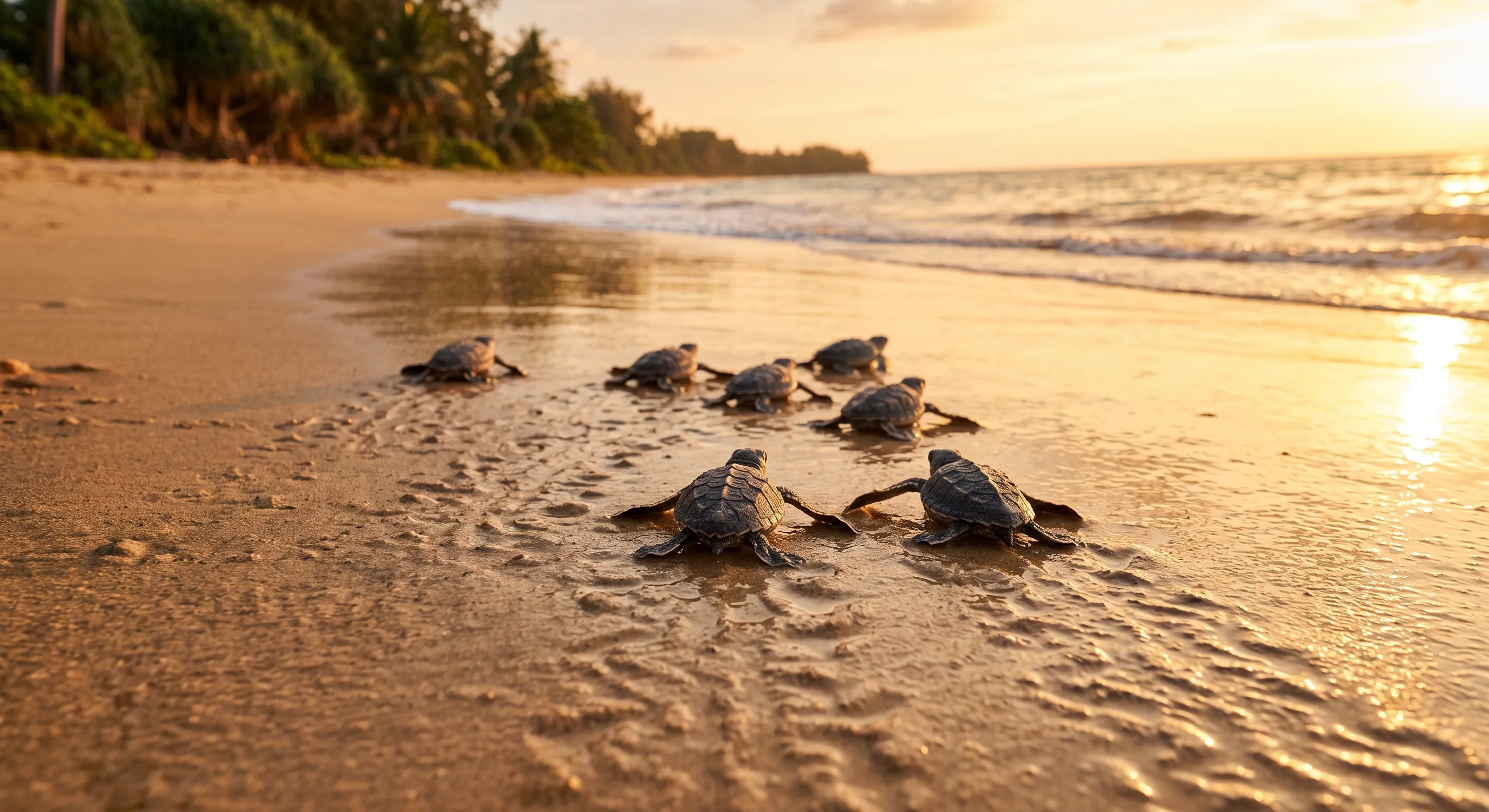
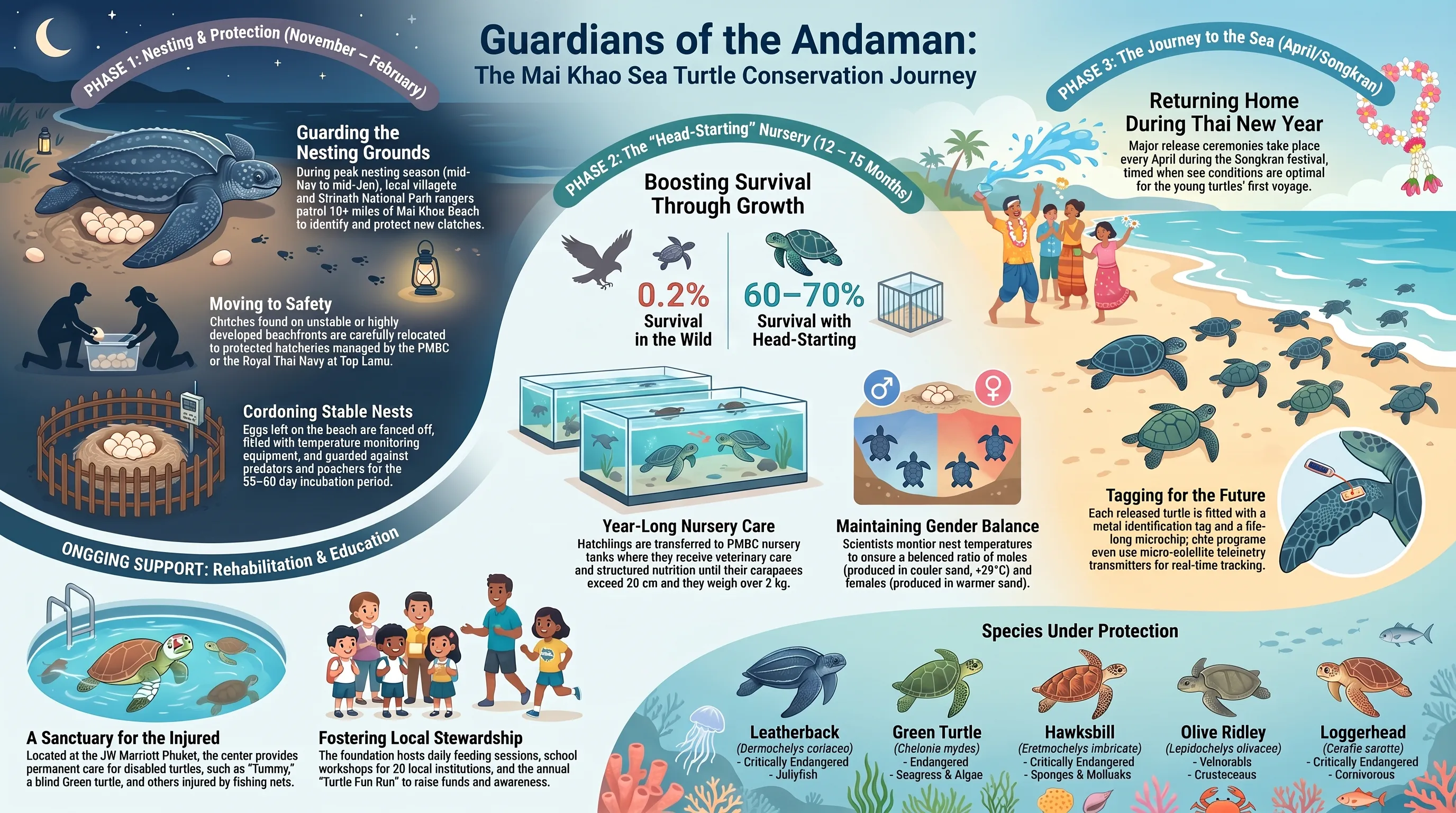
The foundation's conservation work follows the turtle through its entire lifecycle, from the first detected signs of a nesting female to the moment her offspring reach open water.
During nesting season — November through February — MKMTF officers conduct nightly patrols across Mai Khao and surrounding beaches. The work is methodical and unglamorous: hours of walking in darkness, scanning for tracks in the sand, waiting. When a nesting female is found, officers record data, assess the site, and determine whether the eggs can safely incubate in place. Where development or human disturbance makes in-situ incubation too risky, eggs are carefully relocated.
Rescued eggs are transferred to secure hatcheries operated by the PMBC and Royal Thai Navy, where they incubate under close supervision for approximately 45 to 60 days. During this period, sand temperature is carefully monitored — cooler temperatures produce more males, warmer temperatures more females, a biological quirk that makes climate change a particular concern for long-term population balance.
Six CCTV cameras livestream nest sites to the Thai public, serving double duty as both a security tool and an awareness campaign. Once hatched, the young turtles are raised in nursery tanks for approximately 12 months, until they reach a length of 20 centimetres and a weight of around two kilograms — large enough to give them a fighting chance against blacktip reef sharks and other predators. Every turtle released is fitted with a metal flipper tag and an internal microchip for lifetime scientific monitoring.
Running in parallel to the hatchery programme is the MKMTF's stranding rescue project, which responds to reports of injured or entangled turtles along the Andaman coastline. Turtles found missing flippers, suffering from net entanglement, or weakened by plastic ingestion are brought to the PMBC for rehabilitation — a process that can take up to a year. The foundation's Shelter and Education Centre at the JW Marriott Phuket is home to several resident turtles who cannot safely return to the wild, including Tommy, a blind green turtle.
The centre is open to the public Tuesday to Saturday, 11am to 3pm, with no entry fee. Visitors may occasionally assist with feeding.
The most public-facing moment in the MKMTF's calendar is its annual release programme, held during the non-monsoon months of November through April. The flagship event takes place around Songkran — the Thai New Year in April — at the JW Marriott Phuket, where guests and visitors can sponsor the release of 12- to 15-month-old turtles (8,000 THB per turtle) or juvenile bamboo sharks (5,000 THB), an apex predator whose presence helps regulate reef fish populations and maintain coral health. The Laguna Phuket annual release serves as a companion event, drawing increasing public participation each year.
These releases are genuinely extraordinary experiences. When a turtle is placed where the waves meet the sand, it responds instantly — flippers working, navigating by magnetism back towards the open sea. For many guests, it is the most affecting moment of their entire trip to Thailand.
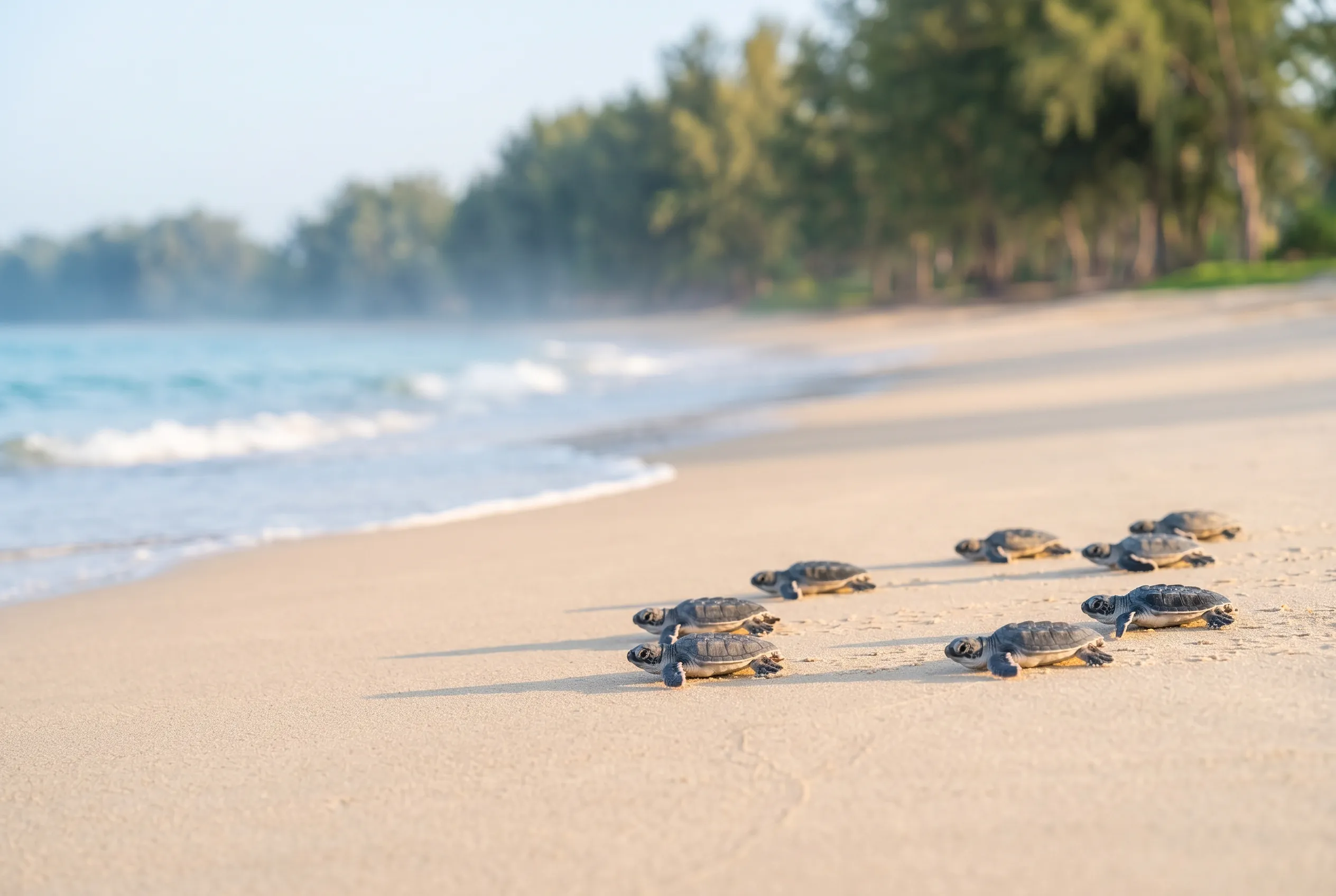
The foundation's leadership understands that lasting conservation cannot be driven by a handful of officers on a beach. It requires community ownership — schools, local businesses, universities, government bodies, and individual citizens all taking a stake in the outcome.
To that end, the MKMTF runs a wide range of outreach and education initiatives:
Guests staying at the foundation's hotel partners — JW Marriott, Anantara, and affiliates — are regularly invited to join beach cleans and release events, turning a leisure stay in Phuket into something with genuine, lasting purpose.
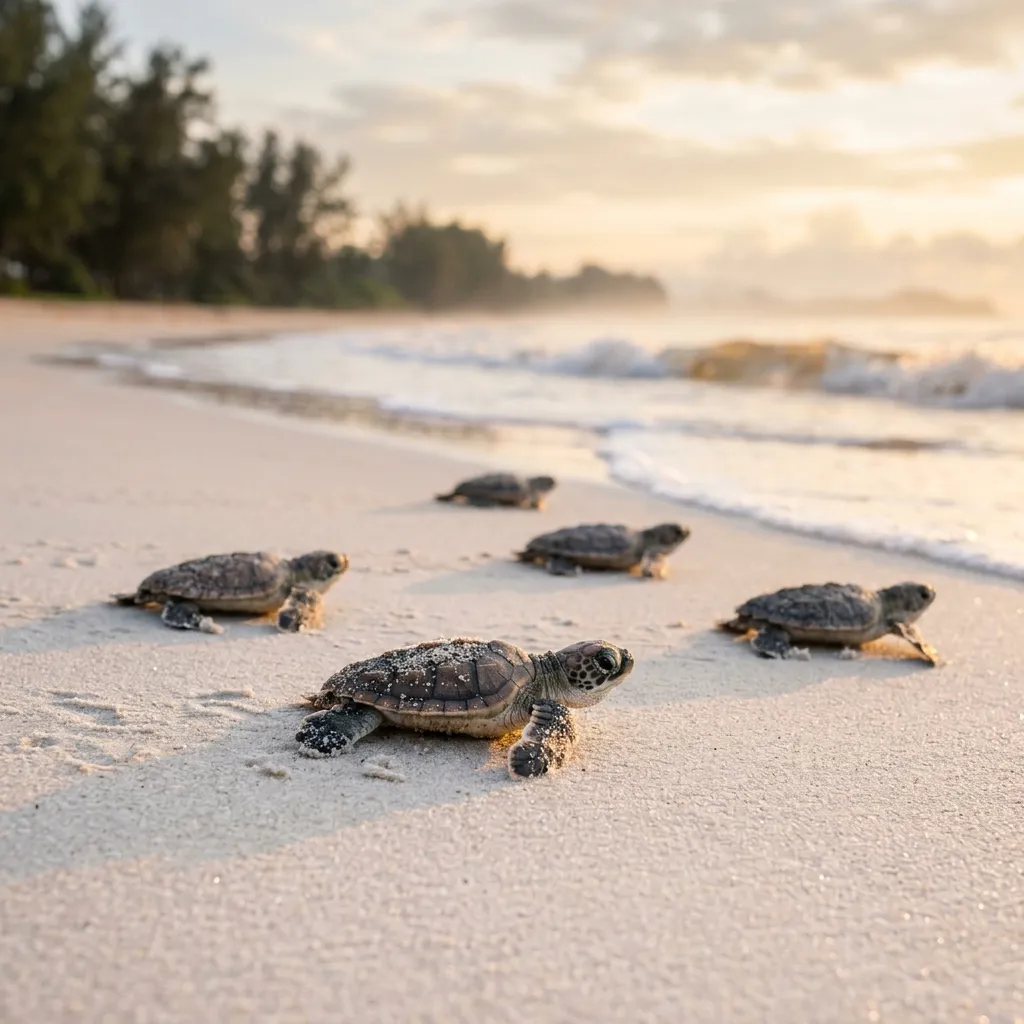
Progress is real. Community participation is growing. Nesting activity increases during quieter tourism periods. The foundation is actively expanding, with plans to appoint a second coordinator to manage its growing educational outreach programme — a signal that the demand for its work is accelerating, not stalling.
The broader vision extends beyond individual nests and individual turtles. The MKMTF aims to sustain the entire Andaman coastal ecosystem — reef health, water quality, coastal vegetation, and biodiversity — so that Mai Khao Beach remains viable as a nesting sanctuary not just for this generation, but for those that follow. The foundation's work also aligns with the Green Fins initiative, which works to reduce the environmental impact of diving and snorkelling operations in the region, and contributes to wider Net Zero goals across Southeast Asian tourism.
Climate change looms as the defining challenge of the next chapter. Rising sea temperatures affect both nesting beach conditions and the marine food chains that turtles depend on. Ocean acidification threatens the reef ecosystems that shelter juvenile turtles as they grow. The MKMTF's long-term effectiveness will depend in part on its ability to integrate climate resilience into its conservation strategies — work that its IUCN membership and growing research partnerships are well positioned to support.
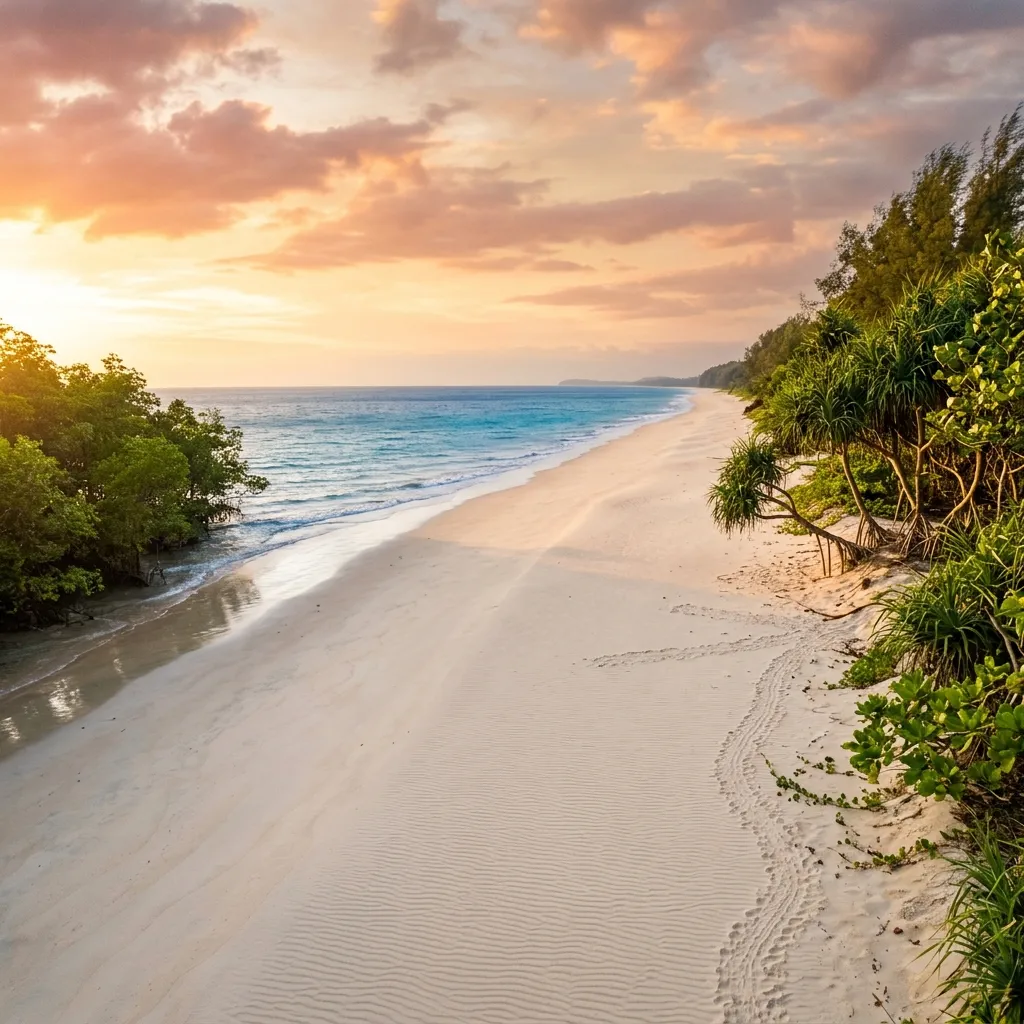
Return, in your mind, to that pre-dawn moment on Mai Khao Beach. The leatherback emerging from the water. The slow, deliberate journey across the sand. The ancient, unchanged ritual. With Phuket's coastline under pressure from all directions, that moment is precious — and precarious.
From a founding hotel donation of US$45,000 to a nationally recognised, IUCN-affiliated conservation organisation, the Mai Khao Marine Turtle Foundation has built something remarkable: a model for how tourism, hospitality, and conservation can work together rather than against each other.
Whether you visit the Shelter and Education Centre, sponsor a hatchling at the Songkran release, join a beach clean, or simply choose to stay at a hotel partner that champions this mission — every act of engagement matters. Every hatchling that reaches the ocean is a victory. And every visitor who witnesses it becomes part of the story.
To donate directly to the Mai Khao Marine Turtle Foundation, contributions can be made via Siam Commercial Bank, Account No. 035-236501-7. The Shelter and Education Centre at JW Marriott Phuket is open Tuesday to Saturday, 11am to 3pm, and entry is free.
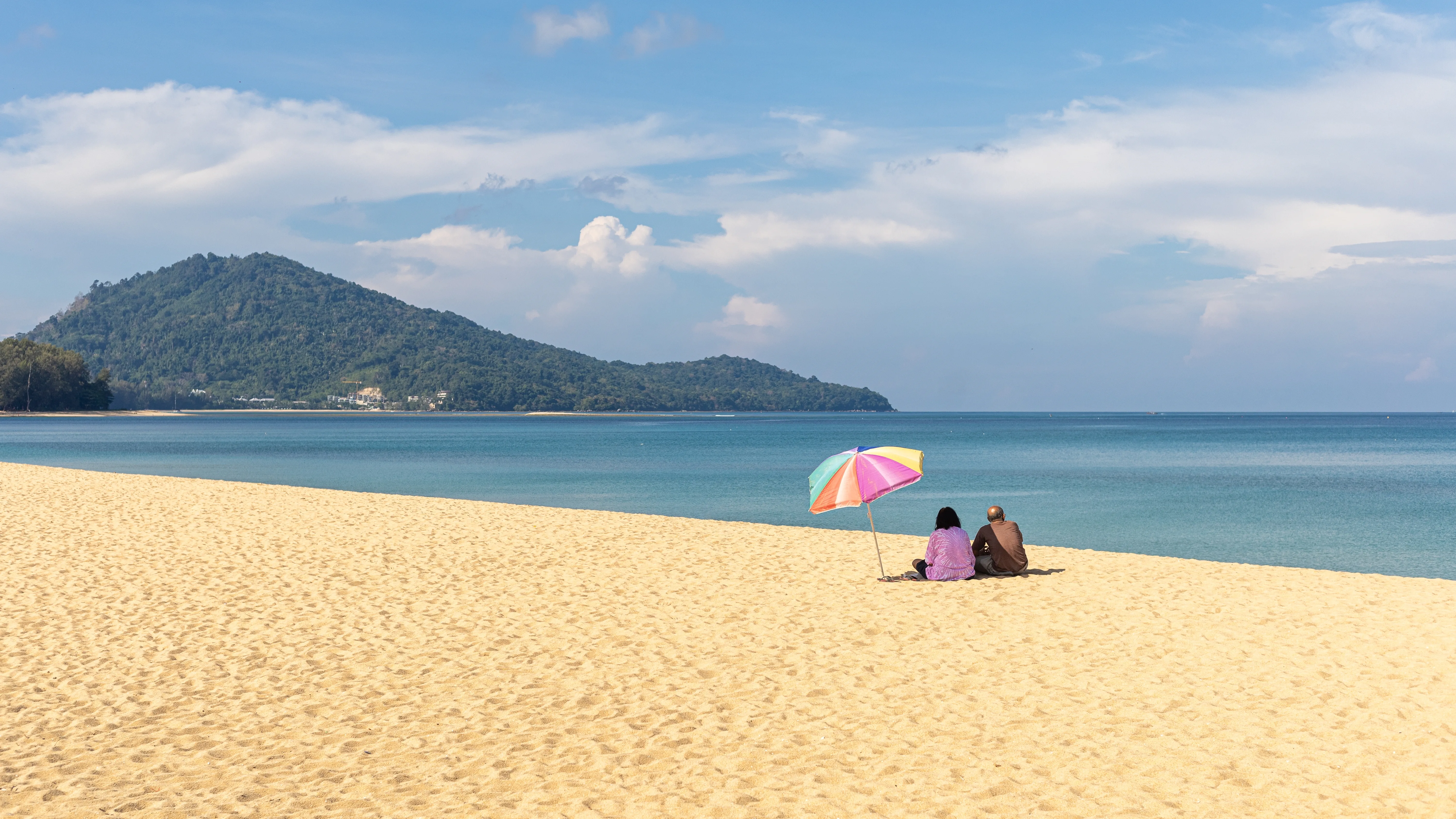
Sea turtle nesting season in Phuket runs from November through February. This is when MKMTF officers conduct their most intensive nightly beach patrols along Mai Khao and surrounding beaches within the Sirinath National Marine Park.
The most accessible way to see and interact with sea turtles in Mai Khao is by visiting the MKMTF's Shelter and Education Centre at the JW Marriott Phuket Resort & Spa. The centre is open Tuesday to Saturday, 11am to 3pm, with free entry. Annual release events — particularly the Songkran release in April — also offer the opportunity to witness turtles being returned to the Andaman Sea.
Direct donations can be made to the Mai Khao Marine Turtle Foundation via Siam Commercial Bank, Account No. 035-236501-7. You can also sponsor a turtle or bamboo shark release during the annual Songkran event (8,000 THB per turtle; 5,000 THB per bamboo shark), or contribute through the annual Turtle Fun Run.
Four sea turtle species are primarily found in the Andaman Sea and monitored by the MKMTF: the leatherback, the green turtle, the hawksbill, and the olive ridley. All four species are classified as either vulnerable or endangered by the IUCN. Thailand's waters are also occasionally visited by loggerhead turtles, though these are rare.
During the COVID-19 lockdowns of 2020, when tourist numbers collapsed and beaches emptied, researchers recorded 11 leatherback nests along Phuket's coastline — the highest number in 20 years, according to Kongkiat Kittiwatanawong, Director of the Phuket Marine Biological Centre (The Guardian, 2020). No such nests had been found in the five years prior. The event demonstrated clearly that reduced human disturbance has a direct and measurable positive impact on turtle nesting activity.
Yes. The Mai Khao Marine Turtle Foundation has been an official member of the International Union for Conservation of Nature (IUCN) since May 2014. The IUCN affiliation connects the MKMTF to a global network of conservation experts and ensures its programmes are grounded in evidence-based best practice. The foundation's work also aligns with the Green Fins initiative, which promotes sustainable diving and snorkelling practices across Southeast Asia.
Necessitatibus eius consequatur ex aliquid fuga eum quidem sint consectetur velit
A108 Adam Street, New York, NY 535022
+1 5589 55488 55
info@example.com
Reader Feedback (6)
Jon Gibbons
Etiam pretium, magna eget feugiat finibus, tellus massa pellentesque nisi, non malesuada nulla nunc vel ligula. Sed finibus enim eu nulla tempus, vitae tincidunt dolor semper. Praesent fringilla, metus at convallis sagittis.
Michael Carter
Vestibulum ante ipsum primis in faucibus orci luctus et ultrices posuere cubilia curae; Donec vel erat in nulla efficitur tempor non ut nisl. Integer venenatis eros ut dui viverra fermentum.
Sophie Wilson
Nam ut turpis hendrerit, varius nunc vel, elementum dui. Morbi vulputate dolor sit amet scelerisque egestas. Vestibulum eleifend nunc ut bibendum fermentum.