An Architectural Marvel: A Mountain of Porcelain
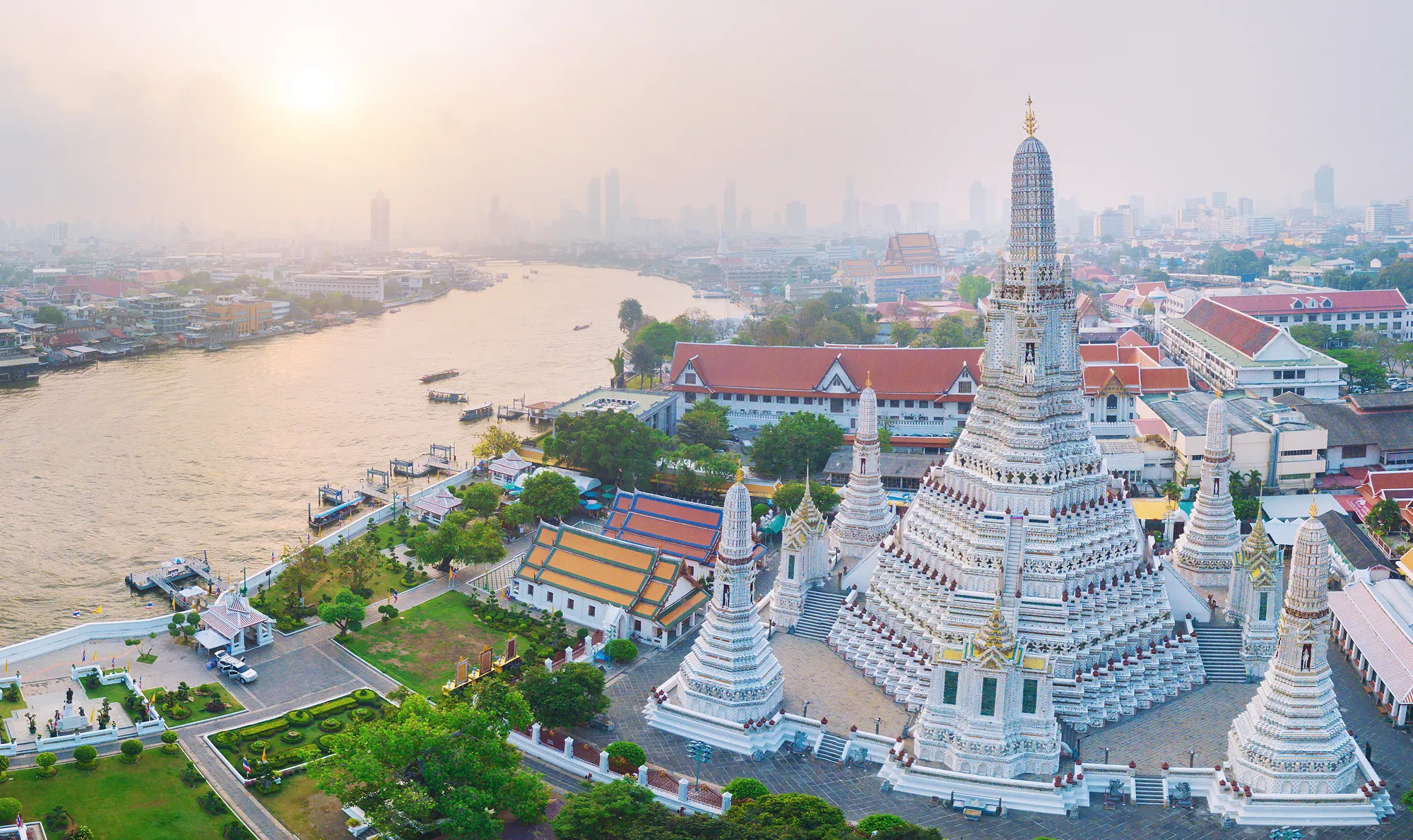
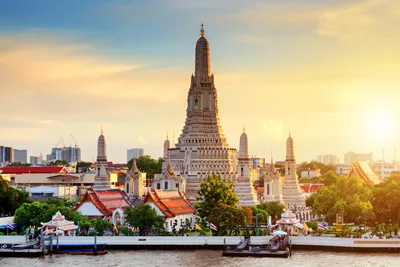
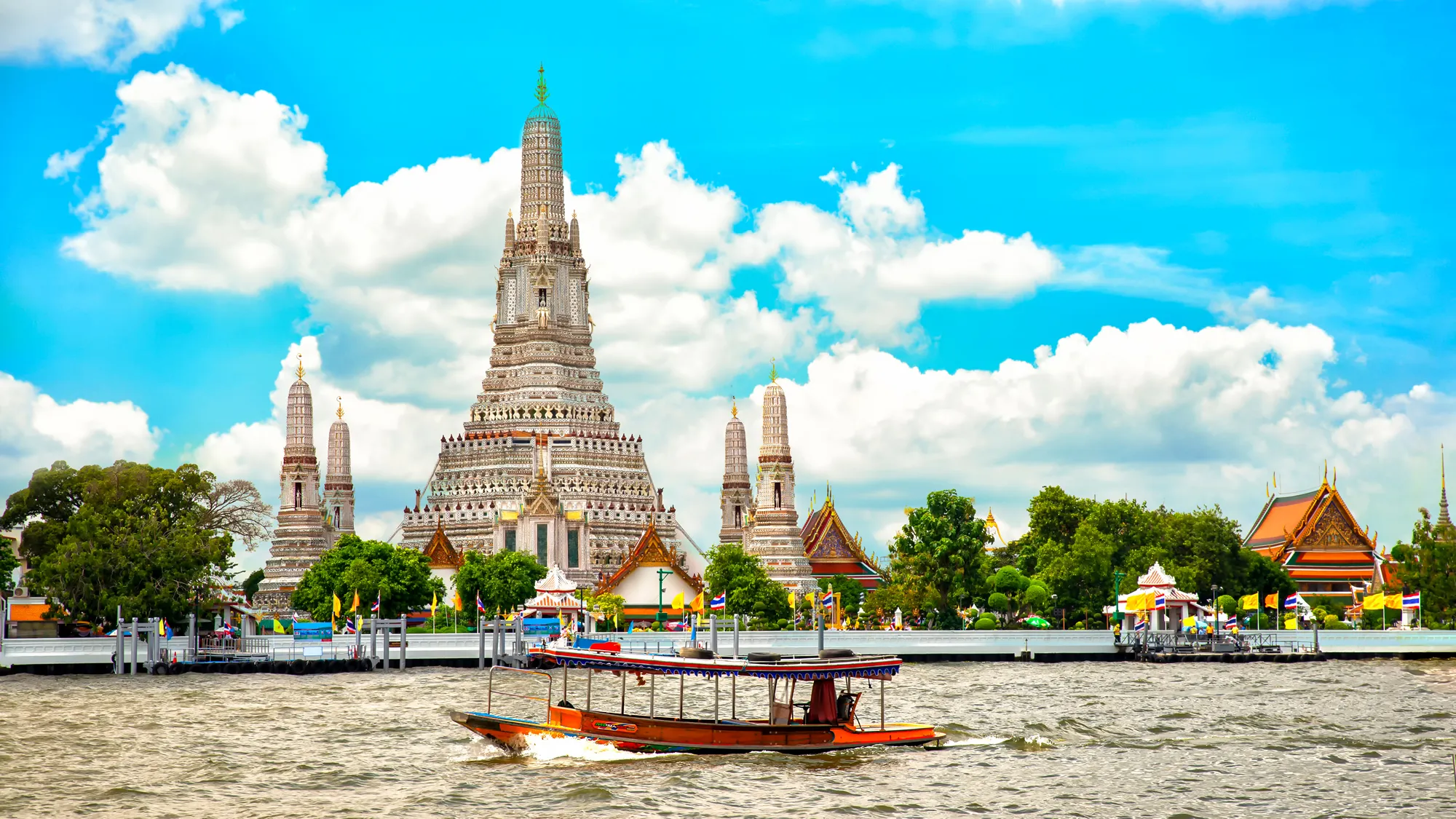
The most striking feature of Wat Arun is its towering central spire, or prang. Soaring over 80 metres into the sky, it is a breathtaking sight. But its design is not merely for aesthetic appeal; it is a profound cosmological statement. The prang represents Mount Meru, the mythical five-peaked mountain that stands at the centre of the physical, metaphysical, and spiritual universes in Hindu-Buddhist cosmology. The surrounding smaller prangs represent the oceans and the continents, creating a microcosm of the entire universe right here on the riverbank.
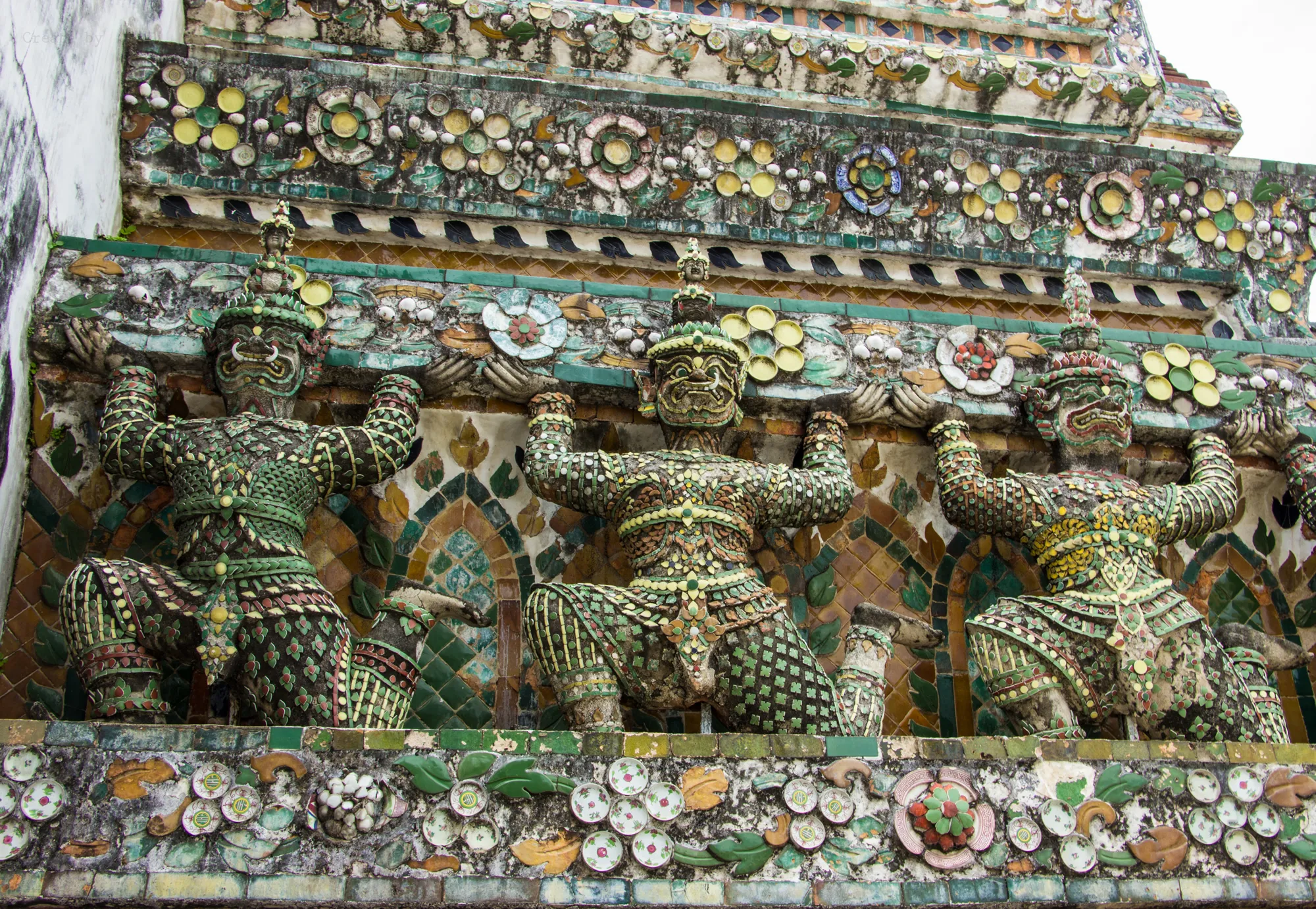
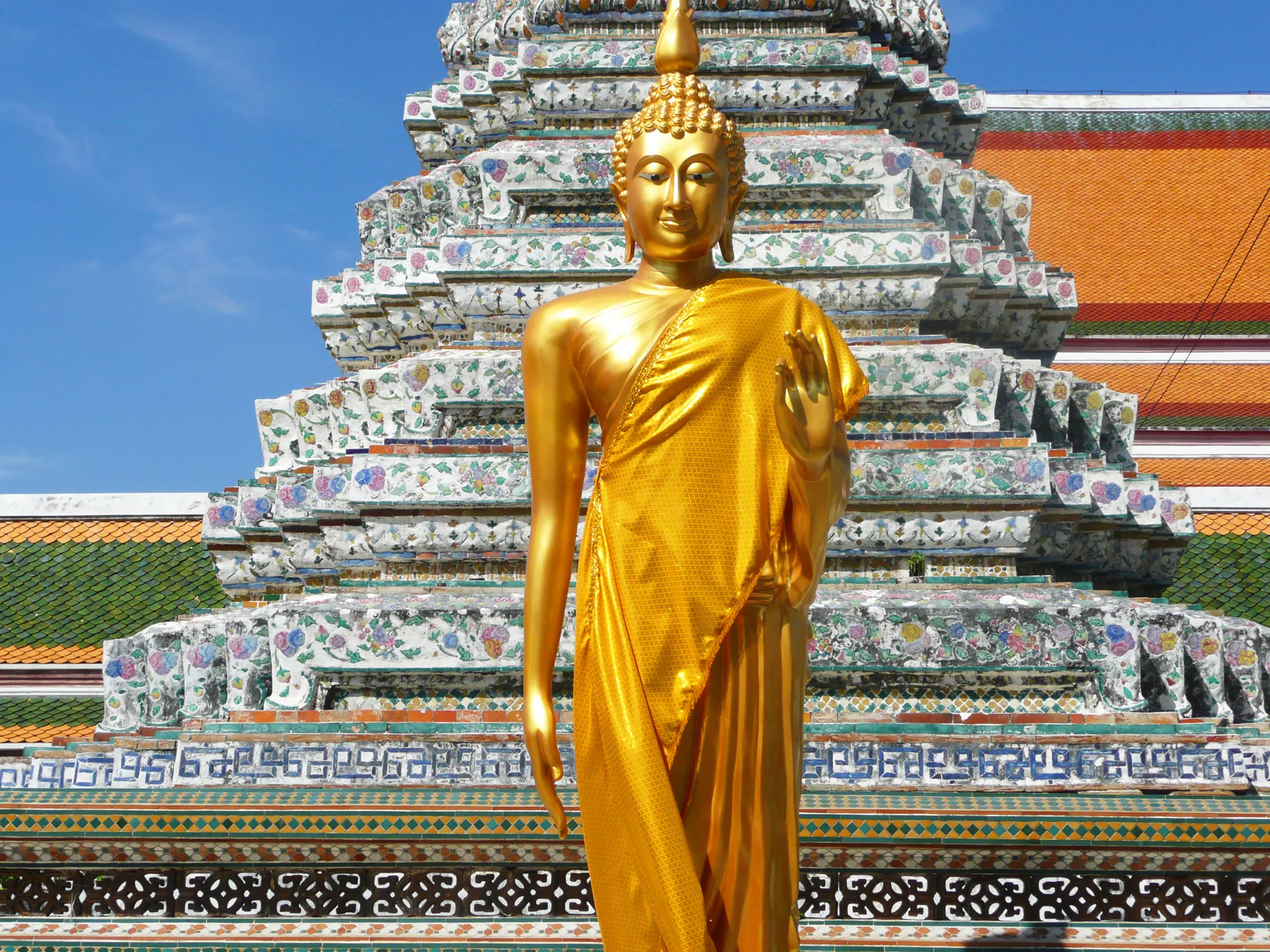
As you get closer, you will notice the temple is not painted but meticulously decorated with countless pieces of colourful porcelain and seashells. The story behind this mosaic is a brilliant example of early recycling and artistic ingenuity. During the 19th century, Chinese trading ships arriving in Bangkok used tonnes of broken porcelain as ballast to weigh down their vessels for the long sea journey. Instead of being discarded, this "waste" material was creatively repurposed by King Rama III’s craftsmen to encrust the spires. This not only gave Wat Arun its unique, glittering facade but also created a durable and weather-resistant surface that has sparkled for nearly two centuries.
Stand guard at the temple's entrances are a pair of fearsome Yaksha, giant mythical demons from Buddhist lore, who act as celestial guardians. As you explore the grounds, you will also find intricate statues of the Hindu god Indra riding his three-headed elephant, Erawan. This fusion of Buddhist and Hindu iconography is common in Thai religious art and speaks to the rich cultural tapestry of the region.
The Climb: A Stairway to Heaven
For the more adventurous visitor, a highlight of any trip to Wat Arun is the climb up the central prang. The steps are incredibly steep and narrow, a feature that is entirely intentional. The climb is designed to be a physical representation of the spiritual journey, symbolising the difficulty of ascending through the different levels of existence to reach enlightenment. It requires focus and a bit of effort, but the reward is well worth it.
As you ascend to the terraces, a stunning panoramic vista unfolds before you. The view from here is simply breathtaking. You can trace the winding path of the Chao Phraya River as long-tail boats and lumbering barges navigate its waters. Across the river, the golden spires of the Grand Palace and the reclining Buddha of Wat Pho glitter in the sun. It is a moment of peace and perspective high above the hustle of the city below.

Essential Visitor Information (2025 Update)
Planning your visit to Wat Arun is straightforward. Here is the essential information you need for a smooth and enjoyable trip.
Getting There
The most scenic and popular way to reach Wat Arun is by boat. Take the Chao Phraya Express Boat, a public ferry service that runs up and down the river, to Tha Tien Pier (N8). From the pier, a small cross-river shuttle ferry runs every few minutes, costing just a few baht, which will take you directly to the temple's entrance.
Opening Hours & Fees
- Opening Hours: Wat Arun is open daily from 8:00 AM to 6:00 PM.
- Wat Arun Entrance Fee: The entrance fee for foreign tourists is 200 Thai Baht per person. Thai nationals can enter for free.
Best Time to Visit
Wat Arun is spectacular at any time of day, but each offers a different experience. A sunrise visit allows you to see the Temple of Dawn live up to its name in a peaceful, cool, and crowd-free environment. In contrast, visiting in the late afternoon rewards you with the "golden hour," when the setting sun bathes the temple in a warm, magical light perfect for photography. After dark, the temple is beautifully illuminated, creating a majestic sight best viewed from a dinner cruise or a rooftop bar across the river.

Cultural Etiquette and Dress Code
As Wat Arun is an active and deeply revered place of worship, it is crucial to show respect through your attire and behaviour. The Wat Arun dress code is strictly enforced.
- What to Wear: Both men and women must ensure their shoulders and knees are covered. This means no sleeveless tops, tank tops, short shorts, or short skirts. Transparent clothing and tight-fitting leggings are also considered inappropriate.
- Rental Options: If you arrive unprepared, do not worry. There are vendors near the entrance who offer sarongs and other cover-ups for rent or purchase at a reasonable price.
- Respectful Behaviour: Inside the temple grounds, remember to speak softly. When sitting, never point your feet directly at a Buddha image or a monk, as this is considered highly disrespectful in Thai culture.

A Journey to the Centre of the Universe
Wat Arun is far more than just a pretty backdrop for your holiday photos. It is a spiritual journey, a physical representation of the centre of the universe, and a living monument to a pivotal moment in Thai history. It stands as a symbol of hope, resilience, and the enduring power of faith.
To fully appreciate the intricate stories hidden within its porcelain mosaics, consider joining a guided tour. Or, to experience its serene magic, plan your visit for the early morning to beat the crowds and watch as the first light of day awakens the Temple of Dawn. A visit here is not just about seeing a landmark; it is about experiencing a piece of Thailand’s soul.
Navigating Bangkok: Your Ultimate Guide to Reaching Wat Arun
Embarking on a journey to Wat Arun, the Temple of Dawn, is more than just a commute; it is your first taste of Bangkok’s vibrant pulse. Whether you are staying in the bustling streets of Sukhumvit, the historic quarters, or the riverside hotels, getting to this architectural marvel is an adventure in itself.
Reaching the west bank of the Chao Phraya River might seem daunting at first glance, but fear not. Bangkok’s transport network is diverse, colourful, and surprisingly efficient once you know the ropes. Here is your step-by-step guide to reaching Wat Arun from downtown Bangkok, ensuring you arrive fresh and ready to explore.

Option 1: The Scenic Route (BTS Skytrain & Chao Phraya Express Boat)
This is arguably the most popular and atmospheric way to reach the temple. It combines the modern efficiency of the Skytrain with a classic river journey, offering splendid views of the city skyline along the way.
Step 1: The BTS Skytrain
From downtown (Siam, Silom, or Sukhumvit areas), hop on the BTS Silom Line (Dark Green Line). Your destination is Saphan Taksin Station (S6).
- Time: 15–20 minutes from Siam.
- Cost: Approximately 30–50 THB depending on your starting station.
- Tip: If you are coming from the Sukhumvit Line, change trains at Siam Station. Just walk across the platform to the Silom Line.
Step 2: The River Pier
Take Exit 2 at Saphan Taksin Station. As you descend the stairs, walk straight ahead towards the river. You will see Sathorn Pier (Central Pier) directly in front of you.

The Saphan Taksin BTS Station
Step 3: The Boat Journey
At Sathorn Pier, look for the Chao Phraya Express Boat.
- Orange Flag Boat: This is the standard commuter boat. It costs 16 THB (flat rate). It stops at many piers but is reliable and frequent.
- Blue Flag Boat (Tourist Boat): This is slightly pricier (around 30–60 THB) but less crowded and often has an English-speaking guide.
- Direct Destination: Both boats will stop directly at Wat Arun Pier. You do not need to cross the river separately; the boat pulls right up to the temple entrance.
- Time: About 15–20 minutes on the water.
Why choose this? You get a fantastic view of the river hotels, Iconsiam, and the Grand Palace from the water before arriving.
Option 2: The Modern Underground (MRT Blue Line)
If you prefer air-conditioned comfort all the way and want to avoid the humidity of the river, the MRT subway is your best friend. The extension of the Blue Line has made visiting the old city incredibly easy.

The River Boat Taxi Station at Saphan Taksin Station
Step 1: The MRT
Board the MRT Blue Line. If you are starting from Sukhumvit (Asok) or Silom (Saladaeng), you can ride directly without changing lines. Your destination is Itsaraphap Station.
- Time: 20–30 minutes from downtown.
- Cost: Approximately 30–45 THB.
Step 2: The Short Walk
Take Exit 1 or Exit 2 from Itsaraphap Station. Wat Arun is about a 10–15 minute walk from here.
- Navigation: You will be walking through a local Thonburi neighbourhood. It is safe, but the pavements can be narrow.
- Alternative: If it is too hot to walk, you can hail a passing tuk-tuk or motorcycle taxi for a quick 2-minute ride to the entrance (expect to pay 20–40 THB).
Why choose this? It is the fastest option during rush hour and keeps you cool until the very last moment.
Option 3: The Direct Drive (Taxi or Grab)

For families with small children or those with mobility concerns, a door-to-door service might be preferable.
How to do it:
- Hail a Taxi: Look for a taxi with a glowing red "vacant" sign. Insist on the meter ("Meter, please").
- Use an App: Download Grab or Bolt. These are the Uber equivalents in Thailand. They save you from haggling and overcome language barriers since you input the destination on your phone.
The Route:
Your driver will cross the Chao Phraya River via one of the major bridges (likely Phra Pok Klao or Pinklao Bridge).
- Time: Highly unpredictable. 30 minutes in low traffic; up to 90 minutes during rush hour (07:00–09:00 and 16:00–19:00).
- Cost: Approximately 150–250 THB from downtown, plus any tollway fees if you choose the expressway.
Why choose this? Comfort and privacy. However, be warned: Bangkok traffic is legendary for a reason.
Option 4: The Local Experience (Public Bus)
Only for the intrepid traveller! Taking a bus in Bangkok can be confusing due to Thai-only signage, but it is incredibly cheap and authentic.
The Route:
There are no direct buses from Sukhumvit to the door of Wat Arun. You generally need to get to the Grand Palace area first.
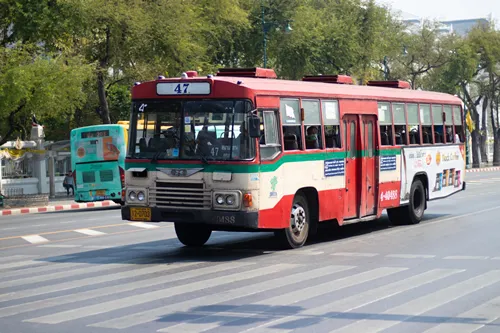
- Bus 57: If you are already on the Thonburi side (west bank), Bus 57 passes near Wat Arun.
- From Downtown: Take a bus (like the 2, 60, or 511) to the Grand Palace / Tha Tien area. From there, you must walk to Tha Tien Pier and take the cross-river ferry (5 THB) over to Wat Arun.
- Cost: 8–25 THB depending on whether the bus has air conditioning.
- Time: Allow at least 1–1.5 hours.
Why choose this? It is an immersive local experience, but generally not recommended if you are on a tight schedule.
Top Tips for Smooth Sailing
To ensure your journey is as smooth as Thai silk, keep these tips in mind:
- Avoid Rush Hour: The BTS and MRT get packed between 08:00–09:00 and 17:00–19:00. Travelling mid-morning (around 10:00) is usually much more pleasant.
- Get a Rabbit Card: If you plan to use the BTS Skytrain often, buy a "Rabbit Card" at any station. It is a top-up card that saves you queuing for single-journey tickets every time.
- Carry Small Change: Ticket machines and local ferries often require coins or small notes. Carrying 20 and 100 THB notes will make your life much easier.
- Dress for the Destination: Remember, while the journey might be hot, Wat Arun has a strict dress code. Wear breathable clothing, but ensure you have something to cover your shoulders and knees before you arrive.
- Download 'ViaBus': If you are brave enough to try the buses, this app tracks bus locations in real-time and is a lifesaver for navigation.
Enjoy the journey! Whether you arrive by boat with the wind in your hair or pop up from the underground MRT, the first glimpse of the porcelain spires is a moment you won't forget.


























Michael Carter
Vestibulum ante ipsum primis in faucibus orci luctus et ultrices posuere cubilia curae; Donec vel erat in nulla efficitur tempor non ut nisl. Integer venenatis eros ut dui viverra fermentum.
Sophie Wilson
Nam ut turpis hendrerit, varius nunc vel, elementum dui. Morbi vulputate dolor sit amet scelerisque egestas. Vestibulum eleifend nunc ut bibendum fermentum.
Alex Morgan
Cras non velit nec purus tempor rhoncus. Sed non mauris vitae erat consequat auctor eu in elit. Class aptent taciti sociosqu ad litora torquent per conubia nostra.