A Glorious Past
Founded in the 14th century by King Borommarachathirat I, Wat Mahathat originally served as a vital religious centre in the flourishing Ayutthaya Kingdom. It was revered as a sanctuary, enshrining a precious relic of the Buddha, and quickly became a pilgrimage site for devout Buddhists across the region.
Architectural Marvels and Royal Patronage
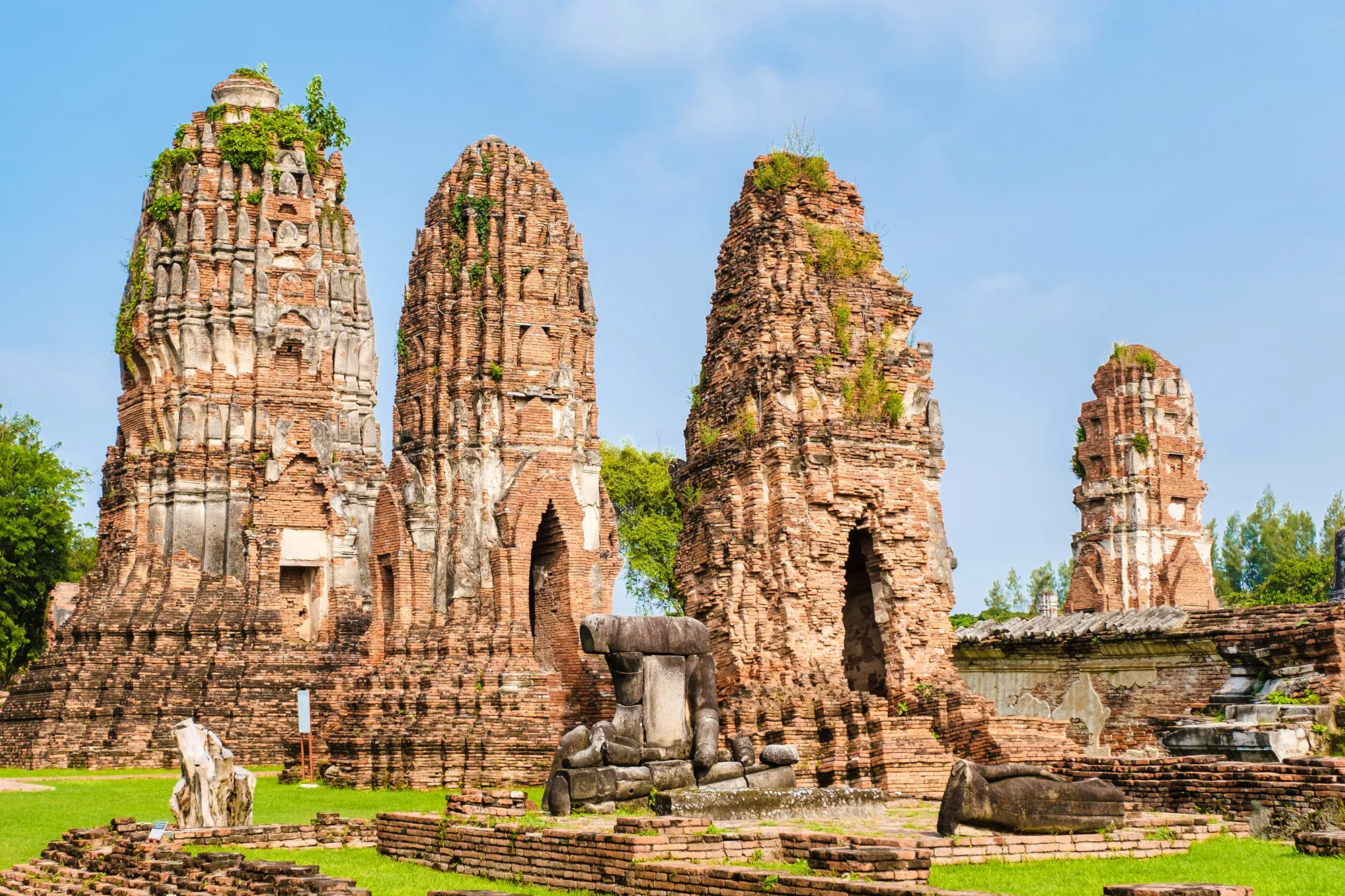
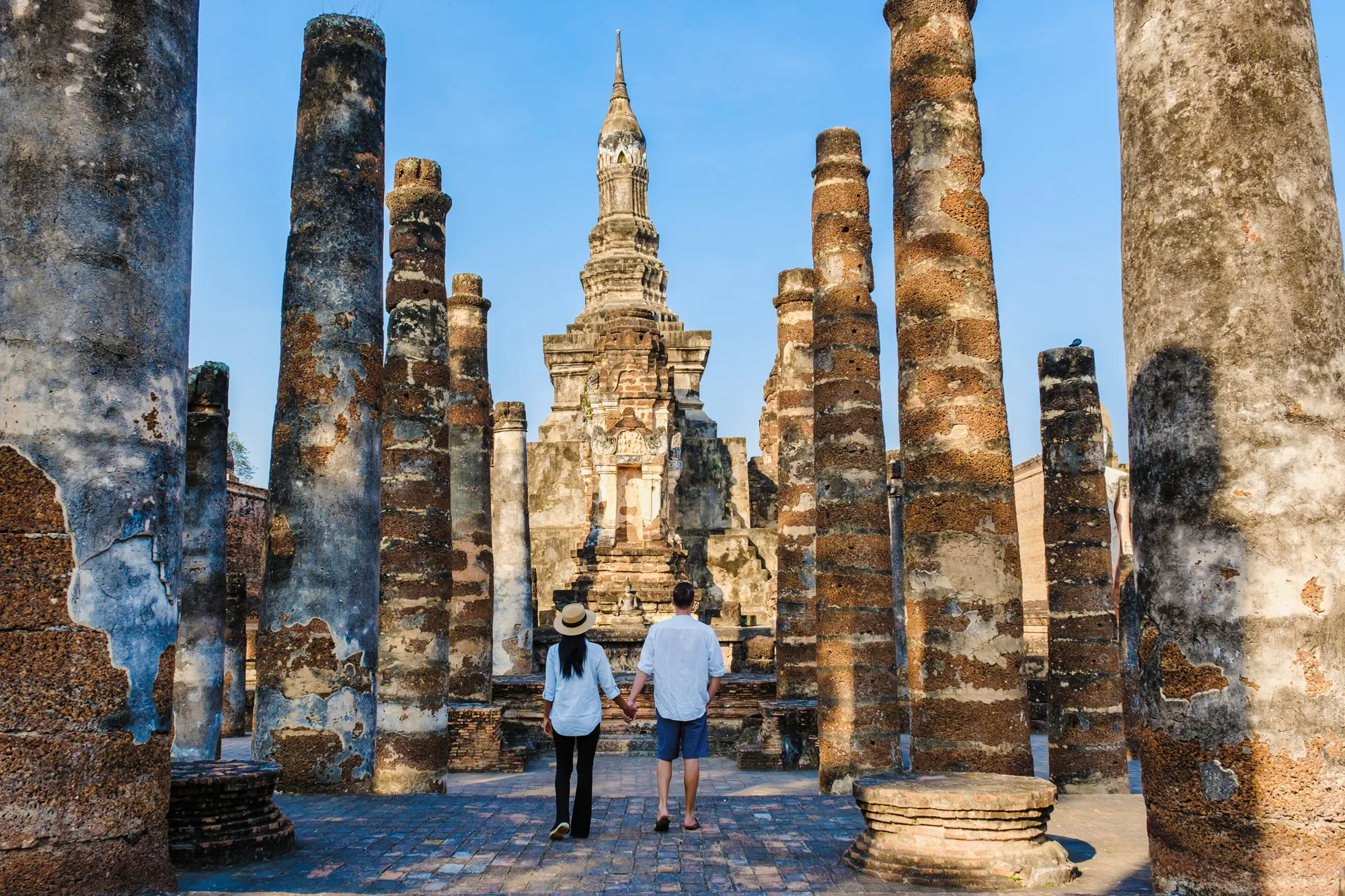
Wat Mahathat, a jewel of Ayutthaya's historical landscape, is renowned for its architectural marvels, particularly the iconic prang constructed in the 15th century under the patronage of King Borommatrailokanat. This towering prang stands as a striking testament to the kingdom's architectural prowess, embodying both the spiritual depth and cultural sophistication of the Ayutthaya era.
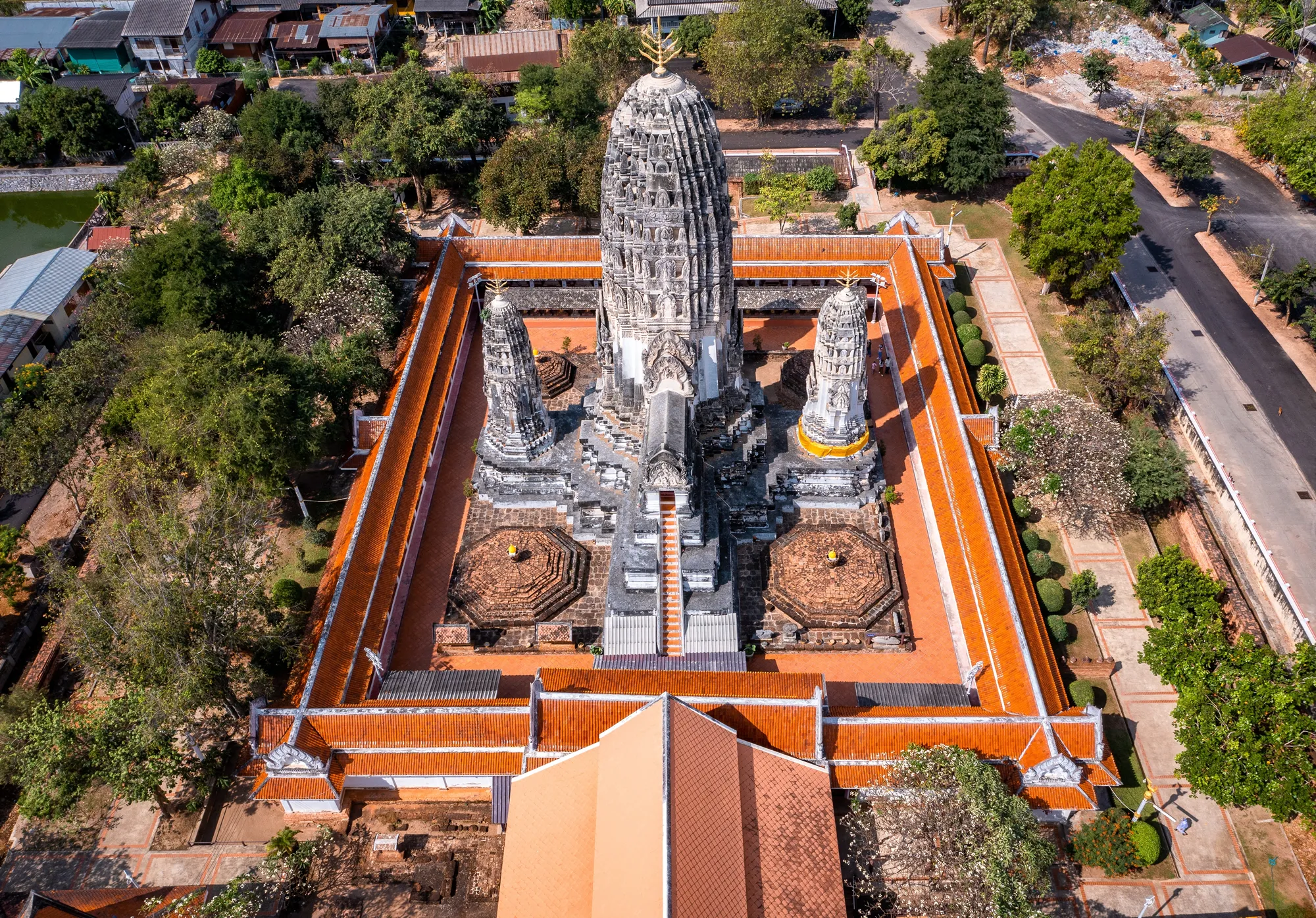
The prang's design is a masterful blend of Khmer and traditional Thai influences, showcasing intricate stucco decorations and delicate sculptural details that reflect the spiritual beliefs of the time. Rising majestically above the temple complex, it symbolizes Mount Meru, the mythological center of the universe in Hindu and Buddhist cosmology. This symbolic representation underscores the temple's role as a spiritual nucleus, connecting the earthly realm with the divine.
Constructed with meticulous attention to detail, the prang was built using advanced techniques for its time. The use of brick and stucco allowed for both durability and artistic expression, with craftsmen creating elaborate motifs that adorned its surface. These designs often included depictions of celestial beings and mythical creatures, infusing the structure with a sense of otherworldly grandeur.
Royal patronage played a crucial role in the development of Wat Mahathat. King Borommatrailokanat's reign marked a period of cultural flourishing, and his support for the temple's expansion reflected his commitment to reinforcing the spiritual and political clout of the Ayutthaya Kingdom. The construction of the prang was not only a demonstration of architectural innovation but also a statement of the kingdom's prosperity and the king's devotion to Buddhism.
Beyond the prang, other notable architectural features of Wat Mahathat include the surrounding chedis and viharns, which complement the central structure with their harmonious design and purpose. These elements collectively reflect the architectural ethos of the period, characterized by grandiosity balanced with intricate craftsmanship.
The temple's development was continually influenced by subsequent rulers, each contributing to its evolving architectural narrative. This interplay of royal influence and architectural innovation ensured that Wat Mahathat remained a dynamic center of spiritual and cultural life.
Today, the prang of Wat Mahathat remains a focal point for visitors and historians alike, drawing admiration for its enduring beauty and historical significance. It stands not only as a marvel of medieval architecture but also as a testament to the enduring legacy of the Ayutthaya Kingdom's spiritual and cultural ethos.
The Fall and Abandonment
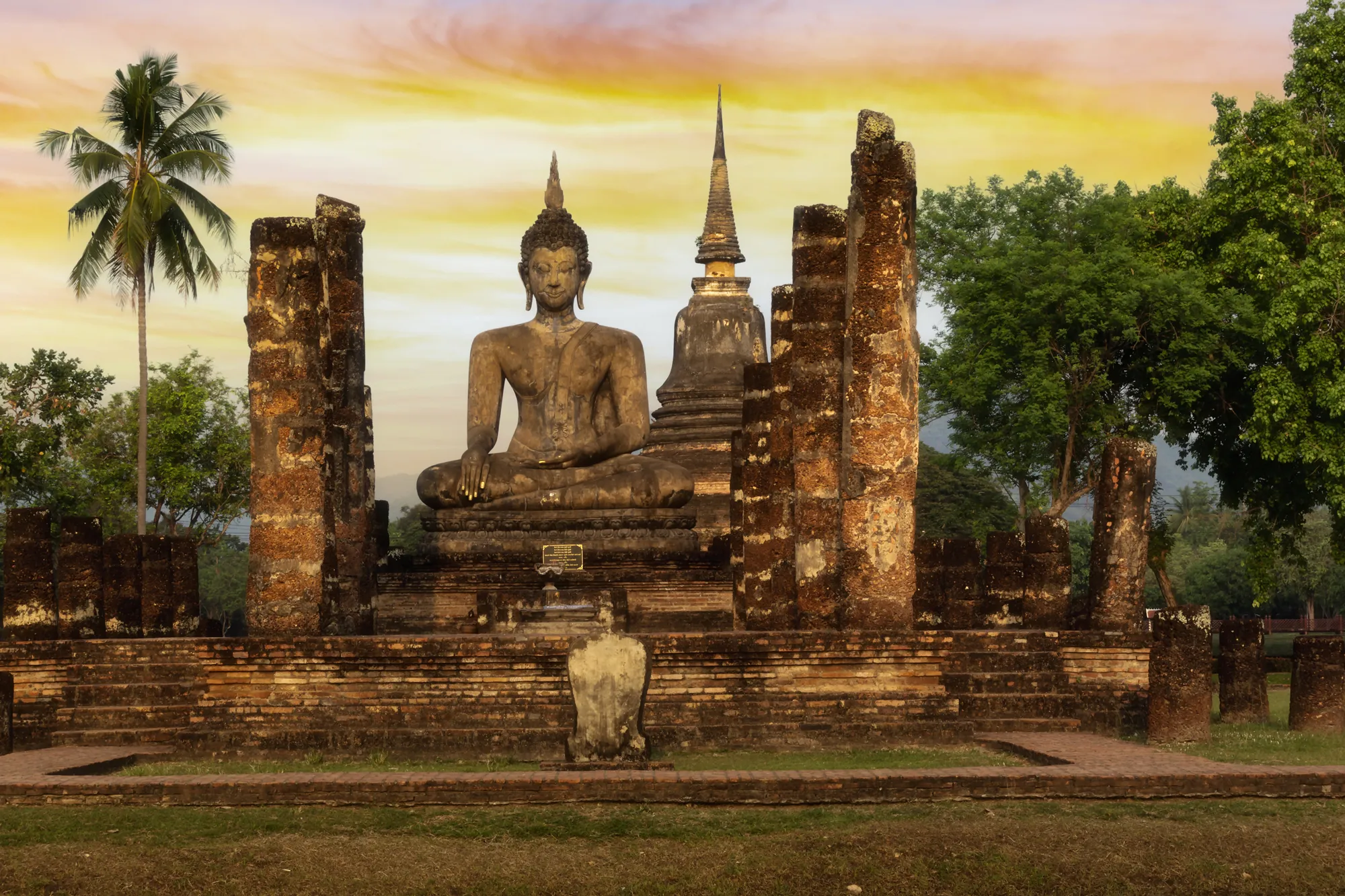
The fall of Wat Mahathat is a poignant chapter in the history of Ayutthaya, marked by the tumultuous events of the 1767 Burmese-Siamese War. This conflict, which culminated in the catastrophic invasion of Ayutthaya by Burmese forces, left the once-majestic temple complex severely damaged. The war not only signaled the decline of the Ayutthaya Kingdom but also marked the beginning of a period of neglect and desolation for Wat Mahathat.
As Burmese troops ravaged the city, Wat Mahathat, along with many of Ayutthaya's architectural gems, was subjected to destruction. Its towering prang and sacred halls, which had stood as symbols of spiritual and cultural prosperity, were reduced to ruins. The invasion effectively dismantled the Ayutthaya Kingdom, leading to a significant shift in the region's political landscape and leaving the temple complex abandoned.
For centuries, Wat Mahathat lay overgrown and forgotten, its once-grand structures succumbing to the elements. The thick foliage slowly enveloped the ruins, creating a haunting tableau of nature reclaiming what man had built. This overgrown state was emblematic of the passage of time and the silent testimony to the devastation of war and conflict.
Despite its dilapidated condition, Wat Mahathat's historical and cultural significance was never truly forgotten. Over the years, efforts have been made to preserve and restore parts of the temple, driven by a growing appreciation for its historical value. These initiatives aimed to stabilize the ruins and protect them from further decay, ensuring that this vital piece of history could be appreciated by future generations.
Today, Wat Mahathat stands as a powerful symbol of endurance and resilience. As a historical site, it offers a window into the past, inviting visitors to reflect on the cycles of prosperity and ruin that have shaped the region. Its recognition as a UNESCO World Heritage site underscores its importance, highlighting the need to remember and learn from the past, even as we strive to preserve these invaluable cultural legacies. Through its storied ruins, Wat Mahathat continues to speak volumes about the enduring spirit of a once-great kingdom and the lessons that history imparts.
Restoration and Rebirth
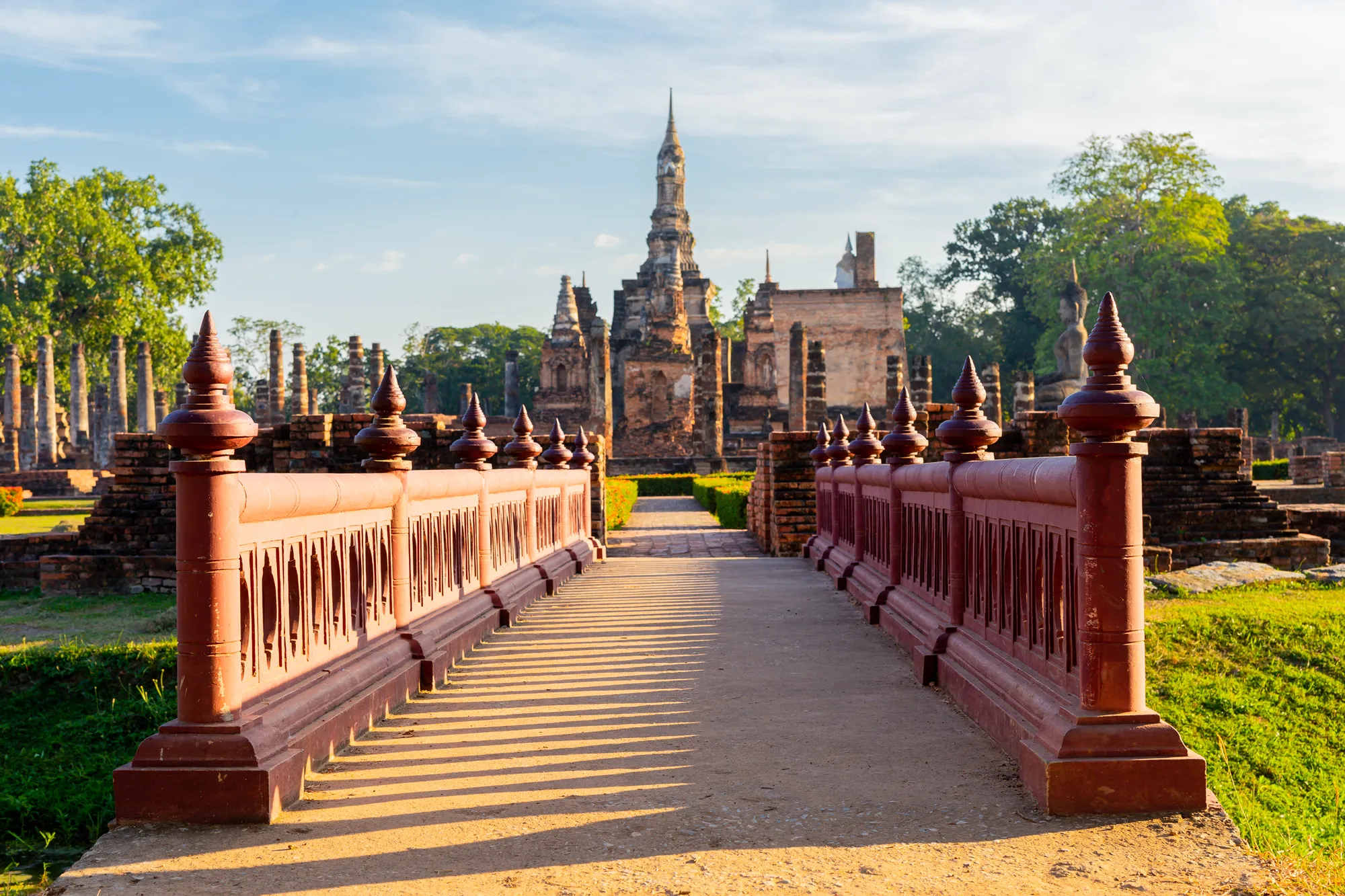
The 20th century marked a pivotal era for Wat Mahathat, as the world began to recognize the critical need to preserve this historical treasure. Decades of neglect had left the temple in a vulnerable state, with its once-majestic structures succumbing to the ravages of time. The call for restoration emerged not only from the desire to save a crumbling relic but also to honor the profound historical and cultural narratives it harbored.
Restoration efforts at Wat Mahathat were initiated with a deep respect for its original architecture and historical significance. One of the most significant projects involved stabilizing the iconic prang, which had been severely damaged over the centuries. Experts employed a range of conservation techniques aimed at preserving the intricate stucco work and structural integrity, ensuring that the prang could withstand both environmental elements and the passage of time.
The restoration process faced numerous challenges, including the need to balance modern conservation methods with traditional building techniques. There was an imperative to maintain the authenticity of the temple's original materials and craftsmanship. This often meant sourcing similar materials and employing artisanal techniques reminiscent of those used by the temple's original builders.
Additionally, restoring the temple's numerous chedis and viharns required meticulous attention to detail. Many of these structures had been reduced to ruins, and their reconstruction involved piecing together fragments and employing careful archaeological research to recreate their original forms.
Despite these challenges, the restoration efforts have breathed new life into Wat Mahathat, transforming it from a silent witness of history to a vibrant symbol of resilience and renewal. Today, the temple stands as a testament to the dedication and ingenuity of those who sought to preserve its legacy. The site has become a cherished heritage landmark, drawing visitors from around the world who come to admire its storied past and restored beauty.
Wat Mahathat’s rebirth is not only a triumph of restoration but also a powerful reminder of the enduring spirit of the Ayutthaya Kingdom. It is celebrated as an emblem of cultural preservation, embodying the idea that even in the face of destruction, renewal is possible. Through the tireless efforts of historians, archaeologists, and conservationists, Wat Mahathat continues to inspire and educate, bridging the gap between past and present as a beacon of historical and cultural resilience.
Today’s Attractions at Wat Mahathat
The Iconic Prang
The iconic prang of Wat Mahathat stands as a testament to the architectural brilliance of the Ayutthaya Kingdom, drawing cultural tourists from around the globe eager to witness its grandeur. This towering structure, with its intricate design and imposing presence, serves not only as a focal point of the temple complex but also as a symbol of the kingdom's historical and cultural richness.
Architecturally, the prang is a marvel of medieval Thai craftsmanship. It features a towering central spire, surrounded by smaller stupas, all constructed with meticulous attention to detail. The prang's design is heavily influenced by Khmer architecture, evident in its stepped profile and the ornate stucco work that adorns its surface. These stucco decorations often depict scenes from Buddhist mythology, reflecting the spiritual significance of the prang and its role as a repository of sacred relics.
The construction techniques employed in building the prang highlight the ingenuity of the period. Utilizing a combination of brick and stucco, the builders created a structure that could withstand the test of time, despite the region's humid climate and frequent flooding. The use of local materials not only ensured the prang's resilience but also showcased the resourcefulness of Ayutthaya's architects and artisans.
Culturally, the prang is imbued with symbolism that resonates deeply with Thailand's Buddhist heritage. It is said to represent Mount Meru, the center of the universe in Buddhist cosmology, thereby underscoring the temple's spiritual significance. As a result, the prang is not merely an architectural feat but also a spiritual beacon, drawing pilgrims and tourists alike to experience its serene majesty.
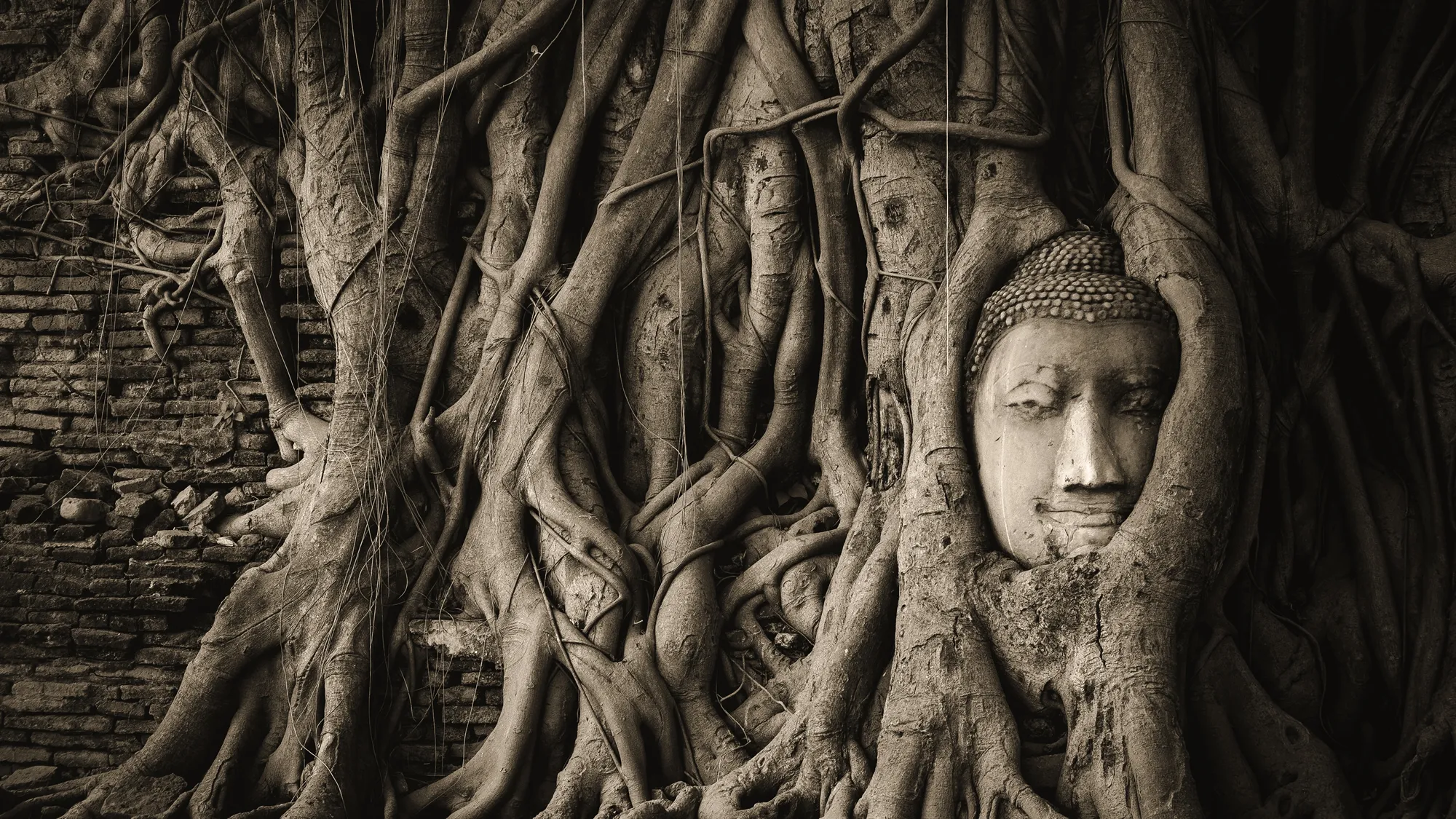
One of the unique stories associated with the prang is the legendary entwinement of the Buddha head within the roots of a Banyan tree, located near the structure. This striking image has become an enduring symbol of the temple and a poignant reminder of nature's ability to reclaim and preserve cultural heritage.
For visitors to Wat Mahathat, the prang offers a captivating glimpse into Ayutthaya's storied past. Its majestic form provides a tangible connection to the era's architectural prowess and cultural ethos, making it an essential highlight for anyone exploring the historical wonders of Thailand. Through its blend of artistry, spirituality, and history, the prang continues to captivate and inspire, standing as a proud monument to the enduring legacy of the Ayutthaya Kingdom.

The Enigmatic Buddha Head
The enigmatic Buddha head at Wat Mahathat is a captivating symbol that captures the imagination of visitors from around the world. This serene visage, gently cradled by the intertwining roots of a Bodhi tree, embodies a profound connection between nature and spirituality, offering a poignant representation of Buddhist teachings and the passage of time.
The story of how the Buddha head became ensnared within the roots remains shrouded in mystery, adding to its allure. It is believed that during the fall of Ayutthaya in 1767, the temple was ransacked, leaving many of its sculptures decapitated and scattered. Over the centuries, as the site lay abandoned, nature began to reclaim the ruins, and the roots of a Bodhi tree gradually enveloped the head, creating an extraordinary natural shrine.
In Buddhist spirituality, the Bodhi tree is a revered symbol, representing the tree under which Siddhartha Gautama attained enlightenment and became the Buddha. Thus, the image of the Buddha head within the roots resonates deeply with themes of enlightenment, resilience, and the eternal cycle of life. It signifies the enduring presence of spirituality amid the impermanence of worldly structures, a core tenet of Buddhist philosophy.
The Buddha head at Wat Mahathat is not just a historical artifact but a spiritual icon that continues to inspire reflection and reverence. It draws countless visitors who are entranced by its tranquil expression and the powerful symbolism of nature embracing a sacred relic. This interplay between the ancient and the natural world serves as a reminder of the harmonious balance between human endeavors and the earth's enduring beauty.
Legends surrounding the Buddha head further enrich its mystique. Some say that the tree's roots were guided by the divine to protect this sacred image, while others believe it represents the resilience of faith that survives even amidst destruction. Regardless of the tales, the sight of the Buddha head entwined with the Bodhi tree roots stands as an enduring testament to the inseparable bond between history and nature.
For those visiting Wat Mahathat, the enigmatic Buddha head is a must-see, providing a powerful visual metaphor of nature's ability to preserve and honor the spiritual legacies of the past. It serves as a beacon of peace and contemplation, inviting all who gaze upon it to ponder the deeper meanings of life, faith, and the eternal dance between time and nature.

A Journey Through Time
Exploring the ruins of Wat Mahathat is akin to embarking on a journey through time, where each step across the temple grounds whispers tales of a bygone era. The sprawling ruins, with their weathered bricks and timeworn stones, offer an evocative panorama of the past, inviting visitors to immerse themselves in the grandeur and mystique of the Ayutthaya Kingdom.
As you wander through the expansive temple complex, you'll encounter the iconic prang towering majestically, a beacon of the architectural prowess that once defined this vibrant kingdom. Its ornate stucco work and imposing height speak volumes of the craftsmanship and spiritual dedication that permeated Ayutthaya society. Surrounding the prang are a series of chedis and viharns, each a testament to the temple's former splendor and religious significance.
The temple grounds are a labyrinth of history, with every corner revealing remnants of the past. As you stroll along the ancient pathways, the silence is filled with echoes of monks chanting and the bustling activity that once animated this sacred space. The ruins, although fragmented, powerfully convey the bustling life that existed here, providing glimpses into the daily rituals and spiritual devotion that characterized the kingdom.
The atmosphere is both solemn and awe-inspiring, as the towering structures and scattered relics evoke a sense of reverence and reflection. The air is thick with the essence of history, allowing visitors to not only see but feel the weight of centuries gone by. This haunting beauty is enhanced by the natural environment, where the interplay of light and shadow across the ruins creates a living tapestry of history.
Imagining life during the Ayutthaya Kingdom becomes effortless as you stand amid the remnants of this once-thriving metropolis. The ruins serve as a direct connection to the past, offering a window into the lives of those who walked these grounds long before us. The grandiosity of the structures hints at the cultural and political significance of the kingdom, while the serene surroundings evoke the spiritual tranquility that reigned supreme.
Wat Mahathat plays a crucial role in preserving Thailand's cultural heritage, its ruins a silent testament to the country's rich history and enduring spirit. As visitors traverse this historical landscape, they are reminded of the resilience and ingenuity that defined the Ayutthaya Kingdom, gaining a deeper appreciation for the legacy that continues to shape Thailand's cultural identity.
This journey through time at Wat Mahathat is not just a stroll through ruins; it is an immersive experience that invites reflection and imagination, offering an unparalleled glimpse into the heart of Thailand's storied past.
A Sanctuary of Serenity
Wat Mahathat stands as more than just a historical monument; it is a sanctuary of serenity where time seems to pause, offering a tranquil retreat from the bustling world outside. Nestled amid lush greenery, the temple’s peaceful atmosphere envelops visitors, inviting them to leave behind the chaos of daily life and immerse themselves in a haven of contemplation.
The natural surroundings play a pivotal role in creating this oasis of calm. Towering trees provide gentle shade, their leaves whispering in the breeze to create a soothing symphony that echoes across the temple grounds. The soft rustle of nature is complemented by the gentle chirping of birds, enhancing the serene ambiance and drawing visitors into a state of relaxation and introspection.
Architectural elements of Wat Mahathat further contribute to its tranquil environment. The weathered bricks and aged stones, bearing the marks of centuries, exude a quiet dignity that encourages reflection. The intricate details of the temple structures, from the ornate stupas to the majestic prang, inspire awe and reverence, grounding visitors in the spiritual significance of their surroundings.
Amidst this serene setting, Wat Mahathat serves as a retreat for meditation and spiritual renewal. Pilgrims and tourists alike are drawn to its sacred spaces, seeking a moment of peace and clarity. The temple’s spiritual ambiance offers an ideal backdrop for meditation, allowing individuals to connect with their inner selves and experience a profound sense of tranquility.
The emotional and spiritual experiences at Wat Mahathat are deeply personal, yet universally resonant. Visitors often find themselves enveloped in a sense of calm and reflection, as the temple’s serene energy encourages introspection and mindfulness. It is a place where worries fade, replaced by a feeling of inner peace and connection to something greater.
Wat Mahathat’s significance as a sanctuary of solace and introspection is invaluable. It stands as a beacon of spiritual resilience, offering a respite for those seeking clarity and comfort. Here, amid the ancient ruins and natural beauty, visitors can experience the profound quietude that has drawn countless souls over the centuries, reaffirming the temple’s timeless role as a refuge for the mind and spirit.
Guide to Visiting Wat Mahathat
Embark on a journey through history and spirituality with a visit to Wat Mahathat, a treasure trove of cultural and architectural wonders nestled in Ayutthaya, Thailand. This guide will provide you with everything you need to make the most of your visit.
Practical Information:
-
Best Times to Visit: To experience Wat Mahathat at its most serene, plan your visit early in the morning or late in the afternoon. These times offer cooler temperatures and softer lighting, perfect for photography and exploration.
-
Entrance Fees: The entrance fee is modest, typically around 50 Thai Baht for international visitors. This fee contributes to the preservation of this historical site.
-
Dress Code: As a place of religious significance, visitors should dress respectfully. Both men and women are advised to cover their shoulders and knees. Lightweight, breathable clothing is recommended due to the warm climate.
Must-See Features:
-
The Iconic Prang: This towering structure is a testament to Ayutthaya’s architectural prowess. Its grand design and intricate stucco work are sure to captivate your imagination.
-
The Enigmatic Buddha Head: One of the most photographed sights, this serene Buddha head entangled within the roots of a Bodhi tree is a powerful symbol of nature embracing history. It is a must-see for its spiritual and visual impact.
Nearby Attractions and Activities:
-
Ayutthaya Historical Park: Just a short distance from Wat Mahathat, this UNESCO World Heritage Site offers a plethora of ancient temples and ruins to explore.
-
Chao Sam Phraya National Museum: Discover a rich collection of artifacts from the Ayutthaya period, providing deeper insights into the kingdom’s history and culture.
-
Boat Tour of Ayutthaya: Enjoy a scenic boat tour along the Chao Phraya River, offering a unique perspective of the ancient city and its stunning landscapes.
Cultural Etiquette and Tips:
-
Respectful Behavior: Maintain a quiet demeanor and show respect for the sacred nature of the site. Avoid loud conversations and disruptive behavior.
-
Photography: While photography is encouraged, be mindful of your surroundings and avoid taking pictures of people praying or engaging in religious activities without permission.
-
Conservation Awareness: Help preserve the temple by not touching the structures and staying on designated paths.
With this guide in hand, you're ready to explore Wat Mahathat’s rich tapestry of history and spirituality. Enjoy your visit and let the ancient wonders of Ayutthaya inspire and enlighten your journey.

Travel Guide: How to Get to Wat Mahathat from Downtown Ayutthaya
Embarking on a journey to Wat Mahathat from the heart of Ayutthaya promises not only a visit to an iconic historical site but also a delightful exploration of the city. Here's a guide to help you navigate your way with ease and enjoyment.
Walking:
For those who enjoy a leisurely stroll, walking to Wat Mahathat is a wonderful option. The temple is approximately 1.5 kilometers from downtown Ayutthaya, making for a pleasant 20-30 minute walk. As you make your way, you'll pass charming street vendors and shops, offering a glimpse into local life. Look out for the bustling Ayutthaya Historical Park, a perfect detour to enrich your cultural journey.
Cycling:
Cycling is a popular and enjoyable way to explore Ayutthaya. Bicycles can be rented from numerous shops in the downtown area for around 50 Thai Baht per day. The ride to Wat Mahathat takes about 10-15 minutes. As you pedal along the tree-lined paths, take a moment to appreciate the serene landscapes and the occasional ruins dotting the route.
Tuk-Tuks:
For a quintessential Thai experience, hop on a tuk-tuk. These vibrant three-wheeled vehicles are readily available in downtown Ayutthaya. A tuk-tuk ride to Wat Mahathat typically costs around 60-100 Thai Baht and takes about 10 minutes. Enjoy the hustle and bustle of Ayutthaya's streets as you zip through the city, and don't hesitate to ask your driver for recommendations on hidden gems along the way.
Taxis:
For a more comfortable and direct journey, taxis are a convenient choice. Available throughout the city, a taxi ride to Wat Mahathat will take about 10 minutes, with fares ranging from 100-150 Thai Baht. This option is ideal for those traveling with family or looking for a hassle-free trip.
Travel Tips:
-
Best Times to Travel: To avoid crowds and enjoy a more serene visit, aim to travel early in the morning or late in the afternoon.
-
Navigating the Area: Keep an eye out for well-placed signs directing you to Wat Mahathat. If in doubt, locals are always friendly and willing to help with directions.
-
Notable Sights: Along your route, consider stopping by the Chao Sam Phraya National Museum for a fascinating insight into Ayutthaya’s history, or pause at a local café for a refreshing Thai iced tea.
With these options and tips, your journey to Wat Mahathat will be as memorable as the destination itself. Enjoy the adventure and the rich tapestry of history that awaits you at this remarkable site.

Travel Guide: How to Get to Wat Mahathat from Downtown Bangkok
Embark on a captivating journey from the bustling metropolis of Bangkok to the historical heart of Ayutthaya, home to the iconic Wat Mahathat. This guide will help you navigate your way with ease, offering various transportation options and tips to enhance your travel experience.
Train:
One of the most scenic and budget-friendly ways to reach Ayutthaya is by train. Depart from Hua Lamphong Station in Bangkok, with trains running regularly throughout the day. The journey typically takes around 1.5 to 2 hours, and tickets range from 20 to 245 Thai Baht, depending on the class. Enjoy the sights of the countryside as you make your way to Ayutthaya. Upon arrival, Wat Mahathat is a short tuk-tuk ride from the Ayutthaya train station.
Bus:
Buses offer another economical and comfortable option. Depart from the Mo Chit Northern Bus Terminal in Bangkok, with buses leaving every 20-30 minutes. The journey takes approximately 1.5 hours, with fares around 50 to 100 Thai Baht. Once you arrive at the Ayutthaya bus station, you can take a short tuk-tuk or taxi ride to Wat Mahathat.
Car:
For those who prefer flexibility and convenience, renting a car is an excellent choice. The drive from Bangkok to Ayutthaya is about 80 kilometers and takes approximately 1.5 hours via Highway 1. Enjoy the freedom to explore at your own pace and consider stopping at Bang Pa-In Royal Palace along the way, a stunning example of Thai-European architecture.
Guided Tours:
For a hassle-free and informative experience, consider joining a guided tour. Many tours depart from Bangkok and include transportation, entrance fees, and a knowledgeable guide. Prices vary, typically starting at 1,000 Thai Baht per person. This option provides a comprehensive overview of Ayutthaya's history and culture.
Travel Tips:
-
Best Times to Travel: To avoid the crowds and enjoy a cooler climate, consider traveling early in the morning or during weekdays.
-
Navigating the Journey: Keep a map handy or use GPS for navigation. If you're driving, look for signs indicating the route to Ayutthaya.
-
Notable Sights: Along the way, enjoy the scenic views of Thailand's countryside. Consider visiting the Bang Pa-In Royal Palace for a glimpse of regal splendor.
With these options and tips, your journey from downtown Bangkok to Wat Mahathat will be both seamless and enriching. Enjoy exploring the ancient wonders and historic beauty that await you in Ayutthaya.
Your Invitation to Explore
For cultural tourists eager to uncover the rich history and spiritual heritage of Thailand, Wat Mahathat promises a fascinating adventure. Step onto its hallowed grounds and be enchanted by the stories etched into its stones—stories of a kingdom that once was, and of the timeless spirits that continue to inspire awe and wonder.





















Michael Carter
Vestibulum ante ipsum primis in faucibus orci luctus et ultrices posuere cubilia curae; Donec vel erat in nulla efficitur tempor non ut nisl. Integer venenatis eros ut dui viverra fermentum.
Sophie Wilson
Nam ut turpis hendrerit, varius nunc vel, elementum dui. Morbi vulputate dolor sit amet scelerisque egestas. Vestibulum eleifend nunc ut bibendum fermentum.
Alex Morgan
Cras non velit nec purus tempor rhoncus. Sed non mauris vitae erat consequat auctor eu in elit. Class aptent taciti sociosqu ad litora torquent per conubia nostra.