Architectural Features Unveiling the Unique Design Elements of Wat Mangkon Kamalawat
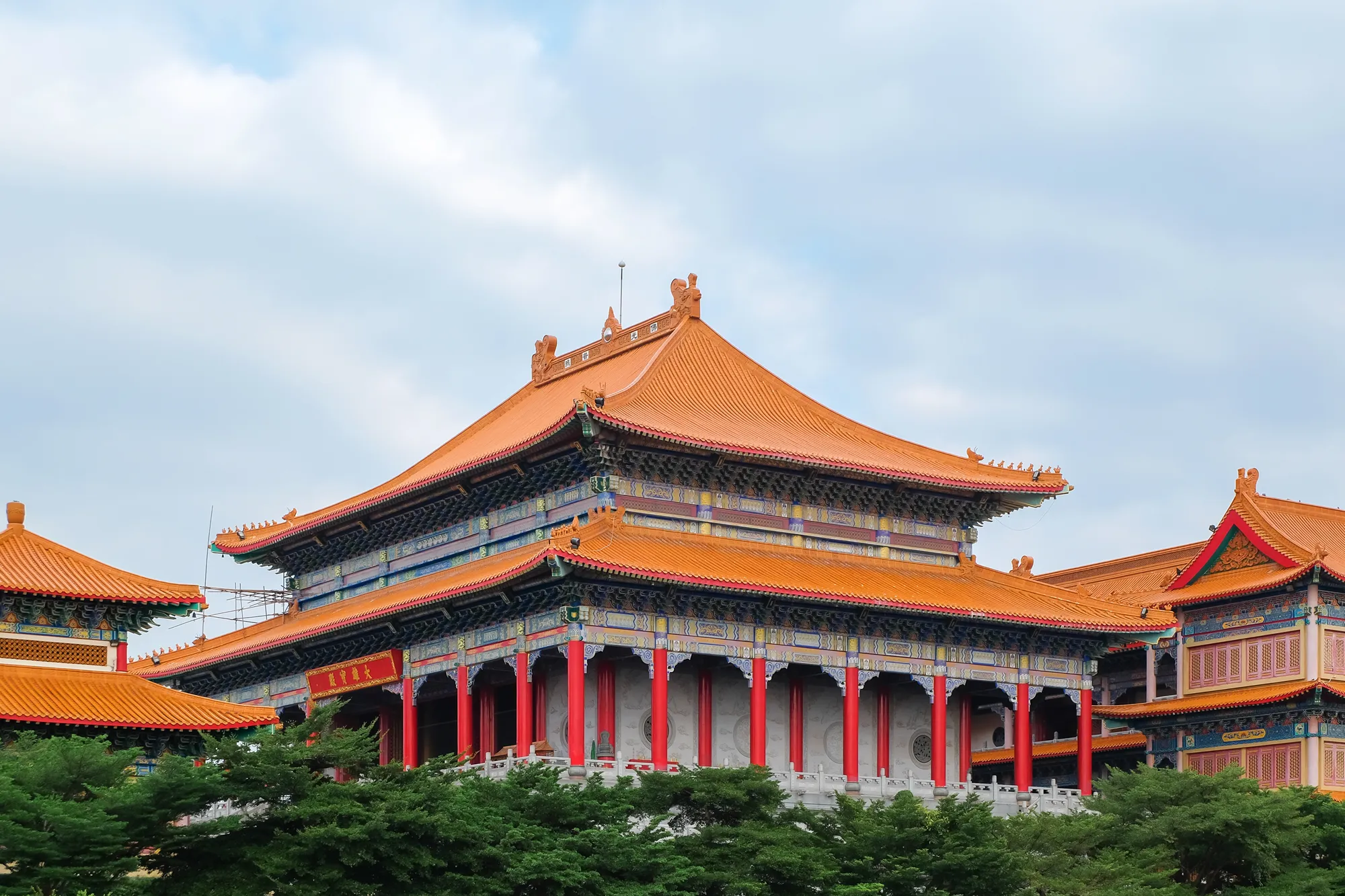
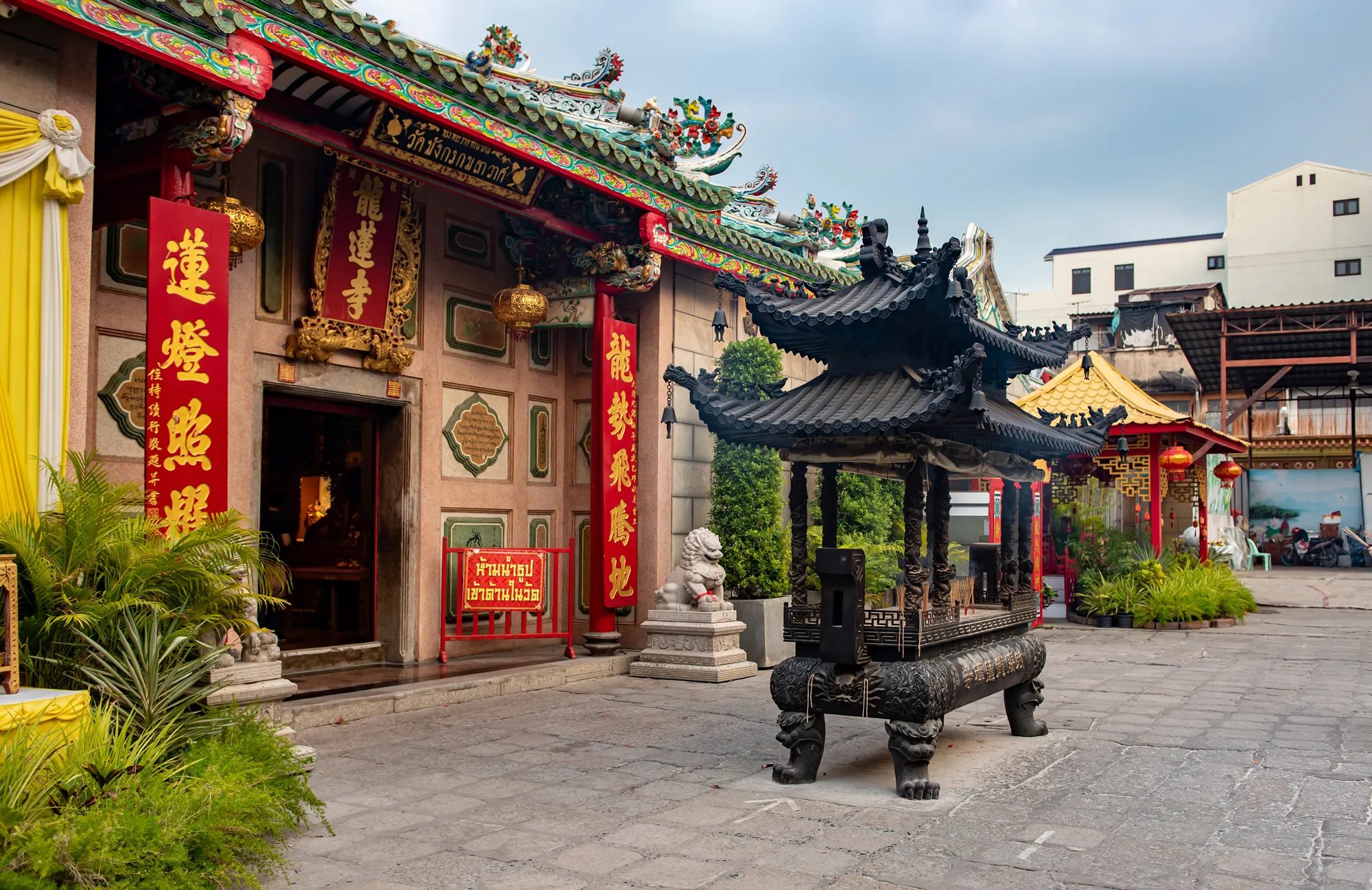
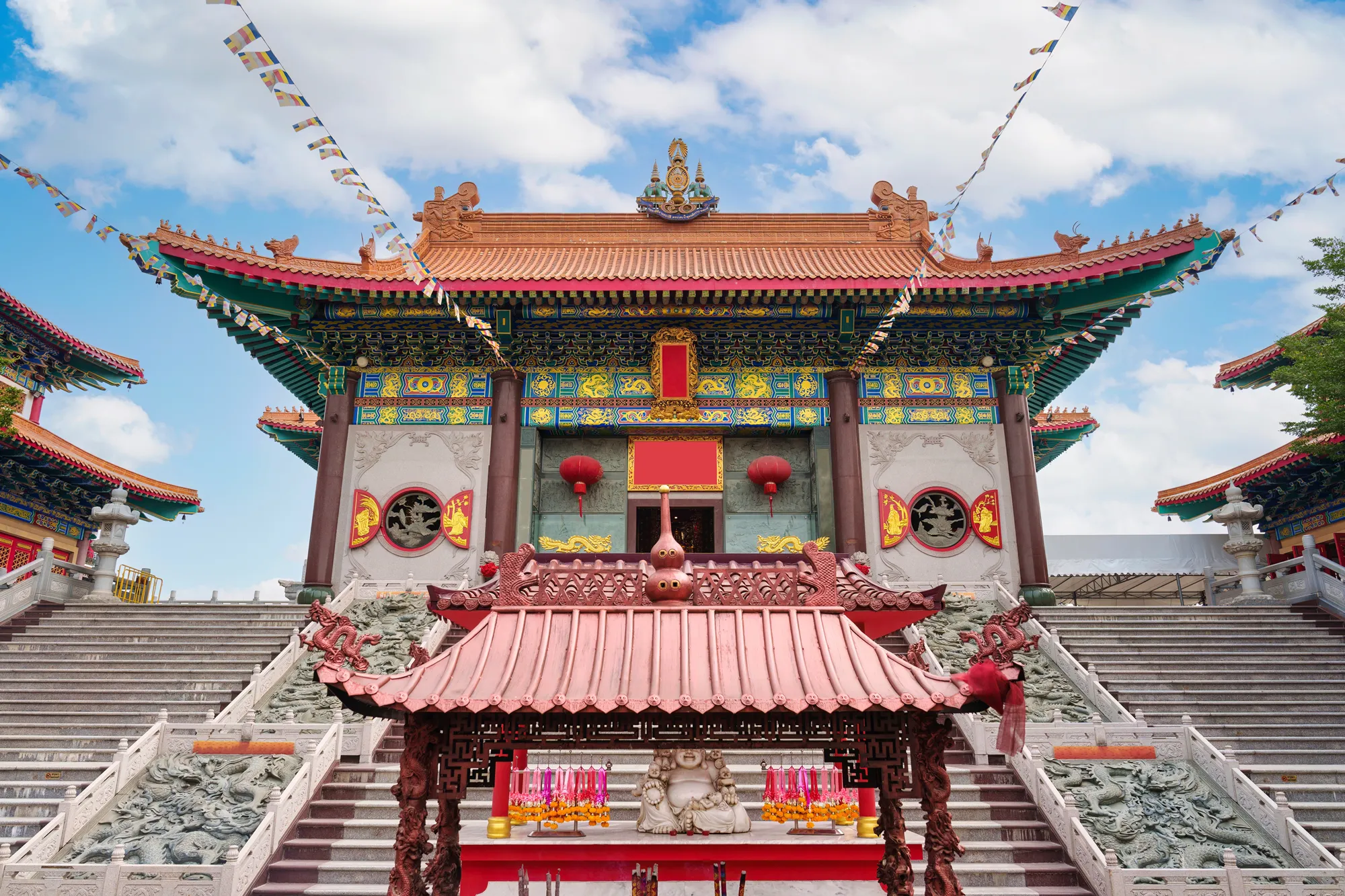
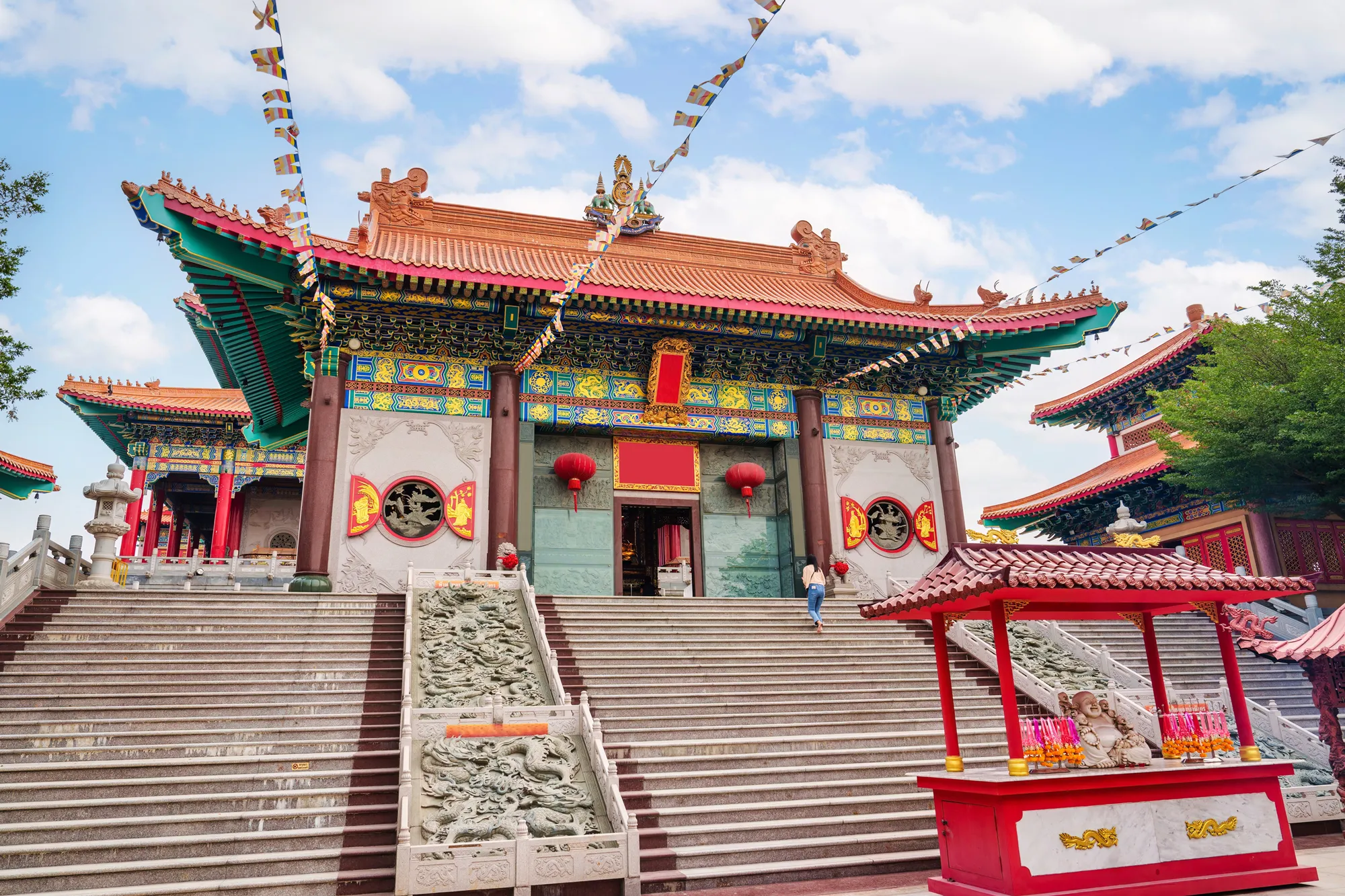
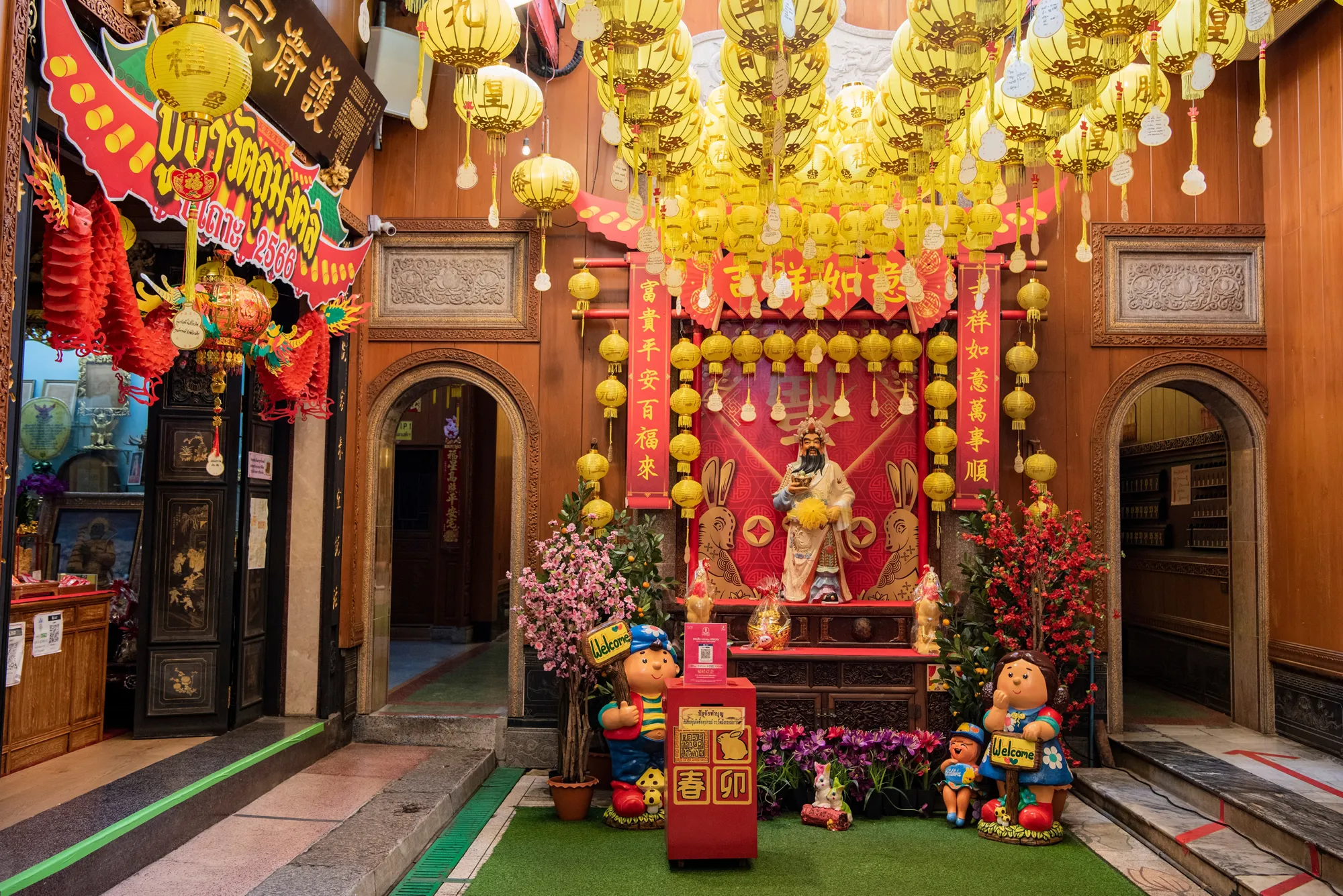
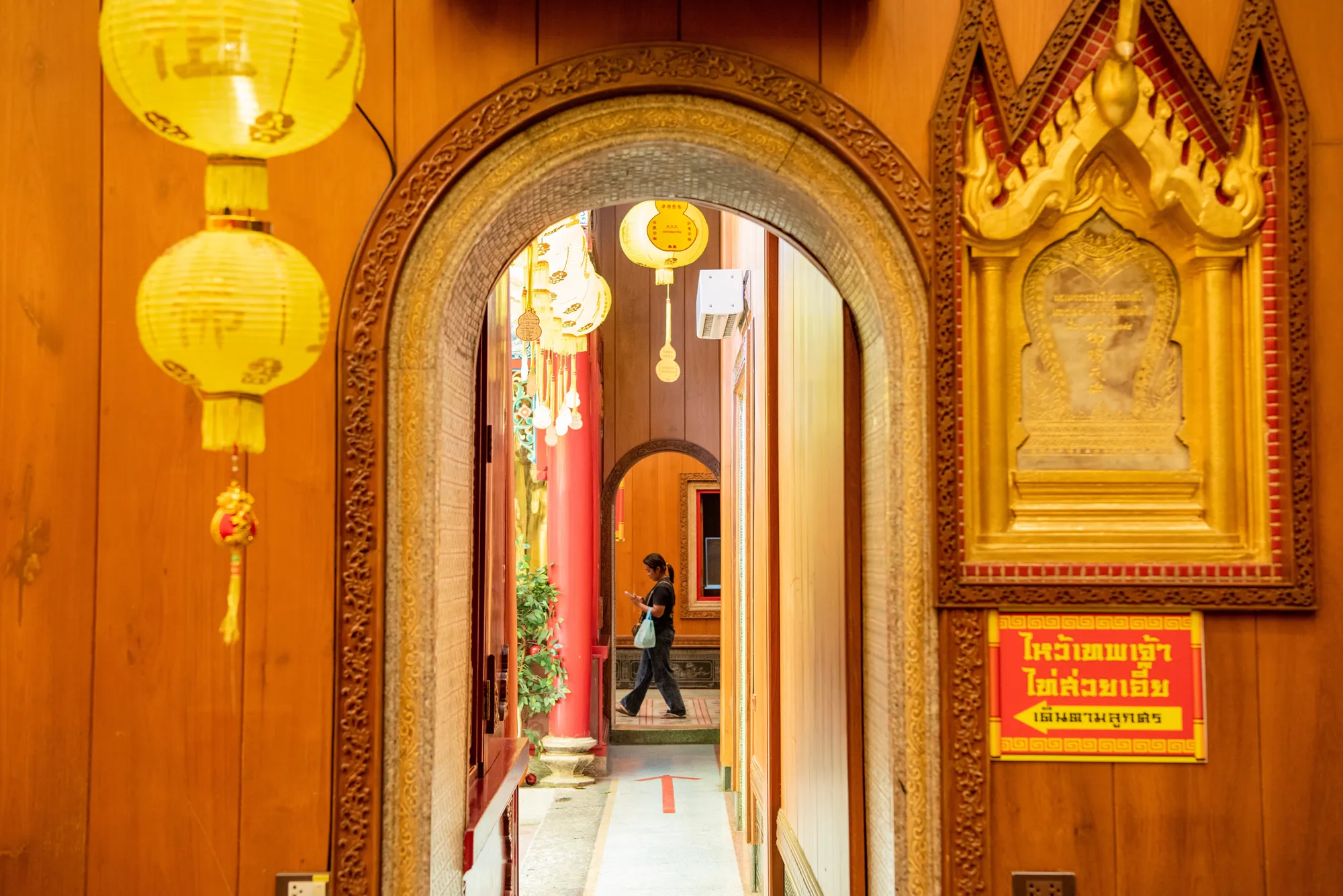
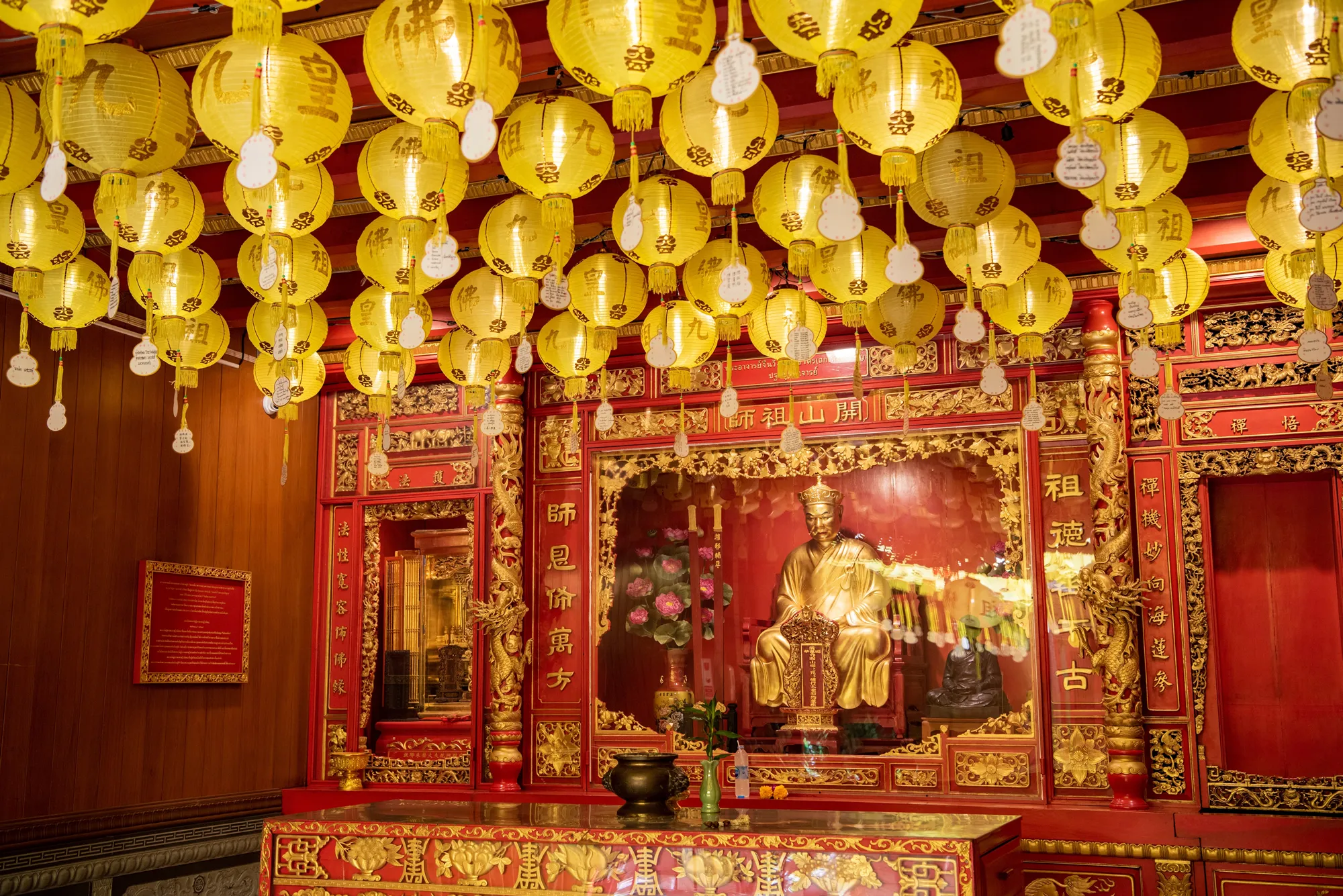
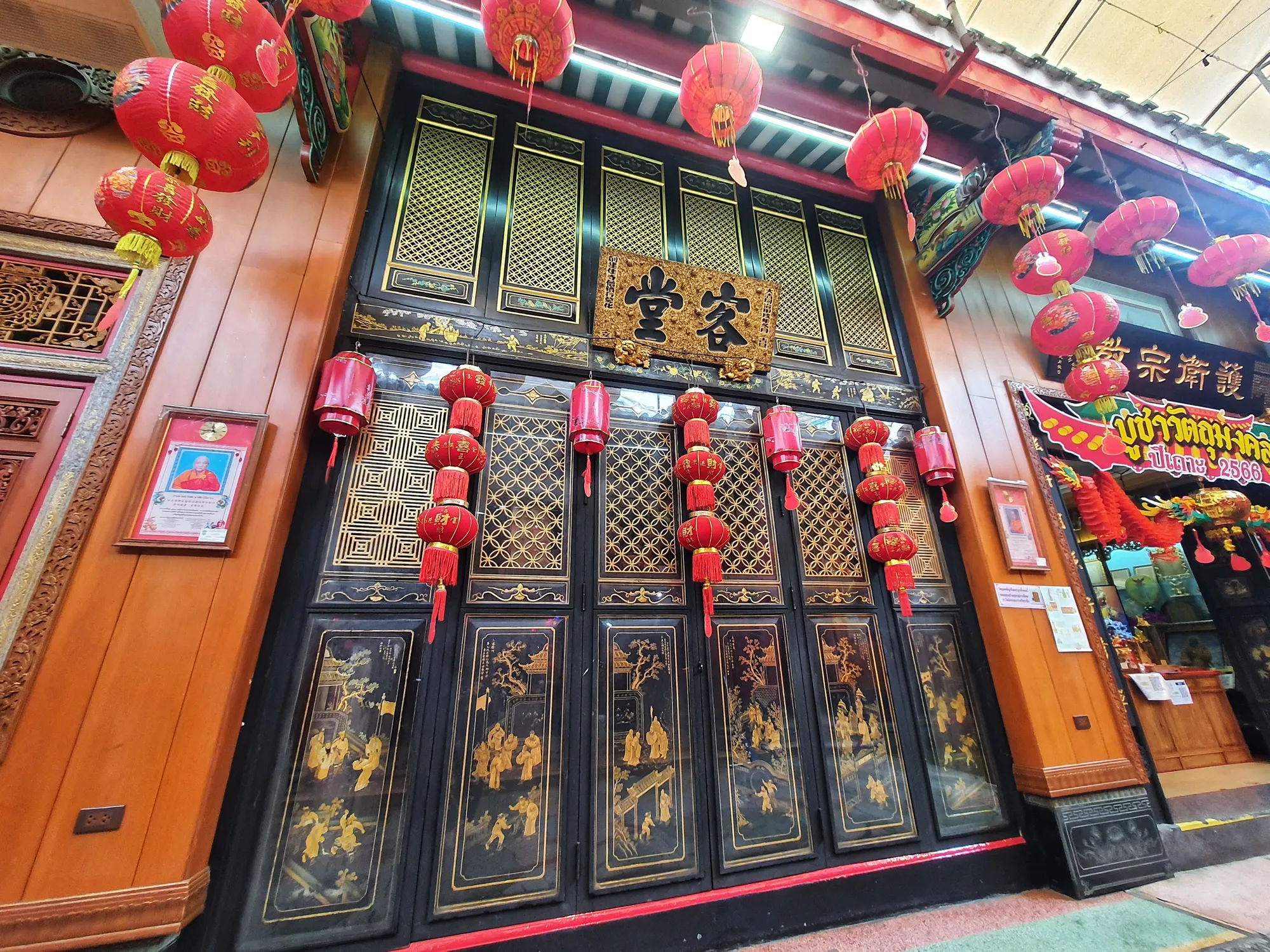
One cannot help but be captivated by the intricate architectural features of Wat Mangkon Kamalawat. The temple's design is a harmonious blend of traditional Chinese and Thai styles, creating a visually stunning masterpiece that stands out amidst Bangkok's urban skyline. The entrance is adorned with intricately carved dragons and lotus motifs, symbolising power and purity, which set the tone for the spiritual experience within.
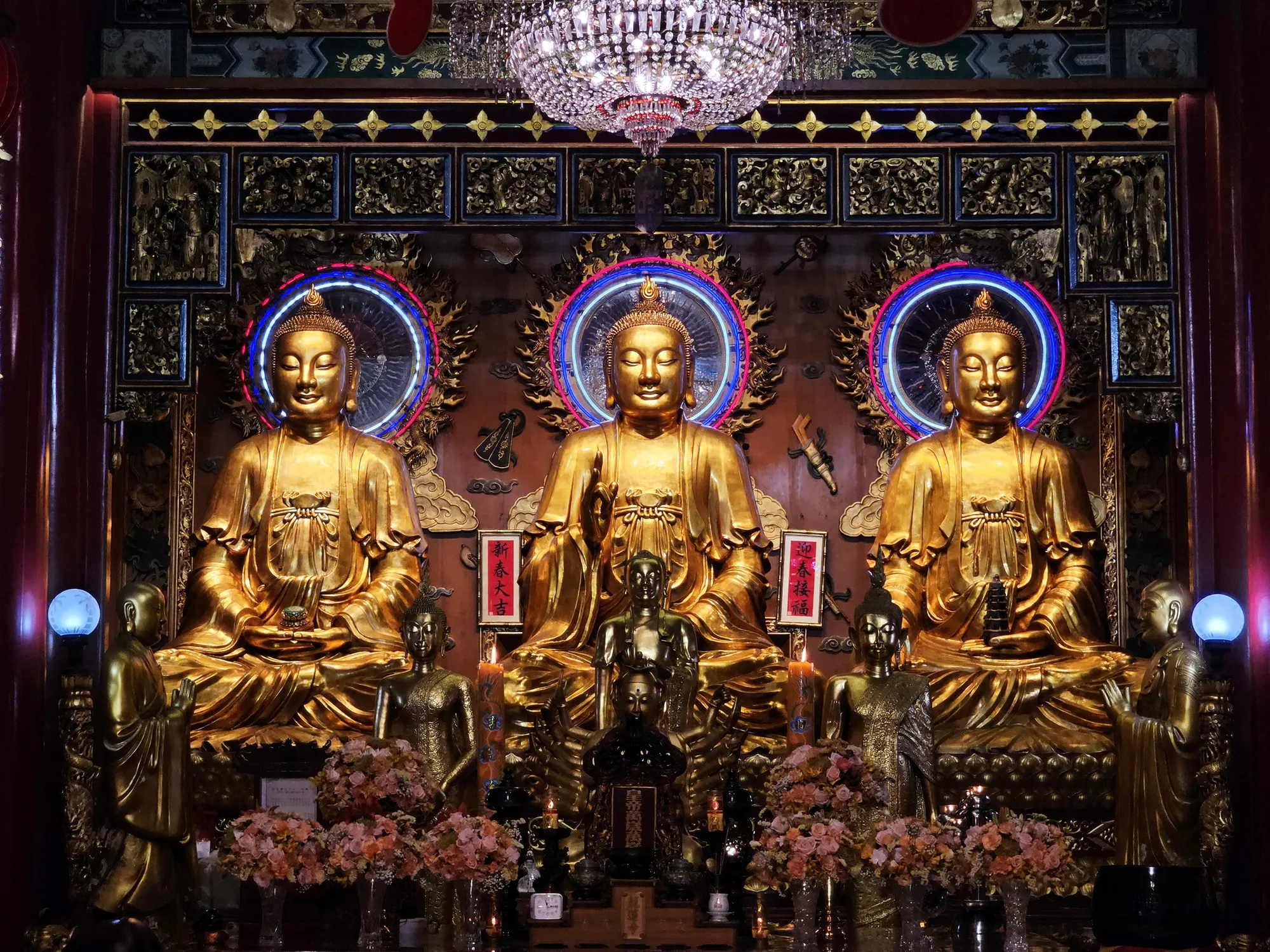
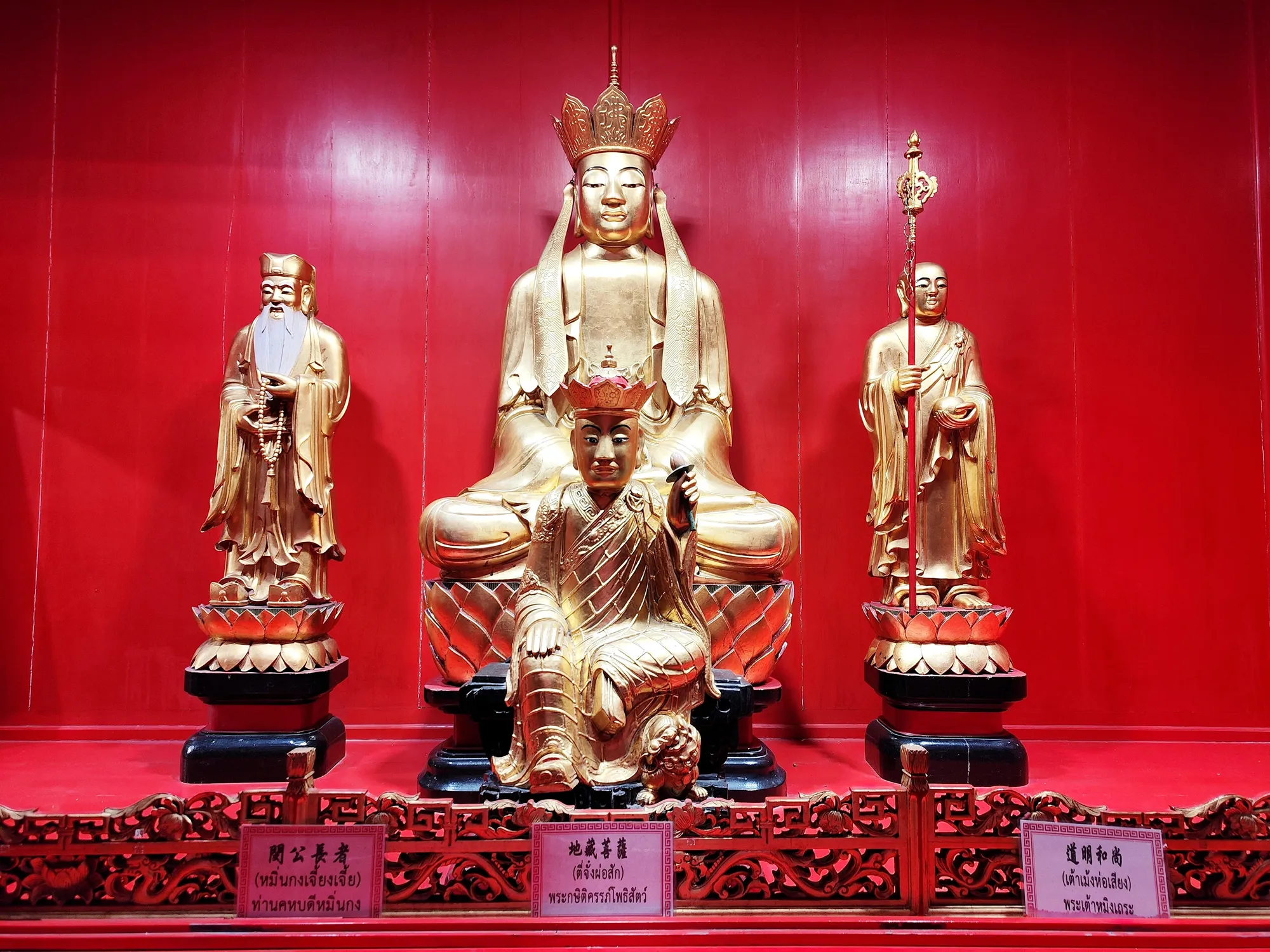
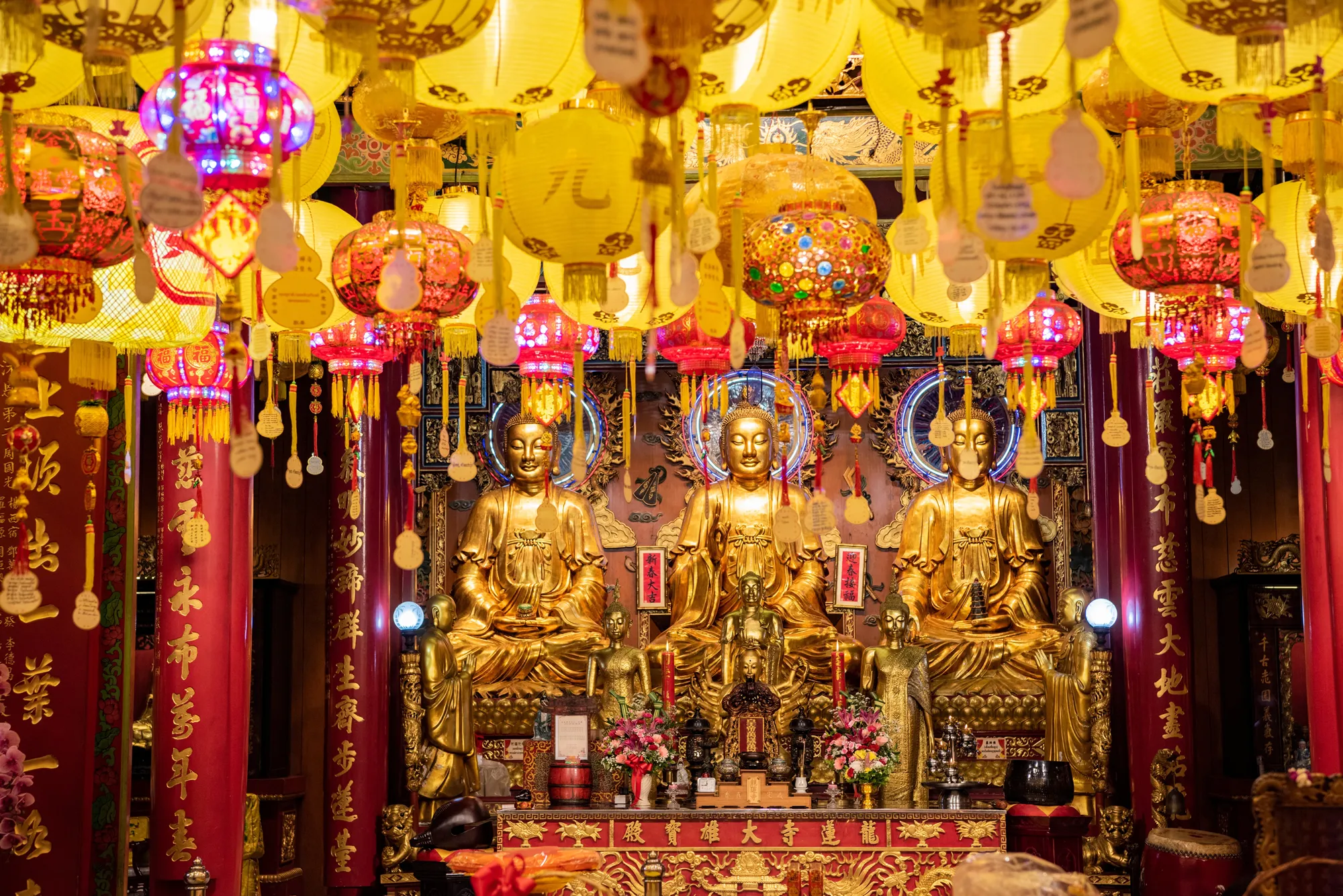
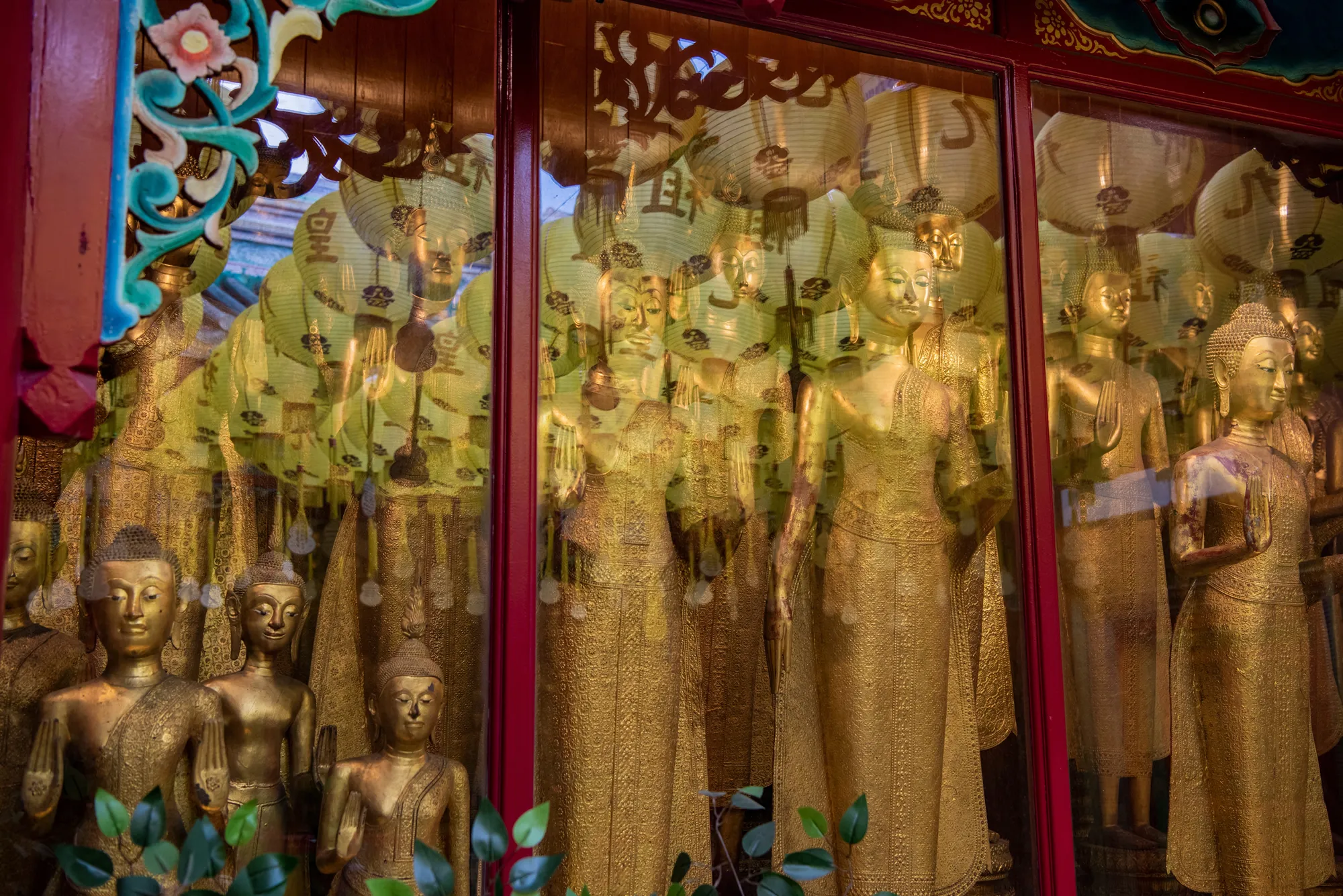
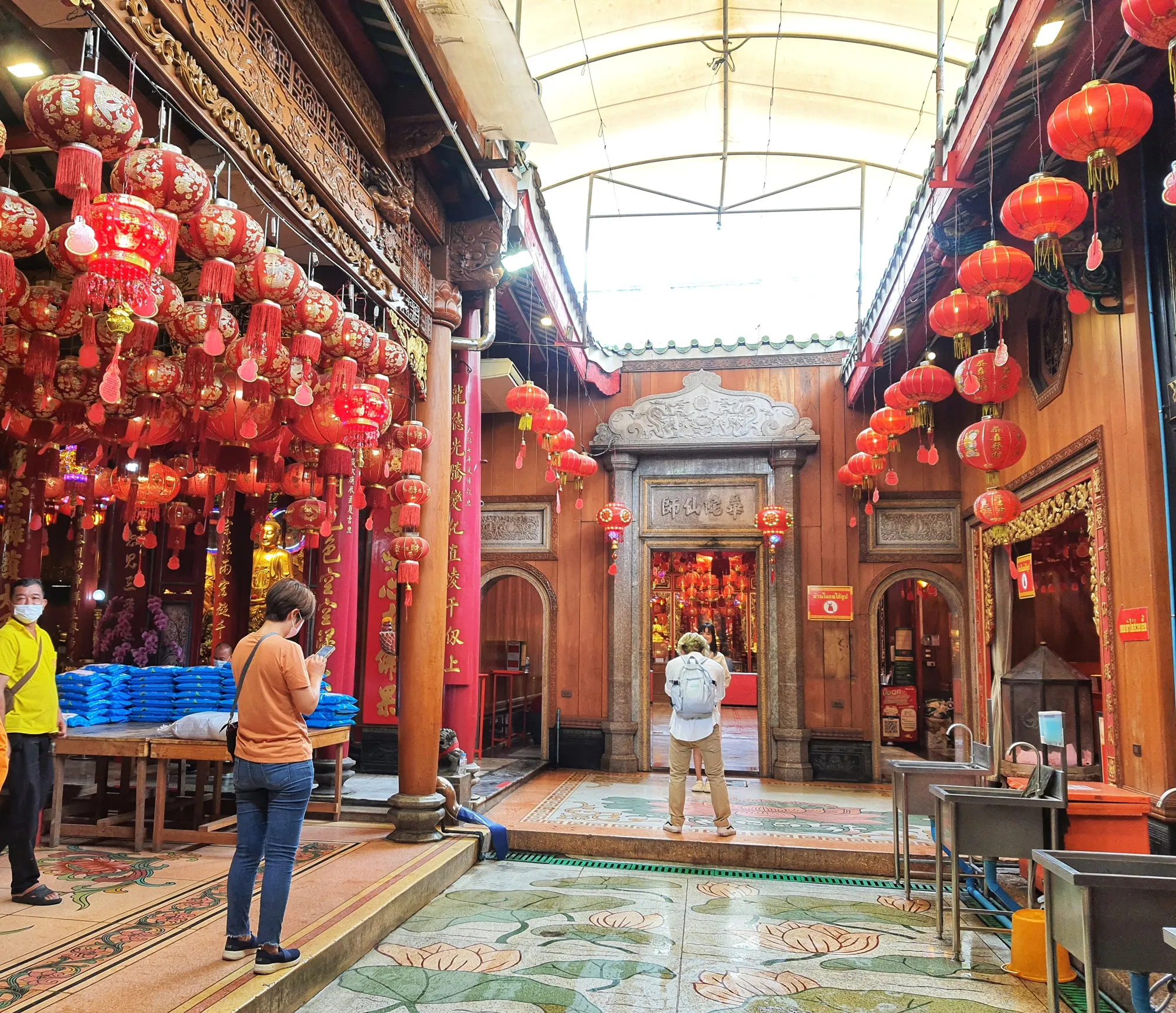
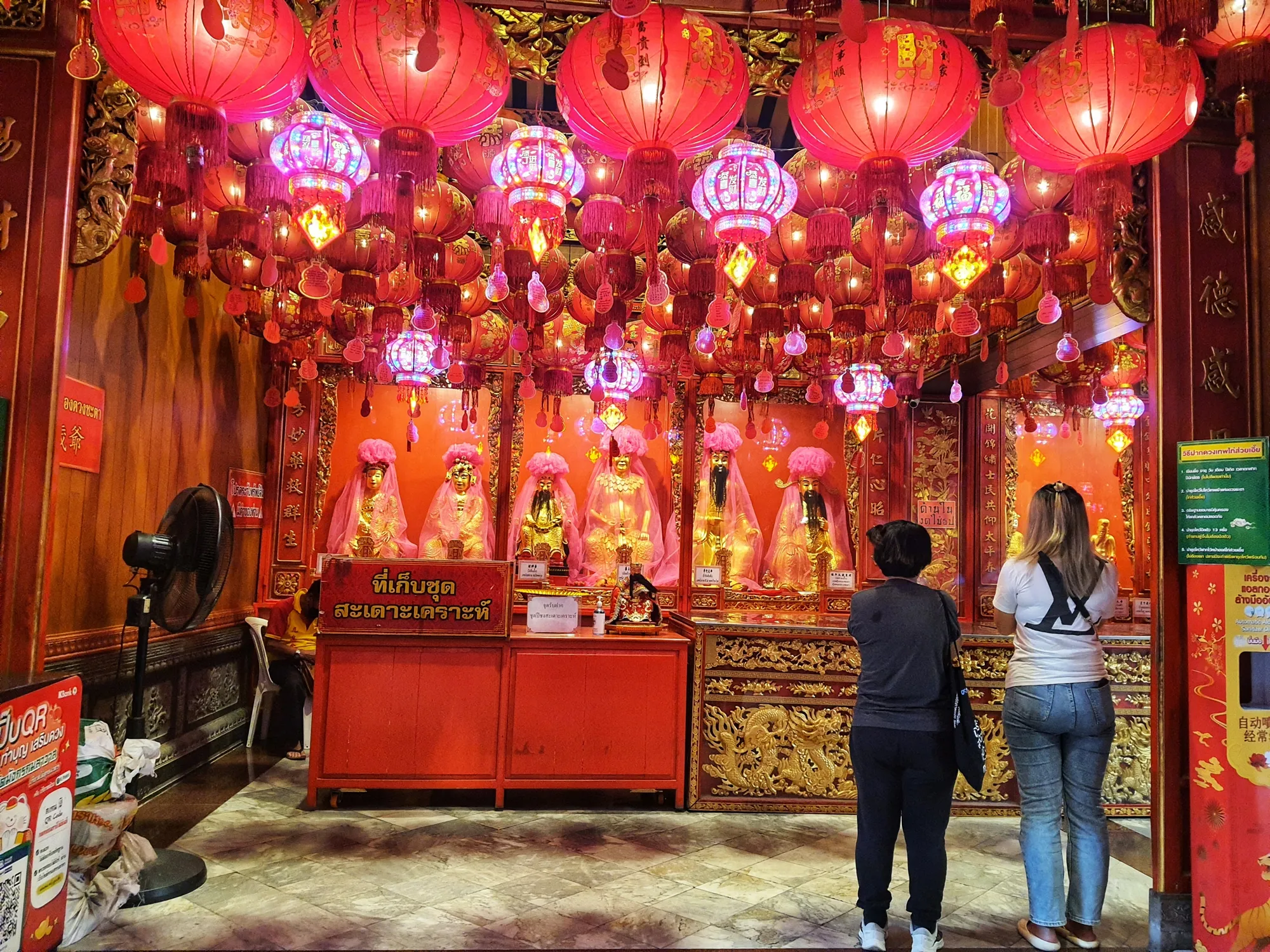
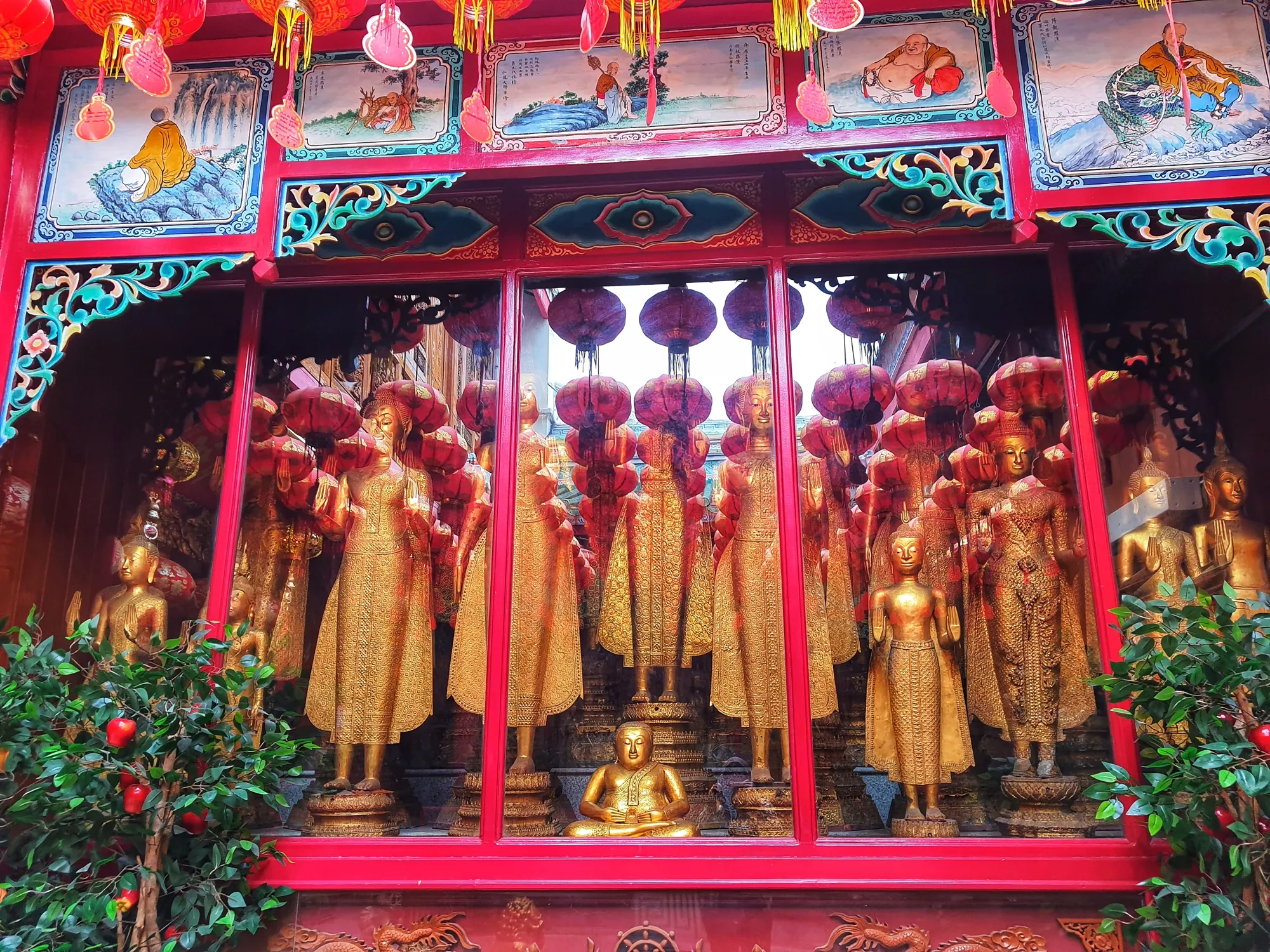
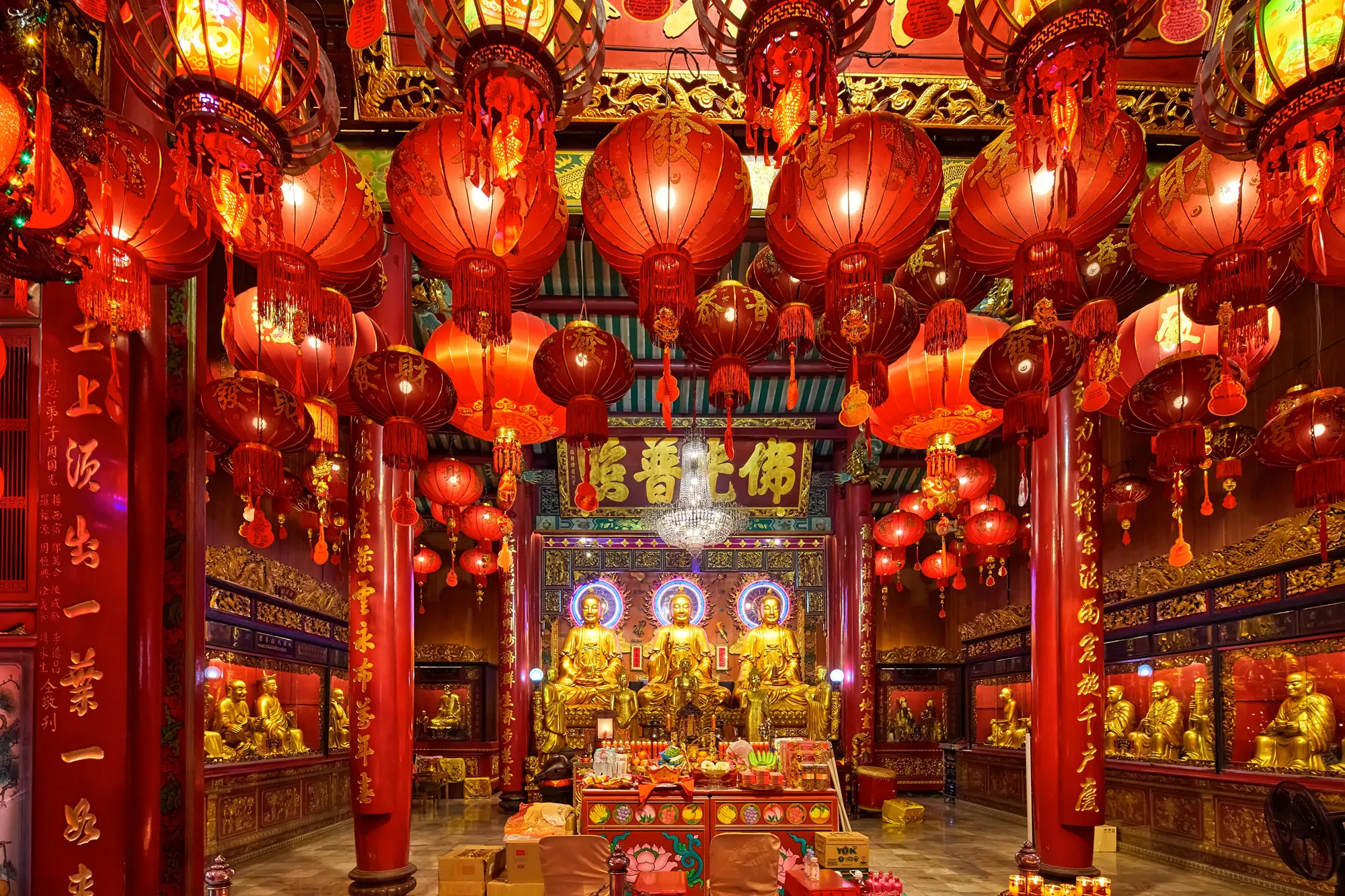
Upon entering, visitors are greeted by a series of ornate courtyards, each meticulously designed to reflect different aspects of Buddhist teachings. The main hall, or "Chayaphruek," is a focal point of the temple, housing a magnificent statue of the Buddha surrounded by stunning murals depicting scenes from his life. These artworks are not only visually captivating but also serve as a narrative guide for visitors, offering insights into Buddhist philosophy and the temple's historical roots.
In addition to its aesthetic splendour, Wat Mangkon Kamalawat is renowned for its use of natural elements in its design. The temple's courtyards are filled with lush gardens and serene ponds, providing a tranquil retreat from the hectic pace of city life. This thoughtful integration of nature into the temple's architecture underscores the Buddhist principle of harmony between the human and natural worlds.
Cultural Significance The Role of Wat Mangkon Kamalawat in Bangkok's History and Community
Wat Mangkon Kamalawat holds immense cultural significance in Bangkok, serving as a vital centre for religious and communal activities. For centuries, the temple has been a beacon of spiritual guidance, offering solace and support to countless individuals seeking refuge from the challenges of everyday life. Its role as a spiritual sanctuary has helped shape the moral and ethical fabric of Bangkok's society, fostering a sense of unity and purpose among its inhabitants.
Beyond its religious functions, Wat Mangkon Kamalawat has played a crucial role in preserving and promoting Bangkok's rich cultural heritage. The temple hosts numerous festivals and events throughout the year, celebrating both Chinese and Thai traditions. These vibrant gatherings attract locals and tourists alike, providing a platform for cultural exchange and fostering greater understanding between diverse communities.
In recent years, Wat Mangkon Kamalawat has also become a hub for educational activities, offering workshops and seminars on various aspects of Buddhist philosophy and practice. These initiatives have helped to demystify Buddhism and make its teachings more accessible to a wider audience, further solidifying the temple's role as a cultural and spiritual epicentre in Bangkok.
Wat Mangkon Kamalawat Today Activities, Festivals, and Visitation
Today, Wat Mangkon Kamalawat continues to thrive as a vibrant centre of cultural activity in Bangkok. The temple's calendar is filled with events and festivals that draw visitors from near and far, each offering a unique opportunity to experience the rich tapestry of traditions that define Bangkok's cultural identity.
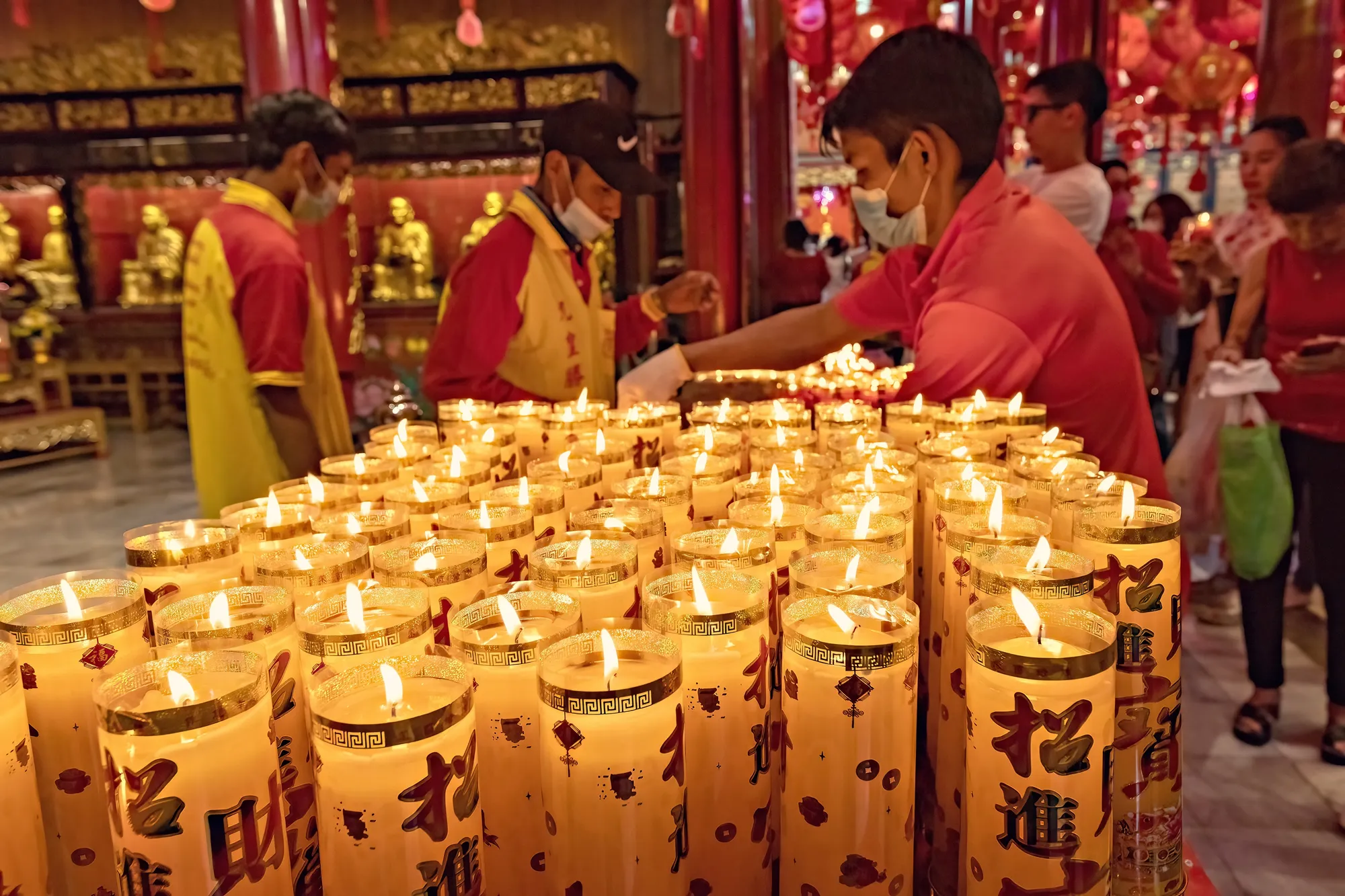
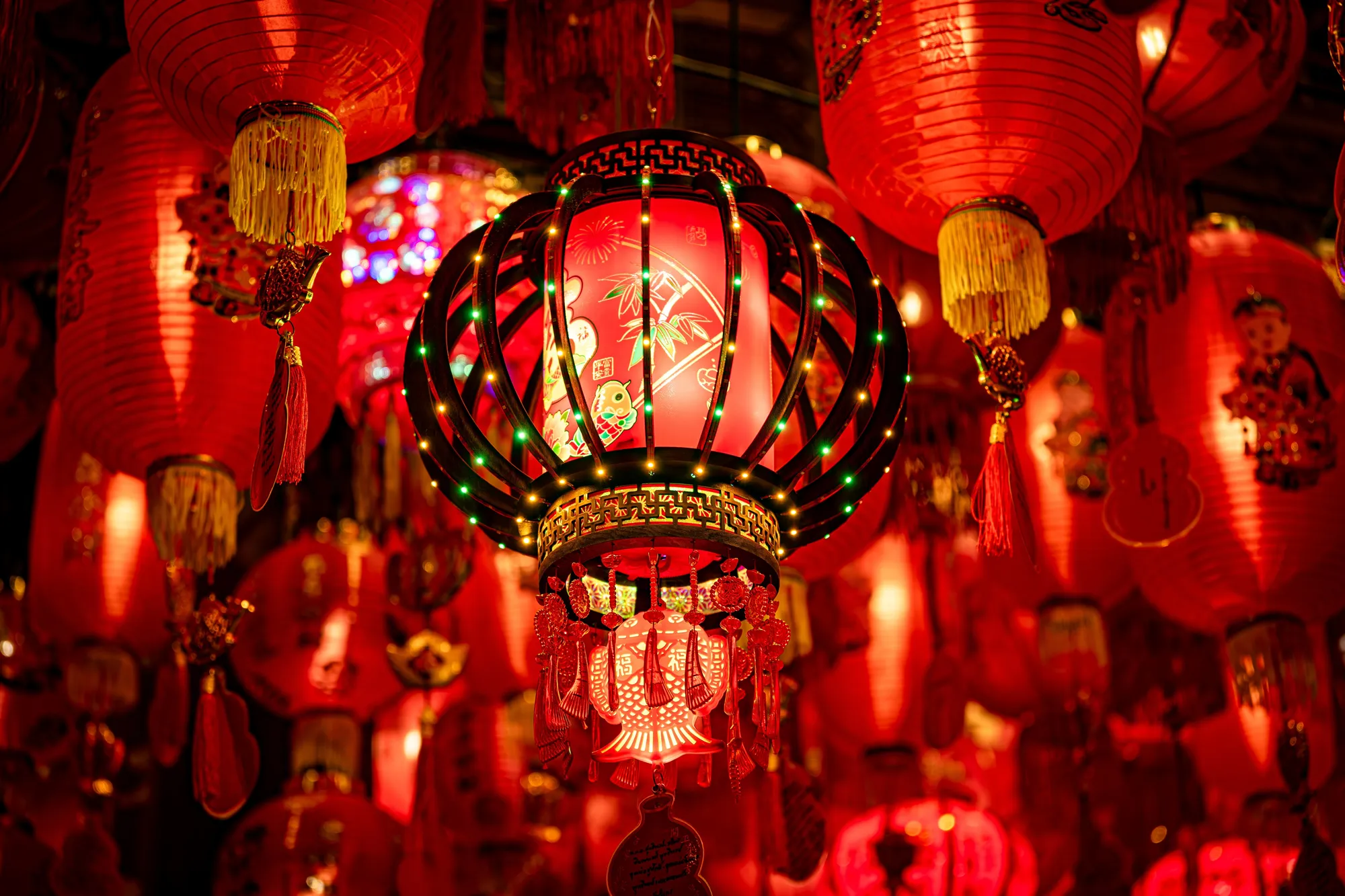
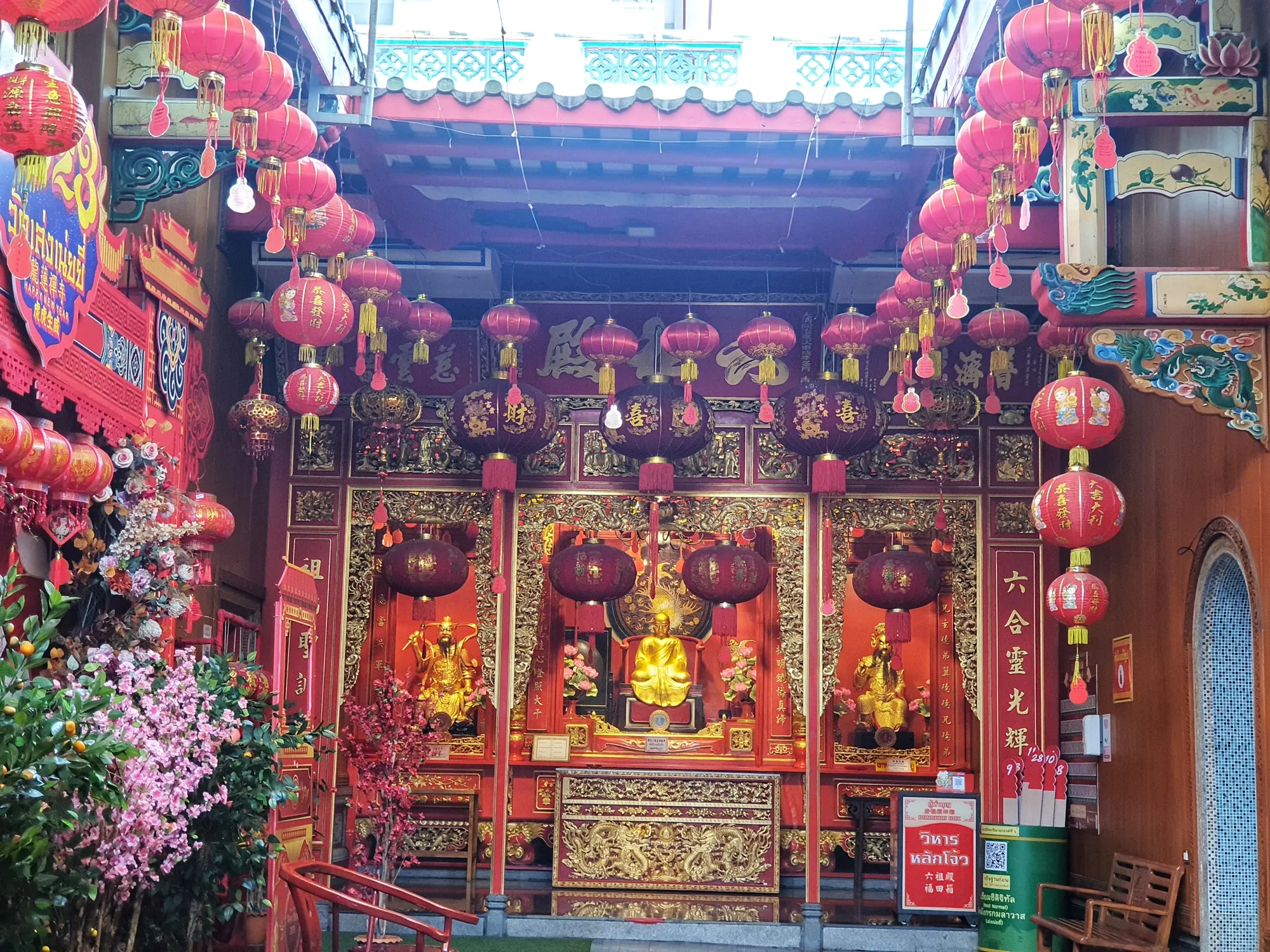
One of the most anticipated events at Wat Mangkon Kamalawat is the annual Chinese New Year celebration. This lively festival transforms the temple into a bustling hub of activity, with dragon dances, firecrackers, and colourful lanterns lighting up the night sky. Visitors can partake in traditional rituals and enjoy a variety of cultural performances, making it a truly immersive experience.
In addition to Chinese New Year, Wat Mangkon Kamalawat also hosts the Vegetarian Festival, a nine-day event that attracts thousands of visitors seeking spiritual purification and renewal. Participants follow a strict vegetarian diet and engage in various religious activities, including prayer and meditation, to cleanse their bodies and minds.
For those seeking a more contemplative experience, the temple offers daily meditation sessions and guided tours, providing visitors with an opportunity to connect with their inner selves and explore the temple's rich history and spiritual teachings.
Personal Experiences Stories and Insights from Visitors and Explorers
Wat Mangkon Kamalawat has left an indelible impression on countless visitors and explorers, each sharing their unique perspectives and experiences of this remarkable temple. Many are captivated by the temple's serene atmosphere, describing it as a haven of peace amidst Bangkok's bustling streets. The harmonious blend of architectural beauty and spiritual significance creates a sense of wonder that lingers long after leaving the temple grounds.
Visitors often recount their participation in the temple's vibrant festivals, marvelling at the colourful displays and infectious energy that characterise these events. The opportunity to engage with both locals and fellow travellers fosters a sense of camaraderie and shared appreciation for Bangkok's diverse cultural heritage.
For history enthusiasts, the temple's rich past offers a treasure trove of stories waiting to be discovered. Guided tours provide valuable insights into the temple's origins and evolution, revealing the countless contributions it has made to Bangkok's cultural landscape over the years.
The Enduring Legacy of Wat Mangkon Kamalawat A Lasting Impact on Future Generations
Wat Mangkon Kamalawat's enduring legacy lies in its ability to transcend time and continue to inspire future generations. Its rich history, architectural splendour, and cultural significance make it a vital part of Bangkok's identity, serving as a testament to the city's resilience and adaptability.
The temple's ongoing efforts to preserve and promote its cultural heritage ensure that its impact will be felt for years to come. By fostering a deeper understanding of Bangkok's diverse traditions and spiritual practices, Wat Mangkon Kamalawat plays a crucial role in shaping the city's future.
For those who have yet to experience the magic of Wat Mangkon Kamalawat, the temple offers an invitation to explore and connect with Bangkok's vibrant past and present. Whether you're a travel blogger, history enthusiast or simply a curious explorer, a visit to this remarkable temple promises to be a memorable and enriching experience.
In conclusion, Wat Mangkon Kamalawat stands as a beacon of cultural and spiritual significance in Bangkok, offering valuable insights into the city's rich history and diverse heritage. Its enduring legacy serves as a reminder of the importance of preserving and celebrating our shared cultural treasures for future generations.
Finding Wat Mangkon Kamalawat
Visiting Wat Mangkon Kamalawat, a stunning cultural landmark in Bangkok's vibrant Chinatown, is an enriching experience for any traveler eager to explore the city's rich heritage. Here are several transportation options to reach this magnificent temple from various parts of Bangkok:
-
MRT (Metropolitan Rapid Transit):
- MRT Wat Mangkon Station: The most convenient way to reach the temple is by taking the MRT Blue Line to Wat Mangkon Station. Exiting at this station places you just a short walk from the temple's entrance. Look for signs directing you towards Chinatown, and within minutes, you'll find yourself amidst the temple's serene ambiance.
-
BTS Skytrain and MRT Combination:
- If you're traveling from areas serviced by the BTS Skytrain, such as Sukhumvit or Silom, you can transfer to the MRT at key interchange stations like Asok (BTS) to Sukhumvit (MRT) or Sala Daeng (BTS) to Si Lom (MRT). From there, continue on the MRT to Wat Mangkon Station.
-
Bus Routes:
- Several bus routes pass through Chinatown, making them a viable option for reaching Wat Mangkon Kamalawat. Look for buses numbered 1, 7, 37, 49, or 53, which have stops in the vicinity of the temple. Be prepared for a more local experience as buses can be crowded during peak hours.
-
Taxis and Tuk-tuks:
- Taxis are a comfortable option if you prefer a direct and private mode of transport. Simply inform the driver of your destination, and they will navigate you to Chinatown. Tuk-tuks offer a more adventurous ride and are ideal for short distances, especially through the bustling streets of Bangkok.
-
Walking:
- For those staying within Chinatown or nearby areas, walking is a delightful way to soak in the vibrant local atmosphere. Explore the bustling streets, enjoy the tantalizing aromas of street food, and take in the unique architecture as you make your way to the temple.
Travel Tips for a Smooth Journey:
- If you're new to Bangkok's public transport system, consider downloading a transit app to help with navigation and to check real-time schedules.
- Wear comfortable shoes, especially if you plan to explore more of Chinatown on foot.
- Consider visiting early in the morning to avoid crowds and enjoy a more peaceful experience at the temple.
By leveraging these transport options, your journey to Wat Mangkon Kamalawat will be both convenient and enjoyable, setting the stage for a memorable exploration of Bangkok's cultural tapestry.
Nearby Attractions to Visit Around Wat Mangkon Kamalawat
-
Yaowarat Road
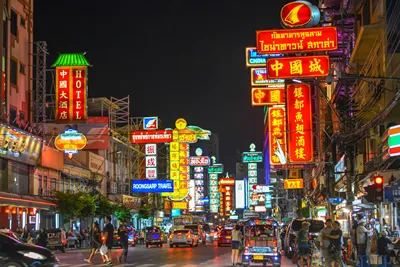
Dive into the vibrant heart of Bangkok's Chinatown with a stroll down Yaowarat Road. Known for its bustling street food scene, this area offers a sensory feast with an array of flavors from traditional dim sum to exotic seafood dishes. The lively atmosphere and neon-lit streets make it an unforgettable experience for food lovers and cultural explorers alike.
-
Sampeng Market
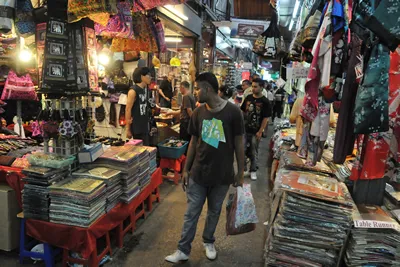
Just a short walk from Wat Mangkon Kamalawat, Sampeng Market is a treasure trove for bargain hunters. This narrow, bustling alley is packed with stalls selling everything from textiles and jewelry to toys and traditional Chinese goods. It's a perfect spot to soak in the local vibe and pick up unique souvenirs.
-
Wat Traimit (Temple of the Golden Buddha)
Home to the world's largest solid gold Buddha statue, Wat Traimit is a must-visit for those interested in religious art and history. The temple's golden deity weighs an impressive 5.5 tons and is a symbol of Bangkok's rich Buddhist heritage. The temple also features a museum detailing the history of Chinatown and the gold statue itself.
-
Chinatown Gate
Serving as the grand entrance to Bangkok's Chinatown, this ornate gate is an iconic landmark. With its intricate Chinese designs and vibrant colors, it provides a perfect photo opportunity and a fitting starting point for exploring the cultural richness of the area.
-
Talat Noi
Venture into Talat Noi, a charming neighborhood filled with art galleries, quirky cafes, and historic buildings. Known for its creative street art and old-world charm, this area offers a quieter, more artistic side of Chinatown. It's an ideal spot for leisurely walks and discovering hidden gems.
-
Red Rose Chinese Restaurant and Jazz Lounge
End your day with a visit to the Red Rose Chinese Restaurant and Jazz Lounge, where you can enjoy authentic Chinese cuisine accompanied by live jazz music. The fusion of culinary delights and mellow tunes provides a relaxing atmosphere to unwind after a day of exploration.
Each of these attractions offers a unique slice of Bangkok's diverse cultural tapestry, ensuring visitors leave with a deeper appreciation of Chinatown's vibrant energy and historical significance.




















Michael Carter
Vestibulum ante ipsum primis in faucibus orci luctus et ultrices posuere cubilia curae; Donec vel erat in nulla efficitur tempor non ut nisl. Integer venenatis eros ut dui viverra fermentum.
Sophie Wilson
Nam ut turpis hendrerit, varius nunc vel, elementum dui. Morbi vulputate dolor sit amet scelerisque egestas. Vestibulum eleifend nunc ut bibendum fermentum.
Alex Morgan
Cras non velit nec purus tempor rhoncus. Sed non mauris vitae erat consequat auctor eu in elit. Class aptent taciti sociosqu ad litora torquent per conubia nostra.