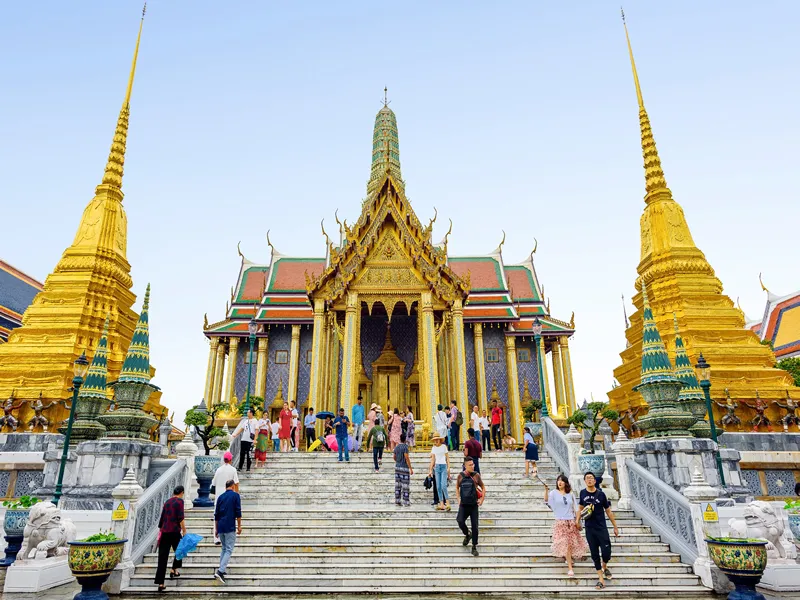
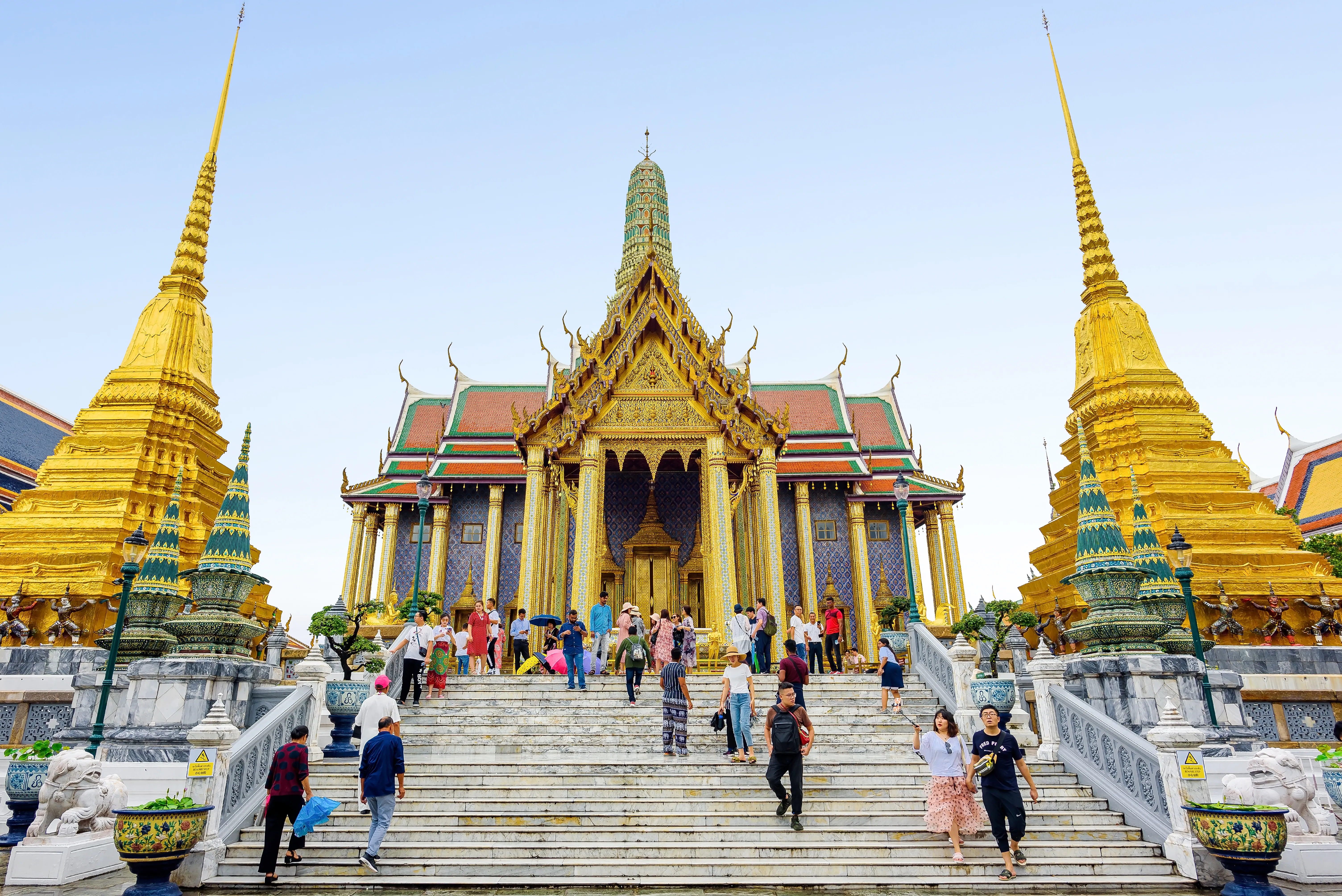
World tourists visiting the Thai Emerald Buddha temple on a sunny day.
The Mystique of the Emerald Buddha
The Emerald Buddha isn't just a visual masterpiece; it's wrapped in layers of legend and myth. One of the most captivating tales is how the statue was discovered hidden inside a stucco Buddha in Chiang Rai. When accidentally uncovered by a lightning strike, it revealed the dazzling jade figure beneath.
Another legend suggests that the statue was created by the gods themselves, bestowing it with protective powers. Over the centuries, the Emerald Buddha has been moved and relocated several times, each transfer adding to its enigmatic aura. Kings and conquerors alike have revered it, often undertaking perilous journeys to claim its guardianship.
The statue’s current home, the Chapel of the Emerald Buddha, is designed to reflect its divine status. The chapel is adorned with intricate carvings, shimmering mosaics, and golden embellishments, creating an atmosphere of otherworldly splendor. Here, the Emerald Buddha sits high on a gilded pedestal, gazing serenely over its devotees.
Cultural and Religious Significance
The Emerald Buddha holds immense cultural and religious significance in Thailand. It's not merely an artefact but a living symbol of the nation's identity and faith. The statue is considered a palladium, a divine protector of the kingdom, ensuring the well-being and prosperity of its people.
Thais believe that the Emerald Buddha possesses miraculous powers. During times of national crisis or natural disasters, the country looks to the statue for solace and guidance. The seasonal changing of the Buddha’s garments, performed by the King, is a ritual steeped in symbolism, marking the transition of seasons and invoking blessings for the land.
For Buddhists, visiting the Emerald Buddha is a pilgrimage of faith. The temple complex is a sacred space where prayers are whispered, and offerings are made. The experience is deeply personal, yet shared by millions who come to seek enlightenment and divine favour.
Beyond the Emerald Buddha
While the Emerald Buddha is undoubtedly the star attraction, Wat Phra Kaew and its surroundings offer plenty more to explore. Take a leisurely stroll around the Grand Palace complex and marvel at the opulent architecture. Each building tells a story, from the golden spires of the Grand Palace to the exquisite murals depicting scenes from Thai mythology.
Just a short walk away is the Wat Pho, home to the famous Reclining Buddha. This colossal statue is a sight to behold, stretching 46 metres in length and covered in gold leaf. Wat Pho is also renowned for its traditional Thai massage school, where you can indulge in a rejuvenating massage session.
For those interested in history and culture, the Bangkok National Museum is nearby. It houses an extensive collection of Thai art and artefacts, providing a deeper insight into the country’s rich heritage. The museum’s proximity to Wat Phra Kaew makes it a convenient addition to your itinerary.
Journey to Wat Phra Kaew
Located within the Grand Palace complex, Wat Phra Kaew is an architectural marvel. Navigating this sprawling site may seem daunting, but with a little guidance, you'll find your way effortlessly. Start your journey early in the morning to avoid the crowds and experience the temple's serene beauty.
The Grand Palace is situated in the historic heart of Bangkok, easily accessible by various modes of transport. Opt for the Chao Phraya Express Boat for a scenic and convenient route. Alight at the Tha Chang Pier, and a short walk will bring you to the palace gates. Alternatively, taxis and tuk-tuks are readily available throughout the city.
Once you pass through the entrance, you’ll be greeted by the glittering spires of the temple buildings. Keep an eye out for the Yakshas, the giant guardians that stand watch over the gates. These statues are not just decorative; they’re steeped in mythology, believed to ward off evil spirits.
Insider Tips for Visitors
Planning a visit to the Emerald Buddha? Here are some insider tips to enhance your experience. First, aim to visit during the early hours of the morning or late afternoon to avoid the peak tourist rush. The temple opens at 8:30 AM, and arriving early allows you to enjoy the serenity before the crowds pour in.
Dress code is crucial when visiting Wat Phra Kaew. Ensure you wear modest clothing that covers your shoulders and knees. While shawls and sarongs can be rented at the entrance, it’s best to come prepared to avoid any inconvenience. Remember to remove your shoes before entering the chapel as a sign of respect.
Photography is allowed in most areas of the temple complex, but refrain from taking pictures inside the Chapel of the Emerald Buddha. The atmosphere inside is one of reverence, and it's essential to respect the sanctity of the space. Instead, take a moment to soak in the intricate details and the spiritual ambiance.
Conclusion
The Emerald Buddha is more than just a tourist attraction; it's a timeless symbol of Thailand's spiritual and cultural essence. Visiting this sacred statue offers a profound connection to the country’s heritage, blending history, religion, and artistry into an unforgettable experience.
If you’re a travel enthusiast, make sure to add the Emerald Buddha to your bucket list. The enchanting tales, the awe-inspiring architecture, and the spiritual ambiance promise a visit that will linger in your memories for years to come.
Ready to experience the magic? Book your trip to Bangkok and immerse yourself in the captivating world of the Emerald Buddha. For personalised travel tips and exclusive deals, connect with our community of fellow travellers and share your experiences!
Q&A Guide: Exploring the Emerald Buddha and Wat Phra Kaew
Q: What is the history behind the Emerald Buddha?
A: The Emerald Buddha, housed in Wat Phra Kaew, is a revered statue believed to have been created in India in 43 BC. It journeyed through various Southeast Asian countries before arriving in Thailand in the 18th century. King Rama I enshrined it in the temple in 1784, marking it as a symbol of prosperity and protection for Thailand.
Q: Can you describe the architecture of Wat Phra Kaew?
A: Wat Phra Kaew is an architectural masterpiece, showcasing traditional Thai design with intricate details. It features elaborate gilded structures, colorful mosaics, and guardian statues. The temple complex includes the magnificent central ubosot (ordination hall), where the Emerald Buddha sits on a high pedestal, surrounded by murals depicting significant Buddhist stories.
Q: What is the significance of the Emerald Buddha?
A: The Emerald Buddha is not only a stunning piece of art but also a powerful spiritual symbol. Carved from a single block of jade, it represents the Buddha in a meditative posture. The statue is believed to bring prosperity and protection to Thailand, and it is dressed in seasonal robes by the King of Thailand three times a year to mark the change of seasons.
Q: What are the opening hours of Wat Phra Kaew?
A: Wat Phra Kaew is open daily from 8:30 AM to 3:30 PM, allowing ample time for visitors to explore the temple grounds and marvel at its beauty and historical importance.
Q: What are the admission fees for visiting Wat Phra Kaew?
A: The admission fee for Wat Phra Kaew is approximately 500 Thai Baht (around $15 USD). This fee includes entry to the Grand Palace complex, offering a comprehensive glimpse into Thailand's rich cultural heritage.
Q: Is there a dress code for visiting Wat Phra Kaew?
A: Yes, visitors must adhere to a strict dress code out of respect for the sacred site. Modest attire is required: shoulders and knees must be covered, and no tight-fitting or see-through clothing is allowed. Sarongs and other appropriate garments can be rented at the entrance if needed.
Q: Are there any interesting facts about the Emerald Buddha?
A: Certainly! One fascinating fact is that although the statue is called the "Emerald Buddha," it is actually made of jadeite. Another intriguing detail is that the statue has traveled extensively, spending time in Laos and Cambodia before finding its permanent home in Bangkok.
Q: How can visitors make the most of their visit to Wat Phra Kaew?
A: To fully appreciate Wat Phra Kaew, visitors should take their time exploring the temple complex, admiring the detailed murals, sculptures, and architecture. Hiring a knowledgeable guide can enhance the experience by providing deeper insights into the site's history and significance. Don't forget to witness the changing of the Buddha's robes if visiting during the seasonal transitions!
Q: Are photography and videography allowed inside Wat Phra Kaew?
A: Visitors are welcome to take photos and videos of the exterior and surrounding areas. However, photography is strictly prohibited inside the ubosot where the Emerald Buddha is housed, to preserve the sanctity and respect of the space.
Ready to immerse yourself in the splendor and spirituality of Wat Phra Kaew and the Emerald Buddha? Plan your visit today and let this iconic landmark captivate your senses!




















Community Feedback