A Masterpiece of Thai Architecture
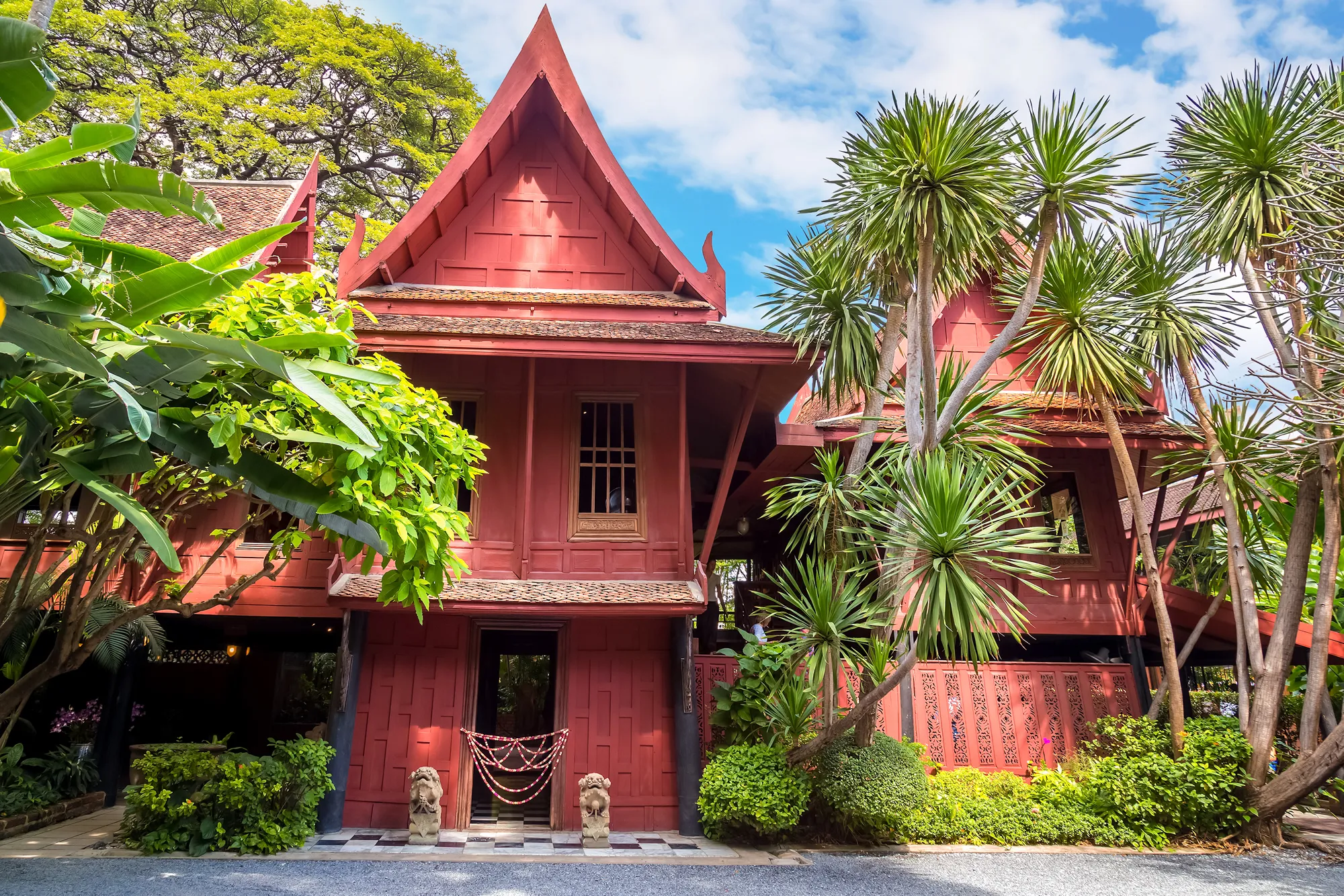
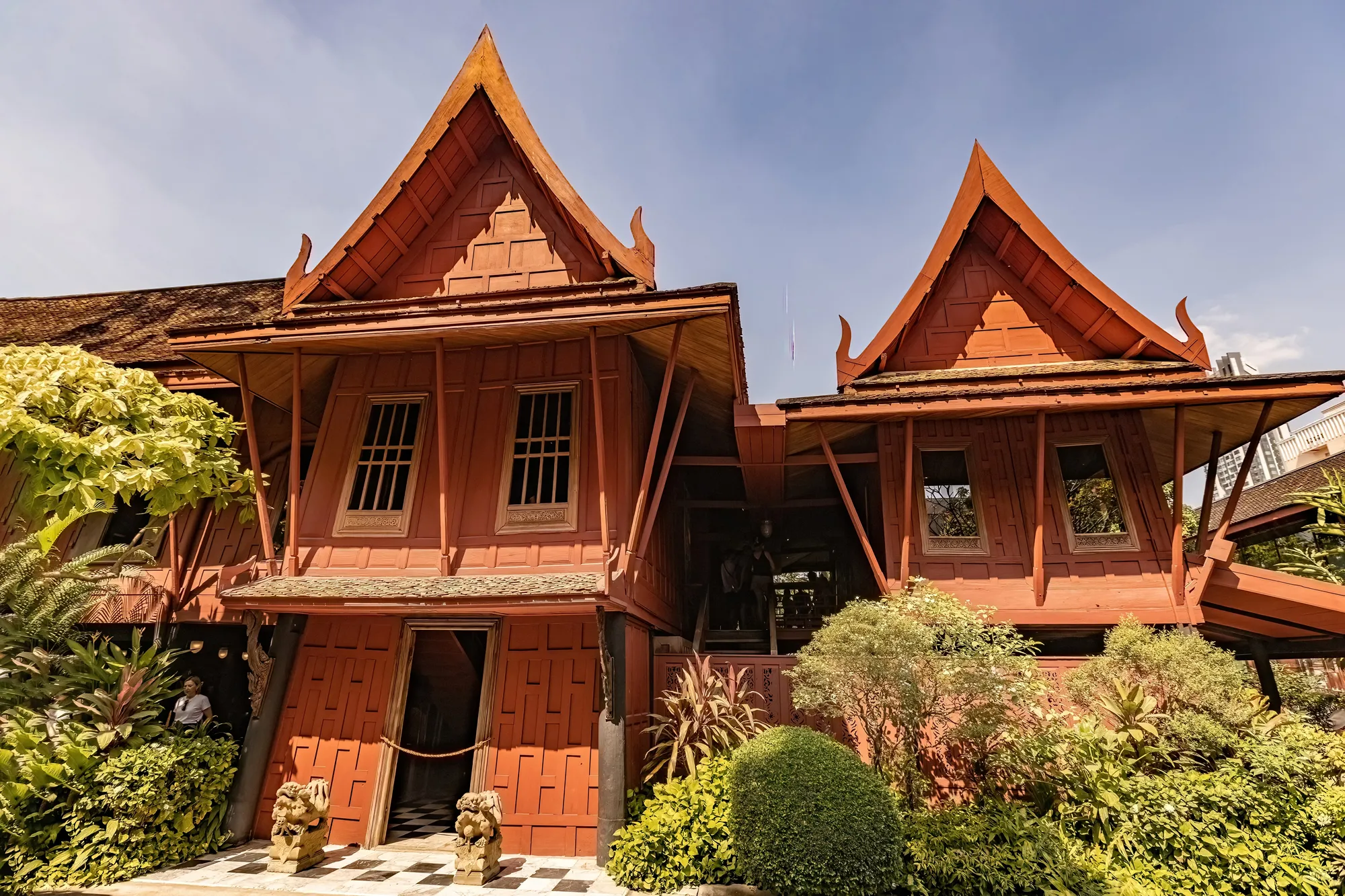
While the man is a mystery, his home is a tangible masterpiece. Completed in 1959, the residence is not a single building but a complex of six traditional Thai-style houses, ingeniously connected to form one sprawling mansion.
Origins of the Teak
Thompson didn’t just build a house; he curated one. He spent months searching central Thailand for older structures that possessed the grace and durability he desired. Some parts of the house were dismantled and transported from the ancient capital of Ayutthaya, famed for its historical significance. Other sections, including the magnificent living room, were acquired from the weavers' village of Bangkrua across the canal.
The logistics of this undertaking were immense. The teak structures were taken apart, floating down the river or transported by truck, and then reassembled on the site with painstaking attention to detail.
East Meets West
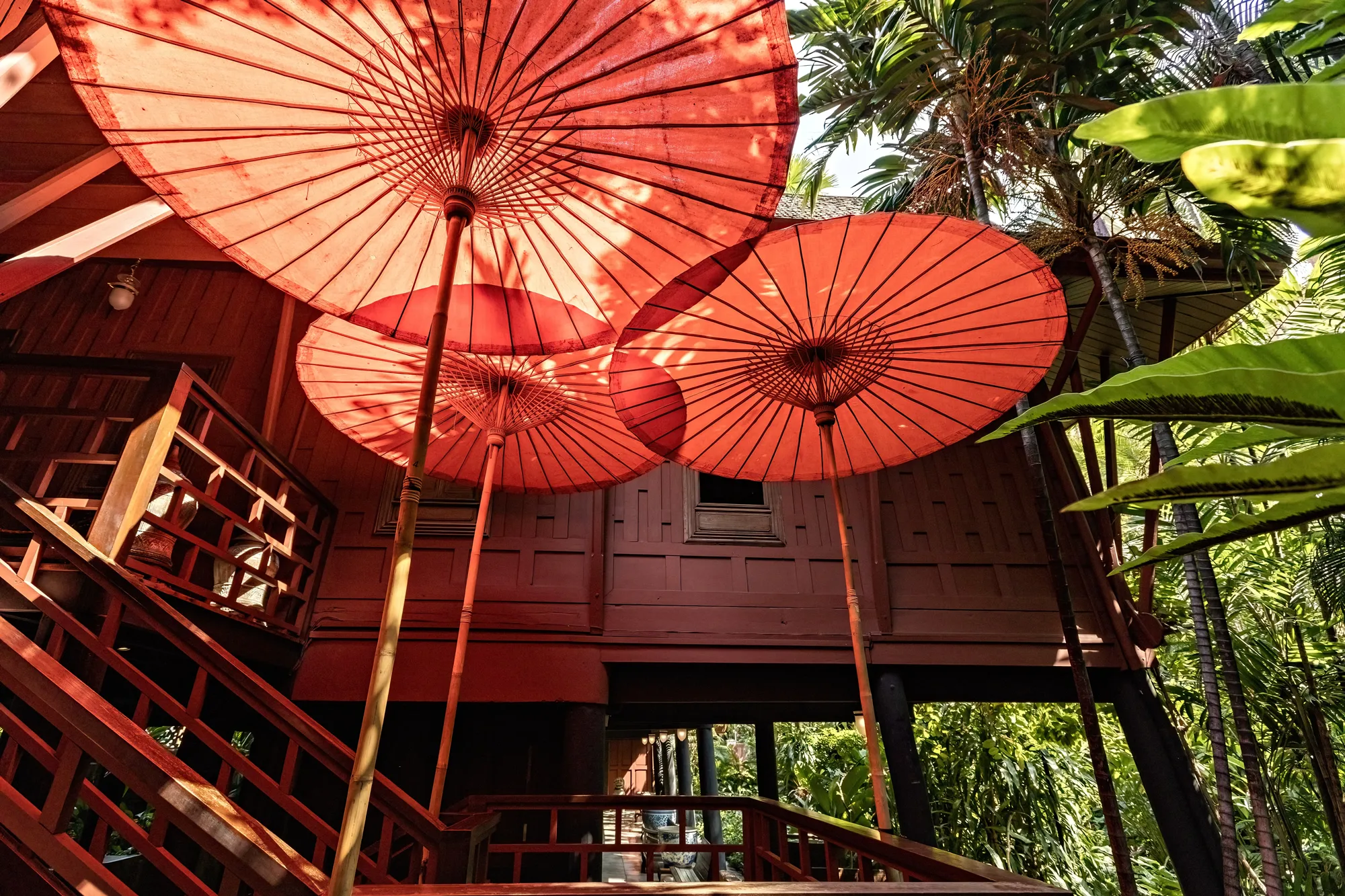
What makes the Jim Thompson House architecturally significant is the way it blends traditional Thai design with Western sensibilities. Thompson respected the local customs—the houses are raised on stilts to protect against flooding, and the roofs curve gracefully towards the sky—but he wasn't afraid to innovate.
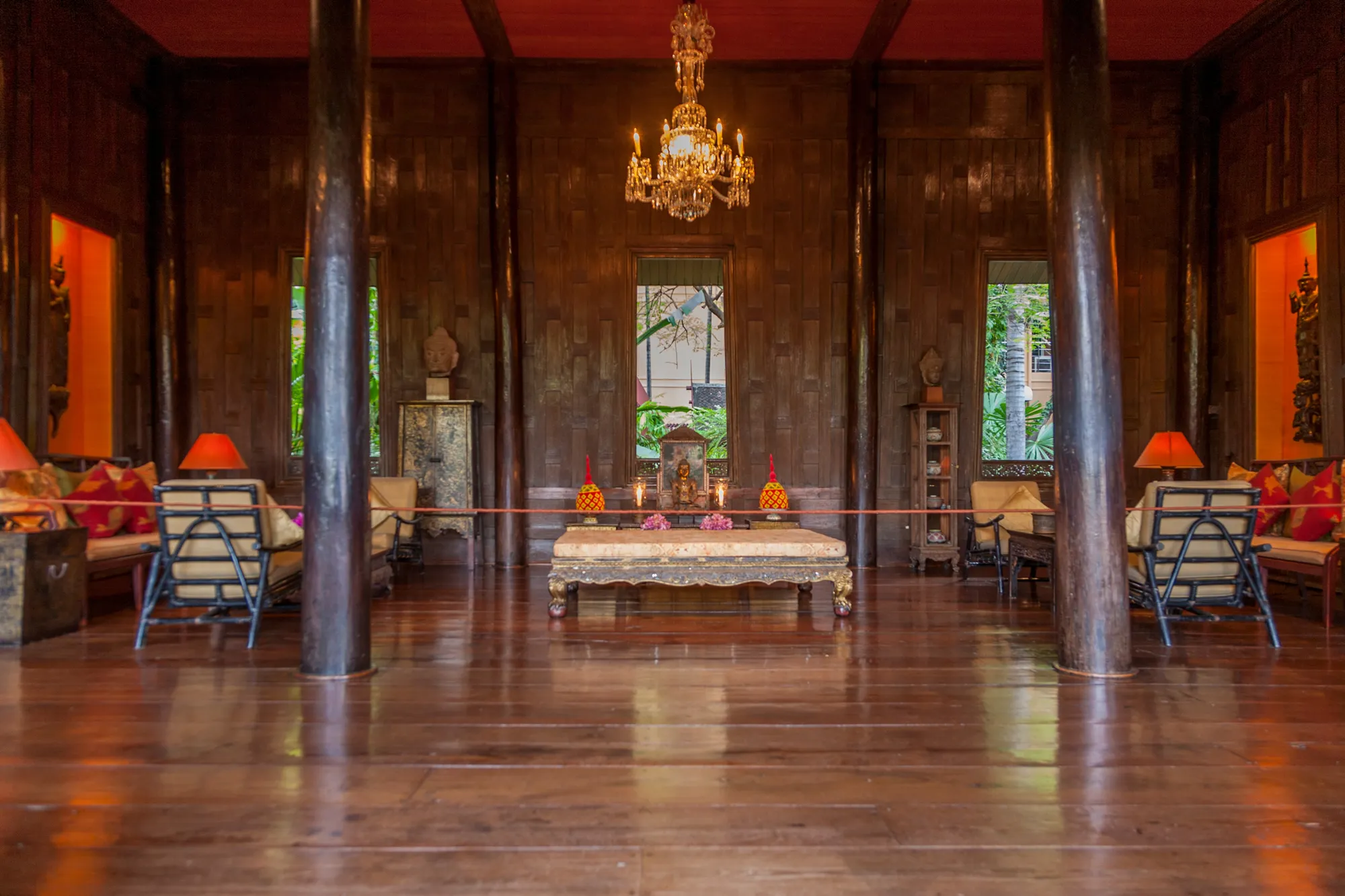
In a traditional Thai home, the exterior walls exhibit the smooth side of the wood, with the structural framework exposed inside. Thompson inverted this. He turned the wall panels inside out so that the beautiful carving and structural elegance were visible to the inhabitants, while the smooth exterior presented a sleek face to the garden. He also introduced Western comforts that were rare in Thai homes of that era, such as Italian marble flooring in the foyer and indoor staircases (traditional Thai houses usually have stairs outside). The result is a unique cross-cultural aesthetic that feels both exotic and strangely familiar.
Inside the Jim Thompson House: An Art Lover's Dream
Walking through the house is a sensory experience. The rooms are open to the air, allowing the breeze from the canal to drift through. The warm glow of the teak wood is accentuated by fresh flowers and ornamental plants, creating an atmosphere that is lush, quiet, and deeply sophisticated.
The Collection
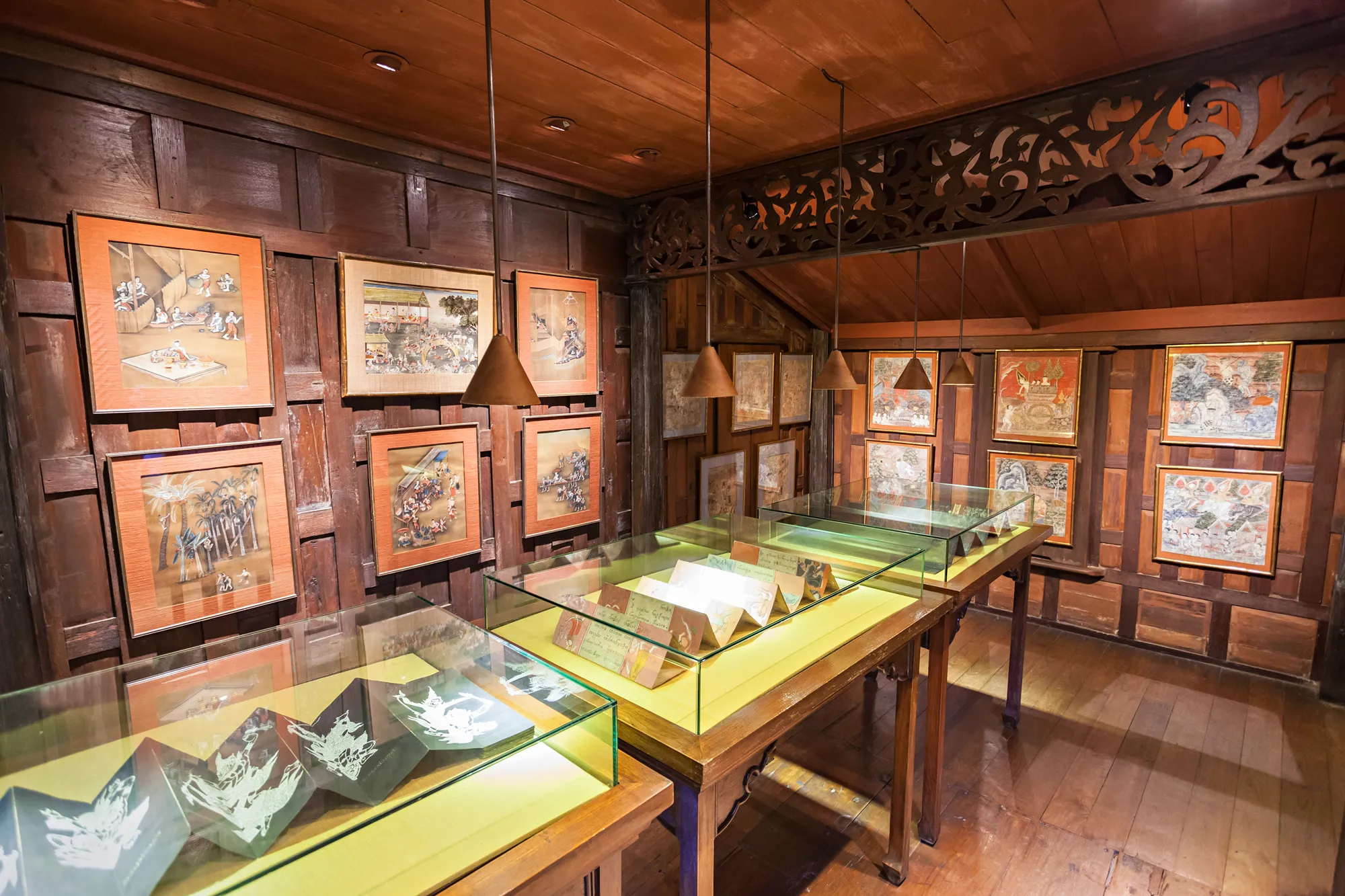
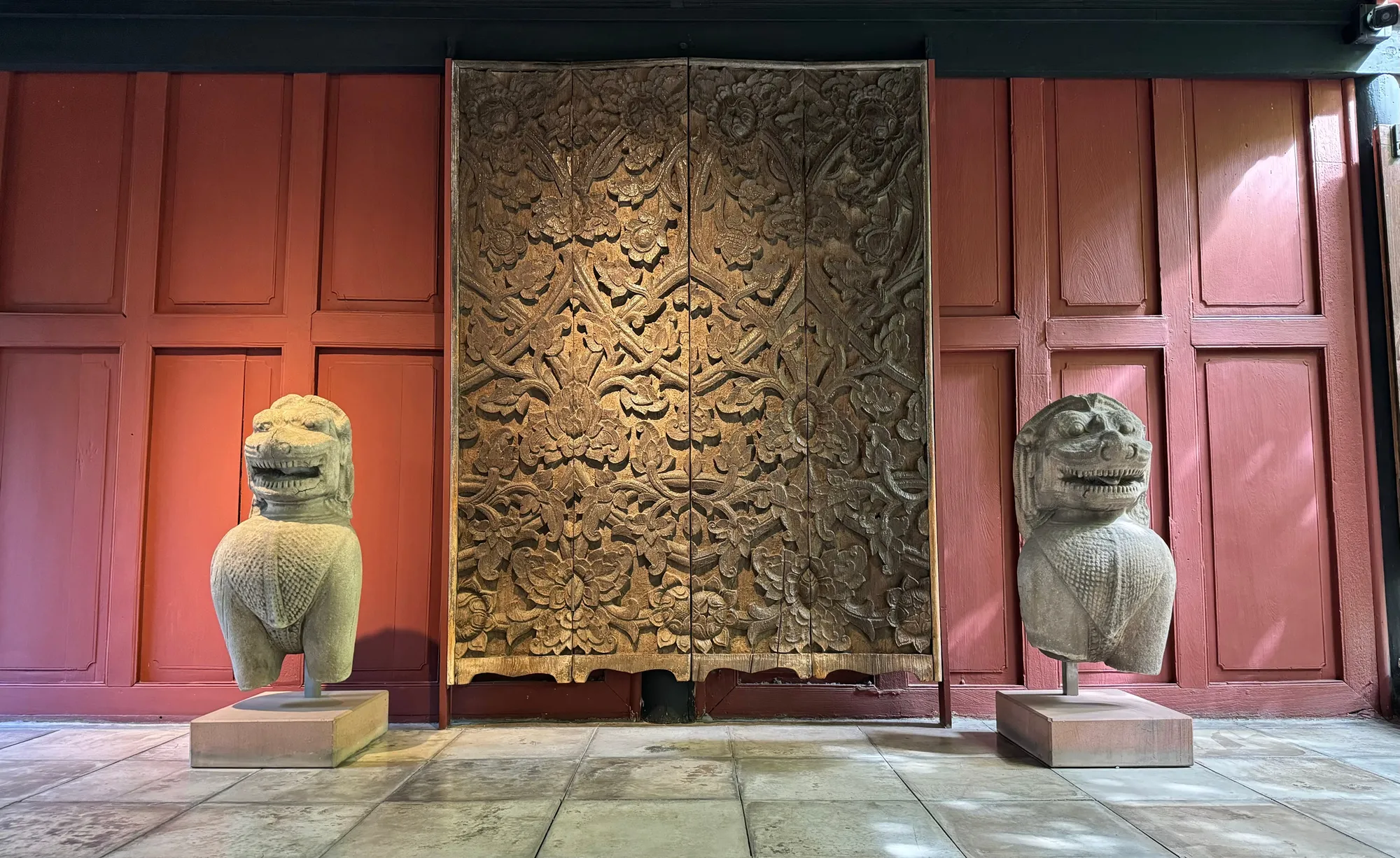
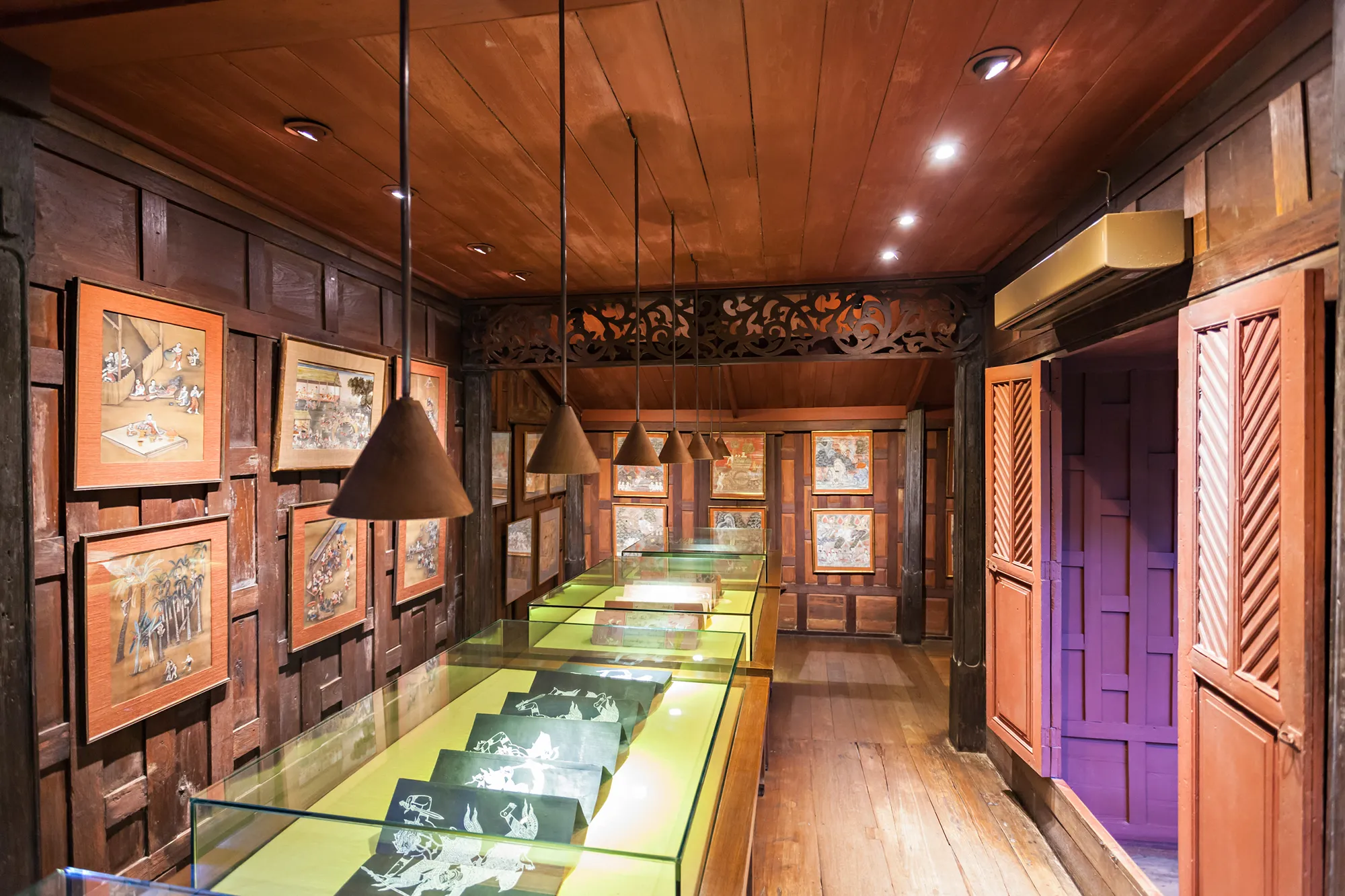
Thompson was a voracious collector, and his home was designed to be the ultimate gallery for his treasures. As you move from room to room, you are surrounded by one of the finest collections of Southeast Asian art in the world.
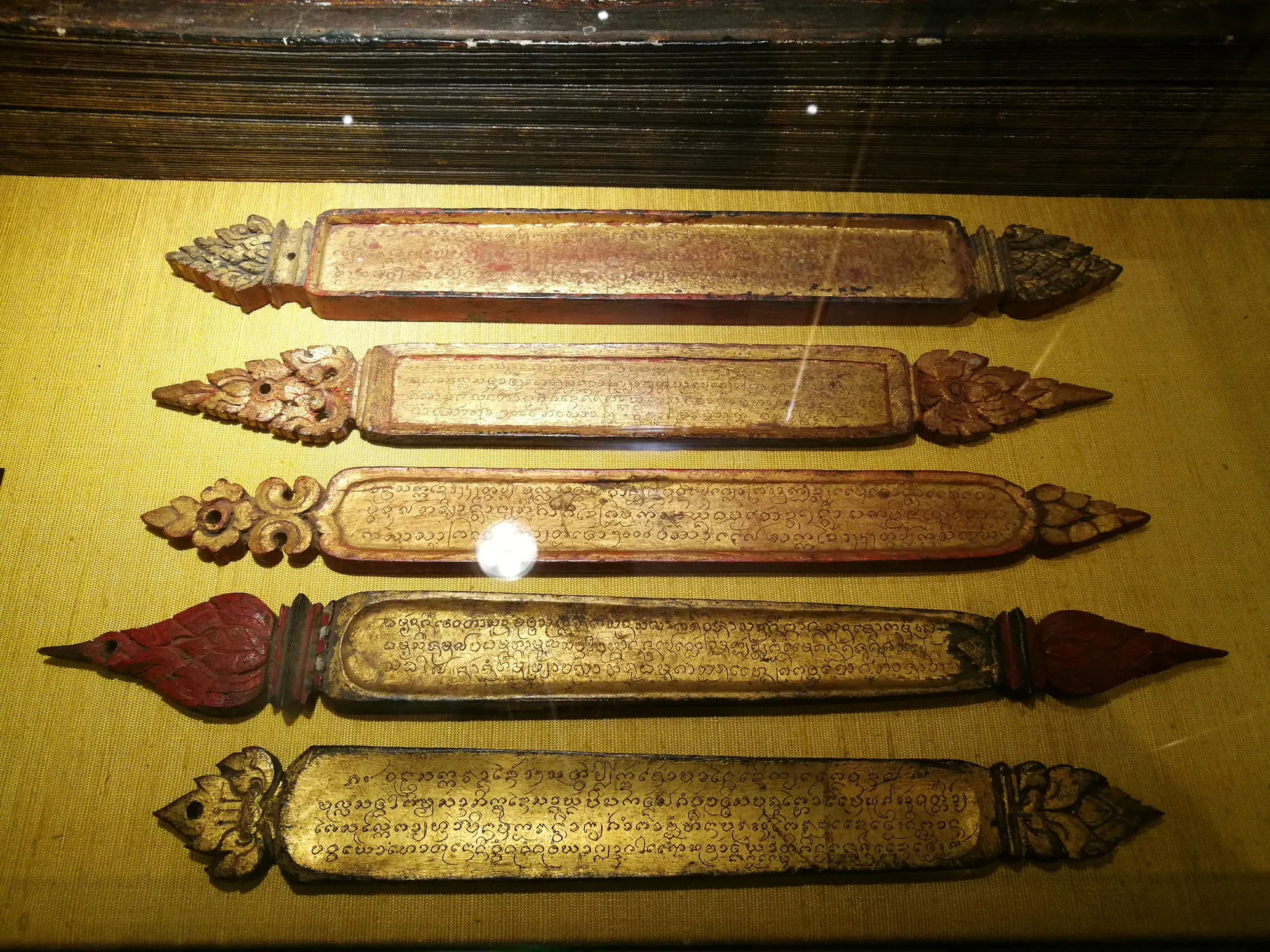
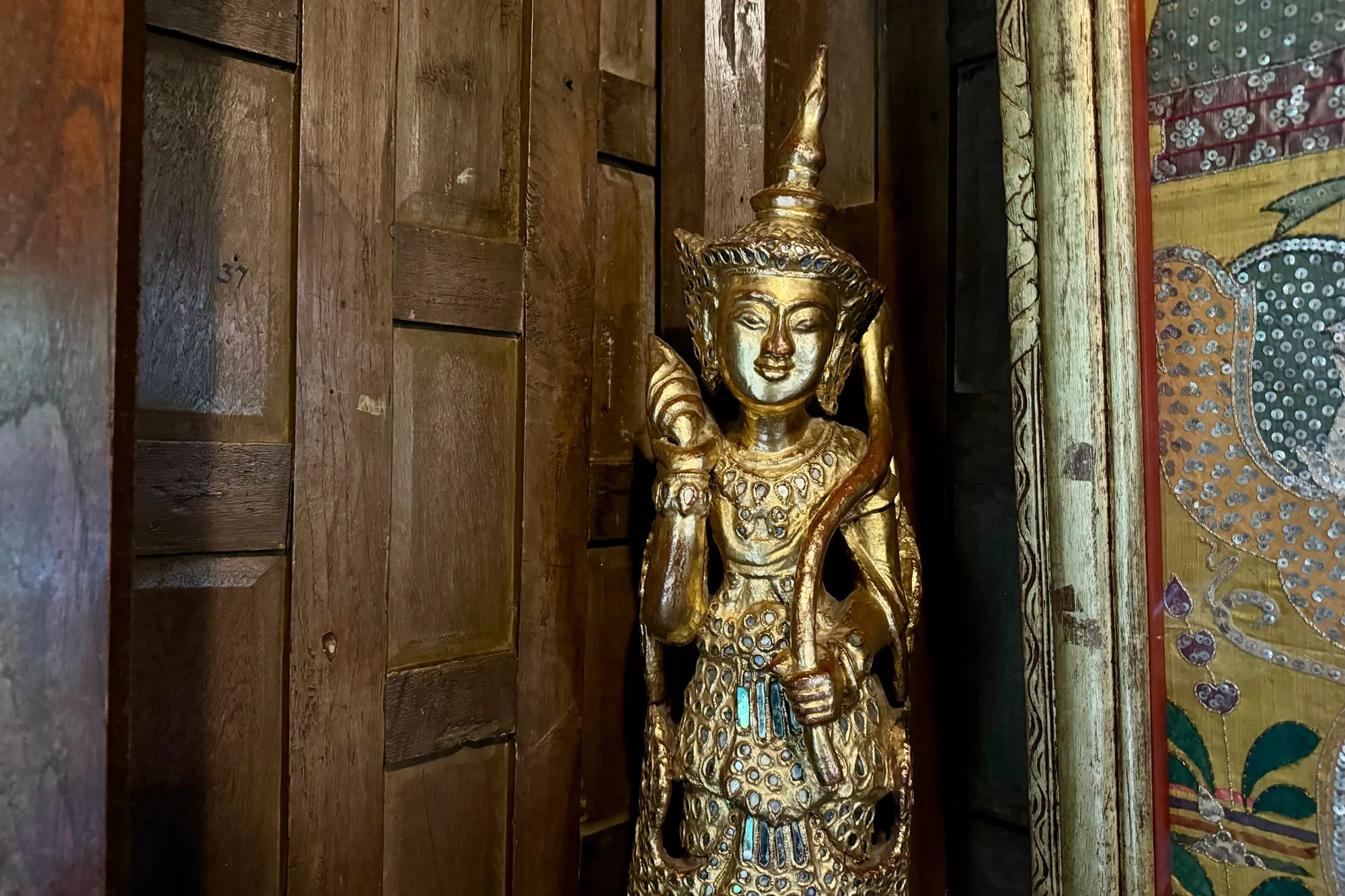
He didn't limit himself to Thailand. His collection includes rare secular art and religious artifacts from Burma, Cambodia, and Laos. You will see ancient Buddhist statues made of limestone and sandstone, standing with serene expressions that have weathered centuries. The walls are adorned with traditional Thai paintings, painted on wood, cloth, and paper, depicting scenes from the Vessantara Jataka (the life of the Buddha).
Porcelain and Pottery
For those with an eye for ceramics, the house is a treasure trove. Thompson had a keen eye for Asian antiquities, particularly Chinese porcelain. The collection features stunning examples of Bencharong (multi-coloured Thai-Chinese ceramics) and blue-and-white porcelain that dates back to the Ming Dynasty. These pieces aren't locked away in dusty glass cabinets; they are displayed on tables and shelves, just as they were when Thompson lived here.
Living History
Perhaps the most compelling aspect of the interior is that it remains preserved exactly as Thompson left it. The dining table is set, the furniture is arranged for conversation, and his personal belongings are still in place. It offers an intimate glimpse into the lifestyle of Bangkok’s post-war social elite—a place where diplomats, artists, and spies once gathered for cocktails and conversation.
Visitor Guide: Planning Your Trip
The Jim Thompson House is one of Bangkok's most popular attractions, so a little planning goes a long way. Here is everything you need to know to ensure a smooth visit.
Opening Hours & Best Times
The museum is open every day from 10:00 AM to 5:00 PM, with the last guided tour departing at 5:00 PM.
Top Tip: Bangkok heat can be intense. We highly recommend arriving right when it opens at 10:00 AM. Not only is the temperature more manageable, but you will also beat the tour bus crowds, allowing for a more peaceful experience in the gardens.
Tickets and Admission
Tickets must be purchased on-site at the ticket office; they are not available through online platforms.
- Adults: 250 Baht
- Visitors aged 10-21: 150 Baht (ID required)
- Children under 10: Free (must be accompanied by an adult)
The Guided Tour Experience
You cannot wander through the main house alone. To protect the artifacts and the teak floors, all visitors must join a mandatory guided tour. The good news is that these tours are excellent.
- Languages: Guides are available in Thai, English, French, Chinese, and Japanese.
- Frequency: Tours leave frequently, so you rarely have to wait long.
- Quality: The guides are knowledgeable and provide deep insights into the history of the artifacts and the architectural quirks of the house.
Getting There
The house is conveniently located in the Pathum Wan district.
- BTS Skytrain: Take the Silom Line to National Stadium Station. Take Exit 1 and walk down Soi Kasemsan 2. It is a short, well-signposted walk (about 5 minutes) to the end of the soi.
- Tuk-Tuk: There is often a free golf-cart shuttle from the main road to the museum entrance if you prefer not to walk.
Rules and Etiquette
- Shoes: As is custom in Thai homes, you must remove your shoes before entering the main house. There are secure lockers provided.
- Photography: You are welcome to take as many photos as you like in the lush gardens and exterior areas. However, photography is strictly prohibited inside the house itself. This rule is enforced to protect the art and ensure the flow of the tour.
- Bags: Large bags and backpacks must be left in the lockers provided.
Beyond the House: Dining and Culture
Your experience doesn't have to end once the tour finishes. The compound has expanded over the years to become a comprehensive cultural hub.
Jim Thompson Art Center
Located within the same compound is the Jim Thompson Art Center. This is a fantastic counterpoint to the traditional house, offering a look at the contemporary art scene. The centre hosts rotating exhibitions, educational programs, and collaborations with international institutions. It’s a great place to see how the spirit of creativity that Thompson championed is still alive in modern Thailand.
Dining in Style
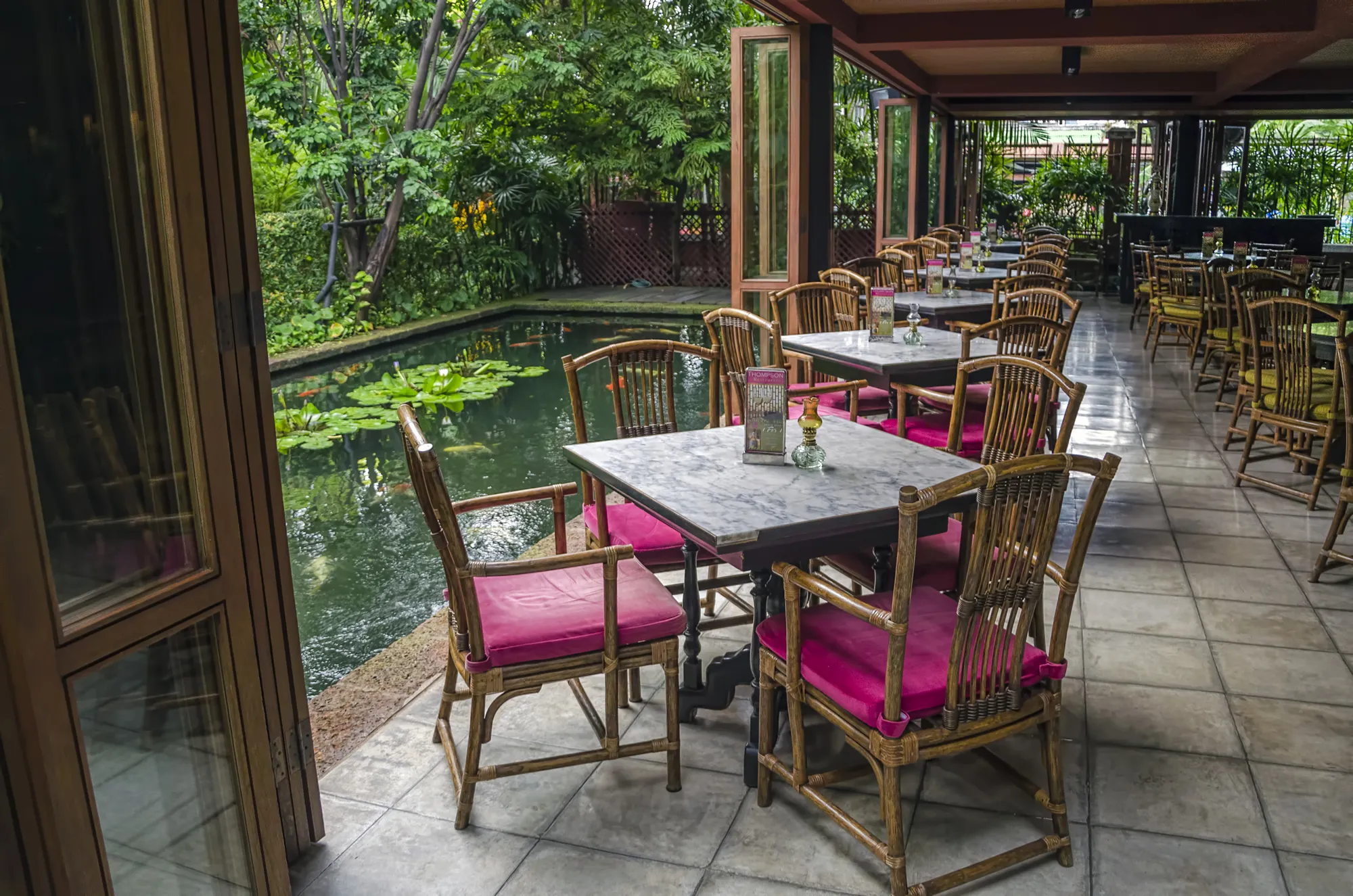
If you are feeling peckish, the Jim Thompson Restaurant and Wine Bar is located right on the grounds. It is arguably one of the most atmospheric spots for lunch in the area. Imagine enjoying a spicy pomelo salad or a rich Massaman curry while sitting next to a lotus pond filled with koi fish. The food is high-quality, authentic Thai cuisine, and it provides a relaxing respite from the city heat.
Shopping for Silk
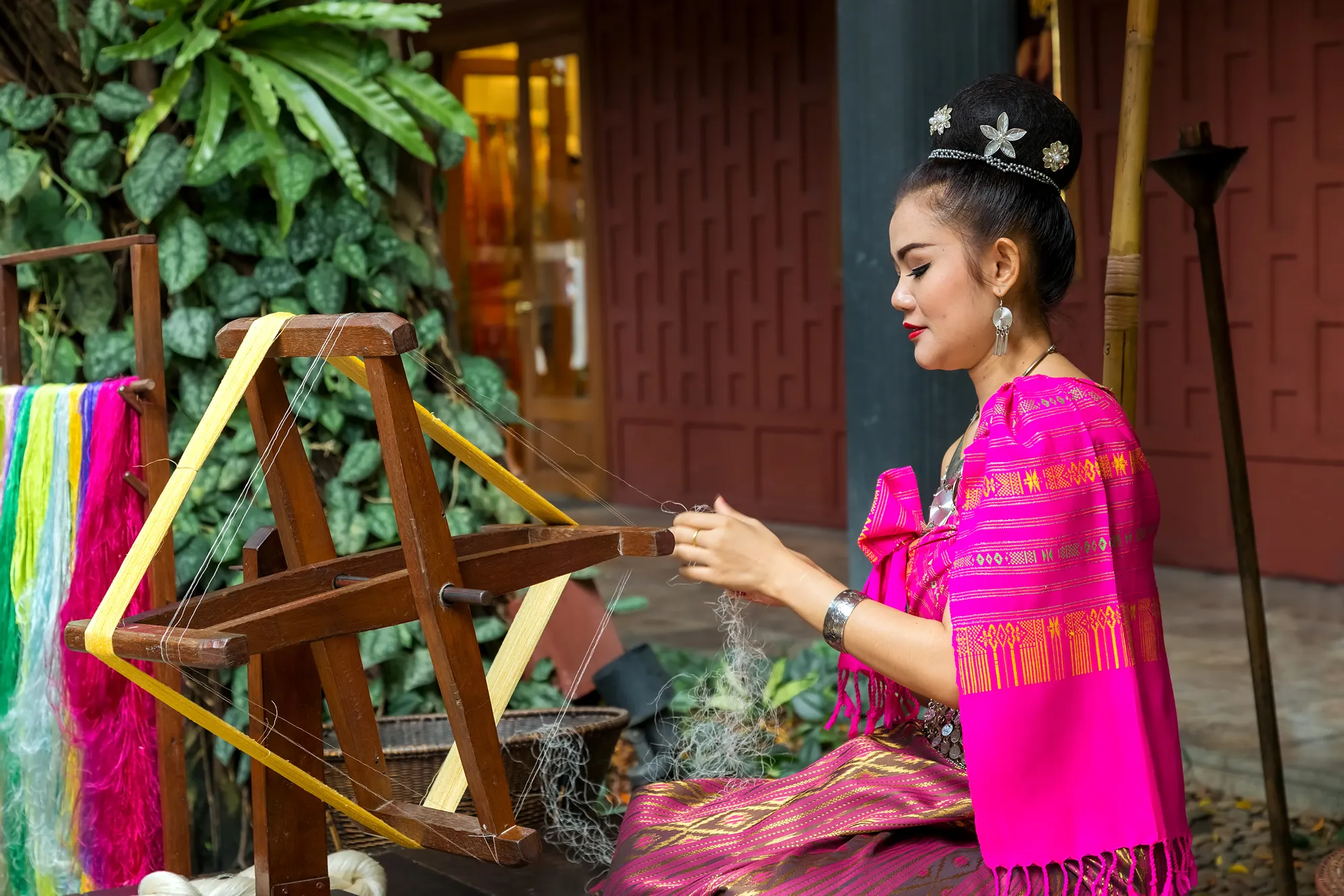
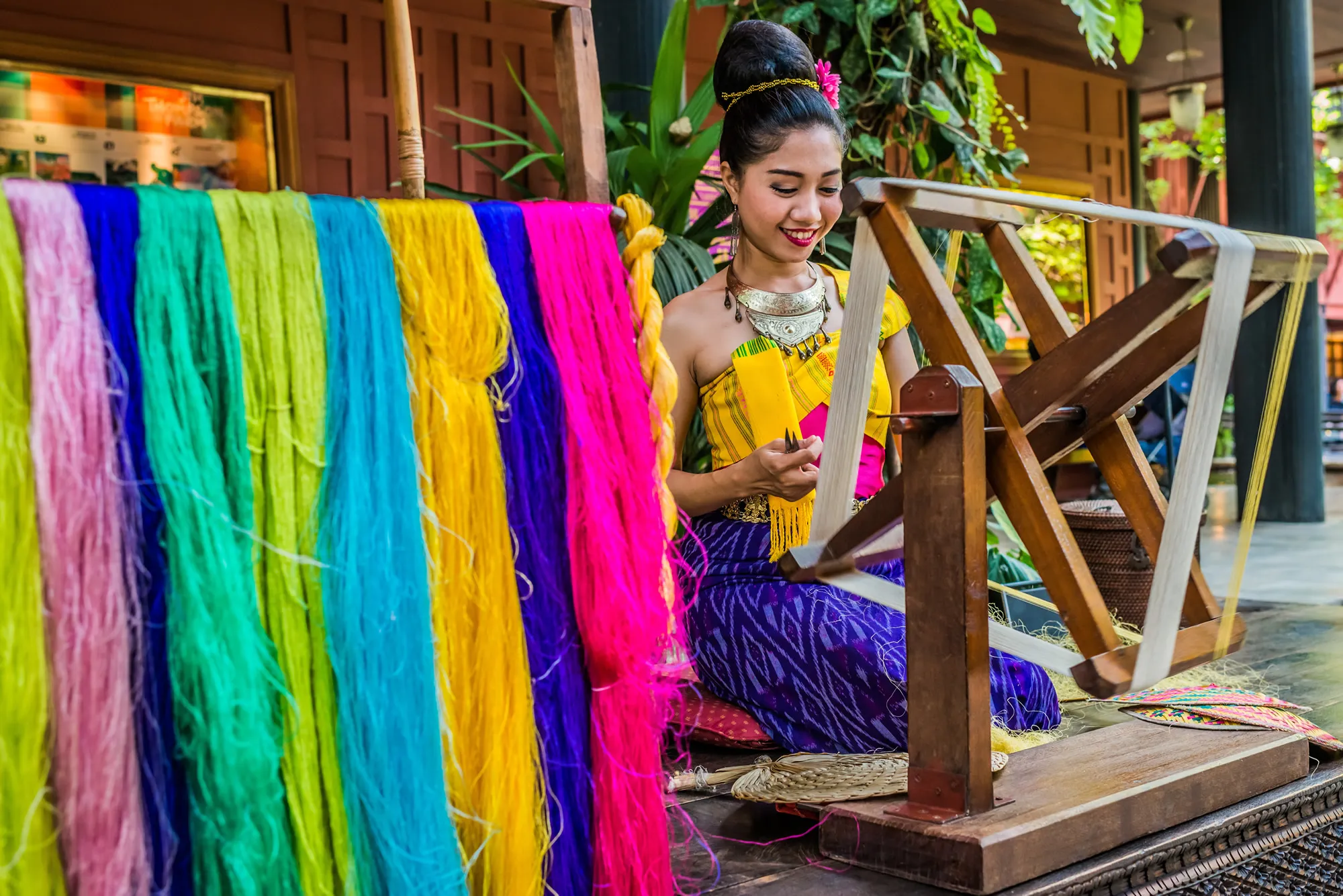
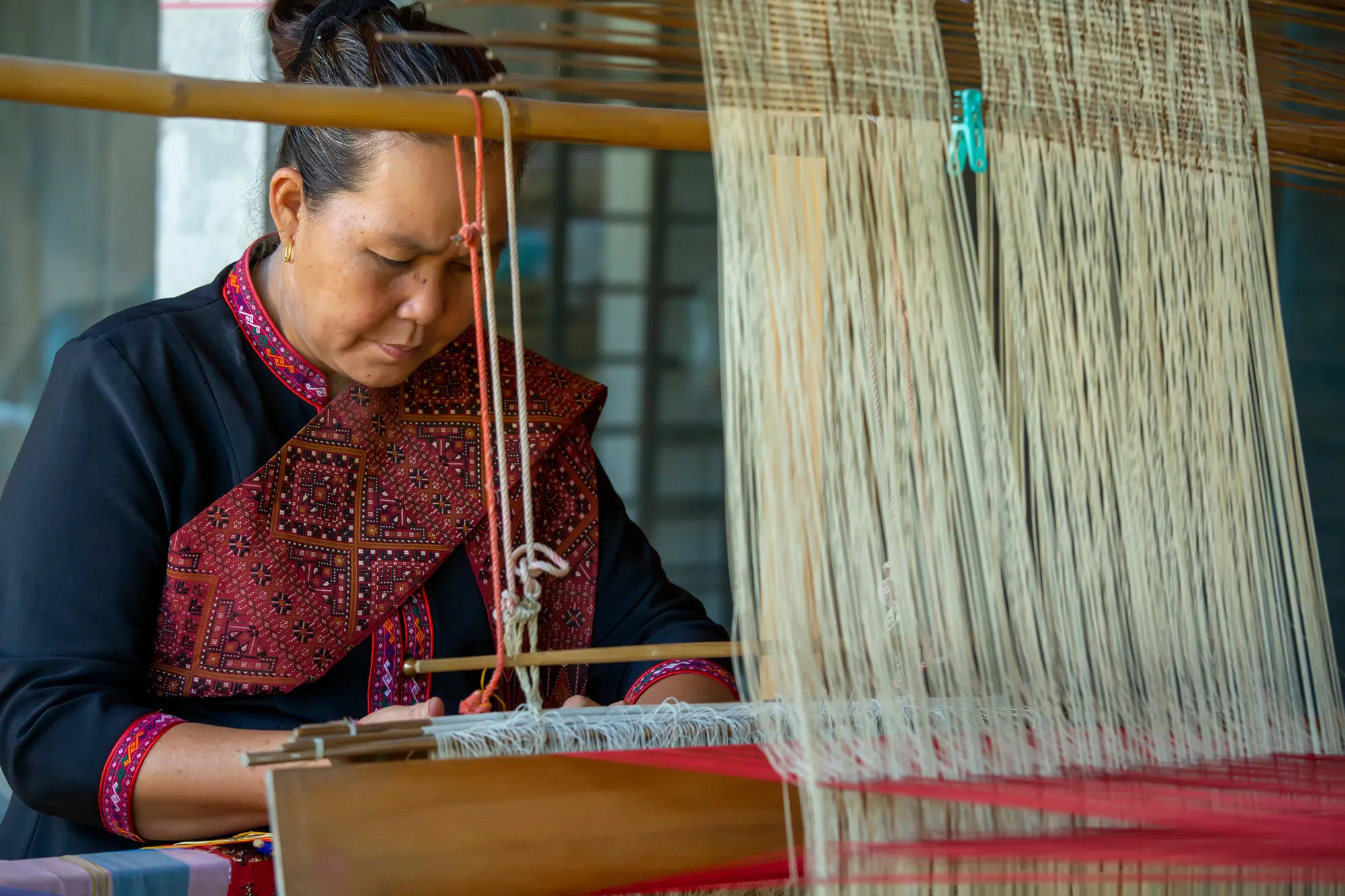
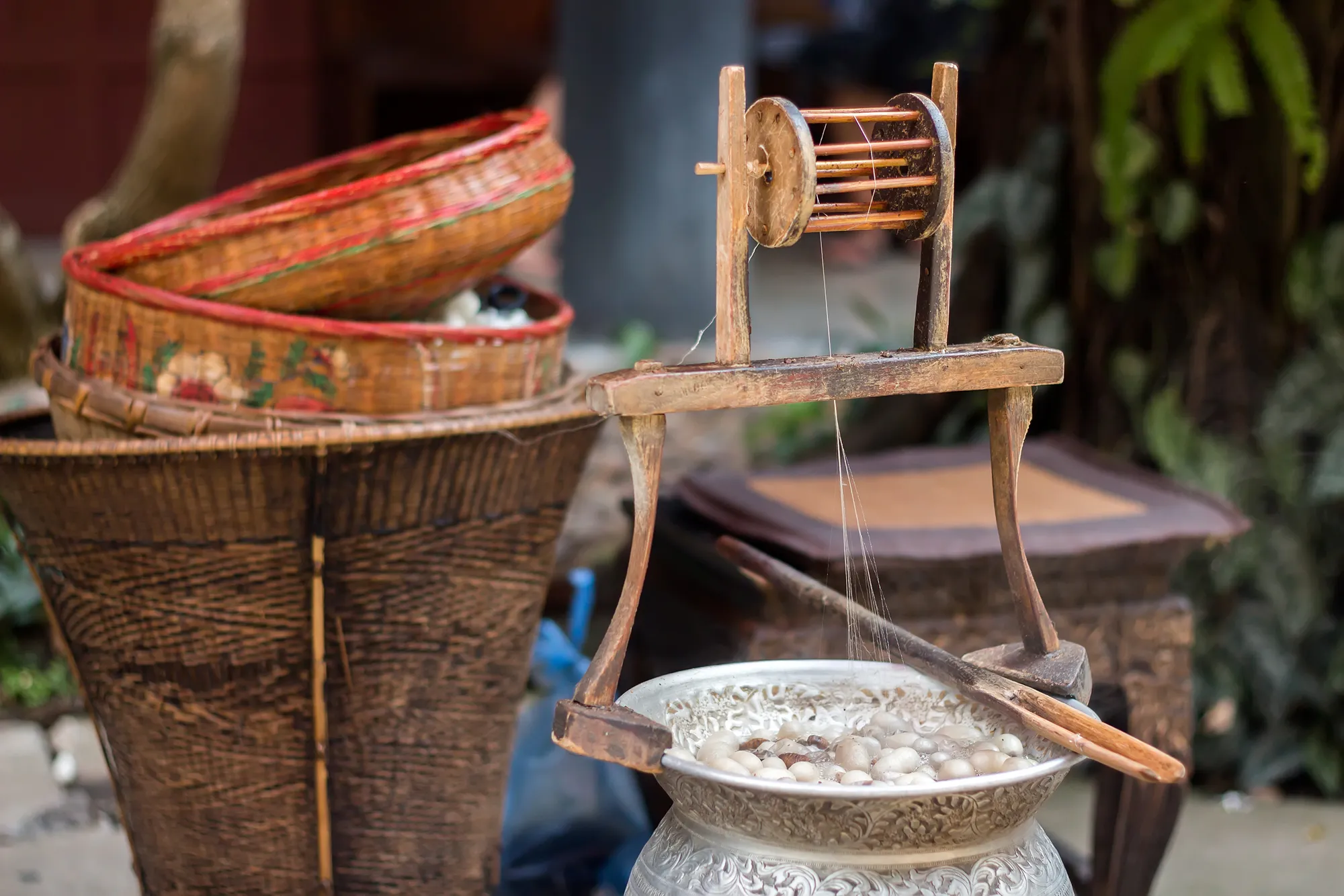
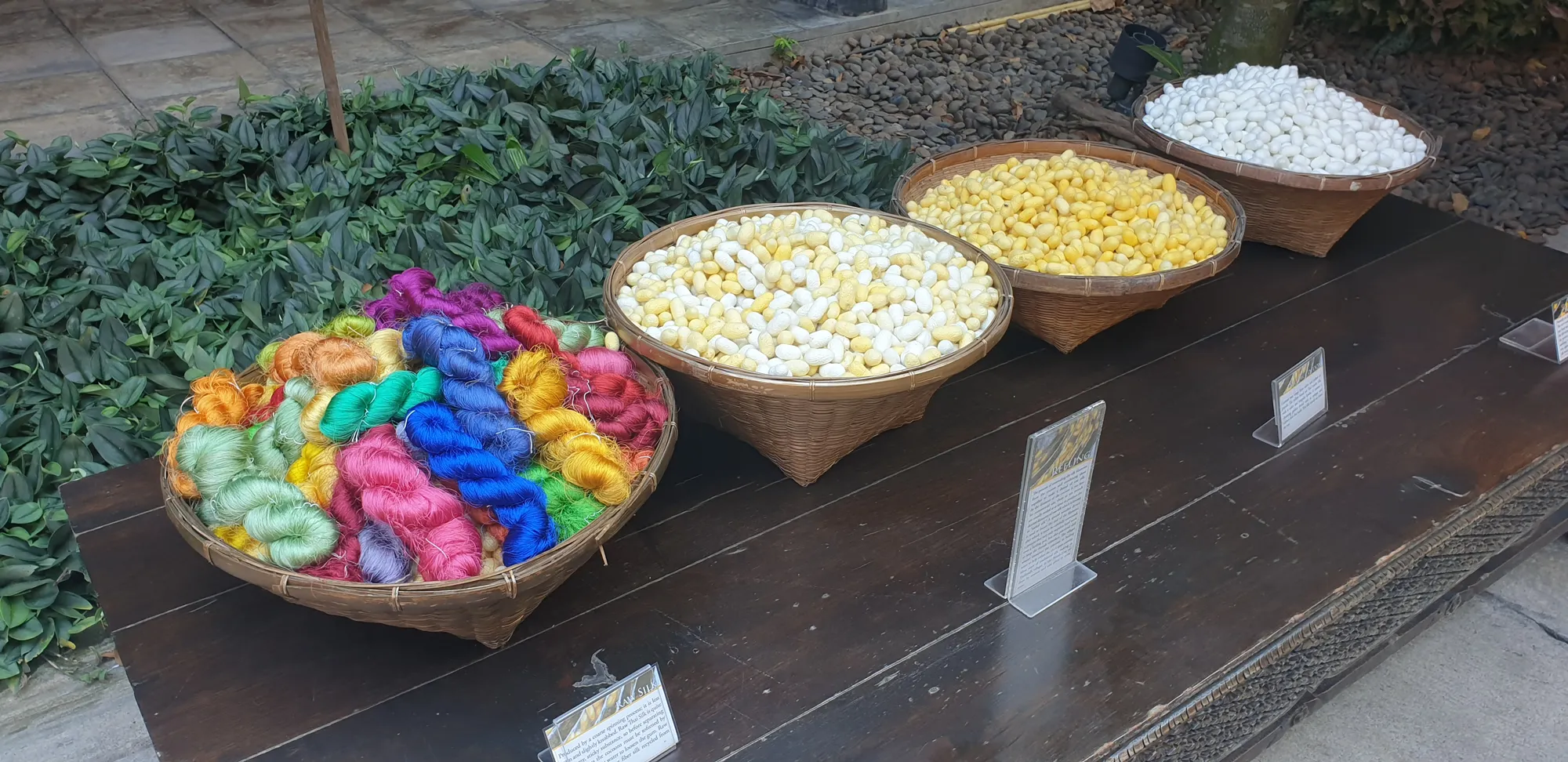
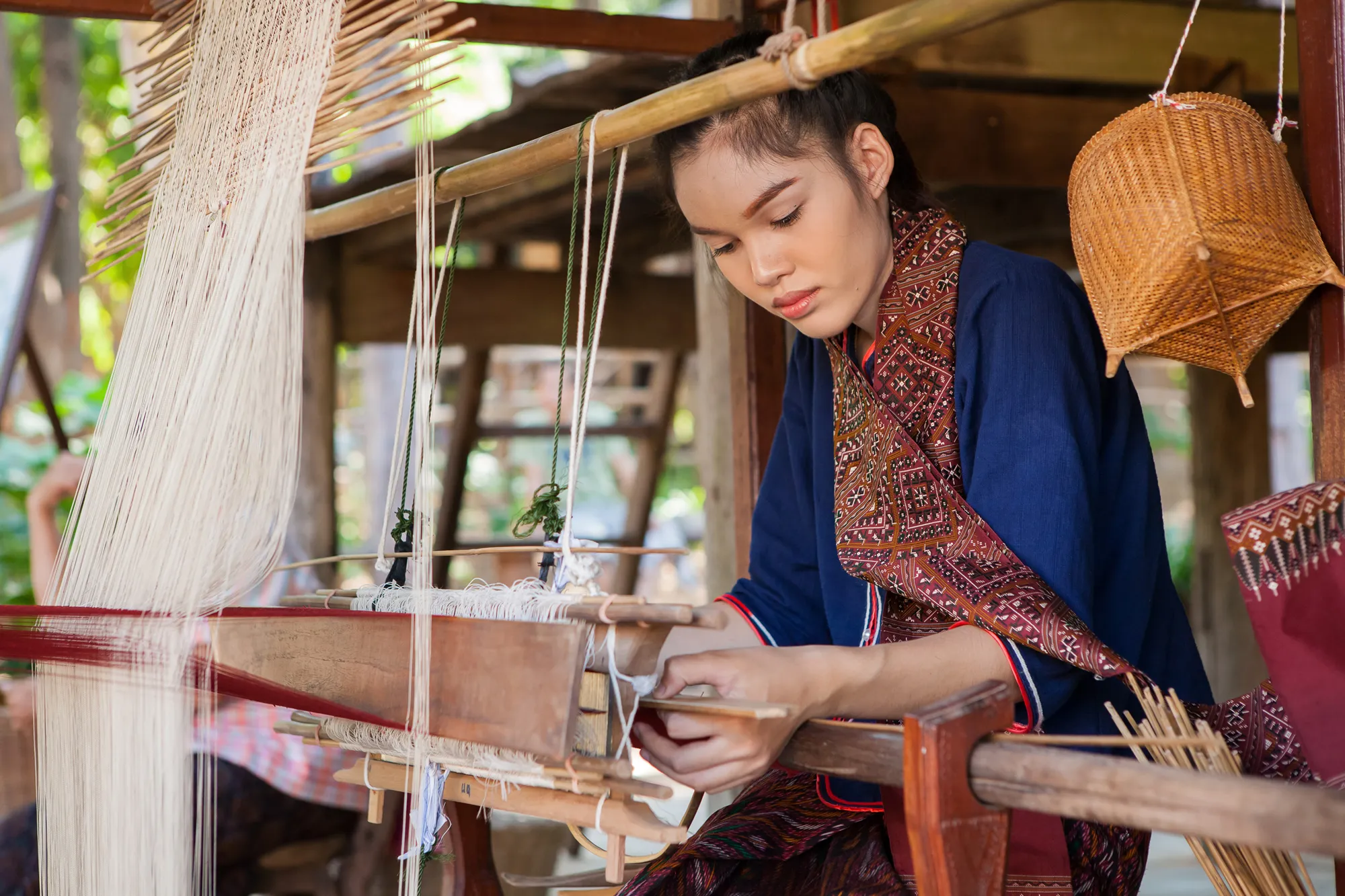
Finally, you cannot leave the home of the Silk King without browsing the wares. The on-site gift shop is extensive and offers a wide range of Jim Thompson brand products. While you can find cheap silk knock-offs at markets all over Bangkok, this is the place to buy the real deal. From vibrant scarves and neckties to cushion covers and bags, the quality is impeccable. Buying a souvenir here supports the foundation and the legacy of the silk weavers Thompson championed.
Conclusion
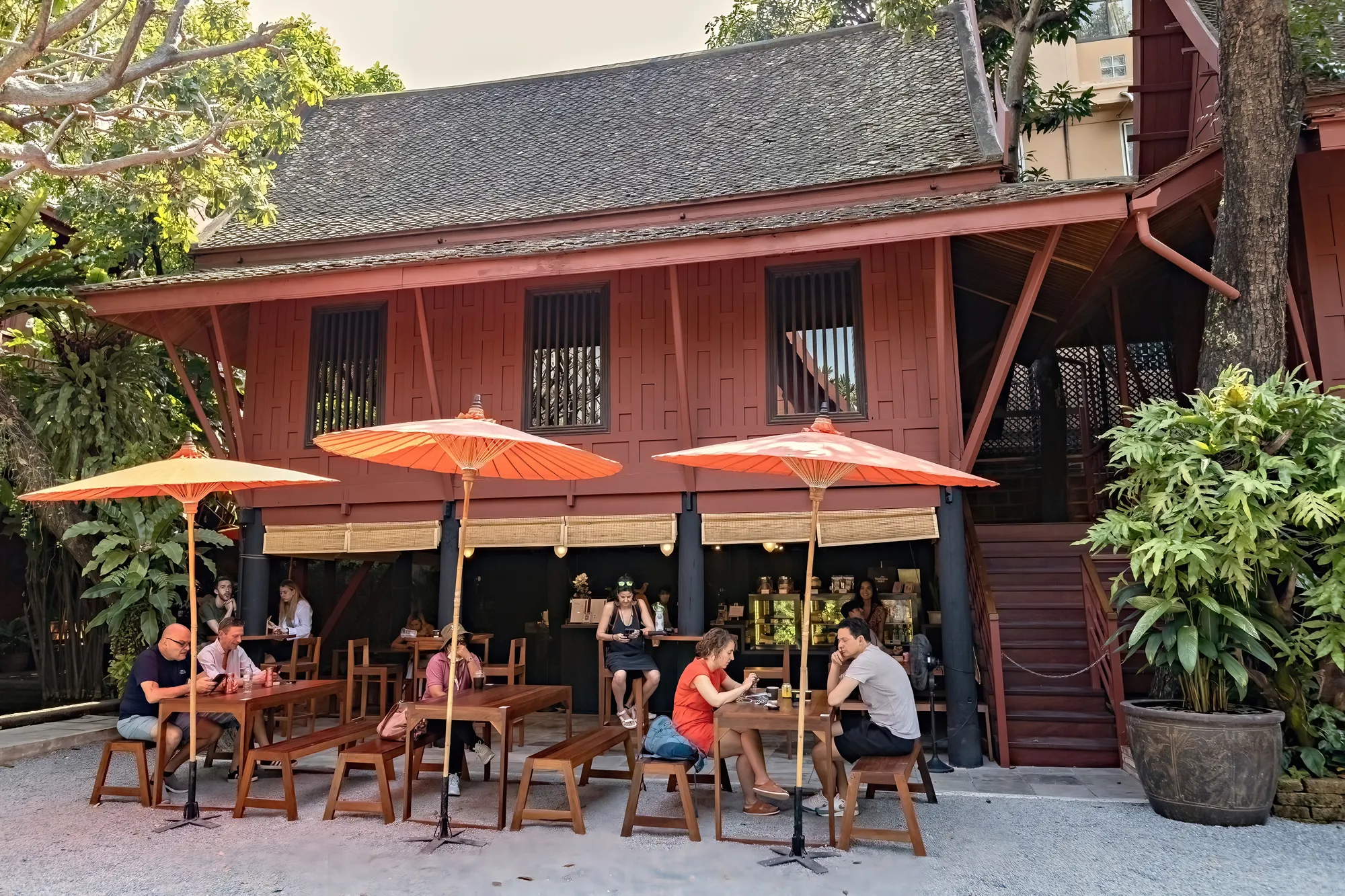
The Jim Thompson House is a rare find. It is a Travelers’ Choice Best of the Best 2024 award winner, ranking it among the top 1% of properties worldwide, and it is easy to see why. It is more than just a museum; it is a story of passion, cross-cultural fusion, and enduring mystery.
Whether you are admiring the gleam of ancient teak, marvelling at the intricacy of the silk, or simply standing in the garden wondering what truly happened to the man who built it all, a visit here is unforgettable. So, on your next trip to the Thai capital, step back in time and discover the legend for yourself. The jungle oasis awaits.


















Michael Carter
Vestibulum ante ipsum primis in faucibus orci luctus et ultrices posuere cubilia curae; Donec vel erat in nulla efficitur tempor non ut nisl. Integer venenatis eros ut dui viverra fermentum.
Sophie Wilson
Nam ut turpis hendrerit, varius nunc vel, elementum dui. Morbi vulputate dolor sit amet scelerisque egestas. Vestibulum eleifend nunc ut bibendum fermentum.
Alex Morgan
Cras non velit nec purus tempor rhoncus. Sed non mauris vitae erat consequat auctor eu in elit. Class aptent taciti sociosqu ad litora torquent per conubia nostra.