History of the Royal Barges
Journey back to the Ayutthaya period, a time when the Royal Barges first made their majestic debut in Thailand's storied history. Crafted during the reign of this flourishing kingdom, these vessels were not only modes of transportation but also symbols of the divine authority and grandeur of the Thai monarchy. The Ayutthaya era marked the beginning of a rich legacy, where the rivers of Thailand became stages for grandiose ceremonies and displays of royal power.
The Royal Barges were integral to the intricate tapestry of royal traditions, playing a vital role in ceremonies that underscored the spiritual and temporal power of the king. These vessels were meticulously designed to reflect the opulence and sophistication of the court, with each barge serving a specific function in the royal fleet. As they glided along the waterways, they became a moving testament to the kingdom’s wealth and artistic prowess.
Over the centuries, as dynasties rose and fell, the Royal Barges evolved both in form and function. The transition from the Ayutthaya period to the Thonburi and then the Rattanakosin periods brought about changes in their design and use. Each era left its mark, introducing new construction techniques, artistic embellishments, and ceremonial roles, while maintaining the timeless elegance that defined these floating palaces.
Throughout their history, the Royal Barges have been more than just ceremonial vessels. They have played pivotal roles in key political and cultural events, often symbolizing the unity and strength of the nation. During times of war and peace, these barges have carried messages of diplomacy, serving as floating ambassadors of the Thai kingdom’s rich cultural heritage.
As the political landscape of Thailand evolved, so too did the nature of the ceremonies. The Royal Barge Procession, a highlight of these events, became a grand spectacle that drew audiences from far and wide. Despite the passage of time, this procession remains a cherished tradition, showcasing the enduring relevance of the Royal Barges in Thailand's national identity.
Today, as you explore the exhibits dedicated to the illustrious history of the Royal Barges, you’re not merely witnessing artifacts from the past. You’re engaging with a living history that continues to inspire awe and pride among the Thai people. These barges, with their timeless beauty and historical significance, represent a bridge between the ancient and modern worlds, inviting visitors to connect with centuries of tradition and cultural richness.

The Construction Process
Delve into the fascinating world of traditional craftsmanship as you explore the intricate construction process of the Royal Barges. These majestic vessels are the result of a harmonious blend of artistry and technique, a testament to the enduring skills of master artisans dedicated to preserving Thailand’s rich cultural heritage.
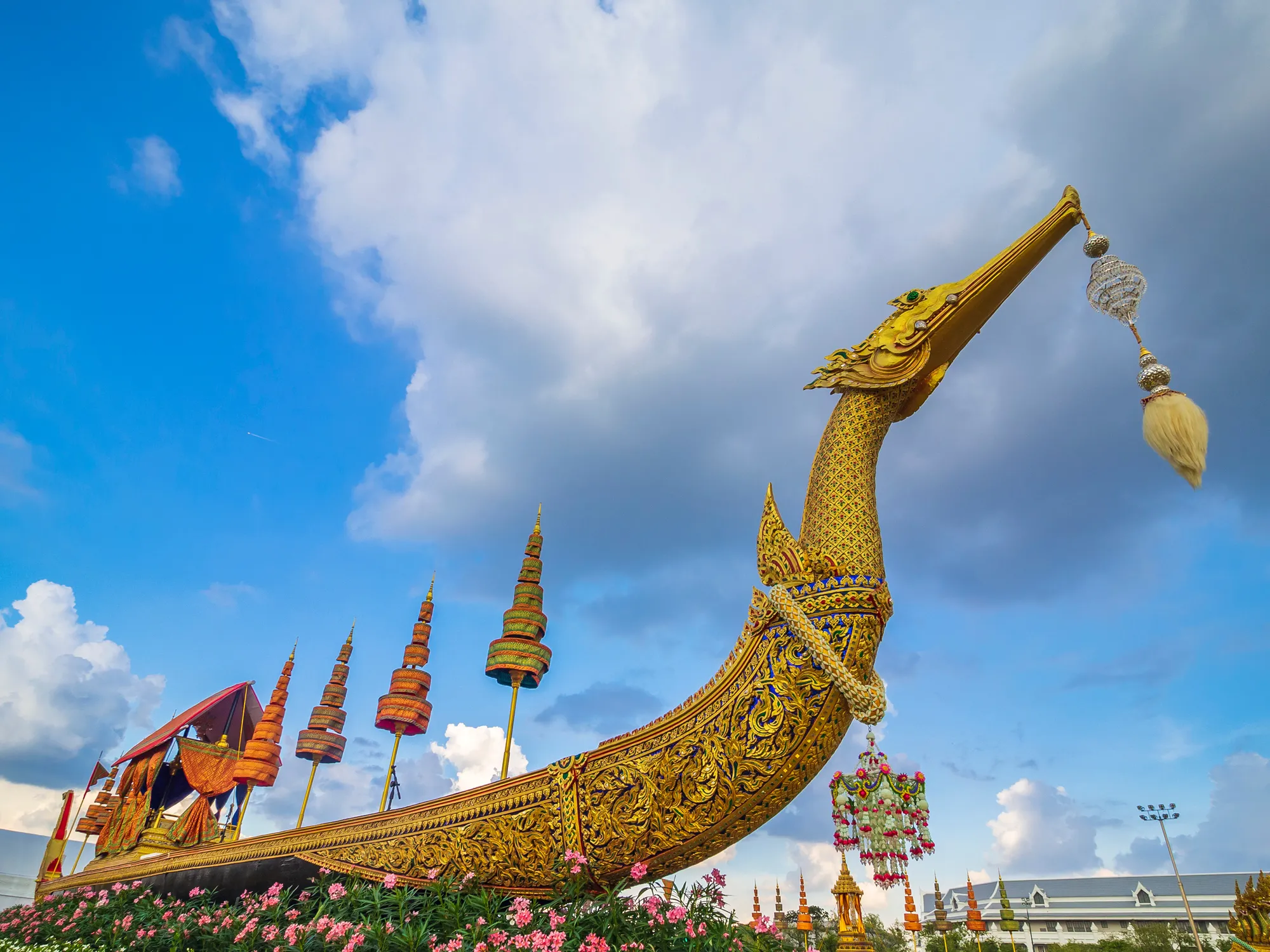
The creation of each barge begins with the careful selection of materials, primarily teak wood, renowned for its strength and durability. This choice is not mere tradition; it is a calculated decision to ensure the longevity and stability of these magnificent structures. Artisans employ time-honored techniques, using tools and methods that have remained unchanged for centuries, ensuring each barge not only withstands the test of time but also retains the authentic aesthetic that has become synonymous with Thai royal craftsmanship.
The construction process is a collaborative effort involving a team of skilled artisans, each contributing their expertise to different aspects of the barge. Carvers devote countless hours to embellishing the hulls with intricate designs, often depicting scenes from Thai mythology or embodying symbols of royal power. The carving is a labor of love, requiring precision and a deep understanding of the cultural narratives these motifs represent.
In addition to carving, the application of gilded details adds to the opulence of the barges. Gold leaf is meticulously applied to accentuate the carvings, creating a dazzling interplay of light and shadow that enhances the visual impact of these floating works of art. This delicate process demands both patience and a steady hand, as even the slightest misstep could disrupt the barge’s overall harmony.
Restoration of these vessels is equally demanding, requiring a profound respect for the original craftsmanship. Artisans tasked with the restoration must possess not only the technical skills but also a deep reverence for the historical and cultural significance of the barges. Their goal is to maintain authenticity, breathing new life into these vessels while preserving the stories and traditions they embody.
The commitment to preserving these artisanal skills underscores their cultural significance. Each barge is more than just a vessel; it is a living emblem of Thailand’s rich heritage, a bridge connecting past and present generations. This dedication to traditional craftsmanship ensures that the legacy of the Royal Barges continues to inspire awe and admiration, serving as a lasting symbol of Thailand’s artistry and cultural pride.
As you explore the exhibit, you gain a deeper appreciation for the complexity and artistry involved in crafting these barges. It’s a journey through time, witnessing the generational knowledge and skill passed down through the hands of master artisans, each stroke of the chisel and brush telling a story of devotion, heritage, and unparalleled craftsmanship.
The Royal Ceremonial Processions
Immerse yourself in the grandeur and spectacle of the Royal Ceremonial Processions, where the Royal Barges majestically glide through the waters, commanding attention and admiration. These processions are not merely events but are vibrant tapestries of Thai history and culture, blending the ancient with the modern to create awe-inspiring spectacles that resonate deeply within the national identity.
Historically, these processions date back to the Ayutthaya period when waterways were the primary means of transportation and communication. Over centuries, the processions evolved from practical convoys to elaborate displays of royal power and divine right, with each barge intricately designed to represent aspects of the Thai kingship and spiritual beliefs. The grandeur of these events lies in their ability to capture the essence of Thailand’s monarchy, showcasing the unity and strength of the nation.
The Royal Barges take center stage, each one a symbol of regality and artistic mastery. They are more than just vessels; they are living embodiments of Thai royalty, decorated with gold leaf and mythical motifs that narrate stories from Buddhist and Hindu mythology. These motifs are meticulously chosen to reflect themes of protection, prosperity, and power, making each barge a floating narrative of cultural and spiritual significance.
The processions are grand spectacles, characterized by synchronized rowing, ceremonial music, and the rhythmic chanting of the oarsmen. These elements combine to create a mesmerizing display of precision and grace, showcasing the dedication and discipline required to orchestrate such a magnificent event. The sheer scale of the procession, often involving dozens of barges and hundreds of participants, is a testament to the organizational prowess and cultural reverence underpinning these events.
In contemporary times, the Royal Ceremonial Processions continue to hold immense cultural importance, serving as a bridge between tradition and modernity. While technology and infrastructure have advanced, the processions remain a cherished tradition, a celebration of Thailand’s cultural heritage and royal lineage. They are occasions for national pride, drawing spectators and participants from all walks of life, united in their admiration for this enduring symbol of Thai culture.
These processions are more than just ceremonial events; they are cultural touchstones that preserve and promote Thailand's rich heritage. The museum offers a glimpse into both the historical grandeur and the ongoing significance of these processions, showcasing their role in maintaining the continuity of Thai tradition in an ever-evolving world.
As you delve into the world of the Royal Ceremonial Processions, you are not merely observing an event; you are partaking in a vibrant celebration of Thailand’s past, present, and future, encapsulated in the majestic journey of the Royal Barges.

Visitor Tips
- Arrive Early: Beat the crowds and take your time exploring the museum's treasures.
- Hire a Guide: Enhance your experience with deeper insights by hiring a guide or using an audio guide.
- Photography: Capture the beauty of the barges, but always adhere to the museum's guidelines on photography.
- Comfortable Shoes: Prepare for a fair amount of walking to fully appreciate the extensive exhibits.
- Guided Tours: Don't miss out on scheduled guided tours or demonstrations for a more immersive experience.
Travel Guide: Reaching the Royal Barge National Museum in Bangkok from Downtown
Embark on a journey to explore the splendid Royal Barges by navigating your way from the bustling heart of Bangkok to the serene banks of the Chao Phraya River, where the Royal Barge National Museum awaits. Here’s a comprehensive guide to ensure your travel is as smooth as the gliding barges themselves.
1. By Taxi:
- Route: From central locations like Siam Square or Silom, hail a taxi directly to the museum.
- Travel Time: Approximately 30-45 minutes, depending on traffic.
- Cost: Ranges from 100 to 200 THB.
- Tips: Ensure the driver uses the meter or agree on a fare beforehand. Avoid rush hours for a quicker journey.
2. By Public Bus:
- Bus Route: Board Bus No. 79 from central Bangkok areas like Ratchadamri or Pratunam.
- Stop: Alight at Arun Amarin Road, then take a short walk or a local tuk-tuk to the museum.
- Travel Time: Around 45 minutes to an hour.
- Cost: Approximately 10-20 THB.
- Tips: Buses in Bangkok can be crowded, so plan for extra time during peak hours. Ensure you have small change for the fare.
3. By Boat:
- Route: From Saphan Taksin BTS station, take the Chao Phraya Express Boat (orange flag) heading north.
- Stop: Disembark at Phra Athit Pier and hire a tuk-tuk or walk to the museum.
- Travel Time: 20-30 minutes on the boat, plus an additional 10-15 minutes for the tuk-tuk ride.
- Cost: Boat fare is around 15 THB; tuk-tuk rides can vary but expect around 50-100 THB.
- Tips: Enjoy the scenic river views and a unique perspective of Bangkok’s skyline. Boats are a great option to avoid traffic.
4. By BTS and MRT (Skytrain and Subway):
- Route: Take the BTS Skytrain to Saphan Taksin, then switch to the Chao Phraya Express Boat as above.
- Alternative: For a more extensive subway journey, take the MRT to Hua Lamphong, then a taxi or tuk-tuk to the museum.
- Travel Time: 45 minutes to 1 hour, combined with other modes.
- Cost: BTS and MRT fares range from 15 to 60 THB, depending on distance.
- Tips: Use a stored value card for seamless transfers between BTS and MRT. This method combines the efficiency of trains with the scenic allure of river travel.
Final Steps:
Upon arrival, follow the signs leading to the Royal Barge National Museum. The entrance is a short walk from the riverbank, providing an inviting prelude to the cultural treasures within.
Additional Tips:
- Timing: The museum is open from 9 AM to 5 PM; early mornings are ideal to avoid crowds.
- Attire: Dress comfortably and bring a hat or umbrella, as Bangkok’s climate can be warm and sunny.
Whether you prefer the directness of a taxi, the affordability of public buses, the scenic route of a riverboat, or the speed of the BTS and MRT, reaching the Royal Barge National Museum is a delightful start to your exploration of Thai heritage. Enjoy the journey as much as the destination!

Nearby Attractions to the Royal Barge National Museum in Bangkok
- The Grand Palace
- Distance: Approximately 4 km from the museum.
- Description: A stunning complex that has been the official residence of the Kings of Siam since 1782. The Grand Palace is renowned for its intricate architecture and the revered Emerald Buddha housed within Wat Phra Kaew.
- Notable Features: Explore the opulent throne halls and marvel at the rich history depicted in the murals.
- Wat Arun (Temple of Dawn)
- Distance: About 5 km across the Chao Phraya River.
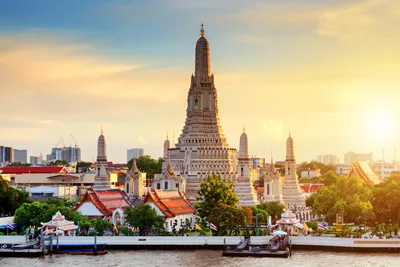
- Description: One of Bangkok's most iconic landmarks, featuring a towering spire adorned with colorful porcelain. Wat Arun offers breathtaking views of the river, especially at sunset.
- Notable Features: Climb the central prang for panoramic vistas and enjoy the peaceful gardens surrounding the temple.
- Wat Pho (Temple of the Reclining Buddha)
- Distance: Approximately 4 km from the museum.
- Description: Famous for its giant reclining Buddha statue, Wat Pho is a must-visit for its beautiful architecture and serene atmosphere. It's also a leading center for traditional Thai massage.
- Notable Features: The ornate murals and the opportunity to experience a relaxing massage after a day of sightseeing.
- Bangkok National Museum
- Distance: Around 3 km from the museum.
- Description: As the largest museum in Southeast Asia, it offers a comprehensive overview of Thai history and art through its extensive collection of artifacts, including weapons, musical instruments, and religious treasures.
- Notable Features: Guided tours available in English, providing deep insights into Thailand's rich cultural heritage.
- Khao San Road
- Distance: Approximately 3 km from the museum.
- Description: Known as a backpacker's haven, Khao San Road is bustling with energy, offering an eclectic mix of street food, vibrant nightlife, and unique shopping experiences.
- Notable Features: Ideal for sampling local delicacies, hunting for quirky souvenirs, and experiencing Bangkok’s lively street culture.
- Thammasat University
- Distance: About 2.5 km from the museum.
- Description: This prestigious university is not only an educational institution but also a site rich in history and culture. The campus occasionally hosts exhibitions and cultural events.
- Notable Features: The serene campus environment and the occasional public lectures or exhibitions that provide a glimpse into Thai academic life.
These attractions offer a blend of cultural, historical, and recreational experiences that complement a visit to the Royal Barge National Museum, making your exploration of Bangkok truly enriching and memorable.

Local Restaurants Near the Royal Barge National Museum in Bangkok
- Supanniga Eating Room
- Distance: About 3 km from the museum.
- Cuisine: Authentic Thai.
- Description: Known for its homestyle Thai dishes inspired by family recipes, Supanniga Eating Room offers a cozy atmosphere with river views.
- Signature Dishes: Try the Moo Cha Muang (stewed pork with garcinia leaves) for a unique taste of traditional Thai flavors.
- Steve Café & Cuisine
- Distance: Approximately 2 km from the museum.
- Cuisine: Thai.
- Description: A charming riverside eatery serving classic Thai cuisine with a modern twist. The relaxed setting is perfect for enjoying delightful dishes while watching boats sail by.
- Unique Features: The outdoor seating area provides a scenic dining experience right by the water.
- Err Urban Rustic Thai
- Distance: Around 4 km from the museum.
- Cuisine: Thai street food-inspired dishes.
- Description: Created by the team behind the renowned Bo.Lan, Err offers a casual yet innovative take on Thai street food, focusing on local ingredients and traditional flavors.
- Signature Dishes: Don't miss the Sai Ua (northern Thai sausage) and the fermented pork ribs.
- Baan Wanglang Riverside
- Distance: About 3 km from the museum.
- Cuisine: Thai.
- Description: Nestled by the riverside, this restaurant offers a mix of traditional and contemporary Thai dishes with views of the iconic Wat Arun.
- Unique Features: Enjoy the panoramic river views from the open-air terrace while savoring their expertly crafted meals.
- The Deck by Arun Residence
- Distance: Approximately 5 km across the river.
- Cuisine: Fusion of Thai and Western.
- Description: Located opposite Wat Arun, this restaurant provides a romantic dining experience with breathtaking views of the temple, especially beautiful at sunset.
- Signature Dishes: The green curry with crispy roti is a must-try, blending rich flavors with a touch of fusion flair.
These delightful dining spots offer a range of culinary experiences, from traditional Thai favorites to innovative fusion dishes, all within easy reach of the Royal Barge National Museum. Enjoy exploring the flavors of Bangkok!

As we draw this exploration of the Royal Barge National Museum to a close, let the allure of Thailand's majestic history continue to inspire and captivate your imagination. Nestled along the picturesque Chao Phraya River, this museum stands as a beacon of cultural and historical significance, offering a profound glimpse into the opulent world of royal traditions and the masterful craftsmanship that defines them.
Each barge within this hallowed space is not just a relic of the past but a vibrant storyteller, sharing tales of royal grandeur and spiritual depth. From the intricate carvings to the gilded embellishments, the artistry on display is a testament to the enduring skill and creativity of Thailand's artisans.
For those with a thirst for history, a passion for art, or an adventurous spirit, the Royal Barge National Museum promises an unforgettable journey. It invites you to connect with the royal legacy of Thailand, to feel the echoes of past ceremonies, and to marvel at the beauty that has been lovingly preserved for generations.
So, whether you find yourself wandering the serene banks of the river or captivated by the stories of each barge, let the Royal Barge National Museum be your gateway to the rich tapestry of Thailand's heritage. Visit and experience firsthand the living history that continues to enchant all who pass through its doors. Your journey into the heart of Thailand awaits.
















Michael Carter
Vestibulum ante ipsum primis in faucibus orci luctus et ultrices posuere cubilia curae; Donec vel erat in nulla efficitur tempor non ut nisl. Integer venenatis eros ut dui viverra fermentum.
Sophie Wilson
Nam ut turpis hendrerit, varius nunc vel, elementum dui. Morbi vulputate dolor sit amet scelerisque egestas. Vestibulum eleifend nunc ut bibendum fermentum.
Alex Morgan
Cras non velit nec purus tempor rhoncus. Sed non mauris vitae erat consequat auctor eu in elit. Class aptent taciti sociosqu ad litora torquent per conubia nostra.