What to See at Wat Prayoon
1. Phra Maha Chedi Tripob Trimongkol
Phra Maha Chedi Tripob Trimongkol, a majestic feature of Wat Prayoon, stands as a beacon of architectural brilliance and spiritual reverence. Rising 60 meters into the sky, this stupa captures the essence of Thai Buddhist architecture with its striking presence and intricate design. Encircled by a cluster of smaller chedis, the stupa creates a mesmerizing visual tapestry that draws visitors from all walks of life. The play of light and shadow across its surfaces, coupled with the serene backdrop of the temple grounds, offers a captivating scene that beckons photographers to capture its beauty.
Architecturally, Phra Maha Chedi Tripob Trimongkol is a masterpiece of symmetry and elegance. Its refined lines and graceful curves reflect a meticulous craftsmanship that pays homage to Buddhist art traditions. The stupa’s design is not only a feast for the eyes but also a symbolic representation of the Buddhist cosmology, serving as a spiritual axis that connects the earthly realm with the divine.
In the broader context of Thai Buddhism, stupas are revered as sacred structures that enshrine relics and embody the Buddha's teachings. They are places of meditation and pilgrimage, inviting devotees to reflect on the teachings of impermanence and enlightenment. Phra Maha Chedi Tripob Trimongkol is no exception, standing as a testament to the enduring faith and artistic achievement of the era in which it was built.
For visitors, the stupa offers more than just an aesthetic experience; it is an invitation to delve into the cultural and spiritual fabric of Thailand. It’s a place where the past and present converge, allowing one to appreciate the timeless beauty of Thai religious architecture. Whether you’re a history buff, a cultural enthusiast, or an avid photographer, Phra Maha Chedi Tripob Trimongkol promises a visual and spiritual journey that enriches your visit to Wat Prayoon.

2. Loha Prasat
Loha Prasat, known as the Iron Castle, is a captivating architectural wonder that stands as a testament to Bangkok's rich historical tapestry and innovative design. This iconic structure, one of only a few of its kind remaining worldwide, commands attention with its striking multi-tiered roof design, which soars majestically above the cityscape. Each of its levels is adorned with a labyrinth of spires, creating a visual symphony that both intrigues and inspires.
Built during the reign of King Rama III, Loha Prasat was conceived with a profound purpose—to serve as a place of meditation and spiritual enlightenment. Its design is inspired by ancient Sri Lankan and Indian Buddhist architecture, yet it has been uniquely adapted to reflect Thai cultural and artistic sensibilities. The structure's name, translating to "Metal Castle," is derived from the use of metal in its construction, a rarity in traditional Thai architecture, which typically favors wood and stone.
Loha Prasat's architectural brilliance is further accentuated by its symbolic layout. The tiers of the structure represent the 37 virtues toward enlightenment in Buddhist doctrine, a reflection of the spiritual journey that it embodies. This makes it not merely an architectural marvel but also a site of profound religious significance.
For visitors drawn to history and architecture, Loha Prasat offers an unparalleled experience. Its intricate design and historical depth provide a window into Thailand's cultural evolution and the artistic endeavors of its past. The panoramic views from its upper levels are breathtaking, offering a unique perspective of Bangkok's blend of the ancient and modern. As such, the Iron Castle is not just a must-see landmark but a gateway into the heart of Thai heritage, inviting exploration and contemplation.
3. The Turtle Mountain
Nestled within the serene grounds of Wat Prayoon, Turtle Mountain offers a distinct charm that captivates visitors with its tranquil ambiance and cultural depth. This quaint hill, home to a thriving community of turtles, serves as a serene oasis amidst the vibrant hustle of Bangkok. Turtles, revered in Thai culture as symbols of longevity and wisdom, add a layer of spiritual significance to this enchanting locale.
As you wander through Turtle Mountain, you'll find yourself immersed in a peaceful environment where turtles roam freely, embodying a sense of calm and continuity. This sacred space invites visitors to engage in the traditional practice of merit-making by feeding the turtles, an act believed to bring good fortune and blessings. The gentle act of offering food is not only a meaningful cultural ritual but also an opportunity to connect with the spiritual essence of the place.
Turtle Mountain's allure extends beyond its cultural symbolism. The picturesque setting, dotted with lush greenery and gentle water features, creates an idyllic backdrop for reflection and relaxation. It's a perfect spot for those seeking solace from the bustling city life, offering a moment of introspection and a chance to appreciate the natural beauty interwoven with spiritual traditions.
For visitors to Wat Prayoon, Turtle Mountain is a must-see attraction that enriches the overall experience of the temple. Its unique blend of cultural significance and serene beauty makes it an ideal destination for those interested in exploring the deeper layers of Thai traditions and enjoying a peaceful retreat. Whether you're drawn by the cultural insights or the tranquil environment, Turtle Mountain promises a memorable and enriching visit.

4. The Ordination Hall
The Ordination Hall at Wat Prayoon is a stunning showcase of artistic excellence and spiritual significance that draws visitors into the heart of Thai cultural heritage. This beautifully decorated hall, a focal point within the temple complex, captivates with its intricate artistry and timeless elegance. Every corner of the hall reflects the exquisite craftsmanship of the era, with detailed carvings and vibrant murals that tell stories of Buddhist lore and tradition.
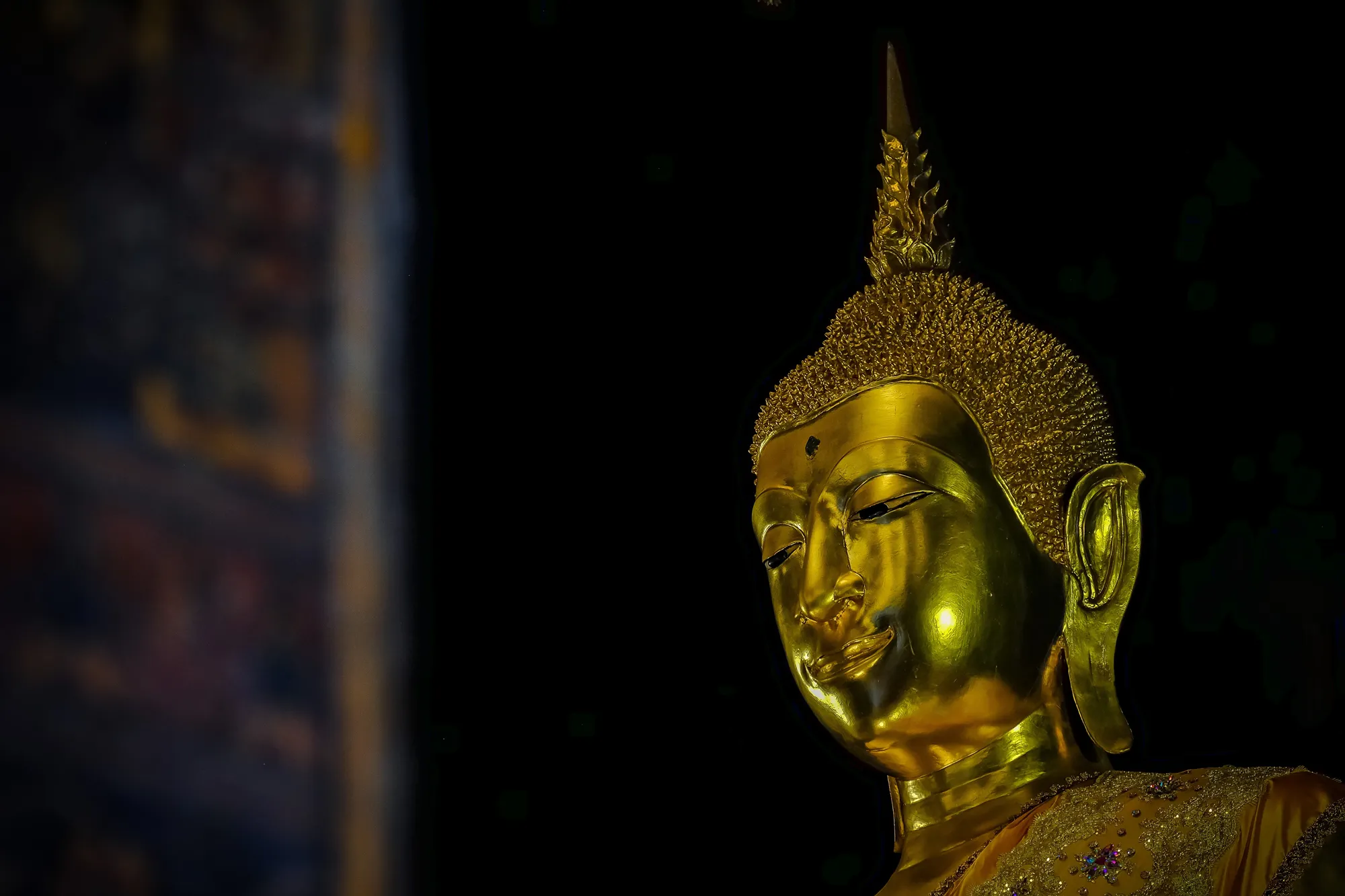
At the center of the Ordination Hall sits the revered main Buddha image, a symbol of peace and enlightenment, inviting visitors to pause and reflect. This sacred image not only serves as the spiritual hub of the hall but also anchors the cultural and religious practices that take place within its walls. Traditionally, the hall is used for important ceremonies such as ordinations, reaffirming its pivotal role in the spiritual life of the community.
Architecturally, the Ordination Hall stands out with its harmonious blend of structural grandeur and decorative finesse. The hall's exterior is adorned with intricate motifs and gilded details, while the interior offers a feast for the senses with its richly painted ceilings and delicately crafted altar. These artistic elements combine to create an atmosphere of reverence and awe, drawing visitors into a space where the sacred and the artistic converge.
For those with an interest in art and history, the Ordination Hall is a must-see destination. It offers a unique glimpse into the artistic achievements and religious devotion of its time, making it an ideal spot for contemplation and appreciation. Whether you are captivated by its historical significance or the exquisite artistry on display, the Ordination Hall promises an enriching experience that resonates with the beauty and depth of Thai Buddhist culture.
5. The Bell Tower
The Bell Tower at Wat Prayoon stands as an intriguing blend of architectural elegance and cultural tradition, drawing visitors with its unique charm and interactive experiences. This distinctive structure, gracefully complementing the temple's overall aesthetic, invites guests to explore its collection of bells—a central feature that resonates with both sound and meaning.
Ringing the bells at the Bell Tower is more than just an auditory delight; it is a time-honored practice steeped in symbolic significance. In Thai culture, the act of ringing the bells is believed to announce your presence to the temple spirits, a gesture that is thought to bring good fortune and cleanse the spirit. This ritual not only connects visitors to the spiritual essence of Wat Prayoon but also encourages a personal interaction with the cultural practices that define the temple's heritage.
Architecturally, the Bell Tower is a testament to the harmonious design principles that characterize Wat Prayoon. Its structure, marked by intricate detailing and harmonious proportions, enhances the visual appeal of the temple complex. The tower's design echoes the elegance and grace found throughout the temple, creating a seamless blend between form and function. Each bell, varying in size and tone, contributes to a symphony that delights the senses and enriches the visitor's experience.
For those with an interest in cultural traditions and interactive experiences, the Bell Tower is an essential stop on their journey through Wat Prayoon. It offers a unique opportunity to engage with Thai cultural heritage in a meaningful way, while also enjoying the serene beauty of the temple surroundings. Whether you are drawn by the cultural significance of the bell-ringing ritual or the architectural beauty of the tower itself, the Bell Tower at Wat Prayoon promises an unforgettable experience that connects you to the heart of Thai spirituality.

How to Get There
Wat Prayoon is conveniently located in the Thonburi district of Bangkok. Visitors can reach the temple by taking the BTS Skytrain to Wongwian Yai station and then catching a short taxi ride to the temple. Alternatively, you can take a Chao Phraya River ferry to Memorial Bridge Pier and enjoy a leisurely walk to the temple.
Travel Guide: Reaching Wat Prayoon from Downtown Bangkok
Embark on a journey to Wat Prayoon, a historic gem nestled in Bangkok, by choosing from a variety of transportation options. Here’s your comprehensive guide to navigating the city’s vibrant transport network.
1. Buses
Routes and Stops:
- Bus No. 40 or 56: Catch these buses from the main road near Siam Paragon or MBK Center. They take you directly to the vicinity of Wat Prayoon.
- Stops: Look for the stop near Memorial Bridge (Saphan Phut), close to the temple.
Travel Time and Cost:
- Time: Approximately 45 minutes to 1 hour, depending on traffic.
- Cost: Around 15-20 THB.
Tips:
- Buses are a budget-friendly option and provide a glimpse into local life. Board at major bus stops for ease.
2. Taxis
Routes:
- Simply tell the driver "Wat Prayoon" or show a map. The easiest route from downtown is via Rama IV Road, crossing Memorial Bridge.
Travel Time and Cost:
- Time: 30 to 45 minutes, traffic dependent.
- Cost: Typically 100-150 THB.
Tips:
- Ensure the meter is running to avoid overcharging. Taxis are comfortable and direct, especially during off-peak hours (mid-morning or early afternoon).
3. Tuk-tuks
Routes:
- Tuk-tuks can be found near popular tourist areas like Khao San Road. A direct trip via Ratchadamnoen Avenue is scenic.
Travel Time and Cost:
- Time: 30 to 40 minutes.
- Cost: Negotiate the fare beforehand, generally between 150-200 THB.
Tips:
- Tuk-tuks offer an exciting, albeit bumpy, ride. Ideal for short distances and a quintessential Bangkok experience.
4. River Ferries
Routes:
- Take the BTS Skytrain to Saphan Taksin Station and board the Chao Phraya Express Boat at Sathorn Pier.
- Disembark at Memorial Bridge Pier (N6) and walk a short distance to the temple.
Travel Time and Cost:
- Time: 45 minutes, including ferry and walk.
- Cost: Around 15-30 THB for the ferry.
Tips:
- River ferries provide a scenic and refreshing journey, especially during cooler parts of the day. Watch the city unfold from a unique perspective along the river.
Additional Tips for Travelers:
- Peak Hours: Avoid travel during rush hours (7-9 AM and 4-7 PM) to minimize delays.
- Landmarks: While traveling, keep an eye out for the iconic Grand Palace and Wat Arun, visible from the river.
- Authentic Experience: For a local touch, try a snack from a street vendor near Memorial Bridge before heading to Wat Prayoon.
Whichever mode of transport you choose, reaching Wat Prayoon is an adventure that blends the rich tapestry of Bangkok’s past with the vibrancy of its present. Enjoy your journey!
Opening Hours and Prices
- Opening Hours: Wat Prayoon is open daily from 9:00 AM to 5:00 PM.
- Entry Fee: The entrance is free for all visitors, though donations are appreciated to support the maintenance of the temple.

Travel Tips for an Enriching Visit
- Visit Early: Arriving early in the morning will allow you to avoid crowds and experience the temple in a tranquil setting.
- Dress Modestly: Ensure your shoulders and knees are covered as a sign of respect.
- Explore Turtle Mountain: Take a moment to appreciate this charming and unique feature.
- Appreciate the Details: Spend time observing the intricate designs of the Loha Prasat and Ordination Hall.
- Hire a Guide: For a deeper understanding of the temple's rich history, consider hiring a local guide.
- Stay Comfortable: Wear comfortable shoes and bring water, as exploring the grounds involves some walking.
Wat Prayoon offers a captivating glimpse into Bangkok’s spiritual and cultural heritage. With its rich history, stunning architecture, and serene atmosphere, it promises an unforgettable experience that resonates with visitors long after they leave.
Popular Attractions Near Wat Prayoon
- Wat Arun (Temple of Dawn):
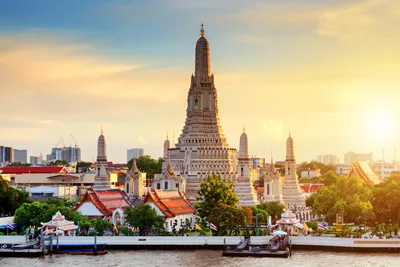
Located just across the Chao Phraya River, Wat Arun is famed for its stunning riverside location and intricate porcelain mosaics. Climbing the temple's central spire offers panoramic views of the city, making it a must-visit for its breathtaking sunsets and architectural beauty.
- The Grand Palace:
A short ferry ride away, the Grand Palace is an iconic symbol of Bangkok's rich history and grandeur. Home to the Emerald Buddha, this sprawling complex showcases exquisite Thai architecture and royal heritage, perfect for those interested in cultural and historical exploration.
- Wat Pho (Temple of the Reclining Buddha):
Neighboring the Grand Palace, Wat Pho is renowned for its massive Reclining Buddha statue and as a center for traditional Thai massage. Visitors can admire the temple's detailed murals and sculptures while indulging in a rejuvenating massage experience.
- Pak Khlong Talat (Flower Market):
Located near Memorial Bridge, this bustling market is filled with vibrant flowers and fresh produce. It's a sensory delight and offers a glimpse into the daily lives of local vendors, making it ideal for those seeking a colorful and authentic market experience.
- Museum of Siam:
Situated not far from the temple, the Museum of Siam provides an interactive journey through Thailand's history and culture. Engaging exhibits and multimedia displays make it an educational and entertaining stop for both adults and children.
- Sanam Luang:
A large, open park area near the Grand Palace, Sanam Luang is a great spot for a leisurely stroll or a picnic. Often used for royal ceremonies and public events, it offers a peaceful retreat with views of nearby landmarks.
- Thonburi Canals:
Experience a traditional long-tail boat tour through the Thonburi canals, just a short distance from Wat Prayoon. This tour provides insight into Bangkok’s historic waterways and traditional riverside communities, offering a unique perspective on local life.
Exploring these attractions near Wat Prayoon provides a well-rounded experience of Bangkok's cultural, historical, and recreational offerings. Each site presents unique features and experiences that capture the city's vibrant spirit and deep-rooted traditions.



















Michael Carter
Vestibulum ante ipsum primis in faucibus orci luctus et ultrices posuere cubilia curae; Donec vel erat in nulla efficitur tempor non ut nisl. Integer venenatis eros ut dui viverra fermentum.
Sophie Wilson
Nam ut turpis hendrerit, varius nunc vel, elementum dui. Morbi vulputate dolor sit amet scelerisque egestas. Vestibulum eleifend nunc ut bibendum fermentum.
Alex Morgan
Cras non velit nec purus tempor rhoncus. Sed non mauris vitae erat consequat auctor eu in elit. Class aptent taciti sociosqu ad litora torquent per conubia nostra.