Attractions Today
The Central Prang:
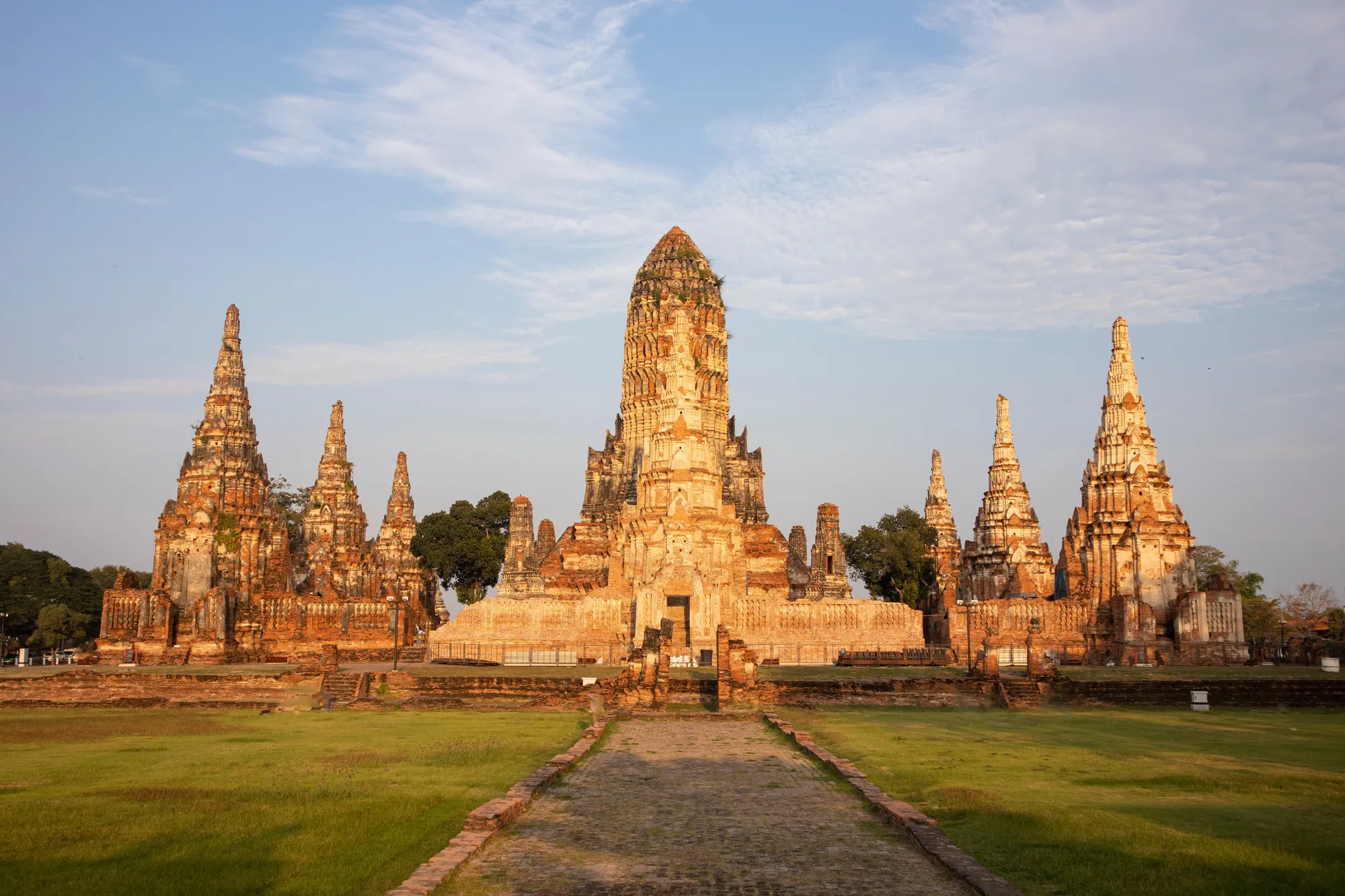
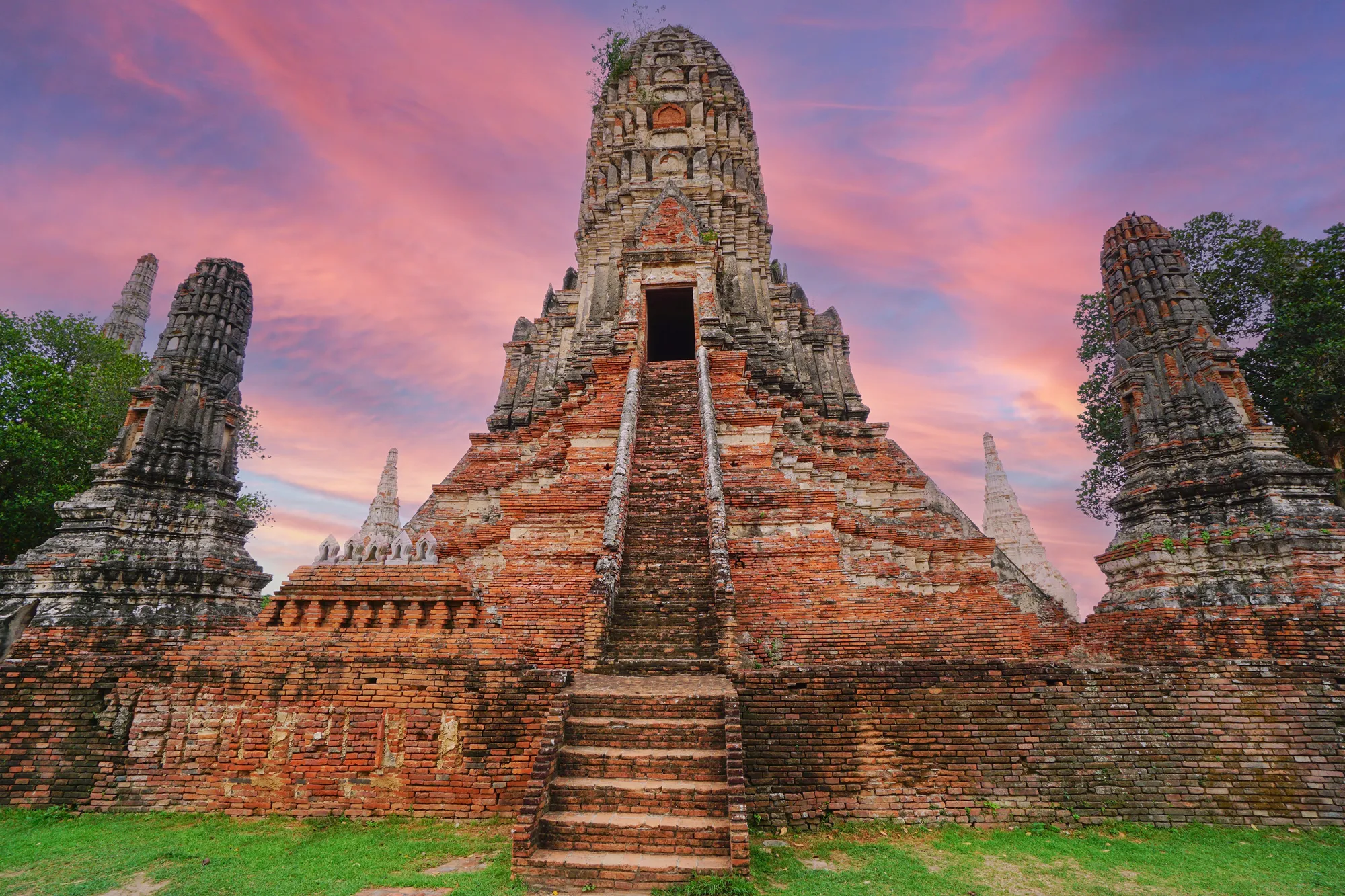
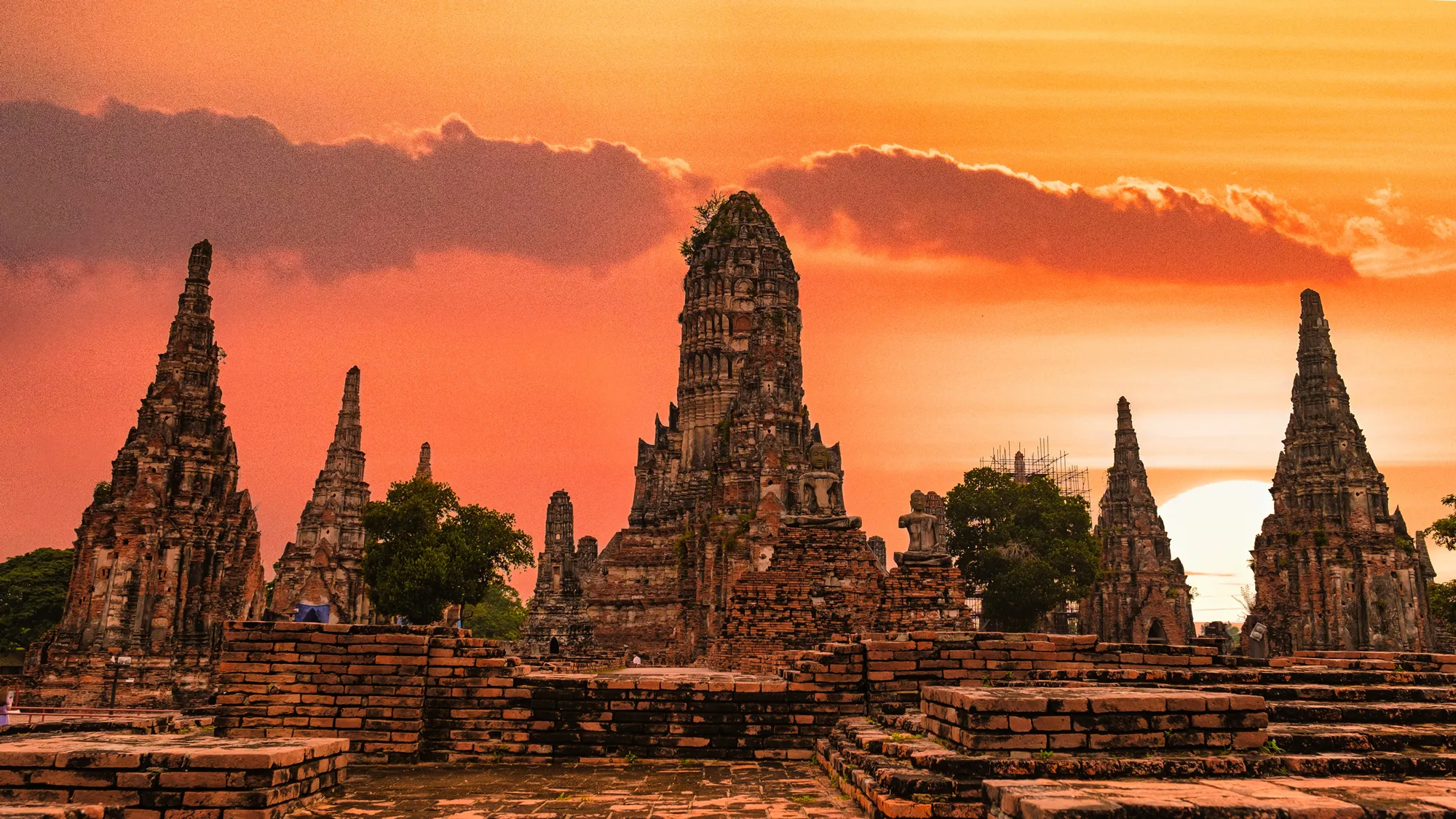
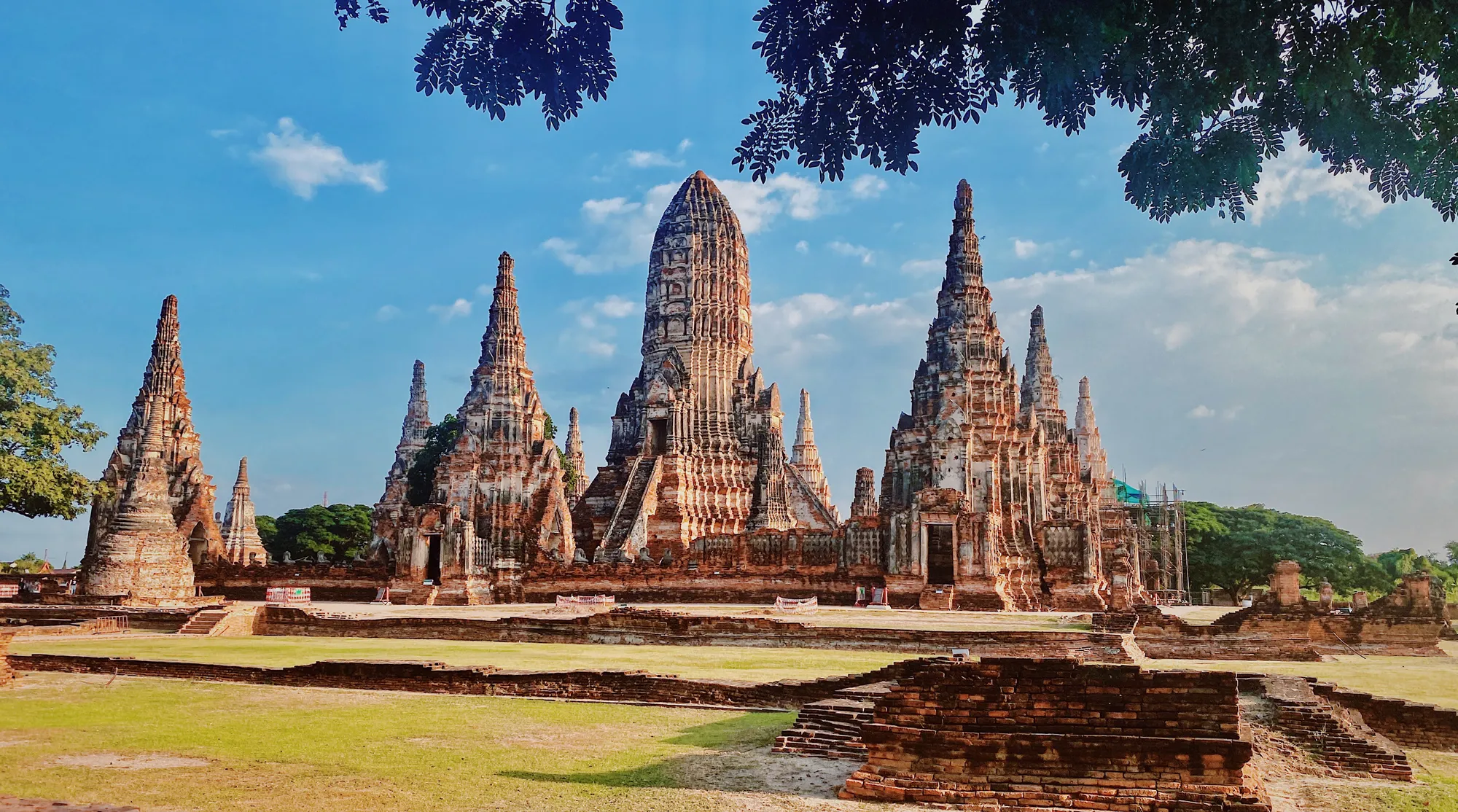
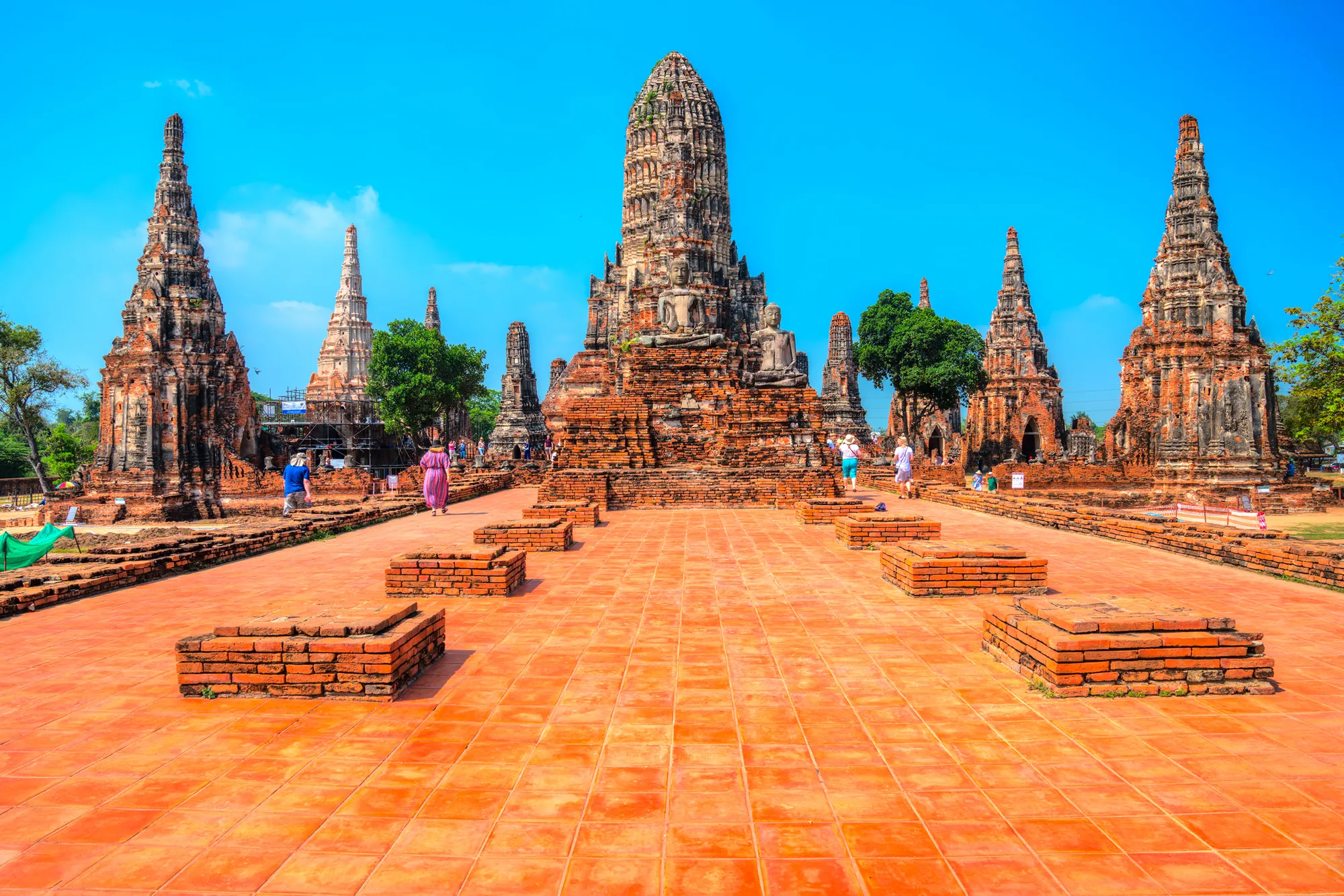
Wat Chaiwatthanaram's central prang stands as a majestic beacon, its towering presence punctuating the landscape and drawing visitors into a journey of exploration and discovery. This architectural masterpiece is not only a testament to the grandeur of the Ayutthaya period but also a pivotal attraction that captivates the imagination of all who visit.
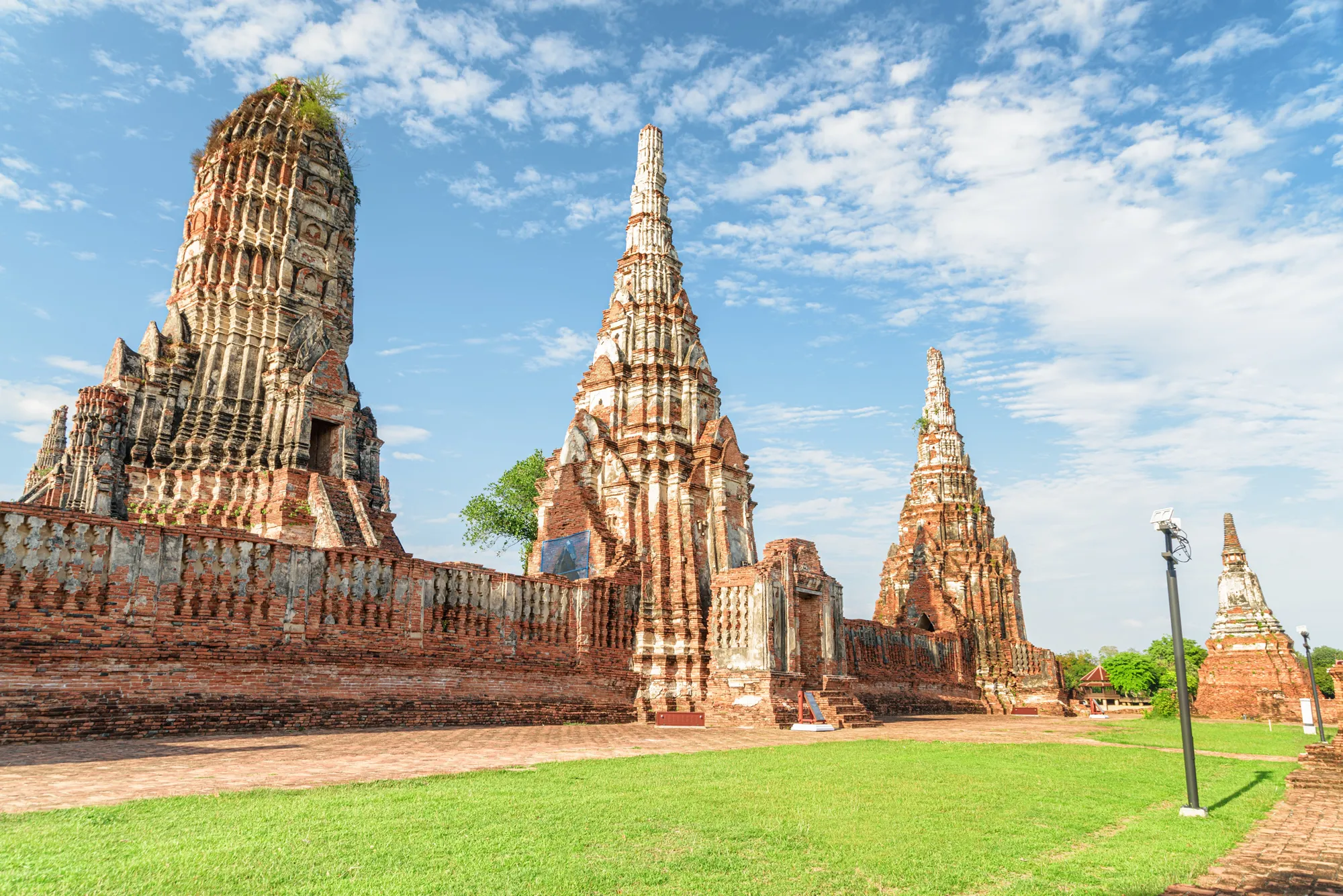
Rising prominently against the skyline, the central prang showcases a harmonious blend of Khmer and Thai architectural styles. Its intricate design features tiered levels adorned with ornamental details that reflect the exquisite craftsmanship of the era. Each level of the prang is embellished with symbolic motifs that narrate tales of spiritual and cultural significance, inviting visitors to delve deeper into the temple's storied past.
The experience of ascending the central prang is one that transports visitors back in time. As you climb the stone steps, the world below gradually unfolds, offering a unique connection to the ancient civilization that once thrived in this region. The gradual ascent allows for moments of reflection, where one can pause to admire the meticulous details carved into the structure, each telling a story of faith and artistry.
Reaching the upper levels of the prang rewards visitors with awe-inspiring vistas of the surrounding landscapes. From this vantage point, the lush greenery of the Chao Phraya River basin stretches out before you, creating a serene contrast to the ancient stonework. The view captures the essence of both the ancient world and the natural beauty that has enveloped it through the centuries.
This panoramic perspective not only provides a breathtaking sight but also fosters a profound appreciation for the architectural genius of the Ayutthaya period. It is a moment where history and nature converge, offering a glimpse into the past while embracing the tranquility of the present.
The central prang of Wat Chaiwatthanaram is more than just an architectural wonder; it is a gateway to understanding the rich tapestry of Thailand's heritage. Its towering silhouette invites explorers and history enthusiasts alike to experience the grandeur of a bygone era while enjoying the serene beauty that surrounds this iconic landmark. Whether you are a seasoned traveler or a curious visitor, the central prang promises a memorable experience that resonates with both the ancient and natural worlds.
Khmer-Style Prangs and Pagodas:
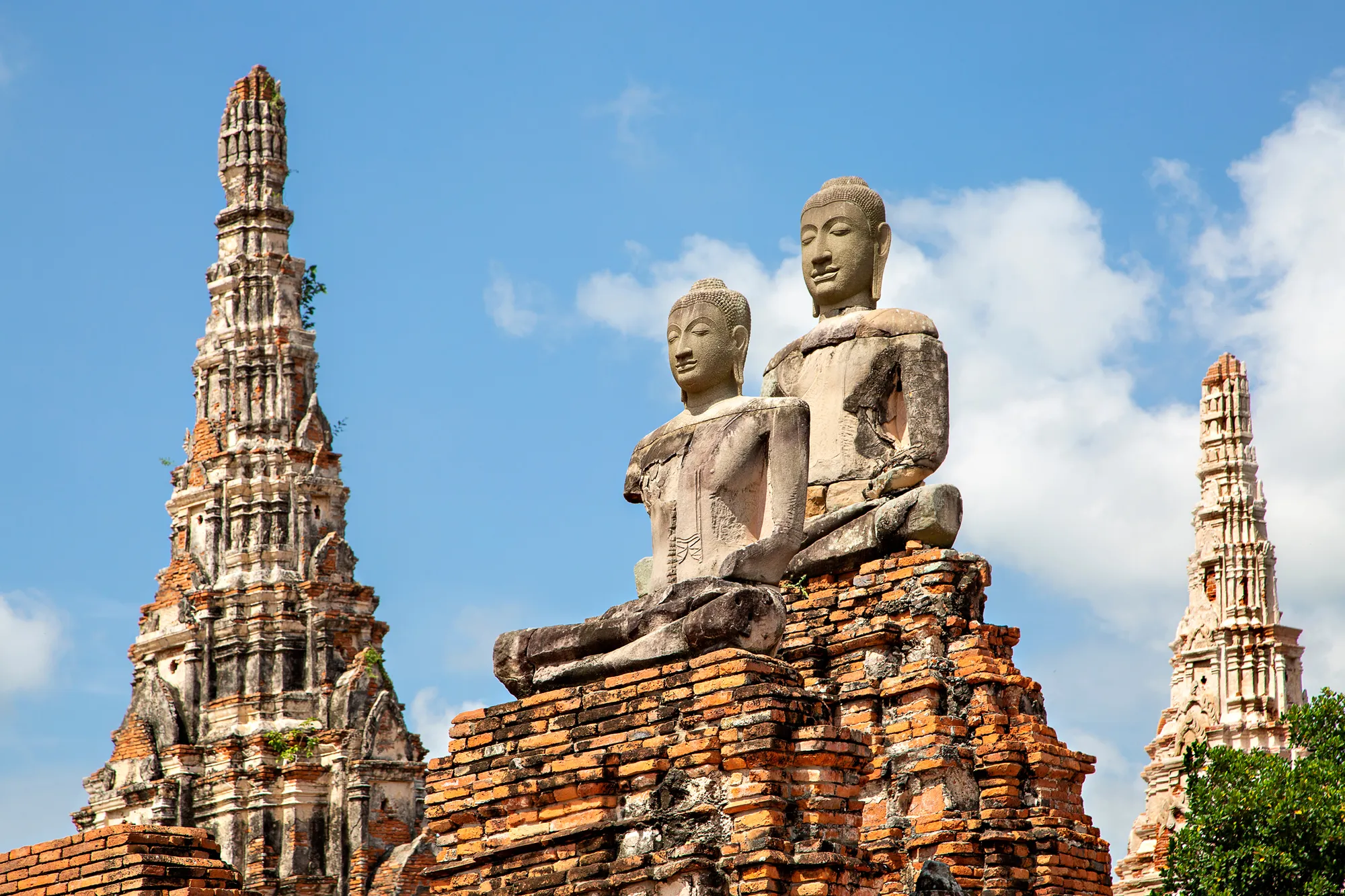
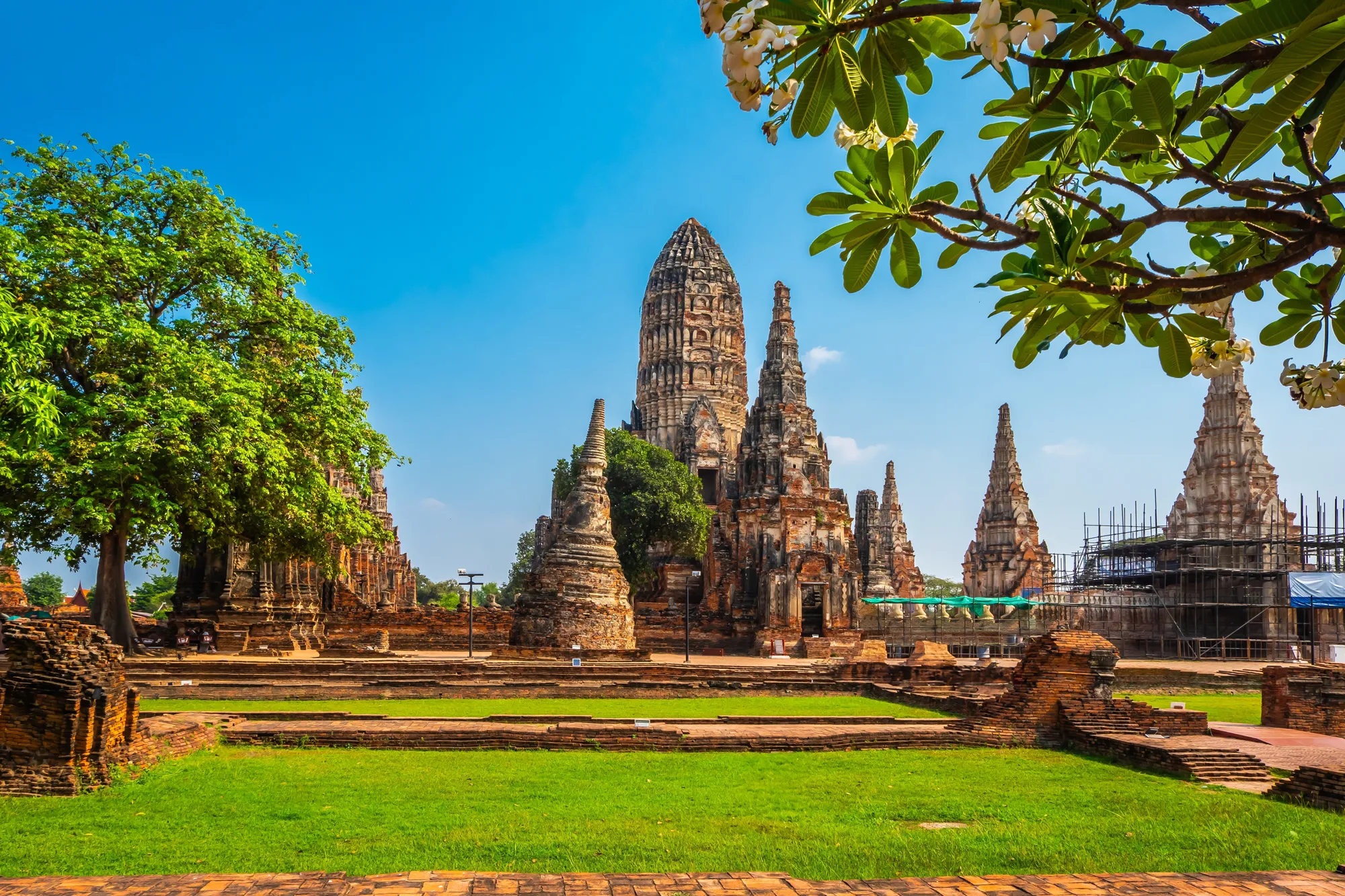
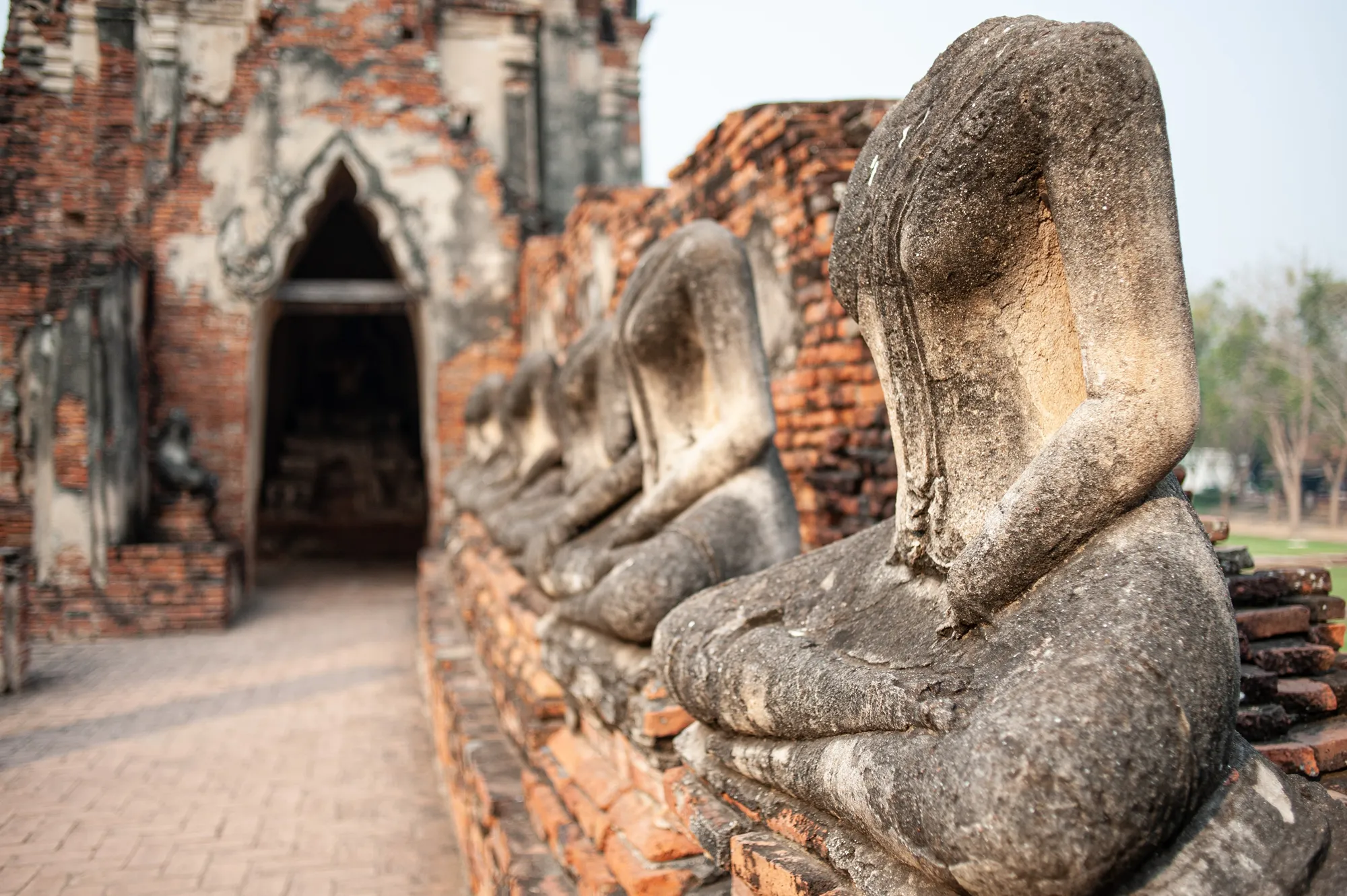
At Wat Chaiwatthanaram, the Khmer-style prangs and pagodas stand as captivating testaments to the architectural brilliance that flourished during the Ayutthaya period. These structures are not merely remnants of the past; they are vibrant storytellers of a time when artistry and spirituality were intricately woven into the fabric of daily life.
The prangs and pagodas are characterized by their towering elegance and intricate design elements, which reflect a fusion of Khmer and Thai architectural styles. This blend is evident in the tiered structures of the prangs, reminiscent of the iconic Khmer temples, with a distinct Thai flair that adds a unique charm. Crafted from enduring materials like brick and stucco, these structures have withstood the test of time, allowing us to appreciate their historical significance today.
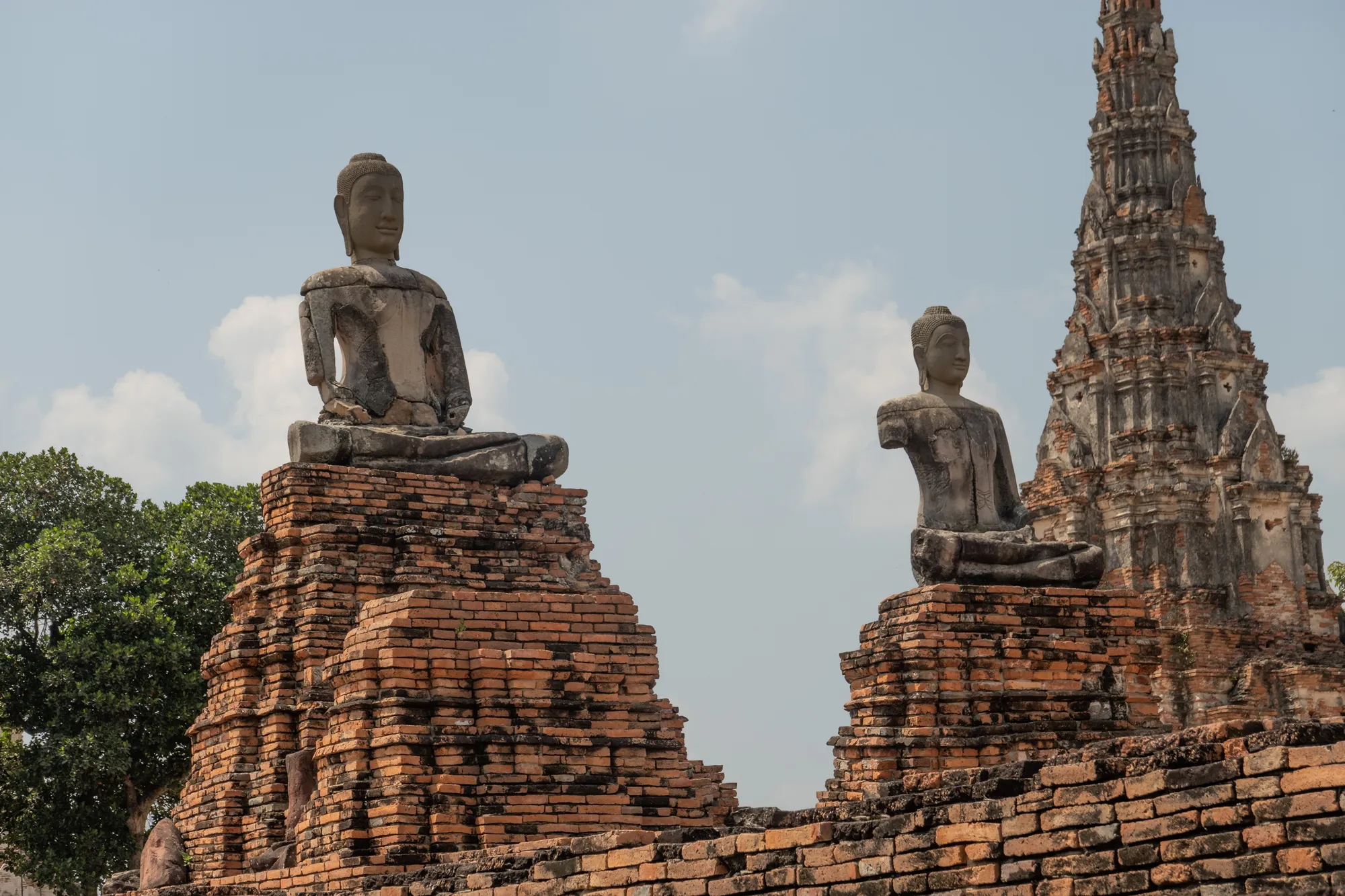
Adorning the surfaces of these architectural marvels are intricate designs and motifs that speak volumes about the cultural influences of the era. Delicate carvings and ornamental details portray scenes from Buddhist mythology and tell stories of the spiritual beliefs that were central to the community's identity. Each motif is thoughtfully placed, adding layers of meaning and beauty to the prangs and pagodas.
These structures were more than just decorative; they served as focal points for religious ceremonies and were integral to the temple's role as a spiritual center. The detailed artistry of the prangs and pagodas not only enhanced the temple's visual grandeur but also fostered a deep sense of reverence and connection among worshippers.
As you explore Wat Chaiwatthanaram, the prangs and pagodas invite you to delve into a world where architecture was a canvas for cultural expression and spiritual devotion. Their intricate designs offer a glimpse into the meticulous craftsmanship of the past, showcasing Thailand's rich historical heritage and the enduring legacy of its artisans.
In essence, these Khmer-style prangs and pagodas are architectural masterpieces that continue to captivate visitors with their beauty and historical significance. They embody the grandeur of a bygone era, serving as a bridge between the ancient world and the present, and inviting all who visit to marvel at the exquisite artistry that defines them.
Murals and Carvings:
At Wat Chaiwatthanaram, the walls come alive with vibrant murals and intricate carvings that transport visitors into the rich tapestry of the Ayutthaya period's cultural and spiritual life. These artworks serve as a visual narrative, intricately weaving the threads of Buddhist mythology with the historical events that shaped the era.
The murals are a feast for the eyes, painted with vivid colors that have remarkably stood the test of time. Each scene is a story in itself, portraying the life and teachings of the Buddha, along with the legendary tales from ancient scriptures. These paintings capture the essence of the spiritual beliefs that permeated everyday life, offering a window into the minds and hearts of the people who once worshipped in this sacred space.
Equally captivating are the temple's carvings, which adorn the stone walls with delicate precision. These carvings depict a variety of themes, from the celestial beings of Buddhist lore to the historical figures who played pivotal roles in the kingdom's narrative. The artists employed techniques that highlight the graceful lines and fine details, allowing the carvings to tell their own stories without the need for words.
The craftsmanship displayed in these murals and carvings reflects a fusion of cultural influences, drawing inspiration from both local traditions and neighboring civilizations. This amalgamation of styles not only enriches the visual experience but also speaks to the interconnectedness of the region during the Ayutthaya period.
Beyond their aesthetic appeal, these artistic features serve as a critical component of the temple's historical narrative. They provide invaluable insights into the cultural and spiritual life of the time, illustrating how art was used to convey moral lessons, document historical events, and express devotional sentiments.
In essence, the murals and carvings of Wat Chaiwatthanaram are more than just decorative elements; they are storytellers of the past, offering a glimpse into a world where art and spirituality were inextricably linked. Their beauty and storytelling power continue to captivate and inspire, making them an essential part of the temple's enduring legacy.
Serene Setting:
Nestled gracefully along the banks of the Chao Phraya River, Wat Chaiwatthanaram offers more than just a glimpse into Thailand's historical grandeur; it presents a sanctuary of tranquility that captivates the soul. The temple's serene setting is a harmonious blend of natural beauty and ancient architecture, where the gentle flow of the river whispers stories of the past to those who pause to listen.
As you approach Wat Chaiwatthanaram, the lush greenery that lines the riverbank envelops you in a soothing embrace. The sound of the river's gentle current provides a calming soundtrack, lulling visitors into a state of peaceful contemplation. The rustling leaves dance to the rhythm of the breeze, creating a symphony of nature that complements the temple's storied silence.
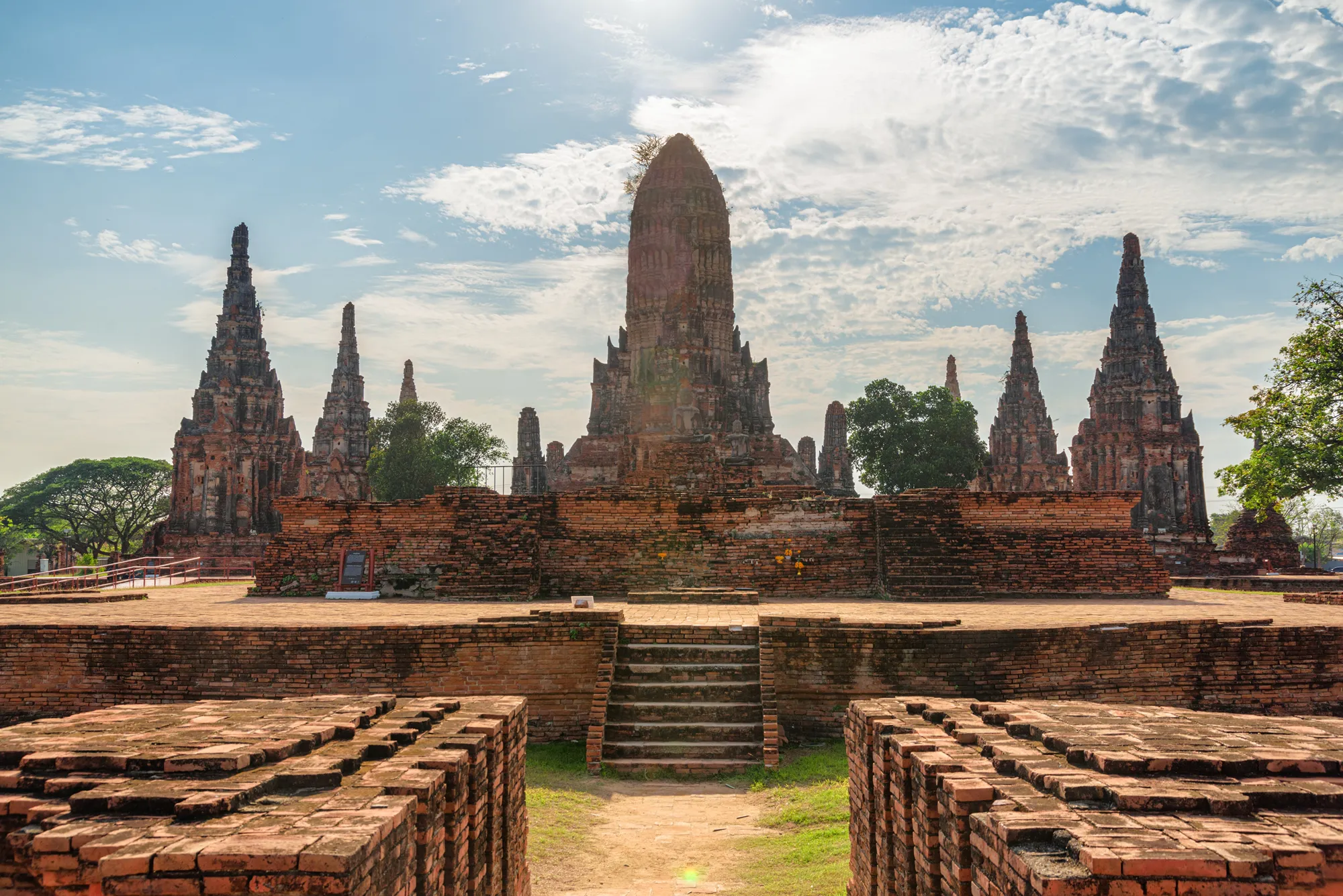
The majestic prangs and pagodas of Wat Chaiwatthanaram stand as sentinels, overlooking the tranquil waters that have witnessed centuries of history. This setting, rich in both natural and spiritual beauty, invites visitors to slow down and immerse themselves in a moment of reflection. The tranquil ambiance is perfect for meditation, allowing visitors to connect deeply with the essence of the site.
Here, the past and present converge in a serene dance, offering a space where one can find solace and clarity. The reflection of the temple's structures on the river surface adds an ethereal quality to the experience, enhancing the sense of timelessness.
Whether you're seeking a quiet retreat to meditate or simply wish to absorb the peaceful atmosphere, Wat Chaiwatthanaram's serene setting provides a unique opportunity to connect with both history and nature. It is a place where the mind can wander freely, where the soul can find peace amidst the echoes of a bygone era, making your visit a truly restorative journey.
Guided Tours and Cultural Performances:
Visitors can join guided tours that weave engaging stories of the temple's past, providing a comprehensive understanding of its significance. Cultural performances held at the site further enrich the experience, bringing the vibrant history of Wat Chaiwatthanaram to life.
For cultural tourists seeking to explore Thailand's rich heritage, Wat Chaiwatthanaram offers an unparalleled glimpse into the past and a serene escape for the soul. Whether you're wandering through its majestic ruins or reflecting by the river, this historical gem promises a captivating journey through time.
Travel Guide: Journey from Bangkok to Wat Chaiwatthanaram, Ayutthaya
Introduction
Embark on an enriching journey from the bustling metropolis of Bangkok to the serene and historically significant Wat Chaiwatthanaram in Ayutthaya. This guide provides multiple transportation options to ensure a smooth and enjoyable trip, complete with cultural insights and useful travel tips.
Transportation Options
1. By Train
- Departure: Hua Lamphong Railway Station, Bangkok.
- Route: Opt for the Northern Line train heading towards Ayutthaya. Trains run frequently throughout the day.
- Travel Time: Approximately 1.5 to 2 hours.
- Cost: 15-300 THB depending on the class (3rd class is the most economical and offers a more local experience).
- Tip: Arrive early to secure a good seat and enjoy the scenic countryside. Keep an eye out for Lopburi, known for its charming monkey inhabitants.
2. By Bus
- Departure: Mo Chit Bus Terminal, Bangkok.
- Route: Look for buses heading to Ayutthaya. They are available every 20-30 minutes.
- Travel Time: Around 1.5 to 2 hours.
- Cost: 50-100 THB.
- Tip: Confirm the bus destination with the driver or conductor to avoid confusion. Carry water and snacks for the journey.
3. By Car
- Route: Take the Phahonyothin Road (Highway 1) followed by Highway 32. Alternatively, use the elevated expressway for a quicker route.
- Travel Time: Approximately 1 to 1.5 hours, depending on traffic.
- Cost: Fuel costs will vary; expect around 200-300 THB for the round trip.
- Tip: Consider stopping at Bang Pa-In Palace or the Elephant Stay for a unique detour. Use a GPS or map app for precise navigation.
Visitor Information: Wat Chaiwatthanaram, Ayutthaya, Thailand
Opening Hours:
Wat Chaiwatthanaram is open daily from 8:00 AM to 5:30 PM. It's advisable to arrive early in the morning to enjoy a peaceful visit and witness the temple bathed in the gentle morning light. Visiting later in the afternoon can also offer a spectacular view as the sun sets over the river.
Entrance Fees:
- The entrance fee for Wat Chaiwatthanaram is 50 THB per person.
- There are currently no specific discounts for children or seniors, but prices are quite reasonable for all visitors.
Special Conditions:
- During peak tourist seasons, particularly from November to February, it's recommended to visit during weekdays to avoid larger crowds.
- Although there are no official group rates, organizing a group tour can sometimes offer logistical ease and additional insights through guided commentary.
Travel Tips
- Dress modestly out of respect for the religious site, covering shoulders and knees.
- Bring sunscreen, hats, and water, especially during the hotter months.
- Hire a local guide for a deeper understanding of the site's history and significance.
Embarking on this journey promises more than just a sightseeing adventure; it offers a profound connection to Thailand's past and its enduring cultural heritage. Whether by train, bus, or car, the path to Wat Chaiwatthanaram is as enriching as the destination itself. Safe travels!


















Michael Carter
Vestibulum ante ipsum primis in faucibus orci luctus et ultrices posuere cubilia curae; Donec vel erat in nulla efficitur tempor non ut nisl. Integer venenatis eros ut dui viverra fermentum.
Sophie Wilson
Nam ut turpis hendrerit, varius nunc vel, elementum dui. Morbi vulputate dolor sit amet scelerisque egestas. Vestibulum eleifend nunc ut bibendum fermentum.
Alex Morgan
Cras non velit nec purus tempor rhoncus. Sed non mauris vitae erat consequat auctor eu in elit. Class aptent taciti sociosqu ad litora torquent per conubia nostra.