Architectural Marvels Within the Grand Palace
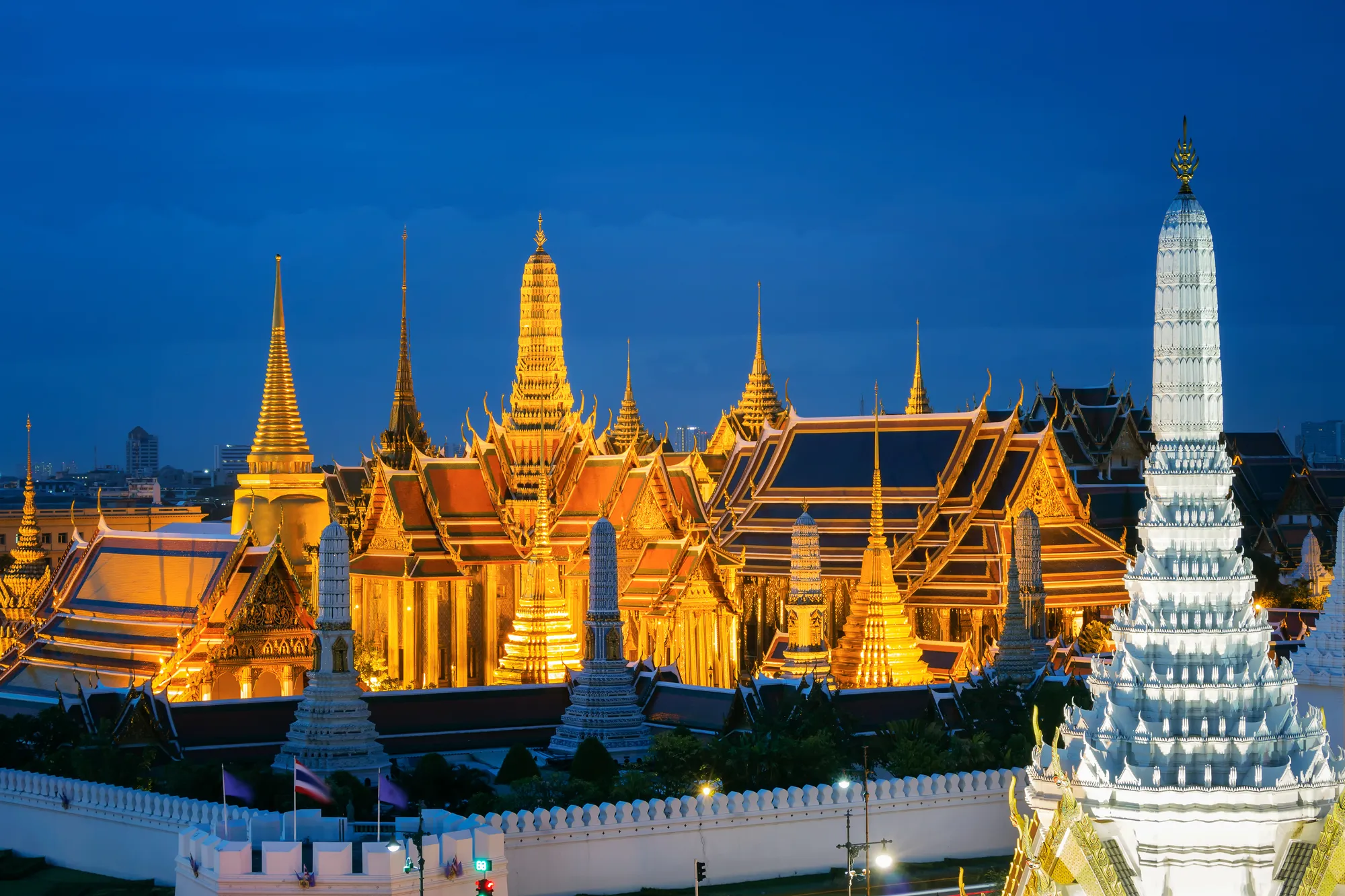
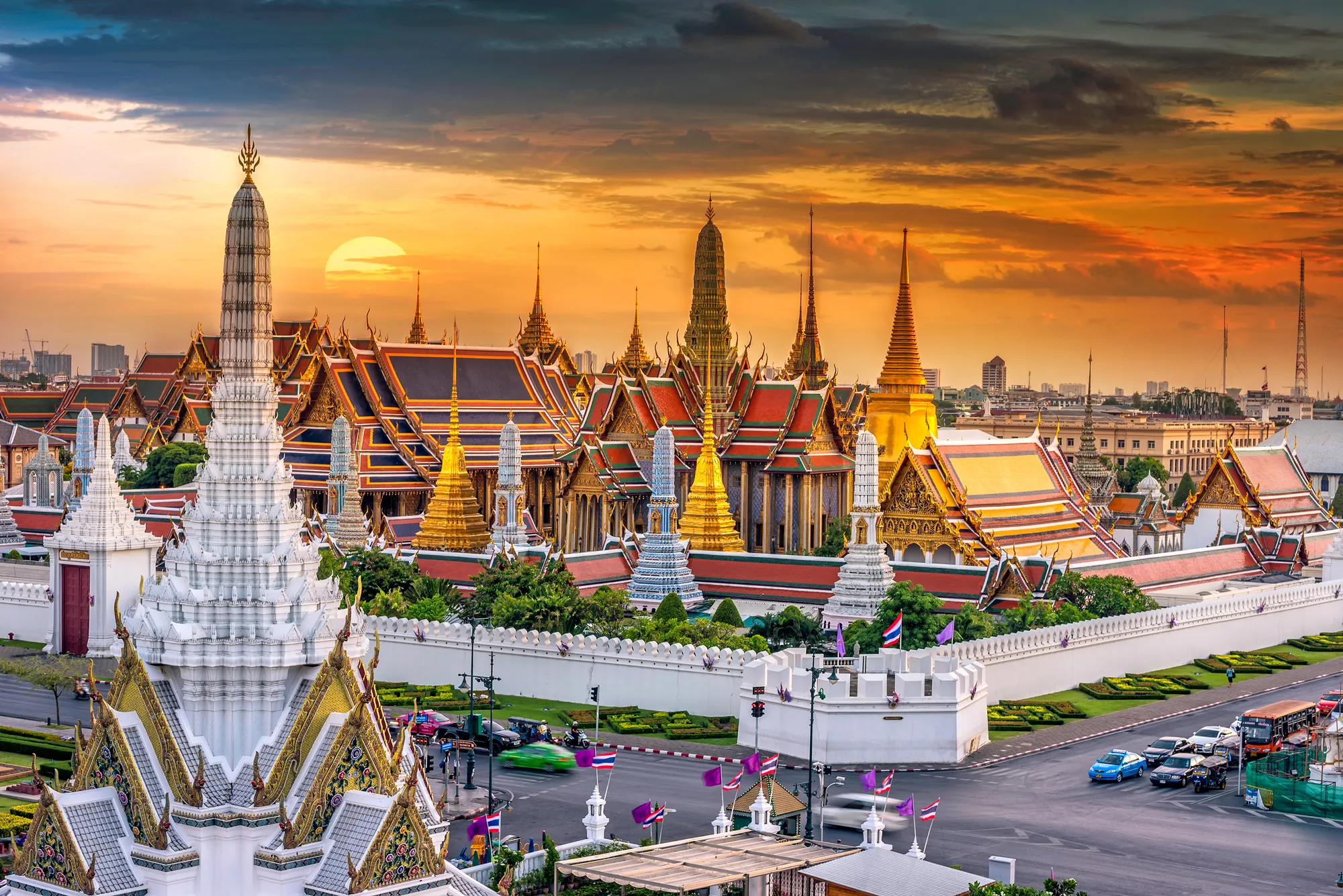
The architecture of the Grand Palace is nothing short of breathtaking. The intricate details and the grandeur of its buildings are testament to the craftsmanship of the Thai people. Key architectural highlights include:
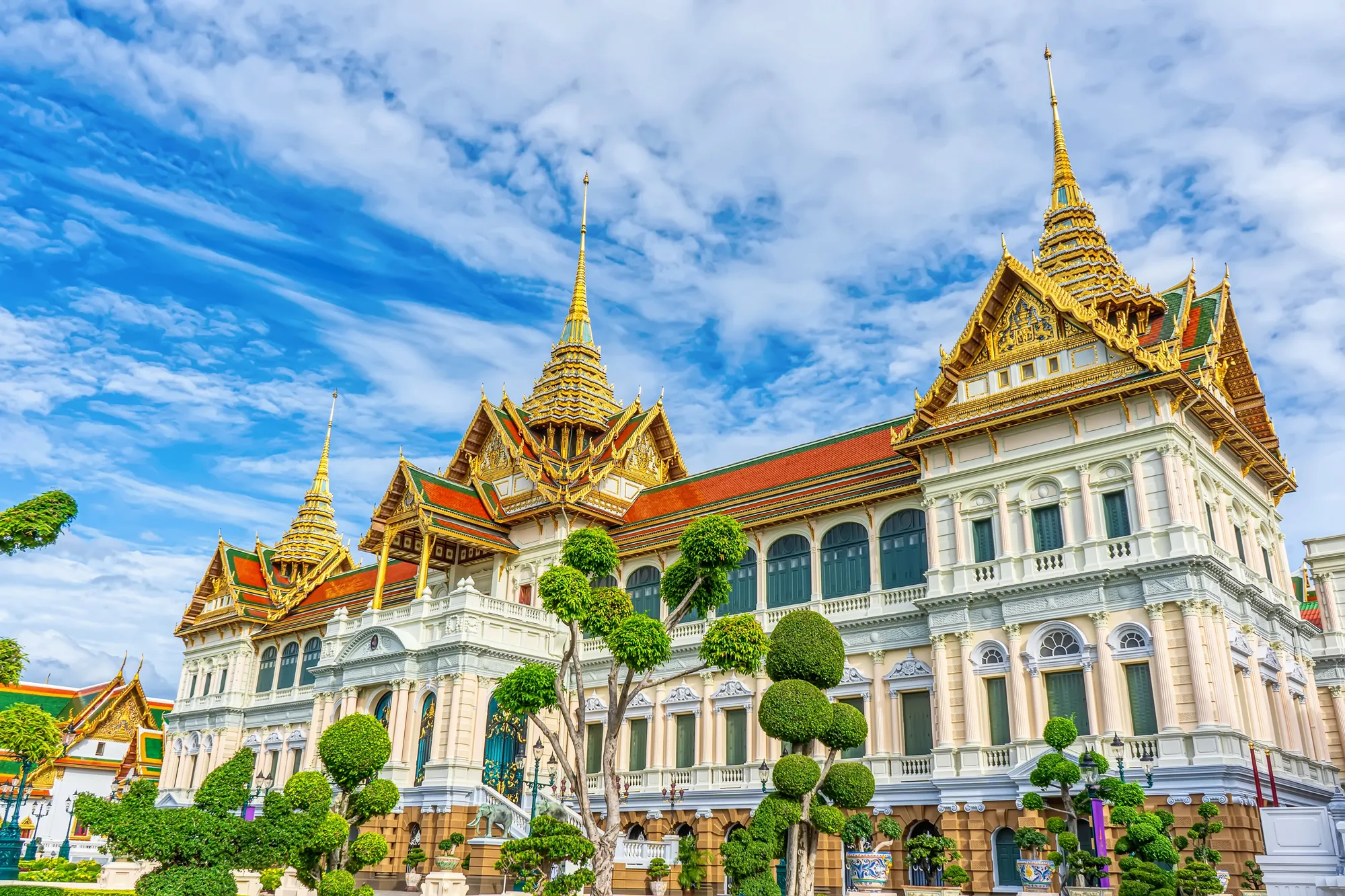
- Chakri Maha Prasat Hall: A blend of Thai and Western architectural styles, this hall was originally built as a royal residence.
- Phra Thinang Amarin Winitchai: Known for its striking throne hall, where coronations and royal ceremonies were held.
- Dusit Maha Prasat Throne Hall: Celebrated for its magnificent throne and elaborate decorations, this hall is a prime example of traditional Thai architecture.
Each building within the Grand Palace complex offers a unique story and style, making it a paradise for architecture enthusiasts.

Chakri Maha Prasat Hall: Where Cultures Converge
Nestled within the grandeur of Bangkok's Grand Palace, Chakri Maha Prasat Hall stands as a testament to the harmonious blend of Thai and Western architectural brilliance. This majestic hall, originally constructed as a royal residence, invites you to step into a world where cultural crossroads are celebrated through every intricate detail.
A Royal Residence Reimagined
Built during the reign of King Rama V, Chakri Maha Prasat Hall is more than just a structure; it’s a narrative etched in stone and stucco. The hall’s design elegantly marries traditional Thai motifs with European Renaissance styles, creating a visual symphony that captivates and inspires.
Architectural Marvels Await
As you approach, the hall’s façade greets you with its distinctive multi-tiered roofs adorned with gilded finials, a hallmark of Thai craftsmanship. Yet, look closer and you’ll discover stately columns and elaborate balconies reminiscent of Western palaces, seamlessly integrated into the overall aesthetic.
Step Inside History
Walking through its grand doors, you’re transported back in time. Each room within Chakri Maha Prasat Hall is meticulously designed to reflect the opulence of royal life. The walls whisper stories of past monarchs, and the decor, a curated mix of Eastern and Western influences, speaks of an era of cultural exchange and innovation.
Why Visit?
Chakri Maha Prasat Hall isn’t just a sight to see; it’s an experience to savor. For those with a thirst for history, architecture, or simply the allure of discovering something truly unique, this hall offers a rich tapestry of experiences waiting to be explored.
Plan Your Visit
Don’t miss the chance to witness this architectural gem firsthand. Whether you’re a seasoned traveler or an enthusiastic explorer, Chakri Maha Prasat Hall promises a journey through time and culture that will leave an indelible mark on your heart.
Embark on this captivating journey and let Chakri Maha Prasat Hall awaken your sense of wonder and adventure.

Phra Thinang Amarin Winitchai: The Heart of Royal Ceremonies
Step into the regal world of Phra Thinang Amarin Winitchai, a magnificent throne hall situated within Bangkok's Grand Palace. Known for hosting grand coronations and royal ceremonies, this striking edifice invites you to delve into the splendor of Thai monarchy and tradition.
A Throne Hall Like No Other
Phra Thinang Amarin Winitchai stands as a beacon of history and aristocracy. Its architectural brilliance catches the eye with its towering spires and intricate details that reflect the rich heritage of Thai craftsmanship. As you gaze upon its majestic facade, you can't help but feel the weight of its historical significance.
Witness Royal Grandeur
Imagine standing in the very hall where kings were crowned, and where significant royal ceremonies took place. The air is thick with the echoes of past celebrations, and each ornate decoration tells a story of power, honor, and tradition. The resplendent throne, the center of attention, is a symbol of Thailand’s regal past, inviting you to envision the grandeur of bygone eras.
A Journey Through Time
Inside, the hall’s opulent interiors transport you back to a time of majestic splendor. Golden embellishments, exquisite murals, and stately columns create a setting that is both awe-inspiring and intimate. For those with a passion for history and culture, this is a rare opportunity to immerse yourself in a world of royal pageantry and timeless elegance.
Why Visit?
Phra Thinang Amarin Winitchai is not just a historical site; it’s an invitation to experience the essence of Thai royalty. The hall's unique blend of cultural significance and architectural beauty makes it a must-visit for anyone looking to explore the deeper layers of Thailand's heritage.
Plan Your Royal Encounter
Don't miss your chance to walk through the corridors of history. Whether you're a history enthusiast, culture aficionado, or simply curious about the grand tales of the Thai monarchy, Phra Thinang Amarin Winitchai offers a captivating journey that will ignite your sense of wonder and curiosity.
Embrace the allure of royal ceremonies and discover the stories etched within the walls of Phra Thinang Amarin Winitchai. Your adventure awaits in the heart of Thailand's regal history.

Dusit Maha Prasat Throne Hall: A Journey into Thai Majesty
Discover the marvel of Dusit Maha Prasat Throne Hall, an architectural gem nestled within Bangkok's Grand Palace. Celebrated for its exquisite throne and intricate decorations, this hall stands as a shining example of traditional Thai craftsmanship and elegance.
A Glimpse into Royal Grandeur
Built in 1789 by King Rama I, Dusit Maha Prasat Throne Hall was originally designed as a royal audience hall. As you approach, the hall's white walls and gold-adorned ceilings immediately capture your attention, reflecting the perfect harmony between Thai tradition and regal splendor.
Architectural Splendor
Step through its grand entrance, and you'll be greeted by an interior that boasts intricate murals, elegant woodwork, and a magnificent throne that commands the room. Each detail, from the ornate carvings to the vibrant colors, tells a story of Thailand's rich cultural heritage and the skilled artisans who brought this masterpiece to life.
An Icon of Tradition
Dusit Maha Prasat Throne Hall is more than just a building; it's a symbol of the Thai monarchy's enduring legacy and a testament to the nation's artistic prowess. The hall's design beautifully encapsulates the essence of traditional Thai architecture, making it a must-see for anyone keen to explore the depths of Thailand's historical and cultural tapestry.
Why Visit?
For those with a spirit of adventure and a curiosity for history, Dusit Maha Prasat Throne Hall offers a unique and enriching experience. It's a place where the past comes alive, inviting you to immerse yourself in the stories and traditions that have shaped Thailand.
Plan Your Visit
Don’t miss the chance to witness this architectural wonder firsthand. Whether you're a history buff, an architecture enthusiast, or simply looking for an inspiring journey, Dusit Maha Prasat Throne Hall promises to leave you spellbound with its beauty and grandeur.
Embark on this extraordinary journey and let Dusit Maha Prasat Throne Hall awaken your sense of wonder and discovery.

Top Attractions Within the Grand Palace
While the Grand Palace is filled with numerous awe-inspiring sights, some stand out as must-see attractions:
Wat Phra Kaew - The Emerald Buddha Temple
Wat Phra Kaew, home to the revered Emerald Buddha, is the most sacred Buddhist temple in Thailand. The temple's intricate details and the serene presence of the Emerald Buddha offer a profound spiritual experience.
The Royal Pantheon
Often overshadowed by Wat Phra Kaew, the Royal Pantheon is a hidden gem. It's a place of historical importance where statues of past kings are enshrined.
Phra Mondop
This library houses Buddhist scriptures and is a fine example of Thai craftsmanship, with its gilded exterior and detailed carvings.
The Outer Court
This area includes the royal offices and government buildings. Historically, it was where the king would conduct his administrative duties.
The Middle Court
Here lies the Phra Maha Montien group, including the Chakri Maha Prasat Hall, notable for its blend of Thai and Western architectural styles. This was the primary residential and ceremonial seat of the king.
The Inner Court
A private sanctuary for the king and his family, this section is closed to the public but holds immense historical importance.
Discover the Enchantment of Bangkok's Emerald Buddha
Unveiling the Emerald Buddha's Magic
Bangkok, a city of glittering temples and bustling markets, holds one of Thailand's most treasured artefacts—the Emerald Buddha. Travel enthusiasts, this post is for you. Embark on a virtual tour and uncover the secrets of this iconic statue. In this guide, you'll learn about the Emerald Buddha's rich history, the cultural and spiritual significance, and receive insider tips for your visit. Get ready to be enchanted by the mystique of the Emerald Buddha, and discover why it draws millions of visitors each year.
Introduction to the Emerald Buddha
The Emerald Buddha, or Phra Kaew Morakot, is more than just a statue; it's a symbol of Thailand's heritage and spirituality. Housed in the Wat Phra Kaew temple complex, this statue is carved from a single jade stone and is adorned with gold garments that are changed seasonally by the King of Thailand. The Emerald Buddha has a storied history that traces back to India, narrating a tale of divine craftsmanship and royal patronage.
Read More
Discover the Ramakien Murals at Bangkok's Grand Palace
The Grand Palace in Bangkok is more than just a historic landmark; it's a treasure trove of Thai culture, art, and history. Nestled within its opulent walls are the famous Ramakien Murals, an expansive series of paintings that tell a legendary tale. This blog post will take you on a vivid exploration of these murals, offering insights into their cultural significance, stories, and the best ways to experience them.
The Enchanting World of the Ramakien Murals
Cultural Significance and Historical Background
The Ramakien Murals at Bangkok's Grand Palace are not just exquisite works of art; they are a visual representation of Thailand's cultural heritage. Created in the late 18th century under King Rama I, these murals encapsulate the essence of Thai mythology and folklore. They depict scenes from the Ramakien, Thailand’s national epic, which is a Thai adaptation of the Hindu Ramayana.
Read More
Unlock The Mystique of The Phra Siratana Chedi in Bangkok
Introduction to The Phra Siratana Chedi
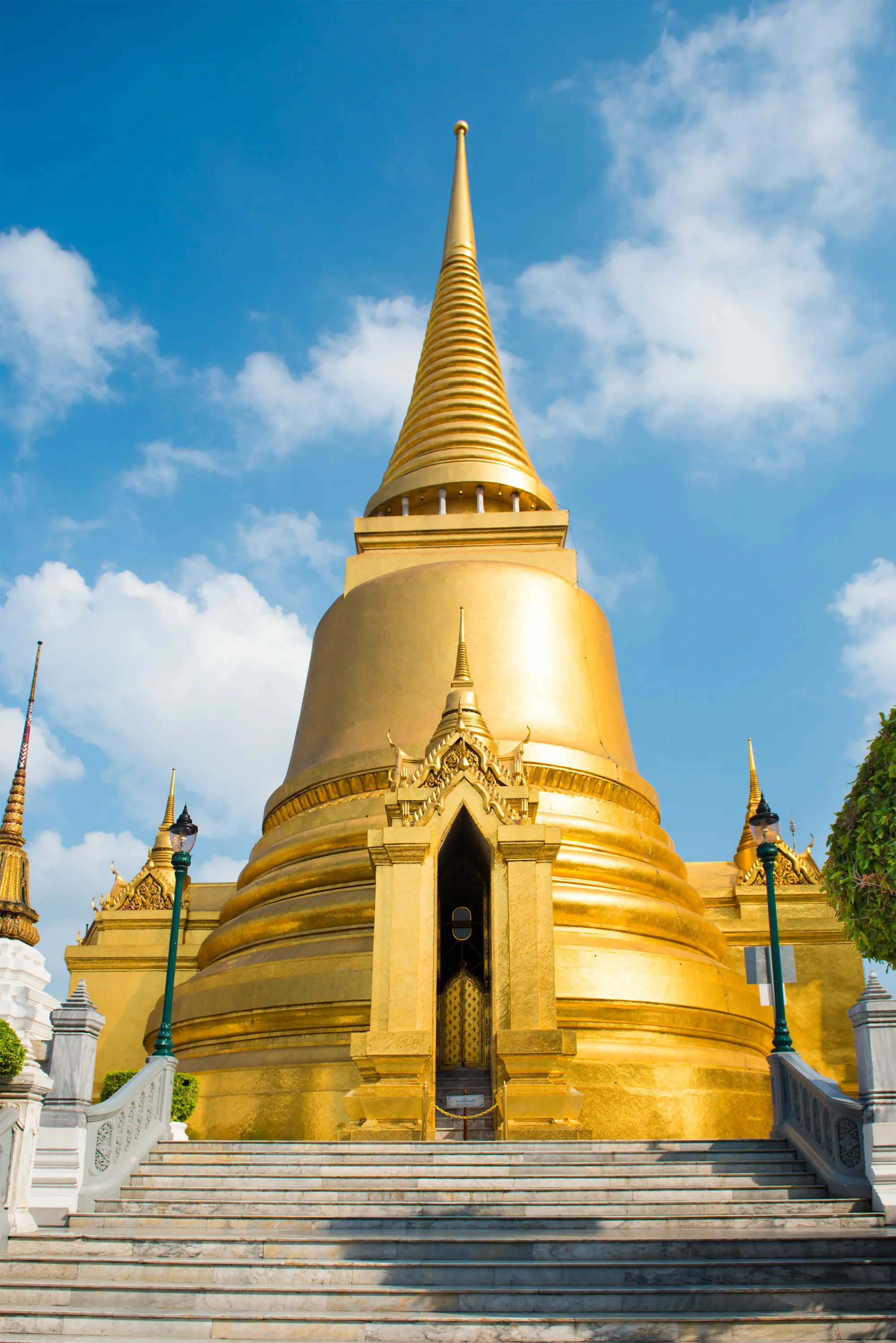
Nestled within the gleaming complex of the Grand Palace in Bangkok, The Phra Siratana Chedi beckons travel enthusiasts from around the world to uncover its enchanting allure. This golden stupa, an epitome of Thai culture and history, stands as a testament to Bangkok's rich heritage. Whether you're a history buff or an architectural aficionado, this guide will illuminate the marvels of The Phra Siratana Chedi, offering a glimpse into its intricate details, historical significance, and the unforgettable experiences that await.
The Phra Siratana Chedi is not just a monument; it's a voyage through time. Built during the reign of King Rama IV in the 19th century, the chedi has been a silent witness to pivotal moments in Thai history. The stupa's gleaming golden exterior, adorned with detailed mosaics, is a spectacle that captures the essence of Thai architectural brilliance. Prepare to be captivated as we take you on a virtual tour of this iconic landmark.
In this blog post, we will guide you through every aspect of visiting The Phra Siratana Chedi. From practical tips on how to get there to uncovering the historical layers embedded in its golden structure, this comprehensive guide ensures that your visit is nothing short of magical.
Read More
Unveiling the Majesty of The Royal Pantheon in Bangkok
The Royal Pantheon in Bangkok is one of Thailand's hidden gems. It offers a deep dive into the country's rich history and vibrant culture. For travel enthusiasts eager to explore unique destinations, this architectural marvel presents an unforgettable experience. This blog post will guide you through the historical significance, architectural grandeur, cultural context, and practical details of visiting The Royal Pantheon. By the end, you'll understand why this site should be at the top of your travel list.
Discovering The Royal Pantheon in Bangkok
The Royal Pantheon, also known as Phra Thinang Phutthaisawan Prasat, is nestled within the Grand Palace complex. Built during the reign of King Rama I, it was initially intended to house the Emerald Buddha. However, it now stands as a monument to the Chakri dynasty, honouring past monarchs of Thailand. This historical significance makes it a key destination for those interested in the nation's royal heritage.
In modern Thailand, The Royal Pantheon holds a special place. It is a symbol of the enduring legacy of the Thai monarchy and its role in shaping the country's identity. Visitors to the Pantheon can feel the weight of history and the reverence with which the Thai people regard their past. The structure itself is a testament to the grandeur and meticulous craftsmanship of Thai architecture.
Read More
Why Visit The Chakri Maha Prasat Hall in Bangkok?
The Chakri Maha Prasat Hall, nestled within the opulent Grand Palace complex in Bangkok, is a spellbinding marvel that effortlessly melds traditional Thai and European architectural styles. Completed in 1882 during the reign of King Rama V, this magnificent hall was influenced by the British architect John Clunish, showcasing a rare example of European neoclassical architecture in Southeast Asia. It stands as a testament to the rich cultural tapestry of Thailand and offers a unique glimpse into the nation’s storied past.
One of the hall's most captivating features is its housing of the Emerald Buddha, a sacred icon deeply revered in Thai culture. This alone attracts countless pilgrims and tourists each year. Visitors are invited to explore the intricate details of the hall's exterior and interior, including the grand coronation hall adorned with golden spires and elaborate murals. The surrounding gardens and courtyards provide a serene escape from the bustling city of Bangkok, allowing one to soak in the tranquillity and majesty of this historic site. Furthermore, the Chakri Maha Prasat Hall holds significant historical importance, having served as the royal residence for over a century and being the site of pivotal events such as the 1925 revolution. Its unique blend of history, art, and culture makes it an unmissable destination for any traveller seeking to immerse themselves in the splendour of Thailand.
Read More
The Dusit Maha Prasat Throne Hall in Bangkok
Why Visit The Dusit Maha Prasat Throne Hall?
Nestled within the historic Grand Palace complex in Bangkok, The Dusit Maha Prasat Throne Hall is a must-visit for any traveller eager to immerse themselves in Thailand's rich history and architectural splendour. Built in 1806 during the reign of King Rama I, this illustrious hall stands as one of the oldest and most significant structures within the palace grounds. It served a dual purpose as the main audience hall for the king, hosting vital state ceremonies and royal receptions, and as a crucial venue for governance. The hall was where foreign envoys were received and significant treaties were signed, making it a symbol of the unification and establishment of the Chakri Dynasty. By stepping into The Dusit Maha Prasat Throne Hall, visitors are not just exploring a building; they are walking through a living piece of Thai history, steeped in ceremonial grandeur and political importance.
The architectural marvel of The Dusit Maha Prasat Throne Hall is another compelling reason to visit. The hall features an impressive two-tiered roof adorned with intricate golden carvings and a series of steep, gilded spires that epitomise classical Thai architecture. The exterior walls are a visual feast, decorated with murals depicting scenes from the Ramakien, the Thai version of the Ramayana epic. Inside, the opulence continues with exquisite paintings, gilded columns, and a grand throne that showcases the lavishness of the Chakri Dynasty. The architectural design reflects a harmonious blend of Thai, Khmer, and European influences, painting a picture of Thailand's diverse cultural heritage. Visitors can expect a unique experience as they marvel at the intricate details, capture breathtaking photographs, and even witness the hall's ongoing role in modern Thai governance during state ceremonies and royal receptions. A guided tour will enrich your understanding, offering detailed insights into the hall’s construction, its role in governance, and the important ceremonies it has hosted. Visiting The Dusit Maha Prasat Throne Hall is not just about seeing a beautiful building; it's about connecting with the heart of Thailand’s royal and cultural legacy.
Read More
Exploring the Grand Palace
Guided Tours
To truly appreciate the history and significance of the Grand Palace, consider joining a guided tour. Knowledgeable guides provide insights into the palace's history, architecture, and cultural importance. They can also share fascinating anecdotes that you might miss when exploring on your own.
How to Get a Guided Tour at the Grand Palace in Bangkok
Embark on an Enlightening Journey
Visiting the Grand Palace in Bangkok is an awe-inspiring experience, rich with history and cultural significance. To truly appreciate all that this majestic site has to offer, a guided tour is highly recommended. Here’s how you can secure a guided tour and make the most of your visit.
Booking a Guided Tour
Pre-Booking Online
Tour Guides can be pre-booked or you can book one on arrival from the Ticket Office, all Tour Guides are spoken in English and Thai and Audio Tours are also available.
On-Site Tour Services
If you prefer spontaneity, you can also arrange for a guided tour upon arrival. Licensed guides are available at the entrance of the Grand Palace, ready to offer their expertise. Look for individuals wearing official guide badges – these professionals are well-versed in the palace's intricate details and fascinating history.
Types of Guided Tours
Private Tours
For a personalized experience, opt for a private tour. This allows you to explore at your own pace, ask questions, and delve deeper into areas of particular interest. Private tours can be tailored to your preferences, making them ideal for a more intimate and customized adventure.
Group Tours
Group tours are a fantastic way to meet fellow travelers while enjoying a structured exploration of the Grand Palace. These tours are usually more economical and provide a lively, social atmosphere as you uncover the palace’s wonders together.
What to Expect on Your Tour
Vivid Storytelling and Historical Insights
Your guide will weave enthralling tales of the Grand Palace's past, from its construction in 1782 to its role as the royal residence and administrative heart of Thailand. Discover the legends behind the Emerald Buddha and the architectural marvels crafted during the Rattanakosin era.
Step-by-Step Exploration
Guided tours typically follow a structured route, ensuring you don’t miss any highlights. You’ll start at the Temple of the Emerald Buddha, progress through the various courts, and marvel at the blend of Thai and Western influences in the Chakri Maha Prasat Hall.
Engaging Descriptions and Facts
Learn about the meticulous craftsmanship behind the palace’s gilded rooftops, ornate mosaics, and vibrant murals. Your guide will share intriguing facts and anecdotes that bring each element to life, enhancing your appreciation for this cultural gem.
Final Thoughts
A guided tour of the Grand Palace in Bangkok is more than just a visit; it’s an immersive journey through Thailand’s royal heritage. By booking a guided tour, you’ll unlock the secrets of this magnificent landmark and leave with unforgettable memories and a deeper understanding of Thai culture. Happy exploring!
Audio Guide
An audio tour can be rented for an additional 200 baht. It can be very useful in clarifying several interesting details which can be easily missed.
*They have an ear plug headphone to easily share one headset between two people.
*Languages: English, French, German, Spanish, Mandarin, Russian and Japanese.
*Give your passport or credit card as a deposit.
*Free brochures for explanations to the main buildings of interest with a map of the layout are available at the ticketing office.
Recommended Itineraries
For first-time visitors, start your visit at Wat Phra Kaew, then move on to the Chakri Maha Prasat Hall and the Dusit Maha Prasat Throne Hall. Take your time to explore the gardens and courtyards, and don't forget to visit the lesser-known Royal Pantheon and Phra Mondop.
Insider Tips
- Stay Hydrated: The Thai heat can be intense, so carry a water bottle.
- Wear Comfortable Shoes: You'll be doing a lot of walking, so comfortable footwear is a must.
- Photography: While photography is allowed in most areas, some buildings may have restrictions. Always check for signs.
Visitor Tips and Essential Information
Dress Code
When visiting the Grand Palace, it's essential to adhere to the dress code, as it is a site of great cultural and religious significance. Visitors are required to dress modestly:
- Shoulders and knees must be covered.
- Avoid wearing tight or see-through clothing.
- Etiquette: Show respect by speaking softly, refraining from touching artifacts, and following all posted signs and instructions from staff.
If you're not dressed appropriately, don't worry—there are vendors outside the palace selling suitable clothing.
Best Time to Visit
The best time to visit the Grand Palace is during the cooler months from November to February. These months offer pleasant weather, making it easier to explore the expansive grounds. Arriving early in the morning helps avoid the crowds and the heat.
- Optimal Visiting Time: Aim for the early morning hours, around 8:30 AM, to avoid the midday heat and large crowds. Weekdays are often less busy compared to weekends.
- Photography Spots: Capture stunning photos near the Temple of the Emerald Buddha and the Grand Palace gardens. The intricate details and vibrant colors make for perfect backdrops.
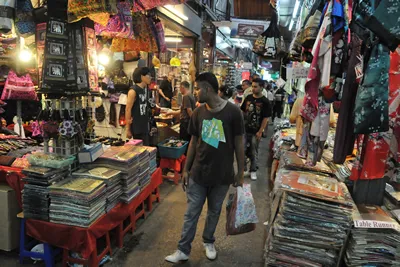
- Souvenirs: Don’t miss the opportunity to purchase traditional Thai souvenirs like silk scarves, miniature Buddha statues, and intricate jewelry from nearby markets.
Opening Hours
The Grand Palace is open daily from 8:30 AM to 4:30 PM. The last entry for visitors is at 3:30 PM, so plan your visit accordingly to ensure you have ample time to explore this magnificent site.
Entrance Fees
The entrance fee for the Grand Palace is 500 baht (approximately $14 USD) per person. This fee includes access to the Temple of the Emerald Buddha (Wat Phra Kaew), as well as other attractions within the palace complex.
Practical Tips
- Location: Na Phra Lan Road, Phranakorn (Rattanakosin), Bangkok.
- Ticket Purchase: Tickets can be bought at the ticket office on-site from 8:30 AM to 3:30 PM.
Embark on a journey through Thailand's royal heritage and immerse yourself in the grandeur of the Rattanakosin era at the Grand Palace. Your adventure into history and culture awaits!

How to Get to the Grand Palace in Bangkok
Navigating the vibrant city of Bangkok to reach the illustrious Grand Palace is a journey as enchanting as the destination itself. With a variety of transportation options at your disposal, you'll find it easy to embark on this unforgettable adventure.
By Taxi or Ride-Hailing Services
Opt for the convenience of a taxi or ride-hailing service like Grab. This door-to-door service ensures a comfortable and air-conditioned ride directly to the Grand Palace. Simply enter "Grand Palace" as your destination, and prepare to be whisked away through the lively streets of Bangkok.
By Public Transport
For those seeking a more immersive experience, Bangkok's public transport offers a scenic and budget-friendly route:
- BTS Skytrain and Chao Phraya Express Boat: Start by taking the BTS Skytrain to Saphan Taksin station (Silom Line). Exit and head towards the Sathorn Pier where you can catch the Chao Phraya Express Boat. Enjoy a picturesque ride along the river, disembarking at Tha Chang Pier (N9). From here, it's a short walk to the Grand Palace entrance.
- MRT and Chao Phraya Express Boat: Alternatively, take the MRT to Hua Lamphong station. From there, hop on a taxi or tuk-tuk to the River City Pier (Si Phraya Pier), then board the Chao Phraya Express Boat to Tha Chang Pier.
By Tuk-Tuk
For a quintessential Bangkok experience, consider hiring a tuk-tuk. These three-wheeled motorized rickshaws offer a thrilling and open-air ride. Negotiate the fare before starting your journey and enjoy the sights and sounds of Bangkok as you make your way to the Grand Palace.
Walking Tour
If you're staying in the Rattanakosin area, exploring on foot is a wonderful option. The Grand Palace is centrally located, surrounded by other historical landmarks such as Wat Pho and Wat Arun. Strolling through these culturally rich streets allows you to soak in the local atmosphere and discover hidden gems along the way.
Tips for a Smooth Journey
- Peak Hours: Avoid peak traffic times (7-9 AM and 5-7 PM) for a smoother and faster journey.
- Dress Code: Remember to dress modestly when visiting the Grand Palace. Ensure your shoulders and knees are covered as a sign of respect.
- Maps and Apps: Utilize apps like Google Maps for real-time directions and route planning.
Embark on your journey to the Grand Palace with ease and excitement. Whether you choose the comfort of a taxi, the scenic boat ride, or the thrill of a tuk-tuk, each route offers its own unique slice of Bangkok’s vibrant culture. Your adventure to one of Thailand’s most revered landmarks awaits!
Conclusion
The Grand Palace in Bangkok is not just a tourist attraction; it's a living monument that reflects Thailand's rich history and culture. From its stunning architecture to its historical significance, every corner of the Grand Palace tells a story. Whether you're marvelling at the intricate details of Wat Phra Kaew or exploring the grand halls that once housed the Kings of Siam, the Grand Palace offers an unforgettable experience.
Ready to immerse yourself in the splendour of the Grand Palace? Book a guided tour with one of our knowledgeable local guides and make the most of your visit. Discover the stories, secrets, and stunning sights of this iconic landmark, and take a piece of Thailand's rich cultural heritage home with you.
[Book Your Tour Now]
Experience the timeless beauty and cultural richness of the Grand Palace—your adventure in Bangkok awaits!


























Michael Carter
Vestibulum ante ipsum primis in faucibus orci luctus et ultrices posuere cubilia curae; Donec vel erat in nulla efficitur tempor non ut nisl. Integer venenatis eros ut dui viverra fermentum.
Sophie Wilson
Nam ut turpis hendrerit, varius nunc vel, elementum dui. Morbi vulputate dolor sit amet scelerisque egestas. Vestibulum eleifend nunc ut bibendum fermentum.
Alex Morgan
Cras non velit nec purus tempor rhoncus. Sed non mauris vitae erat consequat auctor eu in elit. Class aptent taciti sociosqu ad litora torquent per conubia nostra.