Key Attractions
Aisawan Thiphya-Art Pavilion
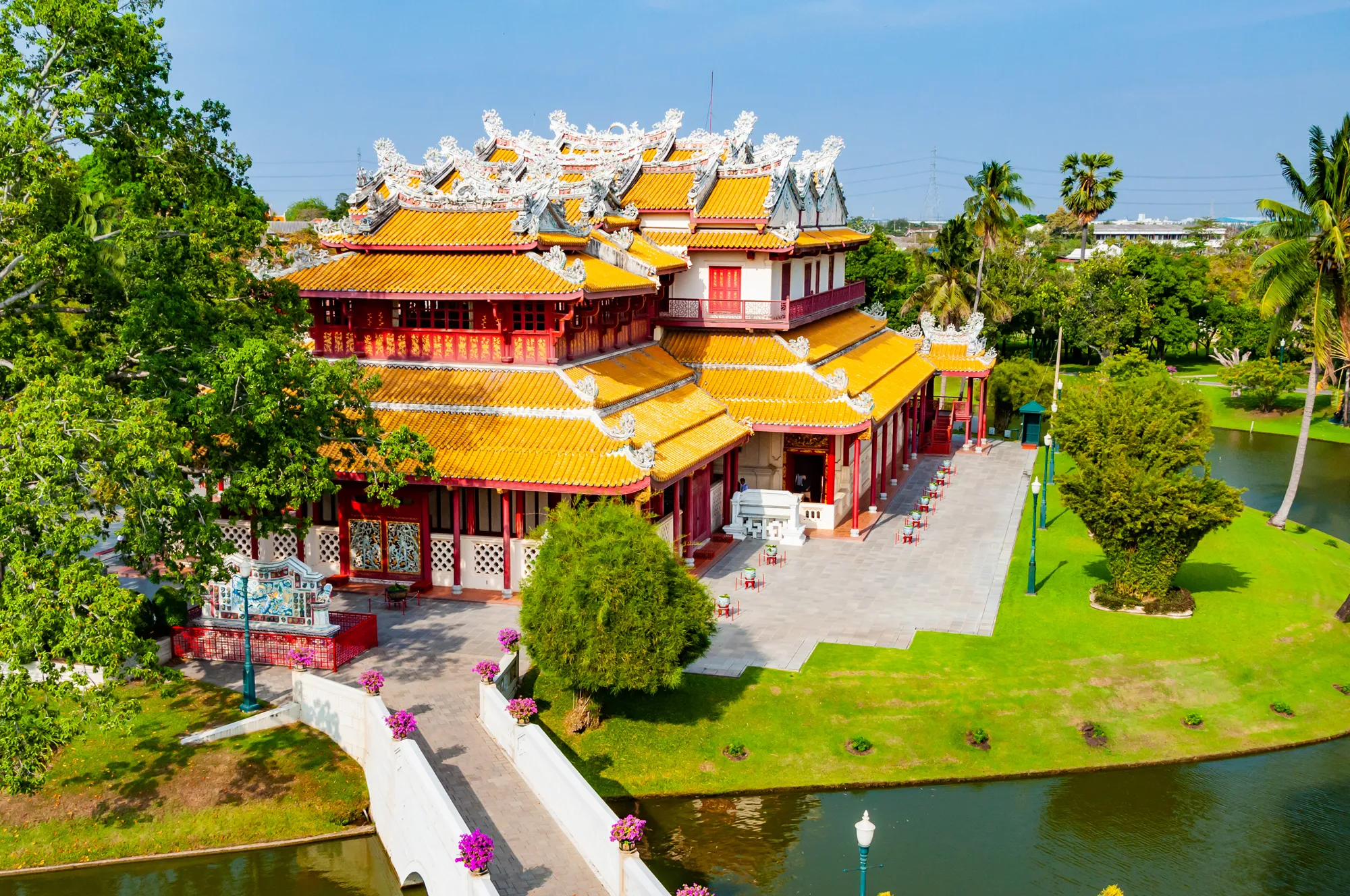
Picture a delicate structure poised over tranquil waters, the Aisawan Thiphya-Art pavilion is quintessentially Thai in its architectural style. With its ornate gables and sweeping rooflines, this pavilion is not just an iconic photo opportunity, but a symbol of the fusion between natural beauty and human artistry.
Nestled within the serene embrace of Bang Pa-In Palace, the Aisawan Thiphya-Art Pavilion stands as a shimmering jewel of Thai architecture, a testament to the elegance and artistry that define the nation's cultural heritage. This exquisite pavilion, poised gracefully over the reflective waters of a tranquil lake, captures the imagination with its ornate gables and sweeping rooflines, each element meticulously crafted to embody the harmonious fusion of natural beauty and human creativity.
Read More
The architectural design of the Aisawan Thiphya-Art Pavilion is a celebration of Thai craftsmanship. Its ornate gables, embellished with intricate carvings, represent the celestial realm, inviting visitors to contemplate the divine as they admire the pavilion's majestic form. The sweeping rooflines, a hallmark of traditional Thai architecture, mimic the gentle curves of a swan's wings, symbolizing grace and elegance. Together, these elements create a visual symphony that resonates with the natural environment, reflecting the Thai philosophy of living in harmony with nature.
Historically, the pavilion holds a revered place in Thai culture, serving as a focal point for royal ceremonies and a retreat for the monarchy. Its presence within Bang Pa-In Palace, a former summer residence for Thai kings, underscores its cultural significance, offering a glimpse into the opulent world of Thailand's regal past. As a cultural symbol, the pavilion not only embodies the artistic ingenuity of the Thai people but also serves as a reminder of the nation's enduring traditions and values.
In modern-day Thailand, the Aisawan Thiphya-Art Pavilion continues to captivate visitors from around the world, drawing them into its enchanting aura. As a tourist attraction, it offers a unique opportunity to experience the splendor of Thai architecture firsthand, inviting exploration and inspiring a deeper appreciation for the country's rich cultural identity. The pavilion has become an icon, not only for its aesthetic allure but also for its role in promoting cultural understanding and appreciation.
Structures like the Aisawan Thiphya-Art Pavilion play a vital role in our understanding of architectural evolution and cultural identity. They serve as living archives, preserving the artistic achievements and historical narratives of past civilizations. By studying these architectural masterpieces, we gain insights into the cultural exchanges, technological advancements, and philosophical ideals that have shaped societies over time. Ultimately, the pavilion stands as a bridge between the past and the present, inviting us to reflect on the enduring legacy of human creativity and the limitless possibilities that lie ahead.
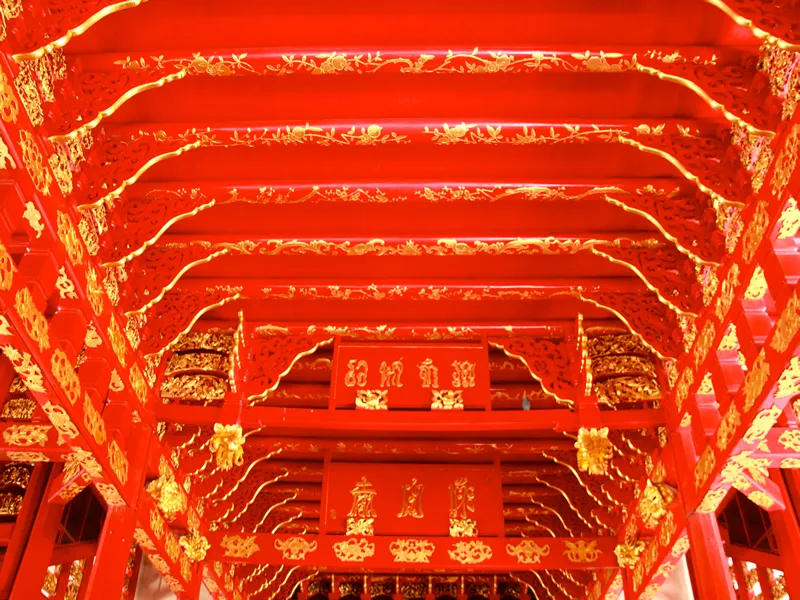
Wehat Chamrun Residential Hall
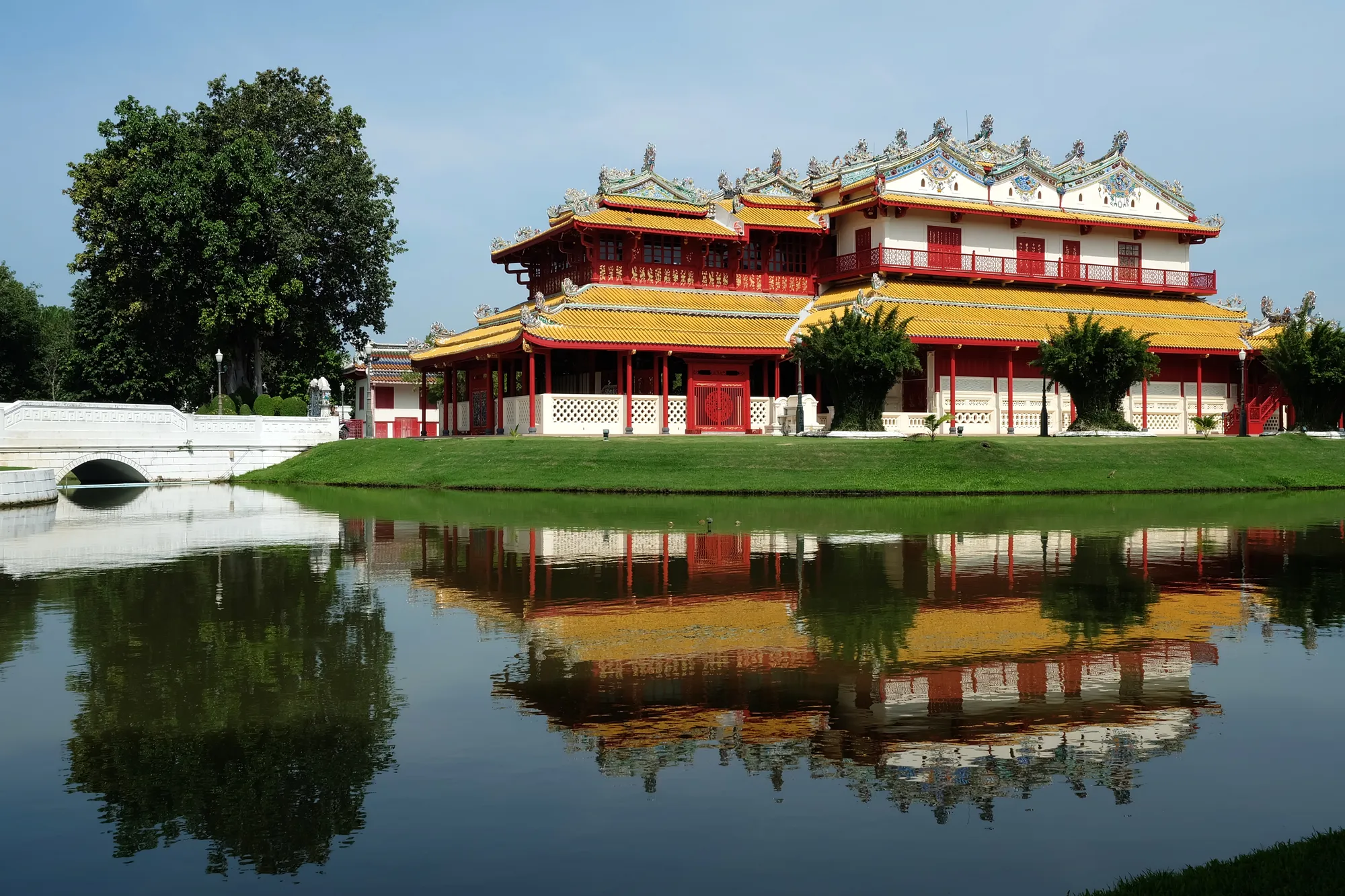
Step into the past as you explore the Wehat Chamrun, a two-storey mansion crafted in exquisite Chinese style. This regal residence invites you to admire its intricate carvings, vibrant colours, and the rich narrative of cultural exchange that it represents.
Step into the Wehat Chamrun Residential Hall and you are immediately transported into a realm where the elegance of traditional Chinese architecture meets the grandeur of Thai royal heritage. This stunning two-storey mansion, nestled within the picturesque grounds of Bang Pa-In Palace, serves as a vivid testament to the cultural exchanges that have shaped Thailand's illustrious history.
Read More
The Wehat Chamrun Hall was commissioned in the late 19th century during the reign of King Chulalongkorn, a period marked by a flourishing of cultural and diplomatic ties between Thailand and China. This era of mutual influence is beautifully captured in the mansion's architecture, which showcases the harmonious blend of Chinese aesthetics with local sensibilities. The hall's intricate carvings are a marvel, each telling a story of ancient traditions and mythical lore. Dragons, phoenixes, and other auspicious symbols adorn the wooden panels, reflecting the Chinese belief in balance, harmony, and prosperity.
Vibrant colors sweep across the structure, with rich reds and golds that symbolize luck and wealth in Chinese culture. These hues, combined with the mansion's exquisite detailing, create a visual feast that captivates the eye and stimulates the imagination. The roof, with its sweeping eaves and detailed ornamentation, is a hallmark of Chinese architectural style, designed to ward off evil spirits and invite good fortune.
The Wehat Chamrun Hall stands as a beacon of cultural exchange, illustrating how the infusion of diverse artistic traditions can lead to the creation of something uniquely beautiful. This architectural masterpiece not only highlights the technical prowess and artistic vision of its creators but also embodies the spirit of collaboration and mutual respect between different cultures.
In terms of cultural heritage, structures like Wehat Chamrun are invaluable. They serve as tangible links to our past, offering insights into the socio-political dynamics and aesthetic preferences of bygone eras. By studying these edifices, we gain a deeper understanding of how cultural exchanges have influenced architectural styles and contributed to the rich tapestry of global heritage.
Today, the hall continues to inspire contemporary appreciation for traditional architectural styles. It reminds us of the importance of preserving such historical treasures, not only for their aesthetic and historical value but also for their ability to foster a greater understanding and appreciation of diverse cultural narratives. In a rapidly globalizing world, the Wehat Chamrun Residential Hall stands as a symbol of the enduring power of cultural exchange to enrich and enlighten our shared human experience.
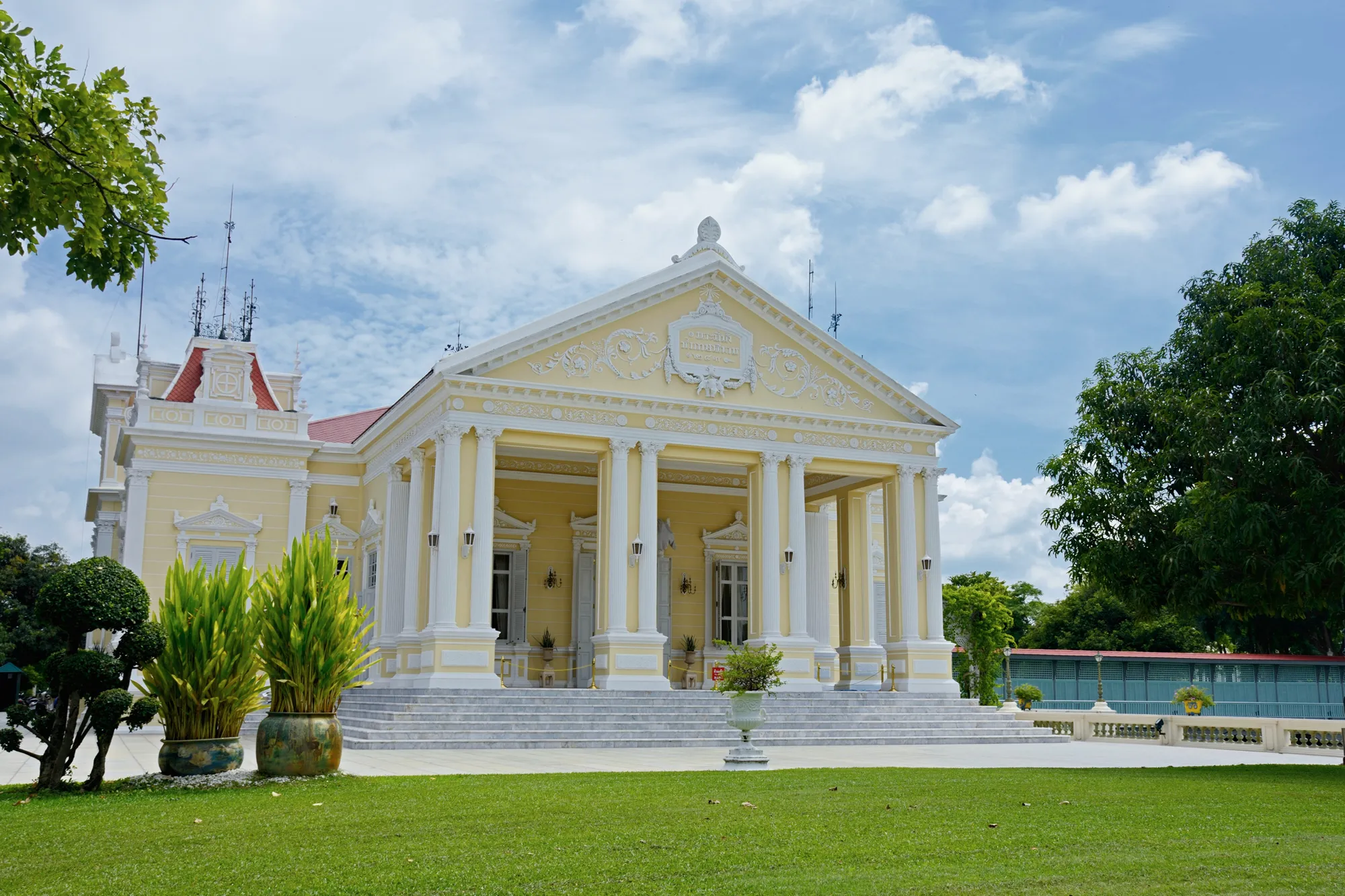
Warophat Phiman Mansion
For those enamoured by European architecture, the Warophat Phiman Mansion is a must-visit. A graceful fusion of European design with subtle Thai elements, this mansion tells the story of a kingdom that embraced global influences while retaining its unique identity.
Journey into the heart of Bang Pa-In Palace and discover the architectural gem that is the Warophat Phiman Mansion. This magnificent building stands as a testament to the seamless fusion of European elegance and Thai tradition, offering a captivating glimpse into the cultural dynamism that defines Thailand's historical narrative.
Read More
The Warophat Phiman Mansion, located within the royal grounds of Bang Pa-In Palace in Ayutthaya, serves as a striking illustration of architectural syncretism. Constructed during the reign of King Chulalongkorn (Rama V), this regal residence exemplifies a period when Thailand opened its doors to Western influences, embracing them while firmly preserving its own cultural identity. This period in Thai history was marked by a desire to modernize and integrate with the global community, a sentiment that is beautifully captured in the mansion's design.
As you approach the mansion, the façade immediately captures your attention with its graceful arches and symmetrical lines, hallmarks of European architectural style. Yet, as you draw nearer, the subtle infusion of Thai elements becomes apparent. The roof, adorned with intricate Thai motifs, and the elegant yet understated Thai-style interiors create a harmonious blend that pays homage to both European sophistication and Thai artistry.
Inside, the mansion's opulent rooms and expansive corridors are adorned with period furnishings and artwork, offering a window into the lavish lifestyle of Thai royalty during the late 19th and early 20th centuries. Stories of royal banquets and diplomatic meetings echo through these halls, each room whispering tales of a bygone era when Thailand was navigating its place on the world stage.
The Warophat Phiman Mansion is more than just an architectural marvel; it is a symbol of Thailand's historical journey and its strategic embrace of global influences. This approach allowed the kingdom to modernize while maintaining its unique cultural essence, a balancing act that continues to influence Thai society today.
For architecture enthusiasts and cultural historians alike, the mansion is a treasure trove of insights into the architectural evolution driven by cultural exchange. Its preservation and continued relevance underscore the importance of such structures in fostering appreciation for diverse architectural styles and historical contexts.
Planning a visit? The Warophat Phiman Mansion is located in the Bang Pa-In Palace complex in Ayutthaya, about an hour's drive north of Bangkok. The palace is open daily from 8:30 AM to 4:30 PM, with the last entry at 3:30 PM. Entry fees are approximately 100 Thai Baht, with guided tours available to enrich your understanding of the site.
Whether you're drawn by the allure of its architectural beauty or the rich tapestry of stories it holds, the Warophat Phiman Mansion offers an unforgettable journey into a pivotal chapter of Thailand's history. It's a destination that promises not only to captivate your senses but also to deepen your appreciation for the intricate dance of cultural influences that shape the world we live in today.
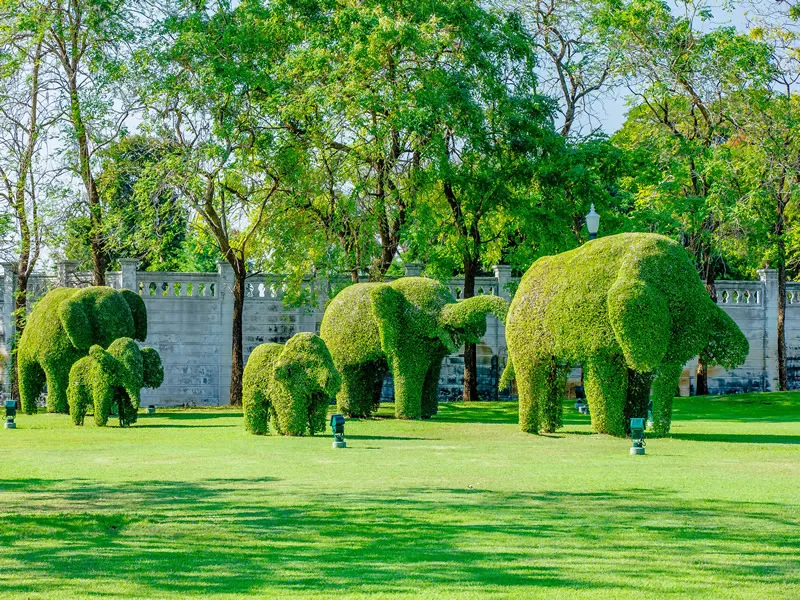
Tranquil Gardens and Manicured Lawns
Wander through the lush gardens and meticulously maintained lawns that cradle the palace complex. These green expanses provide the perfect backdrop for leisurely strolls, allowing you to soak in the serenity and grandeur of this historical retreat.
Nestled along the Chao Phraya River in Ayutthaya, the Bang Pa-In Palace is a hidden gem that beckons travelers seeking a blend of history, culture, and nature. Among the many treasures within the palace grounds, the Tranquil Gardens and Manicured Lawns stand out as a serene oasis, offering a peaceful respite from the bustling world outside.
Read More
As you step into the palace complex, the historical significance of Bang Pa-In becomes immediately apparent. Originally built in the 17th century, the palace served as a summer retreat for Thai kings, providing a place of rest and reflection. Its rich history echoes through the halls and gardens, each corner whispering stories of royal pastimes and diplomatic grandeur.
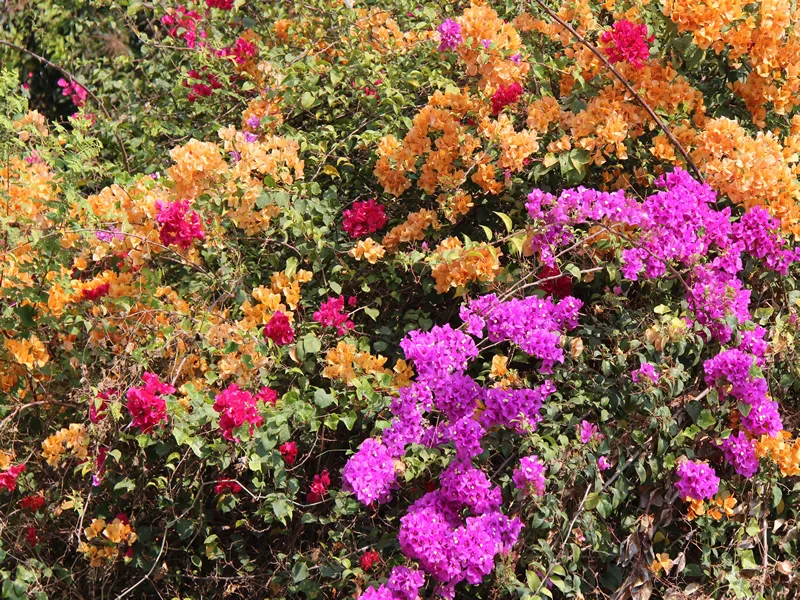
The gardens are a verdant paradise, meticulously designed to reflect the elegance and harmony that characterized the Thai royal court. As you wander through the lush foliage, the air is filled with the sweet scent of blossoming flowers and the gentle rustle of leaves swaying in the breeze. The lawns, emerald green and perfectly manicured, stretch out like plush carpets, inviting you to take leisurely strolls or simply pause to soak in the tranquility.
Amidst the gardens, ornate sculptures and graceful fountains add to the enchanting atmosphere. Each element is thoughtfully placed, contributing to a sense of balance and serenity. The vibrant colors of the flowers, ranging from soft pastels to bold hues, create a breathtaking tapestry that captivates the senses.
For those seeking a deeper connection with the cultural elements of the palace, guided tours offer insights into the architectural beauty and historical narratives of the complex. The fusion of Thai, Chinese, and European styles is evident in the intricate designs of the buildings, which stand as testaments to the cultural exchanges that have shaped Thailand's history.
To fully appreciate the beauty of the Tranquil Gardens and Manicured Lawns, consider visiting during the early morning or late afternoon. These times not only offer a reprieve from the midday sun but also allow you to experience the gardens in their most serene state. The palace is open daily from 8:30 AM to 4:30 PM, with an entrance fee of approximately 100 Thai Baht.
Nearby attractions such as the ancient city of Ayutthaya and the vibrant markets of Bangkok provide further opportunities for exploration, making Bang Pa-In Palace a perfect addition to any travel itinerary.
Whether you are a history enthusiast, a nature lover, or simply in search of a peaceful escape, the Tranquil Gardens and Manicured Lawns of Bang Pa-In Palace promise an enchanting experience. They invite you to step back in time, immerse yourself in a world of beauty and grace, and leave with a renewed appreciation for the cultural and natural wonders of Thailand.

Travel Tips
- Dress Appropriately: Remember to wear clothing that covers your shoulders and knees as a mark of respect when visiting the palace.
- Optimal Visiting Times: Consider arriving early in the morning or later in the afternoon to avoid the crowds and fully appreciate the tranquillity that envelops the palace.
- Guided Tours: To truly unlock the historical and architectural significance of the site, a guided tour is highly recommended. Knowledgeable guides bring the stories of the palace to life in ways that enhance your visit.
- Stay Comfortable: Bring along essentials like sunscreen, a hat, and a bottle of water, particularly if you're visiting during the hotter months. Comfort is key to enjoying the vast yet captivating grounds.
- Capture the Moment: Ensure your camera or smartphone is fully charged to capture the stunning architecture and scenic views that are bound to fill your visit with unforgettable memories.
Bang Pa-In Palace is not just a destination; it's a doorway into a bygone era of splendour and culture. With its fascinating blend of styles and stories, the palace promises a day filled with discovery and delight. Make your visit an unforgettable chapter in your own travel tale.
Opening Times
Bang Pa-In Palace welcomes visitors daily, with opening hours typically from 8 a.m. to 4 p.m. It’s always a good idea to check for any changes in schedule before your visit, especially during public holidays or special events.
Admission Prices
The entrance fee for Bang Pa-In Palace is typically around 100 Thai Baht for adults. Children often enjoy reduced rates, and there may be discounts for group bookings. Always verify the latest ticket prices upon planning your visit.
Travel Guide to Ayutthaya from Bangkok
Ayutthaya, a city rich in history and culture, is a mere stone's throw from the bustling metropolis of Bangkok. There are several convenient ways to make the trip, whether you're seeking budget-friendly options or prefer travelling in comfort. Here's a guide to help you choose the best mode of transport for your adventure.
By Train
Route Details
Begin your journey at Hua Lamphong Station in Bangkok, where you'll board a train bound for Ayutthaya. The ride offers a scenic view of the Thai countryside, making it a delightful way to travel.
Duration & Cost
The train ride takes approximately 1.5 to 2 hours. Ticket prices vary depending on the class you choose:
- Third Class: ฿15, ideal for budget travellers
- Second Class: Offers more comfort
- First Class: ฿345, for those seeking a more luxurious experience
By Bus
Route Details
Buses to Ayutthaya depart from Bangkok's Northern Bus Terminal (Mo Chit 2) and the Northeastern Bus Terminal (Mor Chit), with services running every 20 to 30 minutes.
Duration & Cost
The bus ride takes around 1.5 to 2 hours, with ticket prices ranging from ฿50 to ฿100, depending on the type of bus.
By Minivan
Route Details
For a quicker option, consider taking a minivan. You can find these at Victory Monument or Mo Chit BTS Station.
Duration & Cost
This option takes around 1 to 1.5 hours and costs approximately ฿60 to ฿100.
By Private Car/Taxi
Route Details
If you're looking for flexibility and comfort, hiring a private car or taxi is your best bet. This mode allows you to depart from your desired location in Bangkok and travel directly to Ayutthaya.
Duration & Cost
The drive takes about 1.5 to 2 hours. Costs range from ฿1,000 to ฿1,500, depending on your departure point and the type of vehicle.
By Water Taxi / Boat
Route Details
For a unique experience, travel to Ayutthaya by boat. You can take a water taxi from Bangkok's Chao Phraya River or join a boat tour.
Duration & Cost
The journey takes around 3 hours and costs approximately ฿1,500 to ฿2,000 for the boat tour. Water taxis rates vary depending on the route and type of boat.



























Jon G
Sophie Wilson
Nam ut turpis hendrerit, varius nunc vel, elementum dui. Morbi vulputate dolor sit amet scelerisque egestas. Vestibulum eleifend nunc ut bibendum fermentum.
Alex Morgan
Cras non velit nec purus tempor rhoncus. Sed non mauris vitae erat consequat auctor eu in elit. Class aptent taciti sociosqu ad litora torquent per conubia nostra.