A Glimpse into Wat Traimit
Wat Traimit is not just another temple in the land of a thousand wats; it is a symbol of resilience, history, and religious devotion. Established in the late 18th century, the temple's claim to fame is the magnificent Golden Buddha, a statue that commands reverence with its sheer size and beauty. The temple serves as a significant spiritual site for locals and a must-visit attraction for those exploring Bangkok.
Architectural Marvel
The architecture of Wat Traimit is a testament to traditional Thai craftsmanship, adorned with intricate designs and motifs. The temple features a multi-tiered roof and gleaming white walls, providing a striking contrast to the golden hue of the Buddha. Built using marble, the temple's facade exudes elegance, inviting visitors to explore its sacred halls and immerse themselves in its serene atmosphere.

The Golden Buddha at Wat Traimit, Bangkok, Thailand.
The Golden Buddha: A Story Gold-Plated in History
The Golden Buddha at Wat Traimit is not just a statue; it is a magnificent embodiment of artistry, history, and spiritual devotion. Towering at nearly 3 meters and weighing approximately 5.5 tonnes, this extraordinary masterpiece is the largest solid gold Buddha statue in the world, captivating visitors with its sheer grandeur and serene presence. Its origins date back to the Sukhothai period, known for its flourishing art and culture, where craftsmen dedicated their skills to crafting religious icons of great significance. This era left a lasting imprint on Thai cultural heritage, and the Golden Buddha is a prime example of this illustrious craftsmanship.
The story of the Golden Buddha's concealment adds an air of mystery and legend to its already fascinating history. During times of turmoil and foreign invasions, it is believed that the statue was encased in plaster to disguise its true worth and protect it from potential plunderers. For centuries, the Golden Buddha remained hidden under a facade of simplicity, its true value unknown even to those who revered it. This concealment was so effective that it was even forgotten over time, blending seamlessly with other ordinary statues in the temple.
The dramatic unveiling of the Golden Buddha in 1955 transformed Wat Traimit from a modest temple into a site of international intrigue and reverence. As the statue was being moved to a new location, an accidental drop cracked the plaster, revealing the stunning gold beneath. This moment of serendipity not only uncovered a breathtaking work of art but also sparked global interest, attracting pilgrims and tourists eager to witness this miraculous discovery. The event reinvigorated Wat Traimit, elevating its status to a major pilgrimage site and a must-visit tourist destination.
Beyond its physical allure, the Golden Buddha holds profound cultural and spiritual significance. It stands as a symbol of resilience and ingenuity, reflecting the stories of survival and faith that have shaped Thai history. For many Thai people, the statue embodies the spiritual ideals of enlightenment and purity. Its rediscovery is often seen as a divine message, reinforcing the importance of preserving cultural and religious heritage.
Today, the Golden Buddha continues to be a beacon of inspiration and devotion, drawing visitors from all corners of the globe. Its presence at Wat Traimit not only enriches the cultural tapestry of Bangkok but also serves as a testament to the enduring spirit and rich traditions of Thailand. As visitors stand before this awe-inspiring statue, they are invited to reflect on the mysteries of its past and the spiritual journey it represents, making their visit a deeply personal and enriching experience.

Wat Traimit, the temple famous for the golden Buddha statue.
Historical Evolution of Wat Traimit
Over the centuries, Wat Traimit has evolved, witnessing several restorations and expansions. In 2010, the temple underwent a significant upgrade, with the addition of the Traimit Witthayaram Exhibition and the Golden Buddha Museum. These enhancements have helped preserve the temple's rich history while providing visitors with more context and understanding of its cultural importance.
Visitor Experience
A visit to Wat Traimit offers a unique blend of cultural immersion and spiritual enlightenment. The temple is open daily from 8 AM to 5 PM, with an entry fee of THB 40 for the Golden Buddha Museum. For the best experience, arrive early in the morning or later in the afternoon to avoid the crowds and bask in the tranquil ambience.
To fully appreciate the serene beauty of Wat Traimit, consider visiting during the early morning or late afternoon when the temple is less crowded. This peaceful atmosphere allows for a more intimate connection with the surroundings. Remember to dress modestly, as a sign of respect for this sacred place—shoulders and knees should be covered. Entrance to the temple is quite affordable, and guided tours are available for those seeking a deeper understanding of its history and significance. The temple is accessible for tourists with special needs, ensuring everyone can enjoy this remarkable site.
Tips for a Respectful Visit
- Dress Modestly: Ensure your knees and shoulders are covered as a sign of respect.
- Silence is Golden: Keep voices low within the temple precincts, and observe silence in prayer areas.
- Photography: While photography is permitted, be mindful and respectful of worshippers.
- Remove Footwear: Shoes must be taken off before entering certain parts of the temple.
- Participate Respectfully: If interested, partake in cultural or religious practices, such as making merit by offering flowers or lighting incense.
Wat Traimit stands as a pivotal landmark in the rich tapestry of Thai Buddhism, serving as both a spiritual haven and a cultural cornerstone for the local community. The temple plays a significant role in the practice of Buddhism in Thailand, offering a space where locals and visitors alike can engage in meditation, prayer, and reflection. Its serene atmosphere is imbued with the calming presence of monks who reside within its walls, maintaining the spiritual activities and rituals that define Thai religious life.
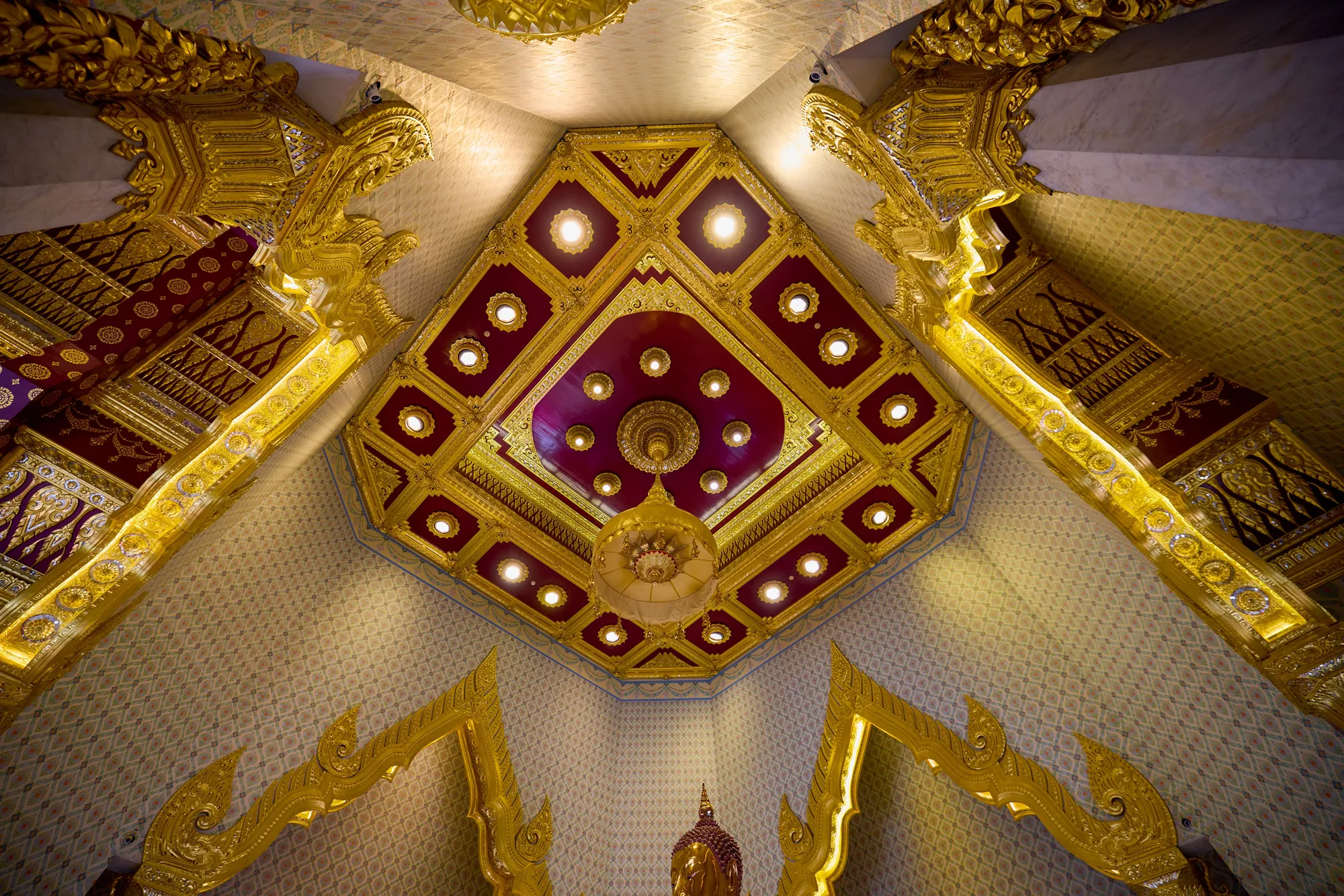
Architecturally, Wat Traimit is a stunning example of traditional Thai design, characterized by its ornate detailing and the majestic stupa that houses the Golden Buddha. The temple's intricate carvings and gilded embellishments reflect the skilled craftsmanship that is a hallmark of Thai sacred architecture. Visitors are often captivated by the temple's harmonious blend of elegance and grandeur, which provides a visual feast and a tranquil setting for spiritual contemplation.
Wat Traimit is not only a place of worship but also a vibrant hub of cultural activity. Throughout the year, the temple hosts a variety of traditional ceremonies and festivals that offer a glimpse into the rich cultural heritage of Thailand. One such event is the annual Makha Bucha Day, a significant Buddhist festival celebrating the teachings of the Buddha. During these festivals, the temple becomes a hive of activity, with devotees participating in candlelit processions, chanting, and offering alms to monks.
Visitors to Wat Traimit are encouraged to engage with these cultural experiences respectfully. Observing local customs, such as dressing modestly and remaining silent during prayer sessions, is essential for those wishing to immerse themselves in the spiritual ambiance of the temple. Taking part in activities like lighting incense or offering lotus flowers can provide a deeper connection to the cultural and spiritual ethos of the place.
As a community hub, Wat Traimit holds a special place in the hearts of the locals. It serves as a venue for communal gatherings, educational activities, and social services, reinforcing its status as a pillar of support and unity for the surrounding area. The temple's influence extends beyond its spiritual offerings, impacting local culture and fostering a sense of shared identity and continuity among its visitors.
In essence, Wat Traimit is more than just a tourist attraction; it is a living, breathing embodiment of Thai culture and spirituality. Its significance is woven into the daily lives of those who visit, offering not only a retreat for personal reflection but also a window into the profound cultural rituals that define Thailand's spiritual landscape.
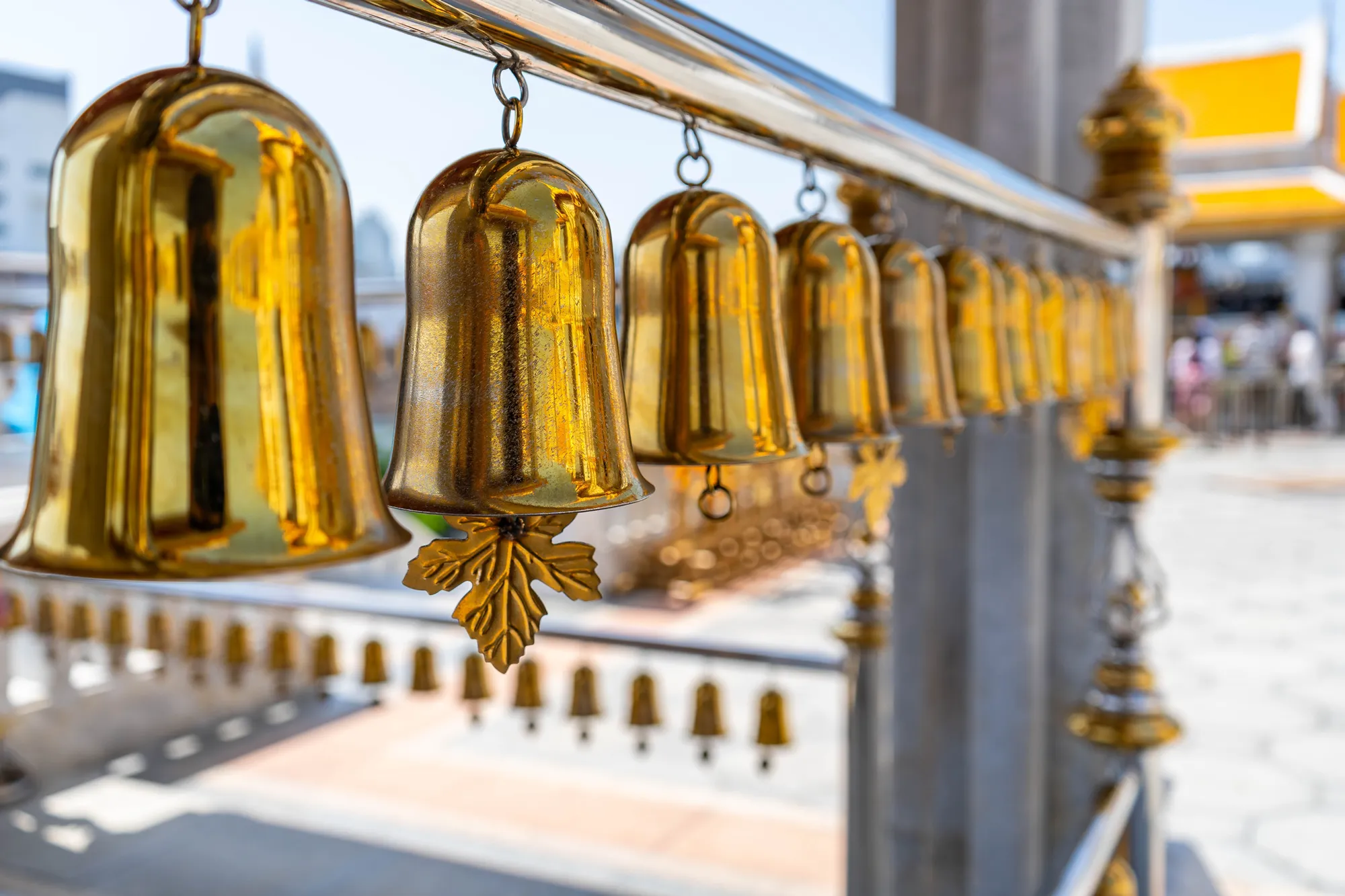
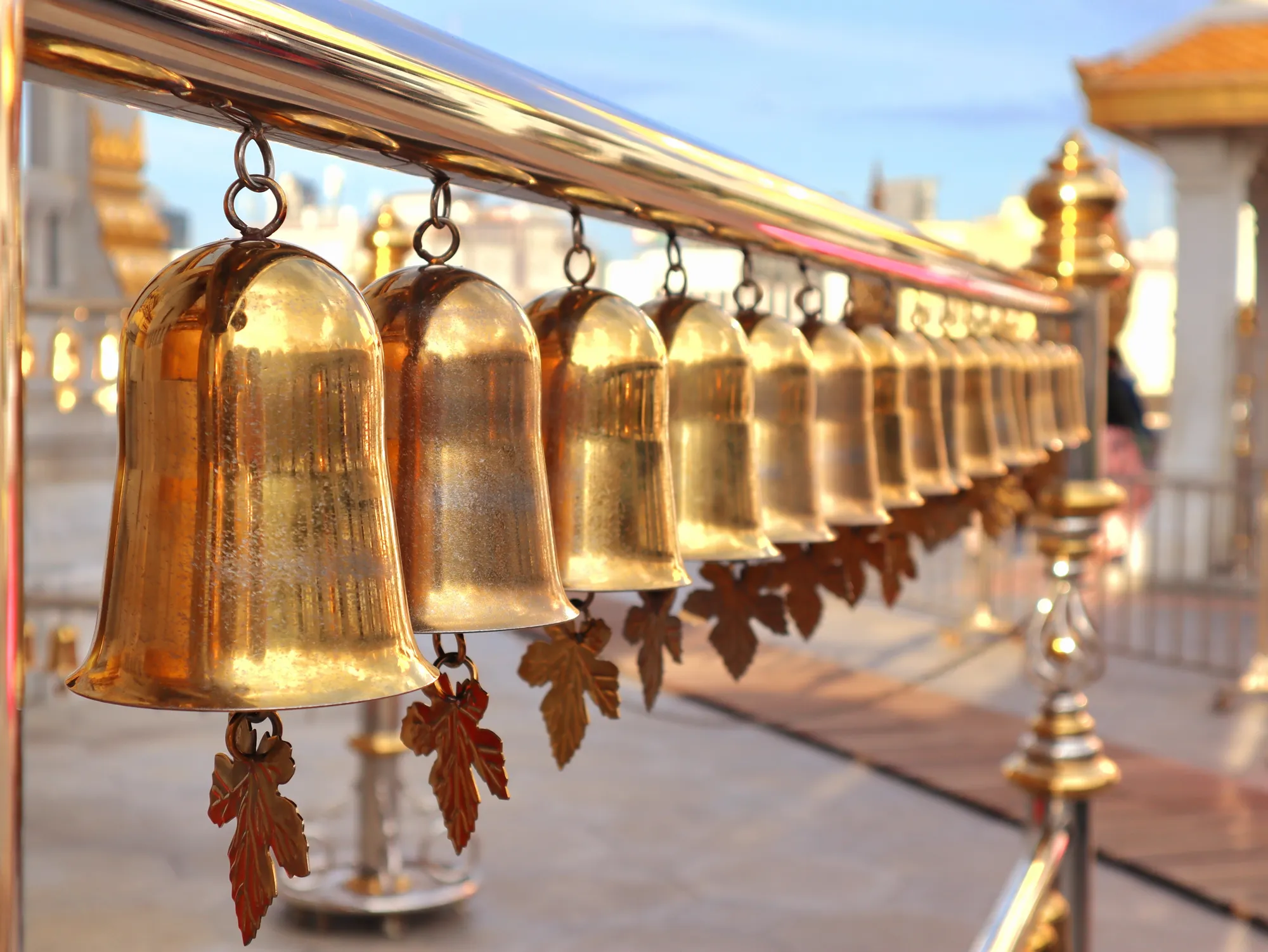
Line of bells at wat Traimit (Temple of the Golden Buddha) in bangkok, Thailand.
Hidden Treasures of Bangkok Discovering the Golden Buddha Image Museum in Wat Traimit
Beneath the vibrant tapestry of Bangkok's bustling streets lies a hidden gem that every cultural traveller and history enthusiast should explore—the Golden Buddha Image Museum in Wat Traimit. This awe-inspiring site not only captivates with its golden splendour but also weaves a rich tapestry of history and culture, transporting visitors to a bygone era. Within these sacred walls, stories of ancient craftsmanship and untold historical narratives await those eager to uncover them. In this blog post, we'll guide you through the fascinating world of Wat Traimit and its famous Golden Buddha, offering insight into its history, architecture, and the captivating experiences that beckon you to visit.
Introduction to Wat Traimit and the Golden Buddha Image Museum
Nestled in the heart of Bangkok's bustling Chinatown, Wat Traimit, also known as the Temple of the Golden Buddha, is an unmissable destination for those seeking a blend of cultural enlightenment and spiritual serenity. This revered temple houses the world's largest solid gold statue—the Golden Buddha—which stands as a testament to both religious devotion and artistic mastery. The temple's understated exterior belies the opulence within, making it a must-visit for those keen to discover its hidden treasures.
In addition to the Golden Buddha, Wat Traimit is home to a fascinating museum that offers an in-depth glimpse into the statue's storied past. The Golden Buddha Image Museum serves as a repository of knowledge, detailing the statue's history and the significance of its rediscovery. Here, visitors can immerse themselves in the rich tapestry of Thailand's cultural heritage, as well as appreciate the remarkable craftsmanship that has endured through the ages.
For cultural travellers and history enthusiasts alike, Wat Traimit and its Golden Buddha Image Museum promise a captivating exploration of history, artistry, and spirituality. This is a place where the past intertwines with the present, inviting visitors on a voyage of discovery and wonder.
History of the Golden Buddha Origins and Symbolism
The story of the Golden Buddha is one of intrigue, mystery, and historical significance. Believed to date back to the Sukhothai period (13th-15th century), this magnificent statue is thought to have been crafted by skilled artisans who sought to embody the spiritual essence of the Lord Buddha in solid gold. Standing at an impressive 3 metres tall and weighing over 5.5 tons, the statue is a monumental example of ancient Thai craftsmanship and devotion.
The statue's origins are shrouded in mystery, with various theories positing how it came to be hidden beneath a thick layer of plaster for centuries. Some historians believe that the statue was concealed to protect it from invading forces during times of conflict, while others suggest that it was simply forgotten over time. Regardless of the true reason, the Golden Buddha remained hidden in plain sight, its divine brilliance obscured by an unassuming exterior.
Symbolically, the Golden Buddha represents the ultimate truth and purity of the Buddhist teachings. Its solid gold form serves as a powerful reminder of the impermanence of material wealth and the importance of spiritual enlightenment. For visitors, the statue offers an opportunity to reflect on these profound teachings while marvelling at its timeless beauty and significance.

The golden Buddha of Wat Traimit Withayaram Worawihan in Chinatown Bangkok
Detailed Description of the Museum Architecture and Collections
The Golden Buddha Image Museum, housed within the grounds of Wat Traimit, offers a fascinating window into the history and cultural significance of the Golden Buddha. The museum's architecture reflects a harmonious blend of traditional Thai design and modern sensibilities, creating a serene environment for visitors to explore its treasure trove of artefacts and exhibits.
Upon entering the museum, visitors are greeted by an impressive collection of artefacts that tell the story of the Golden Buddha and its rediscovery. These exhibits provide valuable context for understanding the statue's historical significance and the efforts undertaken to preserve this priceless cultural heritage. From ancient manuscripts and photographs to intricate models of the statue, the museum's collections offer a comprehensive overview of the Golden Buddha's storied past.
In addition to the artefacts, the museum features informative displays that highlight the artistry and craftsmanship involved in creating the Golden Buddha. These exhibits showcase the techniques used by ancient artisans, offering visitors a deeper appreciation for the skill and dedication that went into crafting this monumental work of art. For history enthusiasts and cultural travellers alike, the Golden Buddha Image Museum is a captivating destination that offers both enlightenment and inspiration.
The Restoration Story Unveiling the True Identity of the Buddha
The story of the Golden Buddha's rediscovery is one of serendipity and awe. In the mid-20th century, the statue was being moved to Wat Traimit when it accidentally fell, causing a portion of the plaster to crack and reveal the gleam of gold beneath. This unexpected revelation stunned onlookers and marked the beginning of the statue's restoration, as experts carefully removed the layers of plaster to unveil the solid gold marvel hidden within.
The restoration of the Golden Buddha was a meticulous process that required both skill and sensitivity. Artisans and historians worked together to ensure that the statue's true form was preserved, while also documenting the remarkable story of its rediscovery. This collaborative effort not only restored the statue to its former glory but also reignited interest in its historical and cultural significance.
The unveiling of the Golden Buddha was a momentous event that captured the world's attention and solidified the statue's status as a national treasure. For visitors to Wat Traimit, the restoration story serves as a poignant reminder of the enduring power of art and the resilience of cultural heritage. It is a testament to the dedication and passion of those who strive to preserve the past for future generations.
Visitor's Guide How to Visit Opening Hours and Ticket Information
Planning a visit to Wat Traimit and the Golden Buddha Image Museum is a rewarding experience for cultural travellers and history enthusiasts. Located in the bustling district of Chinatown, the temple is easily accessible via public transportation or taxi, making it a convenient destination for those exploring the vibrant city of Bangkok.
The temple and museum are open to visitors daily, with operating hours typically from 8am to 5pm. It is advisable to check for any changes in opening hours or special events before planning your visit. Admission to the temple is generally free, while a nominal fee may be charged for entry to the museum, with proceeds supporting the preservation and maintenance of this cultural treasure.
Visitors are encouraged to dress modestly when visiting the temple, as a sign of respect for the sacred site. Comfortable footwear is also recommended, as there may be some walking involved in exploring the temple grounds and museum. With its rich history and cultural significance, a visit to Wat Traimit and the Golden Buddha Image Museum promises to be an unforgettable experience that offers both enlightenment and inspiration.
Personal Experiences and Testimonials from Visitors
The allure of Wat Traimit and the Golden Buddha Image Museum is evident in the heartfelt testimonials of those who have experienced its wonders firsthand. Visitors from around the world have shared stories of their encounters with this remarkable site, each painting a vivid picture of the beauty and serenity that awaits within its sacred walls.
One traveller, captivated by the statue's golden splendour, remarked on the profound sense of peace they felt upon gazing at the Golden Buddha. They described the experience as both humbling and inspiring, a moment of introspection and connection with the spiritual teachings embodied by the statue.
Another visitor recounted their admiration for the museum's informative exhibits, highlighting the depth of knowledge and insight they gained during their visit. They praised the museum's ability to present complex historical narratives in an engaging and accessible manner, making it a valuable destination for both newcomers and seasoned history enthusiasts.
These personal experiences and testimonials serve as a testament to the enduring impact of Wat Traimit and its Golden Buddha Image Museum. For those seeking a deeper understanding of Thailand's cultural heritage and spiritual legacy, a visit to this iconic site promises to be both enlightening and unforgettable.
Conclusion The Significance of the Golden Buddha and Its Legacy
In conclusion, Wat Traimit and the Golden Buddha Image Museum stand as a testament to the enduring power of art, history, and spirituality. For cultural travellers and history enthusiasts, this remarkable site offers a unique opportunity to connect with Thailand's rich cultural heritage and explore the timeless beauty of the Golden Buddha.
As you wander through the temple grounds and museum exhibits, you'll discover stories of devotion, craftsmanship, and perseverance that have shaped the legacy of this iconic statue. The Golden Buddha serves as a powerful reminder of the spiritual teachings and cultural values that continue to inspire generations of admirers.
Whether you're a seasoned traveller or a curious explorer, a visit to Wat Traimit and the Golden Buddha Image Museum promises to be a captivating journey of discovery and wonder. We invite you to experience the magic of this hidden gem and uncover the stories that have shaped its history and cultural significance. Come and explore the treasures of Bangkok, and join us in preserving the legacy of this extraordinary cultural heritage.
The Golden Buddha at Wat Traimit, Bangkok, Thailand.
Nearby Attractions to Wat Traimit
When visiting Wat Traimit, you'll find a variety of captivating attractions nearby that offer rich cultural, historical, and culinary experiences. Here's a list of must-visit spots:
-
Bangkok Chinatown (Yaowarat Road)
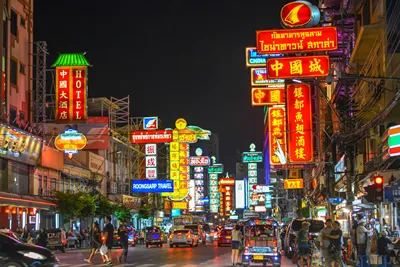
Just a short walk from Wat Traimit, Bangkok's Chinatown is a bustling district known for its vibrant atmosphere and eclectic mix of sights, sounds, and flavors. Visitors can explore an array of street food stalls, traditional shops, and goldsmiths, making it a culinary delight and a bustling hub of activity.
-
Wat Mangkon Kamalawat
Also known as the Dragon Lotus Temple, this is the largest Chinese Buddhist temple in Bangkok. Located within Chinatown, it is a beautiful blend of Chinese architectural styles and Thai influences, offering visitors a serene escape with its intricate designs and tranquil gardens.
-
The Golden Buddha Image Museum
Situated within the Wat Traimit complex, this museum provides a deeper understanding of the Golden Buddha's history and significance. It features exhibitions on the statue's rediscovery and the art of gold craftsmanship, offering an enriching cultural experience.
-
Sampeng Market
A lively market located in the heart of Chinatown, Sampeng Market is a treasure trove for bargain hunters. Visitors can find everything from textiles and jewelry to toys and souvenirs, all amidst a vibrant and energetic backdrop.
-
The Old Siam Plaza
A short distance from Wat Traimit, The Old Siam Plaza is a charming shopping destination that combines the elegance of Thai architecture with modern retail experiences. It offers a variety of traditional Thai goods, handicrafts, and delicious local snacks.
-
Phahurat (Little India)
Located near Chinatown, Phahurat is known for its vibrant Indian community and cultural offerings. Visitors can explore fabric shops, enjoy authentic Indian cuisine, and experience the lively atmosphere of this unique neighborhood.
These attractions provide a well-rounded glimpse into Bangkok's rich tapestry of cultures, each offering its own unique experiences and insights into the city's diverse heritage.
Discovering Culinary Gems Near Wat Traimit in Bangkok
Nestled in the bustling cityscape of Bangkok lies Wat Traimit, the Temple of the Golden Buddha. Known for its breathtaking 5.5-tonne solid gold statue, Wat Traimit is a beacon of history and culture. This iconic temple not only draws history buffs and tourists alike but is also surrounded by an array of delightful culinary experiences that reflect the rich tapestry of Thai cuisine. In this blog post, we'll explore the fascinating stories behind Wat Traimit, and guide you through a curated list of restaurants nearby. Whether you're a dedicated foodie or a curious traveller, this guide will ensure your visit to Wat Traimit is both culturally enriching and gastronomically satisfying.

Gardian dog of Wat Traimit - Temple of the Golden Buddha in China Town Bangkok, Thailand
The Glorious History of Wat Traimit
Wat Traimit is steeped in captivating history. Originally discovered in the 1950s, the Golden Buddha of Wat Traimit was hidden beneath a layer of plaster. This protective covering was inadvertently chipped away, revealing the magnificent gold statue within. Historians believe the statue dates back to the Sukhothai period, showcasing the skill and artistry of ancient Thai craftsmen. The temple itself serves as a testament to Thailand's rich cultural heritage, drawing visitors from around the world.
The significance of Wat Traimit extends beyond its historical allure. It stands as a symbol of perseverance and spiritual devotion, embodying the essence of Thai Buddhism. The temple's serene atmosphere offers respite from the bustling streets of Bangkok, providing a sacred space for reflection and mindfulness. For tourists and history enthusiasts, a visit to Wat Traimit offers an opportunity to connect with Thailand's past while appreciating the architectural beauty of this revered site.
Exploring the Surrounding Neighbourhood
The area surrounding Wat Traimit is as intriguing as the temple itself. Located in the heart of Bangkok's vibrant Chinatown, this district is a cultural mosaic where history and modernity coexist. Chinatown's narrow alleys are filled with market stalls, traditional shops, and vibrant street art, creating an eclectic atmosphere that invites exploration. The neighbourhood's rich history is palpable, with each corner revealing stories of Chinese immigrants who settled in Bangkok centuries ago.
For food enthusiasts, Chinatown is a veritable paradise. The district is renowned for its street food, offering a sensory feast of aromas and flavours. From sizzling stir-fries to aromatic noodle soups, the culinary delights of Chinatown are as diverse as they are delicious. This neighbourhood is a hub of gastronomic experimentation, where traditional recipes meet contemporary influences, resulting in unique and exciting dining experiences.
Beyond its culinary delights, the area surrounding Wat Traimit offers a multitude of cultural attractions. Visitors can explore traditional Chinese temples, browse antique shops, and marvel at the intricate architecture that adorns the streets. For those seeking a deeper understanding of Bangkok's cultural tapestry, a stroll through this neighbourhood provides a glimpse into the city's vibrant past and its dynamic present.
A Culinary Tour Near Wat Traimit
Thai Delicacies at Krua Apsorn
Krua Apsorn is a Thai culinary gem renowned for its authentic flavours and traditional recipes. Located just a short walk from Wat Traimit, this restaurant is a favourite among locals and tourists alike. Krua Apsorn's menu showcases classic Thai dishes crafted with precision and care, offering a true taste of Thailand's culinary heritage.
Visitors to Krua Apsorn can savour must-try dishes such as their renowned crab curry, a symphony of spices and fresh seafood. The restaurant's dedication to using high-quality ingredients ensures that every bite is a burst of flavour. For those seeking an authentic Thai dining experience, Krua Apsorn delivers on all fronts.
Chinese Cuisine at Hua Seng Hong
Hua Seng Hong is a culinary institution in Bangkok's Chinatown, offering an array of delectable Chinese dishes. Just a stone's throw from Wat Traimit, Hua Seng Hong has been delighting diners with its authentic flavours for decades. The restaurant's extensive menu features a wide range of options, from dim sum to Peking duck, catering to diverse palates.
For an unforgettable dining experience, guests can indulge in Hua Seng Hong's signature Peking duck, a dish prepared with meticulous attention to detail. Each bite of the crispy-skinned duck is a symphony of flavours, complemented by fragrant herbs and spices. Hua Seng Hong's commitment to culinary excellence ensures that every meal is a memorable affair.
Vietnamese Delights at Saigon Recipe
Saigon Recipe offers a taste of Vietnam amidst the vibrant streets of Bangkok. Situated near Wat Traimit, this restaurant introduces diners to the vibrant and fresh flavours of Vietnamese cuisine. Saigon Recipe's menu features a variety of dishes inspired by traditional Vietnamese recipes, each prepared with authenticity and flair.
Visitors can enjoy the restaurant's signature pho, a fragrant noodle soup brimming with aromatic herbs and tender beef. Saigon Recipe's dedication to using fresh, locally sourced ingredients ensures that every dish is a celebration of flavour and culture. For those seeking a culinary adventure beyond Thai cuisine, Saigon Recipe offers a delightful exploration of Vietnamese gastronomy.
Must-Try Dishes and Unique Dining Experiences
Spicy Thai Soups and Curries
No visit to the restaurants near Wat Traimit would be complete without sampling the region's spicy Thai soups and curries. These dishes are a celebration of bold flavours and aromatic spices, offering a tantalizing experience for the taste buds. From fiery tom yum soup to rich green curry, these dishes showcase the depth and complexity of Thai cuisine.
For those new to Thai cuisine, it's worth noting that the level of spiciness can be adjusted to suit individual preferences. Whether you're a spice enthusiast or prefer milder flavours, the restaurants in this area are happy to accommodate your tastes. With each spoonful of soup or curry, you'll discover a harmonious blend of ingredients that create a symphony of flavours.
Dim Sum and Chinese Specialties
Hua Seng Hong is a must-visit for dim sum enthusiasts seeking a taste of authentic Chinese cuisine. Dim sum, a traditional Cantonese meal, consists of small, bite-sized portions served in steamer baskets. These delectable morsels range from dumplings to buns, each offering a unique combination of textures and flavours.
Guests at Hua Seng Hong can indulge in a variety of dim sum options, including shrimp dumplings, barbecue pork buns, and custard tarts. The restaurant's dedication to authenticity ensures that each dim sum item is crafted with precision and care. For those seeking an authentic dim sum experience, Hua Seng Hong delivers a delightful culinary adventure.
Vietnamese Freshness and Flavour
At Saigon Recipe, diners can explore the fresh and vibrant flavours of Vietnamese cuisine. Vietnamese cuisine is known for its emphasis on fresh herbs, crisp vegetables, and delicate balance of flavours. Saigon Recipe's menu captures the essence of Vietnamese gastronomy, offering a range of dishes that celebrate freshness and simplicity.
For an authentic taste of Vietnam, guests can savour dishes such as banh xeo, a crispy Vietnamese pancake filled with savoury ingredients, and cha gio, deep-fried spring rolls bursting with flavour. Saigon Recipe's commitment to using fresh, locally sourced ingredients ensures that each dish is a testament to the vibrancy of Vietnamese cuisine.
Practical Information for Planning Your Dining Experience
Operating Hours and Reservations
To ensure a seamless dining experience, it's essential to be aware of the operating hours and reservation policies of the restaurants near Wat Traimit. Krua Apsorn, Hua Seng Hong, and Saigon Recipe typically operate during lunch and dinner hours, with peak times often requiring reservations. It's advisable to check each restaurant's website or contact them directly for the most up-to-date information on opening hours and reservation policies.
For those planning a visit during peak tourist seasons, making a reservation in advance is highly recommended. This ensures that you secure a table at your desired time and allows the restaurant to prepare for your arrival. By planning ahead, you can enjoy a stress-free dining experience, allowing you to fully immerse yourself in the culinary delights of Bangkok.
Average Pricing and Payment Options
The average pricing for a meal at Krua Apsorn, Hua Seng Hong, and Saigon Recipe varies depending on the dishes ordered and the number of courses. However, these restaurants offer a range of options to suit different budgets, ensuring that diners can enjoy quality meals without breaking the bank. For budget-conscious travellers, exploring the set menus or lunch specials can provide great value for money.
Payment options at these restaurants are generally flexible, with most accepting major credit cards and cash. It's always a good idea to carry some local currency for smaller establishments that may not accept cards. By being prepared with the appropriate payment method, you can enjoy your dining experience without any concerns.
Tips for a Memorable Dining Experience
To make the most of your dining experience near Wat Traimit, consider the following tips:
- Explore New Flavours: Be open to trying new dishes and flavours that you may not have encountered before. The restaurants in this area offer a diverse range of options, providing an opportunity to expand your culinary horizons.
- Engage with the Staff: The staff at Krua Apsorn, Hua Seng Hong, and Saigon Recipe are knowledgeable about their dishes and can offer valuable insights and suggestions. Don't hesitate to ask for recommendations or clarification on menu items.
- Savour the Atmosphere: Take a moment to appreciate the ambience and decor of each restaurant. The vibrant surroundings and cultural touches can enhance your dining experience, creating a memorable setting for your meal.
Enhancing Your Visit to Wat Traimit with Culinary Delights
A visit to Wat Traimit is not just a cultural and historical experience; it's an opportunity to indulge in the culinary treasures that Bangkok has to offer. By combining your visit to the temple with a culinary adventure, you can create a day filled with exploration and enjoyment.
Consider starting your day with a visit to Wat Traimit, immersing yourself in its serene beauty and historical significance. After soaking in the temple's splendour, take a leisurely stroll through Chinatown, where you can savour the sights, sounds, and aromas of this vibrant neighbourhood. Conclude your day with a delightful meal at one of the nearby restaurants, allowing the flavours of Thai, Chinese, or Vietnamese cuisine to leave a lasting impression.
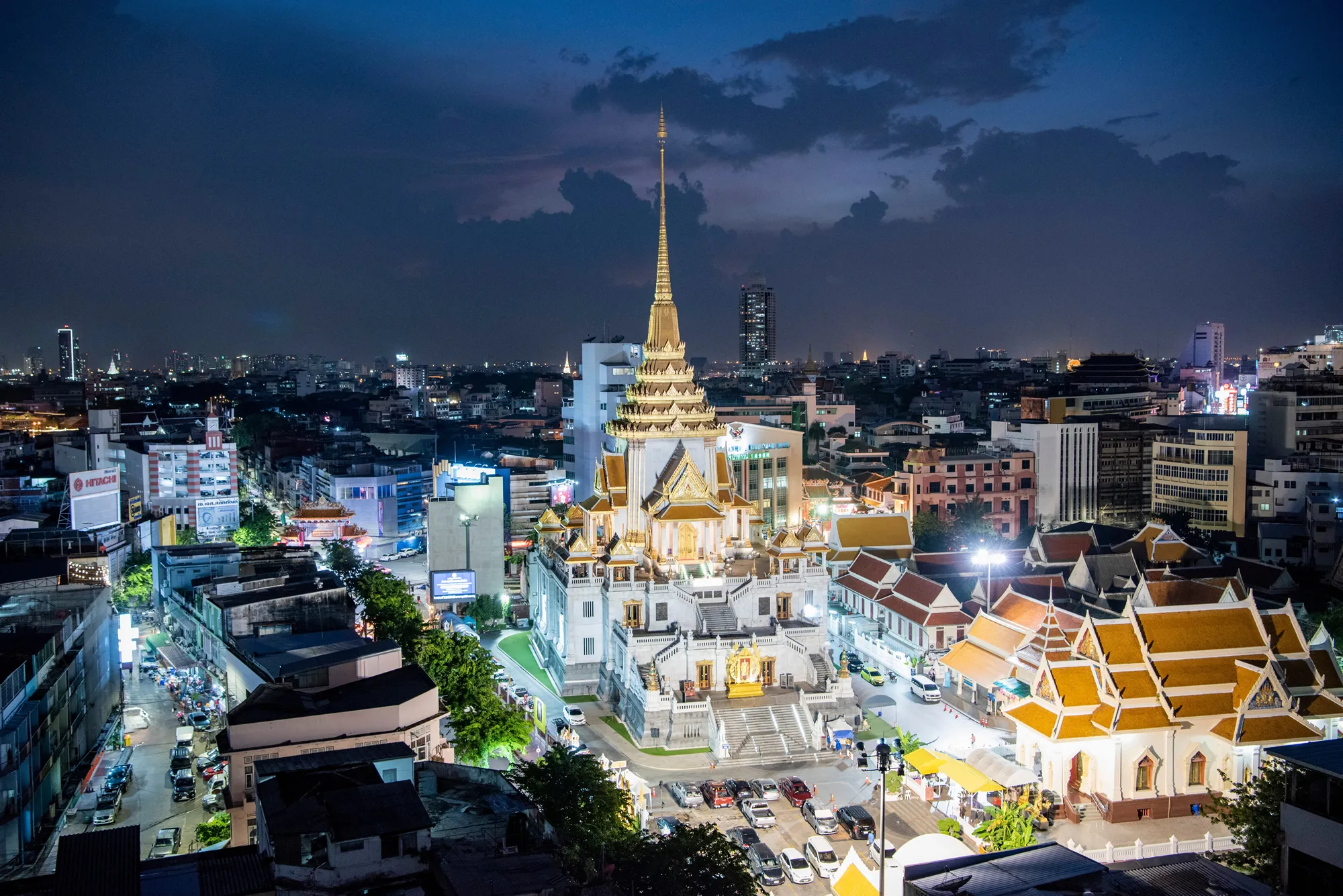
a view of Wat Traimit Withayaram Worawihan in China Town in the city of Bangkok in Thailand. November, 6, 2023
Journey to the Golden Buddha Adventure Awaits at Wat Traimit
Bangkok, a city where history and modernity blend seamlessly, offers countless treasures to explore. Among these is Wat Traimit, a captivating cultural and historical gem. Known for housing the world's largest solid gold Buddha statue, Wat Traimit draws tourists and history enthusiasts alike. This guide will walk you through the various transport modes available to reach Wat Traimit from within Bangkok, ensuring you make the most of your visit.
Discovering Wat Traimit the Heart of Bangkok's Cultural Heritage
Nestled in the vibrant heart of Bangkok's Chinatown, Wat Traimit stands as a testament to Thailand's rich cultural heritage. The temple is not only famed for its opulent Golden Buddha but also for its intricate architecture and deep-rooted history. For travellers and history buffs, visiting Wat Traimit is like stepping into a world where history, spirituality, and culture converge.
The temple's allure lies not just in its gold-laden statue but also in the stories it holds. From its humble beginnings to becoming a revered symbol, Wat Traimit offers a glimpse into Bangkok's spiritual past. Whether you're a history aficionado or a curious traveller, this site promises a memorable experience that enriches your Bangkok adventure.
Exploring Bangkok's Transport Modes Reaching Wat Traimit with Ease
Bangkok's bustling streets offer myriad transport options, making it both an exhilarating and challenging city to traverse. Reaching Wat Traimit is an adventure in itself, with multiple transport modes catering to different preferences. Whether you prefer speed, comfort, or scenic routes, Bangkok has you covered.
Exploring these transport options can enhance your travel experience, allowing you to soak in the city's vibrant energy. From the swift BTS Skytrain to the picturesque Chao Phraya Express Boat, each mode presents a unique perspective of Bangkok. Understanding these options will help you choose the most convenient and enjoyable way to reach Wat Traimit.
For those who wish to explore freely, tuk-tuks and taxis provide flexibility. Meanwhile, the MRT Subway offers an affordable alternative for budget-conscious travellers. Let's dive into each transport mode, ensuring your journey to Wat Traimit is as seamless as possible.
Riding the BTS Skytrain Your Path to Wat Traimit via Hua Lamphong
One of the most efficient ways to traverse Bangkok is via the BTS Skytrain. Offering a bird's-eye view of the city, the Skytrain is a favourite among locals and tourists alike. To reach Wat Traimit, board the BTS to Hua Lamphong Station, located a short distance from the temple.
The Skytrain promises a quick, air-conditioned ride through Bangkok's skyline. It's ideal for those looking to avoid the city's notorious traffic jams. From Hua Lamphong, there are several options to reach Wat Traimit. A short walk through vibrant streets or a quick tuk-tuk ride awaits you.
Taking the Skytrain not only saves time but also offers a unique vantage point over Bangkok's sprawling urban landscape. It's a convenient choice for travellers eager to maximise their sightseeing time while experiencing the city's modern transport system.
Sailing with the Chao Phraya Express Boat A Scenic Route to Wat Traimit
For a more leisurely and scenic route, hop aboard the Chao Phraya Express Boat. This iconic river service offers a refreshing escape from the city's hustle and bustle. While the boat doesn't stop directly at Wat Traimit, it provides a unique perspective of Bangkok's riverside landmarks.
To begin your aquatic adventure, board the Express Boat at one of the city's designated piers. Fares are affordable, making it a popular choice for tourists. Along the way, enjoy stunning views of Bangkok's historic temples, modern skyscrapers, and bustling river life.
After disembarking at the nearest pier, a short taxi or tuk-tuk ride will take you to Wat Traimit. The Chao Phraya Express Boat is perfect for those who wish to combine their visit to Wat Traimit with a leisurely river cruise, soaking in the sights and sounds of Bangkok's vibrant waterways.
Navigating the MRT Subway A Quick Walk from Hua Lamphong to Wat Traimit
Another efficient option for reaching Wat Traimit is the MRT Subway. Offering a smooth ride underneath the city's bustling streets, the MRT is a reliable mode of transport for both locals and visitors. To visit Wat Traimit, alight at Hua Lamphong Station.
From Hua Lamphong, a short walk will lead you to the temple. Along the way, you'll pass through Bangkok's lively streets, offering glimpses of local life and culture. Keep an eye out for notable landmarks, such as traditional shophouses and bustling markets.
Walking from Hua Lamphong Station is a great way to immerse yourself in the local atmosphere. It's an opportunity to discover hidden gems and enjoy the diversity of Bangkok's urban landscape. With clear signage and friendly locals, navigating your way to Wat Traimit is a pleasant and straightforward experience.
Choosing Tuk-Tuks, Taxis, and Ride-Hailing Services Tailored Transport to Wat Traimit
For those seeking a more direct and personalised mode of transport, tuk-tuks, taxis, and ride-hailing services such as Grab are excellent choices. These options cater to travellers who value convenience and flexibility, allowing you to set your schedule and pace.
Tuk-tuks offer a quintessential Bangkok experience. These colourful three-wheeled vehicles zip through the city's streets, making them a fun and thrilling option. Be sure to negotiate the fare before your ride to avoid surprises.
Taxis provide a comfortable and air-conditioned alternative, with fares typically metered. For assurance, ensure the driver uses the meter or agree on a price beforehand. Alternatively, ride-hailing apps offer transparency in pricing, eliminating the need for negotiation.
These transport options allow you to reach Wat Traimit directly from any part of Bangkok, offering convenience and ease for travellers who prefer a fuss-free experience.
Planning Your Route The Best Ways to Reach Wat Traimit
With multiple transport modes at your disposal, reaching Wat Traimit is an adventure tailored to your preferences. For those starting from central Bangkok, the BTS Skytrain and MRT Subway offer quick and efficient routes. Both options deliver you close to the temple, minimising transit time and maximising exploration.
For a more scenic approach, the Chao Phraya Express Boat combines transportation with sightseeing, showcasing Bangkok's riverside charm. Pair this with a short taxi or tuk-tuk ride for a complete experience.
Ultimately, the best route for you depends on your starting point and travel preferences. Consider factors such as budget, time constraints, and desired experiences when planning your visit to Wat Traimit, ensuring a memorable and enjoyable adventure in Bangkok.
Sharing Your Experiences Join the Community of Wat Traimit Explorers
Your visit to Wat Traimit is more than just a personal adventure. It's an opportunity to join a community of explorers who share a passion for history and travel. We invite you to share your experiences, tips, and stories with fellow travellers, enriching the collective knowledge of this magnificent site.
Whether you've discovered a hidden gem along the way or have advice for navigating Bangkok's transport system, your insights are invaluable. Engage with us and fellow travellers on social media, where we exchange stories, photographs, and recommendations for future trips.
By sharing your experiences, you help build a vibrant community of Wat Traimit enthusiasts, inspiring others to explore the wonders of Bangkok and beyond.
Conclusion Embarking on Your Wat Traimit Adventure
Wat Traimit, with its awe-inspiring Golden Buddha and rich cultural heritage, is a must-visit destination for any Bangkok traveller. Armed with this comprehensive guide, you can confidently choose the best transport mode for your visit, ensuring an enjoyable and seamless experience.
Whether you prefer the efficiency of the BTS Skytrain, the scenic allure of the Chao Phraya Express Boat, or the convenience of tuk-tuks and taxis, Bangkok's transport options cater to all. Plan your route based on your starting point, budget, and desired experiences, and prepare for an unforgettable adventure at Wat Traimit.
We hope this guide inspires you to explore Bangkok's historical treasures with enthusiasm and curiosity. Share your experiences, discover new perspectives, and become part of a vibrant community of travellers who cherish the beauty and history of Wat Traimit.

























Michael Carter
Vestibulum ante ipsum primis in faucibus orci luctus et ultrices posuere cubilia curae; Donec vel erat in nulla efficitur tempor non ut nisl. Integer venenatis eros ut dui viverra fermentum.
Sophie Wilson
Nam ut turpis hendrerit, varius nunc vel, elementum dui. Morbi vulputate dolor sit amet scelerisque egestas. Vestibulum eleifend nunc ut bibendum fermentum.
Alex Morgan
Cras non velit nec purus tempor rhoncus. Sed non mauris vitae erat consequat auctor eu in elit. Class aptent taciti sociosqu ad litora torquent per conubia nostra.