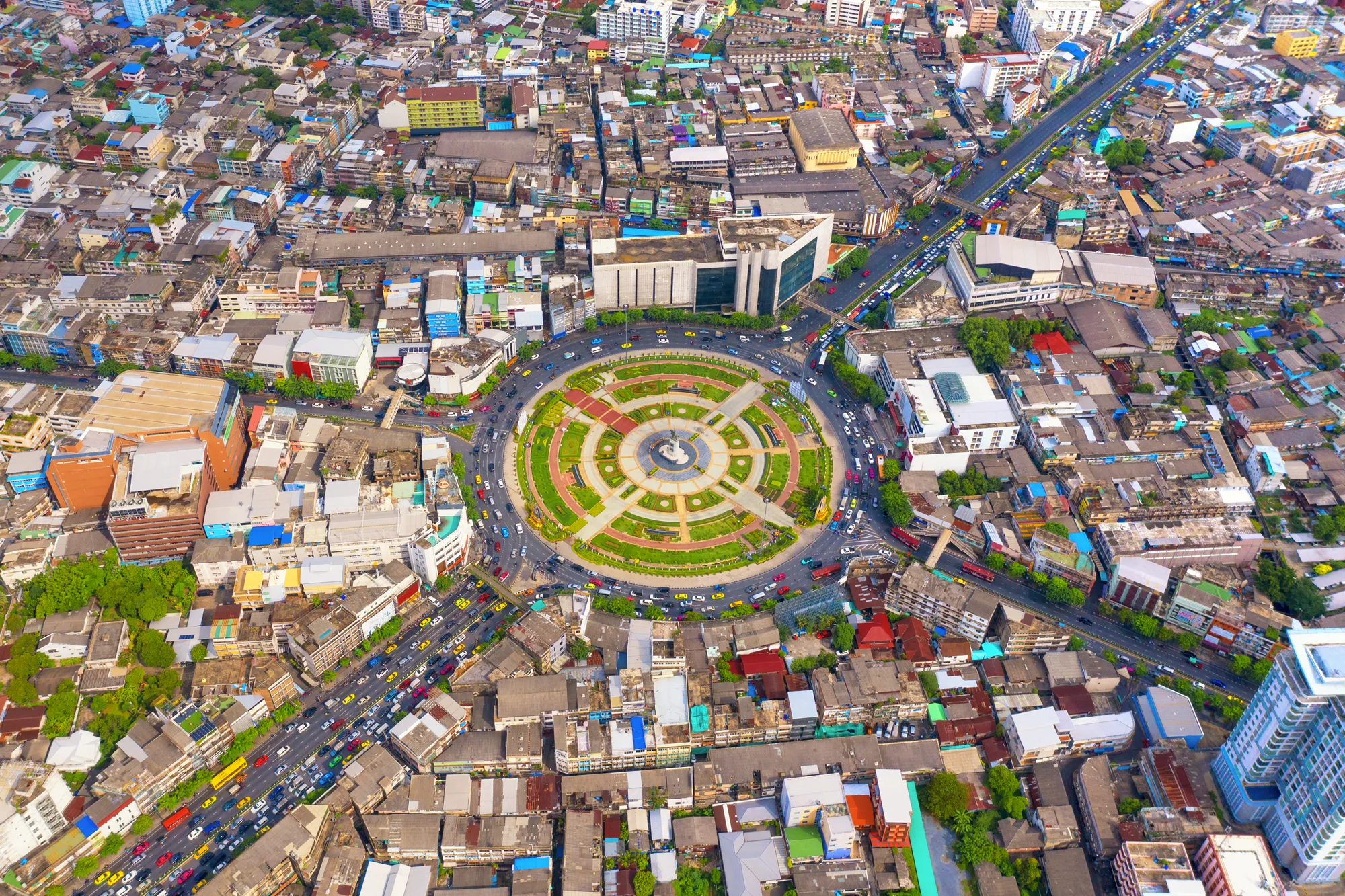
The King Taksin the Great Statue at Wongwian Yai Roundabout stands as a powerful tribute to one of Thailand's most revered historical figures. Erected in recognition of King Taksin's pivotal role in Thai history, the statue depicts him on horseback, symbolizing his military prowess and leadership. This monument was inaugurated in 1954, during a period when Thailand was seeking to reinforce national identity and pride through the commemoration of its historical heroes.
King Taksin reigned from 1767 to 1782, a time marked by upheaval and resilience. Following the fall of Ayutthaya, the then-capital of Siam, to Burmese invaders, Taksin emerged as a unifying force. He led a strategic campaign to reclaim territories and established Thonburi, on the west bank of the Chao Phraya River, as the new capital. His efforts not only saved the nation from disintegration but also laid the groundwork for the subsequent establishment of Bangkok as the enduring capital.
The statue itself serves as a focal point for commemorative events, particularly on December 28th, which marks King Taksin's coronation and is celebrated as a public holiday. Ceremonies often include military parades, cultural performances, and offerings made by the local community, reflecting deep respect and admiration for his legacy.
Culturally, the statue represents more than just historical memory; it is a symbol of resilience and unity. For locals, it is a reminder of Taksin's dedication to preserving Thai sovereignty and culture. Tourists, on the other hand, see it as a gateway to understanding Thailand's rich history and the enduring spirit of its people.
King Taksin's reign was characterized by significant contributions to Thai society, including the restoration of trade and the reorganization of the administration and military. His efforts in fostering cultural revival are notable, as he encouraged the arts and religion, helping to rebuild temples and promote Buddhism as a cornerstone of Thai identity. These contributions are a testament to why his legacy is enshrined in the form of this grand statue, making it a significant landmark in Bangkok for both historical reflection and cultural appreciation.

Nearby Attractions
-
Thonburi Canals: Just a stone's throw from the Wongwian Yai Roundabout, these historic canals offer a serene escape from the bustling city. Take a traditional long-tail boat ride to witness the charming wooden houses and everyday Thai life along the water's edge. It's a peaceful journey that highlights Bangkok's unique river culture.
-
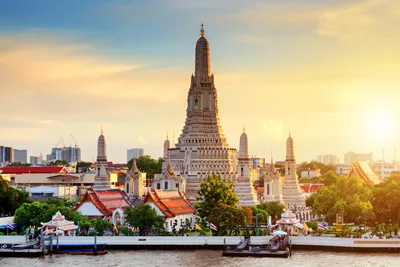
Wat Arun (Temple of Dawn): Located nearby, this stunning riverside temple is famed for its towering spires covered in colorful porcelain mosaics. Climb to the top for a panoramic view of the Chao Phraya River and the city skyline, especially beautiful at sunset when the temple glows with warm hues.
-
Wat Kalayanamit: A lesser-known gem, this temple offers a tranquil atmosphere and houses one of the largest sitting Buddha statues in Bangkok. It's a perfect spot for those looking to explore spiritual and historical aspects without the tourist crowd.
-
Khlong San Market: Dive into the local shopping scene at this vibrant market, where you can find everything from trendy fashion to unique souvenirs. The bustling atmosphere and street food stalls make it a lively spot to experience Bangkok's shopping culture.
-
Santa Cruz Church: A beautiful reminder of Bangkok's multicultural past, this Portuguese-style Catholic church is a peaceful retreat. Its striking architecture and riverside location make it a picturesque stop for history and architecture enthusiasts.
-
Sala Rattanakosin Eatery: For a taste of modern Thai cuisine with a view, head to this chic restaurant overlooking the Chao Phraya River and Wat Arun. Enjoy a meal with a view of the glowing temple, offering a delightful dining experience that blends culture and cuisine.
-
Princess Mother Memorial Park: A tranquil green space dedicated to the beloved mother of King Rama IX, this park features beautiful gardens, a small museum, and pavilions. It's a serene spot for a leisurely stroll and to learn more about Thai royalty.
These attractions provide a rich tapestry of historical, cultural, and culinary experiences, making the area around Wongwian Yai Roundabout a must-visit for any traveler exploring Bangkok.

Wongwian Yai Roundabout is a thriving hub of activity, offering a delightful mix of shops and restaurants that reflect Bangkok's vibrant culture and diversity. Here's a curated list of must-visit spots in the area:
-
Somsak Pu Ob - This local favorite specializes in seafood, particularly their signature dish, Pu Ob Woon Sen, a tantalizing clay pot crab with glass noodles. The aromatic blend of garlic and ginger makes it a must-try for seafood lovers.
-
Krua Thai Cuisine - Offering an authentic taste of traditional Thai fare, this restaurant is renowned for its Tom Yum Goong and Green Curry. The cozy ambiance and friendly service create a welcoming dining experience.
-
Baan Phraya Thai - A charming eatery serving classic Thai dishes with a modern twist. Their Pad Thai and Mango Sticky Rice are particularly popular among both locals and tourists looking for a taste of Thailand's culinary heritage.
-
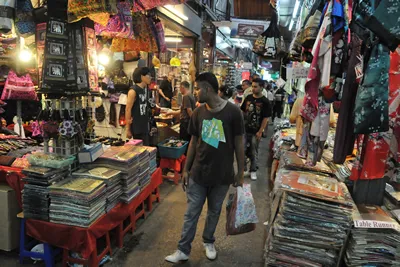
Talad Plu Market - A vibrant shopping destination, this market is known for its variety of products, from fresh produce to local handicrafts. It's an ideal spot to immerse yourself in local life and perhaps pick up some unique souvenirs.
-
Wongwian Yai Café - A quaint coffee shop offering a range of beverages and homemade pastries. It's the perfect place to relax and enjoy a quiet moment amidst the bustling streets.
-
Soi 39 Restaurant - Specializing in Isaan cuisine from Northeast Thailand, this eatery is famous for its Som Tum (papaya salad) and Larb (spicy salad). The bold flavors and vibrant dishes are sure to excite your palate.
-
Sampeng Lane - A lively shopping area filled with a variety of small shops selling textiles, accessories, and traditional Thai garments. It's steeped in history, offering a glimpse into Bangkok's past as a trading hub.
-
The Jam Factory - An eclectic complex that combines art, culture, and cuisine. Visitors can explore art galleries, browse through bookshops, and enjoy a meal at the riverside restaurant while soaking in the creative ambiance.
-
Hoy Tod Chaw Lae - Known for its mouthwatering oyster omelets, this street food stall is a hidden gem. The crispy exterior and flavorful interior make it a culinary delight worth trying.
-
Chom Arun Cafe - Situated by the river, this café provides stunning views of Wat Arun. It’s a perfect spot to unwind with a refreshing drink and a slice of their famous coconut cake.
These spots around Wongwian Yai Roundabout offer a rich tapestry of flavors and experiences, reflecting the area's dynamic spirit and cultural diversity. Whether you're indulging in local cuisine or exploring unique shops, you're sure to find something that captures the essence of Bangkok.
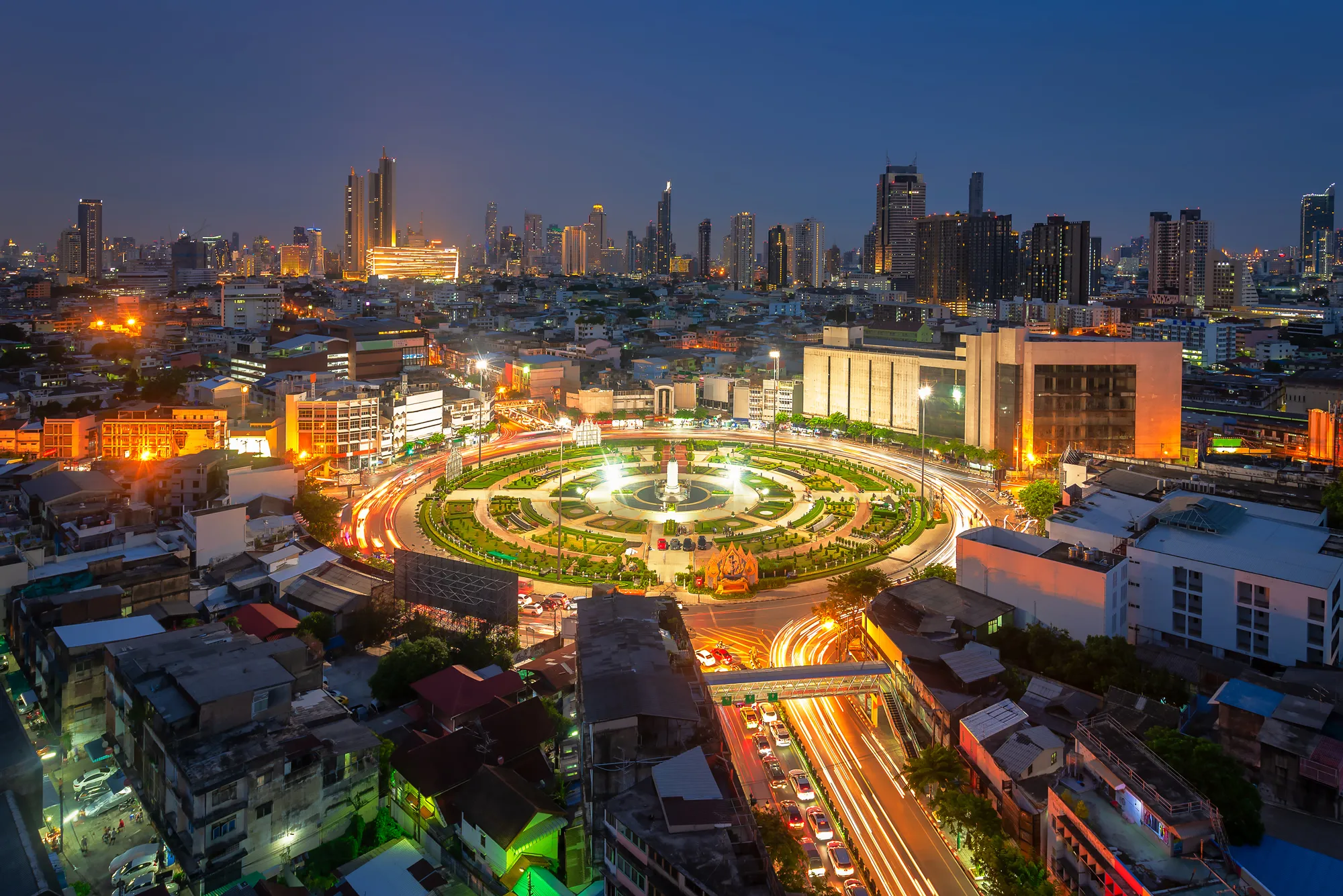
Reaching the King Taksin the Great Statue at the Wongwian Yai Roundabout from Downtown Bangkok is an exciting journey that can be achieved through various means of transport. Here’s a comprehensive guide to ensure a smooth and enjoyable trip:
Option 1: BTS Skytrain
Step 1: Start at a Central Station
- Starting Point: Choose a convenient BTS station in Downtown Bangkok, such as Siam or Chit Lom, which are part of the Sukhumvit Line.
Step 2: Transfer to Silom Line
- Transfer Station: At Siam Station, transfer to the Silom Line heading towards Bang Wa.
Step 3: Travel to Wongwian Yai Station
- Destination Station: Disembark at Wongwian Yai Station. The journey from Siam to Wongwian Yai typically takes about 15-20 minutes.
Step 4: Walk to the Statue
- Walking Directions: Exit the station and head southwest along Krung Thonburi Road. The roundabout and statue are a short 5-10 minute walk away. Enjoy the local ambiance and street vendors along the way.
Option 2: Taxi
Step 1: Hail a Taxi
- Starting Point: You can hail a taxi from anywhere in Downtown Bangkok. Ensure the driver uses the meter for a fair fare.
Step 2: Direct Route
- Travel Time: The taxi ride can take approximately 20-30 minutes, depending on traffic. Ask the driver to take you to Wongwian Yai Roundabout, focusing on Krung Thonburi Road.
Step 3: Enjoy the Ride
- Landmarks: As you travel, look out for landmarks such as the iconic Wat Arun and the bustling Chao Phraya River, which provide a scenic backdrop.
Option 3: Bus
Step 1: Find a Bus Stop
- Starting Point: Locate a bus stop in Downtown Bangkok. Popular routes include buses number 3, 82, or 105, which pass through the area.
Step 2: Board the Bus
- Bus Route: Board a bus heading towards Wongwian Yai. It's advisable to check with the conductor or driver to ensure you’re on the correct route.
Step 3: Journey to the Statue
- Travel Time: The bus journey may take between 30-45 minutes, considering traffic.
Step 4: Disembark and Walk
- Final Steps: Alight at the Wongwian Yai bus stop and follow the street signs or use a map to navigate to the roundabout.
Travel Tips:
- Timing: Avoid peak hours (7-9 AM and 5-7 PM) to minimize travel time.
- Local Advice: Engage locals if you need directions; Thai people are generally friendly and helpful.
- Cash Ready: Ensure you have small bills and change for buses and taxis.
- Weather Preparedness: Carry water and wear sunscreen, especially during the hotter months.
This guide ensures you're fully equipped to reach the King Taksin the Great Statue with ease. Enjoy your cultural exploration of this iconic Bangkok landmark!


















Michael Carter
Vestibulum ante ipsum primis in faucibus orci luctus et ultrices posuere cubilia curae; Donec vel erat in nulla efficitur tempor non ut nisl. Integer venenatis eros ut dui viverra fermentum.
Sophie Wilson
Nam ut turpis hendrerit, varius nunc vel, elementum dui. Morbi vulputate dolor sit amet scelerisque egestas. Vestibulum eleifend nunc ut bibendum fermentum.
Alex Morgan
Cras non velit nec purus tempor rhoncus. Sed non mauris vitae erat consequat auctor eu in elit. Class aptent taciti sociosqu ad litora torquent per conubia nostra.