Exploring the Temple Grounds
Upon arrival at Wat Phra Samut Chedi, visitors are greeted by a sprawling complex filled with architectural wonders and serene spaces. Each area within the temple grounds holds its own cultural and historical significance, inviting exploration and reflection.
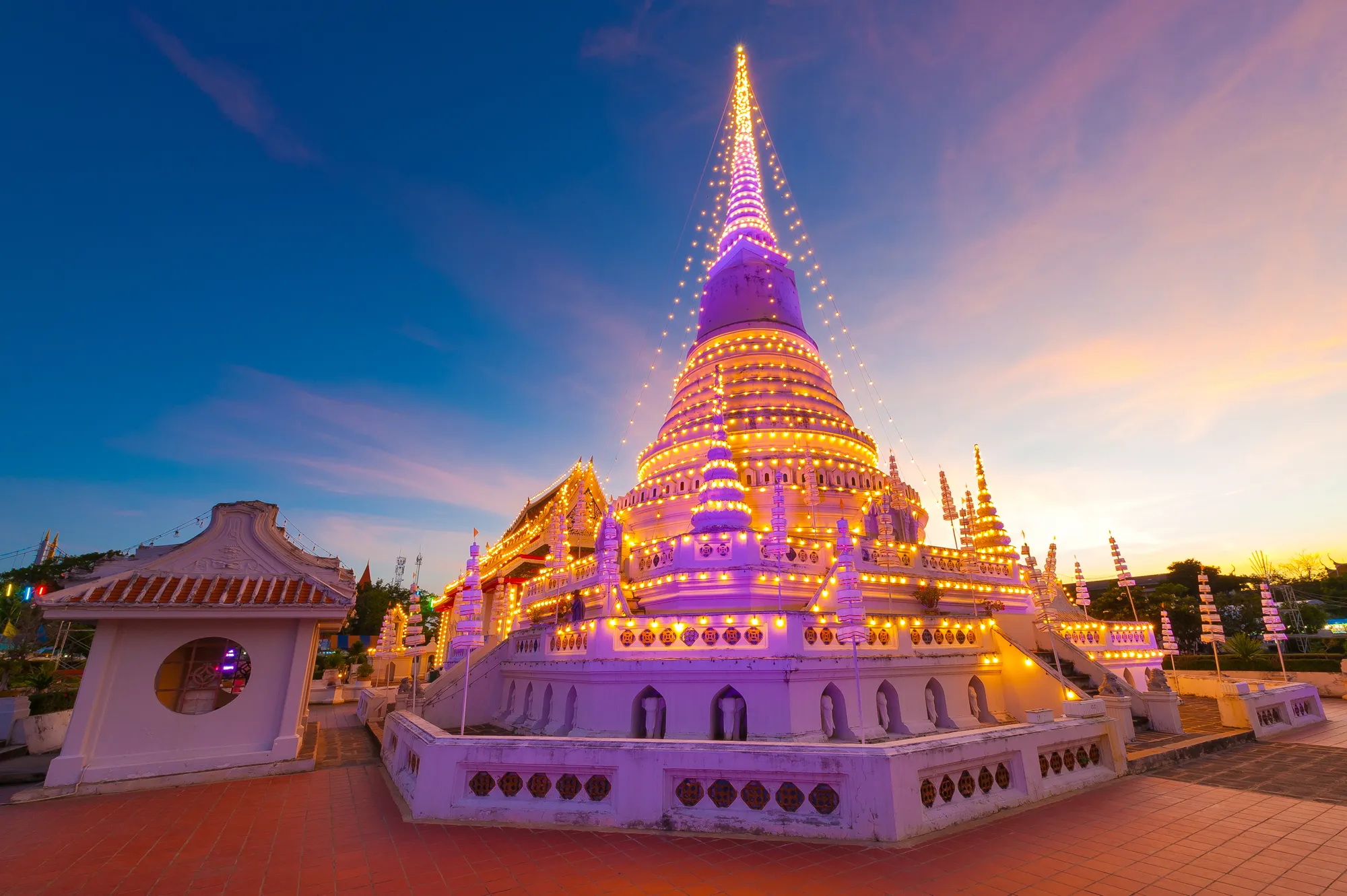
Start your tour with the iconic chedi, standing proudly at the centre of the complex. Climb the steps leading up to the base of the pagoda, where you can admire the intricate details of its design. The panoramic view from here is breathtaking, offering a glimpse of the surrounding landscape and river. Don’t forget to walk around the chedi and observe the statues and relics that narrate stories of Buddhist lore.
The temple's ordination hall, or "ubosot," is another highlight worth exploring. Step inside this sacred space to witness stunning murals that depict scenes from the life of Buddha. The murals, painted in vibrant hues, are a testament to the artistic skills of Thai craftsmen. Remember to dress modestly and remove your shoes before entering, as a sign of respect for the sanctity of the space.
Venture further into the complex to discover smaller shrines and meditation gardens, where you can find moments of deep peace and solace. These areas are ideal for quiet contemplation and offer an opportunity to engage in mindfulness activities. The gentle rustling of leaves and the distant sound of temple bells create an atmosphere conducive to introspection and relaxation.
Experiencing Serenity

To truly appreciate the tranquillity of Wat Phra Samut Chedi, timing is key. While the temple welcomes visitors throughout the day, early mornings or late afternoons are ideal for a peaceful experience. During these hours, the temple grounds are less crowded, allowing you to wander freely and absorb the serene ambiance at your leisure.
Consider participating in some mindfulness activities while at the temple. Bring along a journal and pen; the serene environment is perfect for reflecting on your experiences and capturing them in writing. Alternatively, find a quiet corner and practice meditation, letting the calm surroundings guide you into a state of relaxation. These simple practices can greatly enhance your visit, providing a deeper connection with the spiritual essence of the temple.
Photography enthusiasts will find plenty to capture at Wat Phra Samut Chedi. The play of light and shadow on the white chedi, the vibrant colours of the murals, and the lush greenery make for stunning photographs. Just remember to be respectful of the sanctity of the site and avoid photographing people engaged in prayer or meditation without permission.
Local Insights

No visit to Wat Phra Samut Chedi is complete without engaging with the local community. The temple is an integral part of daily life in the area, and locals are often more than willing to share their stories and insights with visitors. Take the opportunity to chat with the monks and devotees you encounter, and you may uncover fascinating tales about the temple's history and its role in the community.
While in the area, explore the nearby markets and eateries that offer a taste of authentic Thai cuisine. Sample local delicacies such as "khanom krok" (coconut pancakes) and "pad thai" (stir-fried noodles), which are sure to tantalise your taste buds. For a more leisurely experience, visit a nearby café or teahouse and unwind with a refreshing drink after your temple exploration.
Don't forget to check out other attractions in the vicinity. The Phra Pradaeng district, known for its lush parks and green spaces, is just a short drive away and offers a perfect complement to your temple visit. Here, you can enjoy a bike ride or leisurely stroll along tree-lined paths, immersing yourself in the natural beauty of the area.
Getting There
Finding your way to Wat Phra Samut Chedi and the Phi Suea Samut Fort Museum can be as adventurous as the visit itself. Located approximately 20 kilometres south of central Bangkok in Samut Prakan Province, the temple is easily accessible via several modes of transportation. Whether you prefer the convenience of public transport or the comfort of a guided tour, there are options to suit every traveller's needs.
For those opting for public transport, the BTS Skytrain is a popular choice. Board the train to Pak Nam Station on the Sukhumvit Line, and from there, a short taxi ride will take you to the Phra Samut Chedi Pier, take a water taxi across the river to the pier closest to the Phi Suea Samut Fort Museum. If you’re in the mood for a more scenic route, consider taking a boat ride down the Chao Phraya River. While it might take a bit longer, the views along the river are truly captivating and offer a unique perspective of Bangkok's waterways.
Guided tours are another excellent way to reach Wat Phra Samut Chedi, especially for first-time visitors. Several tour operators in Bangkok offer temple tours that include transport, allowing you to relax and enjoy the experience without worrying about navigation. These tours often combine visits to other nearby attractions, providing you with a comprehensive cultural experience in a single day.
To reach the Wat Phra Samut Chedi and the Phi Suea Samut Fort Museum from Downtown Bangkok via the Phra Samut Chedi Pier, there are several options:

Option 1: BTS and Public Bus
-
BTS Skytrain: Start by taking the BTS Skytrain from any central station in Downtown Bangkok to the Pak Nam station on the Sukhumvit Line. This journey typically takes around 45 minutes.
-
Public Bus: From Pak Nam station, walk to the nearby bus stop and board Bus No. 20. This bus will take you towards Phra Samut Chedi Pier. The travel time can range from 30 to 45 minutes, depending on traffic conditions. Ensure you have small change for the fare.
-
Transfer to Water Taxi: Once you reach Phra Samut Chedi Pier, take a water taxi across the river to the pier closest to the Phi Suea Samut Fort Museum. The water taxi ride is a quick 10-minute journey.
Option 2: Taxi
-
Taxi from Downtown Bangkok: Hail a taxi and instruct the driver to head towards Phra Samut Chedi Pier. The most efficient route usually involves taking the Rama III Road, then onto the Industrial Ring Road, and finally on to Sukhumvit Road. Expect the ride to take about 1 to 1.5 hours, depending on traffic.
-
Approximate Fare: The taxi fare from Downtown Bangkok to Phra Samut Chedi Pier should be around 250 to 400 THB. It's advisable to ask the driver to use the meter.
-
Traffic Tips: To avoid heavy traffic, consider traveling outside peak hours (7-9 AM and 5-7 PM). If your schedule allows, weekends or mid-mornings are generally less congested.
Option 3: Combined Public Transport and Water Taxi
-
BTS to Pak Nam: As mentioned, take the BTS to Pak Nam.
-
Public Bus: From Pak Nam, catch Bus No. 20 or any local shuttle headed towards Phra Samut Chedi Pier.
-
Water Taxi: Transfer at the pier to a water taxi for the final leg of your journey to the museum.
With these options, you can enjoy a seamless trip to the Phi Suea Samut Fort Museum, experiencing a blend of Bangkok's modern transit and traditional waterway travel.
Make your Visit Complete with the Phi Suea Samut Fort Museum
Nestled along the banks of the Chao Phraya River, the Phi Suea Samut Fort Museum stands as a majestic sentinel of Thailand's storied past. Its strategic location once served as a formidable defense point, safeguarding the kingdom from maritime threats. Constructed during the reign of King Rama III in the early 19th century, this fort is a remarkable example of Thai military architecture, combining robust brickwork with intricately carved facades that reflect the artistry of the era.
As you approach the fort, its historical significance is palpable. The museum within its walls unfolds the narrative of Thailand's resilience and strategic ingenuity. Visitors are invited to journey through time with exhibits that feature an array of artifacts, from ancient weaponry to evocative photographs. Each display is meticulously curated, offering insights into the fort's pivotal role in protecting the nation and its transformation over the centuries.
The museum's interactive displays are particularly captivating, allowing visitors to engage directly with history. Imagine donning the attire of a 19th-century soldier or stepping into a replica command room, where the echoes of past strategies come to life. These experiences provide a vivid connection to the past, making the fort's history accessible and engaging for all ages.
For anyone exploring Bangkok, a visit to the Phi Suea Samut Fort Museum is an invitation to step into a world where history and culture converge, offering an enriching experience that resonates long after the journey ends.
In a city as dynamic as Bangkok, Wat Phra Samut Chedi stands out as a beacon of tranquillity and spiritual richness. This temple, with its historical significance and cultural charm, offers an unparalleled escape for travellers seeking a deeper connection with Thai heritage. Whether you're a seasoned cultural explorer or a first-time visitor to Bangkok, a visit to Wat Phra Samut Chedi promises to be a memorable and enriching experience.
If this visit leaves you with a newfound appreciation for Thai culture and spirituality, don't hesitate to share your experiences. Connect with fellow travellers and exchange stories about your adventures, helping others discover the beauty that awaits at Wat Phra Samut Chedi. For those eager to explore more of Bangkok's hidden gems, consider further journeys to other cultural sites and landmarks that showcase the vibrant tapestry of this remarkable city.






















Michael Carter
Vestibulum ante ipsum primis in faucibus orci luctus et ultrices posuere cubilia curae; Donec vel erat in nulla efficitur tempor non ut nisl. Integer venenatis eros ut dui viverra fermentum.
Sophie Wilson
Nam ut turpis hendrerit, varius nunc vel, elementum dui. Morbi vulputate dolor sit amet scelerisque egestas. Vestibulum eleifend nunc ut bibendum fermentum.
Alex Morgan
Cras non velit nec purus tempor rhoncus. Sed non mauris vitae erat consequat auctor eu in elit. Class aptent taciti sociosqu ad litora torquent per conubia nostra.