Architectural Marvels
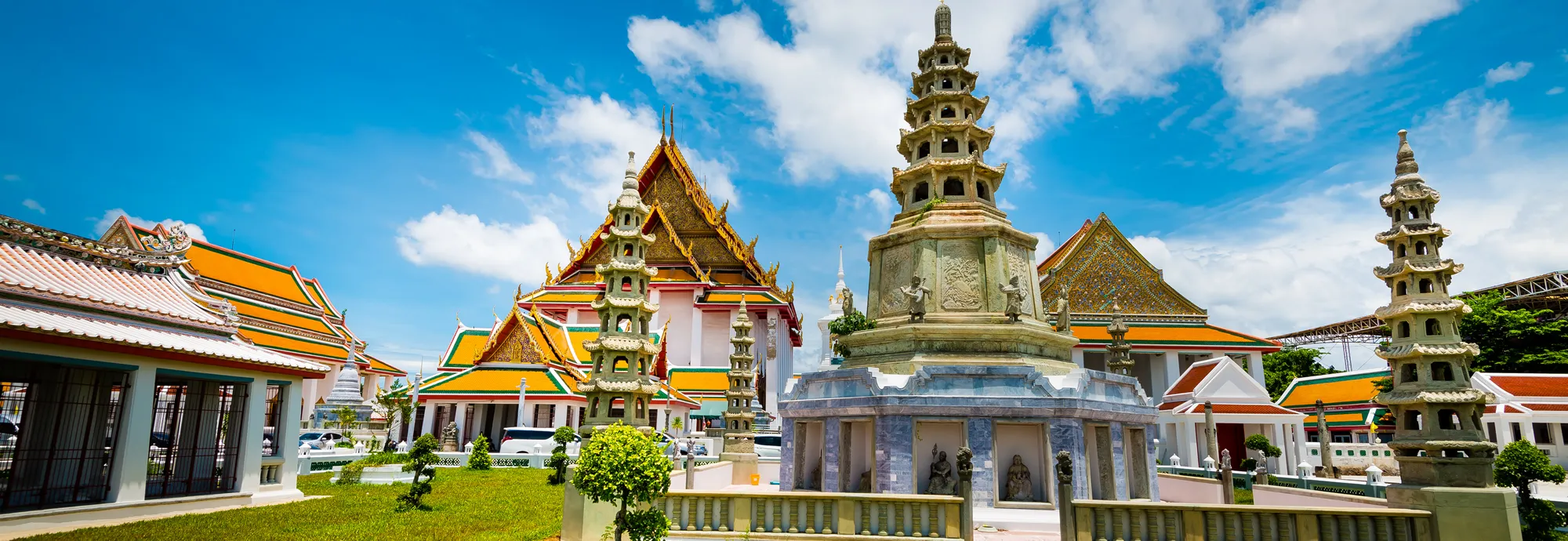
The temple's architecture is a feast for the eyes, featuring intricate carvings and detailed designs that seamlessly blend Thai and Chinese styles. Each corner of the temple tells a story, reflecting the cultural exchange between these two great civilisations during the Ayutthaya period.
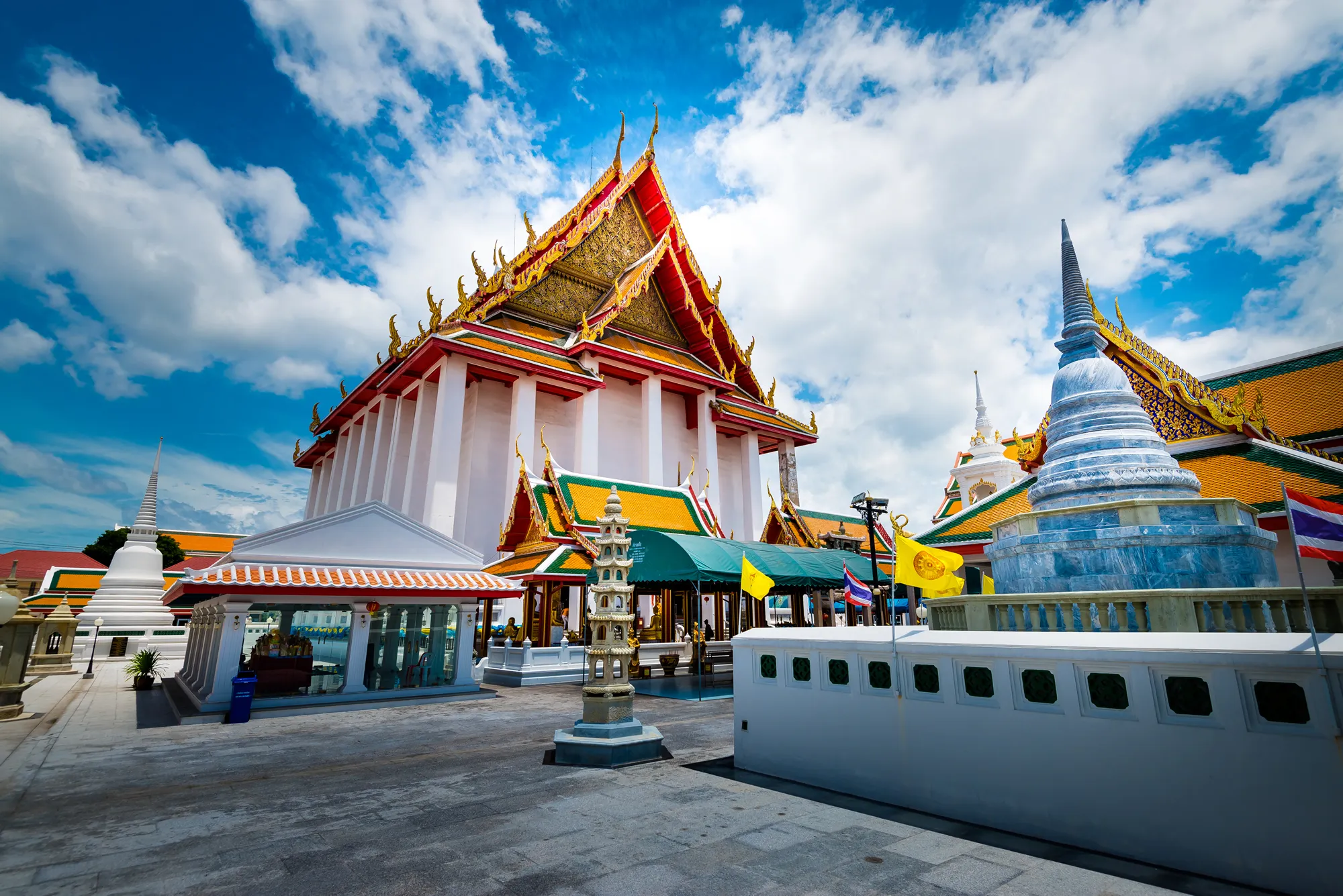
Wat Kalayanamit stands as a captivating showcase of architectural harmony, merging the elegance of Thai tradition with the intricate artistry of Chinese influence. This unique fusion is evident from the moment you set eyes on the temple, where sweeping roofs adorned with vibrant colors and ornate details invite admiration and exploration.
The temple's architecture is characterized by its grand, multi-tiered roofs that gracefully ascend toward the sky, reminiscent of traditional Thai temple design. These roofs are often embellished with colorful ceramic tiles, reflecting the vibrant hues of Chinese aesthetics, creating a striking visual contrast against the serene backdrop of the Chao Phraya River. The rooflines are punctuated with intricately carved finials and gables, showcasing the skill of artisans who expertly blend motifs from both cultures, such as lotus flowers and Chinese dragons, symbolizing purity and power.
The use of red and gold dominates the temple's color palette, a nod to Chinese architectural tradition where red symbolizes good fortune and gold represents prosperity and divine protection. These colors are elegantly interwoven with the more subdued whites and greens typical of Thai wats, or temples, creating a harmonious balance that speaks to the cultural exchange between the two nations.
Decorative elements throughout Wat Kalayanamit tell a story of mutual respect and shared heritage. Delicate carvings and murals depict scenes from Buddhist lore, interspersed with Chinese calligraphy and iconography, illustrating the philosophical and cultural ties that bind Thailand and China. The temple's layout itself, with its spacious courtyards and symmetrical design, reflects Chinese principles of feng shui, aimed at promoting balance and harmony within the sacred space.
These architectural choices are not merely aesthetic; they hold profound historical significance. Commissioned during the reign of King Rama III, the temple was a symbol of friendship and diplomatic relations between Thailand and China, a gesture of goodwill and cultural appreciation that resonates through its halls to this day.
For visitors, the visual impact of Wat Kalayanamit's architecture is both awe-inspiring and enlightening. The temple's grandeur and meticulous detailing invite contemplation of the rich tapestry of influences that shaped its construction, offering a tangible connection to the history and traditions of two great cultures. As a significant landmark along the Chao Phraya River, Wat Kalayanamit not only contributes to the aesthetic allure of the area but also stands as a testament to the enduring legacy of cultural exchange and unity.
Tranquil Riverside Setting
Wat Kalayanamit's location along the Chao Phraya River provides a peaceful oasis in the bustling city of Bangkok. This serene setting offers visitors a chance to reflect and explore at their own pace, surrounded by the natural beauty of the river and the lush temple grounds.

Wat Kalayanamit's festivals and traditions
At Wat Kalayanamit, the vibrant tapestry of Bangkok's cultural and spiritual life comes alive through its festivals and traditions. These celebrations are not just events; they are profound expressions of the community's enduring beliefs and the temple's role as a spiritual cornerstone.
One of the most significant festivals celebrated at Wat Kalayanamit is the Songkran Festival, marking the Thai New Year in April. Rooted in ancient traditions, Songkran is a time for cleansing and renewal, symbolizing the washing away of the past year's misfortunes. At the temple, this festival is marked by the joy of water splashing rituals, where locals and visitors alike engage in symbolic purification, reinforcing the bonds of community and family. Monks perform blessings, and devotees partake in merit-making activities, such as offering food to the temple, ensuring prosperity and happiness in the coming year.
Another key event is the Loy Krathong Festival, held on the full moon night of the twelfth lunar month. Known for its enchanting display of floating lanterns, this festival is a visual celebration of gratitude and forgiveness. At Wat Kalayanamit, the temple grounds transform into a shimmering spectacle as beautifully decorated krathongs—small floats adorned with flowers and candles—are released onto the Chao Phraya River. This act is a poignant reflection of letting go of past grievances and welcoming new beginnings, creating a dreamlike atmosphere that captivates the hearts of participants.
In addition to these grand celebrations, Wat Kalayanamit hosts a variety of smaller, yet equally significant, religious ceremonies throughout the year. These include the revered Makha Bucha and Visakha Bucha days, which commemorate pivotal events in the life of Buddha. During these ceremonies, the temple becomes a sanctuary of peace and reflection, as monks lead processions and chants, inviting all attendees to delve deeper into their spiritual journey.
The temple's role in these festivals is not merely as a backdrop, but as a vibrant hub of community life. It serves as a gathering place where locals and tourists come together, bridging cultural divides through shared experiences and mutual respect. The air is filled with the sounds of traditional music, the aroma of local delicacies, and the sight of smiling faces united in celebration.
Wat Kalayanamit's festivals and traditions offer a window into the soul of Bangkok, where spirituality and community intertwine in a dance of colors, sounds, and beliefs. These events are a testament to the temple's enduring legacy as a beacon of hope and unity, inviting all who visit to partake in its rich heritage and to leave with a heart full of inspiration and joy.
At Wat Kalayanamit, the vibrant tapestry of Bangkok's cultural and spiritual life comes alive through its festivals and traditions. These celebrations are not just events; they are profound expressions of the community's enduring beliefs and the temple's role as a spiritual cornerstone.
One of the most significant festivals celebrated at Wat Kalayanamit is the Songkran Festival, marking the Thai New Year in April. Rooted in ancient traditions, Songkran is a time for cleansing and renewal, symbolizing the washing away of the past year's misfortunes. At the temple, this festival is marked by the joy of water splashing rituals, where locals and visitors alike engage in symbolic purification, reinforcing the bonds of community and family. Monks perform blessings, and devotees partake in merit-making activities, such as offering food to the temple, ensuring prosperity and happiness in the coming year.
Another key event is the Loy Krathong Festival, held on the full moon night of the twelfth lunar month. Known for its enchanting display of floating lanterns, this festival is a visual celebration of gratitude and forgiveness. At Wat Kalayanamit, the temple grounds transform into a shimmering spectacle as beautifully decorated krathongs—small floats adorned with flowers and candles—are released onto the Chao Phraya River. This act is a poignant reflection of letting go of past grievances and welcoming new beginnings, creating a dreamlike atmosphere that captivates the hearts of participants.
In addition to these grand celebrations, Wat Kalayanamit hosts a variety of smaller, yet equally significant, religious ceremonies throughout the year. These include the revered Makha Bucha and Visakha Bucha days, which commemorate pivotal events in the life of Buddha. During these ceremonies, the temple becomes a sanctuary of peace and reflection, as monks lead processions and chants, inviting all attendees to delve deeper into their spiritual journey.
The temple's role in these festivals is not merely as a backdrop, but as a vibrant hub of community life. It serves as a gathering place where locals and tourists come together, bridging cultural divides through shared experiences and mutual respect. The air is filled with the sounds of traditional music, the aroma of local delicacies, and the sight of smiling faces united in celebration.
Wat Kalayanamit's festivals and traditions offer a window into the soul of Bangkok, where spirituality and community intertwine in a dance of colors, sounds, and beliefs. These events are a testament to the temple's enduring legacy as a beacon of hope and unity, inviting all who visit to partake in its rich heritage and to leave with a heart full of inspiration and joy.

Visitor Tips
- Visit Early: Arrive in the early morning to enjoy the tranquillity before the crowds gather.
- Dress Modestly: As a place of worship, it's important to cover shoulders and knees.
- Explore Thoroughly: Take your time to wander through the temple grounds and the riverside area for a complete experience.
- Engage with Monks: Interacting with local monks can provide deeper insights into the temple's history and cultural significance.
- Consider a Boat Tour: Viewing the temple from the river offers a unique perspective on its stunning setting.
- Attend a Festival: Plan your visit during a traditional festival or ceremony for an enriched cultural experience.
Travel Itinerary: Exploring Bangkok's Cultural Treasures
Embark on a captivating journey to discover Bangkok's rich cultural heritage, starting with the serene Wat Kalayanamit and exploring nearby iconic attractions. This itinerary will guide you through a day of spiritual and historical exploration, offering practical tips and hidden gems along the way.
Morning: Wat Kalayanamit
Start Time: 9:00 AM
Duration: 1-2 hours
Unique Features:
Wat Kalayanamit is renowned for its blend of Thai and Chinese architecture, reflecting a harmonious cultural exchange. The temple's tranquil ambiance and the majestic Phra Buddha Trai Rattana Nayok statue are must-sees. Enjoy the serene surroundings and the historical narrative ingrained in its walls.
Local Tip: Visit in the early morning to experience the peaceful atmosphere and avoid crowds. Spend some time reflecting by the river for a truly calming experience.
Late Morning: Wat Arun (Temple of Dawn)
Travel from Wat Kalayanamit:
Take a river boat taxi from Rajinee Pier to Tha Tien Pier. From there, catch a cross-river ferry to Wat Arun.
Estimated Travel Time: 20 minutes
Best Time to Visit: Late morning for fewer crowds and beautiful lighting.
Unique Features:
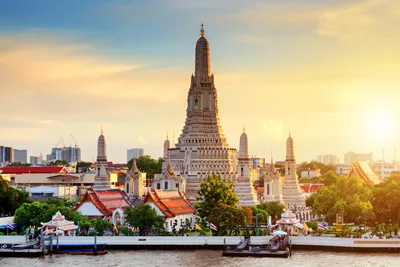
Known for its striking spires and intricate porcelain decorations, Wat Arun is a symbol of Thailand’s vibrant artistic heritage. Climb the central prang for panoramic views of the city and river.
Local Tip: The best photos are taken from the riverbank, capturing Wat Arun’s reflection in the water.
Afternoon: Wat Pho
Travel from Wat Arun:
Take the ferry back to Tha Tien Pier and walk to Wat Pho, just a short distance away.
Estimated Travel Time: 10 minutes on foot
Best Time to Visit: Early afternoon
Unique Features:
Home to the enormous Reclining Buddha, Wat Pho is a cultural and spiritual hub. It's also known for the Thai massage school, offering a chance to relax and rejuvenate.
Local Tip: Don’t miss the beautiful murals and intricate details throughout the temple grounds. Consider indulging in a traditional Thai massage here.
Late Afternoon: The Grand Palace and Wat Phra Kaew
Travel from Wat Pho:
A brief walk to the entrance of the Grand Palace.
Estimated Travel Time: 10 minutes on foot
Best Time to Visit: Late afternoon for cooler temperatures and fewer crowds.
Unique Features:
The Grand Palace is an architectural masterpiece, with Wat Phra Kaew (Temple of the Emerald Buddha) being its spiritual heart. It’s a dazzling display of Thai craftsmanship and history.
Local Tip: Dress modestly as a sign of respect. Allow plenty of time to explore the vast palace grounds and adjacent temple.
Evening: Cultural Immersion and Dining
Recommended Dining Spot:
Head to the nearby riverside area for a dinner with a view. Consider trying the local favorite, Ask for the Moon, for a delightful Thai dining experience with a scenic backdrop.
Hidden Gems:
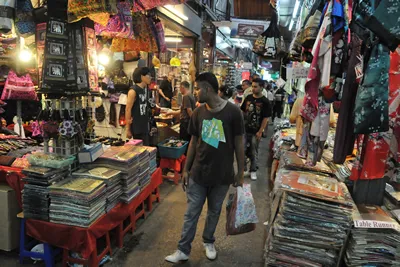
Stroll along the Chao Phraya River and explore the small markets and boutiques offering local crafts and souvenirs. Consider a sunset river cruise to conclude your day, taking in the illuminated cityscape.
Local Tip: Engage with local vendors to learn more about the culture and history of the area, and don’t hesitate to try street food for an authentic taste of Bangkok.
This itinerary offers a comprehensive glimpse into Bangkok's cultural heart, ensuring a memorable and enriching experience. Each site is a testament to the city’s rich history, making them essential stops on any traveler’s journey.

Travel Guide: Reaching Wat Kalayanamit from Downtown Bangkok
Embark on a journey to Wat Kalayanamit, a serene temple nestled along the Chao Phraya River. Here’s a comprehensive guide on how to reach this architectural gem from downtown Bangkok using various modes of transportation.
BTS Skytrain and River Boat Taxi
Step 1: Start at Siam BTS Station
- Board the BTS Skytrain on the Silom Line heading towards Bang Wa.
- Travel to Saphan Taksin Station (S6).
- Estimated Travel Time: 15 minutes
- Cost: Approximately 44 THB
Step 2: Transfer to the River Boat Taxi
- From Saphan Taksin, head to the adjoining Sathorn Pier.
- Board the Chao Phraya Express Boat (Orange Flag Line) heading north.
- Disembark at Rajinee Pier (N8).
- Estimated Travel Time: 20 minutes
- Cost: Approximately 16 THB
Step 3: Final Walk to Wat Kalayanamit
- From Rajinee Pier, enjoy a short walk to the temple, taking in the riverside views.
Tip: Travel during weekdays to avoid weekend crowds, and enjoy the scenic river views along the way.
MRT Subway and Public Bus
Step 1: Start at Silom MRT Station
- Board the MRT Blue Line towards Lak Song.
- Travel to Hua Lamphong Station (MRT terminal station).
- Estimated Travel Time: 10 minutes
- Cost: Approximately 21 THB
Step 2: Transfer to Public Bus
- Exit Hua Lamphong Station and head to the nearby bus stop.
- Board Bus No. 1 or 3 heading towards Memorial Bridge.
- Disembark at the nearest stop to Wat Kalayanamit.
- Estimated Travel Time: 20 minutes
- Cost: Approximately 9 THB
Tip: Buses offer a glimpse into daily life in Bangkok, enhancing your cultural experience.
Taxi
Step 1: Start from Downtown Bangkok
- Hail a taxi directly to Wat Kalayanamit.
- Estimated Travel Time: 30-40 minutes (depending on traffic)
- Cost: Approximately 150-200 THB
Tip: Use a taxi app for convenience and to avoid haggling; note that traffic can be heavy during peak hours.
Cultural and Historical Insights
As you make your way to Wat Kalayanamit, consider the historical significance of your journey along the Chao Phraya River, a vital waterway that has nurtured Bangkok's growth. The river and its surroundings are dotted with landmarks that reflect Thailand's rich cultural tapestry.
Wat Kalayanamit itself is a testament to the cultural exchange between Thai and Chinese communities, evident in its unique architectural styles and historical background. The temple not only offers spiritual solace but also a window into the harmonious blend of traditions that define this vibrant city.
Enjoy your journey to Wat Kalayanamit and immerse yourself in the tranquility and beauty that await at this cherished destination.
The History of Wat Kalayanamit
Wat Kalayanamit is a fascinating window into Thailand's rich history, tracing its roots back to the illustrious Ayutthaya period. Founded in the 17th century by Pae Seua, a prominent Chinese merchant, the temple stands as a testament to the enduring cultural symbiosis between Thai and Chinese communities. Pae Seua was not only a successful trader but also a devout Buddhist, whose contributions to religious monuments have left an indelible mark on Thailand's spiritual landscape.
During the Ayutthaya period, a time marked by prosperity and cultural flourishing, Wat Kalayanamit emerged as a beacon of spiritual and cultural exchange. The temple was originally established as a place of worship and community gathering, reflecting the harmonious blend of Thai and Chinese traditions. This blend is evident in its architectural style, which seamlessly integrates Thai elegance with Chinese intricacy, symbolizing a mutual respect and shared heritage that continues to define the area.
Over the centuries, Wat Kalayanamit has seen numerous restorations and expansions, each adding layers to its historical and cultural narrative. One of the most significant additions is the Phra Buddha Trai Rattana Nayok, a colossal statue that embodies the temple's spiritual essence and draws visitors from all corners of the globe. This statue, with its serene presence and grand scale, enhances the temple's role as a sanctuary of peace and reflection.
Despite the passage of time, Wat Kalayanamit remains an active hub of Buddhist learning and worship, fulfilling its founder's vision of fostering spiritual growth and community ties. The temple hosts regular teachings and ceremonies, inviting both locals and visitors to delve deeper into Buddhist philosophy and practice. Its ongoing function as a spiritual center underscores its enduring relevance in Bangkok's vibrant cultural tapestry.
Wat Kalayanamit's historical significance extends beyond its physical boundaries, serving as a cultural bridge that continues to connect Thai and Chinese communities. It stands as a symbol of the dynamic exchange of ideas and beliefs that has enriched Thailand's history, making it an invaluable piece of the nation's heritage. As both a historical monument and a living place of worship, Wat Kalayanamit offers a unique glimpse into the past while actively shaping the spiritual future of its community.
Wat Kalayanamit is a fascinating window into Thailand's rich history, tracing its roots back to the illustrious Ayutthaya period. Founded in the 17th century by Pae Seua, a prominent Chinese merchant, the temple stands as a testament to the enduring cultural symbiosis between Thai and Chinese communities. Pae Seua was not only a successful trader but also a devout Buddhist, whose contributions to religious monuments have left an indelible mark on Thailand's spiritual landscape.
During the Ayutthaya period, a time marked by prosperity and cultural flourishing, Wat Kalayanamit emerged as a beacon of spiritual and cultural exchange. The temple was originally established as a place of worship and community gathering, reflecting the harmonious blend of Thai and Chinese traditions. This blend is evident in its architectural style, which seamlessly integrates Thai elegance with Chinese intricacy, symbolizing a mutual respect and shared heritage that continues to define the area.
Over the centuries, Wat Kalayanamit has seen numerous restorations and expansions, each adding layers to its historical and cultural narrative. One of the most significant additions is the Phra Buddha Trai Rattana Nayok, a colossal statue that embodies the temple's spiritual essence and draws visitors from all corners of the globe. This statue, with its serene presence and grand scale, enhances the temple's role as a sanctuary of peace and reflection.
Despite the passage of time, Wat Kalayanamit remains an active hub of Buddhist learning and worship, fulfilling its founder's vision of fostering spiritual growth and community ties. The temple hosts regular teachings and ceremonies, inviting both locals and visitors to delve deeper into Buddhist philosophy and practice. Its ongoing function as a spiritual center underscores its enduring relevance in Bangkok's vibrant cultural tapestry.
Wat Kalayanamit's historical significance extends beyond its physical boundaries, serving as a cultural bridge that continues to connect Thai and Chinese communities. It stands as a symbol of the dynamic exchange of ideas and beliefs that has enriched Thailand's history, making it an invaluable piece of the nation's heritage. As both a historical monument and a living place of worship, Wat Kalayanamit offers a unique glimpse into the past while actively shaping the spiritual future of its community.
Conclusion
Whether you're a history enthusiast, a spiritual seeker, or simply a traveller looking to immerse yourself in the local culture, Wat Kalayanamit offers a unique experience that is both educational and enriching. We invite you to explore this remarkable temple, where the past and present beautifully converge along the banks of the Chao Phraya River.





















Michael Carter
Vestibulum ante ipsum primis in faucibus orci luctus et ultrices posuere cubilia curae; Donec vel erat in nulla efficitur tempor non ut nisl. Integer venenatis eros ut dui viverra fermentum.
Sophie Wilson
Nam ut turpis hendrerit, varius nunc vel, elementum dui. Morbi vulputate dolor sit amet scelerisque egestas. Vestibulum eleifend nunc ut bibendum fermentum.
Alex Morgan
Cras non velit nec purus tempor rhoncus. Sed non mauris vitae erat consequat auctor eu in elit. Class aptent taciti sociosqu ad litora torquent per conubia nostra.